REVIEW · HO CHI MINH CITY
Saigon History & Cu Chi Tunnels with War Museum 1-Day Tour
Book on GetYourGuide →Operated by Joy_Journeys · Bookable on GetYourGuide
The tunnels feel closer than you expect. This Saigon one-day trip links Cu Chi history with the War Remnants Museum, plus a Saigon city pause for the Post Office and Notre-Dame Cathedral.
I love how the pacing stays human-scale with a small group (up to 10) and an English-speaking guide. I also like the hands-on moments, like a secret entrance crawl into 100-meter tunnels and the chance to taste tapioca near the site.
One consideration: the crawl spaces and bunker areas are tight. If you’re tall or feel uncomfortable in enclosed spots, plan for a more physical, slightly claustrophobic experience.
In This Review
- Key things that make this tour work
- Why Cu Chi tunnels and Saigon’s war sites belong together
- Small group, real guidance: up to 10 guests with English support
- Getting picked up in District 1 or District 4 (and where you might meet)
- Saigon to Cu Chi: the 2-hour van ride that sets your mood
- The Cu Chi start: handicrafts and a propaganda documentary
- Secret entrance crawl: 100-meter tunnels in real, physical terms
- Booby traps, “how it worked” lessons, and the real feel of war
- Viet Cong food tasting near the tunnels: practical, not just symbolic
- Lunch and downtime in Ho Chi Minh City: Post Office and Notre-Dame
- War Remnants Museum and the hidden weapon bunker: tying tactics to evidence
- Price and value: why $54 can be a fair deal for a full day
- What to pack and how to prepare for a tunnel-heavy day
- Should you book this Cu Chi Tunnels and War Museum 1-Day Tour?
- FAQ
- How long is the Saigon History & Cu Chi Tunnels with War Museum tour?
- How big is the group?
- Is pickup and drop-off included?
- Is the tour guided in English?
- What lunch is included?
- Do we actually crawl into the Cu Chi tunnels?
- What war-related sites are visited besides the Cu Chi tunnels?
- What’s included in the price?
Key things that make this tour work
- Small group (max 10) means less waiting and more time for questions.
- Secret entrance tunnel crawl into 100-meter sections gives you real physical perspective.
- Booby-trap explanations plus reconstructions help you understand what guerrilla warfare meant on the ground.
- War Remnants Museum + hidden weapon bunker ties the Cu Chi story to the wider war picture.
- Saigon landmarks included so your day isn’t only underground and heavy.
- Lunch and water are included, with pho (or vegetarian if requested) plus a tapioca tasting near the tunnels.
Why Cu Chi tunnels and Saigon’s war sites belong together
Cu Chi can feel like a movie set if you rush through it. This tour keeps you at ground level with guided storytelling that connects the tunnels, the tactics, and what happened afterward.
What I like most is the rhythm. You start with the underground world, then you shift to the War Remnants Museum to zoom out and make sense of the larger conflict. By the time you reach the Saigon landmarks, your brain has room to breathe a bit.
And yes, it’s intense. But it’s also one of the clearest ways to understand why Vietnam’s wartime survival depended so much on underground infrastructure and improvisation.
You can also read our reviews of more historical tours in Ho Chi Minh City


Small group, real guidance: up to 10 guests with English support
This isn’t a giant bus tour. It’s set up for a maximum of 10 guests, with well-English-speaking guides and a live guide for the whole day.
That group size matters more than you’d think. When you’re learning how traps were set up or hearing how tunnel access points worked, you don’t want to compete with 40 other people for quiet listening time. With a small group, you can ask follow-up questions and get straight answers.
The guide experience is also a standout in the feedback. Logan and Nhia come up as especially strong examples of how well the story is explained, and how nothing feels too hard to handle during the day.
Getting picked up in District 1 or District 4 (and where you might meet)
Your day starts with pickup options in central areas. You can be picked up from either District 4 or District 1, with additional pickup available in District 3 (based on the operator’s pickup zone).
Pickup is limited to a 30-minute window. If you’re not staying in the pickup zone, you might see the team at Notre-Dame Cathedral Church—so it helps to know that as a backup plan before your day begins.
You’ll travel by air-conditioned vehicle. That’s not flashy, but it’s practical on a long day in traffic, especially when you’ve got a tunnel crawl later.
Saigon to Cu Chi: the 2-hour van ride that sets your mood
The van ride is about 2 hours. Use it to settle in, not to stress about timing, because the rest of the day is structured around that travel block.
I like that the schedule gives you a clear sequence: you’re not bouncing between stops randomly. You’re getting transported out to Cu Chi, then you move into the on-site portion with a guided flow.
If you’re the type who likes to arrive mentally ready for what you’re about to see, this travel time helps. It’s a natural buffer between the modern city and the history you’re about to confront.
The Cu Chi start: handicrafts and a propaganda documentary
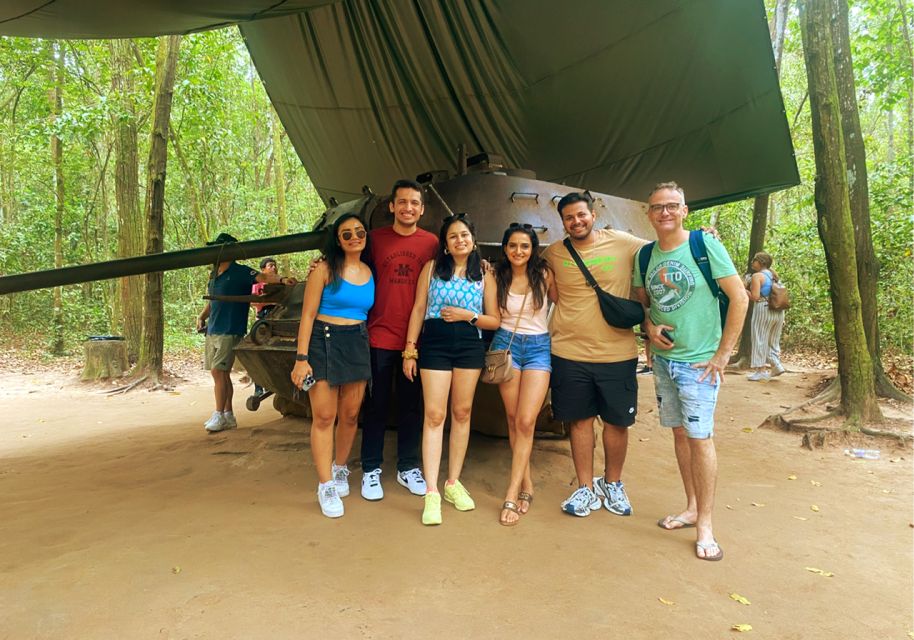
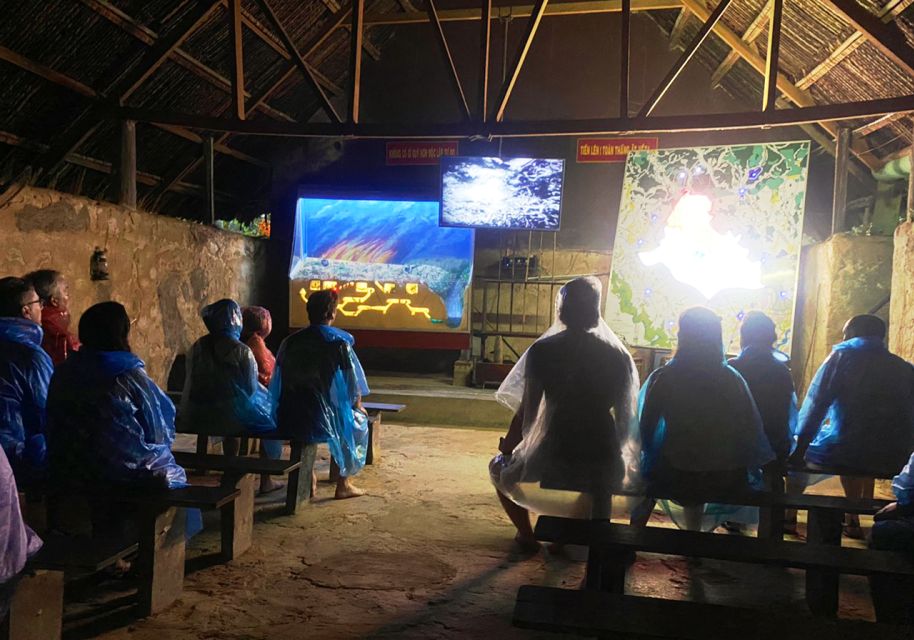
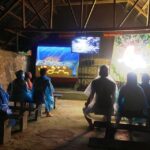
Once you arrive, you get a guided tour component that starts with context before you go underground. Part of this early phase includes visiting a handicraft area and watching a Cu Chi propaganda documentary.
That documentary piece is important even if you normally skip videos. It gives you a framing lens for how wartime messaging and identity were presented, and it helps make the rest of the day feel less random.
The handicraft stop also gives you a quick way to reconnect with the present. After the tension of history, you get a small glimpse of how local life continues around the memorial sites.
You can also read our reviews of more museum experiences in Ho Chi Minh City

Secret entrance crawl: 100-meter tunnels in real, physical terms
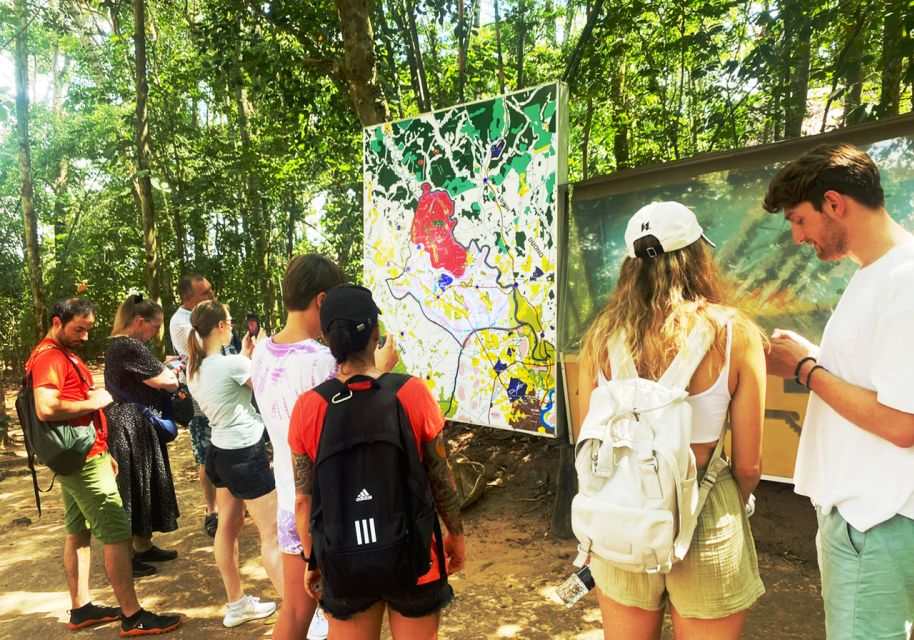
Now for the main event. You’ll learn about the tunnels system, then you get to experience a secret entrance and crawl into about 100 meters of tunnels.
This is where the tour earns its reputation. Reading about tunnels is one thing. Crawling into a confined underground passage is another.
What you should expect: you’ll be physically moving and spending time inside spaces that are not designed for comfort. The goal isn’t a theme-park walk-through. It’s a short, controlled experience that shows why movement, ventilation, and stealth mattered so much.
Also, if you’re taller than average, take the tight-space consideration seriously. One of the highlights called out in feedback was that it can be challenging for a 6’5 person, while still being manageable with the right mindset—so plan for bent posture and tight movement rather than expecting a straight line through.
Booby traps, “how it worked” lessons, and the real feel of war
The tour includes learning more about the tunnel system and the booby traps set up in the area. This isn’t just a scary story. It’s the practical explanation side of guerrilla tactics—how you deter, delay, and control movement.
You’ll also see reconstructions and explanations connected to how traps were positioned and why they were effective. It’s one of the few ways to connect a broad war narrative to the minute decisions that changed outcomes.
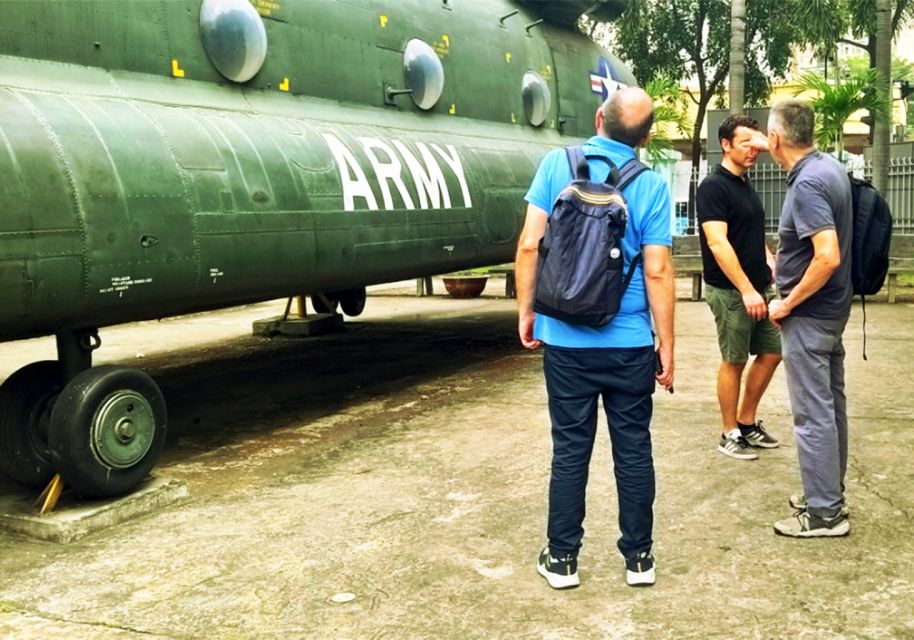
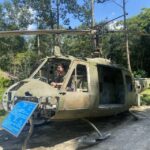
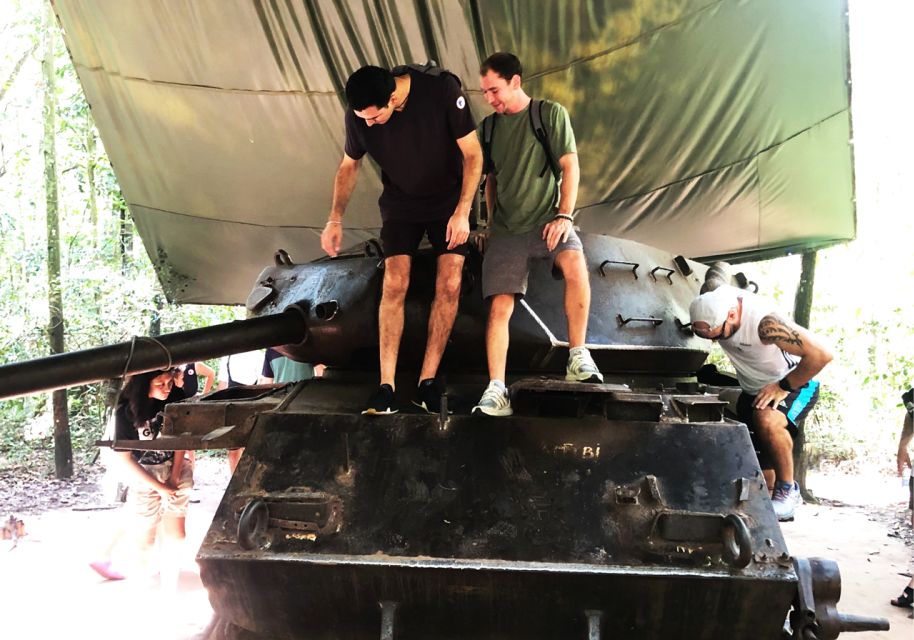
A small but memorable detail: you may also experience the chance to touch an ex-US Army tank from the Vietnam War. That tactile moment can make the war feel less abstract, especially after you’ve been crawling through the underground infrastructure that helped smaller forces survive.
Viet Cong food tasting near the tunnels: practical, not just symbolic
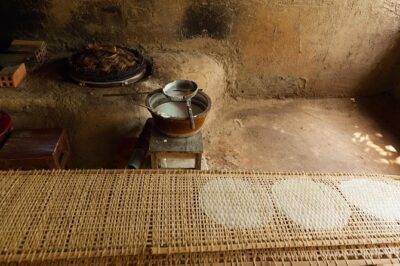
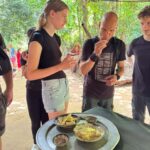
You’ll get a taste of locally grown Viet Cong food—tapioca—near the tunnels. That’s a simple meal detail, but it fits the story well.
War history often gets stuck in tactics and dates. Food brings it back to daily life and survival. Tapioca isn’t a museum artifact in your hands—it’s something you can understand as a staple that supported people living under pressure.
If you’re curious about how people endured, not just how battles played out, this tasting helps ground the day.
Lunch and downtime in Ho Chi Minh City: Post Office and Notre-Dame
After the Cu Chi portion, the tour shifts back to Ho Chi Minh City for break time and a 2.5-hour lunch window. This is a big deal because you need recovery time after tunnels and concentrated history.
Lunch is included: pho (Vietnamese beef or chicken noodles soup), or vegetarian on request. You also get snacks during the day, plus 2 bottles of water per guest—useful when you’ve been in sun, then underground, then back out again.
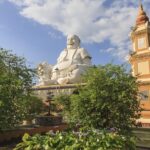
During this city block, you’ll visit landmarks including the Post Office and Notre-Dame Cathedral Church. The contrast is the point. You go from underground survival to iconic city architecture in a single day, and it gives you a clearer picture of how Vietnam’s story evolved from war pressure into daily public life.
War Remnants Museum and the hidden weapon bunker: tying tactics to evidence
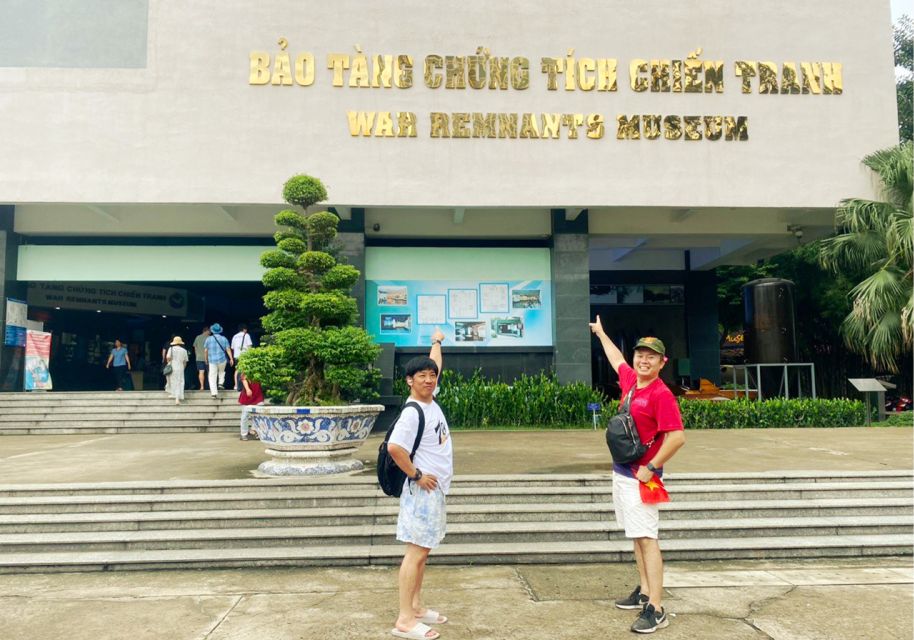
The War Remnants Museum stop is where the day gets heavier again—in a helpful way. After you’ve learned how Cu Chi tunnels and traps functioned, the museum adds broader context so the underground story doesn’t stay isolated.
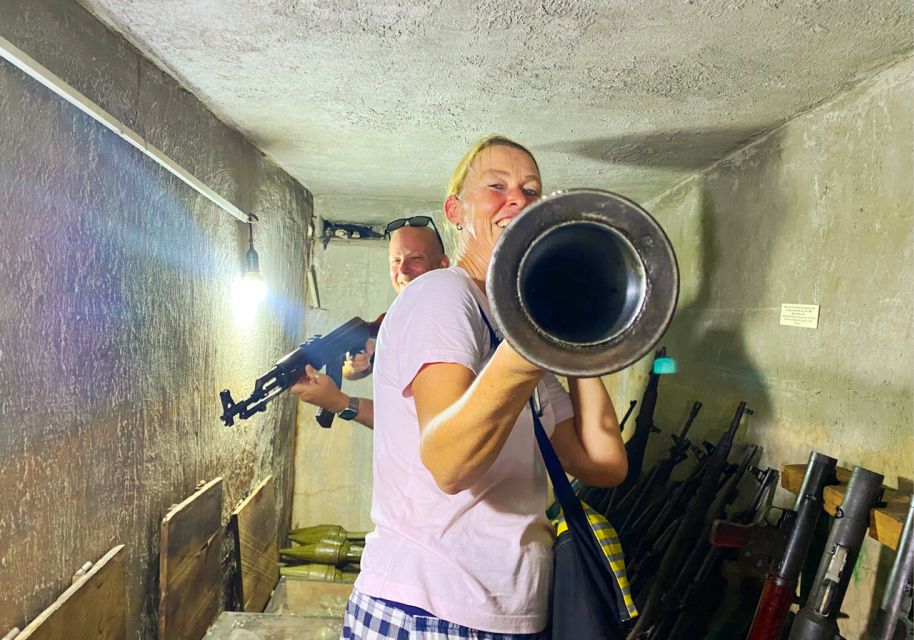
You’ll also visit the secret Hidden Weapon Bunker. That pairing—museum context plus a specific tactical feature—works well because it turns abstract ideas into concrete examples.
If you’re trying to understand guerrilla tactics without getting lost in big-picture confusion, this part of the tour does the job. It helps you connect what you felt in the tunnels to what people later had to respond to.
Price and value: why $54 can be a fair deal for a full day
At $54 per person, this tour is priced in the mid-range for a full-day Saigon outing that includes transport, guided sites, and meals.
Here’s what you’re getting for the money:
- Air-conditioned vehicle for the day
- Lunch (pho or vegetarian option on request)
- 2 bottles of water per guest plus snacks
- All fees and taxes
- A guided Cu Chi tunnel experience (including the crawl and documentary component)
- War Remnants Museum plus the Hidden Weapon Bunker
- Skip the ticket line
The small-group format is part of the value, too. When up to 10 guests share the same guide time across multiple major stops, you usually get a better rhythm than you would on a larger tour.
One thing to consider: if you’re not within the pickup zone, you may need to meet at Notre-Dame Cathedral Church. That’s not a deal-breaker, but it’s something to plan for so your morning feels smooth.
What to pack and how to prepare for a tunnel-heavy day
This is a day with underground crawling and bunker spaces. Pack for movement, not for comfort-as-usual.
Bring:
- Comfortable closed-toe shoes (you’ll be walking and crawling)
- A light layer or something that won’t overheat outdoors, because you’ll be shifting between sun and underground
- A small day bag for water/snacks (you’ll have some provided, but you’ll thank yourself for having a place for personal items)
Also, mentally prepare for tight spaces. This isn’t a long crawl marathon, but it’s not a relaxed stroll either. If you manage expectations, you’ll get more out of the experience and feel less stressed while you’re inside.
Should you book this Cu Chi Tunnels and War Museum 1-Day Tour?
Book it if you want one day that connects the Cu Chi tunnels to the wider war story, without turning the day into a chaotic checklist. The small-group setup, English guide focus, and the combination of tunnels, museum context, and Saigon landmarks make it a strong value.
I’d skip it or choose a different option if you know you struggle with enclosed spaces, or you’re very sensitive to crawling through tight areas. In that case, you might find the bunker/tunnel segments stressful rather than enlightening.
If you’re curious about how people survived through tunnels, traps, and guerrilla tactics—and you want the historical context to match—you’ll likely feel satisfied by the full arc of the day.
FAQ
How long is the Saigon History & Cu Chi Tunnels with War Museum tour?
The tour lasts about 8.5 to 9 hours. Starting times vary, so you’ll want to check availability for the specific day you book.
How big is the group?
It’s a small group with a maximum of 10 guests.
Is pickup and drop-off included?
Yes. Pickup and drop-off are available in District 1 and District 4, and pickup may also be available in District 3. If you aren’t in the pickup zone, you might meet the team at Notre-Dame Cathedral Church.
Is the tour guided in English?
Yes, it includes an English live tour guide.
What lunch is included?
Lunch is included. You’ll get pho (Vietnamese beef or chicken noodles soup) or vegetarian lunch on request.
Do we actually crawl into the Cu Chi tunnels?
Yes. The experience includes a secret entrance and a crawl into about 100-meter tunnels.
What war-related sites are visited besides the Cu Chi tunnels?
You’ll visit the War Remnants Museum and the Hidden Weapon Bunker.
What’s included in the price?
The price includes an air-conditioned vehicle, lunch, snacks, water, all fees and taxes, and skip-the-ticket-line service.