REVIEW · HO CHI MINH CITY
Cu Chi Ben Duoc Tunnel & War Museum – Original, Less Touristy
Book on Viator →Operated by Hana Tourist Vietnam · Bookable on Viator
Underground Vietnam starts before sunrise, and the Ben Duoc Cu Chi Tunnels feel more human than the big-crowd versions. I love the focus on Ben Duoc Tunnels used by the Viet Cong, plus the hands-on crawl through trapdoors, hidden bunkers, and underground living areas. I also like the small-group pace, where an English-speaking guide sets the tone before you go underground. One heads-up: the optional shooting range can be unavailable on certain days, so don’t count on trying it.
You’ll get pickup around 7:30–8:00 AM and ride in a brand new minivan, then spend about two hours at Ben Duoc before a one-hour stop at the War Remnants Museum. The price covers entrance fees and even practical comfort items like drinking water, tissue, and a mask, so the day stays easy to manage.
In This Review
- Key things I think you’ll like
- Ben Duoc Tunnels: why this one feels more real
- The 7:30–8:00 AM minivan ride and small-group comfort
- Morning start: documentary first, then war-time food
- Crawl through trapdoors and bunkers (and plan for the physical part)
- Shooting range and museum audio: what’s optional, what costs extra
- War Remnants Museum: a focused one-hour plan that works
- Price and value: how $27 turns into a full day
- Who this tour is best for (and who should rethink it)
- Practical tips to make the day smoother
- Should you book the Cu Chi Ben Duoc + War Remnants Museum tour?
- FAQ
- How long is the tour?
- Does the tour include pickup from Ho Chi Minh City?
- What’s included in the $27 price?
- Is lunch included?
- Are the shooting range and museum audio guide included?
- Can I cancel and get a full refund?
Key things I think you’ll like
- Ben Duoc instead of the busiest Cu Chi tunnel area, which keeps the morning calmer
- Small group capped at 10, so questions don’t get lost
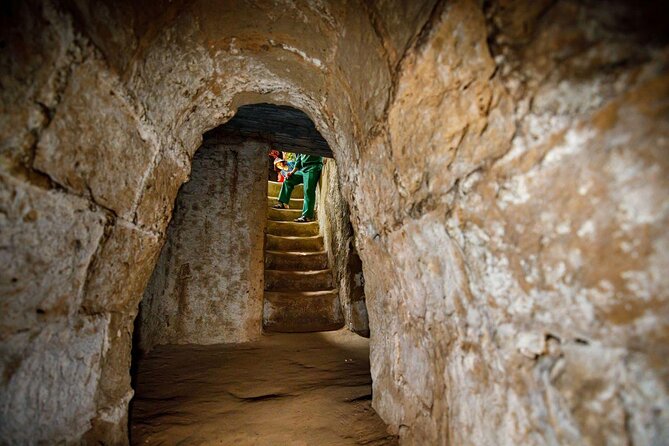
- Underground navigation, including trapdoors, bunkers, and tight passageways
- War-time snacks like boiled tapioca and tea as part of the stop
- War Remnants Museum with a focused one-hour visit, plus an optional audio guide
- All entrance fees included in the $27 per-person price
Ben Duoc Tunnels: why this one feels more real
Most Cu Chi tunnel trips in Ho Chi Minh City go for one of the busiest tunnel complexes. This one takes you to Ben Duoc, which gives you a slightly quieter, more original feel. The difference matters. When the site isn’t jammed, you can actually slow down and notice what you’re seeing—how tight the passageways are, how the trapdoors change where you can move, and why the space was built the way it was.
At Ben Duoc, you’ll watch an introductory documentary first. That sets up the tunnel system so the crawl isn’t just about squeezing into darkness for the photo. You’re learning the survival logic behind it: what people could hide in, what they could access quickly, and how daily life could continue underground even under constant threat.
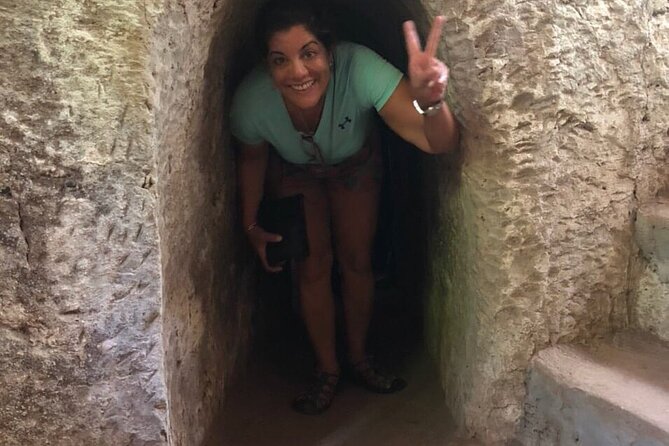
Then comes the main event: going underground. You’ll crawl through narrow sections and check out hidden bunkers and underground quarters. It’s not staged like a theme park. It’s physical, a little uncomfortable, and very memorable for the right reasons.
You can also read our reviews of more museum experiences in Ho Chi Minh City


The 7:30–8:00 AM minivan ride and small-group comfort
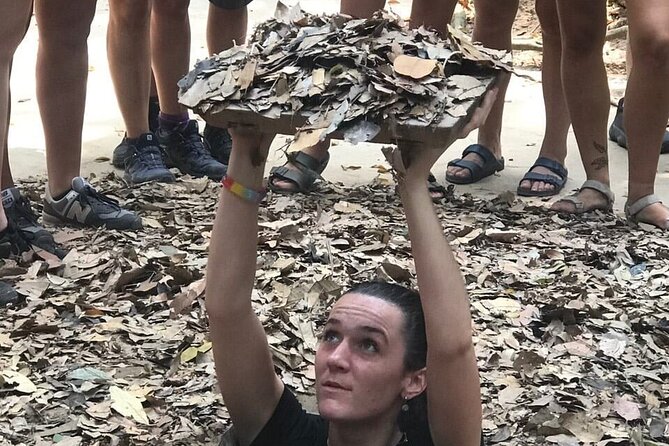
This tour runs as a full day, but it starts early—pickup is typically around 7:30–8:00 AM. You’ll travel from the city to Ben Duoc in an air-conditioned minivan. The operator notes it uses a brand new minivan, and the day-to-day comfort shows up in the details: you’re not spending the morning sweating, and you get back in the late afternoon/early evening without turning it into an all-day ordeal.
The group size is capped at 10 people, which is one of the biggest quality signals here. In a small group, the guide can slow down for the slower crawlers, explain what you’re about to see, and answer questions without turning the whole experience into a race.
The tour also includes basics that you’ll thank yourself for later: drinking water, tissue, and a mask. Even if you think you don’t need them, dust and crawling do their thing. Having those items provided keeps you from having to hunt for supplies that may not be easy to find at the sites.
Morning start: documentary first, then war-time food

Right when you arrive at Ben Duoc, you start with a documentary about the Vietnam War and the tunnel system. This is a small step, but it changes the whole visit. Instead of wandering around asking what everything is, you get the framework for why these tunnels existed and how they worked.
Next, you head into the tunnels. The pace matters here. This isn’t a quick stop-and-shoot tour. You get time to see, crawl, and take in the bunker spaces and trapdoor areas. It’s the kind of visit where you should pay attention to the flow: where you enter, how you move, and what your guide asks you to do for safety.
Then there’s the included snack moment. You’ll get boiled tapioca and tea, described as wartime staples. It’s not just food. It’s a reminder of what “daily life” meant when normal routines were impossible. You’ll also see how something as simple as tapioca could support long stretches underground.
If you’re the type who likes history through real-world details, this stop delivers.
Crawl through trapdoors and bunkers (and plan for the physical part)
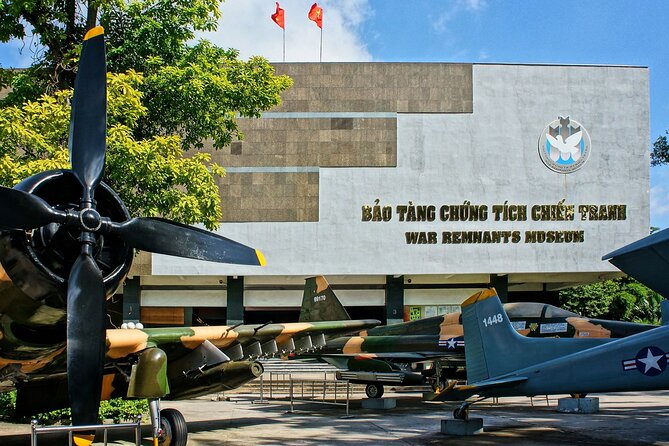
The heart of the Ben Duoc visit is crawling through narrow passageways and seeing hidden underground features—trapdoors, bunkers, and what were essentially living and working spaces. You should think of it as a hands-on walk-through of constraints.
Your body is part of the experience. That’s the trade-off for authenticity. If you’re prone to claustrophobia, have mobility limitations, or feel uncomfortable in tight spaces, this can be stressful even if the tour notes that most people can participate. A small-group structure helps, but it doesn’t change the fact that you’ll be going low and narrow.
The guide’s job here is important. English-speaking guides can explain what you’re about to encounter before you hit the tighter sections. In past departures, names like Linda, Tai, and Nick have been specifically praised for being friendly and for their history-focused explanations, which is exactly what you want when you’re moving underground and don’t have room to ask questions while you’re stuck in a crawl position.
Practical tip: wear closed-toe shoes and dress for warm weather. Keep your phone secure, and don’t assume you’ll have room to handle bags once you’re underground.
Shooting range and museum audio: what’s optional, what costs extra

Ben Duoc includes an optional shooting range experience. If it’s running, you can test your skills with historic weapons like the AK-47, but it’s listed as additional cost. That option is where some flexibility is needed. On certain days, the range may be closed due to local events, so it’s smart not to build your expectations around it.
At the next stop—the War Remnants Museum—you’ll have about one hour to explore. Admission is included, and you can focus on the exhibits at your own pace. The highlights here are the emotional, hard-hitting displays, including war photography, military vehicles, and personal accounts. You’ll also learn about the effects of Agent Orange and Napalm, which are called out in the museum programming.
An audio guide rental is optional at the museum and is not included. If you like a slower, more interpretive visit—especially when the content is heavy—that’s the one add-on I’d consider. One hour is tight, so an audio guide can help you avoid reading everything out of sequence.





War Remnants Museum: a focused one-hour plan that works
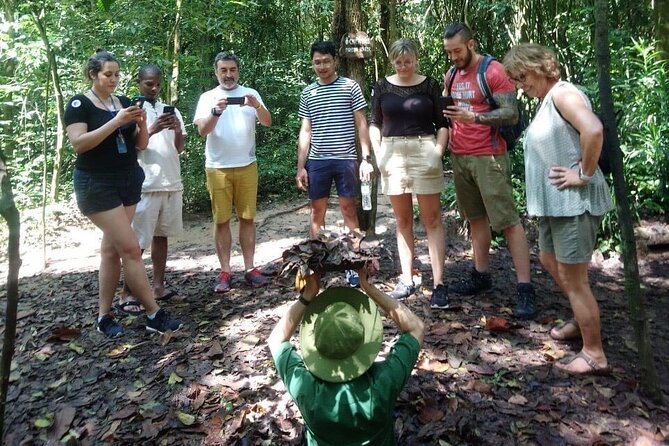
One hour at the War Remnants Museum sounds short until you’re actually inside. The exhibits are dense, and it’s easy to lose time reading everything slowly with no structure. The trick is to go in with a simple plan.
Here’s a good way to use that hour:
- Start with the sections on war photography and personal accounts to get the human scale
- Move to the military vehicles and artifacts so you can connect stories to physical evidence
- Spend your last chunk on the Agent Orange and Napalm effects area, since that content tends to hit hardest and also needs time to process
Because the tour keeps the museum visit to roughly an hour, you’re less likely to burn out. You still get the big themes, and then you’re back on the road without ending your day in a daze.
If you’re traveling with kids or someone who needs lighter pacing, the museum time may feel intense, but it’s short enough that you can recover afterward at your own pace.
Price and value: how $27 turns into a full day
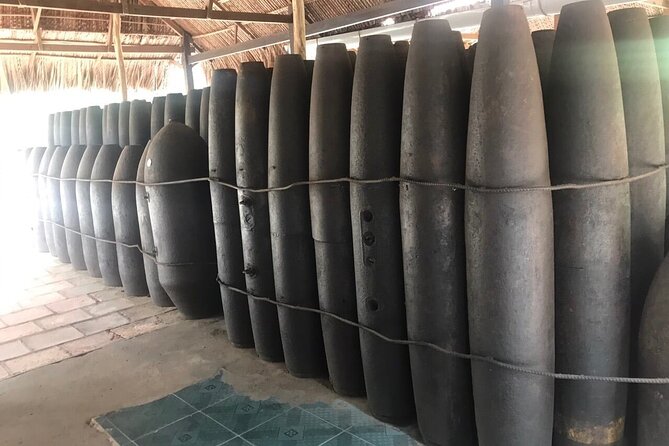
At $27 per person, you’re paying for a full morning drive, a guided visit at Ben Duoc, the museum entrance, and a proper small-group setup. The tour includes:
- Brand new minivan transport
- English-speaking tour guide
- All entrance fees
- Drinking water, tissue, and a mask
- A cake (included snack)
- War-time snacks like boiled tapioca and tea
It’s not just the sites. It’s also the reduction in effort. You don’t have to figure out timing, tickets, or how to connect the two very different experiences in one day. That matters in Ho Chi Minh City, where traffic and distances can make DIY days run longer than you expect.
Also, optional add-ons (shooting range and audio guide) are separate. That’s good because it keeps your baseline price fixed, and you decide if you want extra experiences or a more reflective museum visit.
Two reminders for value:
1) Lunch is not included, so you’ll want to eat before you go or plan for a meal after.
2) Tips are not included, so factor that into your day budget if you usually tip tour guides.
Who this tour is best for (and who should rethink it)

This is a strong choice if you want a history-heavy day without feeling like you’re trapped in a crowd. The small group cap of 10 and the guide-led pacing are especially good for people who ask questions and like a guided structure.
It’s also a good match for anyone who wants more than a quick tunnel photo. Ben Duoc’s crawl-through layout plus trapdoors and bunkers makes this more than a surface stop.
You may want to rethink (or at least prepare) if:
- You dislike tight enclosed spaces
- You have mobility issues that make crawling difficult
- You’re sensitive to heavy wartime content (the museum is intense)
That said, the tour notes that most people can participate. So if you’re generally comfortable with physical travel and you listen to your guide’s instructions, it’s very doable for many visitors.
Practical tips to make the day smoother
A few small things can make a big difference on tunnel days:
- Bring light layers. The morning ride is air-conditioned, but you’ll work up warmth while crawling.
- Keep valuables minimal. Underground spaces are not the place for loose pockets and dangling straps.
- Use the provided mask and tissue. Dust and tight movement can irritate skin.
- Don’t plan a hard lunch mission. Since lunch isn’t included, eat early or plan a post-tour meal.
- For the museum, pick your priorities before you walk in. One hour goes fast when you’re stopping to read everything.
On the guide side, I like that this operator pairs you with an English-speaking tour guide. When the guide is friendly and history-focused, the experience feels less like a checklist and more like a story you can actually follow while you’re underground and then walking through the museum afterward.
Should you book the Cu Chi Ben Duoc + War Remnants Museum tour?
If you want a less-touristy Cu Chi tunnel day that still feels complete, I’d book this. The combination is efficient and well balanced: two hours to physically understand the tunnel experience, then one hour to connect it to the broader war story at the War Remnants Museum.
This is also a smart pick for value. You’re paying a reasonable price for transport, guide time, entrance fees, and practical extras like water and a mask, not just the attractions themselves.
The only reason I’d hesitate is if you’re counting on the shooting range. It’s optional and can be unavailable. If you go in knowing it’s a maybe, the rest of the day holds up.
If you like structured history with real sensory moments—tight spaces, trapdoors, war-time food, and museum exhibits—this is a solid day trip from Ho Chi Minh City.
FAQ
How long is the tour?
The tour lasts about 7 to 8 hours.
Does the tour include pickup from Ho Chi Minh City?
Yes. Pickup is offered from your hotel or a designated meeting point, and you’ll be dropped back at the meeting point.
What’s included in the $27 price?
The price includes a brand new minivan, an English speaking tour guide, all entrance fees, drinking water, tissue, a mask, and items like a cake and war-time snacks (boiled tapioca and tea).
Is lunch included?
No. Lunch is not included.
Are the shooting range and museum audio guide included?
The shooting range is optional and costs extra. At the War Remnants Museum, an audio guide is optional and not included.
Can I cancel and get a full refund?
Yes. You can cancel up to 24 hours in advance for a full refund.