REVIEW · BEN TRE
HCMC: Mekong Delta 2-Days My Tho–Ben Tre & Cai Rang Market
Book on GetYourGuide →Operated by Saudyha Travel · Bookable on GetYourGuide
The Mekong feels different in just two days. You’ll get Vinh Trang Pagoda, boat rides past palm-lined islets, and dawn at Cai Rang Floating Market, plus a Can Tho dinner cruise with Don Ca Tai Tu folk music.
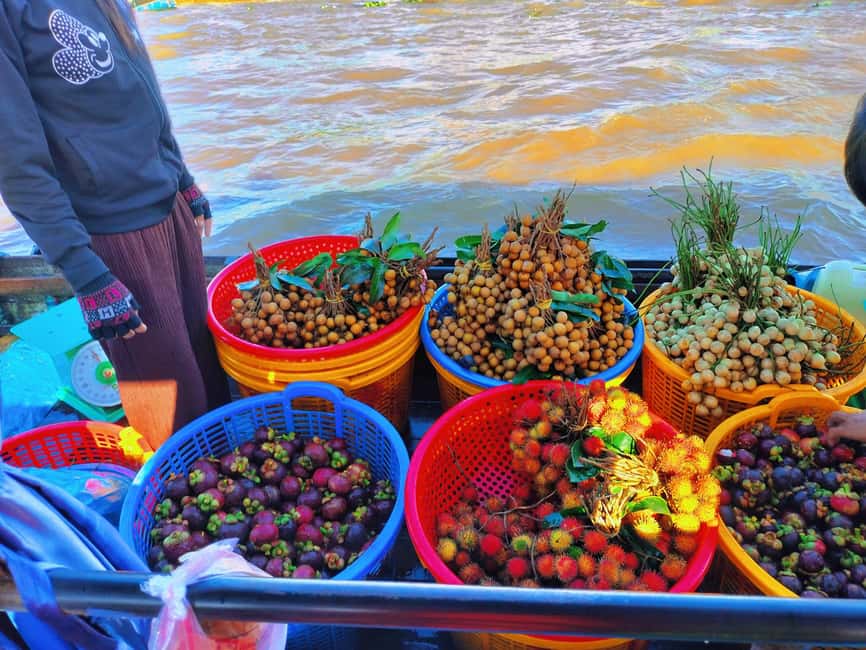
I really like how the tour mixes big scenery with small, hands-on food moments. On Thới Sơn (Lan) Island you’ll sip honey lemon tea and try tropical fruit, then later you’ll learn how coconut candy is made, and on Day 2 you’ll watch rice noodles being made by hand.
One thing to consider: this can be a fast, group-heavy schedule, and some guests have complained about a stronger-than-usual push for spending and tips. If you’re sensitive to animal ethics or want extra unhurried time at the market and canals, you should go in with clear expectations.
In This Review
- Key Points Worth Getting Excited About
- Mekong Delta in 2 Days: The Big Picture
- Day 1: HCMC to My Tho and Ben Tre Countryside
- Mekong Rest Stop: Fast Reset Before the River
- Vinh Trang Pagoda: A Vision With Two Worlds
- Tien River Boat Time and the Four Sacred Islets
- A Practical Tip: Bring Eyes, Not Just a Camera
- Thới Sơn (Lan) Island: Honey Tea, Folk Music, and Villages
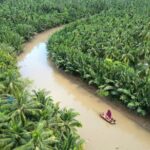
- Rowing Through Coconut Canals: The Mekong Close-Up
- Coconut Candy Workshop: How a Simple Treat Gets Made
- Lunch by the Riverside and Your Optional Village Time
- Can Tho Check-In: Where the Trip Becomes Two-Day
- Don Ca Tai Tu Dinner Cruise: Culture With a View
- Day 2: Dawn Cai Rang Floating Market and Boat-First Views
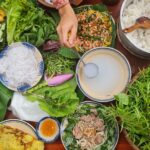
- Noodle-Making Workshop: Watch Food Become Food
- My Khanh Ecotourism Village: Gardens, a 100-Year House, and Flowers
- Truc Lâm Phuong Nam Zen Monastery: Big Temple, Clear Style
- Purple House Coffee & Film Studio: Self-Paid, Short Stop
- Price and Logistics: What You Really Get for $78
- Ethics and Comfort: Ask Before You’re Surprised
- Who This Mekong Delta Tour Fits Best
- Should You Book This Tour?
- FAQ
- What time does pickup happen in HCMC?
- Where does the tour go on Day 1?
- How long does the transfer between My Tho and Can Tho take?
- What are the main highlights on Day 2?
- Are meals included?
- Is there a hotel included?
- Is the guide available in English?
- Is there a shopping stop?
- Is there free cancellation or pay-later booking?
Key Points Worth Getting Excited About
- Vinh Trang Pagoda’s Asian-European mix before you hit the water
- Four Sacred Islets (Long–Lan–Qui–Phung) on a Tien River boat ride
- Coconut canal rowing plus a coconut candy workshop
- Cai Rang at dawn from the water, followed by hand-made noodle making
- Don Ca Tai Tu on a Can Tho River dinner cruise (a great culture add-on)
- A hotel stay in Can Tho city center and no listed shopping detours
Mekong Delta in 2 Days: The Big Picture
This is a practical two-day “high lights” route through Southern Vietnam’s Mekong heart. You start in HCMC in the morning, sleep in Can Tho, then return to HCMC in the late afternoon. The rhythm is nonstop in a good way: lots of water time, a few culture stops, and enough food experiences to keep it from feeling like a bus tour with scenery slapped on.
The value here is mostly about what’s included. You’re not just seeing the Mekong from a distance—you’re riding boats early, rowing through narrow canals, and stepping into small workshops that connect the landscape to daily life. And with the hotel in Can Tho city center, you’re not stuck finding your own lodging after an exhausting day.
The main tradeoff is time pressure. The itinerary packs a lot in, and a couple stops can feel brief if you’re the type who wants to linger and people-watch without moving on.
You can also read our reviews of more shopping tours in Ben Tre
Day 1: HCMC to My Tho and Ben Tre Countryside
Your day starts with a pickup window in HCMC—around 07:30 to 08:30—at hotels near Ben Thanh Market. You’ll hop on a bus heading toward My Tho and Ben Tre, with a quick rest stop along the way for snacks and restroom breaks.
The day’s theme is simple: you’ll transition from city Vietnam into river Vietnam. That means early starts, more than one boat moment, and a shift from roads to water-based travel.
Mekong Rest Stop: Fast Reset Before the River
This stop is exactly what it sounds like: a short break before the long stretch of sightseeing. It’s useful for two reasons. First, it helps you avoid arriving hungry. Second, it gives you a bathroom buffer before you lose that option for a while once the boat schedule begins.
Vinh Trang Pagoda: A Vision With Two Worlds
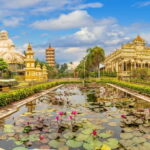
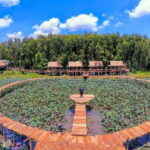
Vinh Trang Pagoda is the first major culture stop, built in the 19th century by Mr. and Mrs. Bui Cong Dat. What I’d pay attention to here is the architectural blend—Southern Vietnamese religious space shaped with European influences, not just plain “traditional pagoda” visuals.
It’s a calm landing spot before you shift into tourism-speed. After the bus ride, walking the pagoda grounds helps you reset your eyes for the next act: water.
Tien River Boat Time and the Four Sacred Islets
Next you’ll head to the My Tho cruise port and board a boat on the Tien River. This is where the Mekong starts to feel like a living system instead of a postcard.
Your cruise passes the famous Four Sacred Islets named Long (Dragon), Lan (Unicorn), Qui (Turtle), and Phung (Phoenix). Seeing them from the water matters because the river is wide enough to give you real perspective, and the islets look like they belong to the river rather than sitting on top of it.
You’ll also pass floating fish farms and the iconic Rạch Mễu Bridge. That mix—farming, infrastructure, and scenery—shows you how everyday work sits right alongside views tourists come for.
A Practical Tip: Bring Eyes, Not Just a Camera
Boat days reward people who watch patterns, not just angles. Look for how boats move through the river traffic, and notice the way the countryside changes from open water to canal life later in the day.
Thới Sơn (Lan) Island: Honey Tea, Folk Music, and Villages
After the main cruise, you’ll stop at Thới Sơn (Lan) Island. This part is about slowing down from the open-river feel and seeing a more village-shaped Mekong.
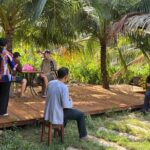
You’ll stroll through village paths and visit local houses and fruit gardens. Then you’ll get honey lemon tea and hear Southern folk music called Đờn Ca Tài Tử while tasting fresh tropical fruit.
This is one of the best “connection” moments on the tour. The tea isn’t just a drink break; it’s tied to the fruit culture around the canals, and Đờn Ca Tài Tử works well here because it matches the relaxed pace of island life.
Rowing Through Coconut Canals: The Mekong Close-Up
Later you’ll switch to a rowing boat ride through narrow coconut-lined canals. This is the kind of experience that makes the Mekong worth the trip, even if you’re not a nature superfan. The canals feel quieter, and you’re closer to the everyday shoreline—less “look at river” and more “move through it.”
If you want one memorable sensory moment, it’s this: the quiet water sound plus the way coconut palms frame the route like a natural tunnel.
Coconut Candy Workshop: How a Simple Treat Gets Made
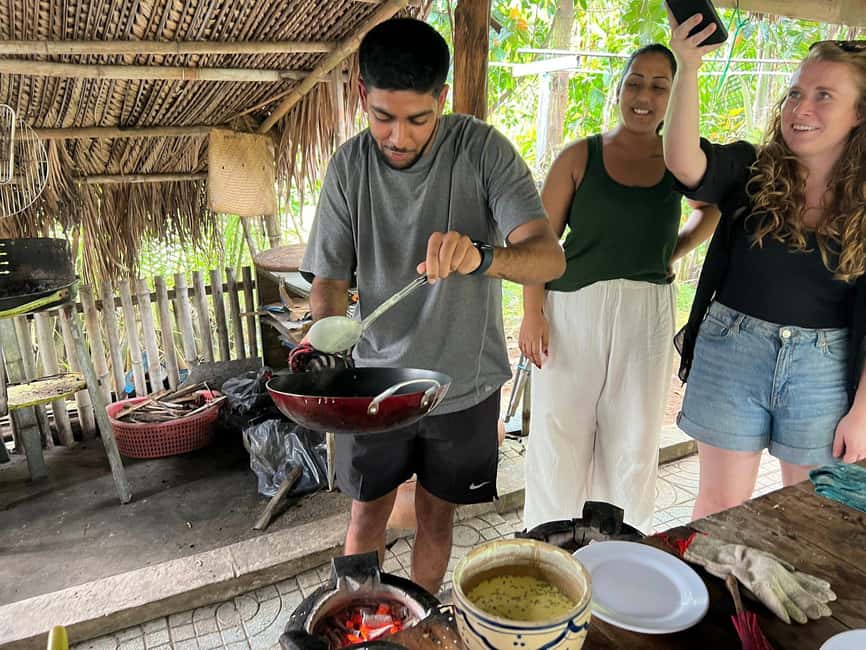
You’ll also visit a coconut candy workshop on Day 1. This isn’t just a photo stop. It’s a window into how coconuts get turned into shelf-friendly sweets and small goods, which connects nicely with everything you’ve seen: palms, fruit gardens, and the village economy.
The value of workshops on tours is usually mixed, but this one fits the setting. You’re learning something that feels like it belongs in Ben Tre, not a random “factory for tourists” detour.
Lunch by the Riverside and Your Optional Village Time
Lunch is a set menu at a local riverside restaurant. This matters because set menus avoid the chaos of figuring out where to eat while you’re surrounded by tour schedules. It’s also the part where the group eats together and you move as one unit.
After lunch, you get time to decompress. Options include relaxing in a hammock, fishing for crocodiles, crossing a monkey bridge, or taking a leisurely bike ride through the village.
This free-time block is where you can shape the day. If you want pace, you bike. If you want calm, you hammock. If you like a bit of weird fun, crocodile fishing and the monkey bridge are on the list.
Can Tho Check-In: Where the Trip Becomes Two-Day
Around 14:30, you return to My Tho by boat, then take a bus ride about 2–3 hours to Can Tho. You check in at a hotel in Can Tho city center, which is a big practical win.
Being in the center matters because it saves you from more travel time later. It also makes the evening less stressful, since you’re not trying to navigate buses and taxis after a long day.
Don Ca Tai Tu Dinner Cruise: Culture With a View
One of the listed highlights is a dinner cruise on the Can Tho River with Don Ca Tai Tu folk music. I love when a tour pairs food with performance because both are time-based. You’re not rushing to fit music into a sightseeing moment; it’s part of the overall experience.
Even if you don’t follow every musical detail, the setting does the work: water light, evening movement on the river, and local culture at a normal volume. This is the kind of moment that turns the Mekong from scenery into story.
Day 2: Dawn Cai Rang Floating Market and Boat-First Views
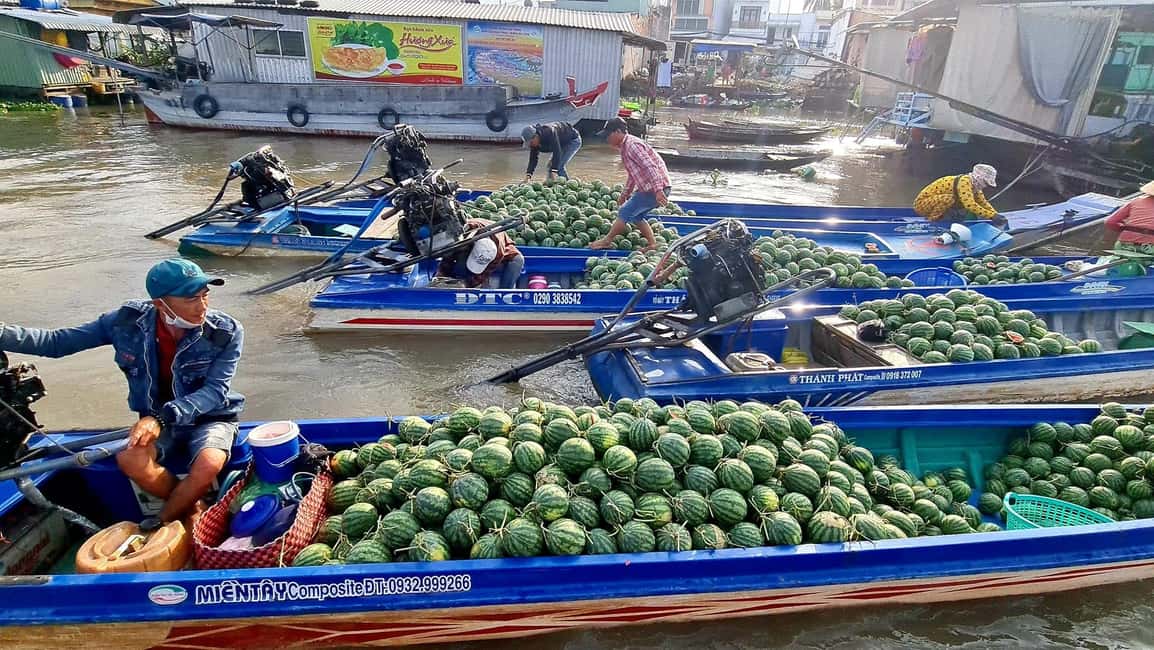
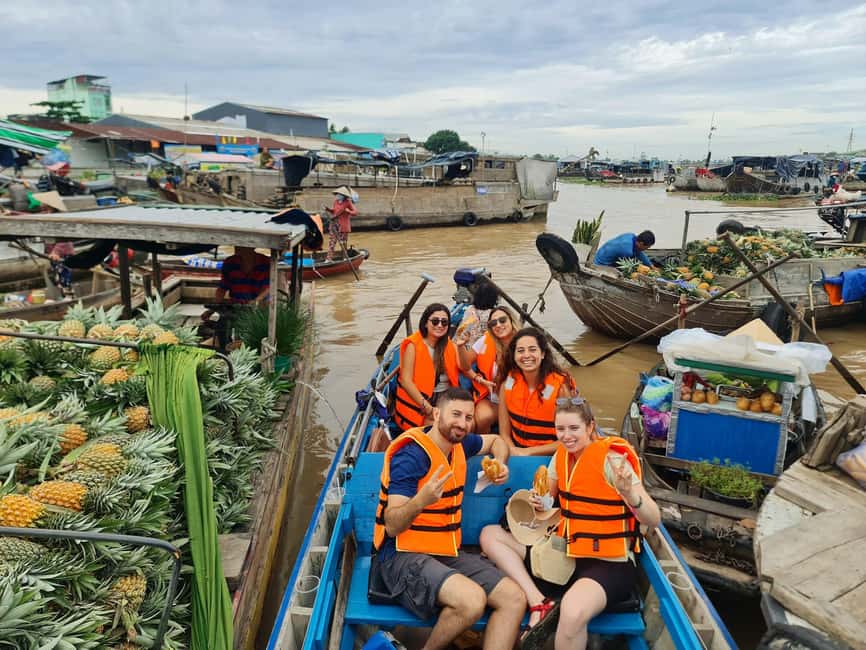
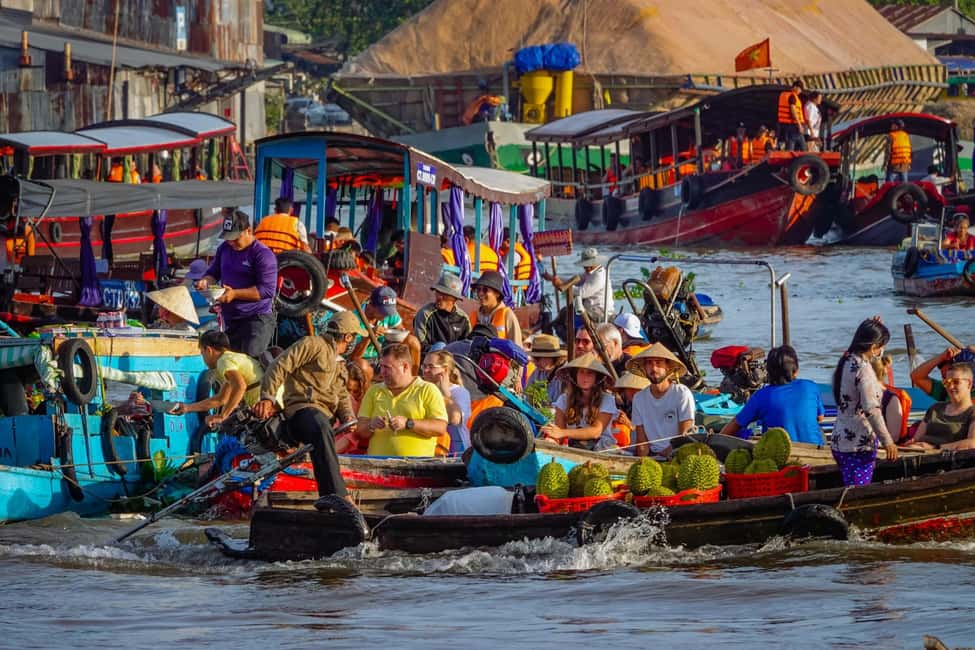
Breakfast is at the hotel (around 07:30), then you head to Ninh Kiều Wharf for a boat cruise on the Can Tho River. This morning start matters because Cai Rang Floating Market is best when it’s early. You’re aiming for the dawn energy—the market wakes up around you.
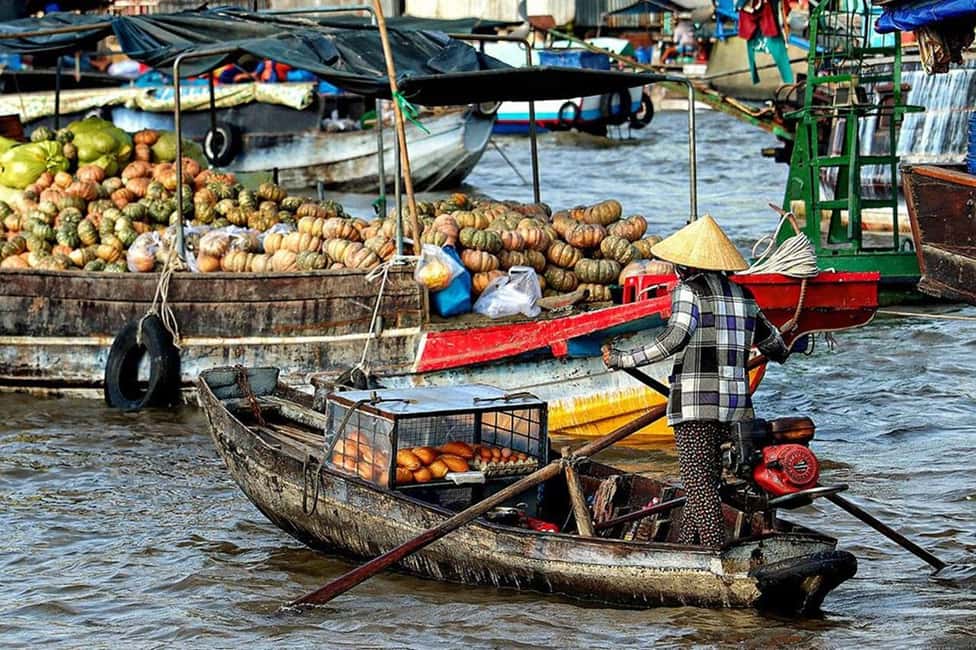
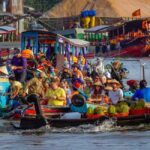
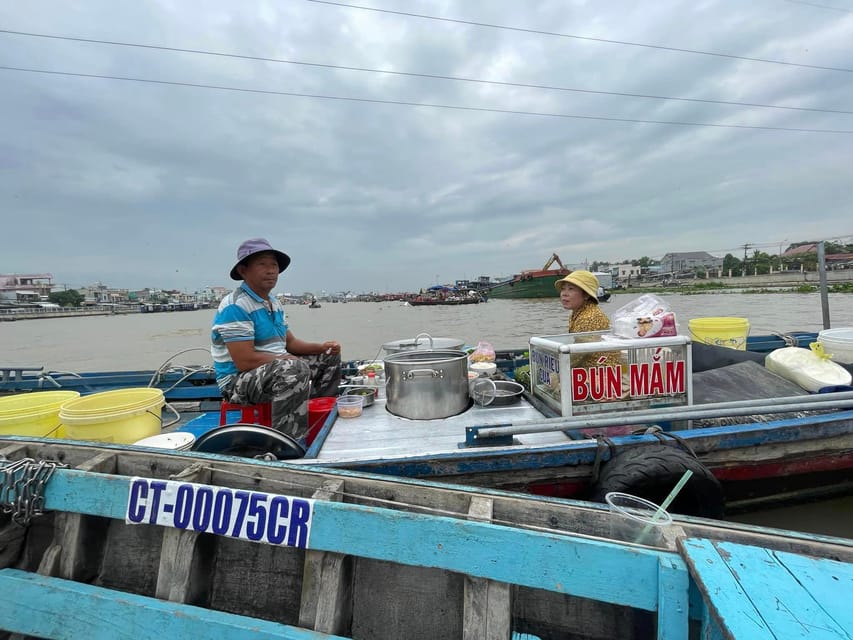
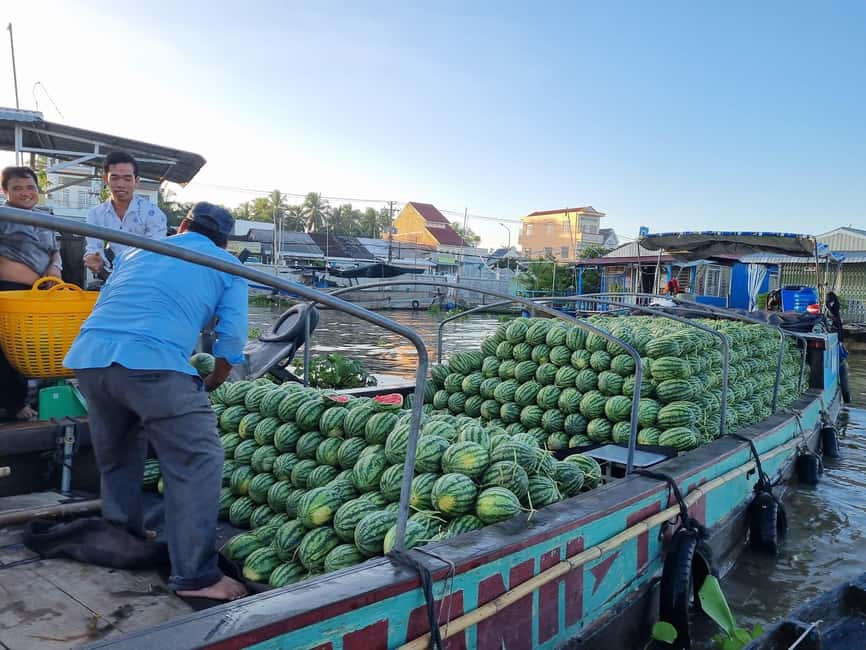
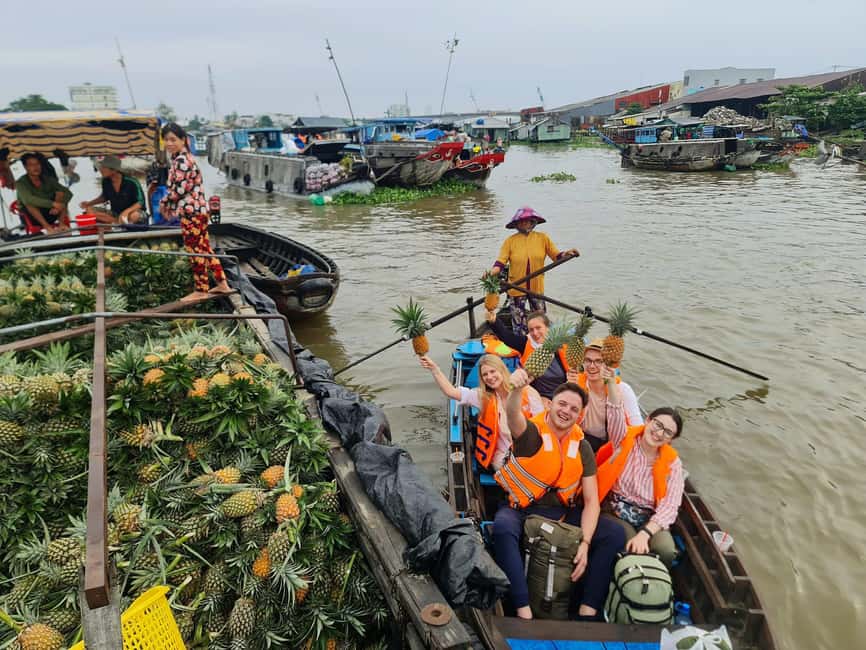
Cai Rang is one of the largest floating markets in the Mekong Delta, with vendors selling fruits and goods directly from their boats. Watching it from the water gives you a real sense of flow: boats, baskets, hands passing items, and that quick exchange rhythm.
Noodle-Making Workshop: Watch Food Become Food
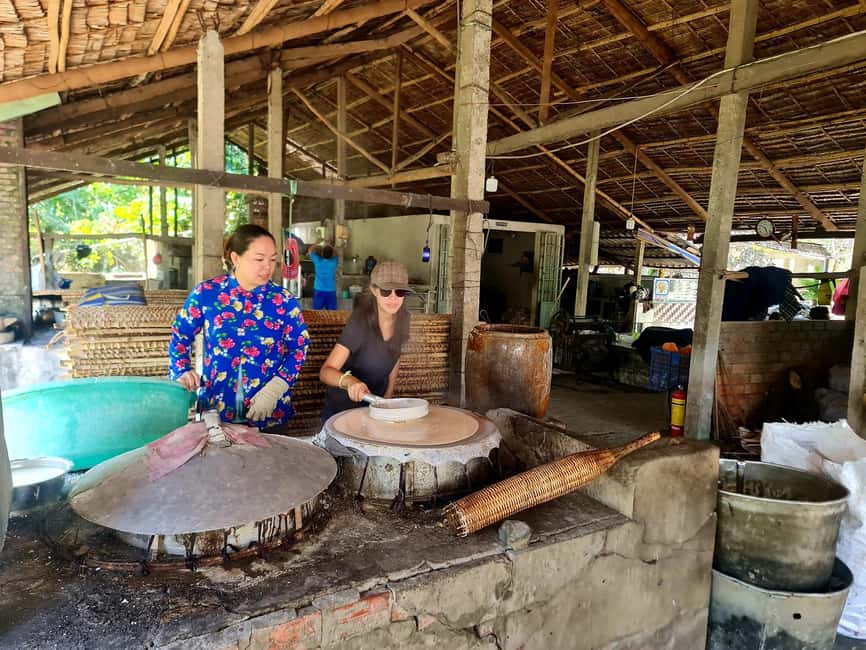
After the floating market, you’ll visit a traditional noodle-making workshop where you can watch locals craft rice noodles by hand. This is a great mid-morning activity because it shifts you from looking at commerce to seeing process.
You’ll get to see how a staple product is made. It’s also a nice contrast to the floating market: the same region, but a different scale and workflow.
If you’re the kind of person who likes to eat better after learning, this helps you do that.
My Khanh Ecotourism Village: Gardens, a 100-Year House, and Flowers
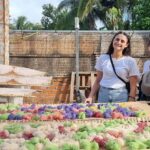
Next is My Khanh Ecotourism Village. Here you’ll explore fruit gardens, a 100-year-old ancient house, and flower gardens. This stop is more about strolling than speed, and it helps balance the heavier boat segments of the day.
Lunch happens at the My Khanh area as well. Like Day 1, you get a set, structured meal—good for keeping the timeline smooth and avoiding decision fatigue.
Truc Lâm Phuong Nam Zen Monastery: Big Temple, Clear Style
After lunch, you visit Trúc Lâm Phương Nam Zen Monastery, described as one of the largest Buddhist temples in the Mekong Delta. The architecture is in the style of the Ly–Tran dynasties, which is a helpful cue because it tells you what to look for: those classic, deliberate temple forms rather than modern imitation.
This is one of those stops that can feel either relaxing or rushed, depending on timing. On a packed day, focus on the main visual axes—entrance spaces, large halls, and viewpoints—because those are what will still stick in your mind.
Purple House Coffee & Film Studio: Self-Paid, Short Stop
In the afternoon you’ll have time to visit Purple House Coffee & Film Studio, with the entrance self-paid. This is a “nice-to-have” add-on rather than a core Mekong moment.
If you’re into film sets and quirky cafe spaces, you’ll probably enjoy it. If you’re mostly there for water life and food craft, you can treat it as a break between temple and return trip.
Price and Logistics: What You Really Get for $78
At $78 per person for a 2-day tour, the value mostly comes from the combination. You get HCMC pickup and return, a hotel in Can Tho, an English-speaking guide, multiple boat rides (including early Cai Rang), workshop visits (coconut candy and rice noodles), and included meals. On paper, that’s a lot of pre-arranged pieces for one price.
Also, the tour notes no hotel shopping stops, which is a real quality-of-life detail. A Mekong trip already has enough moving parts without turning every second stop into a sales floor.
That said, the main caution is how “managed” the day feels. Some guests have flagged overcrowding and time that feels too quick in certain sections, plus a push for tips that can feel aggressive. The guide experience can make a big difference here. One guest specifically praised Andy for being friendly, helpful, and speaking clear English, and also said vegetarian food was handled well with meals that tasted varied and delicious.
So I’d look at this like this: if you want a guided highlights route with a lot included, this price can feel fair. If you’re searching for slow travel and deep authenticity, you might find the pace and sales pressure frustrating.
Ethics and Comfort: Ask Before You’re Surprised
A couple issues came up that matter to some travelers.
First, there has been concern raised about animal treatment, including a report of a live python used as a photo prop in a tiny cage. The itinerary as provided focuses on temples, markets, canals, and workshops, but since the concern has been mentioned, you should ask the operator ahead of time whether any animal photo moments are part of the experience.
Second, tipping can be awkward on group tours. If the guide’s ask feels too direct, set your comfort level early. You can still tip, but don’t let it turn into a surprise expense.
Who This Mekong Delta Tour Fits Best
This tour is a strong match if you:
- Want both My Tho/Ben Tre canals and Can Tho’s Cai Rang at dawn
- Like guided boat rides and structured meal breaks
- Enjoy hands-on food culture like coconut candy and rice noodle making
- Would rather have a hotel in Can Tho city center than plan logistics after day one
It may be less ideal if you:
- Hate feeling rushed between stops
- Want long, unstructured time in the market rather than a highlights sweep
- Are strongly opposed to animal photo props of any kind
- Prefer a hands-off approach to spending and tips
Should You Book This Tour?
If you want a smooth, packed, Mekong-focused introduction with a hotel included, I think you’ll probably be happy here. The boat parts—Tien River islets, coconut canals, and Cai Rang Floating Market at dawn—are exactly the kind of moments that justify the trip distance. I’d also lean toward booking if you value having an organized English guide and meals handled for you, including options like vegetarian accommodation.
But book with your eyes open on pacing and ethics. Ask about any animal photo props before you go, and go in ready to manage your tipping comfort level. If those concerns sound like deal-breakers, you may be better served by a slower, more locally grounded option.
FAQ
What time does pickup happen in HCMC?
Pickup is scheduled between 07:30 and 08:30, at hotels near Ben Thanh Market.
Where does the tour go on Day 1?
Day 1 covers My Tho and Ben Tre, then ends in Can Tho City where you check in at a hotel.
How long does the transfer between My Tho and Can Tho take?
The bus ride from My Tho to Can Tho is about 2–3 hours.
What are the main highlights on Day 2?
You’ll visit Cai Rang Floating Market at dawn, enjoy a traditional noodle-making workshop, explore My Khanh Ecotourism Village, and visit Trúc Lâm Phương Nam Zen Monastery.
Are meals included?
Yes. Day 1 includes lunch and dinner (L/D), and Day 2 includes breakfast and lunch (B/L).
Is there a hotel included?
Yes. The tour includes a hotel stay in Can Tho City.
Is the guide available in English?
Yes, the tour includes a live English-speaking guide.
Is there a shopping stop?
The tour is described as having no shopping stops.
Is there free cancellation or pay-later booking?
There is free cancellation up to 24 hours in advance for a full refund, and you can reserve now and pay later.