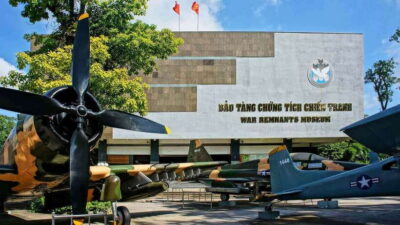
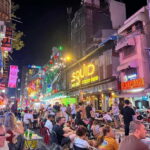
Saigon on a scooter sounds chaotic, until you ride with a pro. This private tour strings together the parts of Ho Chi Minh City that most first-timers miss: war stories underground, classic landmarks above ground, and street food stops across several districts. You move fast, but the pace stays human because your guide explains what you’re seeing as you go.
I really like two things here: the safety-first scooter setup and the way you get real context for each stop, not just photos. It feels personal too, since it’s private.
One thing to consider: this is a motorbike ride in active traffic, and the operator notes that the experience requires good weather. If you’re not comfortable on two wheels, you may want a walking-based tour instead.
In This Review
- Key highlights that make this ride worth your time
- Why this feels more like Saigon than a checklist
- Starting near Saigon Opera House (and why pickup matters)
- District 1: colonial landmarks and the shapes of the city
- District 3’s Burning Monk Memorial: history that lands in your chest
- The “secret agent” stop: weapons cellar and tunnels
- Coffee in District 3: learning the sweet, strong style
- District 10 wet market: how locals shop and eat
- Flower market and lunch area: color plus appetite
- Chinatown in District 5 and an ancient temple
- Ending with the Saigon River drive: the ride feels complete
- Safety, comfort, and what I’d do before you go
- Is $33 a good deal for all you get?
- Who should book this private scooter tour?
- Should you book Saigon Unseen, History, & Hidden Gems?
- FAQ
- How long is the motorbike tour?
- Where does the tour start and end?
- Is hotel pickup offered?
- What’s included in the price?
- Do I have to pay extra for coffee and food?
- Is this a private tour?
- What if the weather is poor or I need to cancel?
Key highlights that make this ride worth your time
- Private scooter sightseeing across multiple districts in about four hours
- Colonial landmarks plus war-era sites without the usual museum-only feeling
- Burning Monk Memorial paired with an emotional, story-driven stop
- A weapon cellar entrance tied to Vietnam War hiding and survival
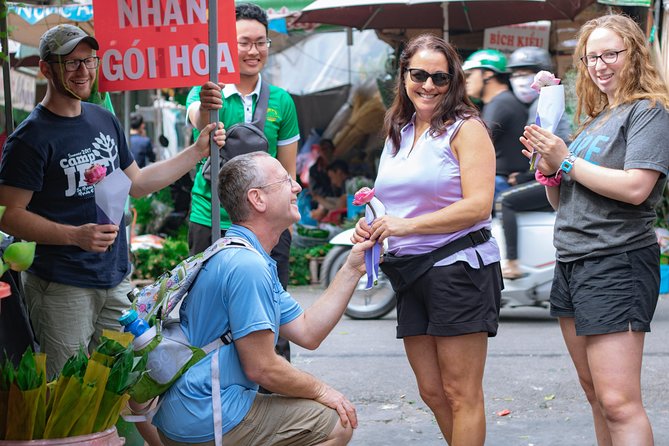
- Wet market and flower market stops, plus built-in food moments
- Coffee stop with instruction, including Vietnam’s sweet, strong style
Why this feels more like Saigon than a checklist
Saigon is built for scooters. You can see that fast when you watch traffic flow and realize the city’s rhythms are meant to be experienced in motion. On this tour, you get that local feeling without needing to figure out routes, parking, or what’s worth your attention.
The best part is the mix. One minute you’re looking at French-era architecture that still shapes the skyline. The next minute you’re at a memorial tied to one of the most powerful images of the war. Then you’re back to daily life at markets and temples. It’s not random. It’s a guided walk-through of how the city layers time on top of time.
If you want Saigon to make sense, this route helps you connect dots quickly. You’ll leave with a mental map and a clearer story of why certain neighborhoods look the way they do now.
You can also read our reviews of more historical tours in Ho Chi Minh City


Starting near Saigon Opera House (and why pickup matters)
Most tours start with a vague meet-up point. Here, the starting place is clear: the Saigon Opera House area at Công trường Lam Sơn in District 1. And if you want it easier, hotel pickup is included, so you’re not spending your limited time bargaining for your first Uber-or-moto situation.
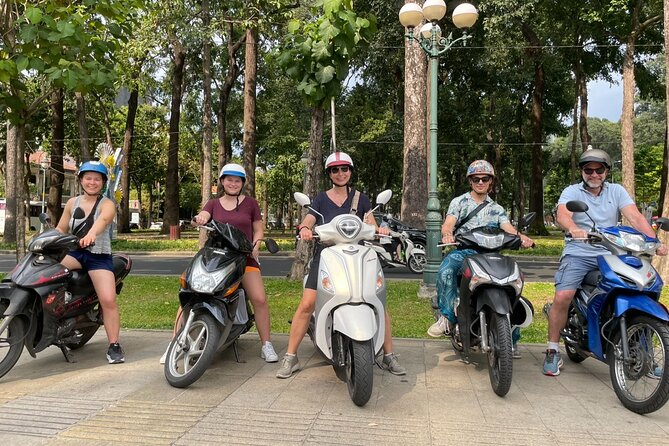
Once you’re matched with your guide-driver, the ride becomes the plan. Helmets are provided, and you also get bottled water. There’s even an optional face mask if you like wearing one, which can be a small comfort in crowded streets.
You should plan for traffic flow more than street sightseeing. The scooter route is the point, so you get used to moving constantly rather than stopping to stare forever.
District 1: colonial landmarks and the shapes of the city
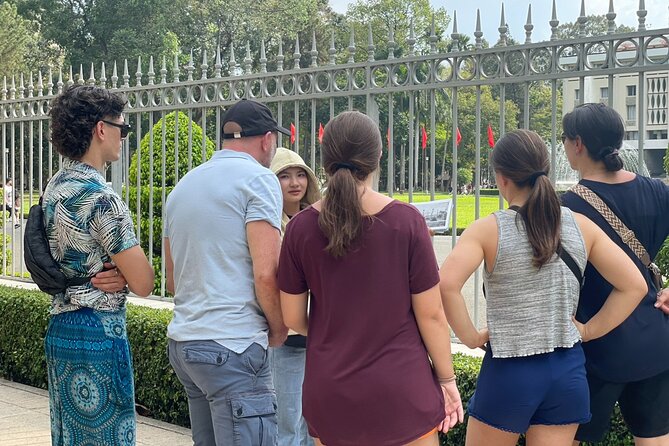
District 1 is where the big postcard buildings live, and your guide uses the streets around them to explain what you’re seeing. You start by getting into the scooter rhythm, then move into a history-focused stretch.
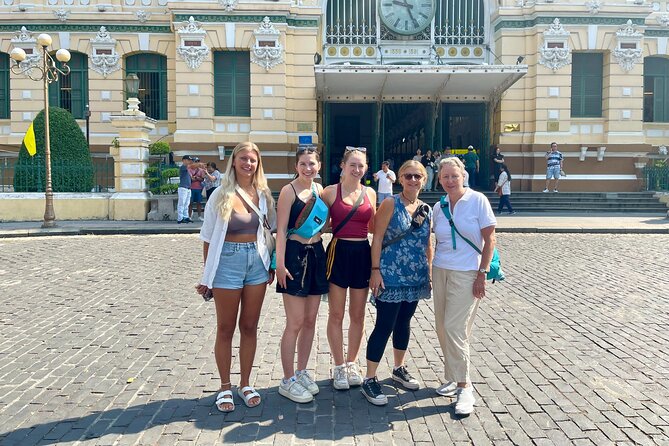
You’ll spend time around standout French colonial architecture, including areas near Notre Dame Cathedral and the Saigon Central Post Office. These buildings matter beyond the wow-factor. They show what the city looked like when power, design, and institutions were being imported from elsewhere.
A good thing here is that you don’t just pass by. You get pauses to look, listen, and understand what makes the architecture feel distinctive. That’s what turns a pretty facade into something you can actually read.
Practical note: District 1 can feel busy, and you’re on a scooter for the whole segment. If you hate tight streets, keep that in mind. But the upside is that you get fast access to multiple major sights without backtracking.
District 3’s Burning Monk Memorial: history that lands in your chest
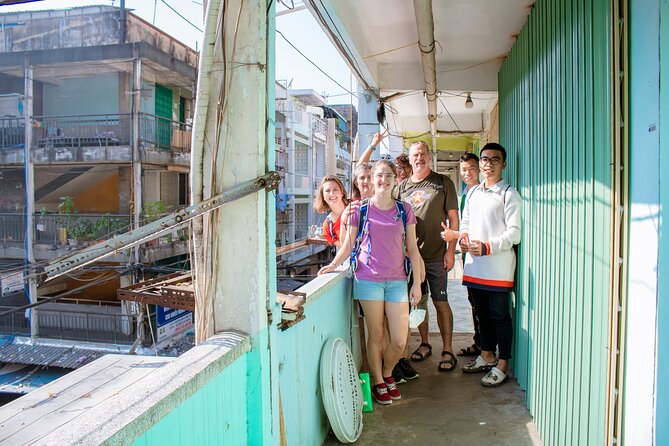
District 3 is where the tour stops pretending history is just a chapter in a book. You go to the Burning Monk Memorial, with the guide explaining the story behind a world-changing photograph.
This stop tends to hit people because it isn’t polished or neutral. It’s tied to a moment of protest that people remember globally. Even if you don’t know the background going in, you’ll understand why the memorial is kept and discussed.
Then you shift from memorial to survival, which creates a strong emotional arc for the ride. You’re not jumping randomly. You’re moving from visible public history to hidden wartime realities.
If you prefer light and cheerful sightseeing only, this may feel heavy. But if you want Saigon’s story in full color, it’s one of the most important moments on the tour.
The “secret agent” stop: weapons cellar and tunnels
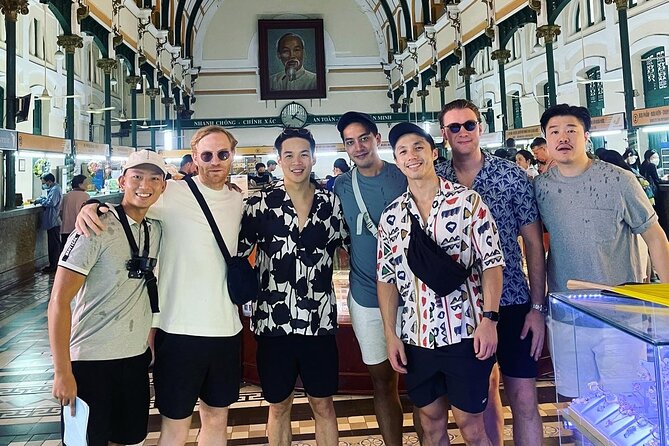
Right after the memorial, you get a stop that feels like a spy movie, but it’s anchored in Vietnam War history. Your guide brings you to a former VC hideout connection, with weapons and tunnels, plus entrance to the weapon cellar.
What I like about this kind of stop is that it adds depth to what you’ve just heard. Saigon isn’t only about monuments. It’s also about what people did to survive when they couldn’t rely on public safety or open movement.
Expect to spend focused time here. This isn’t a quick photo-and-go. The guide frames what you’re seeing so the space makes sense, not just the novelty.
A drawback you should plan for: this stop may be more intense and less comfortable for people who don’t like enclosed spaces or heavy historical themes. If that’s you, you can still participate, but it helps to mentally prep.



Coffee in District 3: learning the sweet, strong style
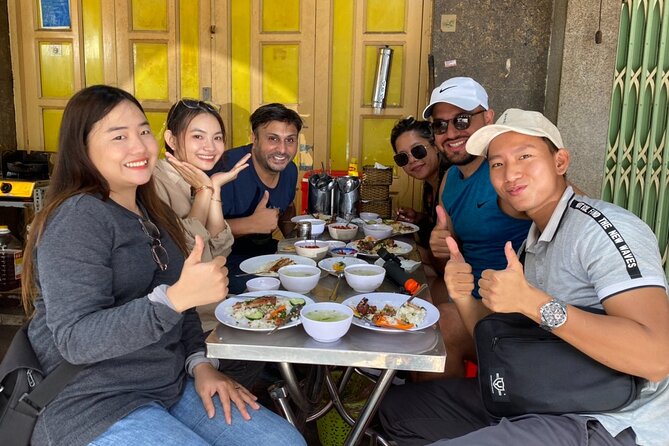
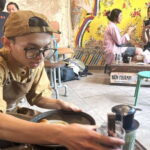
One of the stops is built around coffee—specifically Vietnam’s sweet, highly caffeinated style. You’ll spend time learning how it’s made, then you sip it as a way to connect taste with culture.
You also get a coffee-and-snack moment. Just know what’s included vs. what’s extra: the tour includes the stop, but coffee and/or tea and food you want to try are paid by you. So treat this as a guided recommendation stop, not an all-you-can-sip situation.
Still, the value is in the instruction. Once you know what makes Vietnamese coffee taste the way it does, you’ll recognize it later in cafés across the city. That’s one reason this feels practical, not just fun.
Tip for your budget: if you’re the type who orders multiple items, set a spending limit before you get there. The tour gives you the choices, but extras aren’t included.
District 10 wet market: how locals shop and eat
District 10 brings you into everyday Saigon life. You go to a local wet market where you can see how food is handled and what people buy for meals. This is a great place to pick up visual details you’ll never catch from the tourist zone.
You’ll also have a chance to sample treats connected to the market. That matters because it’s not only watching—it’s tasting what the place offers. If you like food travel, this is one of the best parts of the route.
You’ll get about 15 minutes here, which is long enough to see patterns (stalls, produce, how sellers work) but short enough that you don’t feel stuck. Just be ready to move at market speed.
Two practical considerations: markets can be crowded, and smells can be strong. If that bothers you, you can still enjoy the broader experience, but keep your expectations realistic.
Flower market and lunch area: color plus appetite
After the wet market, you head to a flower market. The point isn’t just photos. It’s seeing how daily life includes beauty, offerings, and commerce tied to local routines.
Then you move into a lunch-related moment. The tour frames this as your chance to try food while you’re there. Again, food choices cost extra since meals aren’t included, so you’ll likely pay directly for what you order.
I like this pairing because it breaks the day into sensible blocks. You go from produce-and-stalls energy to a different sensory world, then you sit down to eat what you’ve been seeing. That’s how you keep a scooter tour from feeling like nonstop moving.
Chinatown in District 5 and an ancient temple
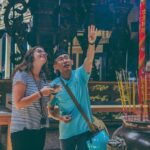
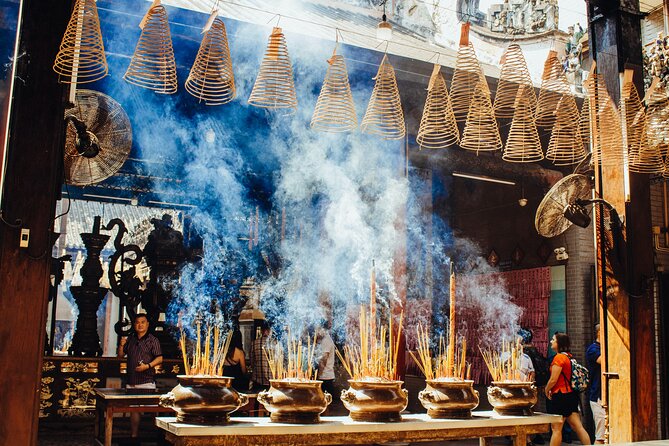
District 5 gives you a contrast: Chinatown and an ancient temple. You’ll spend time exploring one of Saigon’s oldest temples, and the guide helps you understand what you’re looking at beyond the obvious visuals.
Temple stops are always a risk on tours: sometimes they become a quick stop with limited explanation. Here, the time allotment is longer than a rushed photo stop, so you can actually observe details and ask questions.
This is also a nice pacing break after District 10’s market focus. You shift from shopping and street food to a place built for stillness, ritual, and meaning.
If you enjoy cultural landmarks that are active parts of the city (not staged museums), this temple stop is worth your attention.
Ending with the Saigon River drive: the ride feels complete
To close, you’ll get a scenic drive along the Saigon River before you’re dropped off back near where you started. That river stretch works like a palate cleanser. You get one last change of scenery, plus a moment to see more of the city’s layout from the moving scooter window.
It’s a good final touch because it gives you a sense of distance—how Saigon connects districts, and how the city opens up beyond the tight center streets.
Safety, comfort, and what I’d do before you go
Helmets are provided, and the guide-driver setup is designed around safe movement in traffic. The tone you want to hear from a guide is calm and confident, and the people who’ve done this ride right before you tend to emphasize that they felt secure.
You can also make the ride easier on yourself:
- Wear shoes with grip and closed toes.
- Bring light layers; you’ll feel the sun and wind.
- If weather is iffy, listen to the operator’s guidance since the tour needs good weather.
Face mask is optional, water is included, and you’re not carrying supplies. That’s part of the practicality of this kind of scooter tour: you show up ready to ride, and the basics are handled.
Is $33 a good deal for all you get?
$33 might feel low until you see what’s packaged. For that price, you’re getting a private scooter experience with helmets, fuel, bottled water, an English-speaking guide, and entry to the weapon cellar. You also get a PDF food and drink guide after the tour, which helps you keep eating intelligently.
What’s not included is also clear: coffee/tea and any food you choose to buy are paid by you, and meals aren’t included. So your final cost depends on how hungry you get and what you decide to order at the stops.
Here’s the value math in plain terms: if you like guided history plus local food sampling, the included transportation and entrance fees save you the hassle of planning. You’re paying for the route logic, the safety setup, and the explanation time.
If you’re already comfortable navigating independently, you could pay less for a self-guided route. But you’ll miss the war-era storytelling and the small stops that connect the dots.
Who should book this private scooter tour?
This tour is a strong match if you want:
- Fast access to several districts without spending hours on buses
- A blend of history, markets, and cultural stops
- A guide who can explain what you’re seeing while you’re moving
It’s also a good choice for first-time scooter riders who want training wheels in the form of helmets, an experienced driver, and a structured route. You’re not left alone to figure out streets.
You might skip this if you:
- Hate the idea of riding in traffic for much of the experience
- Want only light sightseeing with no war-era content
- Are sensitive to crowded market environments or enclosed spaces
Should you book Saigon Unseen, History, & Hidden Gems?
If you want Saigon to feel real, not just scenic, I think you’ll like this. The combination of colonial architecture, the Burning Monk Memorial, and the weapon cellar stop gives you story depth you can’t easily replicate on your own in a short visit. Add wet market and flower market moments, plus coffee instruction, and you get a tour that feeds both your eyes and your appetite.
Book it if you’re okay with a scooter ride and you’re ready for one emotionally heavy stop. Skip it if you want a totally relaxed, low-traffic experience.
If your time is limited and you’d rather spend it learning than guessing, this private ride at $33 is a very workable way to see a lot of Saigon in one go.
FAQ
How long is the motorbike tour?
It lasts about 4 hours.
Where does the tour start and end?
It starts at Saigon Opera House at Công trường Lam Sơn, Bến Nghé, Quận 1, Thành phố Hồ Chí Minh. The activity ends back at the meeting point.
Is hotel pickup offered?
Yes. Hotel pickup is included, and hotel drop-off is also part of the experience.
What’s included in the price?
You get a private scooter, helmets, fuel, and bottled water, plus an English-speaking guide, guide drivers, and entrance to the weapon cellar. A face mask is provided if you like to wear one.
Do I have to pay extra for coffee and food?
Yes. Coffee, tea, and food/drinks you want to try are not included, and meals are not included. You pay for what you choose.
Is this a private tour?
Yes. It’s private, so only your group participates.
What if the weather is poor or I need to cancel?
The tour requires good weather. If it’s canceled due to poor weather, you’ll be offered a different date or a full refund. For cancellations, it’s free to cancel up to 24 hours in advance for a full refund.