REVIEW · HO CHI MINH CITY
HCMC: English or German War History Tour: Tunnels & Museums
Book on GetYourGuide →Operated by TripGuru Vietnam · Bookable on GetYourGuide
A day like this hits hard—without taking all day to travel. You’ll get Cu Chi Tunnels plus two big-city history stops that explain how Vietnam’s wars shaped Ho Chi Minh City. The best part is the war veteran interaction, which turns facts into lived experience. The one thing to keep in mind is the pace: it’s a 9-hour schedule, and it can feel like a lot of walking and standing, especially in the heat.
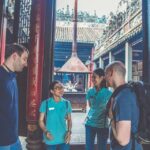
I like how the tour balances heavy material with clear structure. You start underground with a guided look at the Tet Offensive-era tunnel network, then move up to major museums and landmarks. In the middle of it all, your guide—often highlighted as friendly and helpful, with one guide named Binh standing out—keeps the stories understandable instead of just overwhelming.
One possible drawback: it’s not for everyone physically. The tour isn’t suitable for children under 7, pregnant women, people with mobility impairments, or anyone with heart or respiratory issues. If you’re sensitive to crowds, long days, or intense historical content, plan your energy accordingly.
In This Review
- Key Things That Make This Tour Worth Your Time
- A 9-Hour Run Through Ho Chi Minh City’s War Landmarks
- Cu Chi Tunnels: Underground Life, Tet Offensive Context, and a Veteran’s Story
- War Remnants Museum: Exhibits That Connect the Indochina and Vietnam Wars
- Independence Palace: The Day the City’s Power Looked Different
- Notre-Dame Cathedral and the Central Post Office: French Colonial Echoes in District Light
- Lunch and the Real-Life Timing of a Full Day
- Price and Value: What $115 Gets You in Practice
- Getting There: Pickup and Drop-Off Zones You Should Know
- What to Pack for Cu Chi and the Museum Stops
- Who This Tour Suits Best (and Who Should Skip It)
- Should You Book This Tour?
- FAQ
- How long is the tour?
- Is hotel pickup and drop-off included?
- What language is the guide?
- How many people are in the group?
- What war history sites are included?
- Is there a chance to meet a war veteran?
- Is entrance included in the price?
- Do I pay extra to fire a rifle?
Key Things That Make This Tour Worth Your Time
- Cu Chi Tunnels with a veteran’s real-world perspective, plus optional rifle firing for extra cost
- War Remnants Museum with both Indochina War and Vietnam War exhibits in one guided route
- A packed-but-logical day: tunnels → museum → Independence Palace → cathedral → Central Post Office
- Small group size (up to 9), which helps you keep up with questions and pace
- Air-conditioned transport between stops, which matters a lot in Ho Chi Minh City heat
- French-colonial landmarks in the same loop as the war sites, so the city’s layering makes sense
A 9-Hour Run Through Ho Chi Minh City’s War Landmarks
This is a one-day way to understand Ho Chi Minh City through wartime sites and the architecture that came with colonial rule. The schedule is long enough to see the big hitters, but structured enough that you’re not stuck sprinting from one random attraction to another.
Between stops, you ride in an air-conditioned vehicle. That may sound like a boring detail, but it changes the whole day. The heat between Districts can drain you fast, and this helps you stay sharp for the heavier parts like the museum exhibits.
The other big factor is group size. With a small group limited to 9 participants, you usually get smoother timing at entrances and you’re less likely to feel lost in a crowd. Your guide can also explain context without rushing.
You can also read our reviews of more historical tours in Ho Chi Minh City


Cu Chi Tunnels: Underground Life, Tet Offensive Context, and a Veteran’s Story
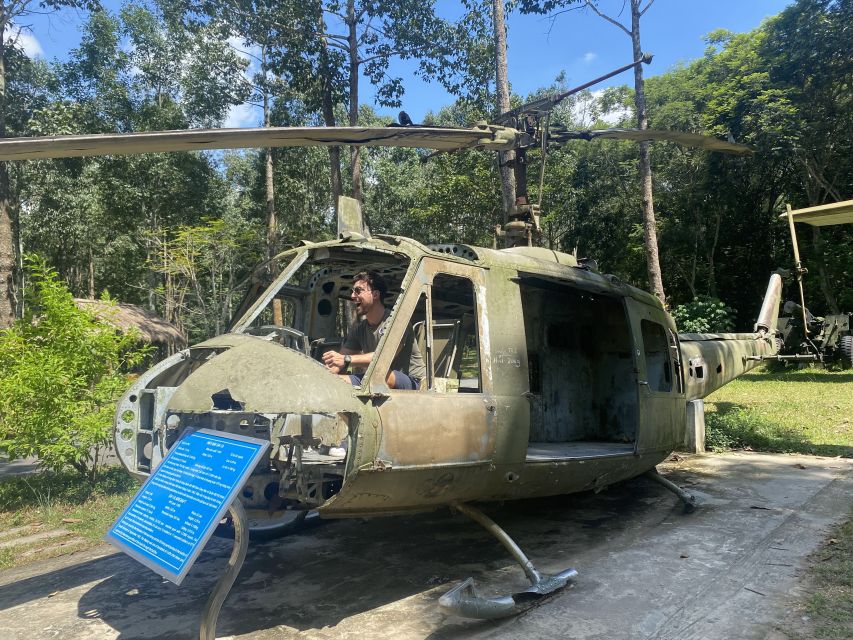
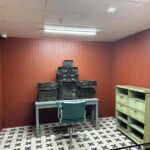
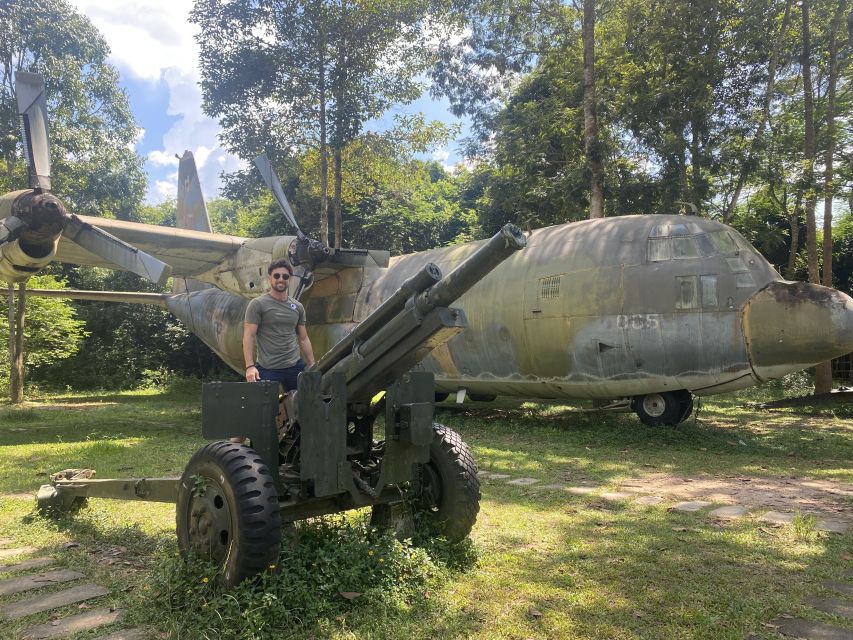
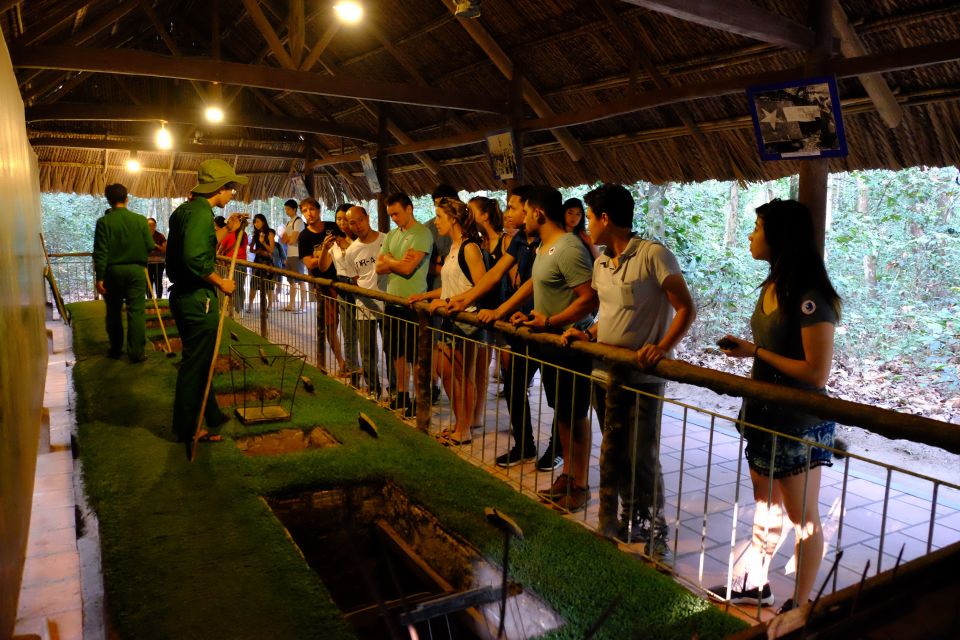
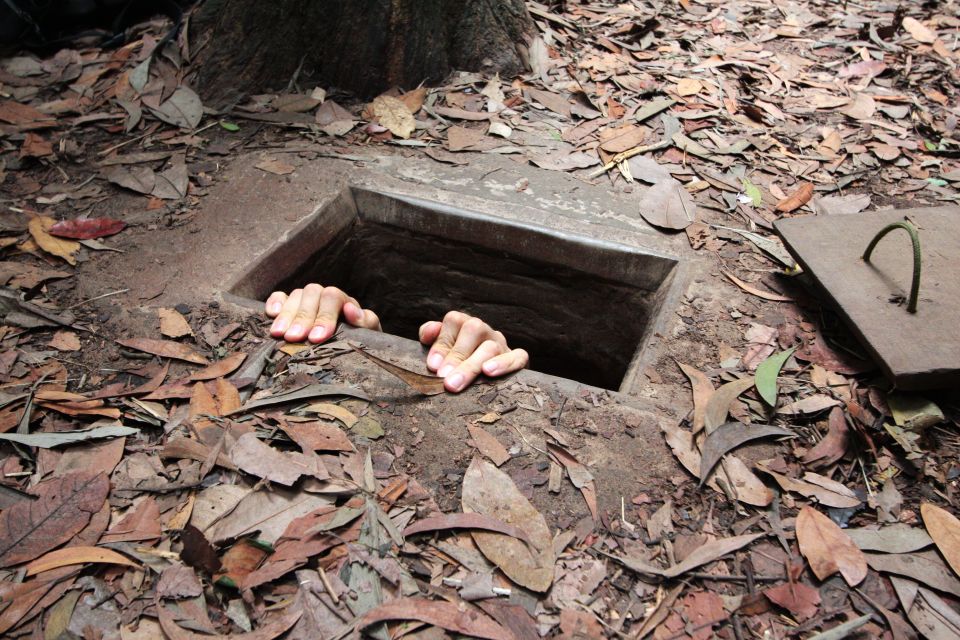
Cu Chi Tunnels is the kind of place that doesn’t feel like a normal sightseeing stop. You’re looking at a tunnel system used during the Vietnam War and the Tet Offensive. The guided component matters because the layout is easier to understand when someone walks you through it rather than you just wandering holes in the ground.
Plan on spending about an hour here with a guided visit. Even at that length, you’ll likely need to slow down. Underground settings can be tight and sensory—so wear comfortable shoes and expect you’ll move carefully.
What really upgrades this stop is the war veteran interaction. Instead of treating the tunnels like a movie set, you hear real wartime stories connected to how locals used guerrilla tactics from underground. If you’re trying to understand not just what happened, but how people adapted to extreme conditions, this is one of the most meaningful parts of the day.
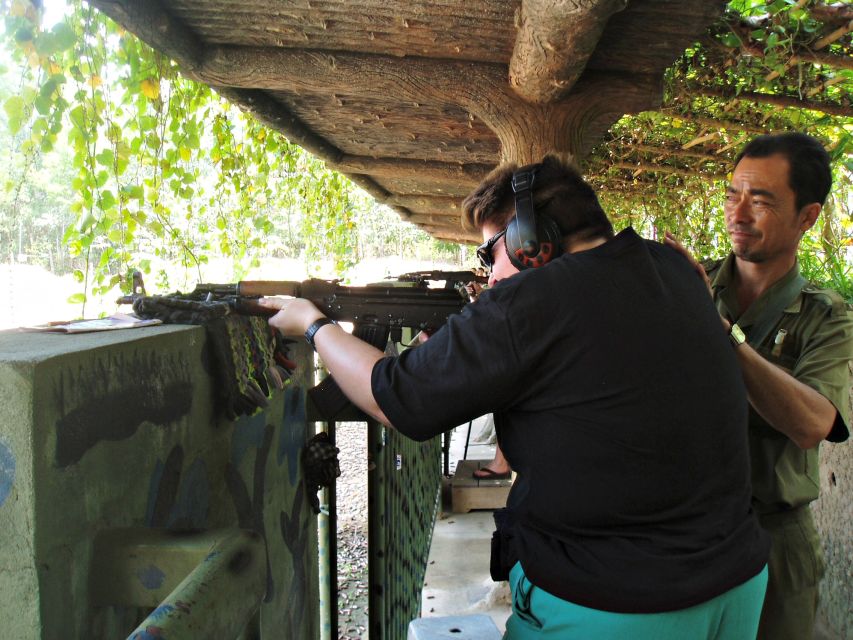
There’s also an optional extra: rifle firing for an added fee. It’s not included, so think of it as a choose-your-own-adventure add-on. If you’re not interested in that, you can still focus on the history and the veteran conversation.
War Remnants Museum: Exhibits That Connect the Indochina and Vietnam Wars
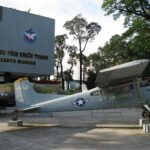
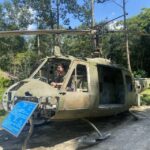
After the tunnels, you come back to the surface and hit the War Remnants Museum. This is where the day shifts from a specific location to broader documentation. The museum’s exhibits cover the Indochina War and the Vietnam War, and you’ll move through the displays with a guided explanation for clarity.
You’ll spend around 75 minutes here. That’s a realistic amount of time: long enough to understand how the stories are arranged, without letting you get mentally exhausted before you see the rest of the city landmarks.
This stop is valuable because it helps you connect what you saw underground to the larger conflict. The tunnels explain strategy and survival. The museum shows consequences and evidence—things that don’t always show up in quick, casual attraction visits.
A practical note: museum content is serious. If you prefer light, purely scenic travel days, this might feel heavy. If you want to understand the place you’re standing in, it’s one of the best uses of time in Ho Chi Minh City.
Independence Palace: The Day the City’s Power Looked Different
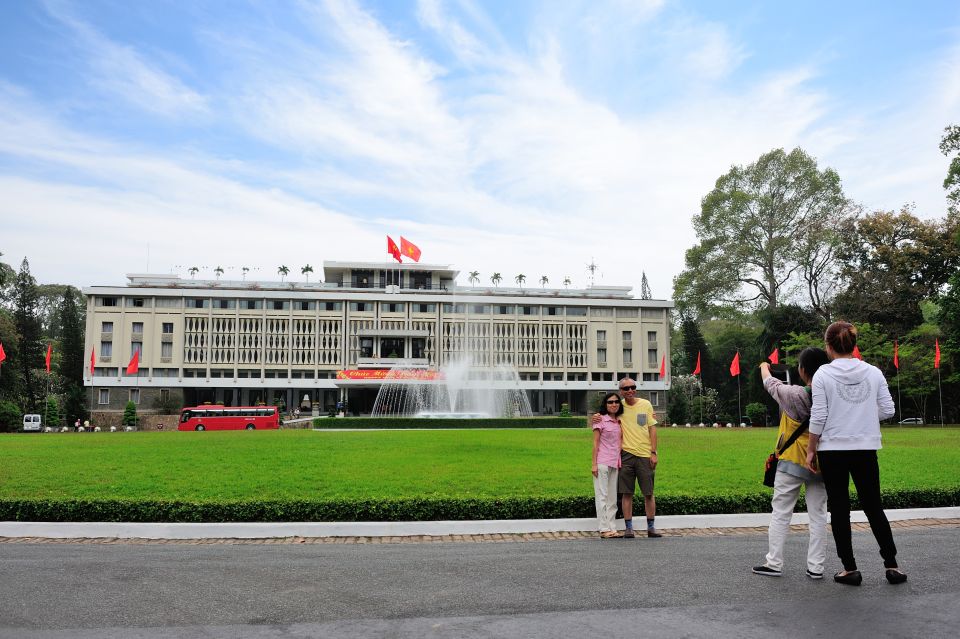
Next up is Independence Palace, with about 75 minutes on site and guided time included. This is one of those landmarks where the big appeal is the building itself—grand halls, strong visual design, and the sense that you’re walking through a key political space rather than just a static exhibit.
The palace used to be the home and office of Vietnam’s presidents. That makes it more than a pretty stop. It’s a chance to see how leadership and decision-making spaces looked during turbulent times, and to understand the symbolism tied to independence-era history.
The guide helps here. Architecture alone can be impressive, but context makes it click. You’ll learn what the space represented and why it matters to understanding the wartime and post-wartime narrative.
If you like being able to imagine a moment in time—meetings, decisions, movement of people—this part of the tour delivers.
Notre-Dame Cathedral and the Central Post Office: French Colonial Echoes in District Light

After Independence Palace, the tour slows slightly with two classic landmark stops tied to French colonial influence.
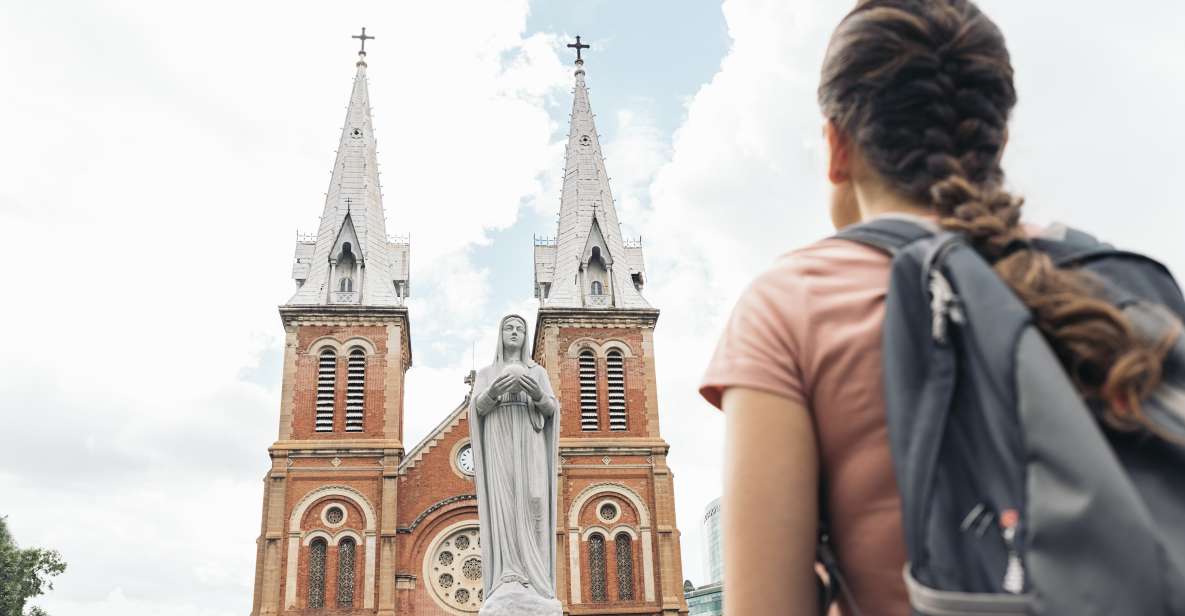
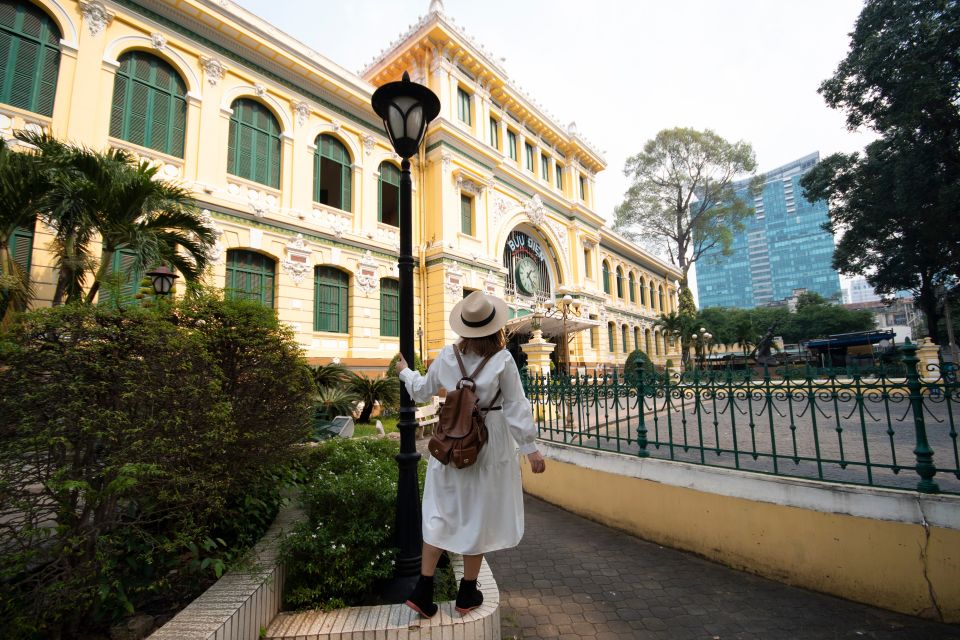
First is Saigon Notre-Dame Cathedral, built by French colonists in the 19th century. You’ll have around 30 minutes here with a guided visit. This isn’t just a photo break; it’s part of the story of how the city was shaped under colonial rule, even as war later transformed daily life.
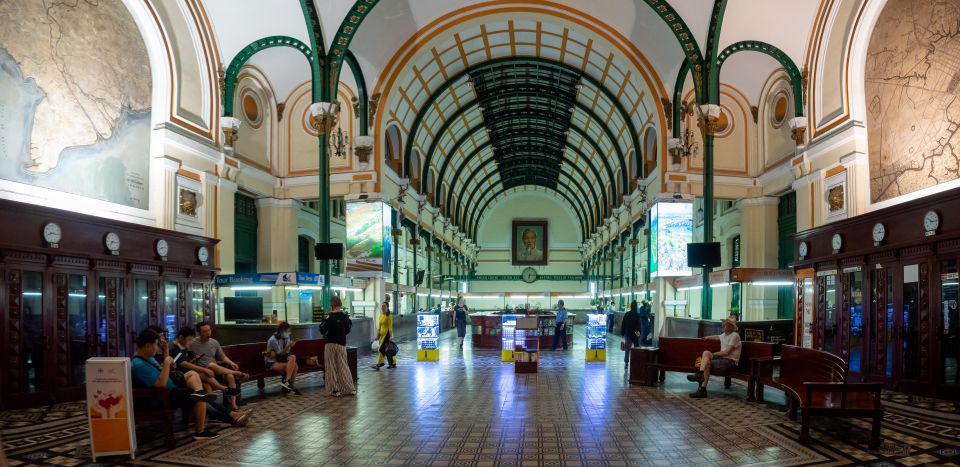
Across the area is the Saigon Central Post Office, also heavily French influenced, with striking ceilings and sweeping interior design. You’ll spend about 30 minutes here as well, including time to stroll through vendor stalls and shop locally.
I like pairing these two stops because it shows layering: colonial architecture on one side, wartime documentation on the other. It’s one city with multiple chapters. And in Ho Chi Minh City, that contrast is hard to ignore once you see it in person.
You can also read our reviews of more museum experiences in Ho Chi Minh City


Lunch and the Real-Life Timing of a Full Day
Meals aren’t included, but the schedule includes a lunch stop during the day. That matters because it keeps you from trying to hunt for food between tightly timed entrances.
This is also where you can plan your strategy for energy. Since you’ll be moving between different stops for much of the day, bring or buy water where you can and use the breaks wisely. Drinking water is included, but staying ahead of thirst helps you enjoy the day instead of just surviving it.
If you’re sensitive to spicy food, treat lunch as your chance to choose something safe. Then you’ll have the headspace to focus on the history afterward.
Price and Value: What $115 Gets You in Practice
At $115 per person, this tour is priced like a guided, full-day experience—not like a cheap hop-on ride. What justifies the price is the combo of logistics and content.
You get:
- Hotel pickup and drop-off (in specific districts)
- Air-conditioned transportation
- A professional English-speaking guide
- Guided visits at every major stop
- War veteran interaction
- Entrance fees included for certain tour formats (with an additional note that entrance fees may be around VND 225K per person for standard small group options)
- Drinking water, local taxes, and fuel charges
For me, the “value” part isn’t only the transport. It’s the veteran piece and the guided pacing at the museum and palace. You’ll get more out of these stops with interpretation, especially when the content is heavy and the layout is not obvious.
Group size also adds value. With a small group (up to 9), you tend to get better question time and less chaos at entrances.
Getting There: Pickup and Drop-Off Zones You Should Know
Pickup is included, but it’s not universal across all neighborhoods. The tour lists pickup availability for hotels in certain areas, including District 1 (with a couple ward exceptions) and District 3 (only specific wards). You’ll also see multiple pickup options across Districts 5, 4, 3, and 1, and drop-offs in the same general districts.
If your hotel is outside the listed zones, pickup may not be available. Before booking, check that your location matches the pickup area. This avoids the common pain of arriving at a tour start point that’s far from where you’re staying.
The guide will be wearing a TripGuru shirt or holding a TripGuru sign, which is helpful in a city where meeting points can get messy fast.
What to Pack for Cu Chi and the Museum Stops
A serious day like this needs practical gear. Bring:
- Comfortable shoes
- Sunglasses
- Umbrella (weather can shift)
- Camera
- Sunscreen
- Insect repellent
- Cash
That cash part is key for the real-world extras. Rifle firing (if you choose it) costs extra. Also, the Central Post Office area has vendor stalls, and you may want to buy small items or snacks.
Also remember: the tunnels and museum context may have you standing for stretches. Wear clothes that work in heat and allow you to move carefully.
Who This Tour Suits Best (and Who Should Skip It)
This tour fits well if you want one full day that explains the big wartime landmarks of Ho Chi Minh City, including Cu Chi Tunnels and the War Remnants Museum, plus the city’s major French-influenced architecture.
You should probably consider a different style or skip this one if:
- you need wheelchair-friendly routes (the tour isn’t suitable for mobility impairments)
- you’re dealing with heart or respiratory issues
- you’re traveling with a child under 7
- you’re pregnant
If you’re healthy, curious, and okay with serious historical content, you’ll likely find it very worthwhile—especially because the veteran interaction turns the day from information into understanding.
Should You Book This Tour?
I’d book this tour if you’re in Ho Chi Minh City for limited time and you want the war story in a structured, guided way. The combination is the point: tunnels with lived wartime accounts, museum context across the Indochina and Vietnam Wars, and then city landmarks that show how the place layered into what you see today.
Skip it if you’re looking for a light, scenic day only, or if the long schedule and physical demands don’t match your comfort level.
If your top priority is getting to Cu Chi and then understanding what it meant in the bigger conflict, this is one of the most efficient ways to do it in a single day.
FAQ
How long is the tour?
The tour runs for about 9 hours, and starting times vary depending on availability.
Is hotel pickup and drop-off included?
Yes. Pickup and drop-off are included, but pickup is only available for hotels in specific parts of District 1 and District 3 (plus listed pickup options across Districts 5, 4, 3, and 1).
What language is the guide?
The tour option provided lists a live English guide.
How many people are in the group?
It’s a small group limited to 9 participants.
What war history sites are included?
You visit Cu Chi Tunnels, the War Remnants Museum, and Independence Palace, plus cultural stops at Notre-Dame Cathedral and the Central Post Office.
Is there a chance to meet a war veteran?
Yes. The tour includes a war veteran interaction.
Is entrance included in the price?
Entrance fees are included for private and small group formats with entrance fee options. For standard small group tour options, entrance fees are around VND 225K per person.
Do I pay extra to fire a rifle?
Rifle firing is optional and not included. A rifle firing fee applies if you choose it.