REVIEW · HO CHI MINH CITY
Ho Chi Minh City: Cai Rang Floating Market in Can Tho Tour
Book on GetYourGuide →Operated by Saigontourism Travel · Bookable on GetYourGuide
Floating breakfasts beat any buffet. On this Ho Chi Minh City to Can Tho day trip, I like how the day strings together Cai Rang Floating Market and Son Islet into one smooth, food-first route through the Mekong Delta. You’re up early, the boat bounces, and the sun can be intense, so it’s not a lazy-day plan.
What I really loved: the hands-on Hu Tieu (rice vermicelli) workshop, where you see how locals shape and cook those soft, slightly chewy noodles. The only real downside to plan for is that you’ll be on the go most of the day—there’s little downtime, so comfortable shoes and patience help a lot.
In This Review
- Key Things to Know Before You Go
- Cai Rang Floating Market and Son Islet: The One-Day Mekong Schedule That Actually Works
- Where this fits best
- 5:00 AM Departure From Ho Chi Minh City: Long Drive, Right Mood
- Comfort tip that matters
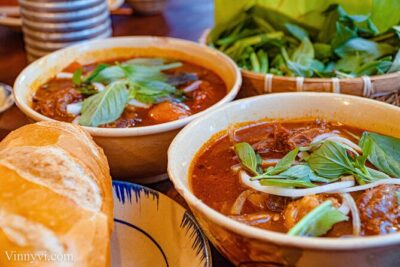
- Cai Rang Floating Market Breakfast: Shaken Noodles and Braised Coffee
- What to pay attention to at Cai Rang
- A realistic expectation
- Hu Tieu Workshop in Can Tho: Turning Ingredients Into Noodles
- What you’re really gaining
- Fruit break with on-spot peeling
- Son Islet in the Hau River: Fish Farms, Koi Foot Massage, and Fruit Picking
- Walking the island: what to do with your time
- Watching the food culture in motion
- The Flying Menu Lunch: How Community-Based Tourism Feels From a Plate
- What’s on the set menu
- Food and pacing reality check
- Boat Rides, Sun, and Motion: Practical Tips for a Smooth Day
- What to bring (don’t overthink it)
- Price and Value: Is $100 a Fair Deal?
- The best “value signal” to look for
- Who Should Book This Cai Rang and Son Islet Tour?
- A note on guides
- Should You Book It? My Bottom-Line Take
- FAQ
- FAQ
- What time does this tour depart Ho Chi Minh City?
- How long is the transfer to Can Tho?
- What are the main stops during the day?
- What meals and snacks are included?
- Is there a koi fish foot massage?
- What should I bring?
- What isn’t included in the price?
Key Things to Know Before You Go
- Early start timing: the day kicks off at 5:00 AM, with about a 3-hour drive to Can Tho
- Breakfast on the water: watch the market wake up while you eat, including shaken noodles and braised coffee
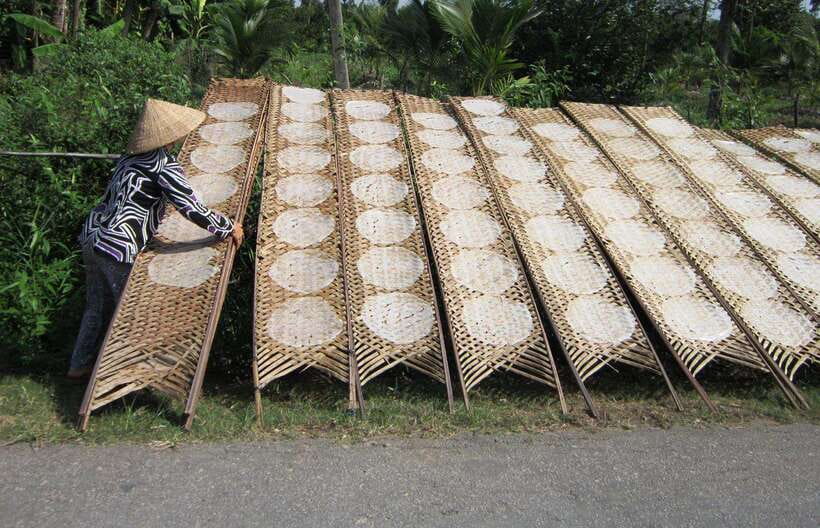
- Hu Tieu workshop: make sense of how Hu Tieu turns from dough to your bowl
- Son Islet activities: koi fish foot massage, fruit picking, monkey bridge, and fish performances
- Flying menu lunch: each family prepares a dish and serves it to you—simple, communal, and very on-theme
Cai Rang Floating Market and Son Islet: The One-Day Mekong Schedule That Actually Works
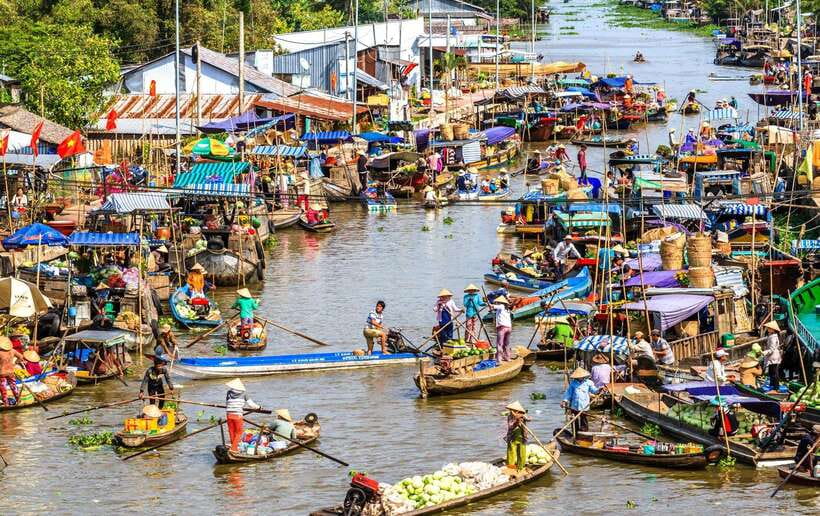
This tour is built around something most Mekong trips only sell in bits and pieces: food, boats, and community. You leave Ho Chi Minh City before sunrise, reach Can Tho in time for the market’s morning rhythm, then shift to Son Islet for fish farms, fruit, and a family-style lunch that feels personal.
I also like the pacing. You start with the sensory chaos of Cai Rang (boats, calls, transactions), then you get an activity that’s easier to understand—Hu Tieu—before the day settles into Son Islet, where you can slow down just enough to look around. Even if you’re not a super “tour person,” the flow makes sense.
You can also read our reviews of more city tours in Ho Chi Minh City

Where this fits best
If your idea of a good day is food you can see being made, boats you can feel rocking under you, and a place that’s not just a photo stop, you’ll probably love this route. It’s also a solid choice for first-timers to the Mekong Delta who want a lot of variety without booking separate tours.
5:00 AM Departure From Ho Chi Minh City: Long Drive, Right Mood
The day starts at 5:00 AM in Ho Chi Minh City. You’ll take a roughly 3-hour drive into the Mekong Delta to reach Can Tho by 8:00 AM, which is exactly when Cai Rang starts doing its daily thing.
That early start is the trade-off. The market looks best in the morning because that’s when boat traffic, unloading, and breakfast are all happening together. If you’ve ever arrived at a market after the main rush, you know the feeling—quiet, less trade, fewer characters. Here, you’re early enough to catch the real rhythm.
Comfort tip that matters
Bring layers you can handle. It’s early, so mornings may feel cooler, and by midday you’ll likely be dealing with strong sun. Also, expect the boat ride to include some rocking, so shoes with grip matter more than you might think.
Cai Rang Floating Market Breakfast: Shaken Noodles and Braised Coffee
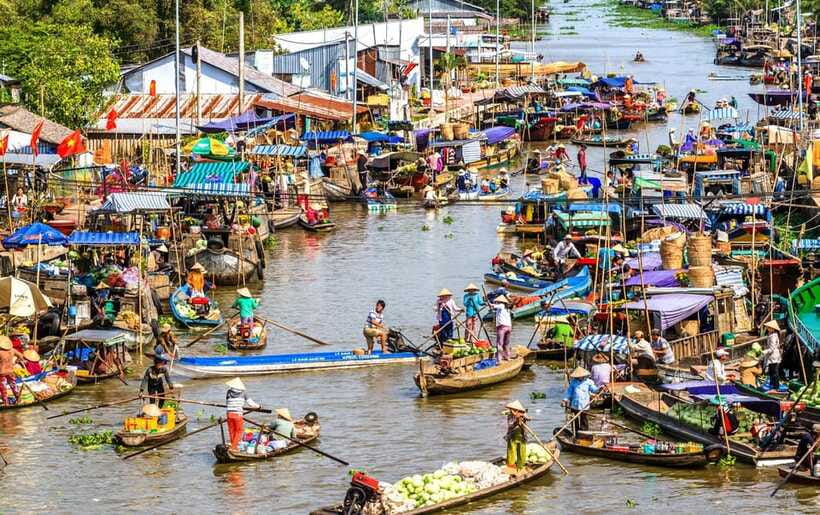
Cai Rang Floating Market is the headline for a reason. When you arrive in the early morning, you’re not watching from a safe distance—you’re right in the mix, moving with the market traffic.
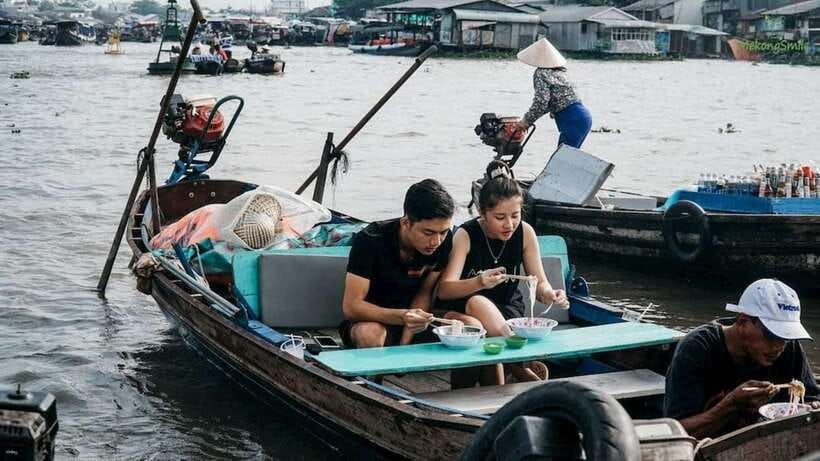
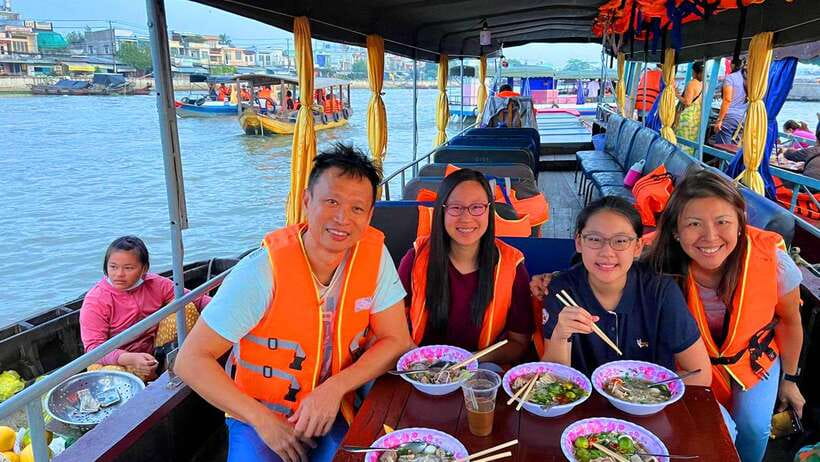
Breakfast happens on the water, and that’s a big part of why this feels memorable. You eat while boats slide past and the morning noise keeps rolling. The boat bounces a bit with the waves, which can feel exciting if you’re game for it, and a little distracting if you dislike motion.
You can also read our reviews of more shopping tours in Ho Chi Minh City




What to pay attention to at Cai Rang
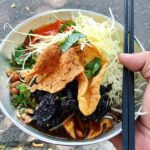
Two items are called out for a reason: shaken noodles and braised coffee. You’ll taste them as part of the breakfast experience, and you’ll likely notice that the market’s style of cooking is fast, practical, and built for feeding people on the move.
And beyond food, it’s the daily life along the river that makes the market feel real. As you travel across the river to reach the area, you can spot traditional-style houses, orchard areas, ship-building yards, and busy waterway activity. It’s one of those “small details add up” moments.
A realistic expectation
This is a working market. That means you’ll see plenty of daily tasks, not a staged show. If you like authenticity over polish, it’s great. If you’re expecting a quiet sightseeing cruise, you may find it noisy and a little hectic.
Hu Tieu Workshop in Can Tho: Turning Ingredients Into Noodles
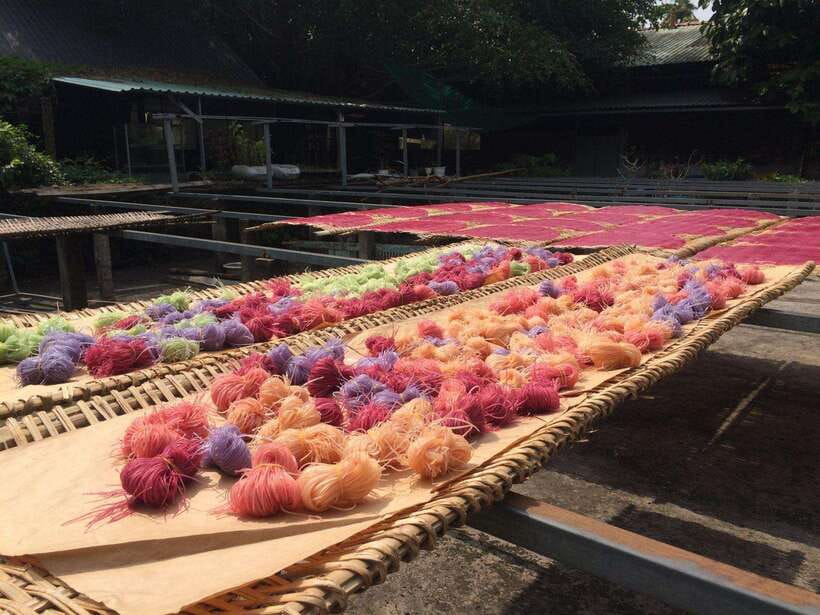
After the floating market, the program shifts into something more hands-on and easier to follow: a traditional workshop where you learn how locals make Hu Tieu (rice vermicelli).
This stop is valuable because it connects what you ate for breakfast to how it gets made. You learn about the noodles’ texture—soft, flat, slippery, and slightly chewy—which helps you understand why Hu Tieu is more than just a generic noodle dish.
What you’re really gaining
You’re picking up a sense of technique. Even if you don’t retain every step, you walk away understanding how ingredients and shaping create that signature feel. It makes your meal later more meaningful, because you’re not just tasting—you’re remembering the process.
Fruit break with on-spot peeling
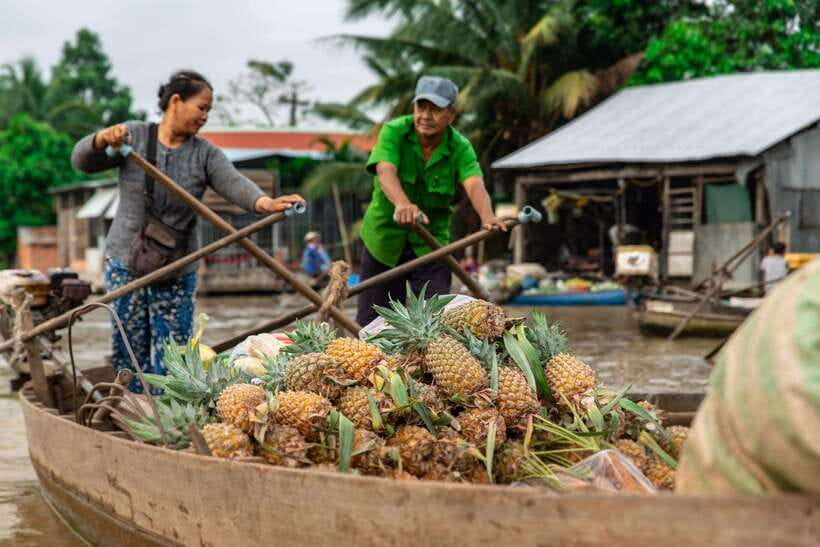
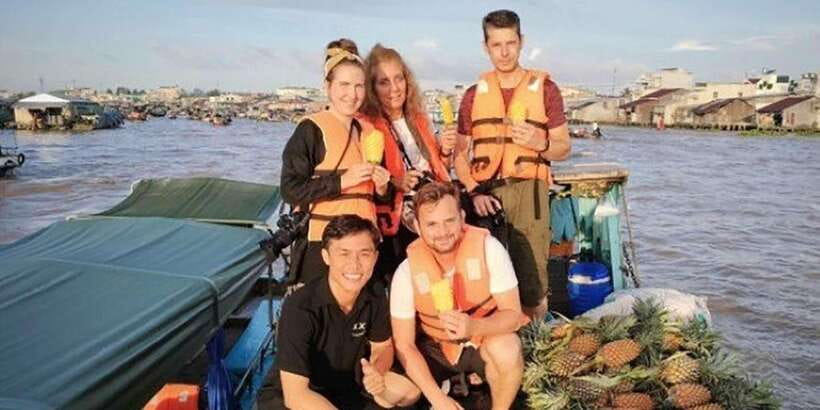
Then you’ll head toward a pineapple experience on the way. Pineapple is known here as the queen of fruits, and you can enjoy it with peeling done right on the spot, including while you’re on the boat. It’s a simple moment, but it’s also refreshing during a long day.
Son Islet in the Hau River: Fish Farms, Koi Foot Massage, and Fruit Picking
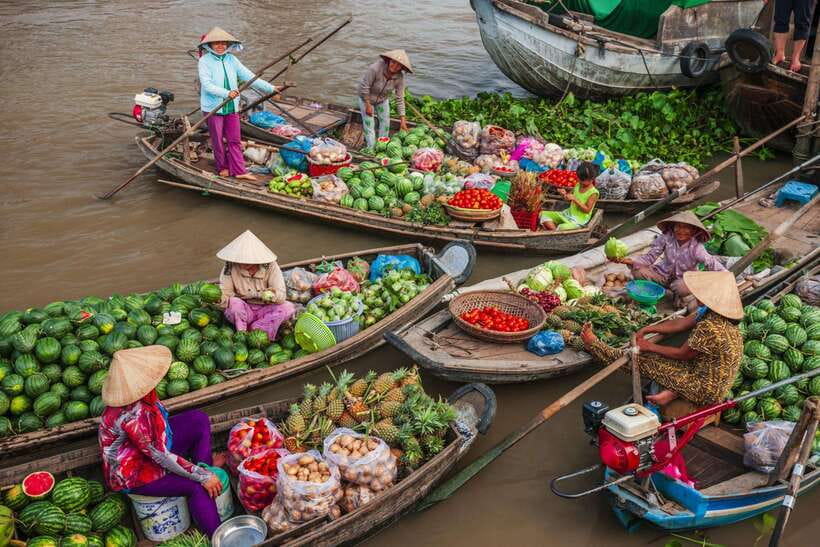
Around 10:00 AM, you check out of Cai Rang and move on to Son Islet, an islet in the Hau River. The idea here is contrast: less open market traffic, more family-run island life.
Son islet is where the tour gets more playful. You’ll visit a floating fish farm on the Hau River and see a collection of fish. The standout activity is foot massage with koi fish—you put your feet into the water and let the fish do the work. It’s one of those experiences you can’t really fake with a photo. You either enjoy it or you’re momentarily unsure what you signed up for. Either way, it’s memorable.
Walking the island: what to do with your time
You’ll also walk around among about 80 households. You can try picking fruits and experience fruit directly from the tree, then enjoy it with the local people’s rhythm around you. It’s not a museum walk. It’s daily life.
Don’t miss the monkey bridge. It’s quick, but it adds a sense of fun and makes the island feel more like a place than a stop.
Watching the food culture in motion
Depending on the timing that day, you can either make traditional cakes and pop rice yourself or watch a snakehead fish performance. Either option fits the island theme: skills and local tastes shared in a public, everyday way.
The Flying Menu Lunch: How Community-Based Tourism Feels From a Plate
Lunch is served at 12:00 PM on Son islet, and it comes with a concept that’s easy to grasp: flying menu. Each family prepares one dish, then serves it to you.
That setup matters because it changes the dynamic. Instead of eating at a restaurant where food feels anonymous, you’re receiving it in a way that ties directly to island households. You also see the purpose of the community-based approach: the benefit from tourism is shared locally.
What’s on the set menu
The lunch menu is listed as:
- Son islet salad
- Grilled gourami fish with lotus leaf
- Sautéed pork in clay
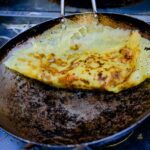
- Omelet with minced pork
- Boiled vegetables served with Vietnamese caramelized pork
- Chicken hot pot with lemon and chili
- Steamed rice
- Traditional cakes
- Ice tea
You’ll also have snacks during the day, including fruits, candies, pop rice, and Vietnamese pizza. In other words, you’re not left searching for meals or paying extra for simple needs.
Food and pacing reality check
This is not a grazing tour. It’s a full-day loop where meals arrive at set times. If you’re very picky about spice levels or specific ingredients, it helps to mentally flag that some dishes include chili and local flavor profiles.
Boat Rides, Sun, and Motion: Practical Tips for a Smooth Day
There are two factors that make or break comfort on this kind of Mekong trip: boat time and weather.
You’ll do multiple boat segments: crossing toward the market, breakfast on the water, and then the transfer rhythm between Cai Rang and Son islet. The tour also mentions the excitement of an unsteady feeling as waves hit the side of the boat. That’s not a guarantee of seasickness for everyone, but if you’re motion-sensitive, plan accordingly.
What to bring (don’t overthink it)
The essentials are straightforward:
- comfortable shoes
- hat
- camera
- sunscreen
- water
I’d add one small personal rule: wear clothing you don’t mind getting splashed. If you’re worried about that, you’ll spend the day watching your outfit instead of enjoying the experience.
Price and Value: Is $100 a Fair Deal?
At $100 per person, this tour isn’t the cheapest way to see the Mekong Delta. But it’s priced like a real day program, not a basic transport ticket.
Here’s what’s doing the heavy lifting for value:
- AC transfer and a guide from Ho Chi Minh City
- boat trips plus all admission fees
- breakfast on the water, plus a Hu Tieu workshop and pineapple stop
- a full lunch on Son islet with multiple set dishes
- snacks (fruits, candies, pop rice, Vietnamese pizza) and bottled water
- domestic travel insurance
What you’re not paying for is drinks and personal expenses, plus international travel insurance. If you’re already budgeting for food, entrance fees, and guided transport, the total starts to look more reasonable.
The best “value signal” to look for
The strongest proof is the lineup: Cai Rang market + food workshop + Son islet fish farm + koi foot massage + community lunch. That’s a lot of content for one day, and the meals are included rather than treated as add-ons.
Who Should Book This Cai Rang and Son Islet Tour?
This tour is a good match if you:
- want a first-time-friendly Mekong Delta day with variety
- like hands-on food experiences like Hu Tieu
- are curious about local island life and community dining
- don’t mind an early start and a full schedule
If you’re traveling with older adults who dislike motion, you might want to think carefully about the boat time and whether koi fish foot massage will be fun or uncomfortable. If you hate being outside in strong sun, you’ll need to manage hat and sunscreen closely.
A note on guides
The tour is led by an English-speaking guide, and I’ve seen strong feedback tied to specific guides like Daniel and Michael—both noted for making the day informative and enjoyable. That matters because this route has a lot of moving parts, and a good guide helps you understand what you’re seeing and eating without turning it into a lecture.
Should You Book It? My Bottom-Line Take
Yes, I’d book this if your top priorities are food, waterway life, and a real sense of how people earn a living in the Mekong Delta. The combination of Cai Rang breakfast, Hu Tieu learning, and Son islet community lunch is the kind of “whole-day theme” that most solo DIY plans can’t replicate easily without extra bookings and downtime.
Skip it only if you’re looking for a slow, relaxed day with minimal motion. This is active. It starts early. You’ll walk around Son islet and you’ll spend time on the boats. If that fits your travel style, it’s a great use of a single day.
FAQ
FAQ
What time does this tour depart Ho Chi Minh City?
The tour departs at 5:00 AM.
How long is the transfer to Can Tho?
It’s about a 3-hour drive from Ho Chi Minh City to the Mekong Delta area, arriving in Can Tho around 8:00 AM.
What are the main stops during the day?
The day includes Cai Rang Floating Market for breakfast, a Hu Tieu (rice vermicelli) workshop, Son islet (including a floating fish farm), and a flying menu lunch on the island.
What meals and snacks are included?
Meals are included throughout the day: the breakfast on the water and a set menu lunch on Son islet, plus snacks such as fruits, candies, pop rice, and Vietnamese pizza. Bottled water is also included.
Is there a koi fish foot massage?
Yes. The itinerary includes foot massage with koi fish at the floating fish farm on Son islet.
What should I bring?
Bring comfortable shoes, a hat, camera, sunscreen, and water.
What isn’t included in the price?
The tour does not include drinks or personal expenses. International travel insurance is also not included.