REVIEW · HO CHI MINH CITY
Saigon City Sights & War Remnant Museum on Scooter
Book on Viator →Operated by Vietnam Exploring Tour · Bookable on Viator
Saigon changes fast on two wheels. I love how the scooter ride links temples, markets, and the War Remnants Museum into one smooth afternoon, and I love that guides like Vy, Kieran, and Alex keep the stories grounded in daily Saigon life. One watch-out: you should feel okay with busy roads and lots of short photo-and-walk moments during the 4-hour loop.
This tour is different from the usual bus shuffle. You stop at meaningful spiritual sites like the Jade Emperor Pagoda and the Thích Quảng Đức memorial, then you move into neighborhoods where daily commerce still runs on foot traffic and handcarts. You’ll also get a break with an included meal (bún bò Huế is part of the experience), so the history doesn’t sit heavy for the whole day.
In This Review
- Key Things That Make This Scooter Tour Worth $22
- Scooter Sightseeing in Ho Chi Minh City: What It Feels Like
- Jade Emperor Pagoda: Free Time in a Major Buddhist Temple
- Thích Quảng Đức Monument: The Story Behind a Silent Image
- Nguyễn Thiện Thuật Apartment Buildings: Saigon’s Everyday Side, Up Close
- Hải Thượng Lãn Ông Medicine Street: Traditional Care in Plain View
- Hồ Thị Kỷ Flower Market: Where Saigon Gets Its Daily Color
- Chùa Vạn Phật: Ten Thousand Buddhas with a Breather Feel
- Phố Tàu and Chợ Lớn: Chinatown Saigon in District 5
- War Remnants Museum: The Saigon Story After the Guns
- Bún Bò Huế Finish: Why the Meal Changes How You Remember the Day
- Price, Time, and Who This Scooter Tour Fits
- Should You Book This Scooter Tour?
- FAQ
- How long is the scooter tour?
- What does the $22 price include?
- Is the War Remnants Museum ticket included?
- Do I need to buy temple or market tickets?
- Is it a private tour?
- Are helmets and raincoats provided?
- Does the tour run in bad weather?
- What is the cancellation policy?
Key Things That Make This Scooter Tour Worth $22
- City history on a scooter route: movement between stops, not a long seated grind
- Spiritual landmarks with context: Jade Emperor Pagoda and the Thích Quảng Đức monument
- Street-level Saigon stops: Nguyễn Thiện Thuật apartment area and the traditional medicine lane of Hải Thượng Lãn Ông
- A real food finish: an included bowl of bún bò Huế plus a drink
- War Remnants Museum time: museum admission included, with guided explanation
Scooter Sightseeing in Ho Chi Minh City: What It Feels Like
This is a scooter tour where the vehicle is the point, not just transportation. You get hotel pickup and drop-off, a scooter ride with an English-speaking guide, plus helmet and raincoat. That setup matters because it removes the usual “how do I get there?” stress in Saigon traffic, and it keeps your day focused on the stops.
Practically, expect a rhythm: ride a bit, park, walk for a short stretch, listen, then ride again. The stops are mostly around 20–30 minutes, so the schedule moves without pretending you’ll see everything at warp speed. From the reviews, the guides stand out for safe driving and for staying calm while kids and first-time scooter riders tag along—so it’s not only for daredevils.
One small consideration: you’re in the mix with road noise, scooters, and bikes. If you’re prone to motion sickness, bring the usual travel tools (fresh water, and take it slow with your breathing during quick accelerations). Also, wear something you can sit comfortably in for the duration—4 hours goes faster when you’re not adjusting your clothing every few minutes.
You can also read our reviews of more city tours in Ho Chi Minh City


Jade Emperor Pagoda: Free Time in a Major Buddhist Temple
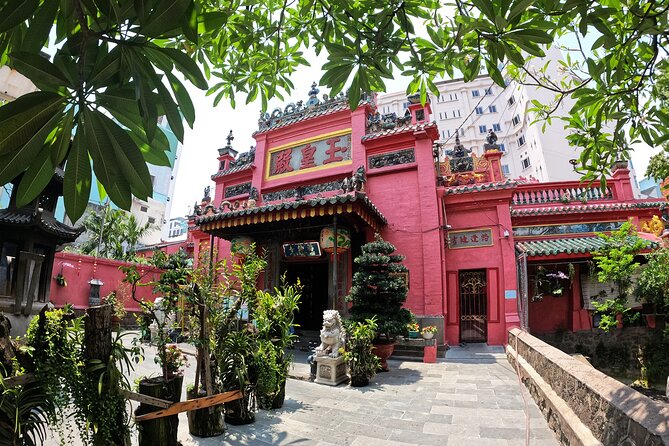
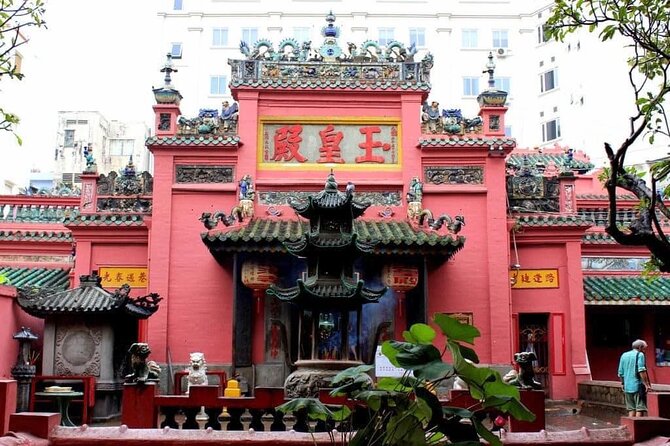
Your first major spiritual stop is the Jade Emperor Pagoda (Chùa Ngọc Hoàng). You’ll get about 30 minutes here, and admission is free. This isn’t just a “pretty temple” stop. The guide frames what people come here for and how the architecture and offerings reflect beliefs that are still practiced in modern Saigon.
What I like about starting here is the tone shift. Before you get into hard history, you’re reminded that Ho Chi Minh City is also a place of faith, ceremony, and routine. Even if you don’t plan to light incense or join prayers, you’ll still get the sense of how religious life threads through the city’s everyday schedule.
A drawback to keep in mind: since it’s an active temple, you’ll want to dress and behave respectfully. Plan for slower movement inside, especially if there are worshippers. This stop works best if you go in ready to look, listen, and take a few minutes to settle your brain.
Thích Quảng Đức Monument: The Story Behind a Silent Image
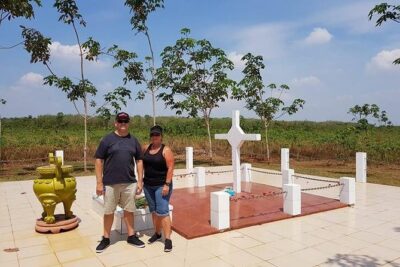
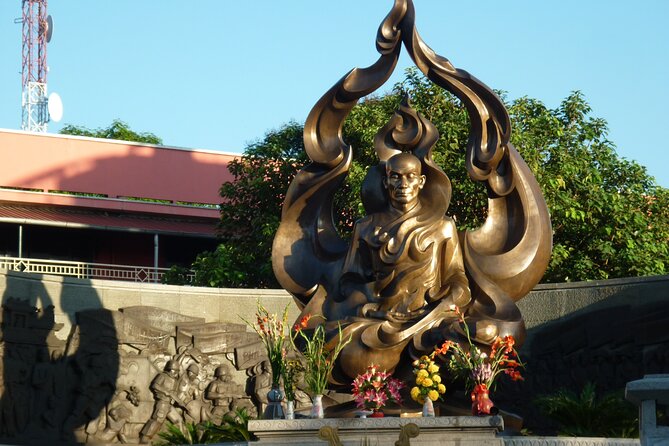
Next comes the Thích Quảng Đức monument, with about 20 minutes on-site and free admission. Thích Quảng Đức is remembered for an act of self-immolation in protest against religious persecution by the South Vietnamese government. That single event has echoed through Vietnam’s Buddhist history and political memory ever since.
What makes this stop powerful is the way it sits in the middle of ordinary city life. You’re not tucked away in a museum room. You’re outside, watching everyday streets and trying to understand how this moment became a lasting symbol.
If you’re sensitive to intense topics, give yourself permission to pause. You might find you need a minute away from the group to process what the guide explains. The good news: the stop is short enough that you won’t be stuck there for hours, and the next blocks of the tour help you move forward—still thoughtfully, but with a different pace.
Nguyễn Thiện Thuật Apartment Buildings: Saigon’s Everyday Side, Up Close
You then roll into the Nguyễn Thiện Thuật apartment buildings area in District 3. You’ll have around 20 minutes here. This is less about monuments and more about how people actually live, move, and buy food and supplies day after day.
This stop is valuable because it puts texture on the city. Instead of only seeing official sites, you get a slice of residential Saigon: narrow storefronts, everyday routines, and the kind of street life that doesn’t wait for visitors. For many people, this is where the tour starts feeling “real,” because you’re seeing neighborhoods that aren’t built purely for photographs.
One consideration: because it’s a residential area and a working street, you may need to keep your camera use practical. Don’t block doorways. Don’t crowd shopkeepers. And follow your guide’s pace—this is one of those stops where the best experience is watching quietly for a minute before you start snapping.
Hải Thượng Lãn Ông Medicine Street: Traditional Care in Plain View
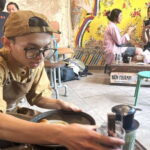
The tour also includes the traditional medicine street of Hải Thượng Lãn Ông. You’ll get the chance to see how local healing culture shows up in daily commerce—where products and shop signs communicate what people use and trust.
I like this stop because it’s practical history. It reminds you that culture isn’t only in wars and pagodas. It’s also in what people do when they’re sick, what they ask for at a counter, and how knowledge gets passed along in regular life.
Since no specific duration is listed for this exact lane, treat it as a “watch and ask” moment. Look closely at storefronts and signage, then ask your guide what the items are used for. If you have any dietary or medical restrictions (like allergies), it’s smart to bring them up early—especially if you’re curious about local items, drinks, or tasting options later in the day.
You can also read our reviews of more museum experiences in Ho Chi Minh City






Hồ Thị Kỷ Flower Market: Where Saigon Gets Its Daily Color
Next is the Ho Thi Ky Flower Market (Cho Hoa Ho Thi Ky) in District 10, with about 30 minutes. Admission is free, and the point here is the flow: wholesale flowers, sellers moving fast, and the practical side of beauty in a city that uses flowers for homes, worship, and celebrations.
Even if you’re not buying, this stop gives you an easy way to photograph without chasing landmarks. Flowers create natural color contrast against streets and scooters. Plus, your guide’s stories help you understand why this market exists on this scale and how it fits into the city’s daily supply chain.
If you’re sensitive to strong smells or crowded spaces, you’ll want to keep your expectations flexible. Markets can be tight. Take your time, and use your guide’s lead when you’re figuring out where to stand for photos.
Chùa Vạn Phật: Ten Thousand Buddhas with a Breather Feel
You’ll visit Chùa Vạn Phật (Temple of Ten Thousand Buddhas) for about 20 minutes, with free admission. The name sets up a certain kind of expectation, but what I’d watch for is how the space functions as a reset. After streets, memorials, and markets, a temple stop gives your brain a quiet landing.
This is also a good moment for a slower walk. You don’t need to “race” for photos. Instead, let the guide explain what you’re seeing and listen for how worshippers describe their practice. Even if you don’t share the beliefs, you’ll learn how spirituality is structured here—part ceremony, part daily focus.
If the temple is busy, you might not get long in every nook. Still, 20 minutes is enough to absorb the mood and take a few thoughtful pictures.
Phố Tàu and Chợ Lớn: Chinatown Saigon in District 5
Then the route shifts into Saigon’s Chinatown area, including Phố Tau Sai Gon in District 5 and time in Chợ Lớn. Each segment is about 30 minutes, with free admission. This is where Chinese, Vietnamese, and other communities overlap in visible ways: temples, clan-related heritage spaces, and a street pattern shaped by generations of commerce.
I like this part of the tour because it’s the city at street speed. You get narrow lanes, storefront displays, and the kind of atmosphere you can’t reproduce from a guidebook description. Your guide can point out why the architecture and religious spaces cluster where they do—so you don’t just walk through a “cool neighborhood,” you learn the logic behind it.
Consider this the best time to ask questions about what you’re seeing: names of places, purpose of buildings, and how community history connects back to wider Vietnam events. Also, be ready for a lot of visual input. Keep your camera ready, but don’t forget to look up from your screen.
War Remnants Museum: The Saigon Story After the Guns
Now we get serious: the War Remnants Museum. You’ll spend around 30 minutes, and the museum admission is included. This museum documents crimes and consequences of the war of aggression against Vietnam, using research, collections, and preserved evidence.
If you only remember one thing from this tour, let it be this stop’s job: it turns headlines into something human. A guided explanation helps you connect the physical exhibits to the broader story of suffering, survival, and how the city carried trauma afterward.
A practical consideration: museum galleries can be heavy on information. Bring your curiosity, not your urgency. If you find you’re getting overwhelmed, it’s okay to pause, step back, and let your guide direct you to what matters most first.
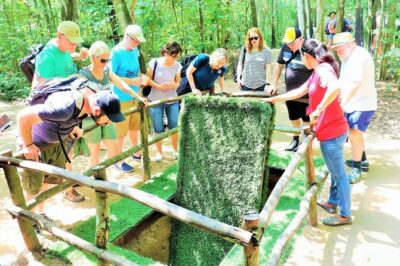
You also get time before the museum area for underground tunnels and exhibits about the Vietnamese resistance movement. That combo—tunnels plus museum—adds contrast. You see how resistance worked in physical terms, then you get the documented aftermath in the museum halls. Together, it makes the history feel less like a timeline and more like a set of lived realities.
Bún Bò Huế Finish: Why the Meal Changes How You Remember the Day
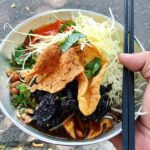
After all the temples, markets, memorial symbolism, and war documentation, you end with something comforting and concrete: an included bowl of bún bò Huế (plus a drink). This is a smart ending because it pulls you back into daily life.
Food is how most people understand a city quickly. You taste, you ask questions, and you see what locals order without treating the meal like an “attraction.” In this case, it also balances the day’s emotional weight. You’ll likely remember facts from the museum, but you’ll remember how the broth tasted for longer.
One tip: eat at a normal pace. Don’t rush the meal just because you’re tired. If you’re chatting with your guide, this is also a good moment to ask what else in the city connects to the themes you just learned—religion, community, or the city’s past.
Price, Time, and Who This Scooter Tour Fits
The price is $22 per person for about 4 hours. For that amount, you’re not just paying for a guide. You’re getting hotel pickup and drop-off, a scooter ride, helmet and raincoat, one included meal and drink, plus museum admission. When you break it down, the value comes from bundling the hardest logistics: transport in traffic, entry fees, and a structured day that doesn’t leave you guessing.
It’s also a good fit if you want variety. In one tour you cover spiritual sites (Jade Emperor Pagoda and Chùa Vạn Phật), a major protest memorial (Thích Quảng Đức), daily-life streets (Nguyễn Thiện Thuật and Hải Thượng Lãn Ông), markets (Hồ Thị Kỷ), and history you can’t avoid (War Remnants Museum and resistance exhibits).
From reviews, I’d also feel comfortable recommending it to families and first-timers as long as everyone is open to the scooter experience. People mention guides who drive safely and handle questions patiently—so you’re not left to figure everything out alone.
Who should skip it? If you hate traffic sounds, don’t like tight spaces in markets, or you’re not comfortable riding for 4 hours, you might want a slower format. This tour trades quiet comfort for motion and street-level learning.
Should You Book This Scooter Tour?
I’d book it if you want Ho Chi Minh City to feel like a living place, not a list of stops. The combination of temples, Chinatown streets, a flower market, and the War Remnants Museum—with an included bún bò Huế finish—makes it a strong “first real history day” in Saigon.
I’d think twice if you’re very sensitive to intense historical content or you’re nervous about scooters in busy road conditions. In those cases, look for a walking-based or smaller, quieter alternative. But if you can handle the ride, this tour is one of the most practical ways to connect Saigon’s past and present in a single afternoon.
FAQ
How long is the scooter tour?
The tour lasts about 4 hours.
What does the $22 price include?
Hotel pickup and drop-off, a scooter ride with an English-speaking tour guide, helmet and raincoat, one meal plus a drink, and admission to the War Remnants Museum.
Is the War Remnants Museum ticket included?
Yes, admission to the War Remnants Museum is included.
Do I need to buy temple or market tickets?
Many of the stops listed are free admission, including the Jade Emperor Pagoda and the Thích Quảng Đức monument. The museum admission is the included paid ticket.
Is it a private tour?
Yes. It’s private, and only your group participates.
Are helmets and raincoats provided?
Yes, helmet and raincoat are included.
Does the tour run in bad weather?
The experience requires good weather. If it’s canceled due to poor weather, you’ll be offered a different date or a full refund.
What is the cancellation policy?
Free cancellation is available. You can cancel up to 24 hours in advance for a full refund. Less than 24 hours before the start time isn’t refunded.