REVIEW · HO CHI MINH CITY
From HCM City: Visit Cu Chi Tunnels With A Small Group
Book on GetYourGuide →Operated by Travel & Explore In Vietnam · Bookable on GetYourGuide
Underground Vietnam tells a story fast. This Cu Chi Tunnels small-group tour from Ho Chi Minh City makes the war feel immediate, with on-site documentaries plus time in the underground city of tight passages and secret hideouts. I also love the hands-on realism: you get a chance to go inside very narrow stretches, then taste the simple tapioca locals cooked during wartime. One thing to plan for: extras can pop up, like fees for going down into tunnels (optional) and for the shooting range.
What makes this one worth your time is the rhythm. You start with an AC car pickup from your hotel area, spend your day at Cu Chi, and come back with an English-speaking guide in a small group format (and private group options exist). It runs about 6 hours, and while there’s bottled water plus a light tapioca-and-tea snack, there’s no promise of a full meal, so time it smart.
Finally, guides can make or break this kind of history tour, and this one has strong marks for clear, patient explanations. Names like Soni, Long, Tri, and Wynn show up in guide praise for being helpful and spending time with questions. Just be aware that language choices can affect cost, so confirm what you’re booking before you go.
In This Review
- Key highlights worth prioritizing
- Cu Chi Tunnels: The Underground City You See in Person
- From HCM City to the Tunnels: Timing and Comfort
- Documentary Stops and the Reality Check of War Footage
- The Hoang Cam Tapioca Stove: Simple Food With Wartime Genius
- Narrow Tunnels and Secret Hideouts: What You’re Actually Paying For
- Optional Shooting Range With Real Guns: Cool Idea, Real Costs
- Price and Value: $26 Is the Starting Point
- Guide Quality and Language Choices: Why They Affect the Day
- Who Should Book This Cu Chi Small-Group Tour
- Should you book this tour?
- FAQ
- How long is the Cu Chi Tunnels small-group tour from Ho Chi Minh City?
- What’s included in the $26 per person price?
- Do I need to pay extra for the shooting range?
- Is going down into the tunnels included?
- What languages are available for the tour guide?
- Can I cancel and get a full refund?
Key highlights worth prioritizing
- Spider-web tunnels and the underground city: see how guerrillas built an entire world underground
- Documentary footage on war life: short films and authentic recordings set the context fast
- Hoang Cam stove tapioca: wartime cooking details, including smoke-hiding technique
- Optional crawl into narrow tunnel sections: a real sense of how tight it was
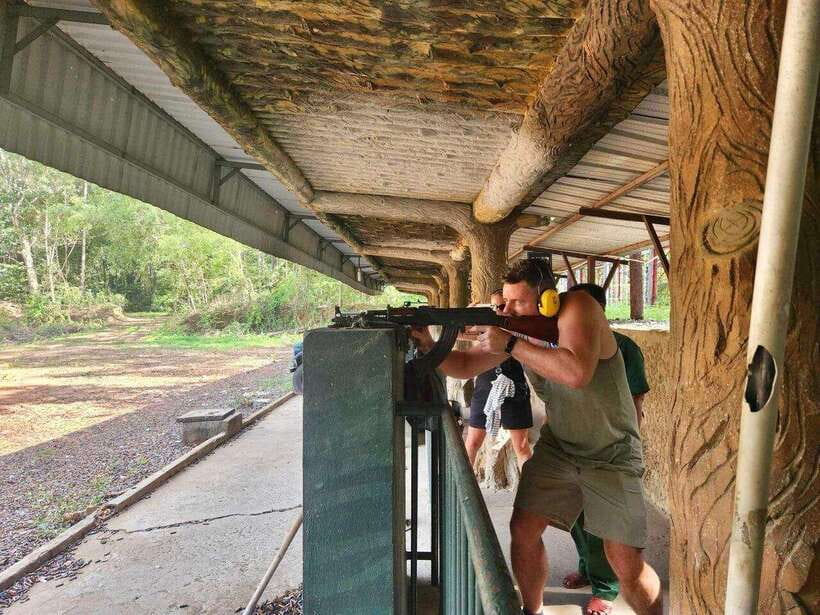
- AK-47 and M-60 shooting range option: real guns are part of the experience, with extra fees
- Small-group guidance: clearer pacing and more room for questions
Cu Chi Tunnels: The Underground City You See in Person
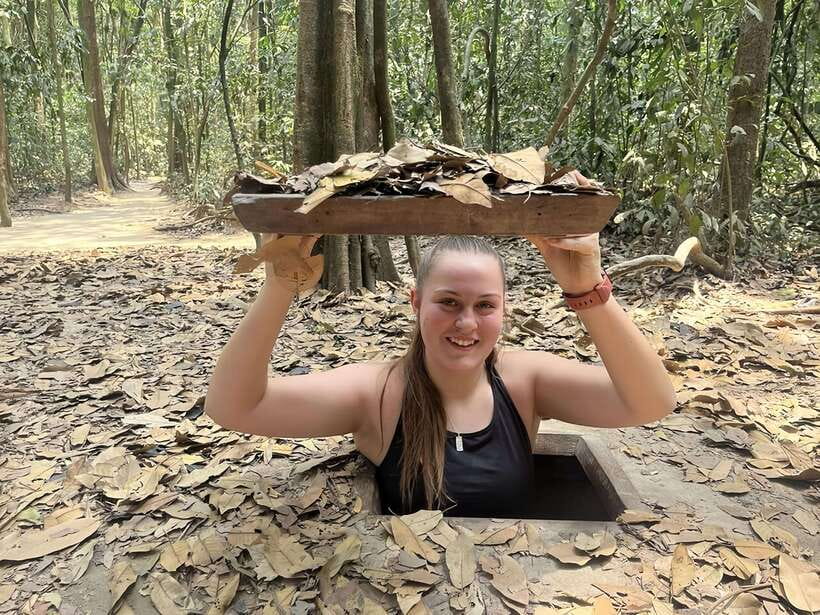
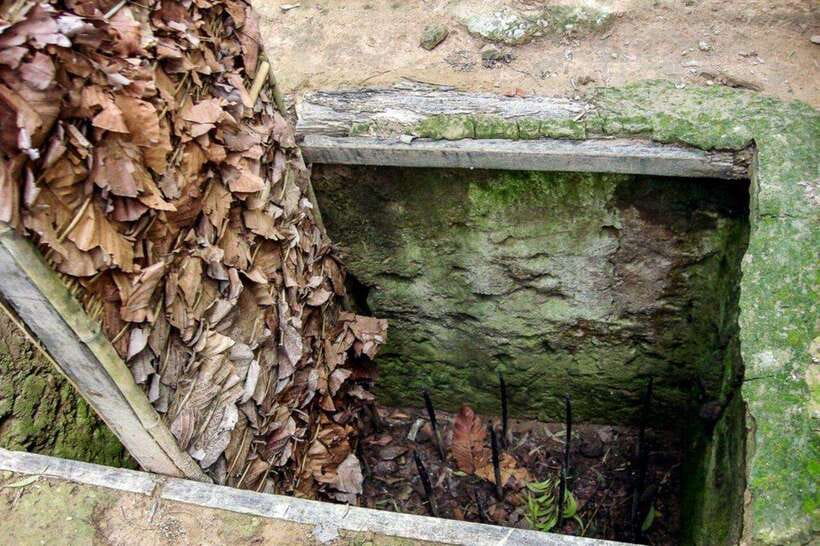
Cu Chi is not a museum you casually stroll. The tunnels are described as an underground city with a network that feels like a spider’s web—connected routes, secret hideouts, and small spaces built for survival. When you watch the documentary and then see the tunnels right after, the story clicks into place.
The tour is designed to help you understand Vietnamese history and culture through how people endured war. You learn how Vietnamese guerrillas lived, resisted, and fought using the tunnels, and you also hear about practical wartime tricks like camouflage—especially leaves used to hide presence.
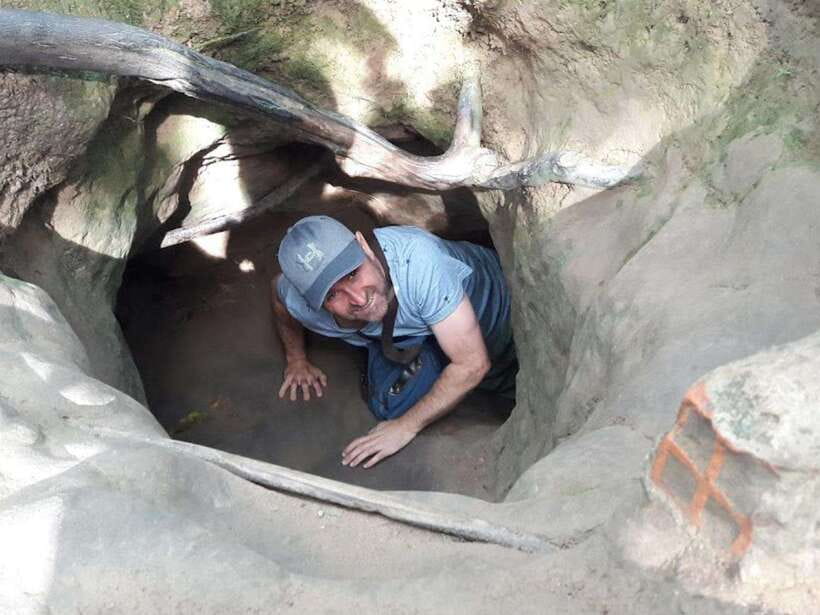
The best part for many people is the physical reality. You get an opportunity to go inside very narrow tunnels, so you’re not just listening. Your body gets the message quickly: it was cramped, it was deliberate, and it forced discipline.
You can also read our reviews of more city tours in Ho Chi Minh City

From HCM City to the Tunnels: Timing and Comfort
You start with pickup in front of your hotel in Ho Chi Minh City, then travel by AC car to Cu Chi. That matters more than it sounds. A day with heat and travel can wear you down, and a cool ride helps you stay sharp for the history stops.
The tour duration is listed as 6 hours, so you’re not committing to an all-day marathon. Still, it’s tight enough that you’ll want to come ready to move, listen, and take in the tunnels without expecting long, slow breaks.
You’ll have bottled water during the tour and a light snack on-site. Because the included food is light (tapioca and tea), I suggest treating this like a day trip where you either eat before pickup or plan a proper meal after you’re back.
Documentary Stops and the Reality Check of War Footage
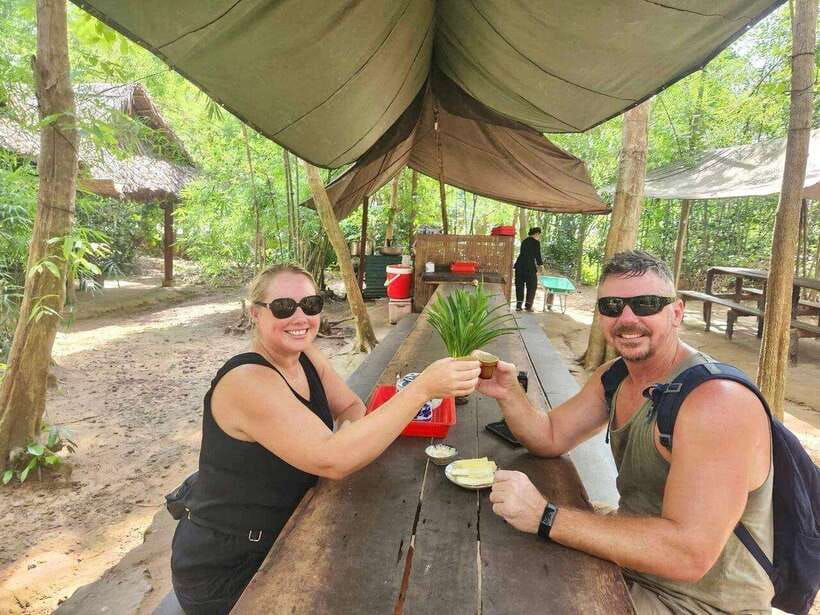
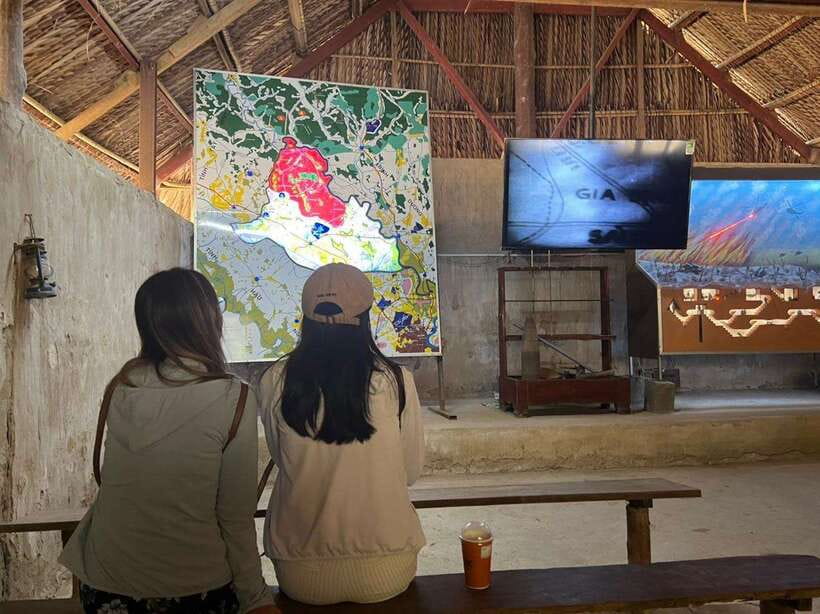
A key feature here is the documentary element. You watch a real documentary about the Cu Chi Tunnels during the war, plus short on-site films with authentic footage recorded by cameramen. This is a smart way to start, because it sets the scene before you’re surrounded by tunnel entrances and signage.
I like the structure: the tour doesn’t only show artifacts. It explains how people survived day-to-day—where they hid, how they moved, and how the tunnel system functioned like infrastructure. When the visuals match what you see in the tunnels, the history stops feeling abstract.
There’s also an emphasis on how secret refuge spaces worked. You’re shown hideouts and networks, so you can understand why the tunnels weren’t just a hiding place. They were a route system and a defensive strategy.
The Hoang Cam Tapioca Stove: Simple Food With Wartime Genius
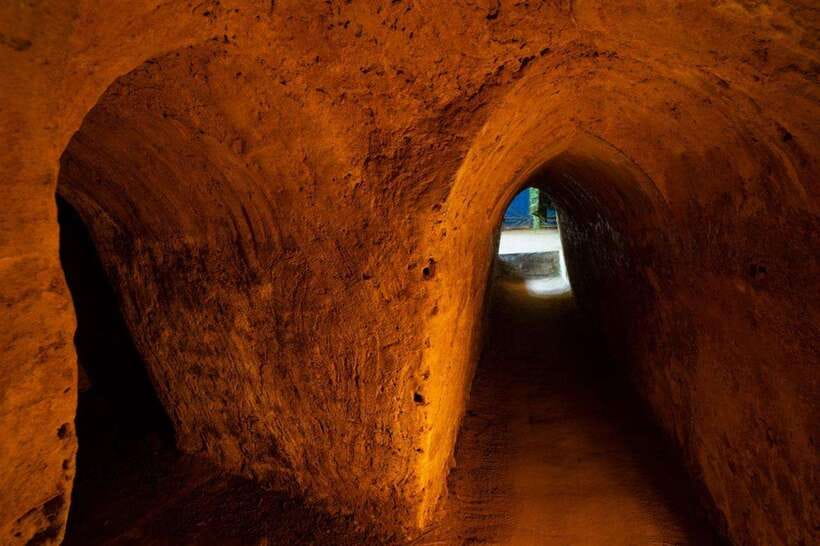
One of my favorite inclusions is food that connects to the theme. You taste tapioca cooked on something called the Hoang Cam stove, described as having the ability to hide smoke. That detail matters because smoke meant attention, and attention meant danger.
Instead of treating the snack like a random add-on, the tour frames it as wartime ingenuity. Tapioca was a practical choice, and the stove feature highlights how even cooking needed to be part of the security plan.
The light snack is paired with tea at Cu Chi. It’s not a full meal, but it’s memorable because it has a story attached. If you like history that shows up in real daily routines, you’ll probably enjoy this stop a lot.
Narrow Tunnels and Secret Hideouts: What You’re Actually Paying For
This is the moment that makes Cu Chi different from a standard sightseeing outing. You can go inside the tunnels, and that’s where the experience turns from informative to physical.
The tour explains the underground living setup: guerrillas used hidden routes, small compartments, and refuge areas to avoid being tracked. You also learn how the camouflage worked, including leaves used to disguise movement and presence. The tour is aiming for understanding, not just dramatic pictures.
There’s also a note about an extra surcharge if you want to go down to the tunnels. That suggests the main route may include tunnel access, but the full crawl or deeper descent can be optional and not fully included. So if going deep underground is your priority, budget for that add-on and ask in advance what level of tunnel access you’re getting.
One practical thought: you’re moving in tight spaces. Even if the tour keeps it safe, you should expect claustrophobic moments. If small spaces stress you out, consider whether the narrow tunnel segment is for you.


Optional Shooting Range With Real Guns: Cool Idea, Real Costs

This tour includes the option to shoot at a range with real bullets and real famous guns like the AK-47 and M-60. That can be a major draw if you’re interested in battlefield-era equipment and want a memorable, adrenaline-laced add-on.
But here’s the value question. The shooting is not included in the base price. The bullet fee is listed as roughly 600,000vnd for a pack of 10 bullets, and you’ll need to pay that separately. Also, the tour’s price is low, so it’s not hard for add-ons to change the total.
If you want to keep the day comfortable and on-budget, you can treat shooting as optional entertainment. If you know you want the range experience, bring extra cash and decide ahead of time whether you want one pack or more.
Price and Value: $26 Is the Starting Point
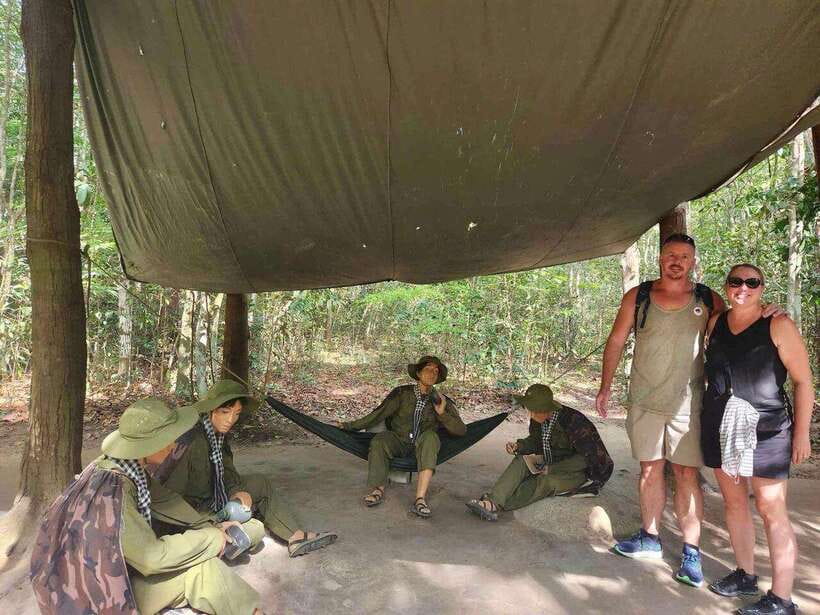
The advertised price is $26 per person, and that’s often what gets people interested. For that money, you’re buying a guided history experience with transport, plus bottled water and a light snack.
The important reality check is that several meaningful add-ons can change the total: bullet fees for shooting, and a surcharge if you want to go down to the tunnels. On top of that, there’s a 30% holiday surcharge mentioned for Vietnam holidays.
So how do you judge value? I look at what’s included that you can’t easily replicate on your own: an English-speaking guide, on-site documentary-style content, curated tunnel access, and the Hoang Cam tapioca cooked on the Hoang Cam stove. Those pieces turn it into more than a bus ride and a quick look at tunnels.
Guide Quality and Language Choices: Why They Affect the Day
This tour offers an English-speaking guide, and it lists a bunch of other languages too: Chinese, Japanese, French, Italian, Spanish, Korean, Russian, and German. It also notes there’s a surcharge if you choose other languages beyond English.
That matters because Cu Chi is dense history. When your guide can explain clearly and slow down for questions, you leave with understanding instead of confusion. The guide praise I’ve seen includes people like Soni, Long, Tri, and Wynn for being patient and answering questions well, which is exactly what you want for a war-history site.
Also, if you’re booking in a specific language, I’d treat it like an important detail, not a casual preference. Confirm what you’ll get before you arrive, especially since language can involve surcharges.
Who Should Book This Cu Chi Small-Group Tour
This tour is a great fit if you want war history that feels practical, not just scenic. You’ll like it if you enjoy learning through real explanations, documentary footage, and physical tunnel access that shows what guerrilla life meant underground.
You’ll likely enjoy the small-group format if you want a steadier pace and more chances to ask questions. And if you want a private group, that option is available too, which can help if you’re traveling with family or you simply prefer less waiting.
This might be less ideal if you hate tight spaces or you’re sensitive to intense war stories. It also may not match your expectations if you’re counting on a lot of included extras like shooting or deeper tunnel descent. Plan for optional costs so the day stays enjoyable rather than surprising.
Should you book this tour?
If you’re looking for a guided Cu Chi experience with documentary context, a tapioca wartime cooking stop, and a chance to experience the tunnels in person, this is an easy yes to consider. The base price is low enough that you can tailor your day: do you want only the core tunnel experience, or do you want to add shooting too?
My advice: before you pay, confirm your language choice and what tunnel access level is actually included versus what costs extra. If you do that, you’ll get a focused, meaningful half-day style visit that makes Cu Chi history easier to understand and harder to forget.
FAQ
How long is the Cu Chi Tunnels small-group tour from Ho Chi Minh City?
It’s listed as a 6-hour experience. Starting times depend on availability.
What’s included in the $26 per person price?
The tour includes AC car pickup and drop-off at the center of Ho Chi Minh City, an English-speaking tour guide, bottled water, and a light snack with tapioca and tea at Cu Chi Tunnels.
Do I need to pay extra for the shooting range?
Yes. Bullet fees at the shooting range are not included, and they’re listed as roughly 600,000vnd for a pack of 10 bullets.
Is going down into the tunnels included?
No. There is a surcharge if you want to go down to the tunnels, so tunnel descent is treated as an optional extra.
What languages are available for the tour guide?
English is included, and other languages are available with a surcharge: Chinese, Japanese, French, Italian, Spanish, Korean, Russian, and German.
Can I cancel and get a full refund?
Yes. Free cancellation is available up to 24 hours in advance for a full refund.