REVIEW · HO CHI MINH CITY
Ho Chi Minh City – Meditation retreat – 3 days 2 nights
Book on GetYourGuide →Operated by JANGTOURS · Bookable on GetYourGuide
Four in the morning, then quiet focus. This 3-day retreat at Thien Ton Phat Quang Pagoda pairs meditation technique instruction with Buddhist rituals, so you get both how and why in one weekend-style schedule. I really like the chance to live alongside monks and nuns, learning the rhythm of monastic life rather than just attending a lecture. One consideration: the days are packed, so if you’re hoping for long garden strolls and downtime, you may feel there’s not enough space for that.
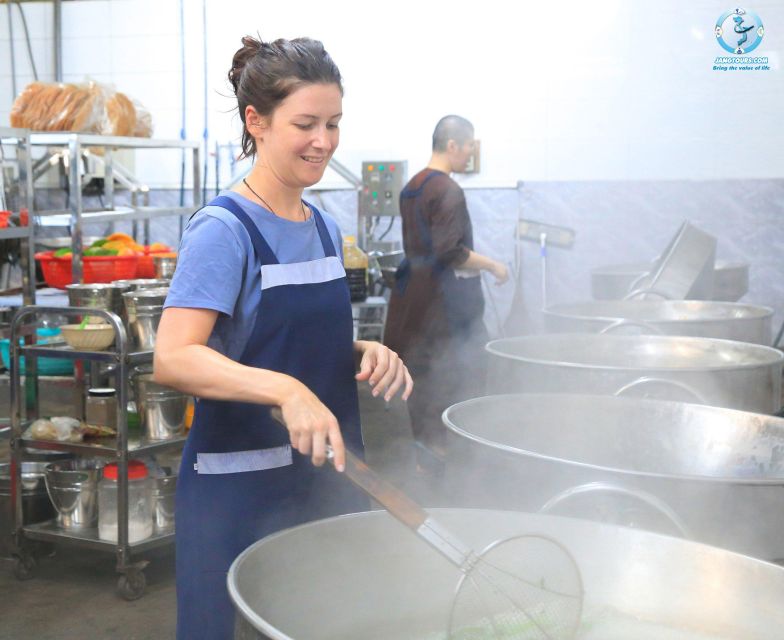
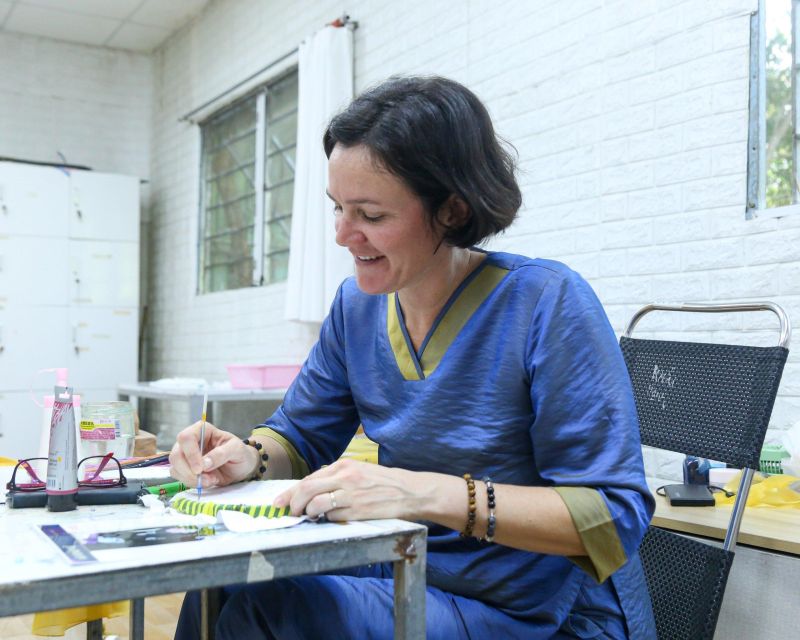
I also like the hands-on volunteer work—from making cakes/tea/tofu to painting fabric and picking vegetables—because it breaks the day into real, doable tasks. Add in full-board vegetarian meals and daily dishwashing, and you get a retreat that feels active in a grounded way, not passive. Just know this is a solemn setting: keep your volume down and plan to follow the rules, including no alcohol or drugs and no short skirts.
In This Review
- Key takeaways before you go
- Where the retreat happens: Thien Ton Phat Quang Pagoda outside the city
- The retreat rhythm: meditation blocks, chanting, and the Great Bell
- Day 1: settling in with instruction and gentle immersion
- Day 2: the Great Bell morning and repetition that builds calm
- Day 3: one more early session, then you head back
- Volunteer work that feels meaningful: tofu, tea, cakes, painting, and veggies
- Monastic life on-site: what living with monks and nuns teaches you
- Price and value: what $99 covers for 3 days in a pagoda
- Rules, clothing, and timing: how to fit the retreat without friction
- Who should book this retreat—and who might want something else
- Should you book this 3-day meditation retreat near Ho Chi Minh City?
- FAQ
- What’s the duration of the meditation retreat?
- What’s included in the price?
- Is transportation to the pagoda included?
- Do you provide English instruction?
- What food will I eat during the retreat?
- Are there any rules about clothing or behavior?
Key takeaways before you go
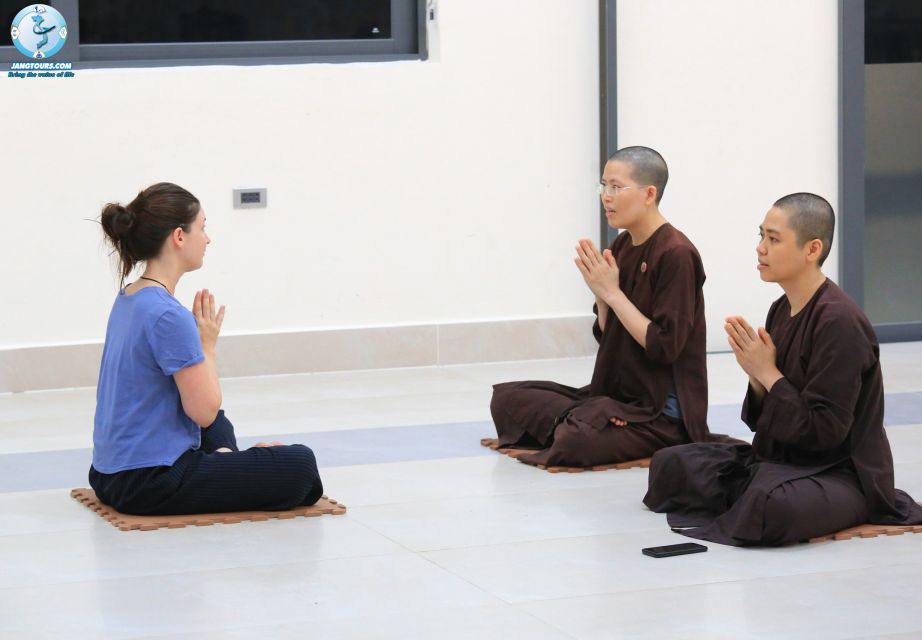
- Meditation instruction plus practice: you get guidance and then sit for sessions through the retreat
- Early-morning structure: Great Bell meditation and chanting starts around 4:00 a.m.
- Volunteer work as part of the training: activities like tofu, cakes, tea, cooking, painting, and veggie picking
- Buddhist rituals built into the schedule: chanting and prostrations at night, not just during daytime
- Live with monastic residents: living on-site helps you understand monastic life more fully
- Tight timing means less free exploration: plan for a focused retreat, not a sightseeing weekend
Where the retreat happens: Thien Ton Phat Quang Pagoda outside the city
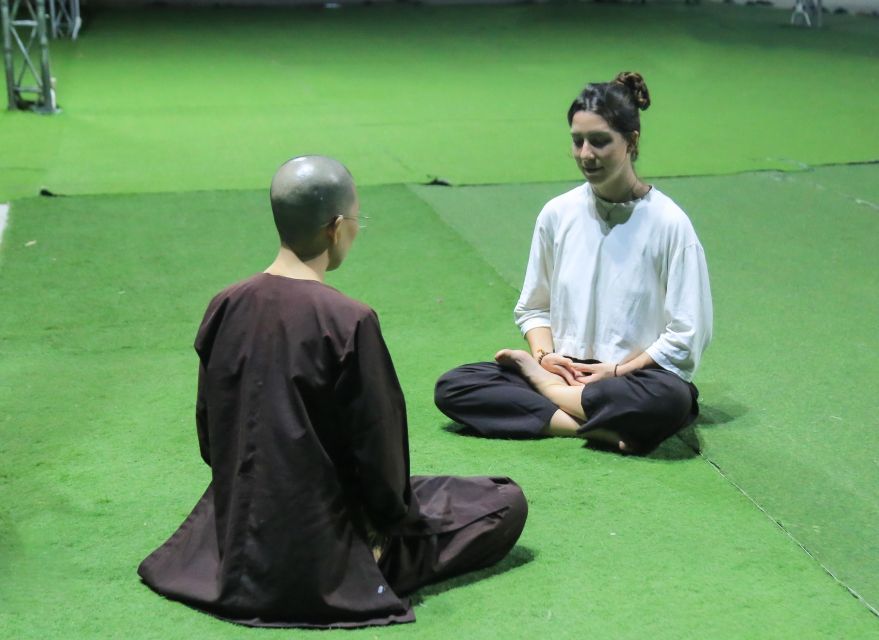
This retreat is based at Thien Ton Phat Quang Pagoda, about 2.5 hours from central Ho Chi Minh City. It’s roughly 90 km away, so you’ll start the program with a travel push out of the city. Once there, the setting matters: this pagoda is described as a spiritual sanctuary that tens of thousands of people worldwide return to.
What I like about that for your planning is simple: you’re not commuting every day between activities. You come once, settle in for 2 nights, and your schedule is all in one place. That makes it easier to actually drop into the routine—meditation, chanting, volunteer work, meals, rest—without “where’s the next stop?” stress.
The accommodation is in the pagoda itself. That can mean you’ll live inside the same atmosphere as everyone else doing the retreat, including monks and nuns. If you want a retreat that feels like you’re part of the life for a few days, this setup helps.
You can also read our reviews of more city tours in Ho Chi Minh City

The retreat rhythm: meditation blocks, chanting, and the Great Bell
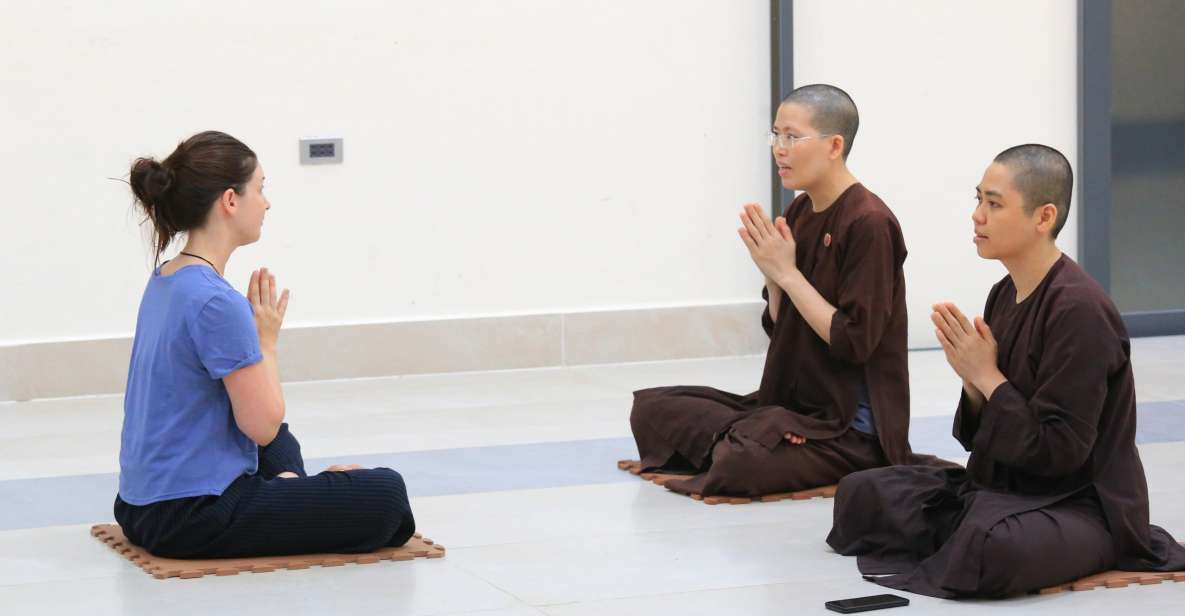
The core of the experience is mindfulness meditation, taught with attention to the correct technique, plus study of Buddhist doctrines. The schedule is designed so you don’t just hear about it once—you repeat the practice across days.
Day 1: settling in with instruction and gentle immersion
Your day begins with the transfer out of Ho Chi Minh City (7:30–10:30). Once you arrive, you have vegetarian lunch (11:00–11:30). Then the first meditation session is in the afternoon (14:00–15:00).
From there, the retreat keeps moving:
- Volunteer time (15:00–16:50) with practical activities like making cakes/tea/tofu or painting on fabric
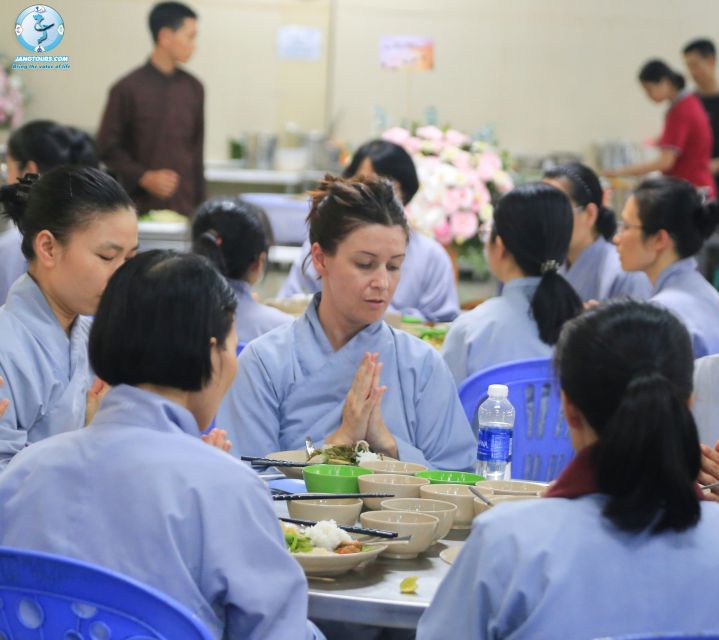
- Vegetarian dinner (17:00–18:15) plus washing the dishes
- Chanting (18:30–19:00)
- Reading books (19:00–19:50)
- Evening prostration to Buddha followed by meditation and sleep (20:00–21:30)
That’s a lot for Day 1, but it works because the retreat doesn’t throw you straight into silence without context. You learn the technique, then you join the routines: sit, chant, read, then do a respectful closing practice.
Day 2: the Great Bell morning and repetition that builds calm
Day 2 is where the retreat becomes very real. It starts early with Great Bell meditation and chanting from 4:00–6:00. After that, there’s qigong or martial arts practice (6:10–6:50).
Then you’re back to daily life:
- Breakfast (7:00–7:20)
- Volunteer work (7:30–10:30), including options like cakes/tea/tofu, painting, cooking, and picking vegetables
- Lunch (11:00–11:30)
- Meditation again (14:00–15:00)
- Another volunteer/skill block (15:00–16:50)
- Vegetarian dinner and dishwashing (17:00–18:15)
- Chanting (18:30–19:00)
- Reading (19:00–19:50)
- Night prostration to Buddha, meditation, and sleep (20:00–21:30)
The repeating pattern is key. Each day gives you meditation plus ritual plus work. If you’re hoping to learn, repetition is your friend here. It helps you notice what changes in your mind after you’ve lived the routine for 24 hours.
Day 3: one more early session, then you head back
Day 3 mirrors Day 2’s morning:
- Great Bell meditation and chanting (4:00–6:00)
- Qigong or martial arts practice (6:10–6:50)
- Breakfast (7:00–7:20)
- Volunteer work (7:30–10:30)
- Lunch (11:00–11:30)
- Return to Ho Chi Minh City (12:00)
So you’re not dragged across the day for “a departure that happens whenever.” You get a clear end time and an end point back at the meeting spot.
You can also read our reviews of more tours and experiences in Ho Chi Minh City


Volunteer work that feels meaningful: tofu, tea, cakes, painting, and veggies
One of the standout parts of this retreat is the volunteer component. It’s not just an added extra. The schedule repeatedly returns to it, including both morning and afternoon blocks on Day 1 and Day 2, plus a final volunteer session on Day 3.
Here’s what you can expect to do during volunteer time, based on the planned activities:
- Making cakes/tea/tofu
- Cooking
- Painting on fabric
- Picking vegetables
- Washing dishes after meals
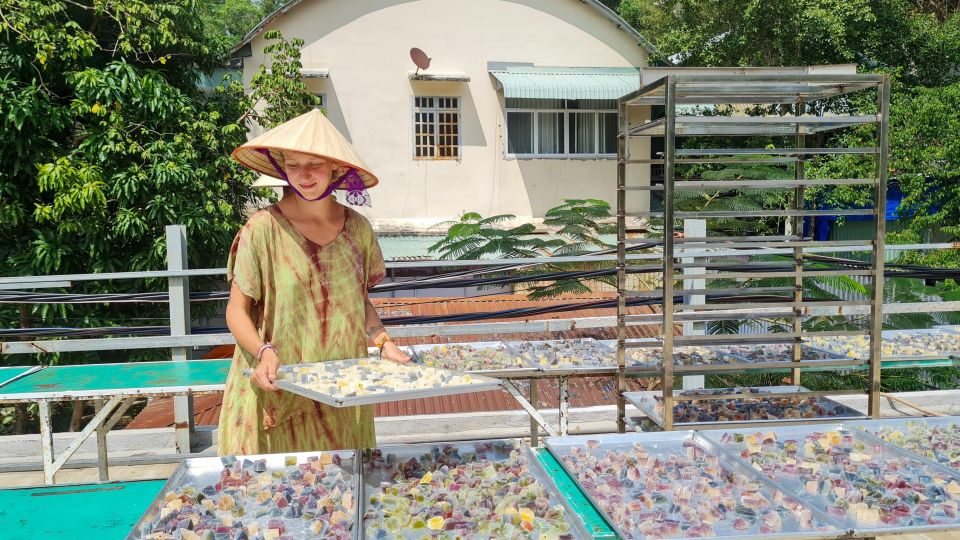
For your mindset, I’d treat volunteer work as part of the practice. You’re training attention while doing something concrete. Even if you don’t consider yourself a “craft person” or a “food person,” the work is hands-on and scheduled for you—so you’re participating without having to design your own plan.
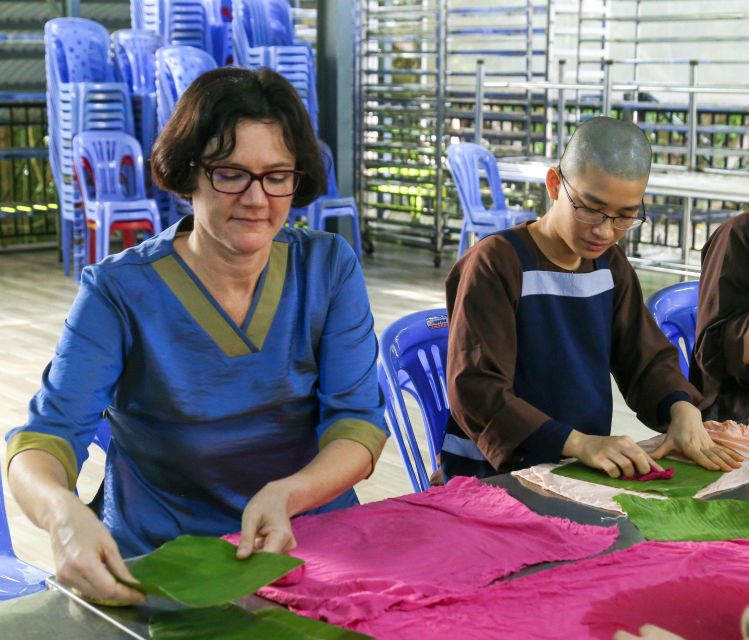
Also, it’s a good way to connect with the setting. When you’re making tofu or painting fabric in the same environment where monks and nuns live, you stop seeing the retreat as an event and start experiencing it as daily life.
A small practical note: since the program includes dishwashing and work tasks, wear clothing that handles repetition and doesn’t make you worry about light mess. You’ll also want to follow the no short skirts rule, since modesty is part of the overall vibe.
Monastic life on-site: what living with monks and nuns teaches you
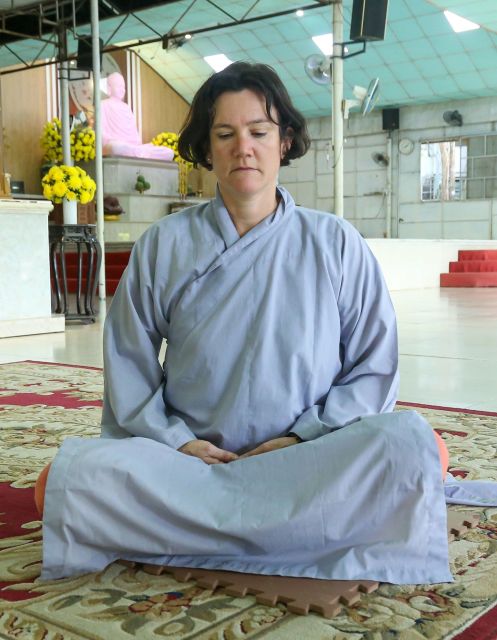
This is a big reason people like this retreat. You don’t just visit a pagoda for a few hours. You stay on-site for 2 nights, which makes the monastic presence part of your daily routine.
The retreat schedule reflects that:
- Chanting in the evening
- Reading books at night
- Prostration to Buddha at set times
- A consistent morning structure with meditation and the Great Bell
The effect is subtle but important. In your regular travel life, you’re usually passing through temples as a visitor. Here, you’re living as a participant inside the same atmosphere. That’s why it’s so common to feel like you’re part of a community rather than observing one.
If you want a retreat where the learning is not only intellectual (doctrines and technique) but also behavioral (how the day unfolds), this on-site approach is the difference-maker.
Price and value: what $99 covers for 3 days in a pagoda
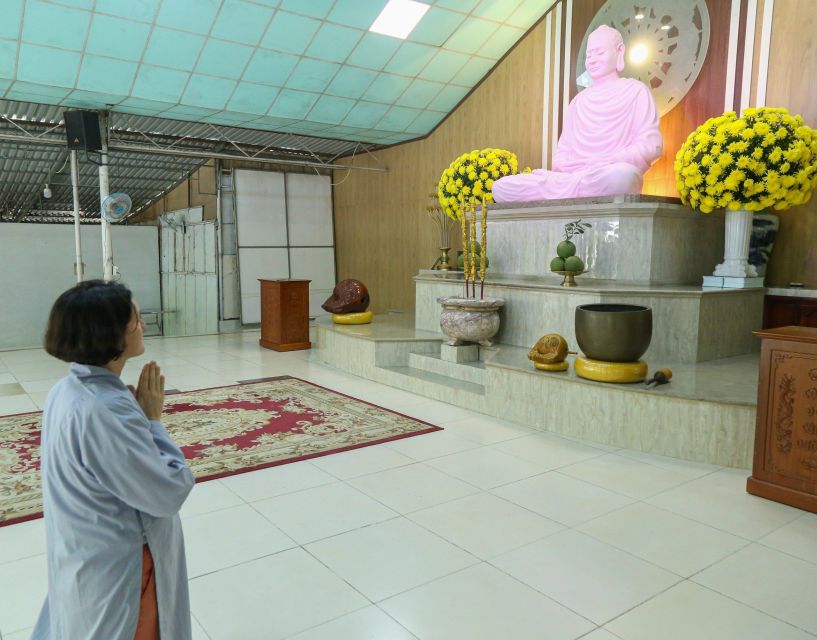
The price shown is $99 per person for 3 days and 2 nights. That’s attractive for a retreat that includes instruction, meals, and accommodation.
What’s included:
- A local guide on the spot
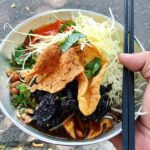
- Full-board vegetarian food
- Accommodation in the pagoda
- Entrance fees
What’s not included:
- Transportation to and from the pagoda
- Pickup and drop-off guide
So the value calculation comes down to this: you’re paying for a structured retreat package with lodging and all food. You’re also paying for an English-speaking instructor and a schedule built around meditation, chanting, Buddhist teachings study, and rituals. In a city setting, a comparable combo of instructor time, lodging, and meals would usually cost more.
The only “value caution” is the transportation piece. Because transportation isn’t listed as included, you’ll want to be clear about how you’re getting to and from the pagoda on your dates. The program runs with transfer timing in the itinerary (around 7:30 departure on Day 1 and return at 12:00 on Day 3), but you should confirm arrangements if you need help.
Rules, clothing, and timing: how to fit the retreat without friction
This is a solemn environment. The rules are straightforward:
- No short skirts
- No alcohol or drugs
- No making noise
For clothing, pack something modest and comfortable for sitting and walking between tasks. Plan for warm weather too—Vietnam can be humid, and you’ll be moving between meditation space, kitchen/volunteer areas, and meals.
Timing is the other “rule” you should respect. Expect very early starts, especially with the Great Bell around 4:00 a.m. If you’re a night owl, you’ll still adapt, but you should adapt fast. Bring your calm in advance, not just your schedule.
Also, the schedule includes chanting and prostrations to Buddha. You’re not expected to be a scholar to take part, but you should be ready to follow along respectfully and quietly.
Who should book this retreat—and who might want something else
This retreat is best for you if:
- You want real meditation practice guided by an instructor in English
- You’re curious about Buddhist doctrines and the day-to-day meaning behind rituals
- You like a structured schedule that carries you through the tough parts
- You’re open to volunteer work and simple routine tasks like cooking and dishwashing
- You want an on-site experience with monks and nuns, not just a temple visit
You might reconsider if:
- You want lots of free time for sightseeing or garden wandering
- You don’t handle early mornings well
- You prefer private accommodations or lots of personal space (the retreat rhythm is communal by design)
From the experience style, it’s both relaxing and active. People often comment that it feels calming but still busy. That makes sense: meditation trains stillness, and volunteer work keeps you engaged in the present.
Should you book this 3-day meditation retreat near Ho Chi Minh City?
Book it if you want a compact reset that teaches you how to meditate correctly and then gives you repeated practice in a supportive community. The pairing of meditation + rituals + volunteer work, plus staying in the pagoda for 2 nights, is the main strength. If you like the idea of learning in a structured rhythm—chants at night, Great Bell in the morning, and hands-on tasks during the day—this is a good fit.
Skip it if you’re mainly chasing downtime or scenery time. The schedule is packed, and you may not get the garden-wandering hours you wish for. Also, if early starts will wreck your mood, you’ll feel it quickly.
If you decide to go, plan around modest clothing and quiet behavior, and arrange your transportation clearly since it’s not included. One more practical bonus: the retreat uses English instruction, and it offers free cancellation up to 24 hours in advance, so you can keep flexibility while you sort your Vietnam dates.
FAQ
What’s the duration of the meditation retreat?
It runs for 3 days and 2 nights.
What’s included in the price?
A local guide on the spot, full-board vegetarian food, accommodation in the pagoda, and entrance fees are included.
Is transportation to the pagoda included?
Transportation (from/to the pagoda) is not listed as included, and pickup and drop-off guide are also not included. The program schedule does include transfer times, so it’s smart to confirm how you’ll get there.
Do you provide English instruction?
Yes, the instructor is listed as English-speaking.
What food will I eat during the retreat?
All meals are vegetarian, and the schedule includes vegetarian lunch and dinner plus breakfast on the mornings.
Are there any rules about clothing or behavior?
Short skirts are not allowed. Alcohol and drugs are not allowed, and you’re expected not to make noise.