REVIEW · HO CHI MINH CITY
Ho Chi Minh: 3-Day Mekong Delta & Optional Exit to PhnomPenh
Book on GetYourGuide →Operated by MILLENIUM TRAVEL CO.,LTD · Bookable on GetYourGuide
Mekong days move fast, and that’s the point. This 3-day run from Ho Chi Minh City gives you a real taste of southern Vietnam, with big river moments like Cai Rang Floating Market and a slow, silent highlight in the Tra Su Mangrove Forest by rowing boat. I like how the itinerary mixes hands-on food and local village life, not just sightseeing. The main drawback is pace: day two can feel packed, so if you want lots of downtime, plan for a long, busy schedule.
What I also appreciate is how the optional exit to Phnom Penh is set up to feel like part of the same trip, not a stressful add-on. You get an English-speaking guide, included boats and meals, and you’re moved efficiently between stops. I’d still note that this is 3-star shared hotel travel, so comfort can vary a bit, and the tour isn’t aimed at anyone with mobility issues or heart concerns.
In This Review
- Key things I’d bet on before you book
- Starting From Ho Chi Minh City at Ben Thanh
- Cai Be by Tien River Cruise, Orchards, and Historic Houses
- Cai Rang Floating Market and a Noodle Workshop in Can Tho
- Munir Ansay Pagoda and Fruit Time Before Chau Doc
- Tra Su Mangrove Forest by Rowing Boat in Chau Doc
- Floating Villages and Cham Culture on Day Three
- Hotels, Meals, and Vegetarian-Friendly Moments
- Value for $261: What You’re Really Buying
- Who This Tour Fits Best (and Who Should Skip It)
- Should You Book This Mekong Delta to Phnom Penh Tour?
- FAQ
- Where is the meeting point in Ho Chi Minh City?
- Is pickup available from my hotel?
- What’s included in the price?
- Is the boat transfer to Phnom Penh guaranteed?
- Do I need visas for Vietnam and Cambodia?
- What should I wear for pagoda visits?
- How many people are in the group?
Key things I’d bet on before you book
- Cai Be’s canal time plus bicycle island exploring: you’ll see daily life from the water and on two wheels.
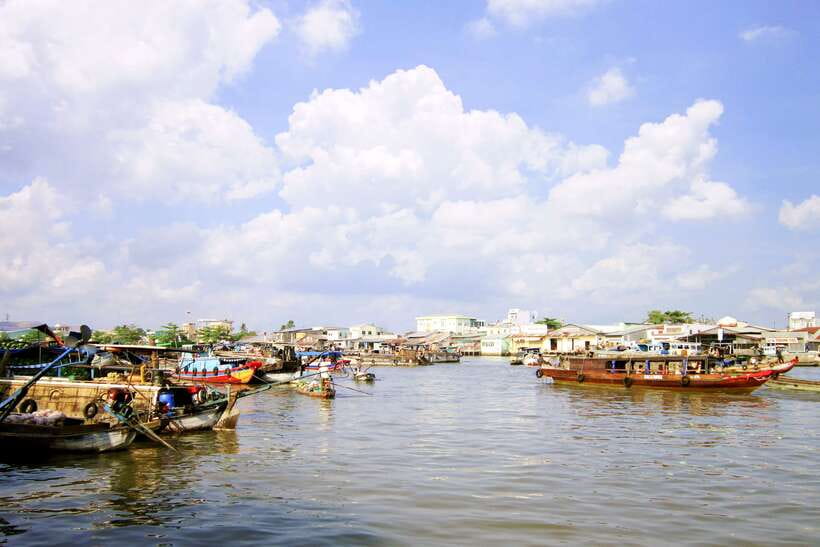
- Cai Rang at market hours: it’s a fast, colorful scene that gives you context for how the Delta trades.
- Munir Ansay Pagoda in Can Tho: Khmer culture enters the story here, beyond the Vietnamese river routine.
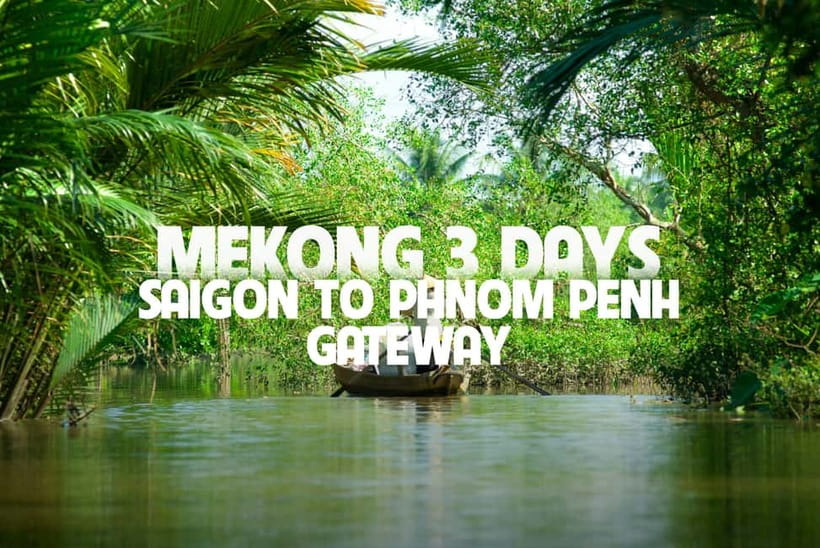
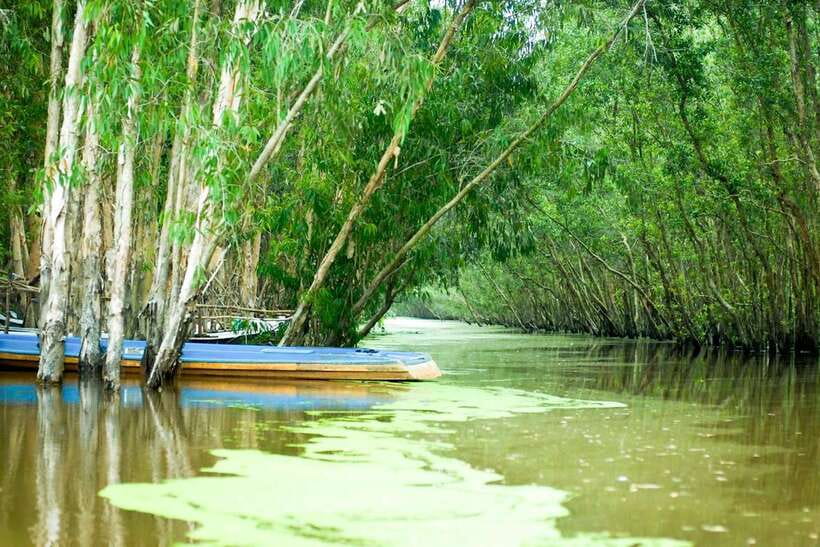
- Tra Su Mangrove Forest by rowing boat: you glide through the wetlands instead of driving past them.
- Cham Village and floating communities: you leave with cultural threads that explain the region.
- Optional Phnom Penh transfer: border steps are handled during the crossing, not left to guesswork.
Starting From Ho Chi Minh City at Ben Thanh
You begin in central Ho Chi Minh City, with meeting instructions built around an early start. Meet your guide between 07:30 and 07:45 at 112 Tran Hung Dao Street, Ben Thanh Ward, District 1 (look for the TNK Travel sign). If you’re in a covered District 1 pickup area, pickup is optional, but it excludes some streets and wards—so check your exact location.
This matters because the Delta rewards timing. You’ll be out on the river while the day is still cool enough for walking and easy sightseeing. Bring comfortable shoes, a sun hat, and sunglasses. And yes, bring your passport—this matters later if you choose the Phnom Penh exit.
You can also read our reviews of more tours and experiences in Ho Chi Minh City
Cai Be by Tien River Cruise, Orchards, and Historic Houses
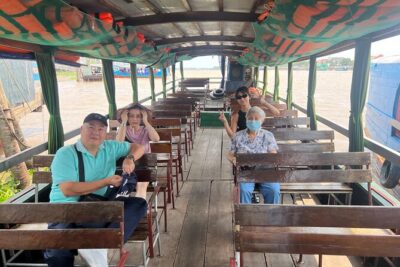
Day one is where you start feeling the Delta as a place, not a postcard. You travel from Ho Chi Minh City to Cai Be, then get time on the Tien River before moving into villages and orchard areas. The schedule here is hands-on: you don’t just watch from a boat—you sample the food culture and see how locals shape the landscape.
In Cai Be, you’ll spend time in orchard gardens and traditional houses, including a visit to Ba Kiet’s historic house. That stop is more than a photo break. It’s a chance to understand why old family homes and local wealth traveled along waterways, and how the Delta’s trade routes shaped architecture.
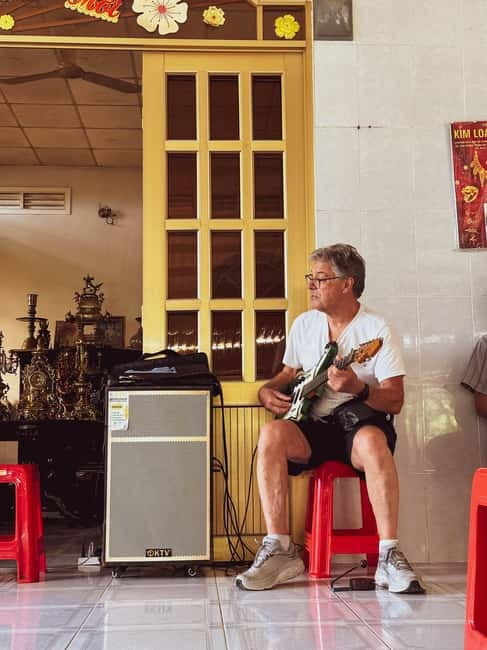
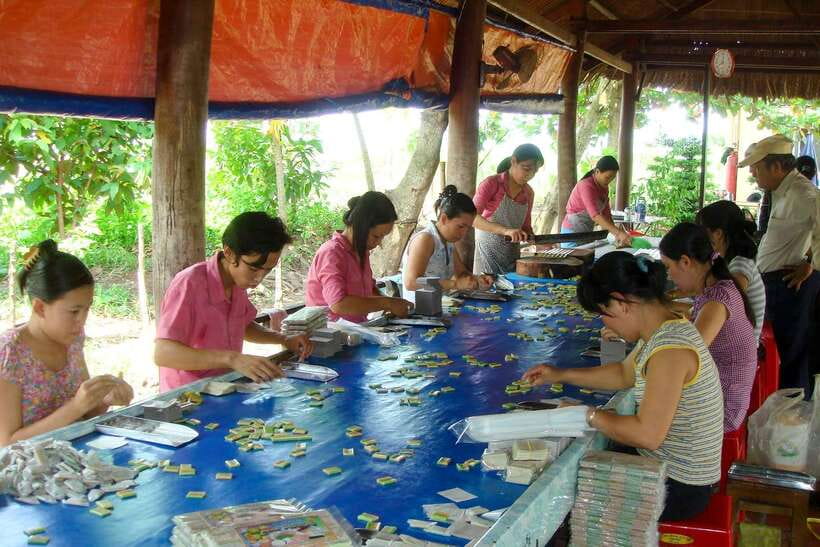
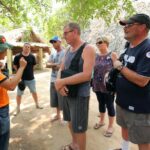
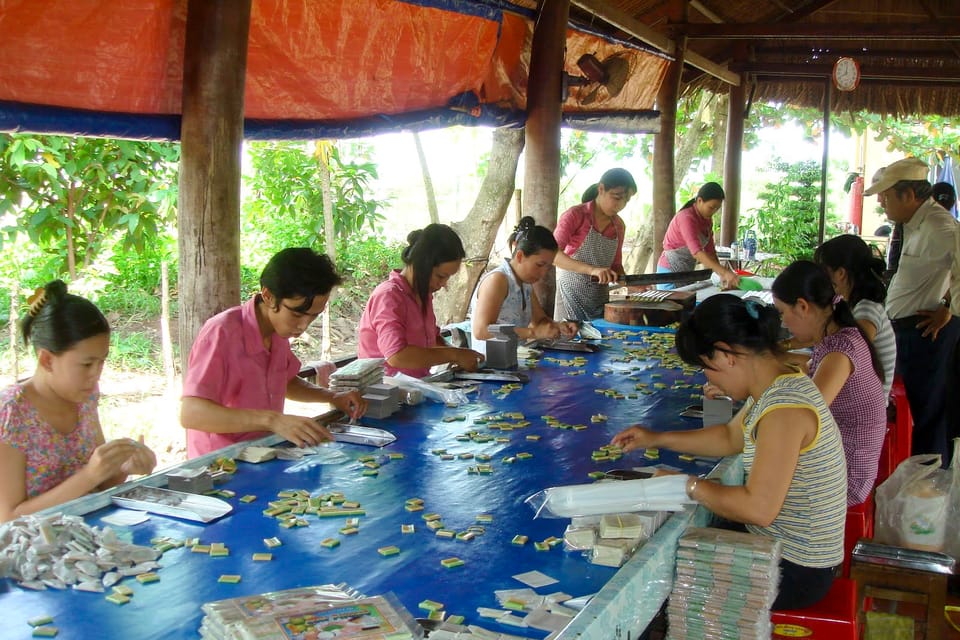
You also get a few enjoyable “small life” moments that make the area feel human. Expect tastings like coconut fudge, and entertainment that leans into Southern folk style. Later, lunch shifts into a hands-on cooking experience in a local garden—then you’ll explore the island by bicycle and meet villagers along the way.
If day one sounds busy, that’s because it’s doing two jobs: getting you out of the city quickly, and giving you Delta context before the more famous markets.
Cai Rang Floating Market and a Noodle Workshop in Can Tho
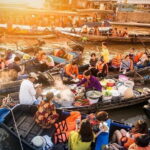
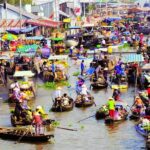
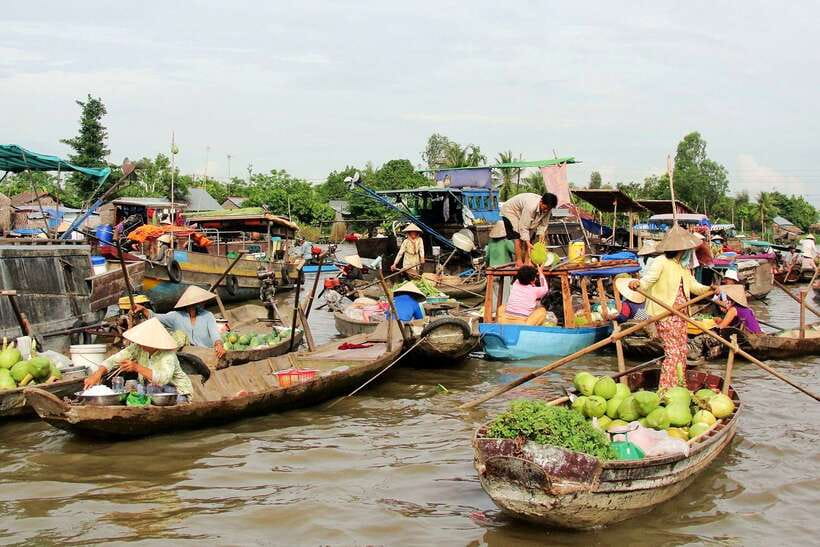
The second day starts with one of the Mekong Delta’s most famous sights: Cai Rang Floating Market. This is a morning scene, and it works best when you’re ready to focus. You’ll see boats packed with goods and vendors moving with purpose, and the market helps you connect the dots between river life and food production.
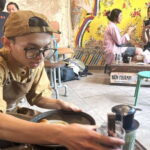
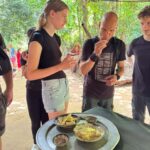
After the market, the tour shifts from spectacle to routine with a family-run noodle factory experience. You don’t just taste; you learn how something as ordinary as noodles fits the larger food economy of the region. It’s one of those stops where you suddenly get why the Delta runs on small producers and repeated daily cycles.
Then you’ll visit Munir Ansay Pagoda in Can Tho, which adds an important layer of meaning. This is where Khmer culture becomes visible in your day, not just as trivia but as lived heritage. When you go, remember the practical rule: cover shoulders and knees for pagoda visits.
Before heading on to Chau Doc, there’s time for seasonal fruit at a plantation. It’s simple, but it helps you feel the Delta as agriculture, not only waterways.
Munir Ansay Pagoda and Fruit Time Before Chau Doc
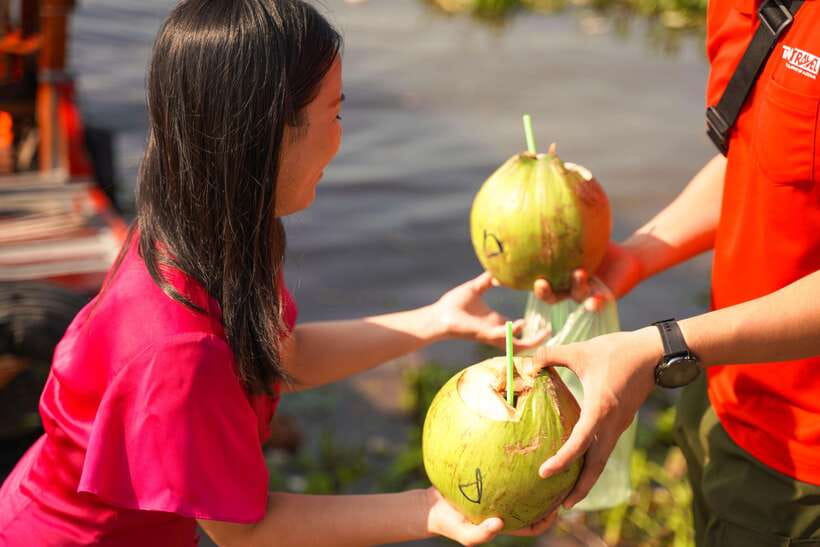
This is the “slow down and absorb” portion of day two—at least compared to the earlier market energy. The pagoda visit gives you a break from boats and shopping crowds, and it’s also a cultural pivot that makes the trip feel more complete across Vietnam’s south.
The fruit plantation stop is short but useful. You get seasonal fruit that matches the region and time of year, and it’s a reminder that the Delta’s wealth is tied to what grows there. If you’re the type who likes to understand what you’re eating, this helps.
One caution: day two has a lot scheduled, and that can matter if you’re sensitive to long travel days. If you’re the kind of person who wants quiet breaks, think about pace management: take a breath when you can, and wear light layers you can adjust in heat and shade.
Tra Su Mangrove Forest by Rowing Boat in Chau Doc
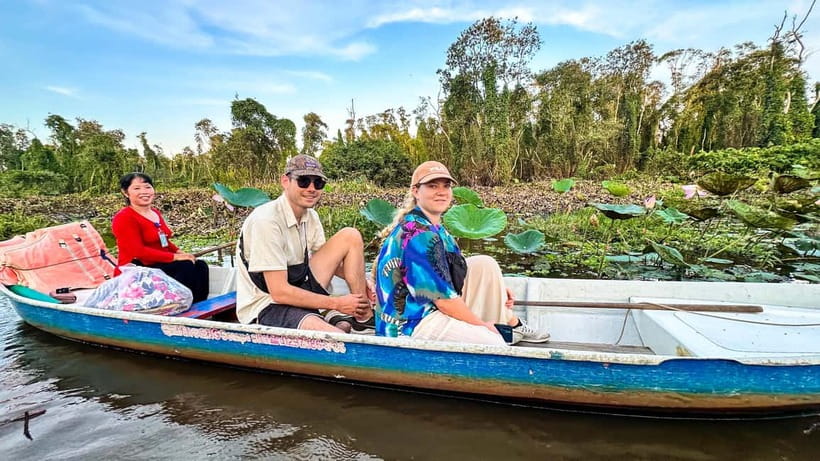
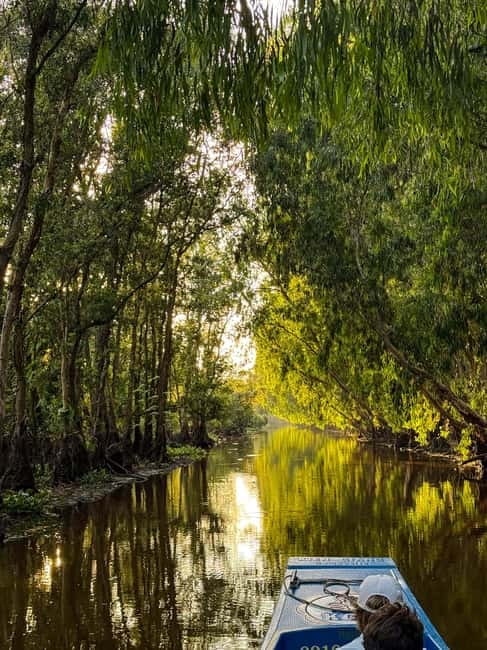
In Chau Doc, the itinerary hits its most atmospheric nature moment: Tra Su Mangrove Forest. Here, you don’t drive through a viewpoint. You row through the mangrove wetlands on a rowing boat, which changes the feel completely. The motion is slower. The air is different. You notice details you’d miss from the shore.
You’ll also be in an ecosystem that’s alive with wildlife. The tour includes time to watch for animals in the wetland environment and to enjoy the mangrove setting beyond a single scenic picture.
Dinner in Chau Doc comes after that day’s activities, and it’s included as a set menu with Vietnamese cuisine. If you’re picky or have dietary needs, your best move is to mention it early. In past departures, guides have helped handle vegetarian needs in restaurants and meals—so it’s worth communicating your preferences before you leave.


Floating Villages and Cham Culture on Day Three
Day three focuses on communities, not just landmarks. You’ll visit floating villages and then head toward Cham Village, where you get a look at heritage that shapes the region’s identity. This is where the tour stops feeling like a checklist and starts feeling like a story about migration, trade, and cultural survival along the Mekong.
After breakfast, you’ll choose your ending. You can return comfortably to Ho Chi Minh City, or you can take the optional transfer onward.
If you pick the Cambodia exit, the crossing is designed to feel organized. The itinerary includes a fast boat or bus ticket to Phnom Penh, and the boat transfer can switch to a bus depending on real-time conditions. If it’s by boat, you’ll be on the water for several hours, and border processes are handled during the transfer. People have reported that the speedboat staff manage the leaving Vietnam and entering Cambodia steps quickly.
Practical tip: the tour data says Vietnam and Cambodia visas aren’t included, so bring what you need. In past experiences, cash for the Cambodia visa was brought along and the rest was handled on the day.
Hotels, Meals, and Vegetarian-Friendly Moments
The trip includes twin or double shared 3-star hotels in Can Tho and Chau Doc. Examples include properties like West Hotel or similar in Can Tho and Paris Hotel or similar in Chau Doc. This keeps costs reasonable for the amount of transport and guided activity you get, but it’s still 3-star. Some recent feedback points to room quality varying, including cases where hot water was an issue. That doesn’t mean it’s always bad, but it’s smart to calibrate expectations.
Meal inclusion is one of the big value drivers here. You get 2 breakfasts, 2 lunches, and 1 dinner, plus you’ll have at least one cooking experience that turns lunch into an event rather than a stop. In real-world planning terms, this matters because it reduces how much you have to hunt for food while you’re tired.
For food preferences, there’s evidence this tour can handle vegetarian requests well when the guide knows in advance. I’d treat this as a real planning lever: tell your guide what you eat (and don’t), and confirm that your included meals match your needs.
Value for $261: What You’re Really Buying
At $261 per person for 3 days, you’re paying for a package that would be hard to assemble smoothly on your own. What you’re really buying is transport coordination plus guided access to multiple river-and-culture stops across three different areas.
Included items are the heart of the value:
- Air-conditioned bus or van between major hubs
- Boat trips in the Mekong Delta
- Professional English-speaking guide
- All entry fees
- Meals (2 breakfasts, 2 lunches, 1 dinner)
- The optional fast transfer to Phnom Penh (subject to availability and conditions)
If you try to cobble together buses, boats, entry fees, and the Phnom Penh exit by yourself, the time cost alone can drain a lot of your trip. Here, the day is structured so you spend your energy on experiences, not on logistics.
The main tradeoff is intensity. This isn’t slow travel. It’s a lot of movement, a lot of stops, and not much downtime.
Who This Tour Fits Best (and Who Should Skip It)
This itinerary fits you best if you:
- want a high-activity Mekong Delta overview in a short time
- like mixing food experiences with cultural stops
- enjoy boat travel and early starts
- value an optional Cambodia exit handled for you
Based on the tour’s own limits, it’s not suitable for pregnant women, people with mobility impairments, wheelchair users, or those with heart problems, and it’s also not aimed at people over 70.
It may also be less ideal if you’re sensitive to long days and want a relaxed pace. One recurring point from past departures is that day two can feel like a lot, so if you’re traveling with someone who needs earlier rest, this is where you’ll notice the schedule.
Should You Book This Mekong Delta to Phnom Penh Tour?
If you’re trying to connect Vietnam’s southern river world to Cambodia without losing days to planning, I think this is a strong option. The included meals, entry fees, and boat segments make it feel efficient, and the cultural stops—especially Munir Ansay Pagoda and Cham Village—help the trip feel more than just scenery.
I’d book it if you’re okay with an active plan and you want the Mekong Delta’s highlights grouped into one compact itinerary. I’d reconsider if you want quiet mornings, lots of free time, or you’re uncomfortable with the reality of shared 3-star rooms.
FAQ
Where is the meeting point in Ho Chi Minh City?
Meet your guide between 07:30 and 07:45 at 112 Tran Hung Dao Street, Ben Thanh Ward, District 1, Ho Chi Minh City, and look for the TNK Travel sign.
Is pickup available from my hotel?
Pickup is optional only for hotels in central District 1 areas, including Saigon Ward, Ben Thanh Ward, and Cau Ong Lanh Ward. Some streets/areas are excluded, so if you’re outside the pickup zone you’ll need to go to the meeting point.
What’s included in the price?
The tour includes air-conditioned transport (bus/van), Mekong Delta boat trips, a professional English-speaking guide, all entry fees, 2 hotel breakfasts, 2 lunches, and 1 dinner with a set Vietnamese menu. The optional Phnom Penh transfer is included as a fast boat or bus ticket, subject to availability.
Is the boat transfer to Phnom Penh guaranteed?
Not always. The transfer can be by fast boat or replaced by a bus transfer depending on real-time conditions, and availability.
Do I need visas for Vietnam and Cambodia?
No, visas are not included. Vietnam and Cambodia entry visas are not part of the package.
What should I wear for pagoda visits?
You should dress appropriately for pagoda visits, with shoulders and knees covered.
How many people are in the group?
The tour runs with small groups in practice, with recent departures described as around 8 to 15 people, and occasionally even smaller.