REVIEW · HO CHI MINH CITY
From Phu My Port/ Nha Rong Port: Ho Chi Minh City Tour
Book on GetYourGuide →Operated by Asia Tour · Bookable on GetYourGuide
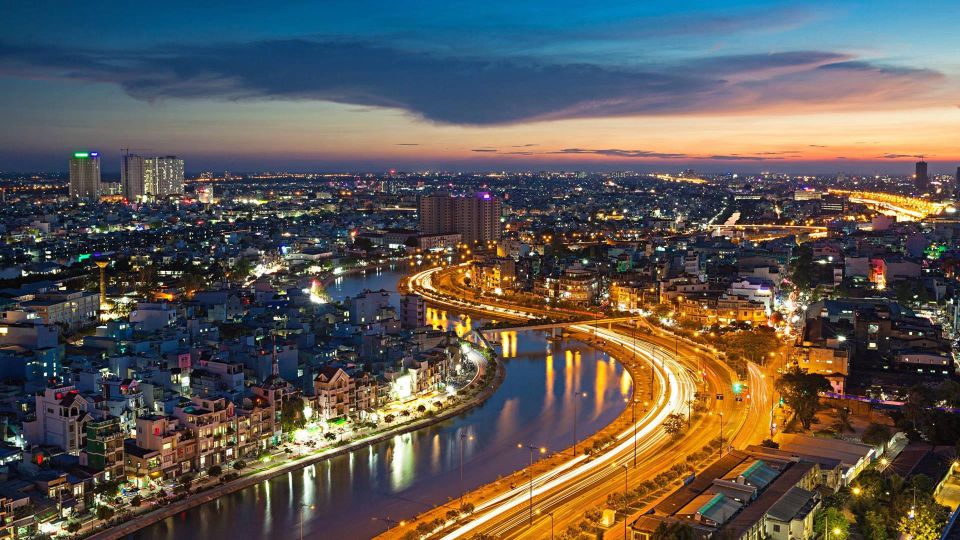
Saigon in one packed day feels personal. You start with Ben Thanh Market and finish at the Jade Emperor Pagoda, where the day mixes shopping energy with real faith you can see and smell. You’re not doing this as a checklist—you’re seeing why locals go to these places, and what they mean in everyday life.
I also like the architecture-heavy rhythm—Saigon Central Post Office and Independence Palace let you read French-era design in a city that has moved through major historical turns. One consideration: some landmarks can be affected by renovations or access on the day (for example, Notre Dame Cathedral may not always be visitable), so you should keep your schedule flexible and confirm what’s actually open once you’re there.
In This Review
- Key highlights worth planning around
- Starting at your port: the value of a private 6-hour loop
- Ben Thanh Market: where you feel Saigon’s daily tempo
- Independence Palace: French-era luxury tied to Vietnamese turning points
- War Museum: the cost is personal, not abstract
- Saigon Notre Dame Cathedral: a classic stop that may depend on access
- Saigon Central Post Office: Eiffel’s design in the middle of everyday life
- Jade Emperor Pagoda: real worship for career, love, and family
- Lunch and pacing: why this tour’s timing feels workable
- Price and value: is $149 a fair deal?
- Who this tour suits best (and who should look elsewhere)
- Should you book this Ho Chi Minh City port tour?
- FAQ
- How long is the Ho Chi Minh City tour from the port?
- Where is pickup for this tour?
- What sights are included during the 6-hour route?
- Is lunch included?
- What languages are available for the tour guide?
- Is there any extra charge or cancellation option?
Key highlights worth planning around
- Ben Thanh Market first: you get the loudest, most local feeling early, before the day gets crowded.
- Independence Palace interior time: rooms, formal spaces, and historical work areas from the French period.
- War Museum focus: you’ll see weapons and learn the human cost, not just the facts.
- Central Post Office by Gustave Eiffel: classic design in the middle of daily Saigon.
- Jade Emperor Pagoda worship: a window into how people pray for career, love, and family.
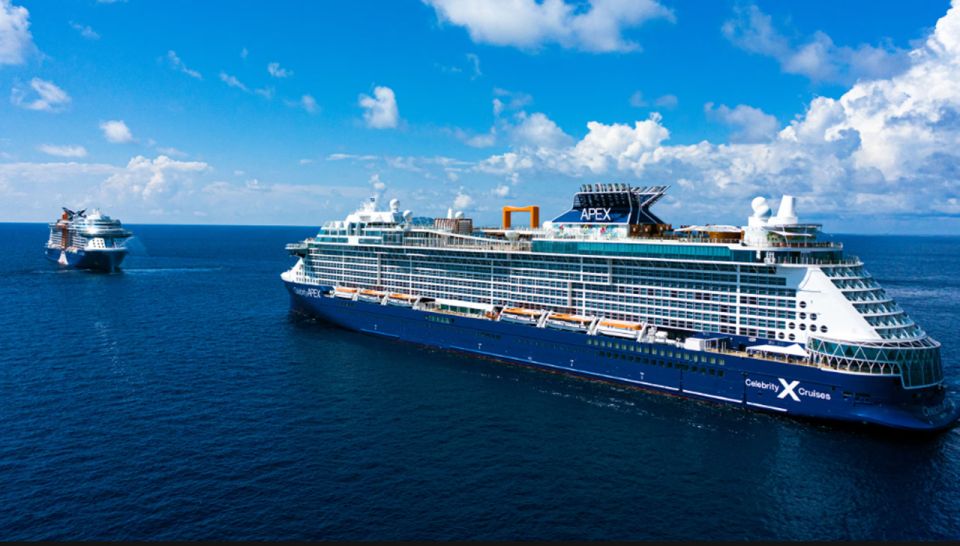
- Private car convenience from the port: less stress, more time at sights when you’re on a cruise schedule.
Starting at your port: the value of a private 6-hour loop
This tour is built for people who want a real Ho Chi Minh City hit without guessing about transport. You’re picked up in advance from Phu My Port or Nha Rong Port, then taken by a private AC car. That matters because Saigon traffic can chew up your day fast, and cruise passengers especially don’t want to gamble with timing.
The route is set for a 6-hour experience, which is a practical sweet spot. It’s long enough to see major landmarks like the Independence Palace and a memorial museum, but short enough that you’re not exhausted halfway through. You also get unlimited bottled water in the car, which sounds small until you’re walking in heat and humidity.
You’ll travel with an English-speaking tour guide (other languages are offered, with a surcharge), plus lunch at a restaurant. That’s part of the value math: food + a guide + private transport is hard to replicate cheaply on your own during a tight port stop.
One note I’d take seriously: this is a private group. That usually means fewer delays and more room to adjust when you’re moving from site to site. It also means the quality of the guide really shows. In guides like Jasmine and Tom, people have especially praised friendliness, clear personality, and smooth pacing—exactly what you want when you’re cramming Saigon into one day.
You can also read our reviews of more city tours in Ho Chi Minh City

Ben Thanh Market: where you feel Saigon’s daily tempo
Ben Thanh Market is one of those places that works even if you don’t plan to buy anything. It’s packed with energy—vendors calling out, shoppers moving through lanes, and a constant hum of activity. The payoff is not just the variety of goods like fruit, clothes, coffee, food, and drinks; it’s the way the market explains local daily rhythm.
What I like about starting here is that it’s sensory and grounding. You get oriented fast. You can feel the contrast between “tourist Saigon” and real commerce the moment you step in. Your guide can also help you make sense of what you’re seeing, which makes browsing less random.
Practical tip: go in with light hands. If you plan to shop, decide early what you want (coffee, small gifts, simple clothing) so you’re not tempted by every aisle. Also, wear something comfortable. You’ll be moving through crowded stalls, and you’ll appreciate having shoes that handle quick stops and turns.
Independence Palace: French-era luxury tied to Vietnamese turning points
Next comes the Independence Palace, and this is where the tour earns its “symbol of Ho Chi Minh City” reputation. The big draw isn’t only the exterior or the famous name—it’s the rooms. You get to see formal spaces set around gardens, plus interiors with French-period architectural details.
The most interesting part for me is how the palace connects design to purpose. You’ll see classic, refined rooms with luxurious interiors, and you’ll also learn about the practical side of leadership spaces. The tour includes time to discover secret rooms where the President of Vietnam worked, plus a look at older construction that’s both meticulous and clearly designed for status and function.
If you care about history but don’t want a lecture-heavy day, this stop is a good balance. It lets you look at objects and layout while your guide connects them to what happened in different eras. You walk through, then you understand why the palace felt like a statement.
Practical tip: expect to take photos, but don’t let it slow you down. Some rooms can be tight or busy, and you’ll want to keep moving so you don’t miss the later sections.
War Museum: the cost is personal, not abstract
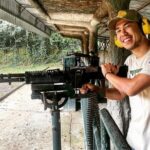
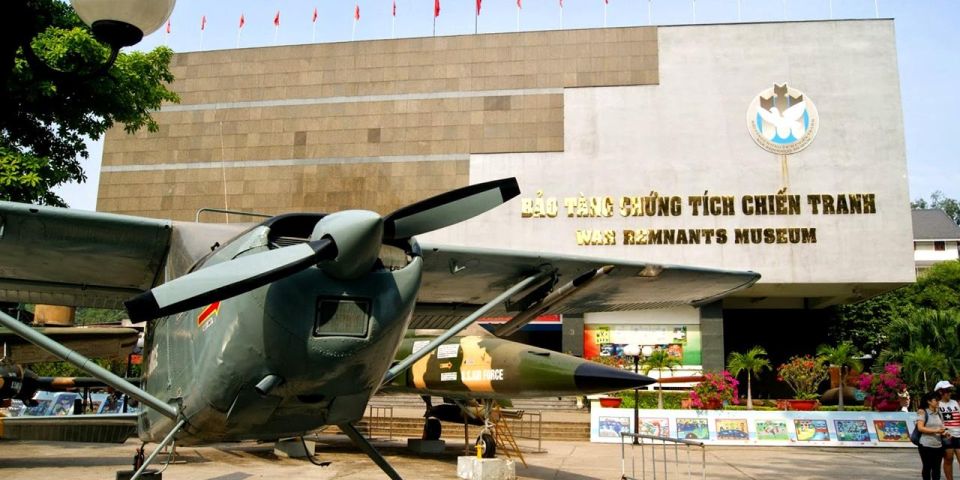
After the palace, the tone shifts—appropriately. The War Museum focuses on how Vietnamese people fought in the war, including the weapons used. More than that, it pushes you to feel the loss and pain that came with the conflict.
I appreciate that this tour doesn’t treat the memorial as a quick photo stop. You’re guided through what you’re seeing, so it’s not just a room full of artifacts—it becomes context for why people remember so sharply. If you grew up learning war history as dates and battles, this kind of museum can be a gut-level correction.
Practical tip: prepare yourself for emotional pacing. This is the stop where the day can hit hardest. If you’re sensitive to heavy scenes, take breaks when you need them and slow down your photo-taking. The goal here is understanding, not collecting images.
Saigon Notre Dame Cathedral: a classic stop that may depend on access
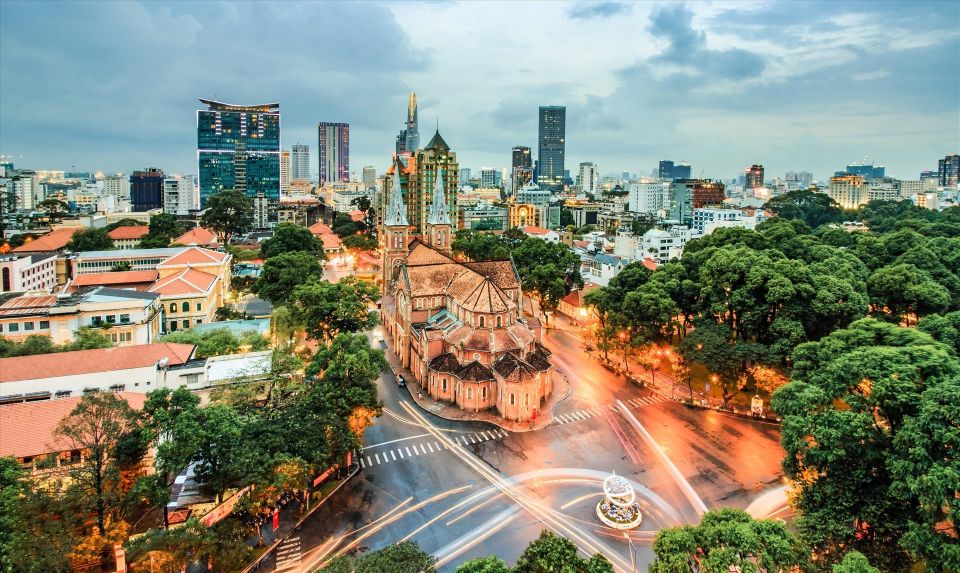
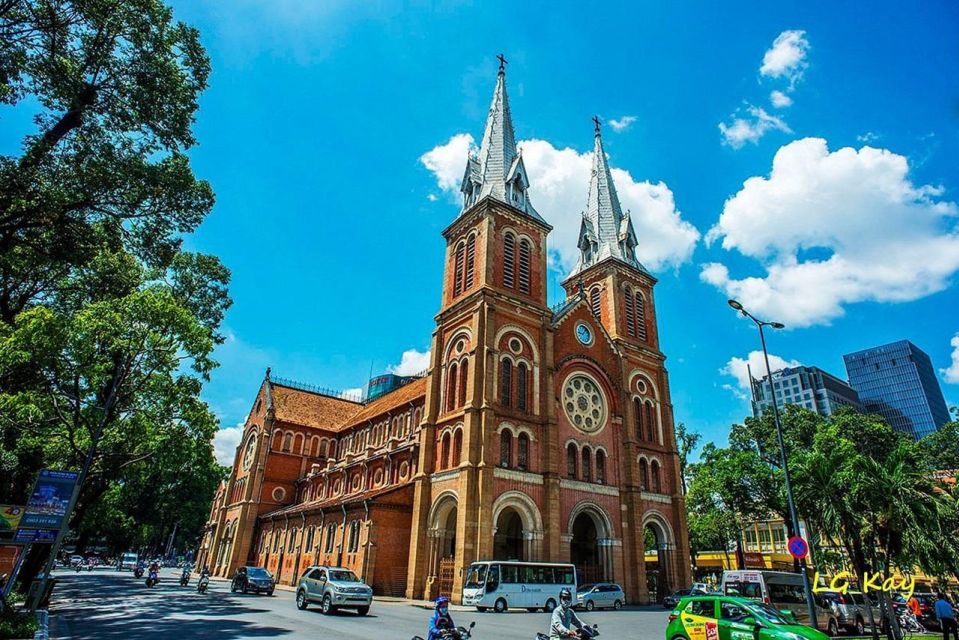
The itinerary includes Saigon Notre Dame Cathedral, also known as the Cathedral of the Virgin Mary. It’s famous for its older architecture and even for the fact that local couples often take wedding photos there.
However, here’s the real-world consideration: access can change. One past experience included a situation where the cathedral was being renovated and couldn’t be visited, even though it was listed. Since that kind of change is outside your control, I’d treat this stop as “possible” rather than guaranteed.
How to handle it:
- If it’s accessible, you’ll enjoy a quick architectural pause and the chance to photograph the exterior.
- If it’s not, ask your guide what alternative viewpoints or nearby photo spots are available so the time doesn’t feel wasted.
Either way, the lesson is simple: the tour is structured around major landmarks, but in a living city, some places can be temporarily off-limits.


Saigon Central Post Office: Eiffel’s design in the middle of everyday life
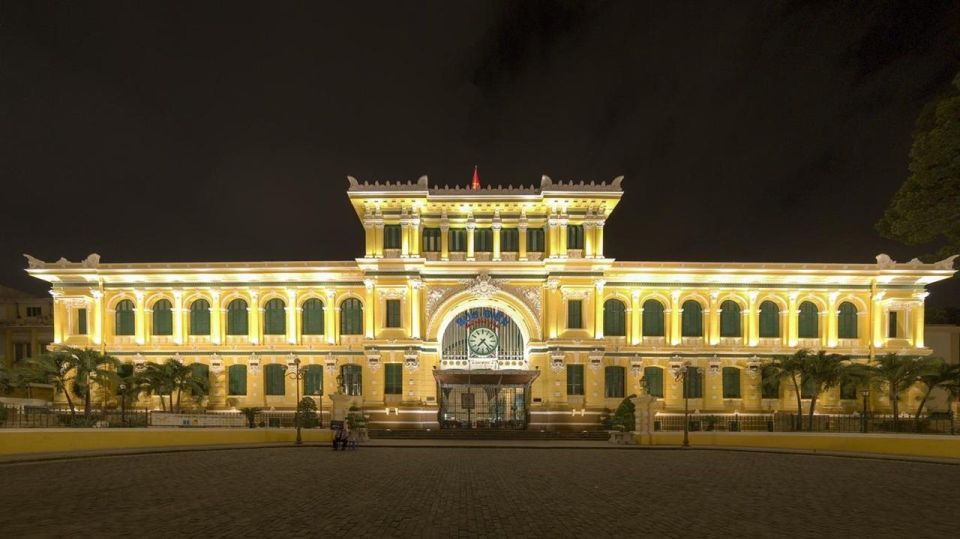
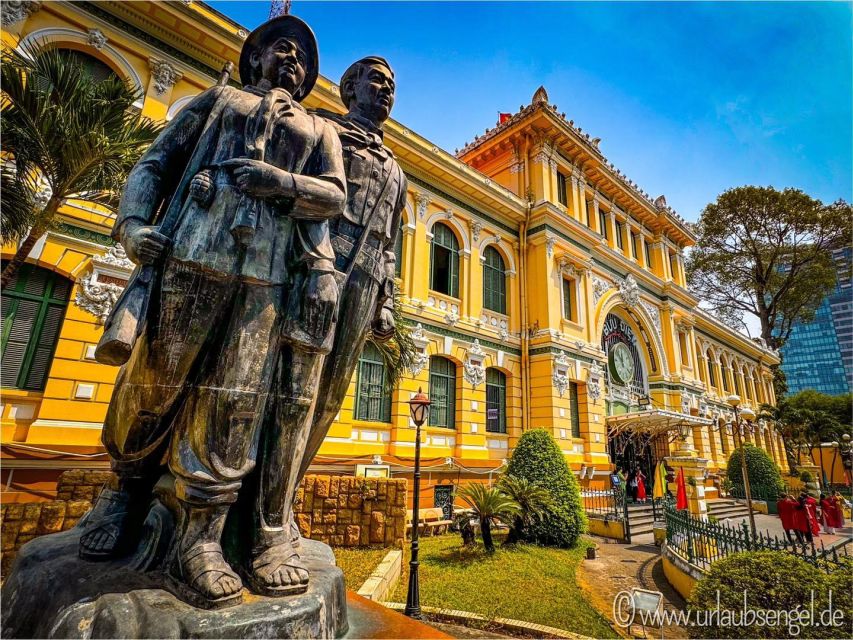
Then you hit the Saigon Central Post Office, a stop that feels extra satisfying because it mixes big-name design with something intensely practical. This post office was designed by Gustave Eiffel, the same designer behind the Eiffel Tower.
The tour’s emphasis is on the building’s classic architecture and French-period sophistication—patterns, details, and that sense of order you don’t always expect in a modern city center. But it’s not just pretty. A functioning post office is one of the best ways to experience heritage while it’s still in use.
I like this stop because it’s visually clear and easy to enjoy even if your day is already full. You can look up at the design, wander around the interior spaces, and take a few photos without needing a long attention span.
Jade Emperor Pagoda: real worship for career, love, and family
The final spiritual stop is Jade Emperor Pagoda, one of Ho Chi Minh City’s holiest temples for prayer. What makes it compelling is that the tour frames it around what people actually come to ask for: career, love, and, especially, the hope for the birth of children.
This is where you get a very different kind of “Ho Chi Minh City” than markets and museums. You’ll see worship culture in action—people praying with intentions that feel personal and immediate. Even if you don’t share the beliefs, the atmosphere can still make sense: it’s about relationships, luck, and life decisions, expressed through rituals and devotion.
Practical tip: be respectful and observant. Move with care and don’t treat it like a photo set. The best moments here tend to be quiet ones—watching how people participate.
Lunch and pacing: why this tour’s timing feels workable
This tour includes lunch, which is huge for a port-day schedule. It reduces decision fatigue—you’re not stuck hunting for food with limited time. You’re also less likely to spend your best hours waiting in lines or trying to figure out where to go.
The pacing also matters. The day flows from:
- a market (fast, sensory),
- to an architectural/historical site (slower and room-based),
- to a heavier memorial (emotionally intense),
- to a classic cathedral exterior stop (shorter),
- to a design-focused post office,
- to a spiritual temple finish (quiet and reflective).
That order helps you avoid the worst-case scenario: ending the day completely exhausted right before returning to your port. By the time you reach the pagoda, the pace is usually calming, and you’re mentally ready for the wrap-up.
Price and value: is $149 a fair deal?
At $149 per person for a 6-hour private tour, the value comes from what’s bundled, not just the list of stops. You get:
- pickup and drop-off at Phu My Port or Nha Rong Port,
- a private AC car transfer,
- a guide who’s available in multiple languages (English included),
- lunch,
- unlimited bottled water.
If you tried to recreate that combo yourself during a cruise stop—especially the private transport + English guide—costs can climb quickly. So this price can feel fair if you want convenience and a structured day.
Where you should watch costs:
- The tour notes a 30% surcharge on holidays in Vietnam.
- Other languages may have an added surcharge.
Also, the private group format is a value lever. It’s easier to keep everyone together, which usually means fewer timing headaches.
Who this tour suits best (and who should look elsewhere)
This is a smart fit if you:
- are short on time and want the major highlights in one loop,
- want a guide to connect history, architecture, and faith into one story,
- prefer private transport instead of arranging everything on your own,
- want lunch handled.
It’s less ideal if you:
- hate uncertainty around renovations or site access,
- want long, unhurried time inside every building (this is a 6-hour route),
- need a fully flexible itinerary day-of if specific places close unexpectedly.
If you’re the type who loves history but still wants a fun, varied day, this route hits the right balance. It mixes market life, French-era design, a serious memorial museum, and a temple where people come with hopes that feel very human.
Should you book this Ho Chi Minh City port tour?
I’d book it if your priority is a high-signal day: big landmarks, a real slice of local life at Ben Thanh, and a War Museum stop that adds emotional weight instead of just facts. The private AC pickup from your port is also a real time-saver, and lunch + water are practical perks.
Before you click confirm, do one thing: plan for the possibility that Notre Dame Cathedral access can vary due to renovation. When you board, ask your guide what’s open that day and what the plan is if a stop changes. If you get a guide like Jasmine (praised for friendliness and smooth delivery) or Tom (praised for flexibility and a great cruise-day fit), you’ll likely get the kind of day that feels organized rather than rushed.
FAQ
How long is the Ho Chi Minh City tour from the port?
The tour runs for 6 hours.
Where is pickup for this tour?
Pickup is included from Phu My Port or Nha Rong Port, depending on where you are docking.
What sights are included during the 6-hour route?
The tour includes Ben Thanh Market, Independence Palace, a War Museum, Saigon Notre Dame Cathedral, Saigon Central Post Office, and Jade Emperor Pagoda.
Is lunch included?
Yes. Lunch at a restaurant is included.
What languages are available for the tour guide?
The tour offers multiple languages including Chinese, English, French, Japanese, Italian, Spanish, Korean, German, and Russian.
Is there any extra charge or cancellation option?
There is free cancellation up to 24 hours in advance for a full refund, and there is a 30% surcharge on holidays in Vietnam.