REVIEW · HO CHI MINH CITY
Mekong Delta 3-Day: Saigon to Phnom Penh Gateway
Book on Viator →Operated by TNK Travel · Bookable on Viator
Mekong Delta days can feel like time travel. This fast-moving 3-day route links Vietnam and Cambodia with boats, canals, temples, and local food, starting with a morning hotel pickup and ending with an optional crossing toward Phnom Penh.
Two things I like a lot are the mix of waterway experiences (Cai Be, Cai Rang, Tra Su) and the fact that you’re not expected to plan each stop alone, thanks to an included local English-speaking guide.
The main drawback to weigh is the pacing: you should expect long travel days with frequent short stops, plus occasional pressure around tips and shopping.
In This Review
- Key things that make this tour work
- Price and what you actually get for $261
- Getting rolling: the 7:45 am start in Ho Chi Minh City
- Cai Be: an old delta town, an antique house, and narrow canals
- What to watch for on Day 1
- The Cai Be food break: coconut sweets, then a garden lunch
- Bicycles and an evening boat ride: a calmer ending
- Cai Rang floating market: trade in motion, then noodles being made
- A practical tip for market time
- Khmer temple art and Khmer-Vietnam crossroads: Munir Ansay Pagoda
- Con Son boat time: community-led tourism and careful craft
- Tra Su Bird Sanctuary: mangrove ecosystem time
- Nui Sam and Ba Chua Xu Temple: a pilgrimage stop with meaning
- Day 3 in Chau Doc: your Cambodia options start to take shape
- Hang Pagoda on Sam Mountain: the climb you’ll be glad you did
- Floating village and Cham Village: cultural overlap on the water
- Long Xuyen meal break: local food, no showy extras
- Time reality check: you’re moving a lot
- Hotels and comfort level: basic but functional
- Guide quality: why names like Sunny and John keep coming up
- Shopping and tips: how to keep it from taking over your day
- Who should book this Saigon to Phnom Penh gateway tour
- Should you book it?
- FAQ
- What time does the tour start?
- How much does it cost?
- Is pickup included, and where does it operate?
- How big is the group?
- Are meals included?
- Is a vegetarian meal option available?
- Do I need a visa or passport photo for Cambodia?
Key things that make this tour work
- Cai Be + Cai Rang, two different looks at Mekong trade and village life
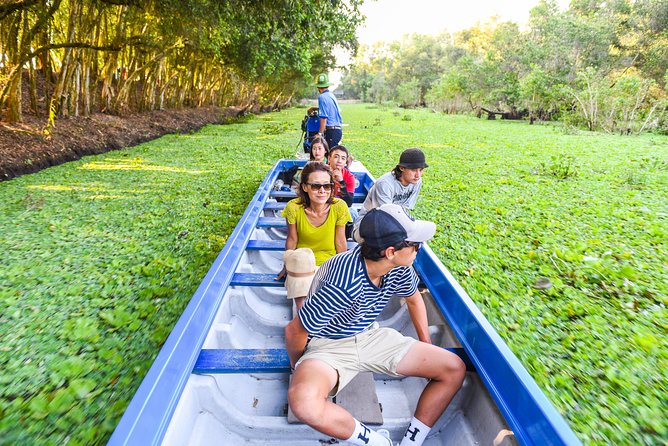
- Boat-heavy days with small canal routes and river views instead of only highways
- Culture stops that feel real, from Khmer temple art to a Vietnamese pilgrimage site
- Tra Su Bird Sanctuary gives you that rare, mangrove-style ecosystem feel
- Optional Phnom Penh handoff on Day 3 with fast boat or bus (availability-based)
- Small group size (max 25) helps the day feel less chaotic than big crowds
Price and what you actually get for $261
At $261 per person, this isn’t a budget-only excursion, but it also isn’t trying to be a luxury private driver-and-boat package. For your money, you’re buying a tight 3-day schedule that includes hotel pickup (District 1 only), an English-speaking guide, air-conditioned transport, boat rides and entrance fees, and most meals (including 2 breakfasts, 2 lunches, and dinner). You also get 1 bottle of water per day, which sounds small until you’re sitting on a bus in heat.
The other value piece is the “gateway” design. If you’re continuing toward Cambodia, the tour includes arrangements for a Phnom Penh transfer using a fast boat or bus depending on real-time options. If you’re not crossing yet, the plan includes returning you back to Ho Chi Minh City at the end of Day 3.
You can also read our reviews of more tours and experiences in Ho Chi Minh City
Getting rolling: the 7:45 am start in Ho Chi Minh City
Your day starts early, with a 7:45 am pickup from centrally located hotels in District 1 (with exceptions noted for Tan Dinh and Da Kao wards). That early start matters because this tour is built on distance plus river access. The more you want to see, the earlier you have to leave.
You’ll spend Day 1 and Day 2 mostly in the Mekong Delta zone, then shift toward the Chau Doc area on Day 3. Expect the rhythm to be: ride, arrive, see, eat, ride again.
Cai Be: an old delta town, an antique house, and narrow canals
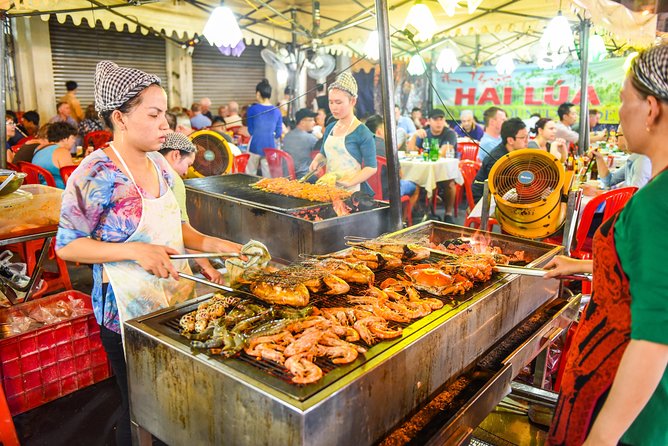
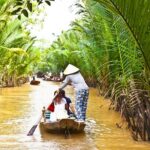
Day 1 begins with your trip toward Cai Be, and the first big “wow” is how the area changes once you’re actually on the water. On Cai Be day, you’ll take a boat trip on the Tien River, with time to watch how local river commerce works and how the waterway shapes daily life.
A standout stop is Nhà cổ Ông Kiệt, a preserved antique house that gives you a feel for Mekong Delta architecture and older domestic traditions. It’s not just a photo stop. It helps you connect the canal and river life you’re seeing with how people actually lived around it.
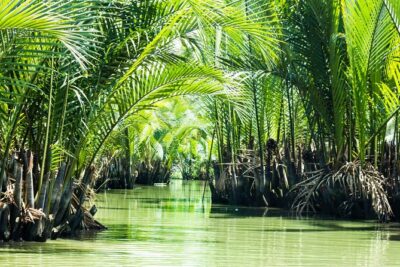
Then you’ll head to Tan Phong, where you can watch traditional coconut sweet-making techniques at a family-run confectionery, and you’ll also get a turn on a quieter, canal-based section of the Upper Mekong Delta. The canal experience is the kind of change of pace that makes the long travel days easier to tolerate—water palms and water lilies, slow movement, and a less rushed feeling than the main rivers.
What to watch for on Day 1
Cai Be and Tan Phong are great, but you’ll likely feel the “short stop” reality here. Some stops are around 30 minutes; you’ll see the main highlights, but you won’t linger for long conversations. If you like to slow-walk museums and sit with a view, plan to keep your expectations flexible.
The Cai Be food break: coconut sweets, then a garden lunch
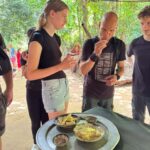
After the canal time, Day 1 includes a more relaxed midday meal setting at a garden area, with fresh, locally sourced ingredients, tropical fruits, and herbs. The tour’s included lunch is one of the reasons this trip feels like more than just transportation to attractions.
That said, meal quality can be variable on multi-stop tours. Based on feedback patterns I’ve seen from similar Mekong itineraries, you may get a simple setup some days and a more scenic or “demo-style” meal others. Bring a realistic mindset: the meals are included, but they’re not always restaurant-level dining.

Bicycles and an evening boat ride: a calmer ending
One of Day 1’s nicer touches is that after lunch you may get a bicycle ride on dirt trails through island countryside—palms, rice paddies, and fruit groves. It’s a small window where you’re moving slower and you’re not just hopping in and out of boats.
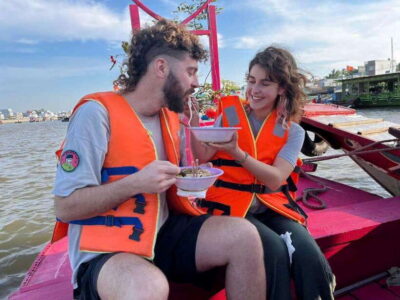
As the sun drops, you’ll do a boat ride back toward Cai Be, then transfer onward—your night is spent in the Can Tho area per the plan. This gives you a natural transition: village day on the water, then a more city-style sleep.
Cai Rang floating market: trade in motion, then noodles being made
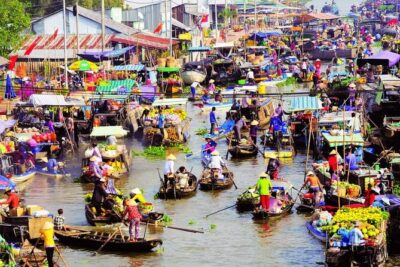
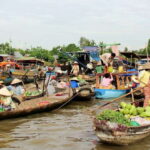
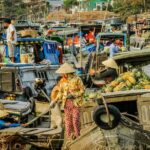
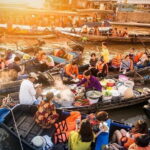
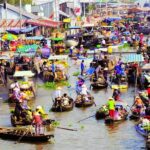
Day 2 starts with Cai Rang Floating Market, plus a boat excursion on the Bassac River in the morning. The floating market is popular for a reason, but what makes this day feel worthwhile is that you don’t just watch from the shore—you’re on the water during the delta’s active morning.
You’ll also stop at a traditional noodle factory, where you can see rice noodles being made with older methods. That matters because it’s not only about scenery. It’s about how the delta feeds itself—and how “food” is also craft and labor.
A practical tip for market time
Markets move fast. The best way to enjoy them is to pick what you want to focus on before your boat stops. If you want photos, set up for them early. If you want to understand what you’re seeing, spend your time watching hands and routines rather than scanning every stall.
Khmer temple art and Khmer-Vietnam crossroads: Munir Ansay Pagoda
Next up is Munir Ansay Pagoda, a Khmer Buddhist temple that reflects how cultures mix in this region. The temple stop centers on Khmer artistry—murals and decorative detail—so you’re seeing a different side of Mekong Delta identity than you get from boats and food alone.
This stop is a good “brain reset” after the market rush. In practical terms, temples also tend to be cooler and more sheltered than open river life.
Con Son boat time: community-led tourism and careful craft
After that, you’ll visit Cồn Sơn, with a boat journey and a look at community-run, eco-minded tourism. You’ll also see how traditional crafts are maintained through family initiatives. For me, this is the kind of stop that helps the day feel more connected instead of only sightseeing.
Tra Su Bird Sanctuary: mangrove ecosystem time
Day 2’s natural highlight is Tra Su Bird Sanctuary near Chau Doc, with an admission-included visit. This is where the trip stops feeling like a checklist and starts feeling like a place.
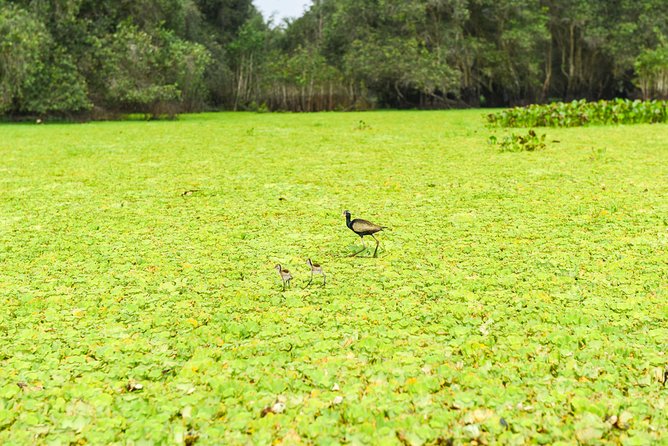
The area is described as a mangrove-style forest ecosystem with local birds, plus water and vegetation scenes that are very different from open river markets. If you only do one “nature” stop, this is the one I’d prioritize.
Nui Sam and Ba Chua Xu Temple: a pilgrimage stop with meaning
Then you head to Mieu Ba Chua Xu Temple in Núi Sam. It’s a Vietnamese pilgrimage site tied to a protective deity, and the plan notes that it receives significant worship activity each year. This adds a more spiritual layer to the trip that fits well after Tra Su’s ecological wonder.
Day 3 in Chau Doc: your Cambodia options start to take shape
On Day 3, the tour pivots toward Chau Doc. There’s an optional stop at the boat meeting point arranged for those continuing to Phnom Penh, which matters because it changes how your day feels. If you’re going to Cambodia, you should treat this day as a transition day as much as a sightseeing day.
If you’re not going to Cambodia, the plan ends with a transfer back to Ho Chi Minh City.
Hang Pagoda on Sam Mountain: the climb you’ll be glad you did
You’ll visit Hang Pagoda (Chua Hang) on Sam Mountain. It’s a 30-minute stop built around a path up through greenery and then a more serene temple space. Even if you’re not a hardcore temple person, this kind of location-based stop often feels worth it because the view and the walk create the “experience,” not just the building.
Floating village and Cham Village: cultural overlap on the water
Next comes the floating village and Cham Village area in Chau Doc. This adds an ethnic-cultural layer to your Mekong Delta story, showing how Cham heritage connects with life around the water.
It’s also a reminder that the delta isn’t just one style of culture. It’s multiple communities shaped by rivers and trading routes.
Long Xuyen meal break: local food, no showy extras
There’s also a stop in Long Xuyên centered on a local restaurant meal. The plan highlights fresh regional ingredients and traditional cooking methods. If you like food that tastes like where it comes from, this kind of stop tends to be more satisfying than a tourist menu.
Time reality check: you’re moving a lot
This tour is active, but not in the “hiking for hours” way. You’ll likely feel that it’s a lot of riding—buses plus boat time—with frequent short viewing stops. One pattern I’d plan for is early mornings and long days, especially if you’re sensitive to travel fatigue.
The upside is that you don’t waste your limited vacation time guessing routes. The tradeoff is that you may not get long, slow conversations at every stop.
Hotels and comfort level: basic but functional
The tour includes accommodation based on twin or double share basic at 3-star hotels or similar. That usually means a clean room and a place to sleep—not a resort vibe.
Some accommodation choices can be more “basic option” depending on the selected style, and feedback patterns for this tour type suggest that you might encounter places with limited air-conditioning. If you’re the type who needs cold rooms to sleep, pack accordingly and choose the accommodation option carefully.
Guide quality: why names like Sunny and John keep coming up
One of the biggest factors in a tour like this is your guide’s energy and organization. In this case, you’ll see certain names praised repeatedly, including Sunny, John, Alex, and Tom Cruz, plus Git Suong mentioned for taking good care of the group.
What to do with that information: if you book and you can pick or request, go for whatever you can confirm about the assigned guide. And regardless of who you get, show up ready to ask questions. When you’re dealing with a multi-day itinerary, good guiding makes all the difference between confusion and clarity.
Shopping and tips: how to keep it from taking over your day
This route includes multiple stops where local vendors sell sweets, crafts, and small products. It’s not unusual in the Mekong region to have tipping moments too—especially connected to boat staff or rowers.
If you don’t want surprises, set a small cash budget for tipping and keep your shopping limited to things you truly want. Politely declining is normal. A short stop can still be enjoyable if you control the money part instead of letting it control you.
Who should book this Saigon to Phnom Penh gateway tour
This is a strong fit if you want:
- A time-efficient Mekong Delta sampler (boats, markets, temples, and nature in 3 days)
- Local food and daily-life culture more than only monuments
- A trip where most meals and entry fees are handled for you
It may not be ideal if you:
- Hate long days and constant transit
- Want lots of free time at each attraction
- Prefer to avoid any part of the tour day that includes shopping or tipping moments
Should you book it?
If you’re aiming to get from Ho Chi Minh City into the Cambodia direction without losing your vacation days to logistics, this tour makes sense. The value comes from included transport, boats, entry fees, a guide, and most meals, plus the optional Phnom Penh transfer.
Book it if you can handle early mornings and you’re okay with short-but-sweet stops. Skip it if you want a slower, more independent vibe or you’re very sensitive to travel fatigue and money-pressure moments.
FAQ
What time does the tour start?
The start time is 7:45 am.
How much does it cost?
The price is $261.00 per person.
Is pickup included, and where does it operate?
Hotel pickup is included for centrally located hotels in District 1, with exceptions noted for Tan Dinh ward and Da Kao ward.
How big is the group?
The tour has a maximum group size of 25 travelers.
Are meals included?
Yes. The tour includes breakfast (2) and lunch (2), plus dinner.
Is a vegetarian meal option available?
Yes. A vegetarian option is available if you advise at booking.
Do I need a visa or passport photo for Cambodia?
Cambodia visa is not included. If you choose the boat service to Phnom Penh, you need to provide a passport photo for each traveler before the departure date.