REVIEW · HO CHI MINH CITY
From HCM city 3-Day Mekong Delta Tour – Chau Doc
Book on GetYourGuide →Operated by VBStravel · Bookable on GetYourGuide
Mekong Delta days move fast. This 3-day route from Ho Chi Minh City focuses on the places that make Chau Doc and the surrounding waterways feel special, from pagodas to mangroves. I like how the plan mixes religious stops with river life, so you get more than just scenery.
Two things I really like: the Vinh Trang Pagoda and the chance to row slowly through the Tra Su mangroves. The itinerary also keeps the momentum going without feeling random, and in particular the guiding and timing tend to be well-run. One drawback to consider is that the pacing is tight, and a couple of stops lean more tourist-facing than you might hope.
In This Review
- Key Highlights You’ll Actually Feel
- Why Chau Doc Makes Sense in a 3-Day Mekong Plan
- Day 1: Vinh Trang Pagoda, Unicorn Island, and Ben Tre Coconut Life
- My Tho stop #1: Vinh Trang Pagoda
- River time: motorboat to Unicorn Island
- Ben Tre: coconut candy and a canal rowing ride
- Evening in Chau Doc
- Day 2: Sam Mountain Temples, Vinh Te Canal, and Tra Su Mangrove Rowing
- Lady Temple of Sam Mountain plus tomb/temple trio
- Tra Su Mangrove Forest: motorboat, then rowing, then an observation tower
- Lunch, then Can Tho check-in
- Day 3: Cai Rang Floating Market, Noodle Making, and the Purple House
- Cai Rang Floating Market: watch how it works
- Hands-on rice noodles and river food
- Truc Lam Zen Monastery, then My Khanh Tourist Village
- Return to Ho Chi Minh City
- Hotels, Meals, and the Real Value of $195
- Pacing, Authenticity, and Practical Tips for Comfort
- What to bring (so you don’t suffer)
- Pacing: efficient, but less wandering time
- Accessibility and health
- Who This Tour Suits Best (and Who Should Skip It)
- Should You Book This HCM City 3-Day Mekong Delta Tour to Chau Doc?
- FAQ
- What is the duration of the tour from Ho Chi Minh City?
- How much does the Mekong Delta 3-Day Tour to Chau Doc cost?
- What are the main places you visit?
- Is there an English-speaking guide?
- What meals are included?
- Do you include boat rides and rowing time?
- What kind of accommodation is included?
- Is this tour suitable for wheelchair users or people with back problems?
- What should I bring for the tour?
- Is cancellation free?
Key Highlights You’ll Actually Feel
- Vinh Trang Pagoda in My Tho: a big, standout pagoda that anchors Day 1 nicely.
- Cai Rang Floating Market plus hands-on rice noodle making: watch how river work turns into everyday food.
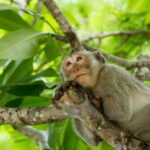
- Tra Su Mangrove Forest: motorboat in, then rowing through calm canals for real, up-close wildlife viewing.
- Sam Mountain area around Chau Doc: Lady Temple sites plus major tomb/temple stops packed into one morning.
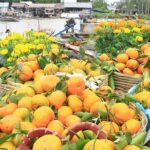
- Local food and small “work” farms: pomelo and bee farm tea/jelly, honey tea, and fruit tastings (good variety, some staged feel).
- A tour that includes a surprising amount for the price: hotel nights, meals, entrance fees, and multiple transport modes.
Why Chau Doc Makes Sense in a 3-Day Mekong Plan
Most Mekong tours try to squeeze everything into a blur of boats and markets. This one aims at a different payoff: you end in Chau Doc, a town that’s a natural gateway to the river-and-mangrove world. That matters because you spend Day 2 in the countryside waterways around Tra Su, not just on the busiest commercial stretches.
You also get a wide mix of Vietnam flavors in one trip. You’ll see big temple complexes (My Tho and Chau Doc), river food culture (Cai Rang and noodle-making), and mangrove nature (Tra Su). If you like your travel days structured—bus here, boat there, meals built in—this tour fits that style well.
The trade-off? You won’t have hours to wander completely on your own. The schedule is designed to keep you moving, which is great for coverage, but it can reduce “slow travel” moments when you find a spot you really love.
You can also read our reviews of more city tours in Ho Chi Minh City

Day 1: Vinh Trang Pagoda, Unicorn Island, and Ben Tre Coconut Life
Day 1 starts with hotel pickup in Ho Chi Minh City and a smooth 1.5-hour bus ride through rice-field countryside to My Tho. The ride itself is usually a nice decompression: you’re leaving the city mood for something greener and calmer.
My Tho stop #1: Vinh Trang Pagoda
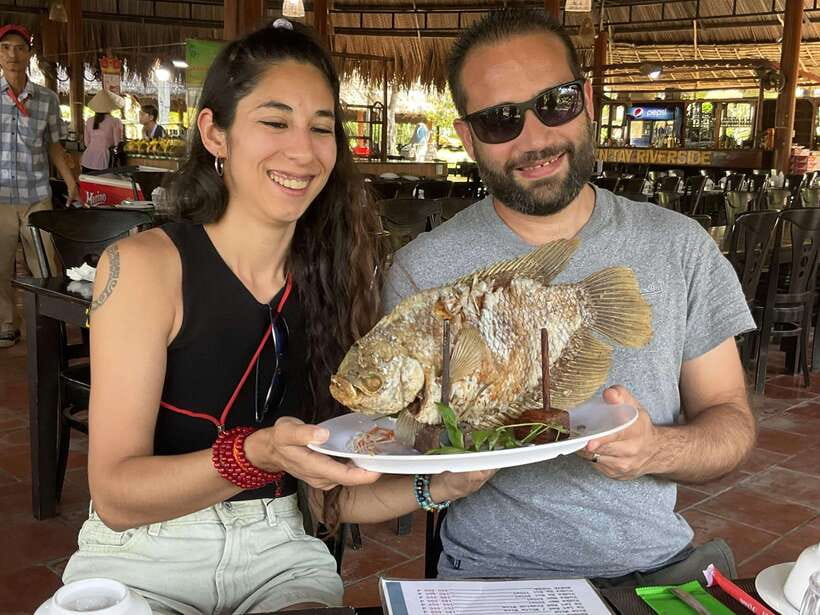
You’ll visit Vinh Trang Pagoda, described as the largest and most special pagoda in the Mekong Delta. What makes this stop worthwhile is that it’s more than a quick photo stop. The complex gives you a sense of local religious life and craftsmanship, and it’s a strong “anchor” for the day—especially if you’re coming from HCMC where temple visits feel like side trips.
River time: motorboat to Unicorn Island
After that, the tour heads toward the Tien River for a motorized boat ride to Unicorn Island. This isn’t just a scenic ride; it sets you up for the next phase of the Mekong experience: small agricultural and food stops done in a “tour-friendly” sequence.
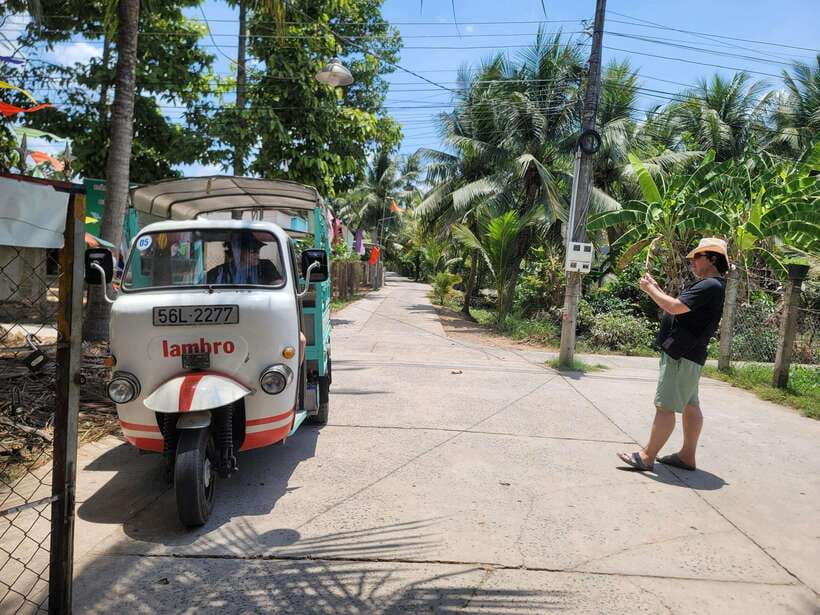
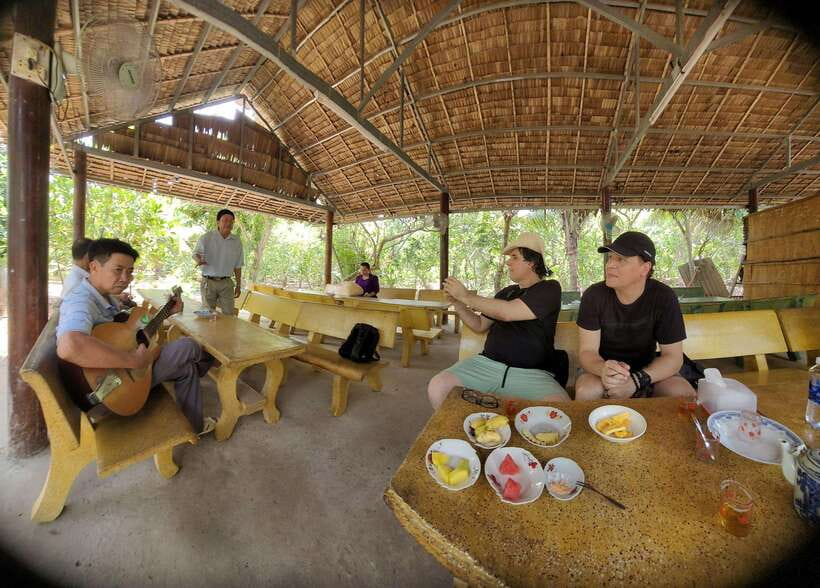
On Unicorn Island, you’ll visit a pomelo farm and a bee farm, then get honey tea and a taste connected to royal jelly. You also listen to folk music in the village of Xu Dua and sample five different tropical fruits. Even if some of this feels organized for visitors, it’s still useful: you learn what locals grow and how flavors move from farm to table.
Ben Tre: coconut candy and a canal rowing ride
Then you transfer to Ben Tre, the hometown of coconut in Vietnam. You’ll stop at a coconut candy factory, where the focus is on a famous regional product—something you can bring home in your brain even if you don’t buy much.
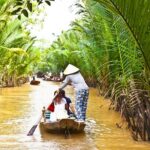
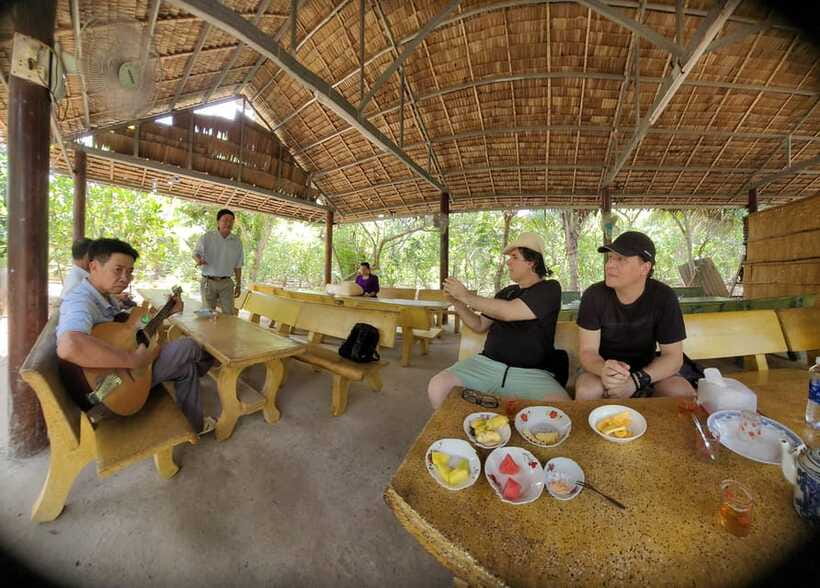
Lunch comes at a local restaurant, and then you get some free time in the village. The standout here is the rowing boat ride through a canal covered with water coconut. This is the kind of slow, low-speed boat time that helps you read the landscape: palms/vegetation near the waterline, houses set back from the river, and daily movement along the canal network.
You can also read our reviews of more tours and experiences in Ho Chi Minh City
Evening in Chau Doc
After arriving in Chau Doc, you check into a 3-star hotel and head to dinner at a local restaurant. The evening is built for breathing room and casual wandering—good if you like to look for your own little street-food rhythm.
Tip for Day 1: Wear shoes you can get a bit dirty. You’ll do walking plus boat transfers, and you’ll want comfort more than style.
Day 2: Sam Mountain Temples, Vinh Te Canal, and Tra Su Mangrove Rowing
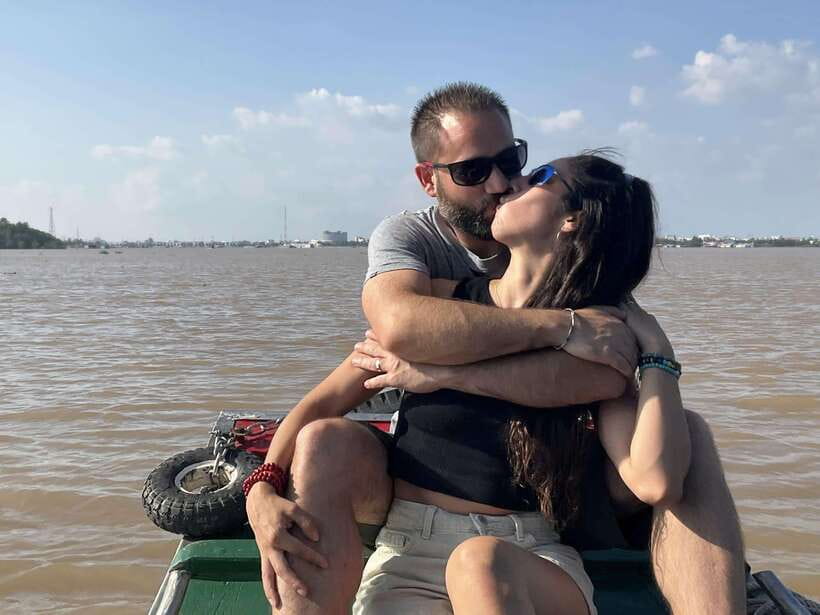
Day 2 is where the “Chau Doc” part really earns its keep. You start with temple visits and then move into water-and-wildlife territory.
Lady Temple of Sam Mountain plus tomb/temple trio
Morning starts with the Lady Temple of Sam Mountain, plus Thoại Ngọc Hau’s Tomb and Tay An Temple. These stops matter because they connect the region’s spiritual life to the places people choose to honor. If you’re into meaningful architecture, you’ll find plenty to look at without needing to understand every detail to appreciate the effort.
Then you move to the Vinh Te Canal, with views of Cấm Mountain and Két Mountain. Even if the details aren’t explained fully during every minute, you get a real sense that this isn’t just a flat river world—there are rises and landmarks shaping where people live and travel.
Tra Su Mangrove Forest: motorboat, then rowing, then an observation tower
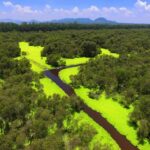
You arrive at Tra Su Mangrove Forest and take a motorboat through the forest first. After that, you change to a rowing boat and slowly row along the canal. This “motorboat in, row through” pattern is smart: the motorboat gets you deeper faster, and the rowing keeps things quiet enough for you to notice wildlife and details around you.
There’s also an observation tower for panoramic views. In practice, that tower stop is a good payoff—especially when humidity makes it feel like the forest becomes one continuous green wall from ground level. From up there, you can see how the canals weave through the mangroves.
Lunch, then Can Tho check-in
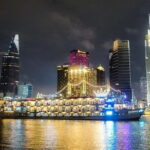
Lunch is at a local restaurant, and then you continue to Can Tho to check into your hotel. Dinner that night is described as on a 5-star cruise, and you’ll also have time to explore the city.
Here’s the balancing note: at least one meal-and-cruise segment on this kind of route can feel more like a show than a food experience. If you’re picky about restaurant-style quality, go into the dinner with the right expectations: the setting is the main draw, and the meal may not be the highlight.
Day 3: Cai Rang Floating Market, Noodle Making, and the Purple House
If Day 1 is temples and Day 2 is mangroves, Day 3 is for river food culture and local routines.
Cai Rang Floating Market: watch how it works
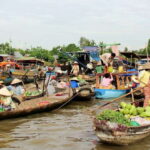
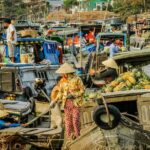
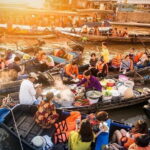
You’ll visit Cai Rang Floating Market, one of the most famous river markets in Vietnam. You’ll see how people live on the river and how the day’s commerce ties to boats, produce, and movement.
A practical reality: floating markets are not static “museum scenes.” This area can shift toward visitor-facing shopping, and sometimes the market experience becomes more about vendors and less about everyday rhythm. Still, the watching value remains high—especially if you focus on how boats line up, how people package goods, and how the whole system keeps flowing.
Hands-on rice noodles and river food
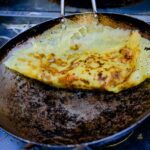
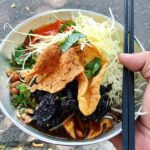
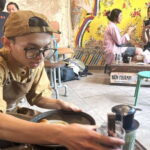
Next comes the part I think you’ll remember: learning how to make rice noodles and trying local river food. This turns the market from “a place you see” into “a process you understand.” Even if your technique ends up a little imperfect, you’ll leave with the sense of how this food gets made and why Mekong life revolves around edible rivers.
Truc Lam Zen Monastery, then My Khanh Tourist Village
After lunch plans come into play, the tour includes Truc Lam Zen Monastery. This is a calmer pause compared with the market energy, and it also gives you a different Vietnam rhythm—reflection, not shopping.
Then you head to My Khanh Tourist Village for lunch and a stop at the Purple House, a café decorated in purple, with a free drink. This is where the “tourist trail” feeling can show more clearly. If you like your stops to feel lived-in rather than staged, this segment might feel less essential—especially when the village time feels longer than the truly interesting parts.
Return to Ho Chi Minh City
Finally, you head back to Ho Chi Minh City and arrive around 6:00 PM. That arrival time is late enough to keep you from feeling rushed, but early enough to still plan an easy evening afterward.
Tip for Day 3: Keep some energy for the noodle session. It’s the kind of activity where you’ll enjoy it more if you’re not running on empty.
Hotels, Meals, and the Real Value of $195
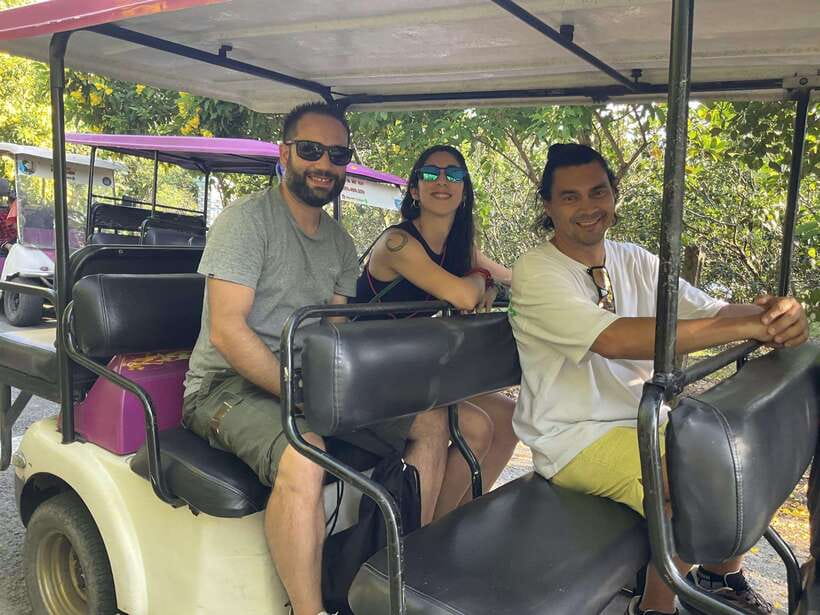
At $195 per person for 3 days, you’re paying for structure and access. You’re not just buying sightseeing; you’re buying transport logistics—bus rides, motorboat/boat segments, and local transfers—plus a full meal plan.
Included items worth noting:
- 3 breakfasts
- 3 lunches
- 2 dinners
- 2 nights in 3-star hotels
- entrance fees
- English-speaking guide
- transportation by bus, motorized tuk tuk, and boat
- rowing boat experience
- sightseeing cruise
- and bicycle rental
That’s a lot packed in, which is why it can feel like good value if you want a smooth trip without daily planning. The flip side is that when the schedule is filled, your experience depends on consistency: one weaker meal or a stop that doesn’t match your interests can stand out.
From the feedback patterns, accommodations tend to land well, and the guiding/timing can be a strong point. The criticism tends to focus on a couple of segments where authenticity can feel reduced or where the dinner cruise can be noisy and crowded, with food not matching the setting.
So here’s how I’d think about the value:
- If you want coverage and you don’t want to arrange boats, entry tickets, and transfers yourself, this price can feel fair.
- If you’re the type who only likes “local life, not tourist life,” you’ll want to adjust expectations for market shopping areas and packaged stops.
Pacing, Authenticity, and Practical Tips for Comfort
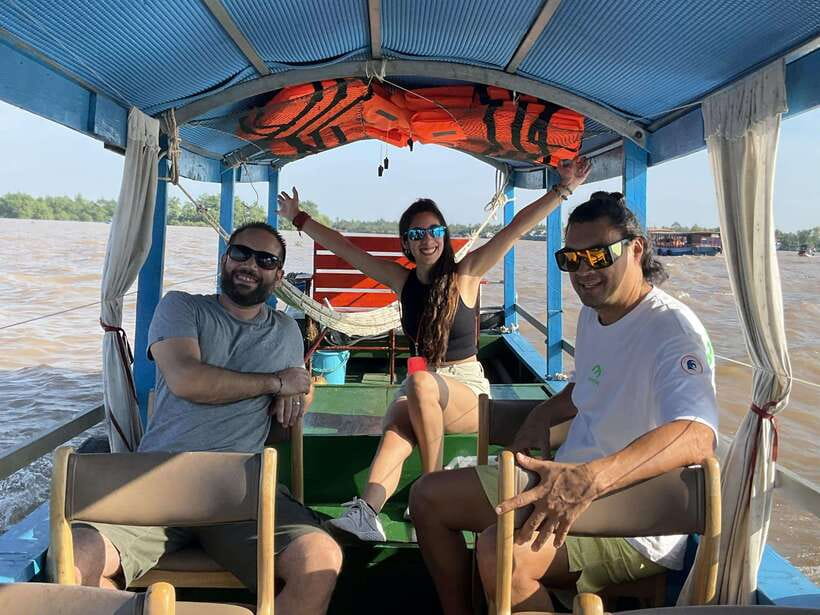
This tour is built to move. You’ll be doing multiple transfers and enough walking to make comfortable shoes non-negotiable. The boat days include both motorized and manual rowing, which can be physically gentle but still tiring.
What to bring (so you don’t suffer)
The basics matter in the Mekong heat:
- comfortable shoes
- hat
- sunscreen
- water
- insect repellent
- camera, if you want to capture pagodas and river scenes
Light physical activities are part of the experience, so plan for that. And because there are boat segments, the tour is not suitable for people prone to seasickness—take that seriously.
Pacing: efficient, but less wandering time
I like tours that respect time. This one is designed to stay on schedule, which helps you see a lot without losing the whole day. But it can also mean less time to soak in a moment. If you hate feeling rushed, consider whether you’ll be able to enjoy “watching and moving” instead of “stopping and lingering.”
Accessibility and health
The tour isn’t suitable for wheelchair users and isn’t recommended for people with back problems. That’s likely due to walking, transfers, and boats. If you fall into either category, you’ll want to pick a different style of tour with fewer steps and easier transfers.
Who This Tour Suits Best (and Who Should Skip It)
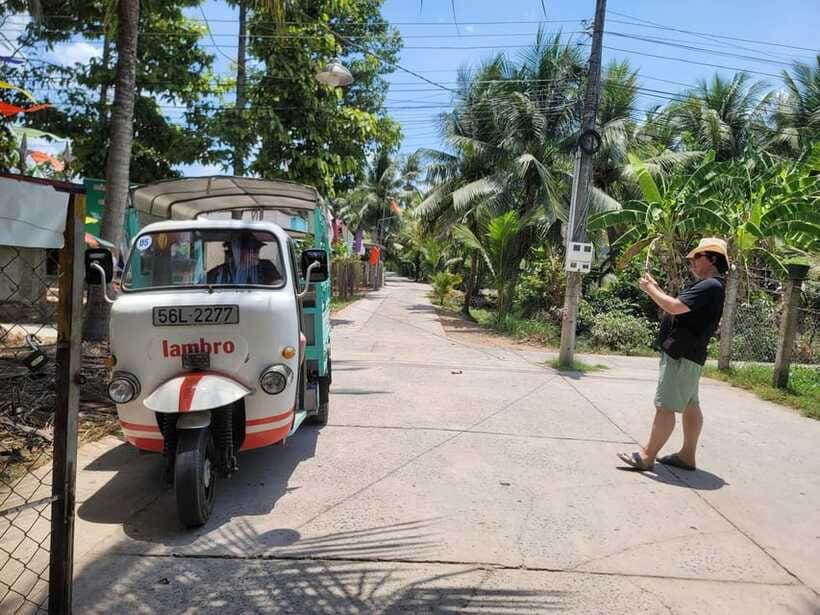
This Mekong Delta to Chau Doc route fits best if you:
- want a 3-day sampler of temples, markets, and mangrove nature
- like a guided plan that handles transport and meal timing
- care about getting to Tra Su Mangrove Forest and rowing through the canals
- don’t mind that some stops are organized for visitors
You might skip it if you:
- want maximum “local authenticity” with minimal tourist-facing stops
- hate crowded evening settings (especially around cruise-style dinners)
- are sensitive to sun, heat, or boat motion
- need accessibility support due to mobility limits
Should You Book This HCM City 3-Day Mekong Delta Tour to Chau Doc?
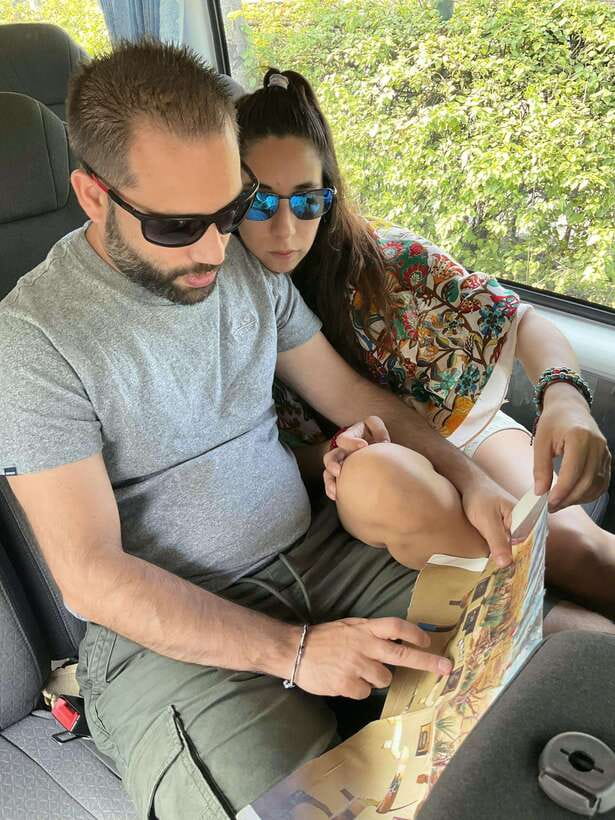
Yes, if your priority is efficient coverage plus real nature time. The Tra Su portion is the kind of experience that feels different from typical city sightseeing, and the pairing of floating market culture with hands-on noodle making gives the trip more texture than just looking at boats.
I’d think twice if your definition of the Mekong is mostly “unmanaged everyday life.” This itinerary is well organized, but a couple of stops (and at least one evening cruise dinner style) can feel more commercial than you want. If you book, go in knowing you’re trading a bit of loose authenticity for guaranteed access and convenience.
FAQ
What is the duration of the tour from Ho Chi Minh City?
The tour runs for 3 days. Starting times depend on availability.
How much does the Mekong Delta 3-Day Tour to Chau Doc cost?
The price is listed as $195 per person.
What are the main places you visit?
You’ll visit Vinh Trang Pagoda, the Lady Temple of Sam Mountain, Thoại Ngọc Hau’s Tomb, Tay An Temple, Tra Su Mangrove Forest, Cai Rang Floating Market, and Truc Lam Zen Monastery, along with other village and café stops.
Is there an English-speaking guide?
Yes. The tour includes an English-speaking tour guide.
What meals are included?
The tour includes 3 breakfasts, 3 lunches, and 2 dinners.
Do you include boat rides and rowing time?
Yes. You’ll take motorized boat rides plus a rowing boat experience in the mangrove area.
What kind of accommodation is included?
You stay for 2 nights in 3-star hotels, and you have dinner included on 2 evenings.
Is this tour suitable for wheelchair users or people with back problems?
No. It is not suitable for wheelchair users or people with back problems.
What should I bring for the tour?
Bring comfortable shoes, a hat, camera, sunscreen, water, and insect repellent.
Is cancellation free?
You can cancel up to 24 hours in advance for a full refund. There’s also a reserve now & pay later option.