REVIEW · HO CHI MINH CITY
Half Day Cu Chi tunnel Morning Daily
Book on Viator →Operated by LVP TRAVEL · Bookable on Viator
Underground, Vietnam turns physical. This half-day Cu Chi Tunnels trip gives you a structured look at the war-era underground network, from documentary-style context to practical inside-the-tunnels learning. I love the door-to-door hotel pickup and drop-off that keeps you from wrestling with transit, and I also love the food stop: tea and tapioca (often described as guerilla essentials) plus a quick rice paper workshop.
The biggest plus is the way the guide connects the physical tunnels to the real wartime purpose—kitchens, storage, field hospitals, and command spaces—so it feels like a system, not just a dark hole in the ground. The optional shooting add-on can be fun if you’re curious, but it’s an extra cost and not everyone will want to do it.
One consideration: this tour needs good weather, and the visit includes trap doors and dangerous traps in the tunnel maze, so keep that in mind if you’re easily rattled by active-sounding safety reminders.
In This Review
- Key Things I’d Call Out Before You Go
- Cu Chi Tunnels: What You’re Actually Seeing Underground
- Getting There From Ho Chi Minh City Without Stress
- First Film and the Tunnel Living Layout
- The Trap Doors, Traps, and Handmade Weapons Section
- Rice Paper Workshop and the Guerrilla Food Tasting
- The Optional Shooting Range Add-On (AK47, M16, M60, M30)
- The Second Tunnel Segment: More Network, More Connections
- Price and Value: Is $38.47 a Good Deal?
- What the Reviews’ Favorite Parts Suggest for You
- Practical Tips for Your Half-Day Cu Chi Trip
- Who Should Book This Tour (and Who Might Skip It)
- Should You Book This Morning Cu Chi Tunnels Tour?
- FAQ
- What time does the Cu Chi Tunnels morning tour start?
- How long is the Cu Chi Tunnels tour?
- Is hotel pickup and drop-off included?
- What food is included during the tour?
- Are entrance tickets included?
- Is lunch included?
- Is there an optional shooting activity?
Key Things I’d Call Out Before You Go
- Hotel pickup and drop-off in Saigon: you start at 8:00 am without planning transport.
- Documentary films before tunnel time: it sets the story before you walk inside.
- Tea and tapioca + rice paper workshop: food tasting makes the war-era routine tangible.
- Tunnel network scale: you’ll explore a section of about 125 miles (200 km) of passages.
- Optional AK47/M16/M60/M30 shooting: pay extra per bullet line if you want the range experience.
Cu Chi Tunnels: What You’re Actually Seeing Underground
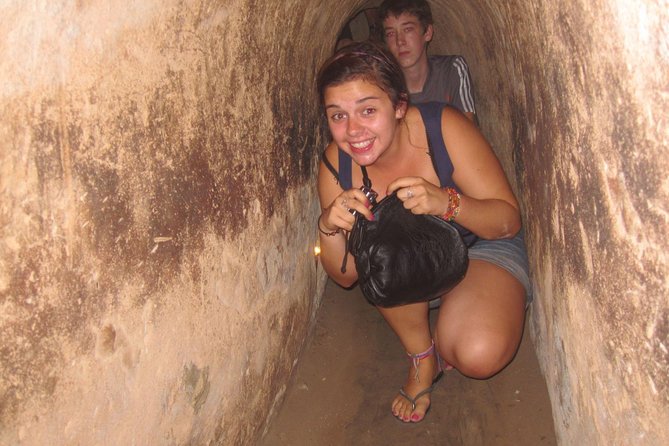
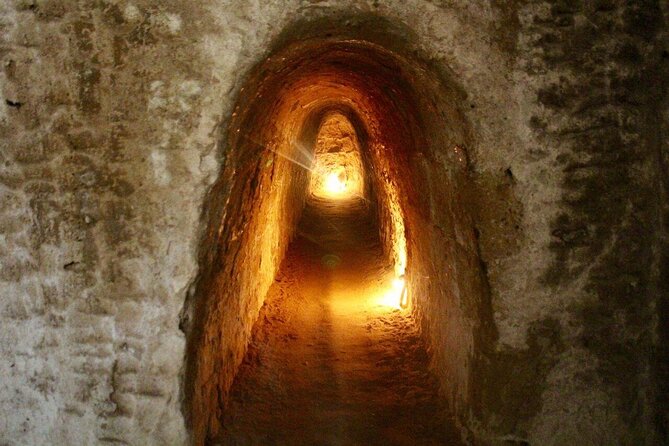
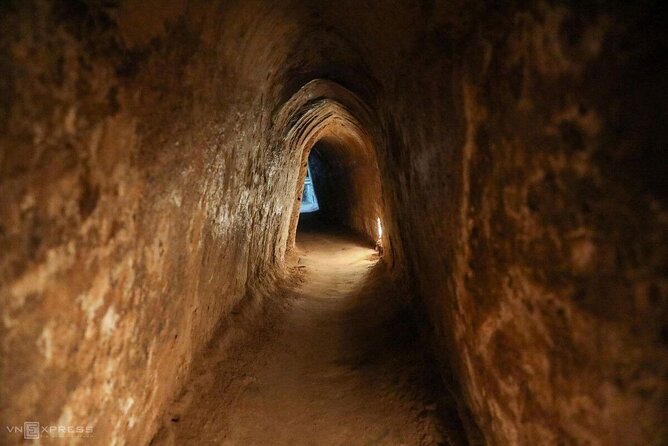
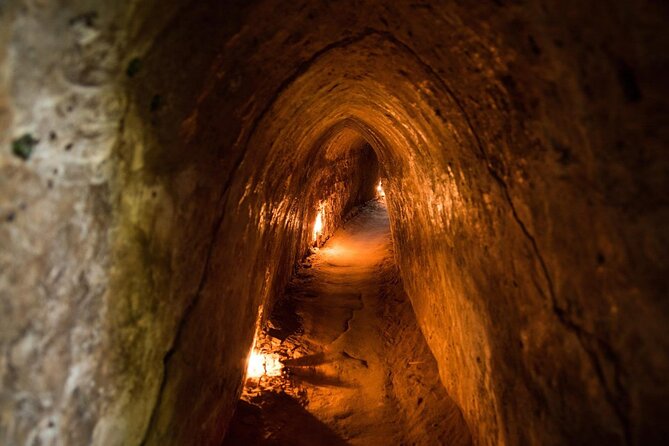
Cu Chi is one of those places where Vietnam War history stops being an idea and starts being physical. The tunnels were built as a combat network, and on this tour you get the guided version of what that meant in day-to-day survival: kitchens, sleeping spaces, weapons production, storage, and areas described as field hospitals and command centers.
You’ll watch a documentary film first, then move into constructed living areas. That order matters. Going in blind can turn Cu Chi into a confusing set of corridors. With the film and the guide’s explanations, you’re more likely to understand why doors are hidden, how movement is controlled, and why the tunnels feel like a whole living layout rather than a single passage.
The tunnel section you visit is only part of the wider network—about 125 miles (200 km) is the scope often cited—so the goal isn’t to see everything. It’s to grasp the logic of the system and how people adapted to staying alive underground while facing an enemy above.
You can also read our reviews of more tours and experiences in Ho Chi Minh City

Getting There From Ho Chi Minh City Without Stress
This is a pickup-first tour. You’re taken from your hotel in Ho Chi Minh City to Cu Chi, roughly 60 km away, which is about 1 to 1.5 hours depending on traffic. You start at 8:00 am, so you’re leaving before the city gets heavy and you’ll likely return with your afternoon open.
What I like about this format is simple: you don’t spend your limited time figuring out buses, ferries, or rideshares. For a short tour that’s only about 5 hours total, saving time on the commute is real value.
The group size is kept to a maximum of 30 travelers, which usually means you can still hear the guide during key moments and you won’t feel like you’re moving through a theme park crowd at every step. You’ll also receive a mobile ticket, which tends to be easier than hunting for paper confirmation.
First Film and the Tunnel Living Layout
When you arrive, you’ll get a documentary film. It’s short, but it’s doing heavy lifting: it frames the tunnels as a wartime machine—how the underground spaces supported people and operations even when the fighting got intense.
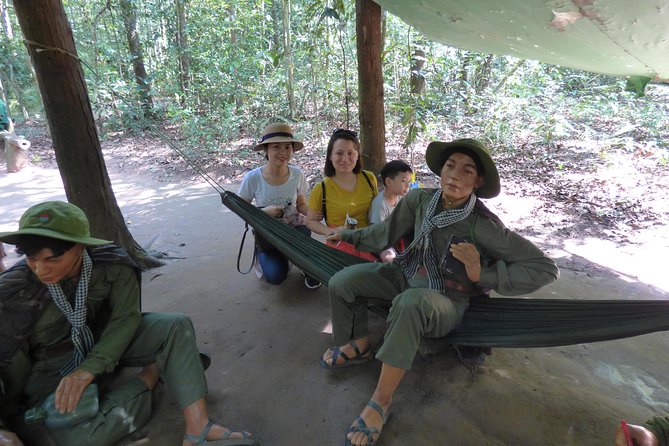
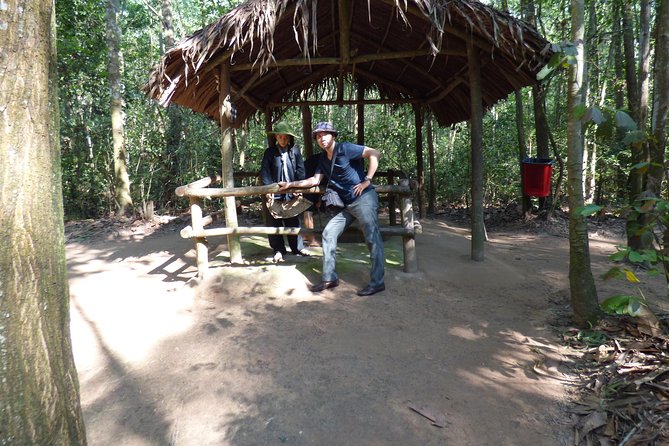
Then you move through special constructed living areas. This is where the tour’s approach shines. You’re not just told names and dates; you’re shown practical spaces: kitchens, bedrooms or storage areas, weapons factories, and command spaces. You’ll also see references to field hospitals, which helps connect the tunnels to the full range of survival needs, not only hiding and moving.
If you’re a person who likes war history to make sense on the ground, this is a smart design. The tunnels can easily feel like set pieces if you don’t have context, but the guide’s explanations aim to connect each “room” to what it solved.
The Trap Doors, Traps, and Handmade Weapons Section

Cu Chi is famous for its danger-by-design. You’ll learn about trap doors and the kind of traps built into the maze, including descriptions of handmade weapons and how they were used. The tour doesn’t treat this as a stunt. The tone is instructional—what the traps were meant to do and why building them was part of the underground survival strategy.
It’s one of the most intense parts of the experience, and it’s also why closed shoes and attention matter. You’re walking through an active-feeling interpretation of a dangerous system. Even if you’re not an adrenaline seeker, it’s worth paying attention here, because this is where the tunnels stop being “history” and start being engineering.
There’s also a lot of “how did they even do that?” energy in this area. The guide helps you connect what you’re seeing with the constraints of the time—materials, concealment, and the need to protect people while still moving through the network.
Rice Paper Workshop and the Guerrilla Food Tasting
One of my favorite parts of the tour is that it doesn’t only show violence. You get a food component: tea and tapioca are served, and the tasting is directly tied to what freedom fighters ate in the tunnels. It’s the kind of simple ration that makes the story feel more human—less Hollywood, more daily survival.
You’ll also visit a rice paper workshop. That’s an extra cultural layer, and it gives you something to focus on that isn’t just dark corridors and alarms. Even if you don’t know much about Vietnamese food traditions going in, it’s an easy, low-stress way to balance the heaviness of the tunnel content.
Why this matters for value: when a tour includes even a small food tasting and a workshop stop, your experience doesn’t end at “I saw the site.” You leave with a flavor memory. Tea and tapioca are also straightforward, so you’re not dealing with a complicated meal schedule while you’re on a half-day trip.



The Optional Shooting Range Add-On (AK47, M16, M60, M30)
There’s an optional activity that lets you try shooting guns like the AK47, M16, M60, and M30. The surcharge is listed as $2 per bullet line, and each line includes 10 bullets.
A few practical notes so you can decide fast:
- Treat it as a paid add-on, not part of the base tour.
- If you want to do it, budget extra before you go.
- If you’d rather keep the day focused on history and the tunnels, you can skip it without losing the core experience.
Even when the shooting option sounds tempting, I think it’s smart to weigh your priorities. On this tour, the main attraction is the underground network and the stories attached to it. The range can be a fun extra, but it can also shift the emotional tone of your day.
The Second Tunnel Segment: More Network, More Connections
After the initial film and first set of tunnel sights, you’ll continue with an overview and the guided walk through another section. You’ll hear a broader introduction, plus explanations of how the tunnels supported operations, from storage to kitchens to weapons production.
This second segment is where a lot of visitors start feeling the pattern. Once you’ve seen a few constructed spaces and trap elements, the maze starts to make more sense. The guide keeps connecting the dots—why certain features exist and how the underground layout helped people handle constant pressure.
Also, the drive includes a scenic portion heading northwest. The route is part of the pacing. You go from urban Saigon energy into a more rural direction, and that shift makes the arrival feel like a real travel moment, not just a quick bus ride.
Price and Value: Is $38.47 a Good Deal?
At $38.47 per person, this tour is priced as a straightforward, short-format cultural history outing. For that cost, you’re getting several things that normally cost extra if you book them separately: hotel pickup and drop-off, a professional guide, and admission ticket inclusion.
You’re also getting:
- Bottled water
- Food tasting
- Coffee and/or tea
- Driver/guide support
And you’ll do a film + guided tunnel exploration, plus a rice paper workshop stop.
What’s not included is important: lunch and drinks aren’t included. That’s fine for a half-day trip, but it means you should plan to eat after you return to the city. If you’re the type who gets hungry fast, consider having a light breakfast before the 8:00 am start so you’re not waiting until later.
To me, the value lands best if you want structure. If you’d rather wander independently, you might spend less on transport. But if you want the story connected to what you’re seeing, the paid guide time and the included admission are what justify the price.
What the Reviews’ Favorite Parts Suggest for You
The strongest feedback patterns around this tour point to two things: the guide experience and the clarity of explanations. Guides connected to the trip often get praised for being humble and passionate, and for making sure you understand what you’re looking at rather than just moving you through the site.
Specific guide names show up in the feedback as Danny (listed as Dan Tran / Danny) and also mentions of coordination from Jenny with the LVP Travel team. If you care a lot about the person explaining the history, this is a good sign. You’re not just paying for a bus ticket—you’re paying for someone to translate a confusing maze into an understandable wartime system.
Practical Tips for Your Half-Day Cu Chi Trip
A few simple things will make the day smoother:
- Wear comfortable, closed-toe shoes. The tour includes tunnel exploration and guided movement through uneven areas.
- Bring a layer if you get cold easily. Underground sections can feel cooler than the surface.
- If you think you might do the shooting option, decide ahead of time so you’re not stuck deciding on the spot with limited time.
- Drink water when offered. Bottled water is included, so use it.
Also, the tour is weather-dependent. If conditions aren’t good, you’ll be offered a different date or a full refund. That means having a flexible plan for the afternoon back in Ho Chi Minh City is a smart move.
Who Should Book This Tour (and Who Might Skip It)
This is a good fit if you:
- Like war history that’s explained in practical terms.
- Want a half-day format that gives you Cu Chi time plus an afternoon back in the city.
- Prefer door-to-door convenience rather than figuring out transport on your own.
It might not be the best fit if you:
- Get unsettled by stories that focus on traps and dangerous elements.
- Don’t want any paid add-ons like the shooting option and prefer purely passive sightseeing.
For most people, though, the structure makes the experience accessible. You’ll have a guide, included admission, and a clear sequence: documentary context, constructed living spaces, trap-and-engineering learning, and a short food and workshop stop.
Should You Book This Morning Cu Chi Tunnels Tour?
If you want Cu Chi to make sense quickly—and you want the smoothest logistics possible from Ho Chi Minh City—this is a solid choice. The included admission, hotel pickup/drop-off, food tasting, and guide-led tunnel exploration add up to good value for a half-day format.
I’d book it if you’re excited by the idea of seeing a war-era underground network and having a guide connect the rooms and trap elements into a coherent story. Skip it or be cautious if you strongly dislike anything connected to dangerous traps, or if you know you need very flexible scheduling since the experience depends on good weather.
Either way, plan to come with curiosity and patience. Cu Chi rewards attention, not speed.
FAQ
What time does the Cu Chi Tunnels morning tour start?
The tour starts at 8:00 am.
How long is the Cu Chi Tunnels tour?
It runs for about 5 hours.
Is hotel pickup and drop-off included?
Yes. Hotel pickup and drop-off are included.
What food is included during the tour?
You’ll have a food tasting that includes tea and tapioca, and you’ll also visit a rice paper workshop. Coffee and/or tea is included.
Are entrance tickets included?
Yes. Admission tickets are included.
Is lunch included?
No. Lunch is not included, and drinks are also not included.
Is there an optional shooting activity?
Yes. There is an optional shooting experience with a surcharge of $2 per bullet line, and each line includes 10 bullets.