REVIEW · HO CHI MINH CITY
Farm-To-Table Healthy Cooking Class: Half-Day Tour
Book on GetYourGuide →Operated by Westen Asian Travel Service Company · Bookable on GetYourGuide
A cooking class that starts in the garden. I love the hands-on picking part, where you act like a real Vietnamese farmer and choose what ends up on your plate. I also love the medicine-garden angle, with a pharmacist and chef explaining how plants are used in both cooking and traditional remedies, including tradeoffs. One thing to consider: you’re in a rural setting for much of the morning/afternoon, so if you dislike walking around outside, the class may feel more active than you expect.
You’ll get a proper Vietnamese cooking lesson, not just a demo. Guides such as Linh and Alice make the day feel relaxed and funny while still teaching you how to cook with confidence, even when you’re back home.
In This Review
- Key takeaways before you go
- Farm-to-Table in Ho Chi Minh City: The Real Six-Hour Rhythm
- Organic Gardens and the Vietnamese Medicine Garden: Herbs With Real Uses
- Mushroom House Walkthrough: Learning Varieties Before You Cook Them
- Rice Cultivation and Farm Life: How This Food Gets Its Start
- Become a Vietnamese Farmer: Picking the Vegetables You’ll Cook
- The Cooking Portion: Traditional Healthy Vietnamese Dishes, Taught Step-by-Step
- What you’ll make and why it feels “healthy”
- Lunch and the Food Moment: Eating What You Cook With Others
- Price and Value at $70: What You Get for a Half-Day
- Who Should Book This Class (And Who Might Not Love It)
- Dietary Needs, Allergies, and What to Tell Your Guide
- What to Bring (So You’re Comfortable During the Picking and Cooking)
- Should You Book This Farm-To-Table Healthy Cooking Class?
- FAQ
- How long is the farm-to-table healthy cooking class?
- Are there morning and afternoon classes?
- Is lunch included?
- Do I get picked up from my hotel in Ho Chi Minh City?
- Will I have a guide in English?
- Is the experience wheelchair accessible?
- What should I bring with me?
- Are pets allowed?
- What if I have allergies or special dietary needs?
- Can I cancel and get a full refund?
Key takeaways before you go
- Harvest your own ingredients from the organic garden before you cook
- Learn plant uses and cautions from a medicine garden with a pharmacist and chef
- See a mushroom house and learn about different mushroom varieties
- Cook a traditional healthy Vietnamese meal using unusual local ingredients
- Leave with recipes, a certificate, and souvenirs you can actually use
Farm-to-Table in Ho Chi Minh City: The Real Six-Hour Rhythm
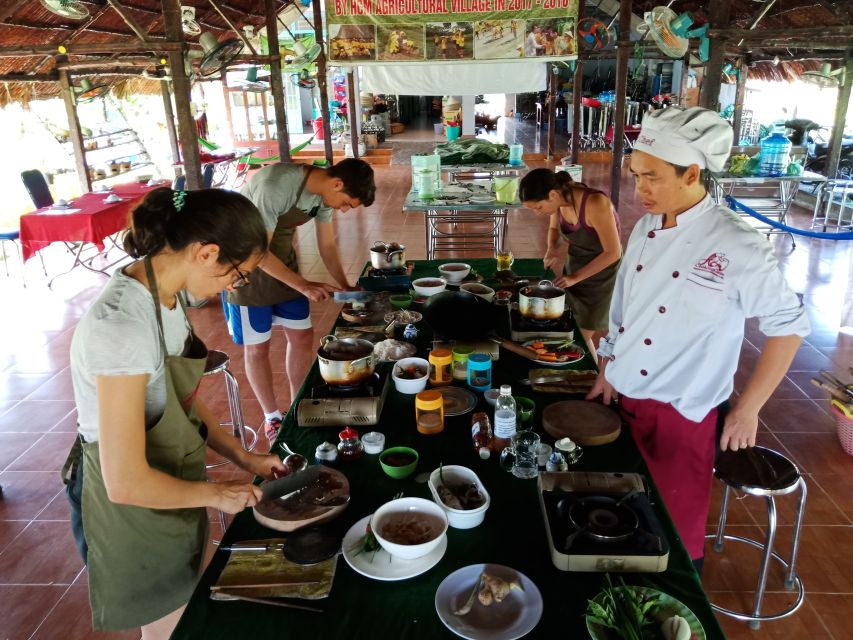
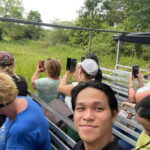
This half-day class is built for people who want food culture you can touch. You start in Ho Chi Minh City, then ride out to the farm area (it’s roughly 1 to 1.5 hours each way depending on traffic). The total time on the experience is about 6 hours, so you’re not doing a full-day trek, but you also get a real countryside block of time.
Pickup is part of the deal: you’ll be collected from your hotel in Ho Chi Minh City or the airport by a fancy car or bus. That matters because you spend less time organizing transport and more time learning. Once you arrive, the day moves in a clear line: see the plants, pick what you’ll use, cook, then sit down to eat your work with your group.
The class runs in either the morning or afternoon. Starting times vary, so check availability when you book. The class also works for different mobility needs since it’s listed as wheelchair accessible, and there’s a local Vietnamese/English live guide on hand.
You can also read our reviews of more cooking classes in Ho Chi Minh City

Organic Gardens and the Vietnamese Medicine Garden: Herbs With Real Uses
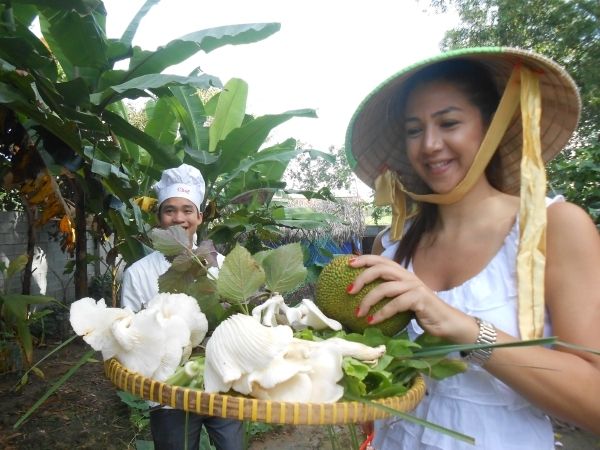
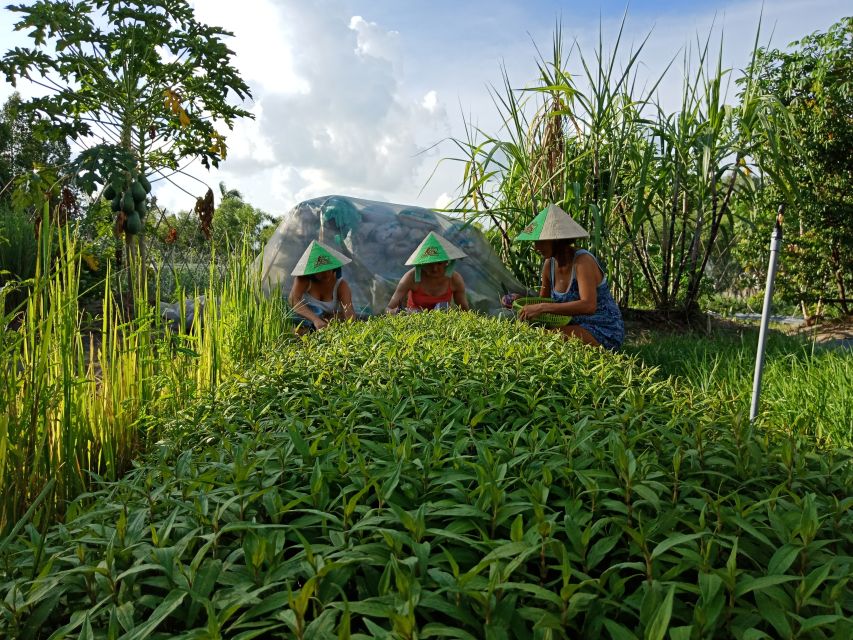
The star of the first half is the medicine garden. This is not just pretty greenery. You learn how Vietnamese herbs and plants are used, including the benefits and disadvantages that come with certain ingredients. You get this through the perspective of both a pharmacist and chef, which is a clever pairing: one side explains plant uses in a traditional medicine context, and the other connects those ideas to everyday cooking.
Expect to hear practical explanations about herbs, spices, and vegetables you’ll later recognize in your cooking station. This is also where the class turns from “I’m watching someone cook” into “I understand why this tastes the way it does.”
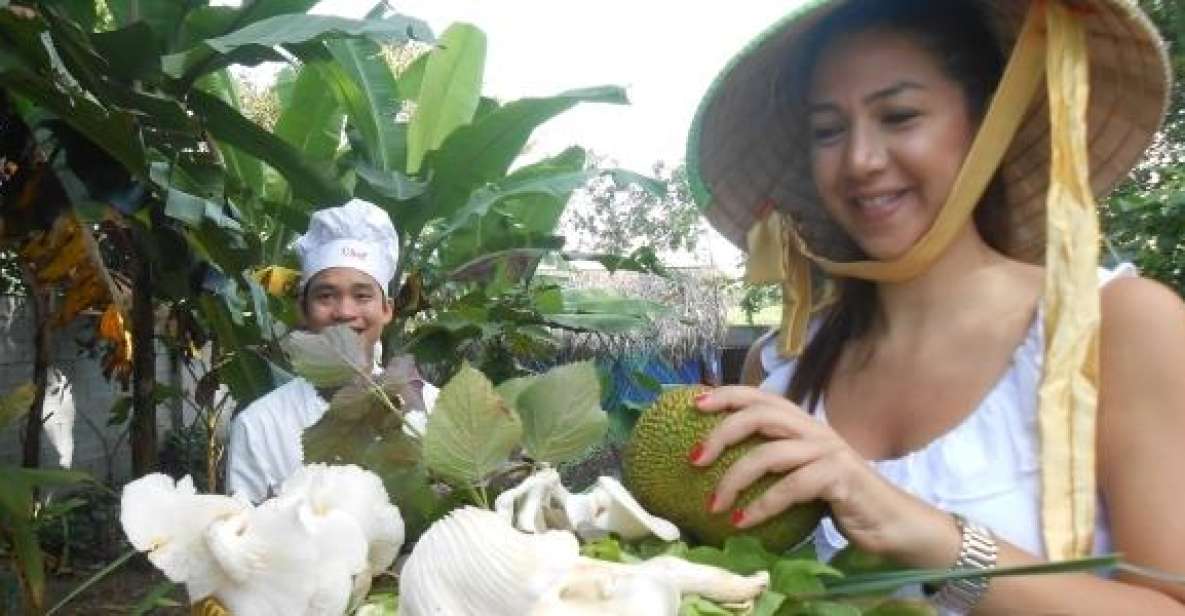
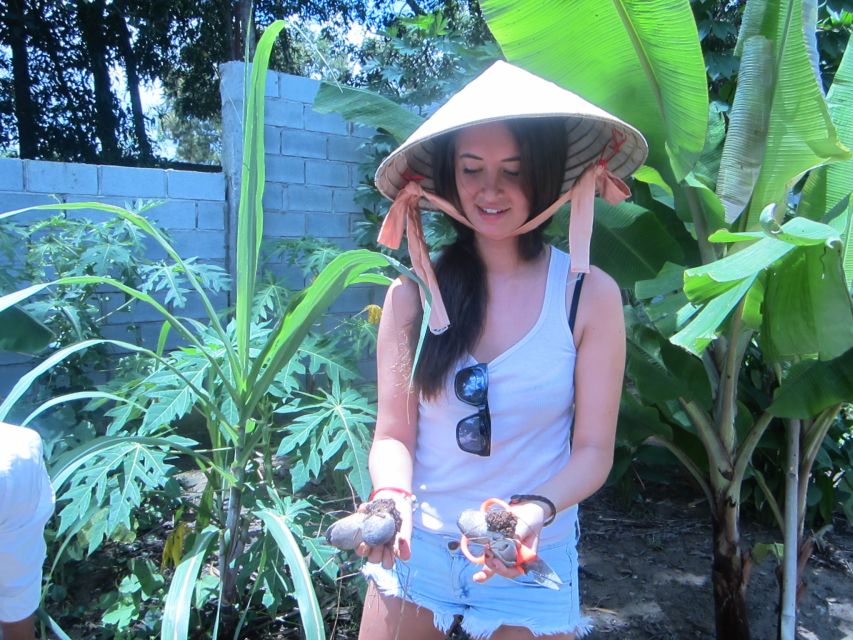
You’ll also run into some ingredients that surprise many visitors. The class specifically highlights unusual picks like morning glory, jack fruit, and banana flowers. Even if you’ve seen these on a menu, cooking with them gives you the texture and flavor logic behind Vietnamese healthy cooking.
Mushroom House Walkthrough: Learning Varieties Before You Cook Them
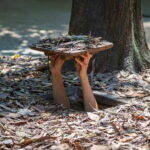
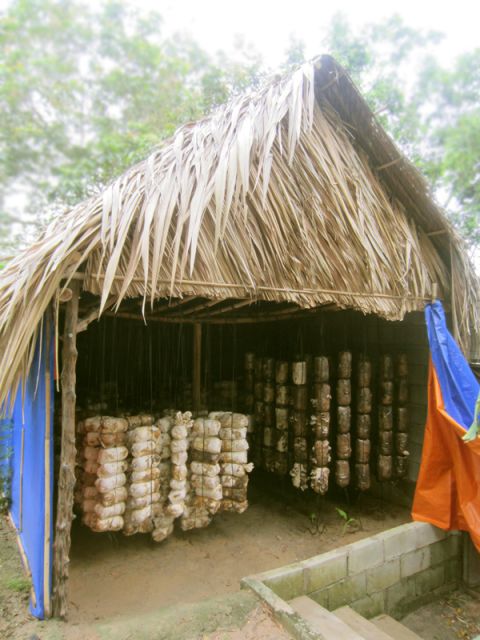
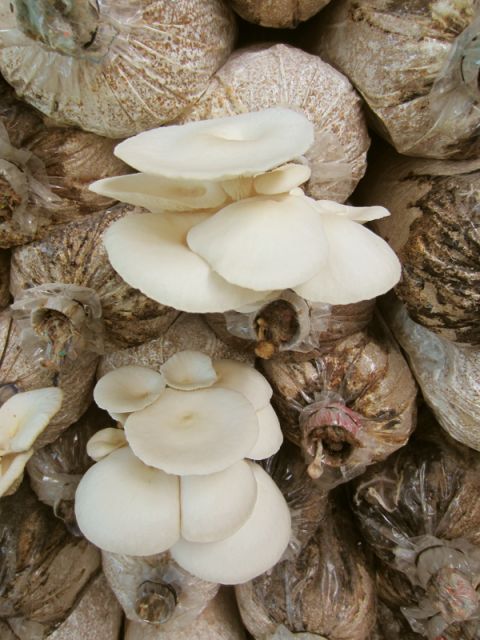
After you get comfortable with the garden’s herbs and vegetables, you move to the mushroom house. The point here is simple: you learn that mushrooms aren’t one thing. Different varieties behave differently, and the class helps you make sense of those differences before the pan hits the heat.
You also get to connect the mushrooms to the rest of the farm ecosystem, rather than treating them as random supermarket items. This makes the whole “farm-to-table” theme feel more honest. You’re seeing the food come from a growing system, not just collecting ingredients from a basket.
Rice Cultivation and Farm Life: How This Food Gets Its Start
You’ll also hear about how rice is cultivated. Even if rice feels like background food in Vietnam, this part adds context to why grains and plant-based ingredients matter in Vietnamese everyday cooking.
It’s the kind of lesson that sticks because it ties food to labor and land use. And it keeps the day from becoming only an herb-tasting tour. You get multiple angles on agriculture: mushrooms, vegetables, and rice.
One of the best parts of farm experiences is when the day stops being theoretical. Here, you move from “information” to action as soon as you start selecting ingredients for your dishes.
Become a Vietnamese Farmer: Picking the Vegetables You’ll Cook
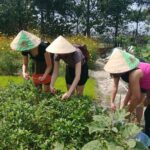
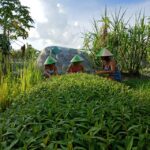
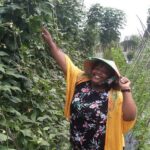
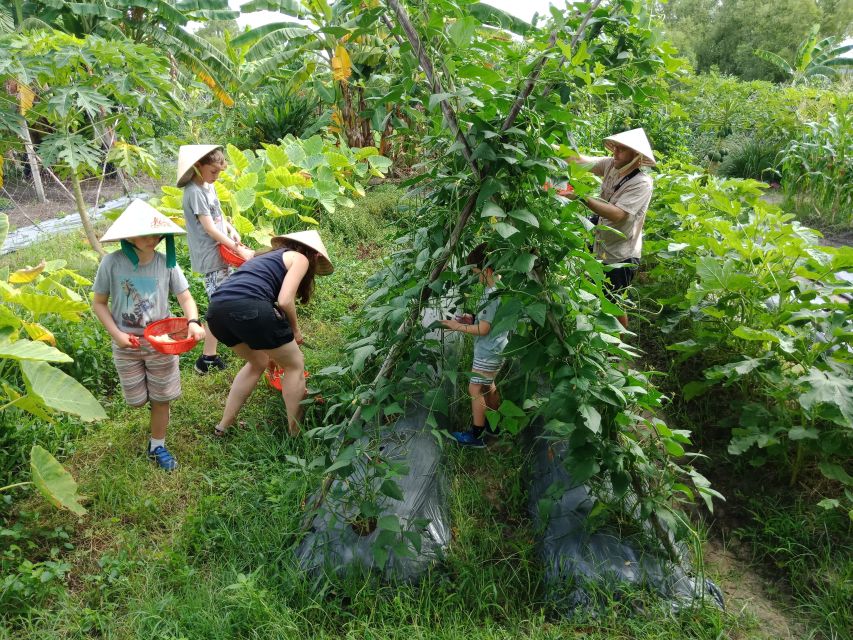
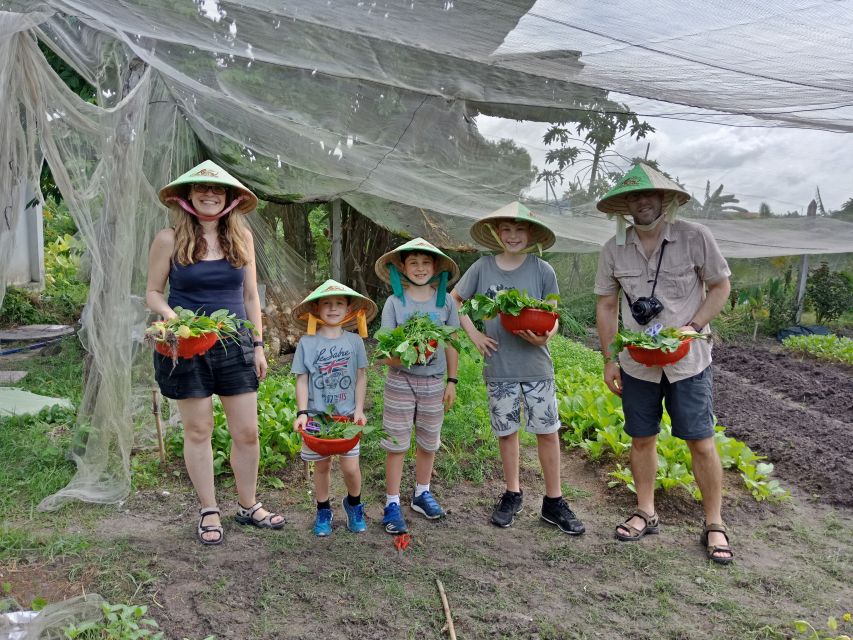
This is one of the most praised parts of the experience: you pick and select vegetables directly from the garden. Instead of being handed ingredients, you’re guided to identify what’s available and choose what you’ll cook.
When you pick your own greens and herbs, you learn faster. You also cook with more confidence because you know what you chose and why. Plus, it’s just fun. You’re outdoors, you’re looking closely, and you’re getting real practice spotting ingredients that are common in Vietnamese kitchens.
Friendly chefs then help you prep. That’s important. “Hands-on” doesn’t mean “totally on your own.” You’ll get clear instruction as you move from harvesting to washing, cutting, and cooking.
You can also read our reviews of more tours and experiences in Ho Chi Minh City


The Cooking Portion: Traditional Healthy Vietnamese Dishes, Taught Step-by-Step
Once your ingredients are chosen, you cook a traditional healthy Vietnamese meal. The instruction is designed to be approachable, whether you’re new to Vietnamese food or you cook at home already.
A key theme is learning the philosophy, not just memorizing a list of recipes. You’ll get taught a way of thinking about herbs, balance, and cooking choices, so you can recreate the flavors later using ingredients you can find at home.
You’ll likely cook several dishes as part of the class format (one guide-led experience is described as teaching cooking for four dishes). In small groups, it also helps that multiple people can be working on similar but distinct steps at the same time, so you’re not stuck watching the whole day.
Guides like Linh and Alice are highlighted for their teaching style: friendly, clear, and often humorous, with an emphasis on turning what you learn into repeatable skills.
What you’ll make and why it feels “healthy”
This class emphasizes healthy Vietnamese cooking through herb-forward flavors and farm-fresh ingredients. Because you cook with vegetables and herbs you picked yourself, you tend to pay attention to texture and freshness. That naturally steers you away from heavy, overly processed flavors.
Lunch and the Food Moment: Eating What You Cook With Others
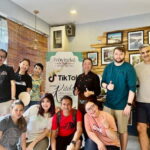
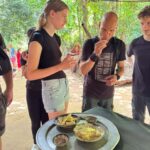
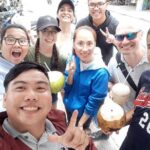
After cooking, you sit down and enjoy lunch as part of the experience. Lunch is included, along with iced tea. You eat among new foodie friends and classmates, which is a big part of the appeal: you’re not just fed, you also get a shared sense of accomplishment.
This meal is one reason the price feels reasonable. Cooking classes that charge similar amounts often include only a small tasting or a brief snack. Here, you end up eating a full lunch that’s tied to the work you did earlier in the garden.
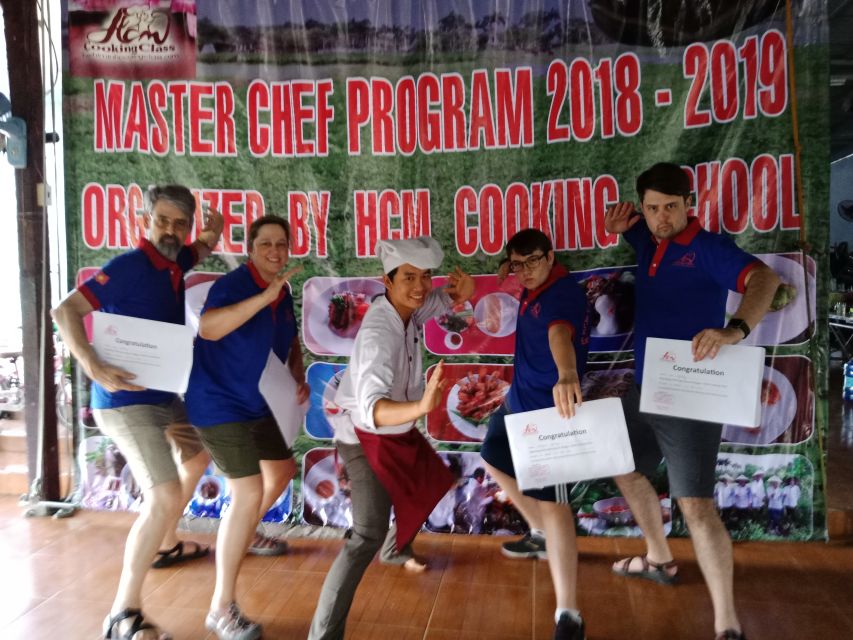
You’ll also get a certificate, plus recipes and souvenirs from the HCM cooking class. It’s a nice touch if you like keeping a travel souvenir that isn’t just a magnet.
Price and Value at $70: What You Get for a Half-Day
At $70 per person for about 6 hours, you’re paying for more than “someone teaches cooking.” You’re paying for:
- Pickup and transportation from your hotel (or airport)
- A local live guide in Vietnamese and English
- Access to the organic garden, medicine garden, and mushroom house
- A cooking lesson tied to ingredients you harvest
- Lunch and iced tea
- A structured experience that ends with recipes and a certificate
If you only wanted to learn a handful of recipes, you could probably find something cheaper online. The value here is the farm-to-table workflow plus the added plant-learning component. You come away with both food skills and context for Vietnamese herb culture, including why some plants are used and when they might not be a good idea.
It’s also practical that the class duration is a true half-day. You can fit this into a Ho Chi Minh City itinerary without losing an entire travel day.
Who Should Book This Class (And Who Might Not Love It)
This is a great fit if you want:
- A hands-on food experience in Ho Chi Minh City
- Real exposure to Vietnamese herbs beyond what you see on menus
- A cooking lesson that helps you later at home, not just during the tour
- A day outdoors with agriculture-focused teaching
It may be less ideal if you prefer strictly indoor activities, since most of the value comes from garden time, picking, and learning in the farm setting.
Also keep in mind that pets are not allowed, and you should be ready for the countryside drive as part of the schedule.
Dietary Needs, Allergies, and What to Tell Your Guide
If you have dietary requirements or allergies, you should advise the organizer before you go. The class instructions specifically ask you to share special dietary needs or allergies in advance, so the team can guide you safely and responsibly.
This matters especially in a herb-and-plant learning experience, because traditional ingredients and medicinal garden herbs can overlap with dietary sensitivities. Plan ahead and you’ll get the best experience.
What to Bring (So You’re Comfortable During the Picking and Cooking)
The basics are clearly listed:
- Comfortable shoes
- Sunglasses
- Camera
That’s it. The garden/picking part is where comfort helps most. Wear shoes you don’t mind getting a little dusty, and bring sunglasses for sun glare.
Should You Book This Farm-To-Table Healthy Cooking Class?
I think this is worth booking if you want a half-day activity that feels authentic and teaches more than recipes. The combination of harvesting, the medicine garden education, and cooking traditional healthy Vietnamese dishes gives you a fuller understanding of Vietnamese flavors than a typical class.
Book it sooner rather than later if your schedule is tight, since starting times depend on availability. If you’re the kind of traveler who likes to learn by doing, this class fits your style.
If you want, tell me your travel dates (and morning or afternoon preference) and I can suggest the best way to slot this into a Ho Chi Minh City food day.
FAQ
How long is the farm-to-table healthy cooking class?
The class lasts about 6 hours.
Are there morning and afternoon classes?
Yes. The cooking class is offered in either the morning or the afternoon, depending on availability.
Is lunch included?
Yes. Lunch is included, along with iced tea.
Do I get picked up from my hotel in Ho Chi Minh City?
Yes. Pickup is included from hotels in Ho Chi Minh City or from the airport.
Will I have a guide in English?
Yes. There is a live tour guide in Vietnamese and English.
Is the experience wheelchair accessible?
Yes, it is listed as wheelchair accessible.
What should I bring with me?
Bring comfortable shoes, sunglasses, and a camera.
Are pets allowed?
No. Pets are not allowed.
What if I have allergies or special dietary needs?
You should advise the organizer in advance about dietary requirements or allergies.
Can I cancel and get a full refund?
Yes. Free cancellation is available up to 24 hours in advance for a full refund.