REVIEW · HO CHI MINH CITY
Exploring organic farm & Vietnamese Culinary with Master chef
Book on Viator →Operated by Chef Tan Cooking Class · Bookable on Viator
Pick vegetables, then cook Vietnamese food.
This Ho Chi Minh City tour pairs organic farm harvesting with a hands-on Vietnamese cooking lesson built on Yin-Yang balance, so you understand what you’re eating as you make it. You start early, go out to the farm, and turn that morning work into lunch you actually cook and eat.
Two things I like a lot are the step-by-step teaching style of the chefs (Chef Alice is often named as the instructor) and the fact that you make cashew nut candy using rice paper you prepare yourself. It feels like learning, not just watching. A small caution: the day is active and runs about 8 hours, so bring shoes you don’t mind getting a bit farm-dust on.
In This Review
- Key highlights at a glance
- Why this Ho Chi Minh City organic farm day feels different
- The morning plan: pickup timing and how to prep
- Organic farm time: picking ingredients the hard (and fun) way
- Yin-Yang Vietnamese cooking: balance you can actually use
- Rice paper processing: where the day gets hands-on again
- Cashew nut production and cashew candy you pack to take home
- What you eat and what’s included (and why it’s fair)
- Price and value: is $110 a bargain or a splurge?
- Who should book this tour (and who might skip it)
- Should you book Chef Tan’s organic farm & Vietnamese cooking class?
- FAQ
- What time does the tour start in Ho Chi Minh City?
- How long is the experience?
- How many people are in a group?
- What meals are included?
- Do I get to cook the food I eat?
- What souvenirs will I take home?
- Are certificate and recipes included?
- What transportation is included?
- What’s the cancellation window?
Key highlights at a glance
- Hands-on organic harvesting: pick vegetables and mushrooms for your meal
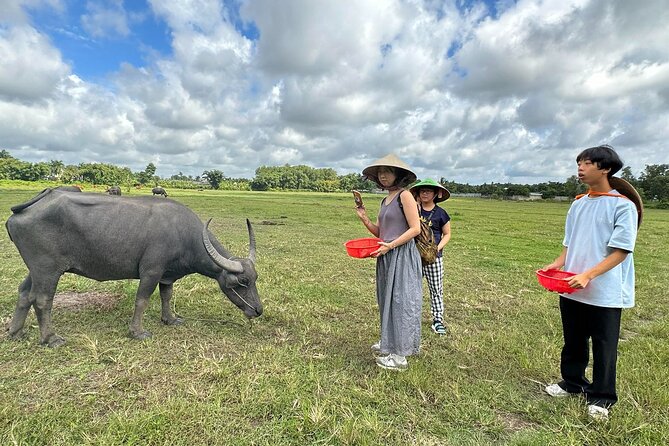
- Animals and farm cycles: you’ll see how the team cares for cows, buffalo, fish, and prawns
- Yin-Yang cooking approach: learn how to balance food for health and flavor
- Rice paper making: you process it as part of the class workflow
- Cashew nut candy souvenirs: make, package, and take them home
- Small groups (max 15): more time with the guide and chef while you work
Why this Ho Chi Minh City organic farm day feels different
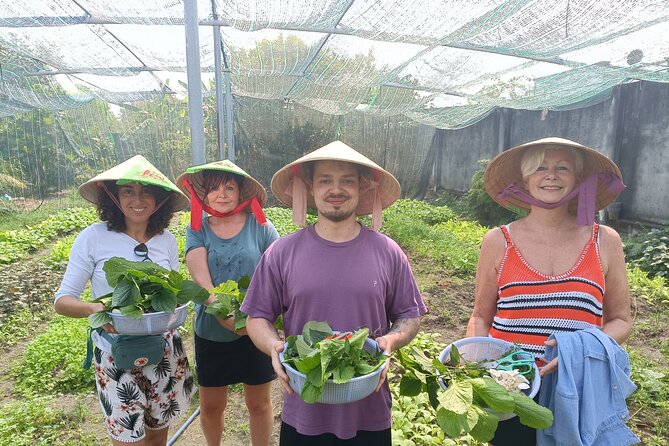
Most cooking classes in big cities teach recipes. This one adds the ingredient story first, on a working organic farm just outside Ho Chi Minh City. You pick food straight from the plants, then cook it into a full meal, so the lesson sticks.
The second reason it’s special is the teaching framework. The class uses Yin-Yang techniques to explain balance in food, not just taste. That matters because you leave knowing why certain ingredients are used and how to think about harmony when you cook at home.
Finally, you get a practical souvenir set. You’ll learn cashew nut processing and make cashew nut candy with rice paper you make during the day. It’s the kind of gift that looks handmade because it is.
You can also read our reviews of more tours and experiences in Ho Chi Minh City
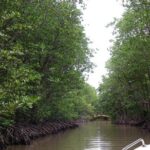
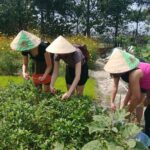

The morning plan: pickup timing and how to prep
The day starts with pickup at 7:30am from your hotel. You arrive at the HCM Organic farm around 8:45am, which gives enough time for a proper farm walk before you start cooking.
You should plan for an early start and a full schedule. The trip wraps up around 3:30pm, back at your hotel, after lunch and the extra brunch/snack items are handled. If you’re the type who likes slow mornings, this won’t match that mood.
What I’d do before you go:
- Wear closed-toe shoes you’re okay with near soil and farm floors
- Bring a light layer (mornings can feel cooler, then warm up fast)
- Use sun protection since you’ll be outside during harvesting
Organic farm time: picking ingredients the hard (and fun) way
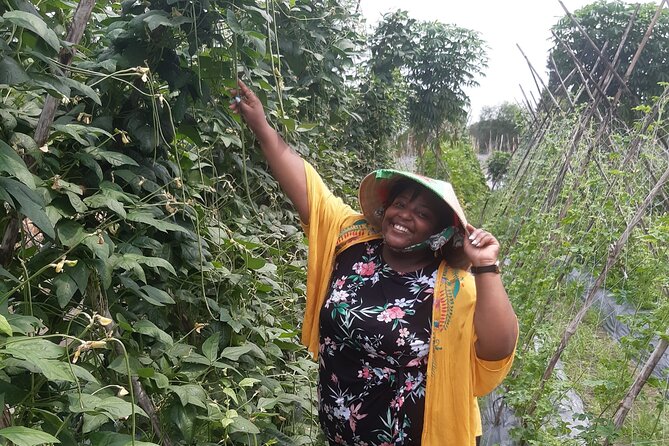
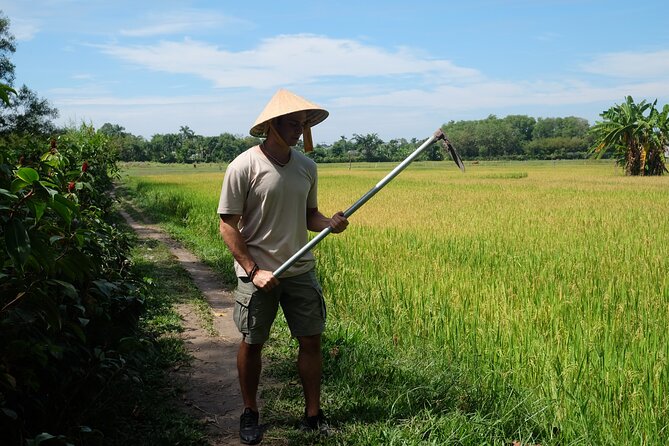
The farm portion is built around the idea that you should touch the ingredients before cooking them. You’ll visit the organic areas, learn how plants are grown and what benefits different herbs and vegetables provide, and then collect produce for your meal. This is the part that turns a cooking class into a real farm experience.
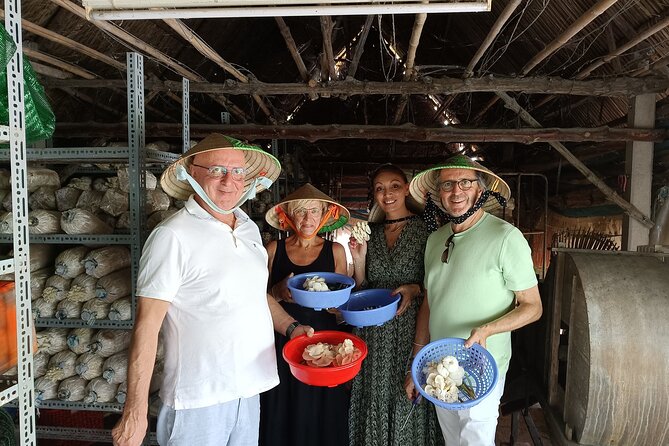
Expect to gather things like vegetables and mushrooms for cooking. You’ll also learn how the farm cares for animals such as cows, buffalo, fish, and prawns, and how those processes connect back to food and daily life. Even if you’re not a farming person, it helps you understand that food systems are connected, not random.
A subtle payoff: you stop thinking of ingredients as items on a menu. Instead, you notice texture, aroma, and how cooking changes what you picked. That makes the cooking steps feel more logical.
Yin-Yang Vietnamese cooking: balance you can actually use
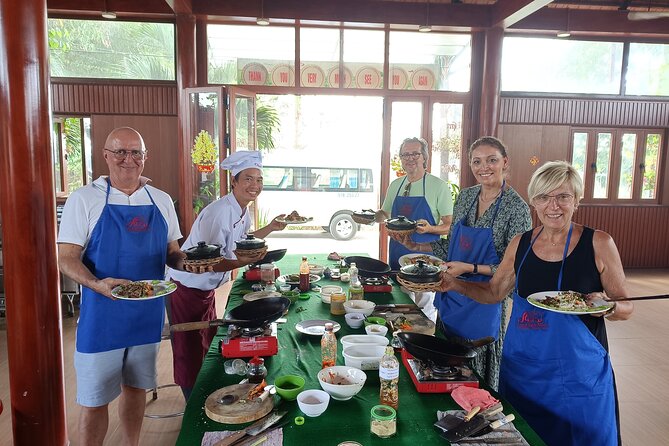
After harvesting, the class shifts to cooking with guidance from the chefs and local instructors. The cooking method is described as using Yin-Yang techniques, designed to help you create food that’s healthy and delicious through balance, not only through checking flavor.
In practice, that means you’re not just memorizing a list of dishes. You’re learning a way to combine ingredients so the meal feels coherent. You’ll make multiple dishes, and the teaching is structured so you can follow along with your own hands—not just watch others.
One detail worth noting is how much hands-on time you get. The class emphasizes you cook by your labor and then eat the result. If you enjoy step-by-step instruction, this format is likely to feel satisfying instead of confusing.
You’ll also pick up more than flavors. The instruction style is described as easy to understand and practical, which is exactly what you want when you’re cooking in a new style.
Rice paper processing: where the day gets hands-on again
Rice paper shows up as a core skill in the workflow. You’ll learn the process to make rice paper, which is the bridge between the savory farm cooking and the sweet souvenir-making later.
This part matters because rice paper is easy to underestimate. When you help process it, you start understanding how thin sheets behave, how ingredients affect texture, and why the timing and handling matter.
Even if you don’t plan to reproduce rice paper at home immediately, the skill changes how you appreciate Vietnamese street and home cooking. You’ll see rice paper as a technique, not just a store-bought wrapper.


Cashew nut production and cashew candy you pack to take home
Cashew is a big deal in Vietnam, and this class makes it physical. You’ll learn cashew nut processing, then move into making cashew nut candy using rice paper that you made earlier.
You’re not just taking candy home. You’re packaging your own cashew nut production as a souvenir. That’s a big part of the value because the story matches the product: you made it, you can explain it, and it’s the kind of gift people actually remember.
This is also where the day feels fun in a different way. Cooking meals is one kind of joy, but making a snack candy with a process you learned during the same morning has a different energy. It’s also very “shareable” because it travels well and doesn’t require refrigeration based on what’s included (the class provides the packaging and souvenir items).
What you eat and what’s included (and why it’s fair)
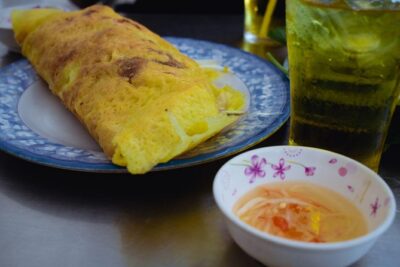
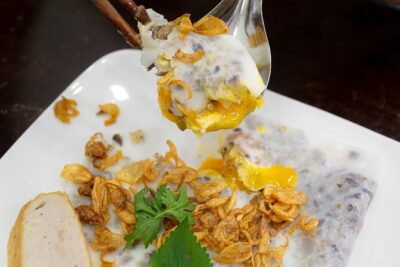
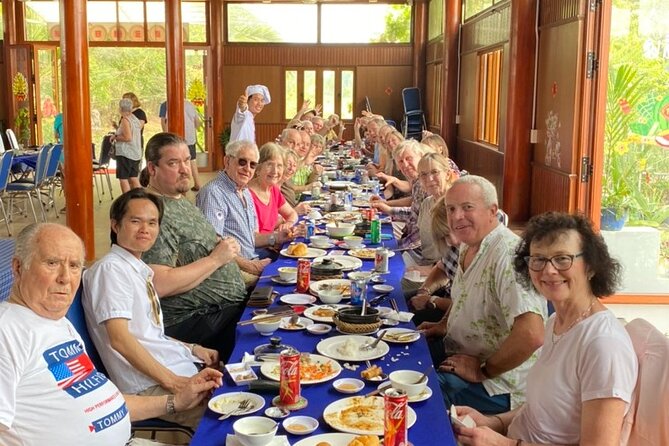
The tour includes lunch. In fact, it’s described as lunch made from all the food you cook during the class, which means the meal isn’t just a separate extra—it’s part of your work.
You also get a brunch made up of fresh fruits plus cashew nuts and cashew nut candy. That’s a nice bonus because you’re not just doing a long cooking block without breaks. It keeps energy up while you’re working outdoors, then back indoors to cook and process.
Included items also cover:
- all ingredients needed for cooking
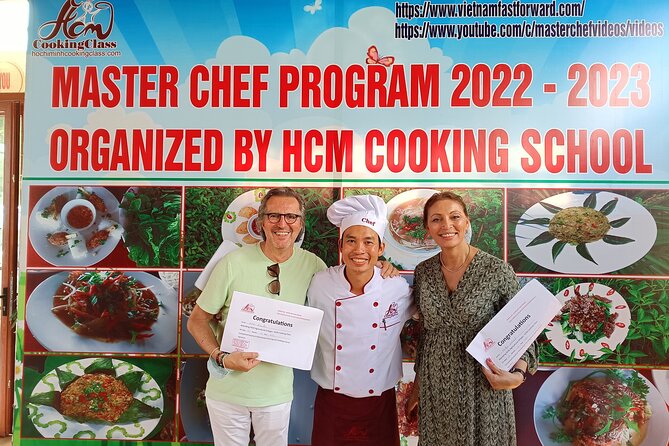
- certificate, recipes, and souvenirs
- air-conditioned vehicle for the trip
The certificate and recipes are practical. You get a reference for the dishes you made, which helps you recreate at home without guessing.
Price and value: is $110 a bargain or a splurge?
At $110 for about 8 hours, you’re paying for three things at once: transportation, farm access, and guided cooking plus souvenir-making.
Here’s the value logic:
- You’re not only cooking; you’re also harvesting and processing (rice paper and cashew-related steps).
- You get multiple food components: lunch plus brunch snacks and the candies you make.
- The class includes a small group size (maximum 15), which usually means more support while you work with ingredients.
If you compare it to a basic cooking class that stays entirely in a kitchen, this is more expensive. But if you want the full ingredient journey—farm to table plus DIY cashew candy—this price feels more grounded. It’s closer to a whole-day experience than a quick lesson.
Who should book this tour (and who might skip it)
This fits best if you want:
- a hands-on farm and cooking day rather than a museum-style lesson
- Vietnamese food learning with a specific method (the Yin-Yang approach)
- edible souvenirs you can pack and share
- a small group vibe, with instructors focused on helping you cook
You might skip it if you strongly prefer city-only activities, or if you don’t want a schedule that includes outdoor work early in the day. The pace is part of the point: you pick, process, cook, then take items home.
Should you book Chef Tan’s organic farm & Vietnamese cooking class?
I’d book it if you like learning by doing and you want a Vietnam story that goes beyond dishes on a plate. The best reason is the combo: organic harvesting + Yin-Yang cooking + rice paper and cashew candy souvenirs.
Make the decision easier with this quick checklist:
- You’re comfortable with an early start and active work for part of the day
- You want both lunch cooking and a take-home edible souvenir
- You enjoy structured teaching (the instructors named include Chef Alice and Chef Linh)
- You’d rather pay for a smaller, hands-on group than a big show
If those boxes feel like you, this tour is a strong fit for Ho Chi Minh City.
FAQ
What time does the tour start in Ho Chi Minh City?
Pickup is offered at 7:30am from your hotel. The group arrives at the organic farm around 8:45am.
How long is the experience?
It runs about 8 hours, with the day ending around 3:30pm back at your hotel.
How many people are in a group?
This activity has a maximum of 15 travelers.
What meals are included?
Lunch is included, and it’s made from the food you cook. A brunch with fresh fruits, cashew nuts, and cashew nut candy is also included.
Do I get to cook the food I eat?
Yes. The tour includes lunch made from all the food you cook, and the class is described as 100% hands-on.
What souvenirs will I take home?
You’ll receive souvenirs related to cashew nut production, including cashew nut candy that you make and package, plus other included items.
Are certificate and recipes included?
Yes. You receive a certificate and recipes from the master chef.
What transportation is included?
An air-conditioned vehicle is included, and pickup is offered from your hotel.
What’s the cancellation window?
You can cancel for a full refund up to 24 hours before the experience’s start time. If you cancel less than 24 hours in advance, the amount paid is not refunded.