REVIEW · HO CHI MINH CITY
Ho Chi Minh: Southern Vietnam 4-Day Authentic Mekong Farm Trip
Book on Viator →Operated by Vietnam To Travel · Bookable on Viator
Mekong days, then Cu Chi at sunrise. This 4-day southern Vietnam trip mixes river life with big-moment stops like Cu Chi Tunnels, then sends you deep into working farms and canal villages. You get real hands-on time outdoors, not just look-and-photos.
I especially like how active the days are: cycling through rice fields, kayaking narrow canals, and joining fishing and food-making with locals. I also like that the homestay side is treated as part of the experience, not an afterthought, with comfortable rooms mentioned in feedback.
One consideration: this is a busy program with early starts and a lot of time on the move. If weather turns poor, the tour depends on good conditions for the water and outdoor activities.
In This Review
- Key highlights worth planning around
- Cu Chi Tunnels, then straight into the Mekong swing
- Long An Province: cooking, rice fields, pagoda visits, and narrow-canals kayaking
- Family Tiny Garden Homestay: comfort that lets you enjoy the quiet hours
- Ca Mau mornings: sunrise cycling (or orchard time), markets, then kayaking
- Nam Can and the mangrove workload: aquaculture, a cooking lunch, fishing, and clams/oysters
- Soc Trang Province: Tac Say Cathedral and Clay Pagoda before the Ho Chi Minh City return
- Price and logistics: what $719 really covers and how to judge value
- The guide factor: Chow and Pablo make the days feel human
- Who should book this Mekong farm trip (and who shouldn’t)
- Practical tips so you enjoy every water moment
- Should you book this 4-day Mekong farm trip?
- FAQ
- How long is the Mekong farm trip?
- Where does the tour start?
- Is pickup included?
- Is this tour private?
- What types of activities are included?
- Will I have a chance to see mangroves?
- What provinces and areas are covered?
- Can the tour accommodate dietary restrictions?
- What’s the price?
- What happens if weather is bad?
- What is the cancellation window?
Key highlights worth planning around
- Chow and Pablo level up the day with patient English and lots of Q&A time
- Cu Chi Tunnels first, then you quickly leave the city feel behind
- Rice-field cycling + canal kayaking in the same day, so you see the Delta from two angles
- Ca Mau sunrise routine with markets, breakfast, and a water ride built in
- Mangrove canals and aquaculture stops tied to how people actually work there
- Soc Trang church + Clay Pagoda give you a cultural contrast before the return to Ho Chi Minh City
Cu Chi Tunnels, then straight into the Mekong swing
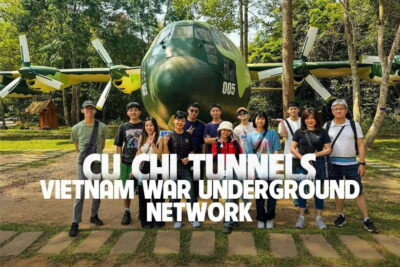
The trip starts with pickup from your Ho Chi Minh City hotel around 8:00 AM, then it’s a drive out to Cu Chi Tunnels. You’ll explore the underground system used during the war, which sets a serious tone early. It also makes the rest of the days feel more grounded, because you’re leaving a history-heavy start and heading toward everyday life along the rivers.
Then you point south again and check in at Family Tiny Garden Homestay around midday. This timing matters because it prevents the classic Delta problem where you arrive late, eat, and go straight to bed. Here, you’re placed to start experiencing the rural rhythm the same day you arrive.
Practical note: Cu Chi takes energy, and the day continues afterward. If you hate tight schedules, this may feel fast. If you like variety, it’s a smart combo.
You can also read our reviews of more tours and experiences in Ho Chi Minh City

Long An Province: cooking, rice fields, pagoda visits, and narrow-canals kayaking
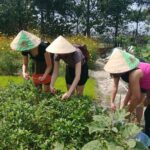
Afternoon in Long An Province is where the trip shifts from “sights” to “daily work.” You’ll join a cooking class, then cycle through rice fields and visit Xom Trau Pagoda. That mix is a win because you’re not only watching rural life—you’re moving through it and learning the food culture that comes from it.
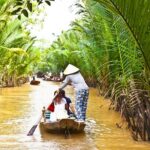
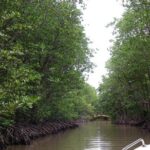
The plan also includes an underground relic stop and kayaking through narrow canals. Narrow-canals kayaking is a particular kind of calm: smaller channels feel more intimate than big river cruises, and you’re closer to the details that make good photos—trees edging the water, village corners, and the light patterns bouncing off muddy banks.
You can expect hands-on farm-style activities too, including rice transplanting and fish catching. Even if you’re not athletic, these are usually short enough to try without feeling like a training session. The bigger factor is mindset: show up curious, listen, and keep going even if you feel awkward at first. That’s where the best stories come from.
Family Tiny Garden Homestay: comfort that lets you enjoy the quiet hours
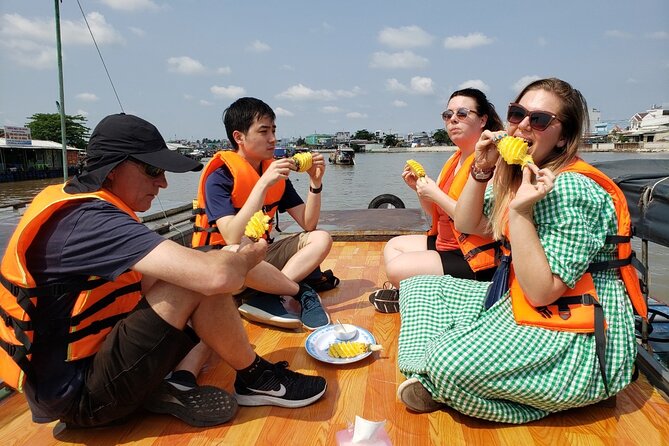
Staying at Family Tiny Garden Homestay is the backbone of this trip’s “authentic” angle. You’re not just traveling between attractions; you’re living on the rural side for multiple days.
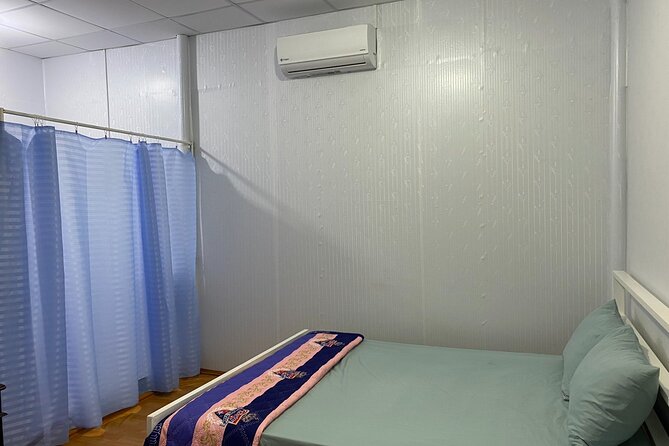
From feedback, the rooms are comfortable, and mosquito nets are part of the setup. That one detail matters more than it sounds. The Delta evenings can be insect-heavy, and a place that’s prepared helps you sleep better, feel cleaner, and enjoy the slower moments after a full day outdoors.
Homestays also tend to bring you closer to the people behind the scenes. Even without a long lecture schedule, you’ll notice how conversations, meals, and small routines help explain what you’re seeing. It’s the difference between traveling past a place and actually spending time in it.
Ca Mau mornings: sunrise cycling (or orchard time), markets, then kayaking
Day 2 starts early in Ca Mau, with a morning option of sunrise cycling or an orchard visit. Then you’ll visit a local market, grab breakfast and coffee, and move into water time with kayaking at 8:00 AM.
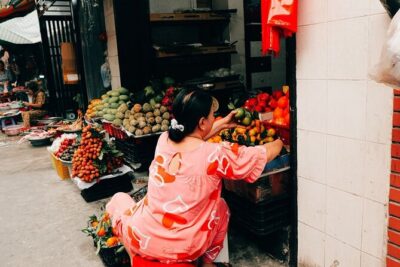
That sequence is a strong way to understand the Delta. Markets show you what’s traded and eaten locally; sunrise movement helps you see the area before heat and crowds. Then kayaking puts you on the water, where you can connect what you tasted and saw to the waterways that make it all possible.
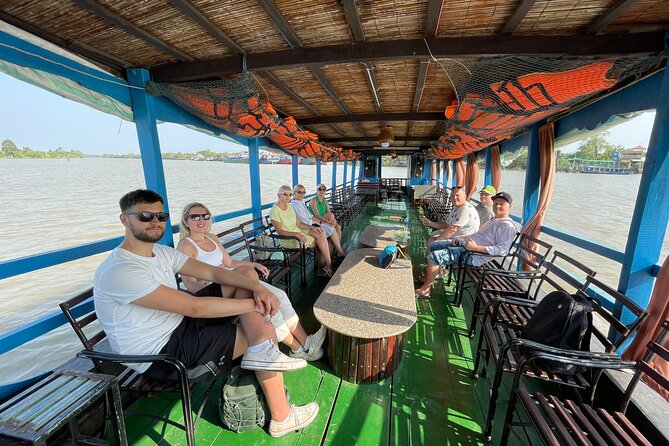
After that, you depart for Ca Mau (the day includes a transfer), stop for lunch on the way, and then end with a motorboat sunset trip on Tam Giang around 4:30 PM. A sunset water ride is classic for a reason: the last light softens everything, and the river feels more cinematic when your day isn’t rushed.
What to know: sunset timing means you’ll likely feel a bit tired afterward. Bring a light layer and be ready for cooler air right after the heat of the day.
Nam Can and the mangrove workload: aquaculture, a cooking lunch, fishing, and clams/oysters
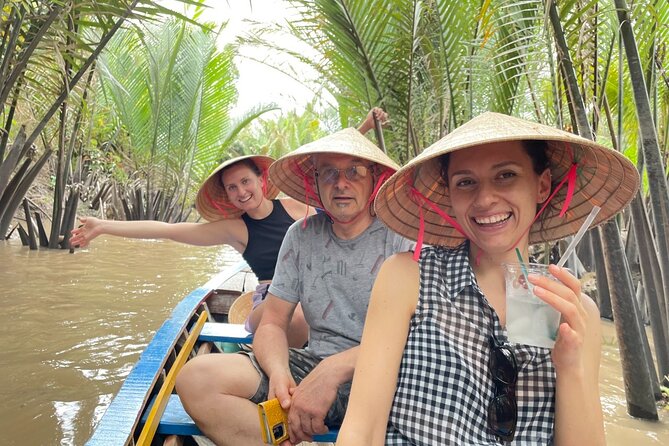
Day 3 leans deeper into working-water life in Nam Can. You start with breakfast, then go out on a motorboat to explore mangrove canals. Mangroves aren’t just scenery here—they’re part of how the region protects coastlines and supports farming and fishing.
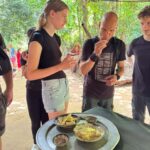
Next comes a shrimp and aquaculture farm visit. This is useful because it adds context for why people are on the water every day. Then you go to a market and cook lunch with locals. That hands-on food time is more valuable than it sounds, especially if you want the “why” behind flavors—not just the recipe list.
In the afternoon, the trip turns playful and physical again: fishing, swimming to find clams/oysters, and then a BBQ dinner. Swimming for shells is not a spectator sport. If you’re comfortable in water and like practical activities, you’ll probably enjoy this part a lot.
If you’re not a swimmer, don’t panic, but set expectations. You can still enjoy the day, yet your comfort level will shape how much you participate. Pack for it: water shoes or sandals you can trust, and a way to keep your phone dry.
You can also read our reviews of more tours and experiences in Ho Chi Minh City

Soc Trang Province: Tac Say Cathedral and Clay Pagoda before the Ho Chi Minh City return
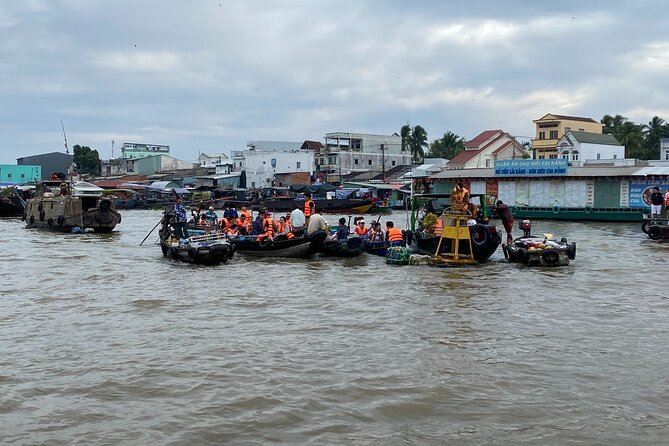
The final day starts at a gentler pace in Soc Trang Province. You take a motorboat to bus transfer, then visit Tac Say Cathedral, also known as Father Diep’s Church, plus a Clay Pagoda stop.
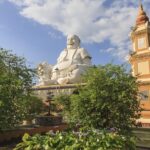
These two religious sites add variety after the farm-and-water focus. They’re a reminder that the Mekong Delta isn’t only agriculture and canals—it’s also faith communities and local architecture styles that people treat as part of daily life.
Lunch is served around 12:30 PM, then you drive back to Ho Chi Minh City, arriving about 5:30 PM.
This finish works well if you have a next-day plan in the city. You get back before late night, and you can recover without losing your whole evening.
Price and logistics: what $719 really covers and how to judge value
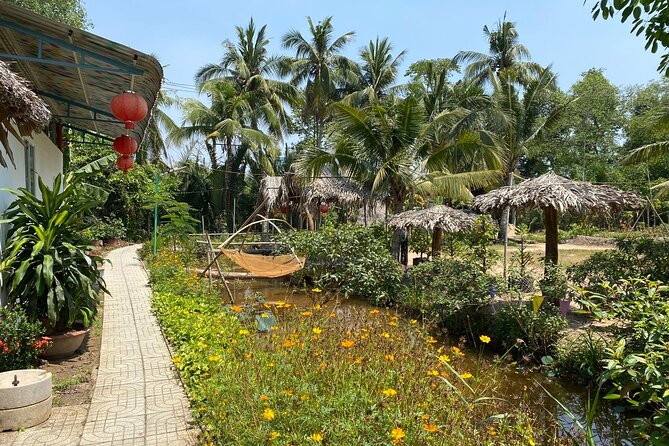
At $719 per person for an approximately 4-day private experience, the big question is value. Here’s how I’d judge it:
First, this trip includes pickup and uses a mix of transportation throughout the route. You’re also paying for a tightly packed multi-location plan: Cu Chi, Long An, Ca Mau, Nam Can, and Soc Trang, plus repeated boat and cycling segments. That kind of routing costs time and planning on the ground.
Second, many of the activities list admission ticket free on the schedule. Even when admissions aren’t your biggest cost in Vietnam, free entries can quietly add up across several stops.
Third, the “farm trip” label is supported by the activity design: you’re not only walking around—you’re cooking, cycling, kayaking, fishing, and doing small farm tasks. If you’re the type who likes learning by doing, that’s where the price starts to make sense.
Finally, the tour is private, with only your group participating. Private usually means you’re not sharing the day with strangers who want a different pace. You may also benefit from the idea of group discounts if your booking includes multiple people.
The one trade-off is that the schedule stays full. This isn’t a slow river week where you drift and do one activity per day. If that’s what you want, you may feel rushed.
The guide factor: Chow and Pablo make the days feel human
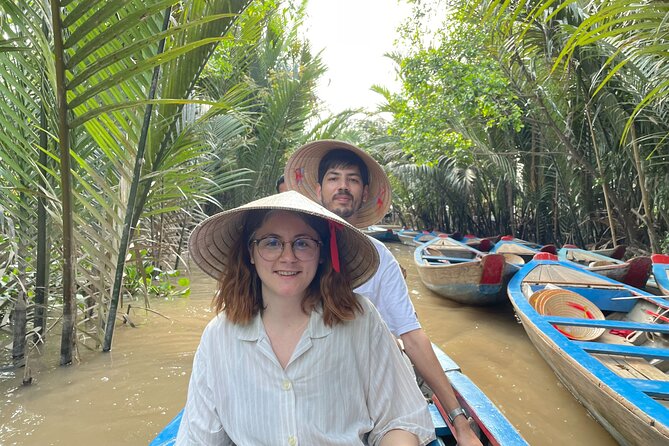
In feedback, the guides Chow and Pablo (also seen with alternate spellings like Chau and Paulo) are repeatedly praised for energy and English skills, plus the willingness to answer questions. That matters on a trip like this, because you’re dealing with unfamiliar rhythms: canal rules, farm tasks, and water-time safety.
A great guide also helps you time your photos and your effort. When someone knows the area, you spend less time wondering what’s next and more time focusing on what’s happening around you.
If you want a tour that feels like a conversation—rather than a lecture with a stopwatch—this guide setup is a major reason people rate it so highly.
Who should book this Mekong farm trip (and who shouldn’t)
This tour fits best if you want a non-touristy feel, enjoy nature and photography, and like hands-on activities. You’ll likely enjoy it most if you’re comfortable doing some cycling, kayaking, and water-related tasks like fishing and searching for clams or oysters.
It’s also a good match if you care about food culture. Cooking with locals and market stops help you understand why meals taste the way they do, not just what ingredients are used.
You might want to skip it if you’re looking for a quiet, low-energy vacation, or if you’re highly sensitive to early starts and constant movement. The route is active on purpose.
Food needs are manageable too. The experience notes dietary accommodations such as vegetarian, vegan, and gluten-free, as long as you tell the operator when booking.
Practical tips so you enjoy every water moment
A few things make this kind of trip smoother:
- Bring sun protection and something light for shade. Canal and river days can be bright and hot.
- Wear water-appropriate footwear for kayaking and any swimming time. Don’t rely on flip-flops that slip.
- Plan for mosquitoes. Feedback mentions mosquito nets, which is your hint that evenings can have insects.
- Expect weather dependency. The experience requires good weather, and poor conditions can lead to a different date or a refund.
- Keep your daypack simple. You’ll be switching activities, and it’s nice to avoid hauling too much.
Also, if you have mobility limits, don’t assume everything will be easy just because it’s called active. The info says most travelers can participate, but your comfort level with cycling and water should decide it.
Should you book this 4-day Mekong farm trip?
I’d book it if you want a Mekong Delta experience built around real routines—farms, markets, canals, and food—plus serious countryside time away from the city. The mix of Cu Chi history, Long An rural activities, Ca Mau mangroves, and the Soc Trang cultural stops gives you variety without turning it into a checklist.
I wouldn’t book it if you hate tight schedules or you want mostly downtime. This one is built for people who like to move, try, and learn.
If you match that energy, the value shows up in the details: private pacing, active water days, and guides like Chow and Pablo who keep the explanations clear and the group comfortable.
FAQ
How long is the Mekong farm trip?
It runs for about 4 days.
Where does the tour start?
The tour starts in Ho Chi Minh City with hotel pickup at around 8:00 AM on the first day.
Is pickup included?
Pickup is offered.
Is this tour private?
Yes, it’s listed as private, so only your group participates.
What types of activities are included?
The schedule includes cooking with locals, cycling, kayaking, fishing, and water activities related to farms and local produce.
Will I have a chance to see mangroves?
Yes. The itinerary includes motorboat exploration of mangrove canals in the Ca Mau and Nam Can areas.
What provinces and areas are covered?
You visit Cu Chi, Long An Province, Ca Mau, Nam Can, and Soc Trang Province, with transfers between them.
Can the tour accommodate dietary restrictions?
The tour states it can accommodate dietary restrictions such as vegetarian, vegan, and gluten-free if you indicate them during booking.
What’s the price?
The price is $719.00 per person.
What happens if weather is bad?
The experience requires good weather. If it’s canceled due to poor weather, you’ll be offered a different date or a full refund.
What is the cancellation window?
You can cancel for a full refund if you cancel at least 24 hours before the experience’s start time.