REVIEW · HO CHI MINH CITY
Farm-To-Table Healthy Cooking Class in Ho Chi Minh City
Book on Viator →Operated by Western Asian Travel Service · Bookable on Viator
If you want your Vietnamese food lesson to start with dirt under your nails, this class hits the mark. I especially love the farm visit first, then the hands-on cooking right after, and I also like that you cook with a master chef who teaches simple, healthier techniques one dish at a time. One drawback to consider: you’ll spend a good chunk of the day outdoors before you sit down to eat, so it helps to plan for sun and walking.
This experience is built for small groups (max 15) and runs about 6 hours 30 minutes, with hotel pickup and drop-off offered for selected hotels. You’ll cook four dishes, get a certificate and take-home recipes, and you’ll finish with lunch plus light refreshments.
In This Review
- Key highlights that matter
- How this farm-to-table class actually works (and why it’s worth your time)
- Getting out of the city: pickup, comfort, and timing
- The organic farm walk: animals, herbs, and the scissors moment
- Open-air cooking with a master chef: four dishes, step by step
- What you’ll learn about Vietnamese herbs (and why it sticks)
- The meal: lunch, tastings, and eating what you made
- Certificates and recipes: the part that helps after you get home
- Price check: is $67 good value for what you get?
- Group size and instructor style: what you’ll notice during the day
- Who should book this class (and who might want a different option)
- Practical tips so you enjoy every hour
- Should you book this farm-to-table class in Ho Chi Minh City?
- FAQ
- How long is the farm-to-table healthy cooking class?
- Do I get hotel pickup and drop-off?
- How many dishes will I cook?
- Is lunch included?
- Are alcoholic drinks included?
- What is the group size limit?
Key highlights that matter
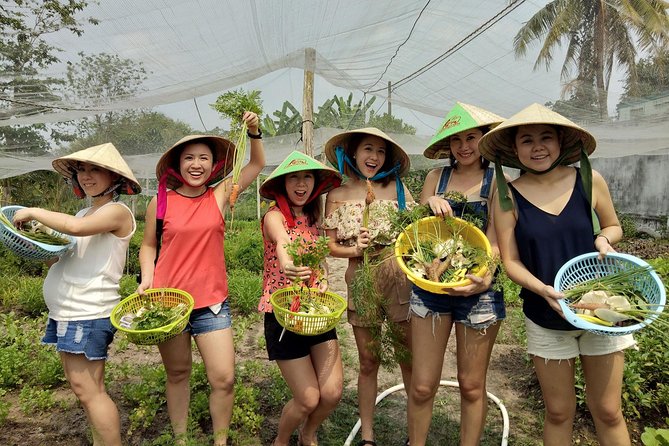
- Farm tour with real animals: you’ll see cows, buffalo, chickens, and ducks before you cook.
- Pick your own ingredients: you get a basket and scissors, then collect vegetables to use later.
- Open-air lessons in healthy cooking: one dish at a time, with advice and a tasting each round.
- Four dishes, not just one: you leave with practical skills you can repeat at home.
- Small group feel: up to 15 people, so questions actually get answered.
- Instructor quality you can feel: guides like Alice, Aura, Daisy, and Linh show up in feedback for clear explanations and patience.
How this farm-to-table class actually works (and why it’s worth your time)
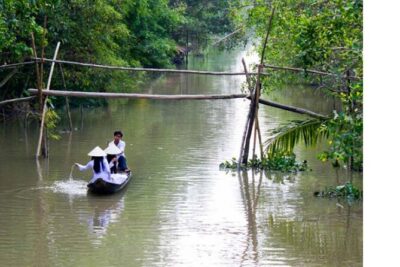
Ho Chi Minh City can feel fast. This tour slows things down in a good way. You start in the countryside, not in a kitchen that already has everything prepared for you. That one change makes the cooking lesson more than a show: you learn what ingredients taste like at the start, and you understand why certain steps matter once the food hits the pan.
The biggest strength is the flow. You visit the organic farm, you pick ingredients, then you cook and taste as you go. It’s a tight loop that helps you connect farm produce to Vietnamese flavor. If you’ve ever tried to copy a recipe later and wondered why it didn’t taste the same, this kind of step-by-step training is exactly what you need.
And yes, you’ll eat well. Lunch is included, plus light refreshments during the experience. You’re not just tasting tiny bites to stay polite; you’re building a full meal around what you learned.
You can also read our reviews of more city tours in Ho Chi Minh City

Getting out of the city: pickup, comfort, and timing
The day usually starts around 7:30am for the morning option, though you can choose morning, afternoon, or evening classes. Hotel pickup and drop-off are included for selected hotels, and the plan is designed to keep travel from becoming the main event.
Practically, that matters. If you’re short on time in HCMC, you don’t want to lose half your day hunting down transport. This tour handles that, and you arrive ready to focus. In feedback, people also noted that the trip out is comfortable, including air-conditioned van transport.
One thing to keep in mind: the schedule is long enough that you’ll want to eat before you’re hungry. You’ll get lunch later, but you’ll also be walking, collecting, and cooking in between.
The organic farm walk: animals, herbs, and the scissors moment
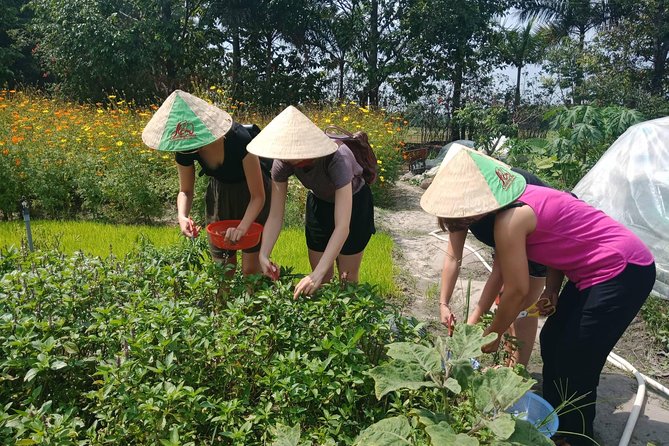
The farm visit is more than a pretty prelude. It’s where the day’s theme becomes real: farm-to-table isn’t a label here, it’s the method.
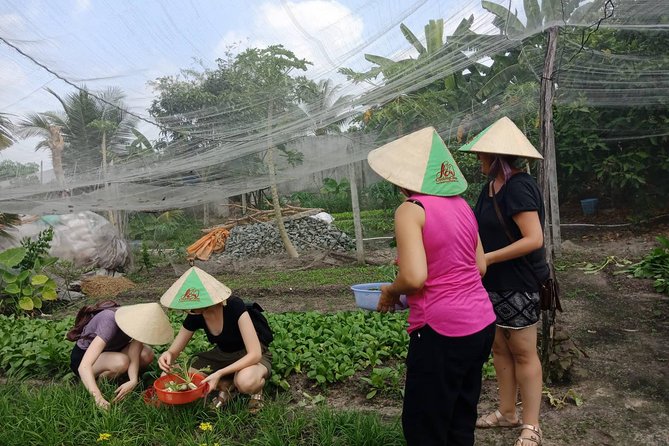
You tour around the agricultural area with a master chef, and you’ll see animals like cows and buffalo plus chickens and ducks. At the same time, you’re introduced to vegetables, herbs, spices, and other ingredients grown on site. Fish and prawns are also part of the picture, so you get a sense that Vietnamese meals aren’t only built on greens and noodles.
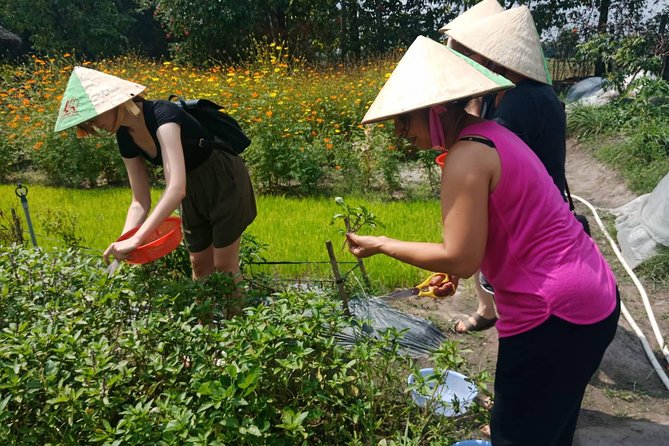
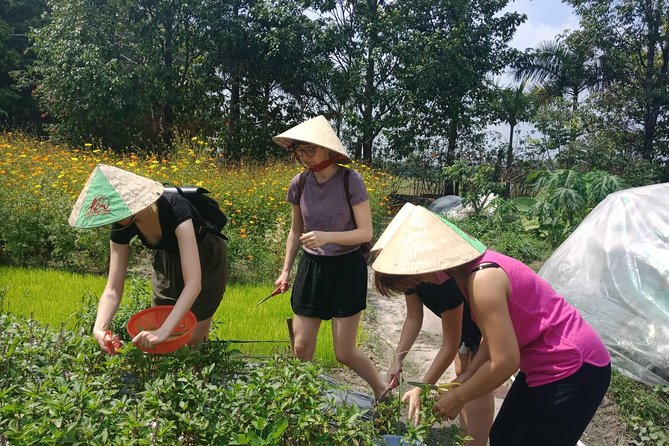
Then comes the part that makes people smile: you receive a basket and scissors and collect vegetables yourself. This is the moment that turns a cooking class into an actual chore-with-reward. You’ll be selecting ingredients that become part of what you cook later, so you start learning with purpose, not just watching.
Before cooking begins, there’s also time to relax with Vietnamese fruit and a few moments in a hammock. That break isn’t just comfort; it helps reset your energy so you can focus when the heat of cooking starts.
Open-air cooking with a master chef: four dishes, step by step
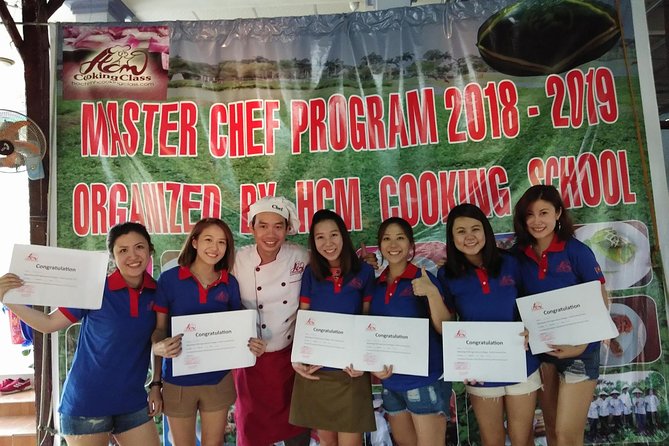
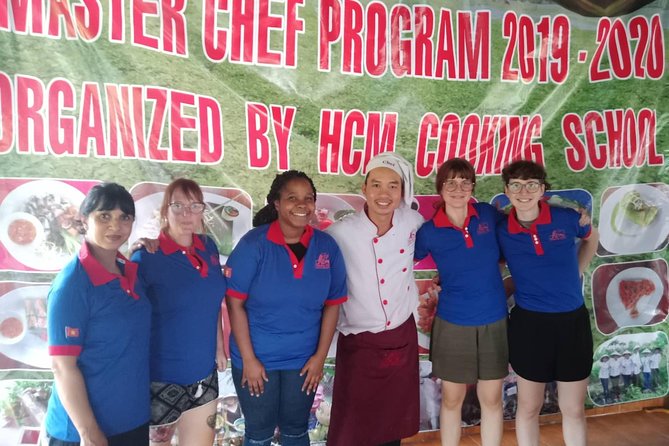
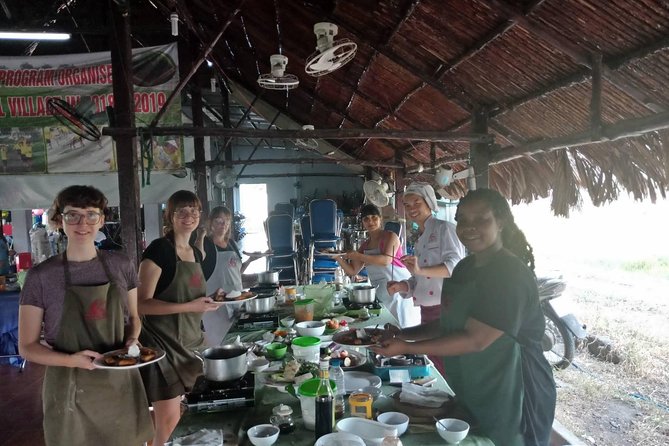
After the farm portion, you get into the cooking school area and start cooking with instruction geared toward everyday skills. The lesson is structured so you prepare four dishes, and the master chef guides you in an open-air setup.
The class runs in rounds: you’ll work on one dish at a time, the chef gives advice on healthy cooking techniques, and you then have a tasting before you move to the next dish. That rhythm is smart. You see what works, you taste results immediately, and you don’t carry mistakes all the way through the day.
What “healthy cooking” means in this class is practical. You’re not being lectured. You’re learning how to handle herbs and vegetables, how to balance flavors, and how to keep techniques simple enough that you can repeat them later. In feedback, people often highlighted that instructors explain the why behind Vietnamese cooking, not just the what.
English clarity is also a common strength in the reviews. Names that come up include Alice, Aura, Daisy, and Linh, and people describe them as friendly, patient, and ready to answer lots of questions.
What you’ll learn about Vietnamese herbs (and why it sticks)
If you care about ingredients, you’ll probably leave with more than recipes. One frequently praised detail is the instruction on medicinal uses of herbs and vegetables at the farm. Even if you don’t treat cooking as a health program, knowing what ingredients are used for helps you remember them—and it makes the flavors feel more intentional.
Here’s the real takeaway for you: when you understand what an herb is known for and how it’s used in Vietnamese meals, you can cook with confidence later. You’ll know which leaves are meant to show up fresh, which ones are meant to soften in heat, and how to use spices without making everything taste the same.
This is also where the small-group size helps. With a max of 15, you’re more likely to get direct help when something isn’t working. If you like to ask questions—about cutting, timing, or flavor balance—you’ll feel comfortable doing that.
You can also read our reviews of more cooking classes in Ho Chi Minh City



The meal: lunch, tastings, and eating what you made
By the time you reach the end of the cooking rounds, you’ve built a full meal from ingredients you picked and techniques you learned. Lunch is included, and you also get light refreshments during the farm and class transitions.
Even though your focus is hands-on cooking, the tasting moments matter. They help you connect instruction to reality. You’ll taste each dish after the chef’s guidance, so you can adjust your approach as you go.
And don’t underestimate how satisfying it feels to sit down and eat. It’s not a food tour where you snack and move on. It’s a cooking class where you create.
Certificates and recipes: the part that helps after you get home
At the end of the class, you receive a certificate and take-home recipes. That might sound like a standard souvenir line, but it’s actually useful here because the day teaches techniques, not only ingredient names.
When you cook later, recipes alone can feel a little vague—unless you’ve already practiced steps. Having the recipes in your hands means you can reconnect the day’s lessons to what you’re doing in your own kitchen. If you’re the type who likes cooking but wants a structured starting point, this is a big plus.
Price check: is $67 good value for what you get?
At $67 per person, this class doesn’t feel like a budget hack, but it also doesn’t feel overpriced for what’s included. Here’s why.
You’re getting:
- hotel pickup and drop-off (selected hotels)
- farm tour with instruction from a master chef
- equipment for cooking
- lunch and light refreshments
- a small-group format (max 15)
- cooking four dishes plus tastings
- a certificate and take-home recipes
So you’re paying for both the experience and the teaching. Many cooking experiences elsewhere can be cheaper on paper, but once you factor in transport, meals, and a farm ingredient component, the value becomes clearer.
Also, the class is commonly booked about 13 days in advance on average. That tells me it’s popular enough that you shouldn’t wait until the last minute if you want your preferred time slot.
Group size and instructor style: what you’ll notice during the day
Max 15 travelers means the chef can actually watch what you’re doing and respond to questions. In real life, that changes the class feel. You get more personal attention, especially when you’re learning knife work, herb handling, or timing.
A theme in the feedback is that instructors are friendly and answer lots of questions. People also mention instructors being kind and making the day fun, not stiff. If you’re traveling with family or you want a relaxed activity that still feels meaningful, that matters.
Chef Tan shows up in a message from the provider, and reviews repeatedly highlight instructors by name, including Alice, Aura, Daisy, and Linh. The consistent point: clear English, patience, and a lesson plan that guides you step by step.
Who should book this class (and who might want a different option)
I think this class is a great fit if you:
- want a practical Vietnamese cooking lesson, not just a tasting tour
- like learning from fresh ingredients you actually select
- enjoy open-air activities and don’t mind walking on a farm property
- want a small-group experience with real instructor interaction
- are traveling with a range of ages and want something that’s hands-on but structured
In feedback, people even highlighted going with a grandmother and a friend, which suggests the class works for mixed groups when you choose the right pace and wear comfortable shoes.
You might skip it if:
- you dislike outdoor farm settings and want a purely indoor cooking day
- you expect an alcohol-focused experience (alcoholic drinks are not included, though you can purchase them)
- you want a super short activity. This one is a full half-day plus, with about 6h30 total time.
Practical tips so you enjoy every hour
A few things will make your day smoother:
- Wear closed-toe shoes for walking and cooking prep. You’ll be active before you sit down.
- Bring sun protection for the farm portion. Even if it’s comfortable, you’ll likely be outdoors.
- Plan for hands-on work. You’ll be collecting vegetables with scissors and cooking, so don’t wear anything you’d be upset to stain.
- Come hungry, but not starving. You’ll have light refreshments during the day and lunch included, but you’ll also be doing tastings and prep in between.
- Ask questions early. If you’re curious about why certain herbs or techniques are used for healthy cooking, get that out while the chef is actively teaching one dish at a time.
Should you book this farm-to-table class in Ho Chi Minh City?
Yes, I’d book it if you want a hands-on day that connects Vietnamese cooking to real ingredients. The farm-to-kitchen loop is the main reason. You’re not only learning recipes—you’re learning choices, like what to pick, what to cut, and how to adjust flavors as you taste.
The other big win is the instruction style. Feedback points to instructors who explain clearly and answer questions without rushing you. With up to 15 people, you also get more help than you would in a larger group.
If you’re deciding between this and a standard cooking class in the city, the farm portion is the differentiator. It’s the part that makes the whole lesson feel grounded and repeatable later.
FAQ
How long is the farm-to-table healthy cooking class?
The experience runs for about 6 hours 30 minutes.
Do I get hotel pickup and drop-off?
Hotel pickup and drop-off are included for selected hotels.
How many dishes will I cook?
You’ll prepare four dishes during the class, with a tasting after each one.
Is lunch included?
Yes. Lunch is included, along with light refreshments.
Are alcoholic drinks included?
Alcoholic drinks are not included, but they may be available to purchase.
What is the group size limit?
The maximum group size is 15 travelers.