REVIEW · HO CHI MINH CITY
From Ho Chi Minh: Cu Chi Tunnels And Mekong Delta Full Day
Book on GetYourGuide →Operated by Trip in Vietnam · Bookable on GetYourGuide
Underground tunnels tell a blunt story, and this day trip connects it to river life. Cu Chi Tunnels is one of the rare Vietnam experiences where you’re not just watching; you walk through a narrow tunnel section and learn how guerrillas hid, survived, and fought using clever camouflage. I also like the shift to the Mekong Delta, where you slow down with a cruise-style boat ride and then row through quieter canals while folk music plays and fruit shows up. The main drawback to plan for is the optional shooting range: if you want to fire real bullets, you’ll pay extra.
You get picked up at the center of Saigon, and an English-speaking guide runs the day. If you’re lucky and end up with Thi, you’ll likely get a smoother, more personal-feeling experience, not just a script. Between the tunnel time and the river time, it’s a full day, so bring water habits and a flexible mindset.
In This Review
- Key highlights you’ll actually use
- Cu Chi Tunnels: underground life you can actually crawl through
- Shooting range and war-story screenings: what to know before you choose
- Hoang Cam stove tapioca snack: the flavor that makes the war real
- From Saigon to the Mekong: turning history into countryside time
- Mekong Delta by boat and rowing canoe through narrow canals
- Folk music, honey tea, fruit gardens, and a relaxed village beat
- Coconut candy making and other food stops you’ll want to plan for
- Price and value check for a one-day combo from Saigon
- Small gotchas: shooting fees and language changes that can cost you
- Who should book this Cu Chi and Mekong day trip?
- Should you book this one-day Cu Chi and Mekong combo?
- FAQ
- How long is the Cu Chi Tunnels and Mekong Delta full day tour?
- Where does the tour start and end?
- Is lunch included?
- What’s included at Cu Chi?
- Are entrance fees included?
- Can I shoot with real guns during the Cu Chi visit?
- Is there food and drink on the Mekong Delta portion?
- Is a private group available?
- What languages are available and are there extra charges?
- What cancellation policy is offered?
Key highlights you’ll actually use
- Crawl inside the tunnel network to get a physical sense of tight underground life
- Hoang Cam stove tapioca snack gives you a practical, war-time flavor story
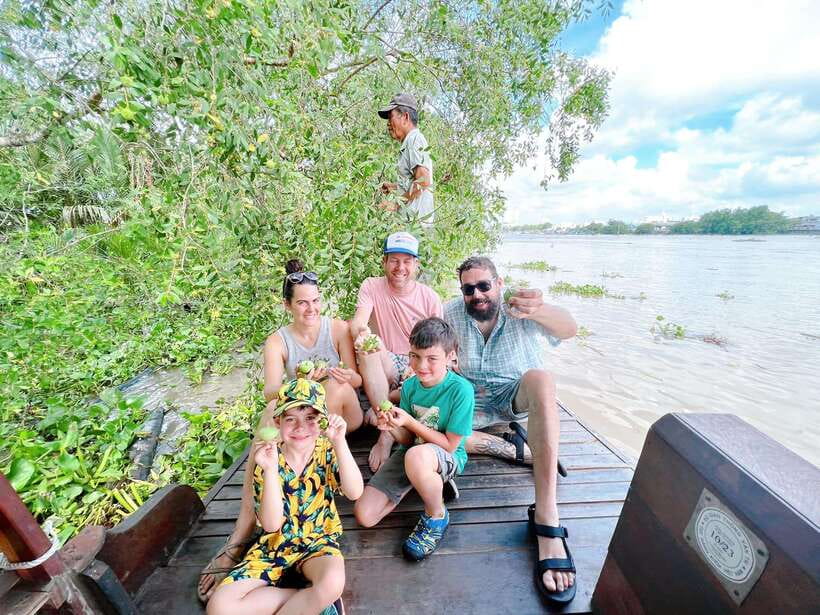
- Boat on the Mekong River plus small ports and farming context, not just pretty scenery
- Rowing through narrow canals for a calmer, closer look at village pace
- Honey tea, seasonal fruits, and folk songs at multiple stops, so food and music aren’t one-off
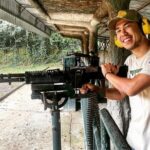
- Shooting range is optional but paid if you want real bullets and guns like AK-47 or M-60
Cu Chi Tunnels: underground life you can actually crawl through
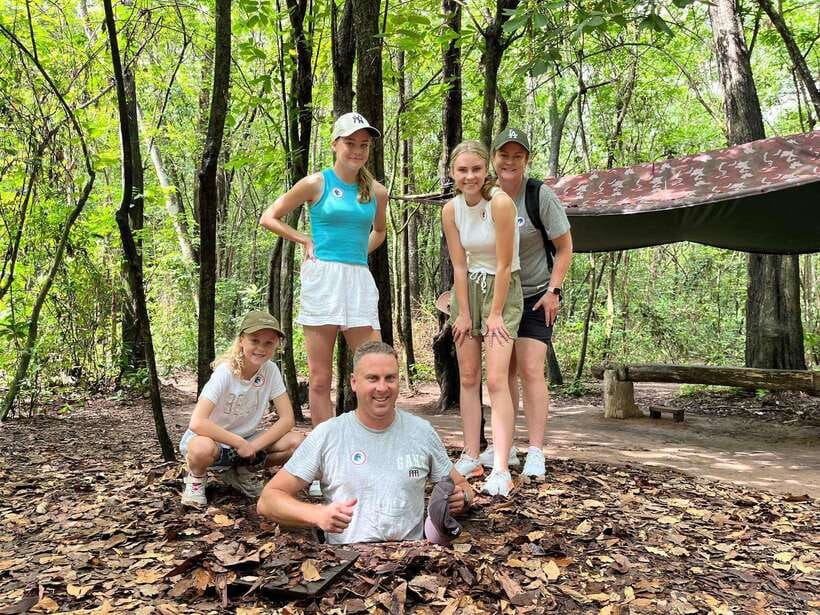
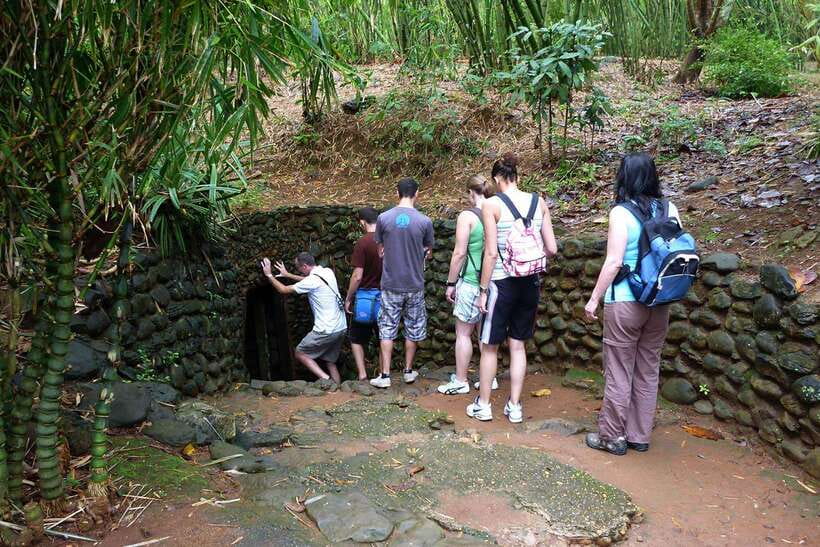
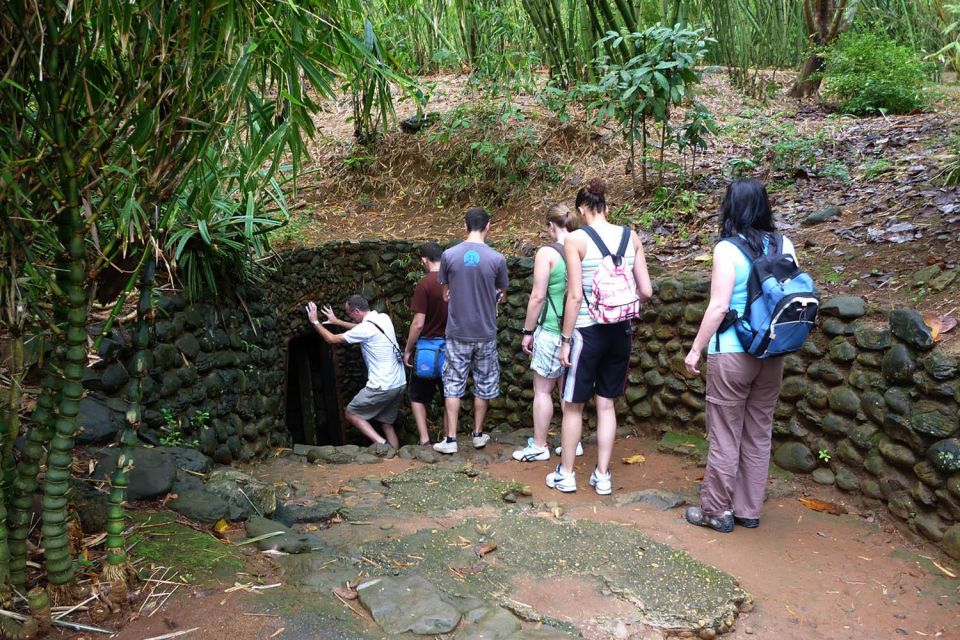
Cu Chi Tunnels works because it’s not abstract. You learn about how Vietnamese guerrillas used an underground city-like network—built like a spider web—so people could move, hide, and keep resisting when the battlefield was brutal. The guide explains how these tunnels helped fighters live and fight, and you also hear about camouflage methods, including how leaves were used to blend in.
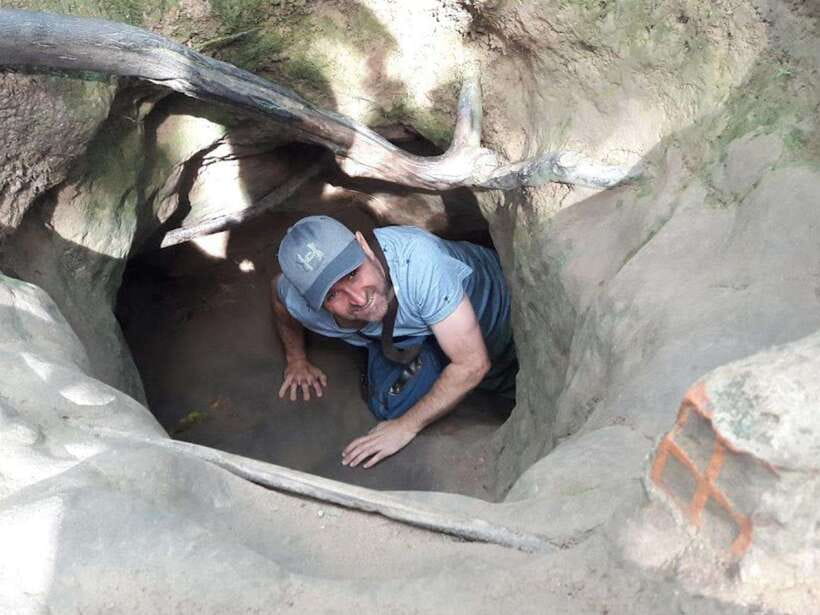
The part I like most for your understanding is the chance to go inside a narrow tunnel. That’s the moment where the story stops being history class and starts being body awareness. Tight space, low ceiling, slow movement. You can feel why secrecy mattered. It’s also where you get why the tunnels were more than shelter—they were a system.
There’s also short documentary-style footage and authentic camera-recorded war material shown during the visit. It’s a useful counterweight: after you’ve been physically in the tunnels, the visuals help you connect the cramped underground world with what was happening above.
One practical consideration: tunnel sections can feel cramped fast. If you’re claustrophobic, you might still appreciate the explanations and visuals outside the tunnel, but think twice about your tolerance for enclosed spaces.
You can also read our reviews of more tours and experiences in Ho Chi Minh City
Shooting range and war-story screenings: what to know before you choose
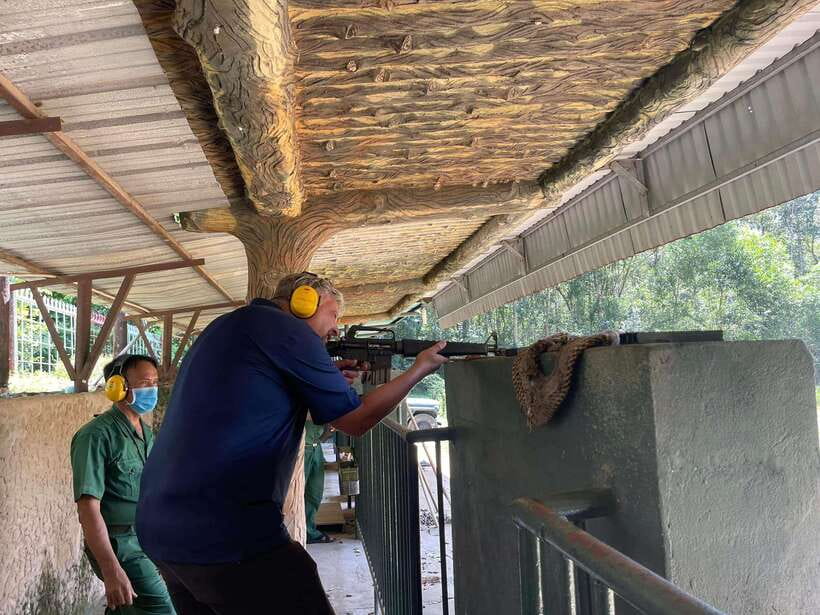
This tour includes a war-and-survival context, and that includes a shooting range option. You’ll have the chance to shoot with real bullets using real famous guns such as AK-47 and M-60. The key detail is cost: the bullet fee is not included, and it’s listed as roughly 600,000 VND for a pack of 10 bullets.
If you’re curious, this can be memorable. If you’re not, you can treat it as optional and focus on the tunnel learning. Just don’t let the shooting range surprise your budget.
Also, balance matters here. Cu Chi is emotionally heavy. The tour frames it as resistance, strategy, and daily ingenuity under pressure. You’ll likely feel the weight in how the guide presents life in the tunnels and the risks guerrillas took.
Hoang Cam stove tapioca snack: the flavor that makes the war real
A small meal can do big teaching, and this tour uses that idea well. At the Cu Chi portion, you get a light snack with tapioca and tea, cooked on the Hoang Cam stove, described as a special stove that can hide smoke.
That’s not a random food break. It connects cooking to survival. You’re tasting something that ties to day-to-day life in wartime conditions—food that had to be practical, quiet, and hidden. When you pair that with what you learned about camouflage and secret refuge, the snack becomes part of the story instead of just a pause.
If you’re the type who likes travel memories you can still taste, this is one of those stops that sticks. It’s simple food, but it carries context.
From Saigon to the Mekong: turning history into countryside time
After the tunnels, the day pivots to the Mekong Delta: countryside, water, and a different rhythm. The tone changes on purpose. Instead of underground resistance, you’re looking at a region locals describe as peaceful, friendly, warm, and built around river life.
On your way into the delta experience, you’ll be thinking about everything you just learned in a very different setting. That contrast is actually valuable. Vietnam history isn’t just events in a book. It’s people, geography, and daily coping—then and now.
You’ll also see how the Mekong serves practical life: fishing, watering, and farming. The tour even points out that fishermen can catch very large fish in the river, with examples near 100 kg. Whether or not you remember the exact number, the message lands: this river is the engine.
Mekong Delta by boat and rowing canoe through narrow canals
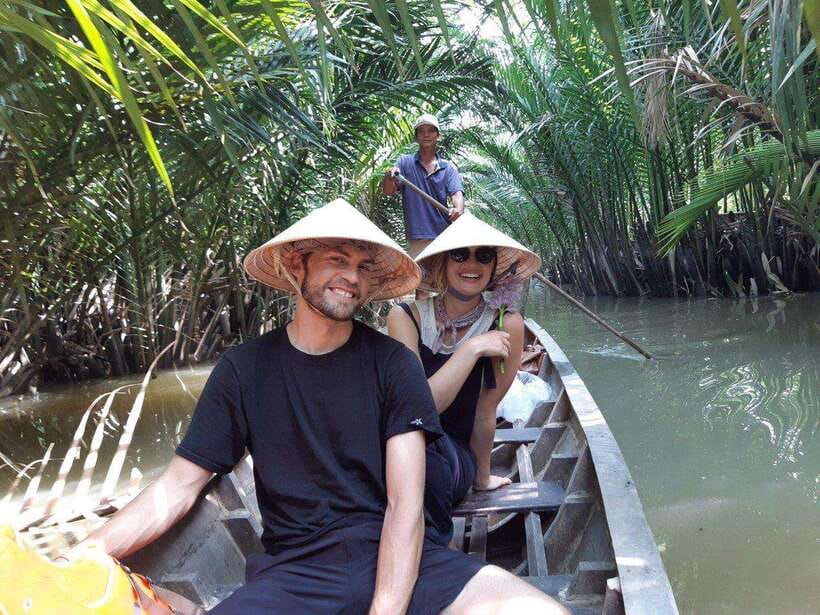
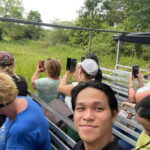
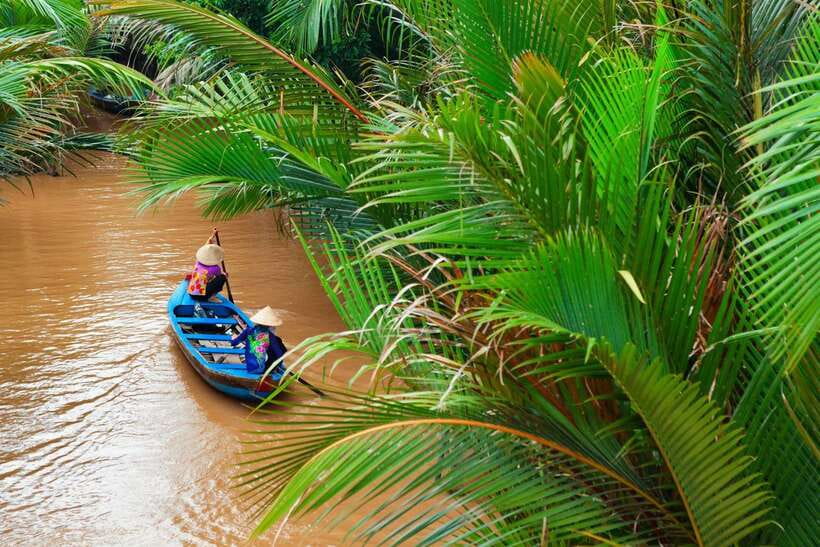
This is the part you’ll likely remember most for the pace. You ride a boat on the Mekong River, where the experience is framed around the river being called the mother of the South. On the water, you listen to folk songs tied to love for homeland, and you hear the sound of waves while the scenery shifts past fisherman’s ports and alluvial water flow.
Then you go smaller. You row through a maze of shady canal areas in smaller boats, which changes how you see the delta. Big river gives you perspective; the canal rowing gives you proximity. You get the feel of local water corridors that shape where people live and how they move.
Photo-wise, it helps that the moment includes more than one kind of view: ports, water texture, villages, and the repetitive rhythm of canal travel. If you like getting pictures that don’t look like generic stock travel shots, this format tends to deliver.
Timing tip: this day moves through a lot of scenes. When you feel your attention start to drift, refocus on the guide’s river explanations—fishing and farming context makes the views click.


Folk music, honey tea, fruit gardens, and a relaxed village beat
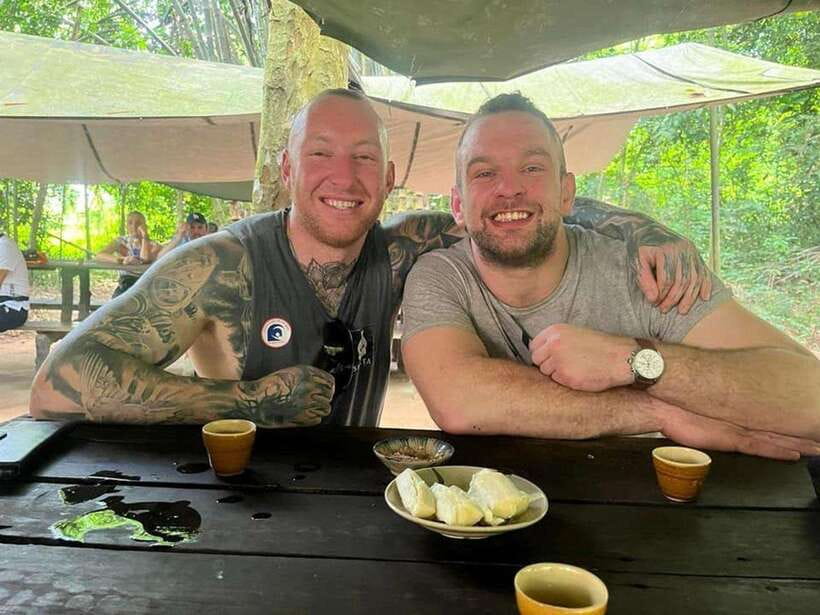
The Mekong Delta isn’t only about boats. You also get multiple stops that feel like breaks from the schedule, which is important on a one-day tour.
You’ll have chances to enjoy honey tea and seasonal fruits—often paired with folk music in the background. The goal is simple: help you slow down and feel the countryside atmosphere, not sprint through it.
You’ll also walk through peaceful villages and fruit gardens. The tour frames these as rustic and calm, and that’s exactly what you’re looking for here: a sense of ordinary life. If your plan is to learn something new and also leave with a calmer mood, this section helps.
Even the music matters. Folk songs tied to homeland give a cultural backbone to what you’re seeing on the water and in the gardens. The combination of sound, taste, and movement is how the day becomes more than a list of stops.
Coconut candy making and other food stops you’ll want to plan for
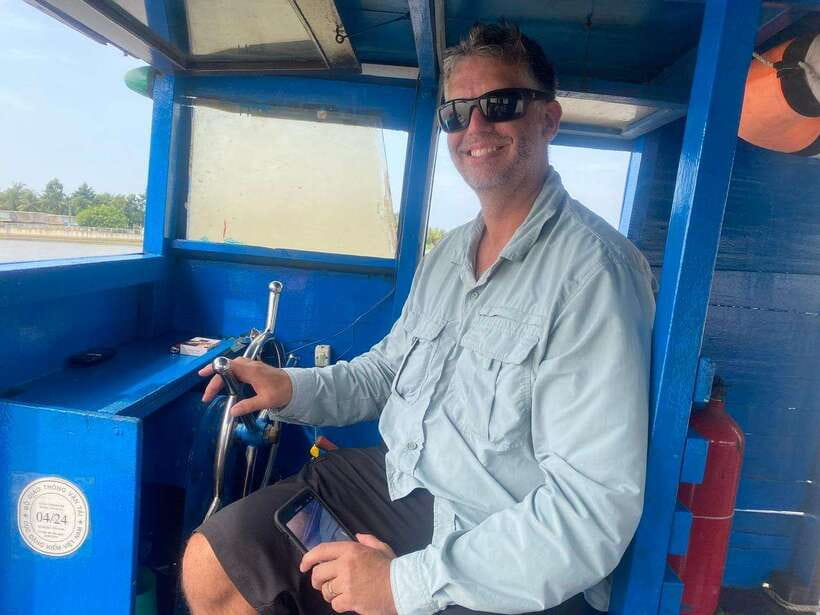
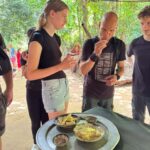
One specific cultural-food stop that’s worth your attention is the coconut candy production site. You’ll see how Vietnamese make coconut candy, and you’ll get the chance to taste different flavors of the local specialty.
This is the kind of food stop I like because it’s tied to something you can recognize later. You taste it, you learn how it’s made, and you leave with an edible souvenir that connects to what you saw.
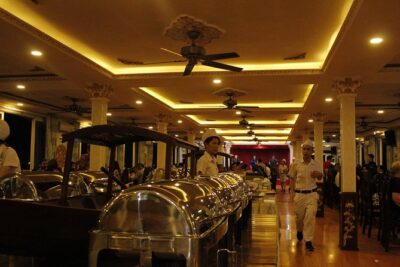
You may also have additional hometown dishes as part of the Mekong portion. The day is described as including a lunch at a restaurant plus an eight-dish meal with local flavors. If you go in expecting “just snacks,” you might underestimate how much food arrives during the river day.
Bring your appetite. And if you’re sensitive to spicy flavors, you’ll want to say so early to your guide so they can steer you toward what’s comfortable.
Price and value check for a one-day combo from Saigon
At around $49 per person, the value depends on what you compare it to.
What you’re getting for that money is more than a bus ride:
- Pick up and drop off at the center of Saigon
- An English-speaking tour guide
- Lunch plus bottled water
- Entrance fees
- A light tapioca-and-tea snack at Cu Chi
- The Mekong experience with boat and rowing time, plus cultural food and music moments
The extra costs that you should factor in:
- Shooting range bullets (optional), about 600,000 VND for 10 bullets
- Holiday surcharges in Vietnam
- Any meals beyond lunch and what’s included in the day
If your goal is to pack in both major highlights—wartime history and Mekong countryside—in one day with minimal planning, this price can make sense. If you only care about one half (only tunnels or only the delta), then you’re paying for the other half too. That’s the tradeoff with a combo tour.
Small gotchas: shooting fees and language changes that can cost you
Two practical cautions help you enjoy the day without stress.
First, the shooting option has an extra fee. If you think you might want to try it, mentally set aside the bullet cost so it doesn’t feel like a last-minute decision.
Second, watch how language choices affect what you’re buying. One person reported that changing language led to a private-tour setup with extra charges that were not clearly explained, and cancellation options became unclear. I’d handle that like an adult spreadsheet exercise: confirm what language you’re selecting and ask what’s included for that language choice before paying, especially if you want to keep free cancellation as an option.
If you keep those two things straight, you’ll likely find the day runs smoothly.
Who should book this Cu Chi and Mekong day trip?
This is a strong fit if you want:
- A single day that explains Vietnam history through place (tunnels) and Vietnam culture through everyday life (river villages)
- A mix of physical experience (going into the tunnel) plus scenic calm (boat and rowing)
- Food and music moments built into the day, like honey tea, seasonal fruit, and folk songs
It may not be for you if:
- You dislike cramped spaces and would rather skip the tunnel crawl
- You’re trying to keep spending ultra-low, because optional shooting adds costs
- You get anxious about schedule changes and language-related surprises, since you’ll want to confirm details up front
If you love contrast in travel—hard history followed by gentle countryside—this combo makes sense.
Should you book this one-day Cu Chi and Mekong combo?
I’d book it if you’re short on time in Ho Chi Minh City and you want both the “war memory” side and the “river life” side of Vietnam in one organized day. The Cu Chi Tunnels portion gives you hands-on context through camouflage stories, tunnel access, and documentary footage. Then the Mekong Delta portion shifts to boat travel, rowing through canals, folk music, honey tea, fruit gardens, coconut candy, and a full meal rhythm.
Just go in knowing two realities: it’s a full day, and the shooting range has extra fees. If you’re comfortable with that, this tour delivers a solid snapshot of Vietnam—up top and down under.
FAQ
How long is the Cu Chi Tunnels and Mekong Delta full day tour?
It’s listed as 1 day, and you can check availability for starting times.
Where does the tour start and end?
The tour includes pick up and drop off at the center of Saigon.
Is lunch included?
Yes. Lunch at a restaurant and bottled water are included.
What’s included at Cu Chi?
You get light snacks with tapioca and tea at Cu Chi tunnels, plus entrance fees are included.
Are entrance fees included?
Yes, entrance fees are included.
Can I shoot with real guns during the Cu Chi visit?
You have the opportunity to shoot with real bullets and real guns like AK-47 and M-60. The bullet fee is not included (roughly 600,000 VND per pack of 10 bullets).
Is there food and drink on the Mekong Delta portion?
Yes. The description includes honey tea, seasonal fruits, and an eight-dish hometown meal as part of the experience.
Is a private group available?
Yes, private group options are available.
What languages are available and are there extra charges?
English is included, and other languages are available with a surcharge. The listed languages include English, Chinese, Japanese, French, Italian, Spanish, Korean, German, and Russian.
What cancellation policy is offered?
Free cancellation is available up to 24 hours in advance for a full refund.