REVIEW · HO CHI MINH CITY
Saigon Morning Excursion by Scooter
Book on Viator →Operated by Vietnam Street Food Tour · Bookable on Viator
Motorbikes cut through Saigon fast. This private 4-hour scooter excursion shows you daily life beyond District 1, with stops that mix major memorial moments, old apartment stories, and neighborhood markets.
I especially love how the route strings together contrasting scenes in a logical way: the serious stop at the Thích Quảng Đức site in District 3, then the sensory overload of local markets and the biggest flower market in District 10. I also like that you get a coffee break that focuses on Vietnamese coffee itself, not just checking a box.
The main thing to consider is comfort: you’ll ride as a passenger on an open-faced helmet setup for most of the morning, and you’ll spend time walking through markets and temple areas. If you’re sensitive to traffic noise or sitting on a scooter for extended stretches, this might feel like a bigger commitment than a typical half-day tour.
In This Review
- Key highlights you’ll care about
- Riding Into Districts Most Visitors Miss
- 8:00 Pickup and the Thích Quảng Đức Moment in District 3
- Wet Markets and the Flower Market Machinery of District 10
- Vietnamese Coffee Stop: How the City Brews Its Morning
- Thien Hau Temple and Chinese Heritage in District 5
- Bridge Views: Stilt Houses, High Buildings, and the Real Contrast
- District 4 Street-Food Vibes and Riverside Lunch
- Floating Market Life: Fresh Coconut on the Saigon River
- The Final Neighborhood Lanes: Islands Between River Water
- Price and Value: Is $26 a Good Deal?
- Who Should Book This Scooter Morning Excursion
- Should you book it?
- FAQ
- What time does the Saigon morning scooter tour start?
- How long is the tour?
- Is hotel pickup included?
- What’s included in the price?
- Is this a shared tour or private?
- Do you provide safety gear for the motorbike ride?
- Which areas and stops are part of the route?
- Are there any age or weight limits?
- Is cancellation allowed without penalty?
Key highlights you’ll care about
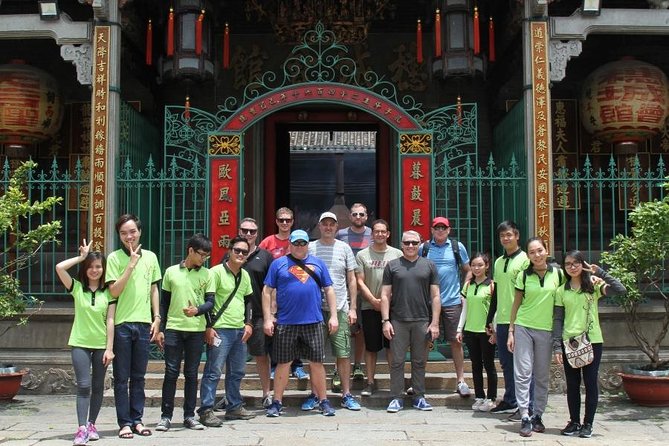
- Thích Quảng Đức memorial stop in District 3: a major 1963 protest story you’ll understand better with context from your guide team.
- Wet market weaving: you get real local rhythm before you move into the larger market systems.
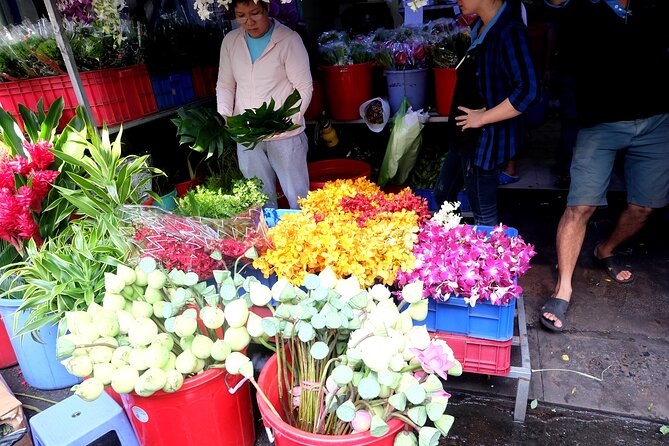
- District 10 flower market: hundreds of flower types that help supply the whole city.
- Thien Hau Temple (Lady of Sea): Chinese community roots, with materials imported by boat, plus a calm pause from the ride.
- Riverside lunch and floating market coconut: life along the Saigon River, including chatting with people who live on boats year-round.
- District 4 street food area: the smaller district feel, focused on everyday food culture.
Riding Into Districts Most Visitors Miss
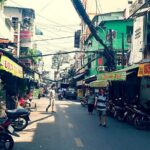
This tour is built around one simple idea: you see more real Saigon from the back of a motorbike than you will from a bus or even by taxi. You’re moving through neighborhoods where people actually work, shop, pray, eat, and commute.
Because it’s private, your English-speaking driver team can pace the day. That matters when you’re weaving through alleys, stopping for viewpoints, and getting explanations you might not find on your own.
One more practical point: the tour includes open-faced helmet gear and a rain coat if you need it. You should still dress for morning humidity and expect you’ll smell the city up close—coffee, street food steam, and market aromas included.
You can also read our reviews of more tours and experiences in Ho Chi Minh City

8:00 Pickup and the Thích Quảng Đức Moment in District 3
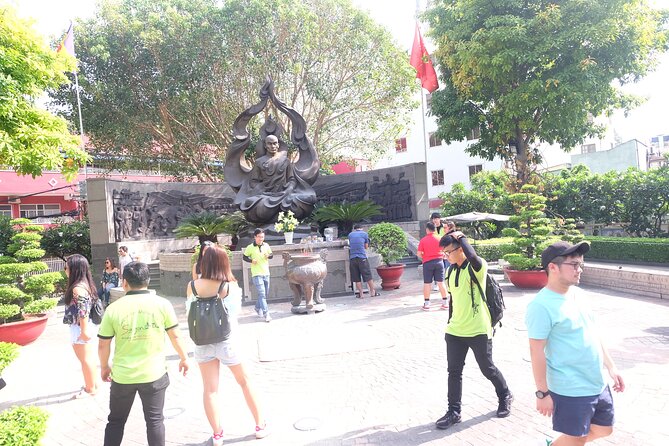
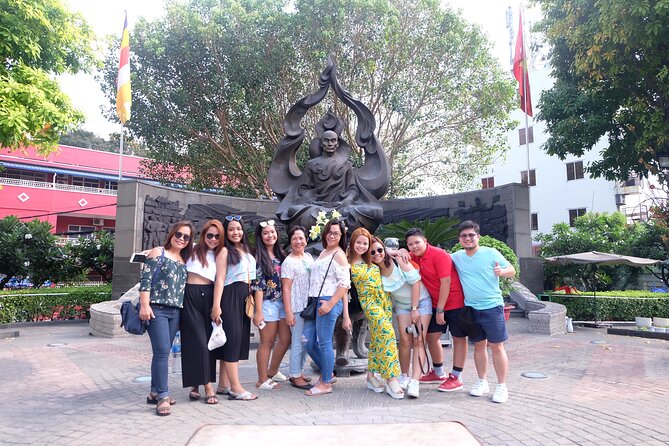
The day starts with a hotel pickup around 8:00 AM, then you head out to District 3. Your first major stop connects you to the story of Thích Quảng Đức, who set himself on fire in 1963 as a protest against persecution of Buddhism.
This isn’t a “quick photo and move on” stop. With your guide team’s explanation, the monument and surrounding context start to make sense. It’s also a reminder that Saigon isn’t only about street food and shopping—politics and religion shaped the city in very visible ways.
From there, the route continues through neighborhood lanes, including areas tied to old apartment life in District 3. You’ll get the sense of how people lived before today’s faster pace.
Wet Markets and the Flower Market Machinery of District 10
Next comes the market side of Saigon. You’ll visit a local wet market and then weave through smaller alleys. This segment is valuable because it shows the city’s everyday supply chain before you hit the big-ticket market stops.
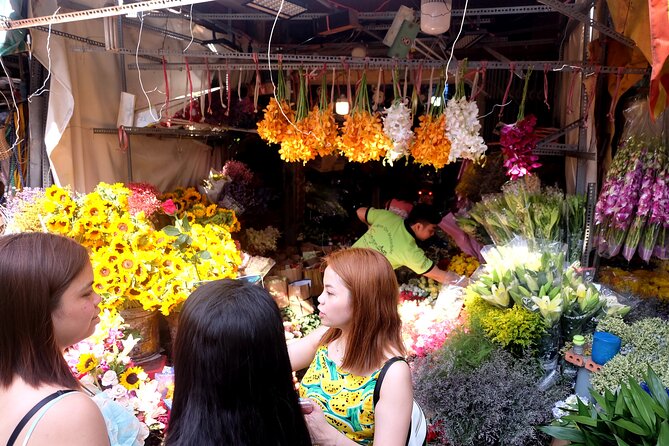
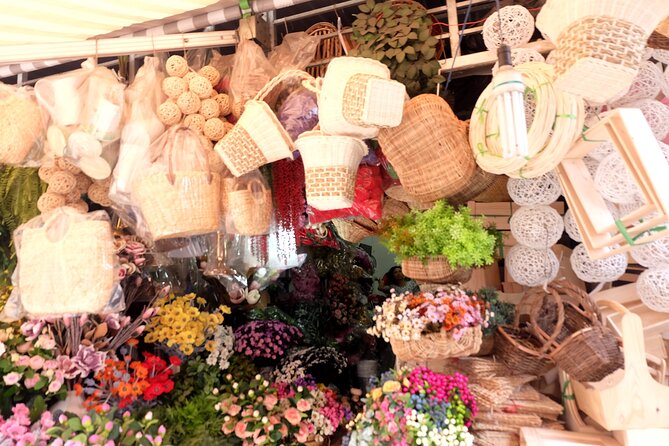
Then you reach the largest flower market in District 10, where the city’s demand meets large-scale production. The tour notes that many flowers come from Sadec in the Mekong Delta. That detail helps you connect what you’re seeing—stalls full of blooms—to how far the supply travels.
There can be a lot of motion here: sellers calling out, workers moving goods, people handling flower bundles like it’s just another workday. If you prefer slow sightseeing, ask your guide to manage your stop time. The best experience comes when you pause long enough to notice how flowers are displayed and traded.
Vietnamese Coffee Stop: How the City Brews Its Morning
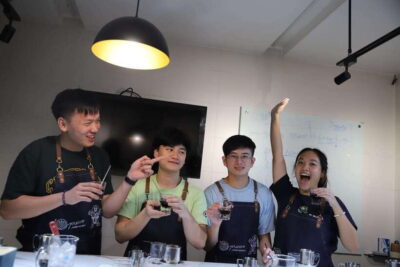
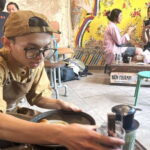
At some point you’ll stop at a local coffee shop—an ideal break after the earlier ride time. You’ll either watch how Vietnamese coffee is made or at least get a lesson on the process, then drink it on site.
This stop is included as part of the experience, with choices like Vietnamese coffee, or tea with jam depending on the day’s flow. Either way, it’s a smart moment to slow down. Your brain catches up. Your body cools off a bit. And you get a feel for neighborhood conversations.
If you’re coffee curious, this is the moment to ask questions about taste and brewing style. Guides on this route are used to explaining why locals prefer their coffee the way they do.
Thien Hau Temple and Chinese Heritage in District 5
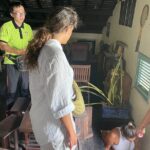
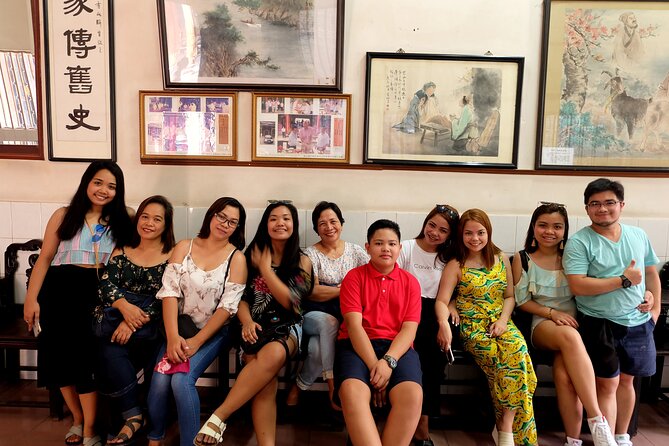
After the coffee break, the tour heads into the China Town area of District 5. One of the core stops is Thien Hau Temple, known as the Lady of Sea, described as being about 300 years old.
The tour includes background that matters: it was built by Chinese people, and the materials were imported from China to Vietnam by boat. When you hear that and then stand inside the temple space, it changes the stop from a landmark into a story of migration, trade, and community.
Along the route, you’ll also pass areas known for specialty trades—ornamental fish street and Medicine Street are both specifically mentioned. The theme here is simple: Saigon is practical, and each neighborhood has its own role.
You’ll also visit the kind of market atmosphere associated with lanterns and traditional medicine. Even if you don’t buy anything, it helps you understand how cultural life and commerce overlap here.
You can also read our reviews of more tours and experiences in Ho Chi Minh City



Bridge Views: Stilt Houses, High Buildings, and the Real Contrast
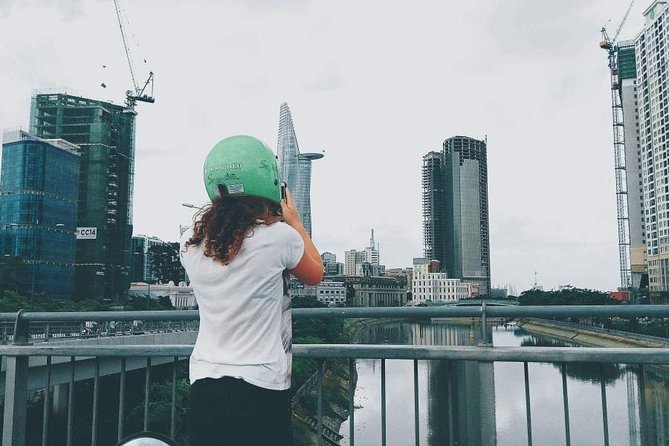
You’ll cross a bridge that connects District 5 and District 8. This portion matters because it shows the city’s contrast in one sweep: stilt houses along the riverside on one side, and high buildings on the other.
These are not just pretty views. They’re a quick way to understand how geography shapes daily life around water and how development changes neighborhoods over time.
On this route, your guide team also uses the phrase second Singapore for an area that used to be one of the poorest districts. That detail doesn’t just sound dramatic—it frames what you’re seeing next, including a more local, everyday street-food kind of atmosphere.
If the traffic feels intense, this bridge segment gives you something to focus on besides the ride—eyes up, notice the differences, then relax as the city moves beneath you.
District 4 Street-Food Vibes and Riverside Lunch
After you’ve handled temples and markets, the tour shifts into food and comfort. You’ll reach a local coffee shop along the riverside, then enjoy Vietnamese lunch in a cool atmosphere.
District 4 is specifically called out as a smaller district and famous for street food. Even when you’re eating off the “main tourist path,” the point here is that you’re eating like Saigon itself eats—casual, fast, and built around flavor and routine.
Lunch plus two drinks (included) makes this half-day feel more complete than a standard scooter “snack tour.” You’re not just tasting one bite after another; you’re also getting a real meal and a chance to reset before the floating market segment.
Floating Market Life: Fresh Coconut on the Saigon River
The afternoon highlight is the floating market experience. After lunch, you’ll go for fresh coconut and spend time around the floating-market setting, where you can chat with locals who live on boats year-round.
This stop is one of the most memorable parts of the tour because it reframes what “market” means. Instead of shelves and stalls, you see products arriving and being sold from boats, tied to the rhythms of the river.
The tour notes that boats from the Mekong Delta dock here to sell products. That’s a big clue about the city’s food connection: Ho Chi Minh City isn’t just consuming what’s nearby; it’s a hub in a much larger regional network.
The practical upside: floating market time usually feels slower and more visual than alleys full of scooters. Even if you’re tired from earlier riding, this part gives your eyes a breather.
The Final Neighborhood Lanes: Islands Between River Water
On the way back, your licensed driver will take you through eating alleys on an island surrounded by the Saigon River. The tour describes this as a place where immigrants from different regions of Vietnam came and lived.
I like this ending because it closes the loop. You began with a memorial story and neighborhood markets; you finish with everyday alley life and the idea of Saigon as a coming-together city built by arrivals.
This is also where you’ll likely notice how different the city feels when you slow down and watch people rather than chase photos. Your guide team’s explanations help you connect the scenes to how the city got to where it is today.
Price and Value: Is $26 a Good Deal?
At $26 per person for about 4 hours, this tour stacks value in a few ways.
First, it’s private transportation plus a friendly English-speaking guide team. Second, you’re not paying extra for ride safety basics like high-quality open-faced helmets and rain coats if needed. Third, the price includes 1 meal and 2 drinks, plus an additional eating stop and two drink moments across the day.
Then there’s the insurance angle: accident insurance is included. You may hope you never need it, but it’s a real comfort factor on a motorbike-based experience.
If you were to piece this together on your own—private guide, vehicle time, and multiple stops—it would likely cost more than $26. The trick is to show up ready for an active morning. If you want a relaxed sightseeing day with minimal movement, you might feel under-satisfied.
Who Should Book This Scooter Morning Excursion
This is a strong fit if you want:
- A morning-focused way to see multiple districts beyond District 1
- A guide team that explains what you’re looking at, not just where to stand for photos
- A mix of culture and everyday life: memorial, temples, markets, and the river
It’s also a good choice for people who learn best by moving—watching sellers at work, seeing how goods are traded, and understanding neighborhood identity through small details.
If you’re booking with kids, note that children under 5 must follow their parent during the tour. If anyone in your group weighs over 130kg, you’ll need to contact the operator before booking, as listed in the tour notes.
Should you book it?
If you want one morning in Ho Chi Minh City that feels local—coffee in a corner shop, temples tied to Chinese community roots, flower markets that supply the whole city, and a real river-market stop—this scooter excursion is a smart pick.
I’d book it if you’re comfortable riding on a scooter for much of the day and you like having context while you explore. I wouldn’t book it if you hate traffic-style movement or you’re looking for a slow, fully seated tour.
FAQ
What time does the Saigon morning scooter tour start?
The tour start time is 8:00 AM.
How long is the tour?
The duration is about 4 hours.
Is hotel pickup included?
Yes. Pickup is offered at your hotel or a specified place.
What’s included in the price?
The price includes 1 meal and 2 drinks, plus one eating stop and two kinds of drink across the experience, along with scooter tour time, helmet and rain coat if needed, and accident insurance.
Is this a shared tour or private?
It’s private. Only your group participates.
Do you provide safety gear for the motorbike ride?
Yes. You get high quality open-faced helmets and a rain coat if needed.
Which areas and stops are part of the route?
Stops include District 3 (including the Thích Quảng Đức story area), a local wet market, the biggest flower market in District 10, a coffee shop break, Thien Hau Temple in District 5, markets tied to traditional medicine and lanterns, the floating market for coconut, and District 4 street-food areas.
Are there any age or weight limits?
Children under 5 must follow their parent during the tour. Passengers over 130kg need to contact the operator before booking.
Is cancellation allowed without penalty?
Yes. Free cancellation is allowed up to 24 hours before the experience starts for a full refund.