REVIEW · HO CHI MINH CITY
My Tho – Can Tho – Chau Doc 3 days private tour
Book on Viator →Operated by Mekong Tourist · Bookable on Viator
A long boat day in the Mekong is hard to beat. This private 3-day Mekong Delta run strings together fruit orchards, quiet canals, two famous floating markets, and the bird-rich Tra Su Sanctuary—all with an English-speaking guide and included meals. I especially loved how the trip balances big-name sights with lesser-seen corners like Ben Tre’s canal routes, and I liked the practical way meals and transport are handled. One drawback to plan around: you’re moving between regions fast, so you’ll want to keep your energy up on longer boat and van days.
You also get real texture, not just photos. From hand-rowed sampans under coconut palms to crossing a bamboo “monkey bridge,” the day-to-day rhythm feels very local. The tour is also flexible in where you sleep in Can Tho, with an option for a riverside homestay.
Because it’s a private tour, you’ll have a smoother experience than big group hopping—but that also means you’re committing to the schedule. If you hate early mornings or long days on the water, this one might feel like a workout.
In This Review
- Key highlights you’ll actually remember
- Why this Mekong Delta route works in just 3 days
- Day 1: From HCMC to My Tho, with pagodas, orchards, and river villages
- Ben Tre by hand-rowed sampan: the quiet side of the delta
- Can Tho: choose hotel comfort or a riverside homestay
- Floating markets on the Bassac River: Cai Rang and the food-making stops
- Tra Su bird sanctuary: small-boat calm through reed-filled channels
- Chau Doc day 3: fish farms, Cham weaving, and Sam Mountain views
- Price and logistics: what $667.95 buys you (and what it doesn’t)
- Practical notes so the trip feels easy, not stressful
- Should you book this Mekong Delta private tour?
- FAQ
- What time does the tour pickup happen in Ho Chi Minh City?
- How long is the Mekong Delta private tour?
- Is this tour private or shared with other groups?
- What meals are included?
- Will I visit both Cai Rang and Phong Dien floating markets?
- Do I have a choice for where I stay in Can Tho?
- What should I wear?
- Do I need a passport to join the tour?
- What happens if the weather is bad?
Key highlights you’ll actually remember
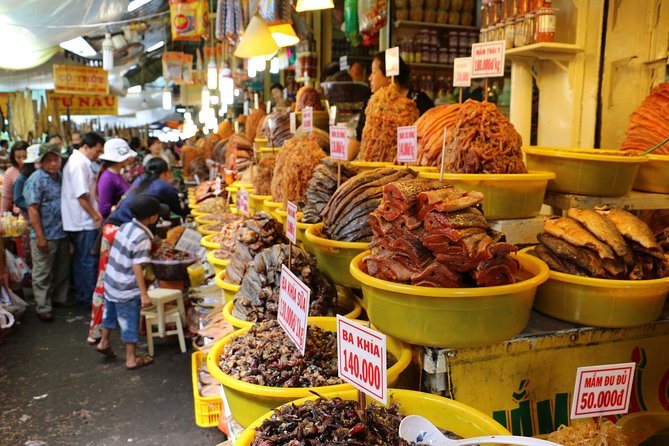
- Two floating markets: Cai Rang plus Phong Dien as an optional add-on
- Tra Su Sanctuary by small boat: canals in the reeds with storks and cranes
- Ben Tre canal time: hand-rowed sampan cruising under coconut trees
- Rural village moments: fruit, honey products, and a walk through orchard life
- Cham culture in Chau Doc: weaving village visit and a local Islamic mosque
- Comfort or character for Can Tho: hotel stay or a riverside homestay experience
Why this Mekong Delta route works in just 3 days
If you only have a short window, you need a plan that doesn’t feel rushed. This tour is built like a smooth relay: start in My Tho, move to Ben Tre for canals and village food stories, then land in Can Tho, finish in Chau Doc, and back to Ho Chi Minh City. You get a wide spread of what people love about the Mekong Delta without spending a whole week traveling.
I like that the days are structured around experiences you can picture before you arrive. You’re not just visiting places; you’re doing things—boating, biking or trekking in the village, sampling local products, and watching how everyday foods get made. That’s what makes it memorable instead of checklist-y.
The other smart part is how the tour “levels up” the scenery. My Tho and Ben Tre give you orchards and waterways. Can Tho brings the famous floating market energy. Chau Doc adds the quieter, nature-heavy feeling of Tra Su’s reed-filled channels.
You can also read our reviews of more private tours in Ho Chi Minh City
Day 1: From HCMC to My Tho, with pagodas, orchards, and river villages
Your day starts with a pickup from your hotel in Ho Chi Minh City around 7:30 to 8:00. From there, you’ll ride out along roads that pass long stretches of rice fields, which sets the tone for the Mekong Delta—agricultural, slow, and human-sized.
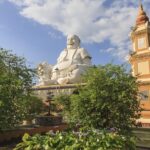
In My Tho, you begin with Vinh Trang Pagoda. It’s a calm start that gives you a sense of Southern Vietnam’s spiritual life before the day turns into water time. Even if you’re not a big temple person, it helps you get oriented to the region’s cultural rhythm.
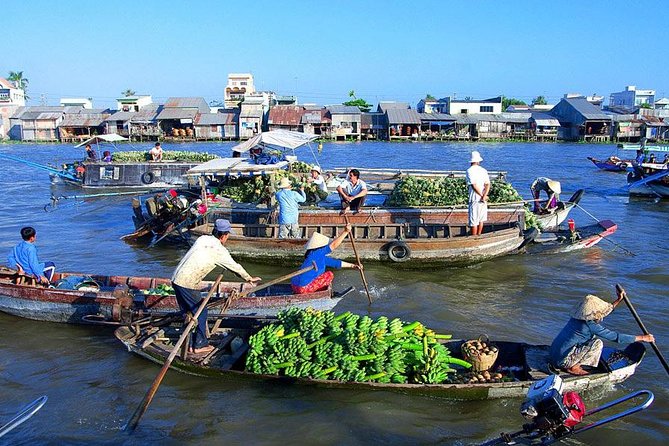
Next comes the river experience: a leisurely boat ride where you’ll see stilt houses, fruit plantations, and fishing villages along the banks. This is the kind of view that looks simple but takes effort to replicate elsewhere. From the water, the houses, gardens, and boats don’t feel separate—they connect.
Then you go to Tortoise Islet and have lunch in an orchard garden. The orchard setting matters here: it changes lunch from “a stop” into part of the destination. If you enjoy slow travel even during busy itineraries, this is one of the best places to slow down a bit.
Ben Tre by hand-rowed sampan: the quiet side of the delta
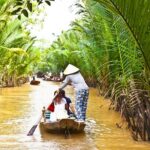
After My Tho, the tour heads to Ben Tre for one of the more special moments of the trip: An Khanh, described as a less touristy stop. What you’re really going for is the canal route, cruising by hand-rowed sampan under the shade of water coconut trees.
This section is where the Mekong Delta feels intimate. The boat stays small, the pace stays gentle, and the canals don’t feel like a stage set. If you’ve only seen big tour boats before, you’ll notice the difference right away.
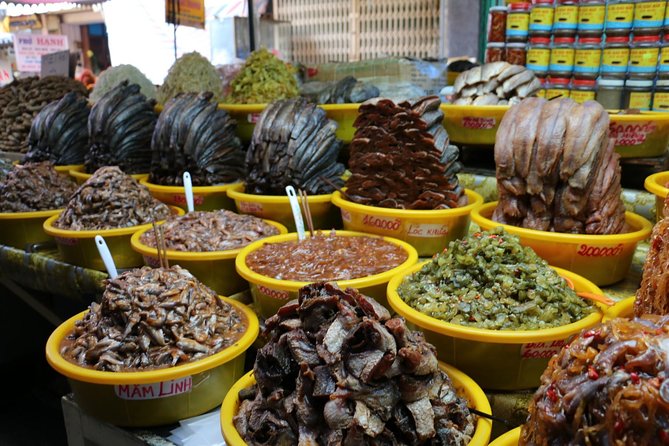
Then you’ll get local food culture with seasonal fruit and honey tea, served with Southern Vietnamese folk music performed by local people. It’s not a random show stop—it’s tied to the orchard and rural theme of the day.
There’s also time for a family-style rural visit. You’ll taste coconut candy, learn about the coconut-based product life that supports many households, and roam through fruit plantations and village areas. This is one of those segments that’s easy to undervalue until you’re there; in real life, you’ll see how “farm to snack” becomes “farm to income.”
Can Tho: choose hotel comfort or a riverside homestay
By late day 1 you arrive in Can Tho, where you have two sleep options.
Option 1 is a straightforward 3-star hotel with some evening freedom. You can also explore the Can Tho market on your own that night. If you want hot shower time and an easy recovery from boat travel, this is the cleanest choice.
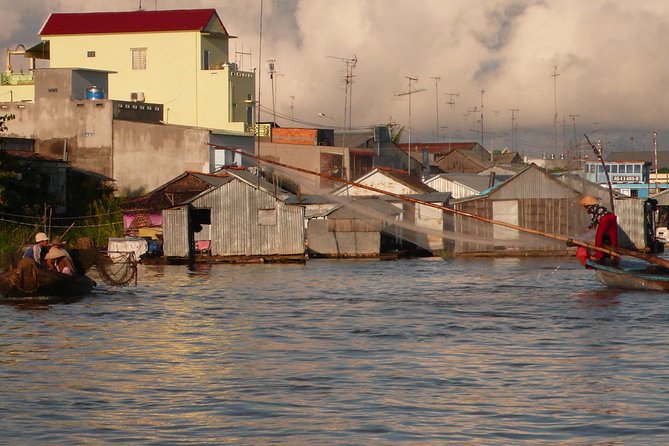
Option 2 is more character: a homestay experience in a small village area in Cai Rang district. You transfer by motorboat to a riverside cottage. In the afternoon, you can cycle or trek around the village to experience day-to-day Mekong Delta life more directly.
Dinner is self-cooked together with the local host, and you finish the evening with traditional folk music with neighbors. This option isn’t for everyone, but if you like meeting people, it’s the one that makes you feel like you’re living inside the region for a night instead of just passing through.
Floating markets on the Bassac River: Cai Rang and the food-making stops
Day 2 is where the tour hits peak Mekong Delta energy—water routes first, then floating market time. You start with a boat trip exploring tributaries of the Lower Mekong, especially the Bassac River area.
This is a good time to watch the smaller details. You’ll see how life is organized around waterways: where boats stop, where people work, and how the market rhythm fits the river. It’s also calmer than it looks from land—boats move with purpose, but not chaos.
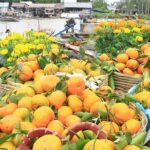
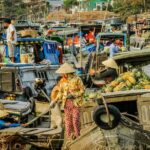
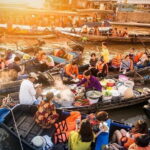
Then you reach Cai Rang floating market, described as one of the liveliest in the region. You’ll also have Phong Dien as an optional add-on, depending on what your guide and schedule allow. If your priority is the classic floating-market photos and the real trading energy, you’ll be glad this day includes two possible market moments.
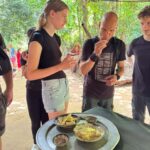
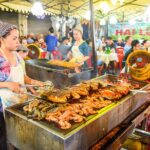
One of the most practical stops comes next: learning about how Vietnamese vermicelli soup is made. It’s a food-focused break that also gives you context for what you’re seeing in the market. You’re not just consuming; you’re understanding.
You also get a few hands-on cultural moments. You’ll wander a village area and meet local people, and you’ll try crossing a monkey bridge—built from a single bamboo stem. Even if you take it slowly, the point is the balance challenge and the sense of how people adapt infrastructure to daily river life.
Then there’s an orchard garden stop and lunch before you head toward Chau Doc.
You can also read our reviews of more tours and experiences in Ho Chi Minh City
Tra Su bird sanctuary: small-boat calm through reed-filled channels
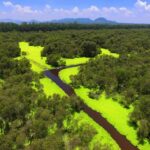
After lunch, the tour transitions from market energy into nature time. In Chau Doc, you continue to Tra Su Sanctuary—a place built around water, reeds, and wildlife.
Here, you cruise smoothly in small boats through forest canals. The goal is the variety of birds you can spot along the channels, including storks, cranes, and other tropical birds. This is one of the tour’s strongest “contrast” moments: you go from floating market movement to a quieter, slower kind of observation.
If you’re the kind of person who enjoys nature but still wants structure, Tra Su is a great fit. You’re not wandering alone; you’re in a guided boat route designed for viewing. And because the canals are narrow, you tend to feel closer to the ecosystem than you would from a larger platform.
Chau Doc day 3: fish farms, Cham weaving, and Sam Mountain views
Day 3 begins with breakfast, then the tour shifts back to river life through a boat trip through a floating village. You’ll visit a fish farm where people raise fish in floating houses. It’s a reminder that the Mekong Delta isn’t just tourism scenery; it’s also an active working system.
Next you’ll visit the Cham minority with a traditional weaving village. Watching weaving work is one of the best ways to respect culture without turning it into a performance. You get to see craft as everyday knowledge, not just a souvenir line.
After that, you visit a local Islamic Mosque, giving you another layer to Chau Doc’s cultural mix. It’s a small stop, but it helps the day feel more like a region with different communities rather than one-note river tourism.
Some departures also include Sam Mountain sightseeing for viewpoint time on the way back toward or around Chau Doc. If your group gets that added element, it’s a nice way to reset your perspective after lots of water and village stops.
Finally, you ride back to Ho Chi Minh City and end at the office.
Price and logistics: what $667.95 buys you (and what it doesn’t)
At $667.95 per person, this is not a budget hop. But it also isn’t overpriced for what you’re actually getting: round-trip transfer from Ho Chi Minh City, an English-speaking guide, multiple boat trips, entry-style experiences aligned to the itinerary, and meals across the days. You also get hotel accommodation at 3-star level plus the option for a homestay, depending on which Can Tho style you choose.
What you’re not getting is also clear. There’s no mention of travel insurance or alcohol-like extra beverages. Tips and personal expenses are on you.
The best way to judge value is to compare it to DIY. Doing this loop yourself means dealing with separate tickets, transfers, and coordinating boats—especially for the floating markets and Tra Su’s small-boat routes. This tour packages those friction points into a single plan, which is exactly what private touring is supposed to do.
Practical notes so the trip feels easy, not stressful
A few details can make or break a short Mekong trip.
First, dress smart casual. You’ll be on boats and moving between rural areas, so comfortable clothes and footwear matter. If you don’t like sun, consider bringing something light for daytime.
Second, plan for timing around water. Even when boats are called leisurely, you’ll still be on the move. Bring a small day bag for water, snacks if you need them, and any basic items you like on boat rides.
Third, consider which Can Tho sleep option matches your style. If you want convenience and downtime, the hotel option is the straightforward pick. If you want the stronger sense of local routine, the riverside homestay is the one that delivers the most day-to-day texture.
Finally, this experience requires good weather. If conditions aren’t right, the provider will offer a different date or a full refund.
Should you book this Mekong Delta private tour?
Book it if you want a structured 3-day Mekong experience that mixes famous sights with real village life, and you don’t want to spend your trip figuring out transport. I think it’s a strong fit for couples, small families, and friends who like variety—pagodas, orchards, canal cruising, floating markets, wildlife channels, and Cham culture.
Skip it or rethink if you hate long days on the move, or if you want lots of unplanned free time. This route is full, and the value comes from that packed sequence.
If you do book, decide in advance which matters most: the hotel-rest option versus the homestay village night. Then you’ll feel like you chose the tour that matches your travel personality, not just one that checks boxes.
FAQ
What time does the tour pickup happen in Ho Chi Minh City?
Pickup is scheduled from your hotel around 7:30 to 8:00 am.
How long is the Mekong Delta private tour?
The tour lasts about 3 days.
Is this tour private or shared with other groups?
It’s a private tour/activity, so only your group participates.
What meals are included?
Meals are included as indicated in the itinerary, including breakfast, lunch, and dinner (and bottled water). Coffee and/or tea are also included.
Will I visit both Cai Rang and Phong Dien floating markets?
You’ll visit Cai Rang floating market, and Phong Dien is listed as optional.
Do I have a choice for where I stay in Can Tho?
Yes. You can choose a hotel in Can Tho, or a riverside homestay option in the Cai Rang district.
What should I wear?
The dress code is smart casual.
Do I need a passport to join the tour?
Yes, a current valid passport is required on the day of travel.
What happens if the weather is bad?
The experience requires good weather. If it’s canceled due to poor weather, you’ll be offered a different date or a full refund.