REVIEW · HO CHI MINH CITY
Cu Chi Tunnels Half-Day: Big Group Vietnam War Experience
Book on GetYourGuide →Operated by MILLENIUM TRAVEL CO.,LTD · Bookable on GetYourGuide
Underground Vietnam teaches fast. This Cu Chi Tunnels half-day pairs a history film with a guided crawl through kitchens and hospitals, plus a real wartime-style meal like cassava and tea. The main catch: the tunnels are dark, tight, and not a good match for claustrophobia or anyone with back/heart issues.
I like that the tour feels well-timed and easy to plug into a Ho Chi Minh City stay. You get District 1 hotel pickup by air-conditioned bus, a focused tunnel visit, then time to recover on the way back. Still, you should expect a long bus rhythm (about 1.5 hours each way), and the day won’t feel like a laid-back stroll.
In This Review
- Key Things You’ll Actually Care About
- Price and Value: Is $19 a Smart Deal for Cu Chi?
- Pickup, Bus Ride, and the 08:00 Start That Sets the Tone
- First Learn, Then Go Underground: Film and Orientation
- Ben Duoc Tunnel Visit: Kitchens, Hospitals, Storage, Command
- The 30-Minute Break: What Happens Between Tunnel and Return
- Cassava and Tea: The Simple Viet Cong Meal That Anchors the Story
- Rest Stop on the Way: Artwork Sales and a Detour You Should Expect
- Optional Shooting Range: What You Can Add (and What It Costs)
- Guide Quality: When Humor Meets Clear Explanations
- What to Bring (and What Not to Bring) for a Smooth Crawl
- Who Should Book This Tour (and Who Should Skip It)
- Practical Logistics: Duration, Taxes, and the Stuff You Can Control
- Should You Book Cu Chi Tunnels Half-Day?
- FAQ
- How long is the Cu Chi Tunnels half-day tour?
- Where do I meet for pickup?
- What’s included in the $19 price?
- Is the shooting range included?
- What should I bring?
- Is the tour suitable for claustrophobia or back problems?
Key Things You’ll Actually Care About
- A guided tunnel crawl through kitchens, bedrooms, hospitals, storage, and command areas
- A history film before you go underground, so the spaces make sense
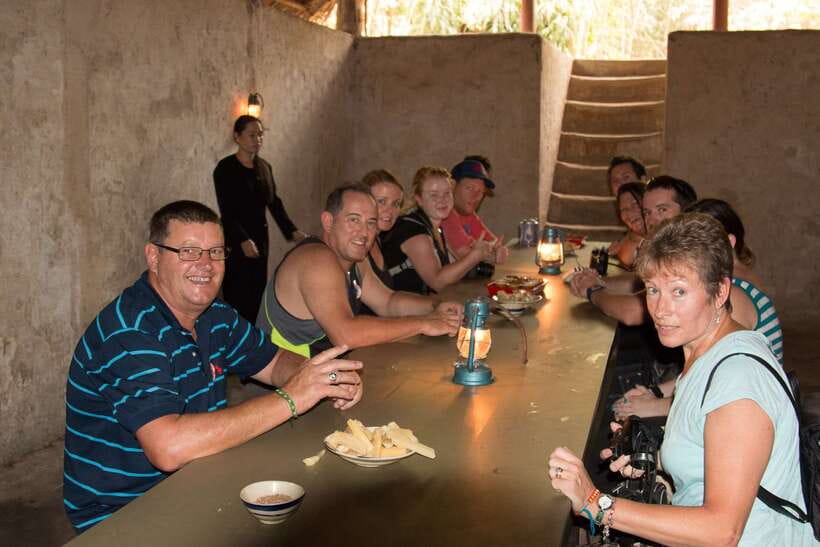
- Cassava with salt and special tea, a simple Viet Cong wartime meal
- Ben Duoc tunnel visit is about 1 hour, with your guide calling out key features
- Optional shooting range for extra cost, with gun rental not included in the base price
- A planned rest stop on the way that can include artwork sales
Price and Value: Is $19 a Smart Deal for Cu Chi?
At $19 per person, this tour is priced for real-world value, not for luxury. You’re paying for round-trip air-conditioned transportation, a live English-speaking guide, and entry fees for the Ben Duoc/Ben Dinh tunnel area, plus bottled water. That’s the key: many Cu Chi trips spend a lot of money on extras; this one keeps the core experience tight.
The only obvious add-on is the optional shooting range, and that’s separate from the base price. Gun rental isn’t included, and ammunition costs are up to you. If you want the shooting option, budget extra. If you don’t, you can keep the cost close to the headline price.
You’ll also want to factor in time. With pickup in central District 1 and a roughly 1.5-hour drive each way, the “half-day” is more like a full day on your schedule (the duration is listed as 7 hours). You’re not going for maximum relaxation—you’re going for a specific, intense experience.
You can also read our reviews of more tours and experiences in Ho Chi Minh City
Pickup, Bus Ride, and the 08:00 Start That Sets the Tone
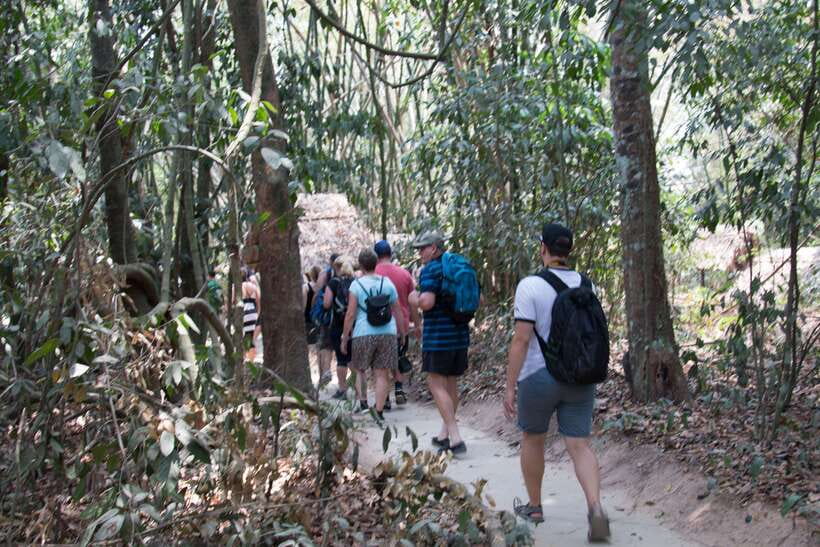
Most people come to Cu Chi from Ho Chi Minh City District 1, and this tour picks you up in select central areas. Your meeting point is 112 Tran Hưng Đạo Street, Ben Thanh Ward, District 1, with a meeting time of 08:00 AM and a good idea to arrive at least 10 minutes early.
The reason this matters: departures are set up for the day’s tunnel slot and return traffic. If you show up late, you risk missing the group flow. Once you’re on the bus, you’re looking at about 1.5 hours toward Cu Chi. It’s not just transit; it’s part of the learning arc.
On the bus, expect a short presentation that frames what you’re about to see. One review highlighted that the guide and film combo works well, and you’ll often get a guide who uses humor to keep the tone from becoming flat or overly intense.
First Learn, Then Go Underground: Film and Orientation
Before you start crawling, the tour gives you a history setup. You’ll watch a short documentary-style presentation about how the tunnels functioned and what the war meant for people living around them. That step is valuable because underground spaces can feel like a maze without context.
Here’s what this orientation does for you as a visitor: it turns “wow, tunnels” into “oh, this is how people survived.” When your guide explains the logic of hidden routes and compact working areas, the crawl becomes less like tourism and more like understanding systems under pressure.
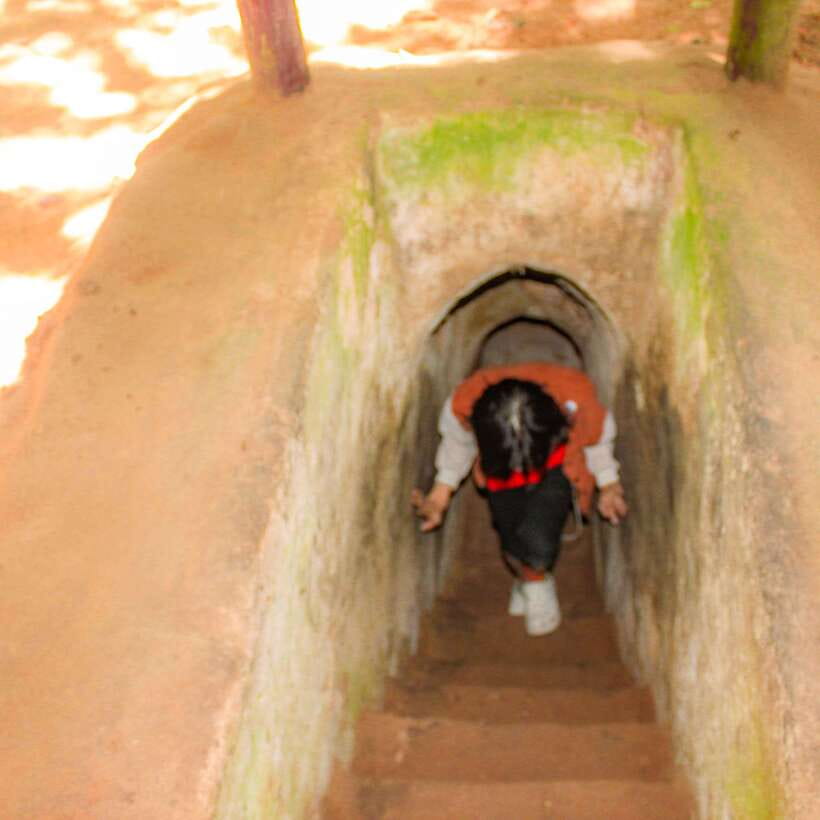
You’ll also get guide instructions before entering the more confined sections. This is especially important because the tunnel spaces are narrow and low. The rules aren’t just for safety; they shape how you experience the visit.
Ben Duoc Tunnel Visit: Kitchens, Hospitals, Storage, Command
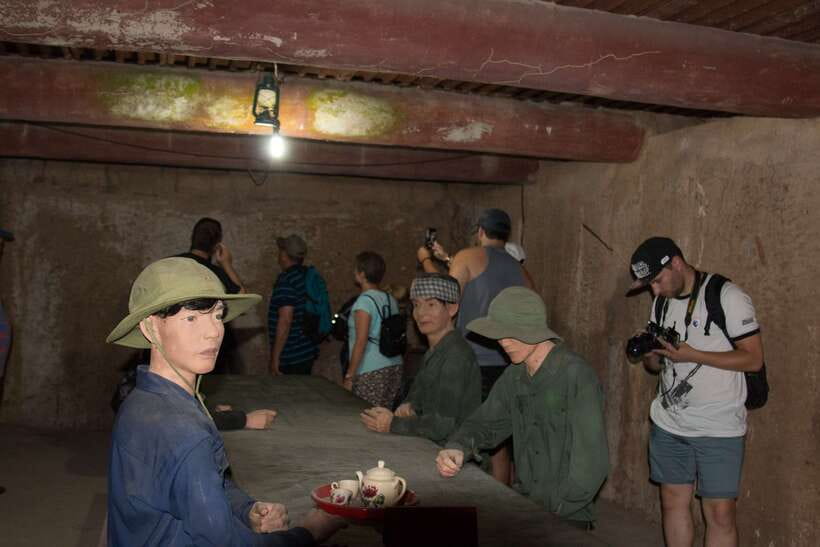
The tunnel portion is about 1 hour at Cu Chi Tunnel Ben Duoc, guided and structured. You won’t be wandering freely. Your guide leads you through key zones and points out what each area was used for.
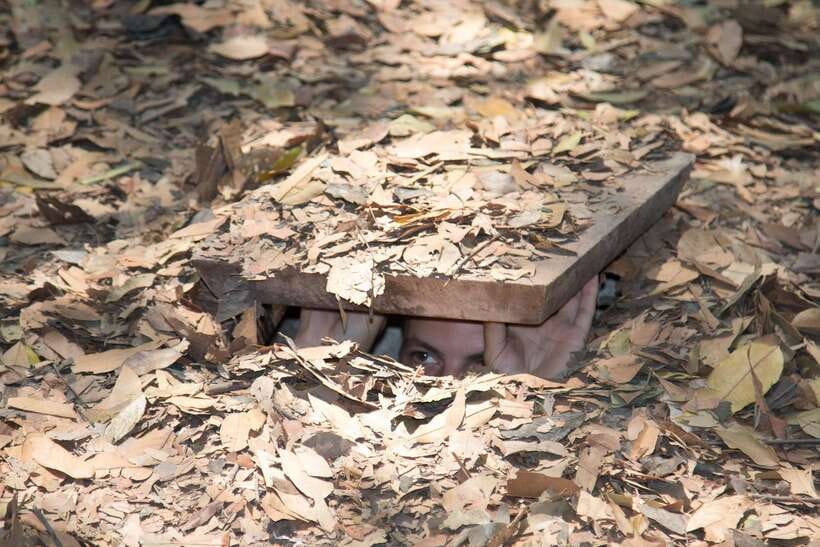
Plan for the feel of it: the crawl sections are described as dark and tight. You’ll move through underground kitchens, bedrooms, field hospitals, storage facilities, weapons factories, and a command center (names of the zones are part of the tour description). Even when you know it’s a historical site, your body still feels the confinement.
That’s the value of the format. You get a walkthrough of how daily needs could be managed underground—food prep, sleeping areas, medical care, and logistics. You also get the sense of how hard it was to move, communicate, and live while constantly hiding.
One practical note: the experience is guided, but it still depends on your comfort level. If you have issues with bending, crouching, or confined spaces, this tour can be tough. The tour is not suitable for people with back problems, claustrophobia, or heart problems, and it’s also not set up for wheelchair users.
The 30-Minute Break: What Happens Between Tunnel and Return
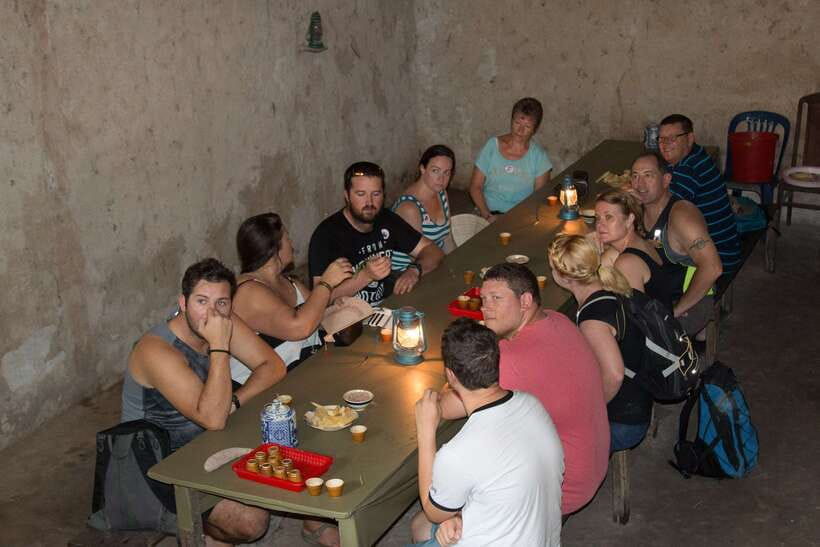
After the tunnel visit, you’ll get a break time of 30 minutes. This part is underrated. When you come back from underground, you want a moment to reset. You’ll also have the chance to use facilities, grab water if you need it, and shake out your legs.
Then you’re back on the bus for the return drive of about 1.5 hours. If you’re sensitive to long rides, I’d plan your comfort before you go in. Wear shoes that support your ankles for stairs and uneven areas, and consider bringing sunglasses and a hat for the outdoor part of the day.




Cassava and Tea: The Simple Viet Cong Meal That Anchors the Story
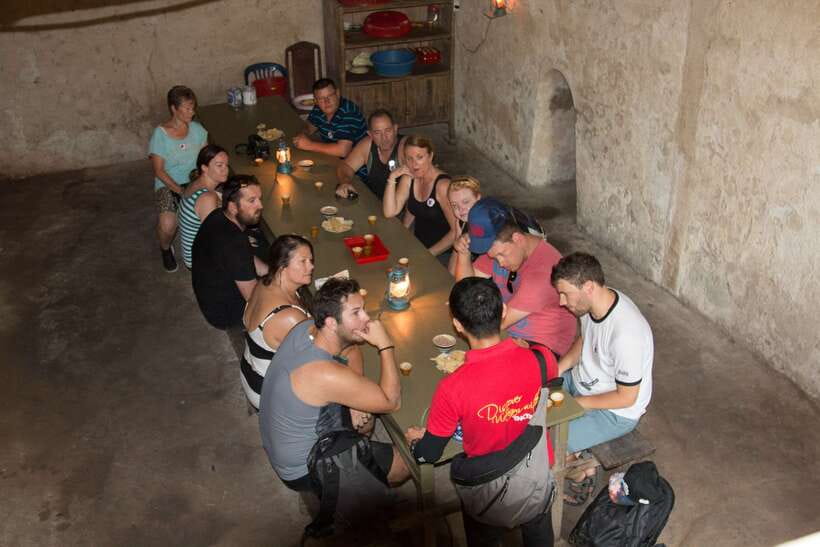
This tour includes a tasting of wartime staple food: steamed cassava with salt and special tea. It’s not a fancy meal. That’s the point.
The cassava portion matters because it’s a historical “food reality” moment. You’re not eating a themed dessert; you’re tasting something described as a wartime staple, tied to how people ate under scarcity. The tea adds a second flavor anchor, too—quiet, practical, and served alongside the food.
For most people, this break-in-the-middle bite is one of the most memorable parts because it’s concrete. You can remember the texture and taste even if the tunnel layout blurs later. It turns the tour from a visual experience into a multi-sense one.
If you’re picky about strong flavors or plain textures, keep expectations realistic. Cassava with salt is simple, and you may want a snack buffer outside the included portion. The tour does provide 1 bottle of mineral water per person, which helps.
Rest Stop on the Way: Artwork Sales and a Detour You Should Expect
On the way to the tunnels, the schedule includes a rest stop around 20 to 30 minutes. This stop can include a market component where artwork is sold. This is common on Cu Chi day trips, and it’s built into the flow.
How to handle it: treat it like a quick pause, not a meal stop. Some people may find the stop more sales-focused than what they hoped for, so don’t count on a sit-down restaurant-style break. If you want food quality, bring your own plan for timing outside of this stop.
The upside is that you’re not rushed. You get a stretch of time to get fresh air, look around, and decide whether to buy anything. One review specifically mentioned there was no pushy tactic, so you can usually browse at your pace.
Optional Shooting Range: What You Can Add (and What It Costs)
The tour offers an optional shooting range experience for extra cost. The base tour does not include gun rental, and you may need to purchase ammunition if you want to fire a specific weapon.
What’s included in the offer: the chance to fire a gun of your choice from available options. One description even points to the experience of firing an assault rifle, if that’s part of the range setup that day, but the exact weapons and pricing aren’t spelled out in the details you were given. The practical message is simple: if you care about the shooting part, bring extra cash and ask what’s included before you commit.
Who should skip it: if you’re sensitive to weapons, if you prefer purely historical content, or if you want to keep the day’s tone focused on the tunnels, you can do the full itinerary without this add-on.
Guide Quality: When Humor Meets Clear Explanations
A big part of whether Cu Chi feels educational or exhausting is your guide. This tour runs with live English-speaking guides, and feedback on guide performance has been strong.
I’d pay attention to names you might see on the day. Reviews mention guides like Sunny and Ms Thuyen, and both were described as pleasant and helpful, with explanations that were clear and even sprinkled with humor. That humor helps, especially when the subject matter is heavy. It keeps the pacing from turning into a lecture where your brain shuts off.
Group size can also affect your experience. One review mentioned a group size of about 11, which is a sweet spot for getting personal guidance without being stuck in a huge crowd.
What to Bring (and What Not to Bring) for a Smooth Crawl
This part makes or breaks your comfort underground. Bring:
- Passport or ID card
- Comfortable shoes
- Sunglasses
- Sun hat
Wear shoes you can bend in and that grip well on uneven surfaces. Even when you’re only crawling for part of the tunnel route, the ground can feel more slippery or gritty than you expect.
Don’t bring:
- Large luggage or big bags
- Pets
- Anything that violates the no smoking rule
If you’re traveling with a small daypack, keep it compact. The aim is to move through tight corridors without turning your bag into a problem.
Who Should Book This Tour (and Who Should Skip It)
This isn’t a casual, wide-open sightseeing day. It’s designed for people who can handle confined spaces and a structured crawl.
Best fit:
- You want a hands-on, guided experience rather than only photos from the outside
- You like history that’s told through practical details (food, medical care, storage, command)
- You’re okay with discomfort for the sake of understanding
Not a great fit:
- Claustrophobia
- Back problems or mobility limitations
- Heart problems
- Pregnancy
- Wheelchair users (the tour is not suitable)
If you’re on the fence, be honest about your comfort level. Cu Chi is physically small. Even people who handle tight spaces well should expect the experience to be challenging, especially in the darker sections.
Practical Logistics: Duration, Taxes, and the Stuff You Can Control
The tour duration is listed as 7 hours, and that includes pickup, travel time, the tunnel visit, breaks, and return. So if your day is packed, leave buffer time before and after.
Price-wise, the $19 includes:
- Air-conditioned bus
- Tour guide
- 1 bottle of mineral water per person
- Entry fees at Ben Duoc/Ben Dinh tunnels
- Hotel pickup and drop-off in District 1
Not included:
- Tax
- Travel insurance
- Gun rental (if you choose the shooting range)
Also, pickup is optional and only covers certain District 1 areas. The details note it doesn’t include pickup/drop-off from some streets/areas like Nguyen Binh Khiem Street, Nguyen Huu Canh Street, and Tan Dinh Ward. If you’re staying in District 1 but near an excluded street, you’ll want to confirm.
Should You Book Cu Chi Tunnels Half-Day?
Book it if you want a straightforward, value-focused way to understand the Viet Cong tunnel system. The combination of history film + guided tunnel zones + cassava and tea gives you a fuller picture than “just walk through tunnels.” And with strong guide feedback (including names like Sunny and Ms Thuyen), you’re likely to get explanations that land.
Skip it if you hate tight spaces or you’re dealing with back/heart issues or claustrophobia. This tour doesn’t hide from its physical reality. It’s also not built as a scenic day—more like an intense, guided experience that asks you to be comfortable in a very confined environment.
If you book, do two things: wear supportive shoes, and decide in advance whether you want the shooting range. That keeps the day smooth and keeps your focus on what the tunnels are trying to show you.
FAQ
How long is the Cu Chi Tunnels half-day tour?
The tour duration is listed as 7 hours, including pickup, travel time, the tunnel visit, breaks, and the return trip to Ho Chi Minh City.
Where do I meet for pickup?
The meeting point is 112 Tran Hưng Đạo Street, Ben Thanh Ward, District 1, Ho Chi Minh City, and the meeting time is 08:00 AM. Arrive at least 10 minutes early.
What’s included in the $19 price?
Included are air-conditioned bus transportation, a tour guide (English), 1 bottle of mineral water per person, entry fees at Ben Duoc/Ben Dinh tunnels, and hotel pickup and drop-off within District 1.
Is the shooting range included?
No. The shooting range is optional and would cost extra. Gun rental is also not included.
What should I bring?
Bring your passport or ID card, comfortable shoes, sunglasses, and a sun hat.
Is the tour suitable for claustrophobia or back problems?
No. It’s listed as not suitable for people with claustrophobia and back problems, as well as pregnancy and heart problems, and it’s not suitable for wheelchair users.