REVIEW · HO CHI MINH CITY
From Ho Chi Minh: 3-Day Mekong Tra Su Forest exit Phnom Penh
Book on GetYourGuide →Operated by Dragon Sea Travel & Du Lịch Rồng Biển · Bookable on GetYourGuide
River birds and pagodas in one sweep. This 3-day Mekong Delta exit turns the long, scenic river route into a packed itinerary, ending in Phnom Penh by fast boat after exploring Tra Su Forest by motorboat.
Two big reasons I like this trip: the early Cai Rang Floating Market experience on the water, and the stop at Vinh Trang Pagoda, the Mekong Delta’s best-known Buddhist landmark. In the best groups, guides like Emma or Ry also bring the places to life with clear, practical explanations of daily river living.
One thing to think about: the lodging can vary, and one guest flagged a first-night room without a window and a simpler breakfast than expected. If accommodation matters to you, I’d ask how they handle room categories for your departure.
In This Review
- Key highlights you’ll actually feel in your days
- The overall plan: river life today, Cambodia tomorrow
- Day 1 from Ho Chi Minh City to Can Tho: pagoda, sampans, and coconut-world
- Vinh Trang Pagoda: the Mekong’s iconic temple stop
- Mekong River cruise, floating houses, fish farms
- Ben Tre coconut island: candy making and taste-first learning
- Unicorn Island and the honey/bike/cooking trio
- Your Can Tho evening
- Day 2: sunrise floating market, pineapple stops, and Tra Su’s birdy stillness
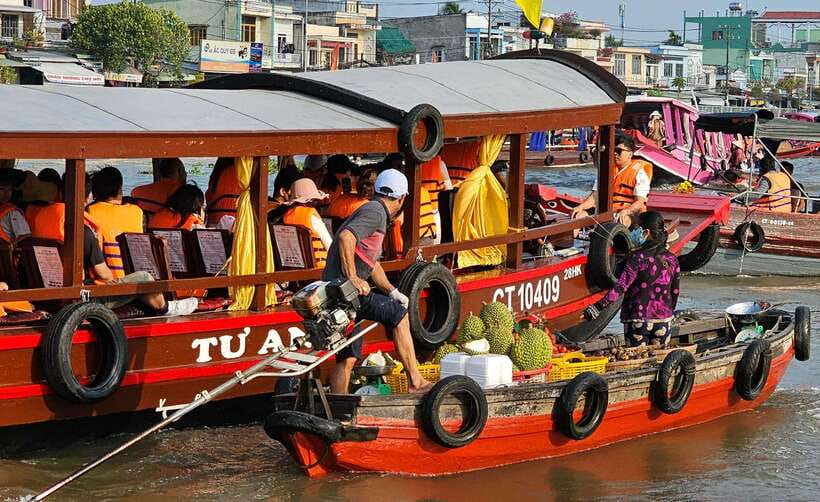
- Cai Rang Floating Market at sunrise: trading from the river
- Rice noodle workshop and a pineapple boat ride
- Transfer to Chau Doc and the Tra Su Cajuput Forest motorboat ride
- Day 3: border crossing and the fast boat to Phnom Penh
- Price and value: what $276 buys you (and how to judge it)
- Logistics you can’t ignore: boats, weather, and comfort
- Accommodation expectations: ask before you assume
- Guides can make or break the day
- Who should book this Mekong-to-Phnom-Penh exit tour
- Should you book this 3-day Mekong Delta exit?
- FAQ
- What’s the total duration of the tour?
- Where does the tour start in Ho Chi Minh City?
- What language is the tour guide?
- What meals are included?
- What boat experiences are included?
- Is the Cambodia visa fee included?
- How many people are in the group?
- What should I bring for the trip?
- Is the tour suitable for everyone?
Key highlights you’ll actually feel in your days
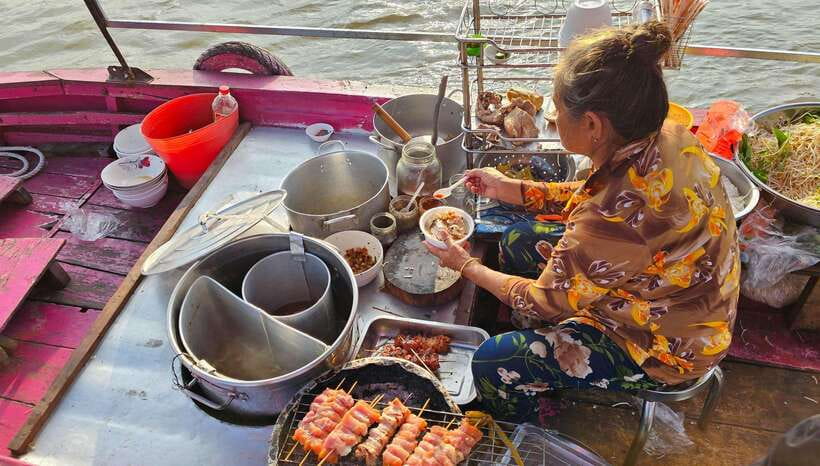
- Sunrise Cai Rang Floating Market from a boat, not a viewpoint
- Vinh Trang Pagoda with iconic Mekong-style architecture and big atmosphere
- Tra Su Cajuput Forest by motorboat through calm waterways and bird habitat
- Ben Tre coconut island stops with candy tasting and hands-on local food time
- Small group (up to 14) with an English-speaking guide keeping the schedule tight
- Fast boat exit to Phnom Penh with an organized border crossing
The overall plan: river life today, Cambodia tomorrow
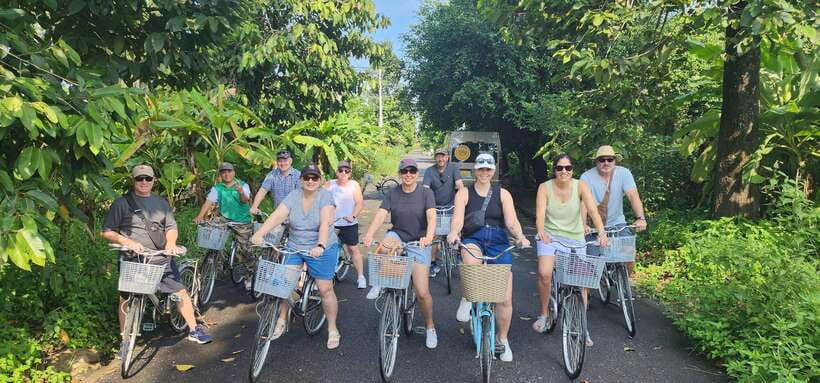
This is built as a true “exit tour.” You’re not just sightseeing the Mekong—you’re using the river region to get across Vietnam’s south and into Cambodia in only 3 days (2 nights). The rhythm is early starts, boat time, and short bus/car legs that keep the trip efficient.
The value here is that you’re bundling a lot of moving parts: air-conditioned transport, entrance fees, multiple boat rides, and the guide who handles the timing. With a small group limited to 14, it also feels easier to follow than the big-coach style tours.
A practical note: the tour includes 2 breakfasts and 2 lunches, plus mineral water. Dinner is mostly on your own, so you’ll have some flexibility each evening in Can Tho and Chau Doc.
You can also read our reviews of more tours and experiences in Ho Chi Minh City
Day 1 from Ho Chi Minh City to Can Tho: pagoda, sampans, and coconut-world
You start with pickup in central District 1 (the meeting point listed is 243 De Tham Street) and head by air-conditioned bus toward My Tho. This stretch matters because it positions you for the river portion while the day is still cool and calm.
Vinh Trang Pagoda: the Mekong’s iconic temple stop
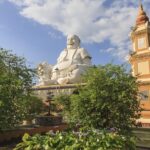
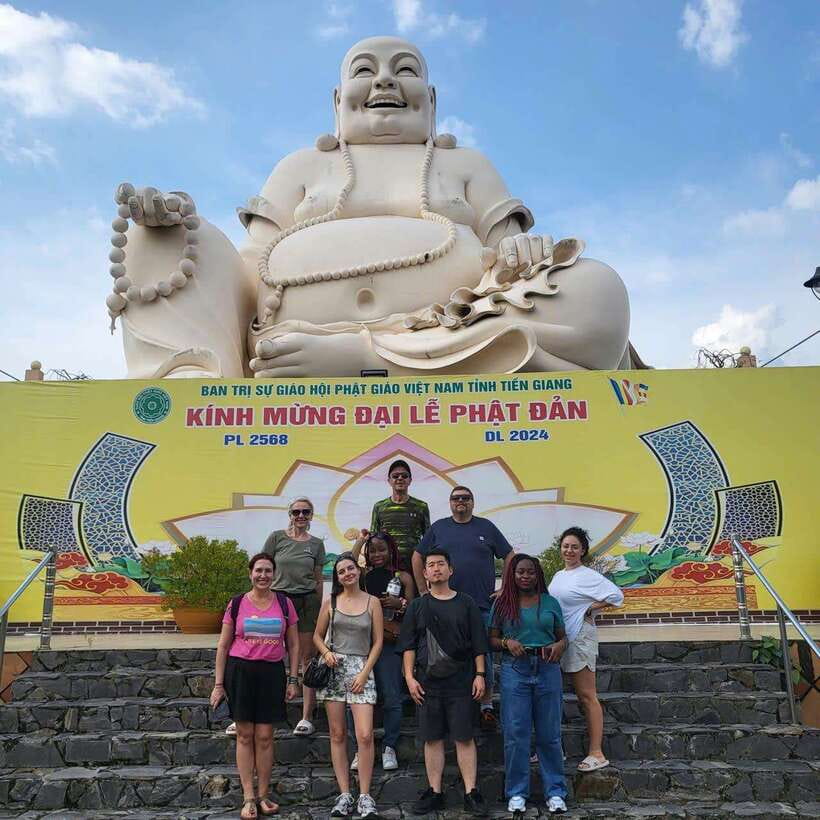
Vinh Trang Pagoda is the kind of place that gives context fast. It’s described as the largest and most iconic Buddhist temple in the Mekong Delta, so you can expect major architecture and a strong sense of place. If you’ve only seen city temples so far, this one adds regional style and scale.
It’s also a good lesson in travel basics: wear shoes you can walk in, and dress modestly because religious sites tend to have expectations even when you’re on a scheduled tour.
Mekong River cruise, floating houses, fish farms
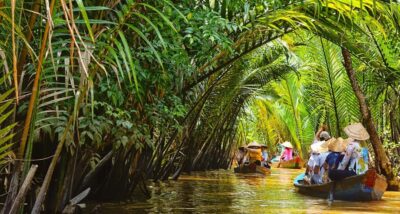
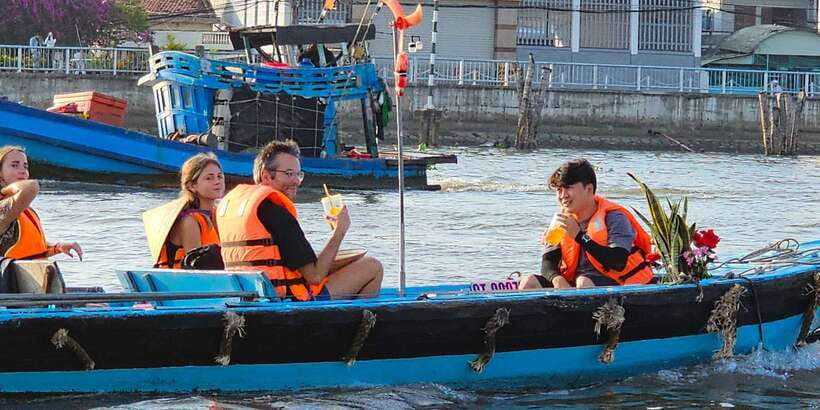
Next comes the river cruise past floating houses and fish farms. This isn’t just scenic cruising. It’s your first look at how the Mekong economy works day-to-day—people living on the water, and fish farming operating alongside it.
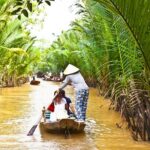
Then you switch to a hand-rowing boat for the coconut-lined canals. That change of boat style is a big part of why this day feels varied: you go from wider river movement to the slower, closer-in canal world.
Ben Tre coconut island: candy making and taste-first learning
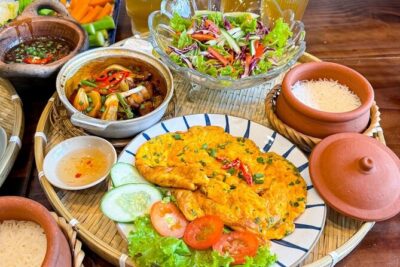
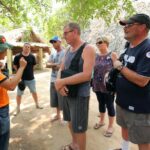
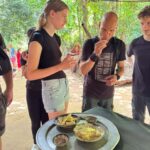
In Ben Tre, you stop at a coconut island tied to a coconut candy workshop. The real win isn’t only the story—it’s the sampling. If you like food travel, you’ll enjoy the cause-and-effect of watching (or hearing about) how ingredients become a product.
This is also one of those moments where a guide’s explanations help. Even when you can’t read every sign, you’ll understand the steps because the workshop is designed for visitors.

Unicorn Island and the honey/bike/cooking trio
After Ben Tre, the tour heads toward Unicorn Island. You’ll ride by motor cart, enjoy Southern Vietnamese folk music, and sample seasonal tropical fruits. Then you bike around the island area, which is more fun than it sounds if you’re a little tired of constant sitting.
One of the most memorable additions from recent experiences is the bee farm segment. You get honey tea, see honey frames, and then there’s even a hands-on Vietnamese cooking class. A past guest specifically called out the entertaining host and guide Emma, and that combination of activities is exactly why: it turns a long travel day into several small, human moments.
The day ends with a garden-style Vietnamese lunch and time to stroll or cycle before the ferry to Can Tho.
Your Can Tho evening
Dinner in Can Tho is not included, so you can keep it simple: eat near your hotel or take a slow walk if you want a little city energy. The tour gives you free time, which is smart after a day packed with boats.
Day 2: sunrise floating market, pineapple stops, and Tra Su’s birdy stillness
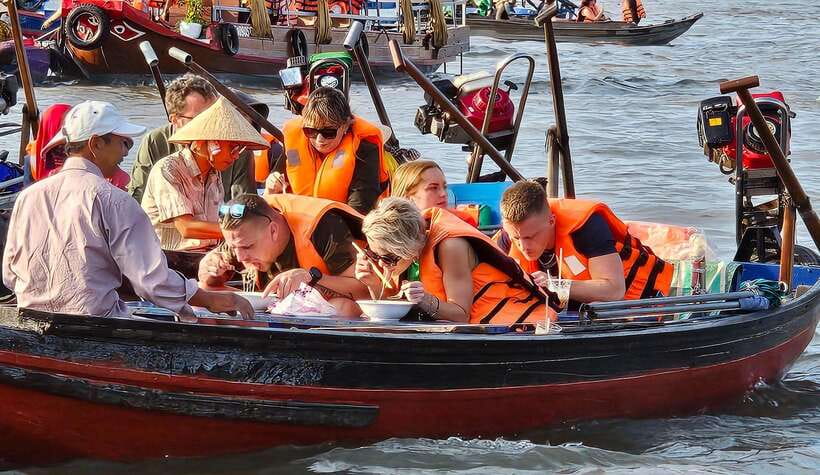
Day 2 starts early, and that’s not a coincidence. Cai Rang Floating Market is best at sunrise, when boat traffic and trade feel more like real life than a show.
Cai Rang Floating Market at sunrise: trading from the river
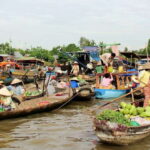
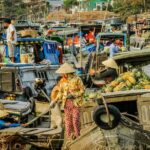
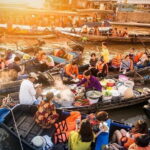
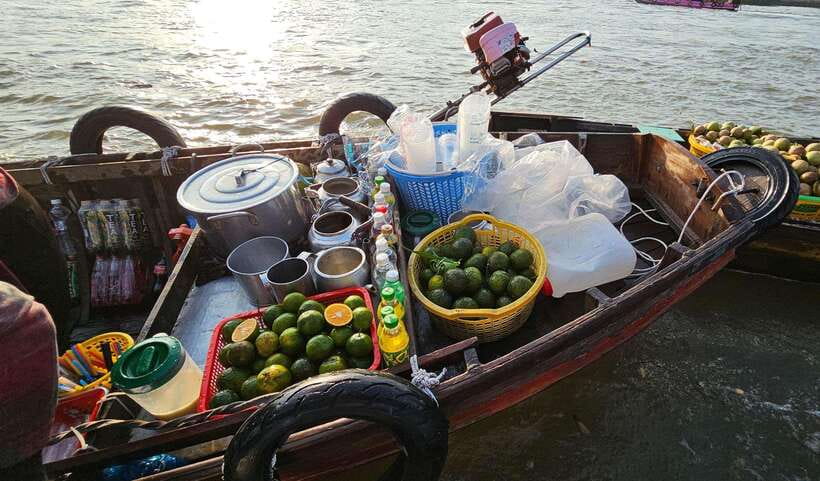
You go by boat to Cai Rang Floating Market, which is described as the most famous floating market in the Mekong Delta. The key detail: you’re observing local traders selling fruit and goods directly from their boats.
This is one of those experiences that helps you understand Vietnam’s south beyond temples and rice fields. You’ll see how people organize their work on the water—very visual, very practical.
Rice noodle workshop and a pineapple boat ride
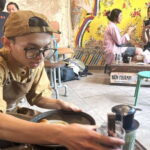
After the market, you visit a traditional rice noodle workshop. Even if you’ve done cooking classes before, workshops like this give a different kind of value: you’re seeing how everyday staples are made.
Then comes a boat ride with fresh pineapple tasting. It’s light, quick, and it keeps the day from turning into a slideshow of stops.
You’ll also visit a local market in the city center. That’s useful because it balances the “tour boat” side of the day with a land-level feel.
Transfer to Chau Doc and the Tra Su Cajuput Forest motorboat ride
In the afternoon you transfer by private car to Chau Doc, with lunch along the way. The final big highlight is Tra Su Cajuput Forest.
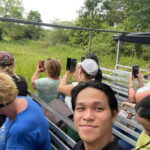
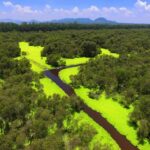
You explore Tra Su by motorboat. The point isn’t speed—it’s quiet movement through waterways where wildlife and bird life matter. The forest is home to more than 70 bird species, and it’s specifically noted for Indian storks. Even if you don’t spot every species, the setting is designed to make the bird habitat feel close and real.
Then you arrive in Chau Doc and get free evening time. Dinner is on your own, so plan to keep it easy—tomorrow includes a border crossing and a fast boat.
Day 3: border crossing and the fast boat to Phnom Penh
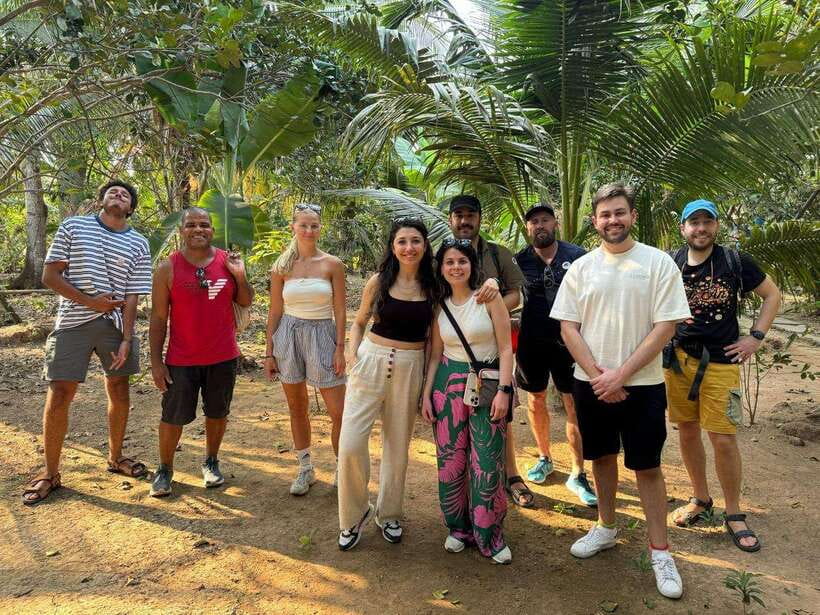
Breakfast is included, then you head to the border area for ticketing and immigration procedures. The tour frames the border crossing as smooth, and the scheduling is set up to get you onto the fast boat with less stress than you’d have on your own.
After procedures, you board the fast boat to Phnom Penh and arrive around 1:30 PM. That arrival timing is a practical advantage: it leaves you the afternoon to settle in rather than arriving at night.
Price and value: what $276 buys you (and how to judge it)
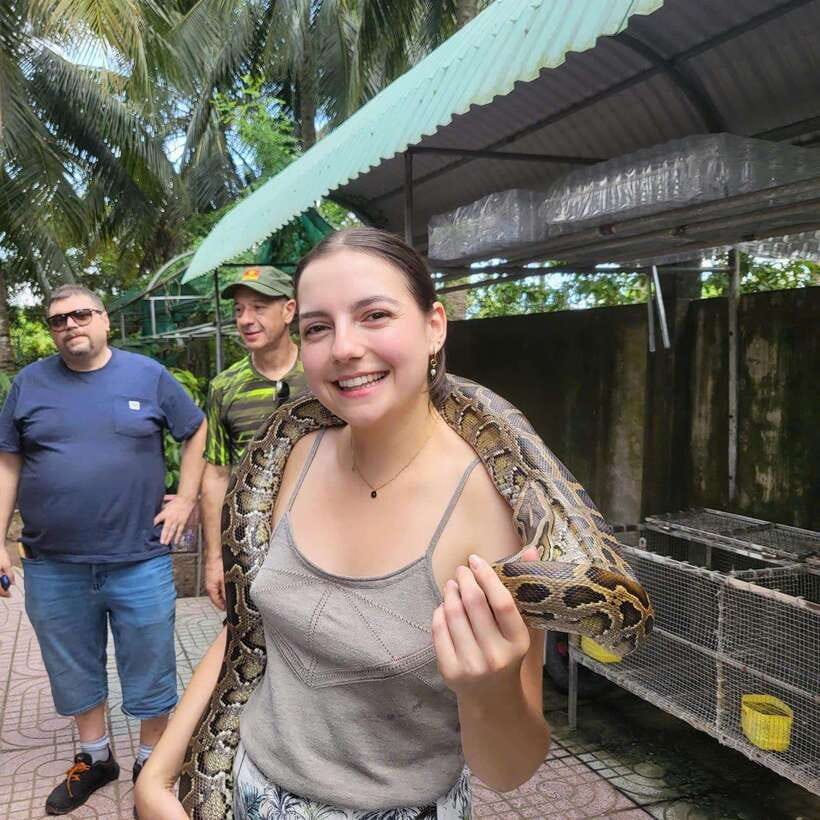
At $276 per person for 3 days / 2 nights, you’re paying for more than sightseeing tickets. You’re also paying for logistics that would be annoying to stitch together: air-conditioned intercity transport, an English-speaking guide, entrance fees, and multiple boat segments across different environments.
Here’s what stands out for value:
- Boat-heavy itinerary: river cruise, hand-rowing canals, market boat time, Tra Su motorboat, plus the fast boat to Phnom Penh.
- Food coverage: 2 lunches and 2 breakfasts are included, which reduces the planning load.
- Small group size: up to 14 people means you’re less likely to feel lost inside a crowd.
- Guide time: someone handles the transitions between Vietnam locations and the Cambodia exit flow.
The best way to judge whether it’s worth it for you: if you care about doing the Mekong stuff in the easiest possible order (especially with the border exit), this price can feel fair. If you’re a solo planner who already knows how to arrange boats, transfers, and crossings, you might be able to do it for less—but you’ll trade that convenience.
Also watch what’s not included: the Cambodia visa fee is listed separately at $40, and single room supplement isn’t included. These items can move the final cost.
Logistics you can’t ignore: boats, weather, and comfort
This tour mixes buses, cars, walking, and several boats. The boat portion is the main draw, but it also means you should expect:
- More time in sun than you might think, especially with sunrise market visits.
- Some walking at temples and market areas.
- Repeated transfers between vehicles and boats.
The “not for everyone” list matters. The tour isn’t suitable for children under 3, pregnant women, people with back problems, or wheelchair users. If your mobility or comfort is an issue, don’t assume you can muscle through—boat boarding and longer travel days can be harder than they look on paper.
Packing items are clearly listed and they’re worth following:
- Passport
- comfortable shoes
- sun hat
- camera
- sunscreen
- water
- insect repellent
Also remember the rules: no smoking, no littering, and no alcoholic drinks in the vehicle.
Accommodation expectations: ask before you assume
One review raised a concern about the first night’s room being without a window and the breakfast being simpler than expected. That doesn’t mean every departure is the same, but it does mean you shouldn’t wait for surprises.
If you care about room comfort, ask in advance:
- what room categories you’ll be assigned,
- whether you can request a specific type of room,
- and what the typical breakfast looks like on your departure date.
Guides can make or break the day
This trip tends to hinge on interpretation—turning boat scenes into stories, and transport time into understanding.
Recent experiences specifically praised guides named Emma, Ry, and Lanc. The common thread is how they connect the dots: why people trade at certain times, how river life works, and what you’re seeing at temples and workshops. If you’re the kind of person who likes learning as you go, a strong guide is a huge part of the overall satisfaction.
Who should book this Mekong-to-Phnom-Penh exit tour
This fits best if you:
- want a structured, time-efficient exit from Vietnam into Cambodia,
- enjoy boat travel and river-focused days,
- like food stops (coconut candy, honey tea, workshop time, and a cooking class),
- and prefer a small group over chaotic big tours.
It’s less ideal if you:
- need long quiet stretches with minimal movement,
- have mobility or back issues,
- or you’re sensitive to accommodation variability.
Should you book this 3-day Mekong Delta exit?
I think it’s a strong choice when your priority is doing the Mekong highlights in the easiest order possible—especially Cai Rang at sunrise, Vinh Trang Pagoda, and Tra Su’s bird habitat, with a practical transition to Phnom Penh by fast boat.
If you book, do two smart things:
1) Plan for the Cambodia visa fee being on you ($40) and confirm what payment details you’ll use so there are no last-minute surprises.
2) Ask about room category expectations before you go, because lodging quality can be the difference between a smooth exit day and an annoying one.
If you want river life plus a real timetable toward Cambodia, this tour has the ingredients. Just go prepared for boats, sun, and a busy but rewarding pace.
FAQ
What’s the total duration of the tour?
The tour runs for 3 days and 2 nights, ending with arrival in Phnom Penh around 1:30 PM on day 3.
Where does the tour start in Ho Chi Minh City?
Pickup is available from 243 De Tham Street or your hotel in central District 1.
What language is the tour guide?
The tour guide works in English and Vietnamese.
What meals are included?
You get 2 lunches and 2 breakfasts included. Dinner is not included on the evenings with free time.
What boat experiences are included?
The itinerary includes a Mekong River cruise, a traditional hand-rowing boat through coconut canals, boat time at Cai Rang Floating Market, and a motorboat trip in Tra Su Cajuput Forest. It also includes a fast boat transfer to Phnom Penh.
Is the Cambodia visa fee included?
No. The Cambodia visa fee is listed as $40 and is not included.
How many people are in the group?
This is a small group limited to 14 participants.
What should I bring for the trip?
Bring your passport, comfortable shoes, a sun hat, camera, sunscreen, water, and insect repellent.
Is the tour suitable for everyone?
No. It’s not suitable for children under 3 years, pregnant women, people with back problems, or wheelchair users. Smoking is not allowed, and alcoholic drinks are not allowed in the vehicle.