REVIEW · HO CHI MINH CITY
3 Days Cycling Mekong Delta
Book on Viator →Operated by Vietnam Bicycle Travel · Bookable on Viator
Cai Be to Can Tho by bicycle sounds simple. It is not. This 3-day loop trades bus windows for backroads and boat time on the water, with real stops for fruit orchards, daily life along the rivers, and the big floating markets.
I like that the riding is paced for sightseeing. Each day is built around a practical rhythm: enough cycling to feel like you are traveling like a local, with frequent breaks for snacks, water, and photo stops. I also really like the people focus—your local guide (Loc) and driver (Nhan) are central to how you experience the area.
The one consideration: expect early starts and long days. With about 6–7 hours scheduled each day, you will want decent comfort with steady cycling and heat.
In This Review
- Key points that make this tour worth your time
- Why cycling the Mekong Delta beats the bus loop
- Getting to the start in Ho Chi Minh City (7:30 am rhythm)
- Day 1: Cai Be Floating Market and durian orchard backroads
- Day 2: Can Tho river life, early coffee, and market energy
- Day 3: Cai Rang Floating Market early morning worth the alarm
- Pacing, bikes, and what the riding actually feels like
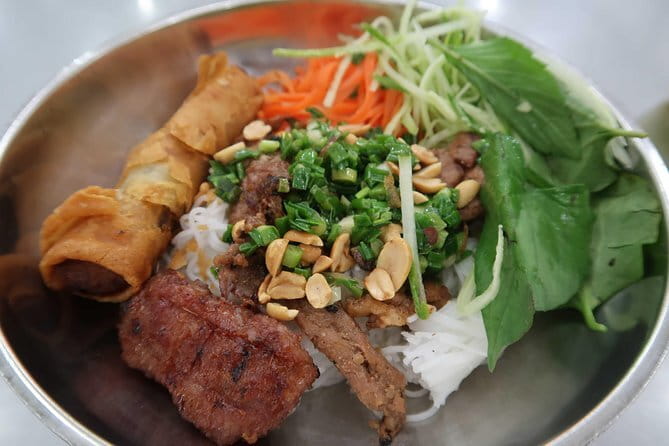
- Meals included: more than fuel, part of the experience
- Price and value: what $405 includes (and what it doesn’t)
- Who this tour suits best (and who should consider alternatives)
- Should you book this 3-day Mekong Delta cycling trip?
- FAQ
- What is the duration of the tour?
- Where does the tour start, and what time?
- Is pickup available?
- What’s included for cycling equipment?
- Are meals included?
- Are floating market boat cruises included?
- Do I need admission tickets for the markets?
- How big are the groups?
- Is Wi‑Fi provided?
- What is not included in the price?
- Is there free cancellation?
Key points that make this tour worth your time
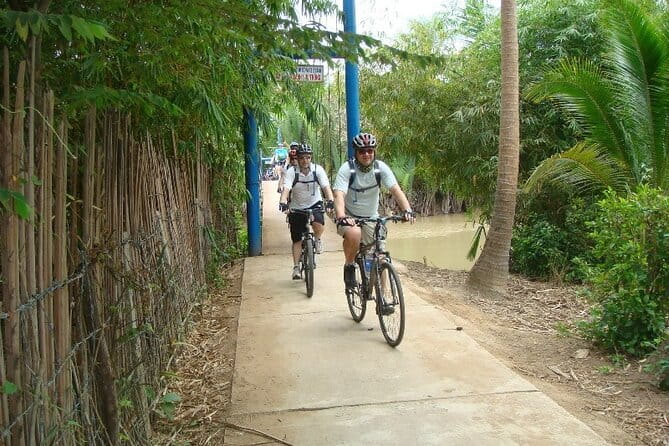
- Real village-level stops: you’ll get close to daily river routines like fishing and fruit picking, not just market photos.
- Fruit-forward day planning: you stop in fruit orchards (including durian) and taste along the way.
- Guide-led storytelling: your guide Loc helps connect what you see to how locals live and work.
- Boat cruises at floating markets: Cai Be, Can Tho, and Cai Rang are handled with water time built in.
- Meals and snacks included: breakfast, lunch, and dinner are part of the package, plus water/snacks/fruits during rides.
- Small group size: capped at 25 travelers, so the day feels organized instead of chaotic.
Why cycling the Mekong Delta beats the bus loop
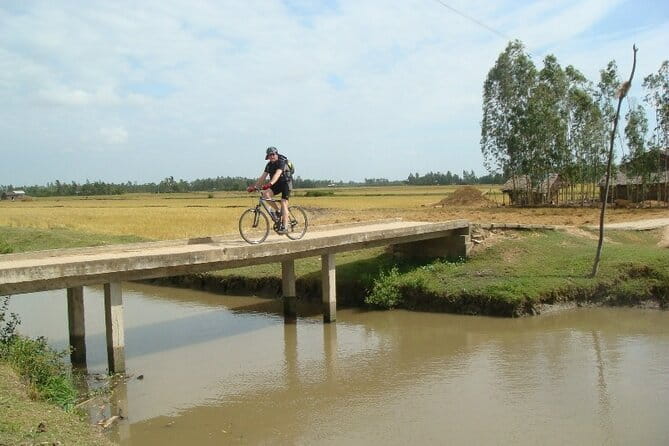
The Mekong Delta works when you slow down. Bicycles make you notice details buses flatten out—ditches with water life, small roadside conversations, fruit stands that appear five seconds after a curve. It is also easier to stop whenever something interesting is happening, and the tour does exactly that.
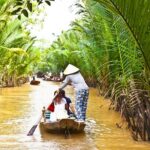
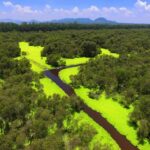
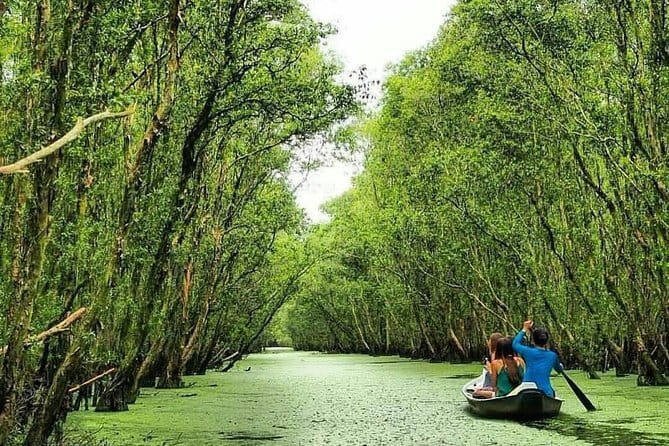
The best part is the mix of rural roads + water experiences. One day revolves around Cai Be by boat and nearby backroads. Another day follows river edges where you can watch daily activity. By the time you reach the famous floating markets, you understand what you are seeing instead of just snapping pictures and moving on.
If you like travel that feels hands-on—tasting fruit, chatting with locals, eating together—this style fits. It is not only about the big sights. It is about how the route connects them.
You can also read our reviews of more cycling tours in Ho Chi Minh City
Getting to the start in Ho Chi Minh City (7:30 am rhythm)
You meet at Caravelle Hotel, 19–23 Lam Son Square in District 1. The start time is 7:30 am, and the tour ends back at the same meeting point.
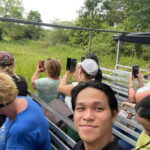
Two small things matter here. First, starting in the morning helps you cycle in more comfortable conditions and reach markets with better timing. Second, the tour includes an air-conditioned vehicle for transfers and support, so you are not stuck doing everything on a bike seat.
Pickup is offered, but the day still begins from that central meeting point. If you are staying near District 1, it is usually straightforward. If you are farther out, plan to budget extra time getting to the start.
Day 1: Cai Be Floating Market and durian orchard backroads
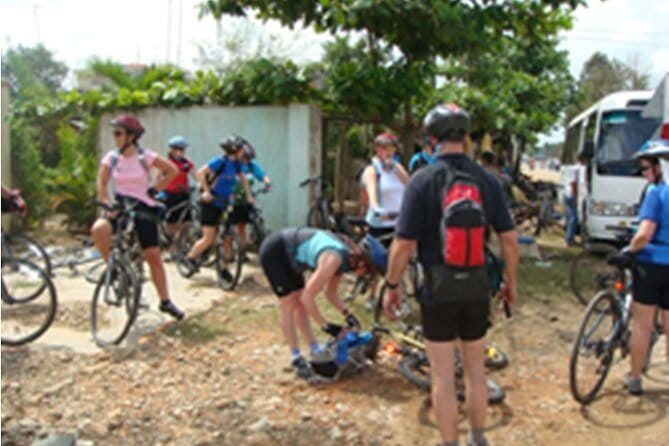
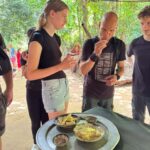
Day 1 is where the tour sets its theme: fruit, local roads, and water market energy. You start cycling on backroads through fruit orchards, including durian. There is a built-in stop to try fresh durian, which is exactly the kind of regional food moment that turns a scenic ride into a real memory.
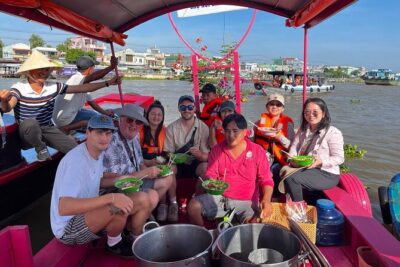
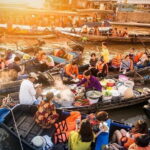
Then you shift to Cai Be Floating Market. The tour includes boat cruises here, so you experience the market the way it functions—boats moving, sellers working, and the river acting like the main street. Seeing it from the water is different from seeing photos on a phone. You feel the flow of commerce and the practical layout of life on the river.
How it feels for you: like a full day that uses pacing well. Even with cycling, there are stops—so you are not sprinting between sights. Expect roughly a full day length (about 6 hours scheduled) with time to snack, taste, and take photos.
Possible drawback to flag: durian is not everyone’s favorite. The tour clearly builds it in, so if you dislike strong-smelling foods, you may want to approach that first tasting like a science experiment—try a small piece, then decide.
Day 2: Can Tho river life, early coffee, and market energy
Day 2 starts with breakfast and Vietnamese coffee. It is served early, and the goal is simple: you get that first-morning Vietnam flavor before the day gets busy.
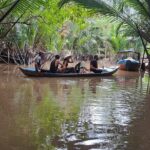
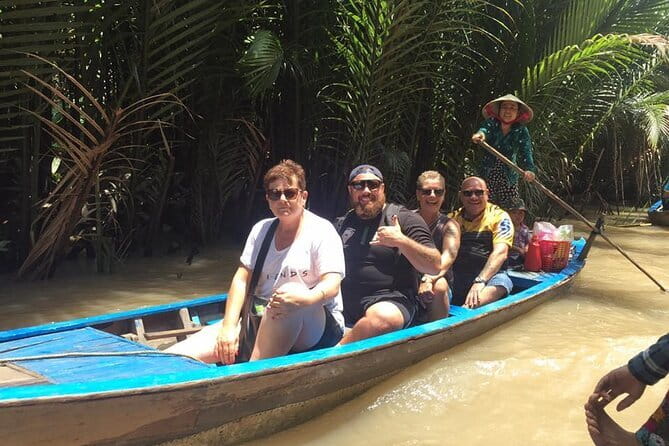
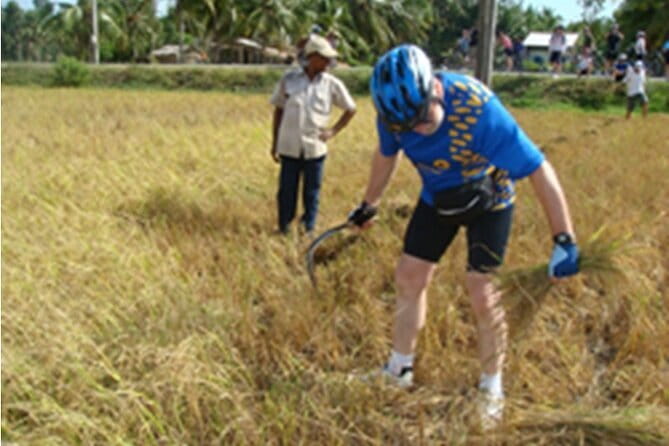
After breakfast, your cycling day moves along riverside routes. This is where the tour leans into everyday life: people fishing, fruit picking, and daily rhythms you usually miss when you speed through by road. You may also spot Vietnamese students heading to school, which adds that grounding detail of routine.
Then you reach Can Tho. The tour includes water time via ferry tickets and built-in market experience (included ferry/boat components cover this market day segment). Can Tho floating market is part of the plan, and the experience is designed to show you the river economy up close—produce moving by boat, sellers and buyers coordinating in a moving setting.
How the timing works for a rider: the day is about 6 hours scheduled. That usually means a balanced mix of cycling time, transfer time, and breaks. One review noted that cycling sections can be around 30 km each (depending on the day segment), with plenty of stops. The benefit is that you get a sense of distance without feeling like you are being dragged through a punishment ride.
The main consideration here is energy. Early coffee is great, but you still have two more days of riding and heat exposure ahead. Bring a good mindset: you are sightseeing while you ride, not chasing miles for a personal record.
Day 3: Cai Rang Floating Market early morning worth the alarm
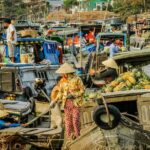
Day 3 starts early again, because Cai Rang Floating Market is at its best when the morning is still fresh. This is the “big show” floating market, with people trading from boat to boat and piles of fruits and vegetables moving through the scene.
Cai Rang is famous for a reason, but the tour approach helps you see it in a useful way. Before you arrive, you have already spent two days understanding the region—fruit orchards, river routines, and local food moments. So when you see baskets, boats, and trading, you do not just see spectacle. You understand the system behind it.
The day runs about 7 hours scheduled, which makes it the longest in the set. You will likely feel more time on the move, but the structure still keeps breaks in the day. The tour includes boat cruise components here too, so you are not just standing on land.
If you are the kind of person who hates waking up early, this is the trade. But the early start is paired with included market time, not wasted waiting. In other words, you are paying with time up front for a better viewing window.
You can also read our reviews of more tours and experiences in Ho Chi Minh City
Pacing, bikes, and what the riding actually feels like
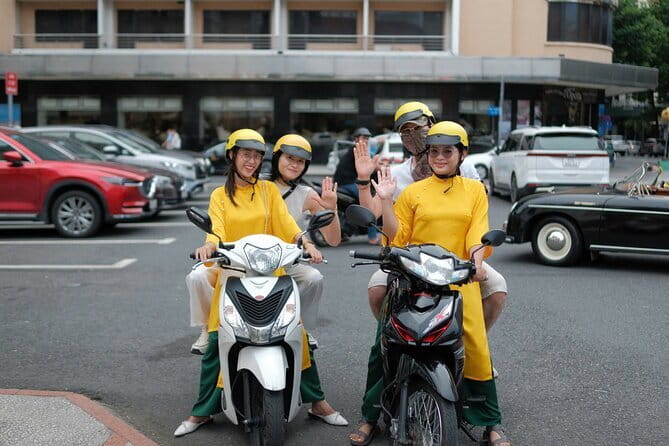
This tour is designed for a comfortable travel pace. You cycle “at pace” with enough time to see what is around you and still reach destinations without spending the whole day grinding slowly. Helmets and riding gears are included, and the tour provides a bicycle and support vehicle.
A helpful detail from review feedback: cycling sections can be around 30 km, split across morning/afternoon segments, with plenty of stops for water, coffee, fruit, and photos. That matters because 30 km can feel very different depending on whether it is nonstop or broken up with regular breaks. Here it is built as ride-and-recover sightseeing.
You also get water, snacks, fruits for cycling, which is practical in the heat. It reduces the “search for food” problem that can ruin a cycling day. And since there is an air-conditioned vehicle, you are not stranded if you need short resets.
If you are deciding whether you are fit for this tour, focus on consistency rather than peak fitness. Most travelers can participate, and the itinerary is structured so you can enjoy it without turning it into a training event.
Meals included: more than fuel, part of the experience
Food is not an afterthought here. The tour includes breakfast (2), lunch (3), and dinner (2), plus water/snacks/fruits during cycling.
Why I think that is valuable: meals are often where small tours cut corners. Here, meal coverage reduces stress, and it keeps you on a schedule that matches the rides and market timing. Instead of hunting for restaurants, you can keep your focus on the route and the people.
There is also a cultural element. The tour emphasizes being close to locals—talking with them and sharing meals with them. On top of that, the itinerary describes fruit picking with locals, which fits the broader “you are part of the day” approach.
One more practical note: drinks at restaurants are not included. So if you prefer bottled water beyond what is provided during cycling, or you want soft drinks/other beverages, you should budget for that.
Price and value: what $405 includes (and what it doesn’t)
At $405 per person for three days, the headline cost is not small. But when you look at what is covered, it starts to make sense for a busy region like the Mekong Delta.
Included:
- Bicycle use, helmets, and gear
- Air-conditioned vehicle support and transfers
- Water, snacks, and fruits during cycling
- Ferry tickets and boat cruises at floating markets
- Meals: 2 breakfasts, 3 lunches, 2 dinners
- Wi‑Fi on the van
Not included:
- International travel insurance
- Drinks at restaurants
Here’s the value logic for you: most bike tours either give you light snacks or skip boat/market logistics. This one stacks the practical pieces together—transport, bicycle, protective gear, water time, and multiple meals—so you do not spend the trip constantly reorganizing the day.
It is also booked on average 11 days in advance, which hints at decent demand. If you know your travel dates, you will likely be happier booking earlier rather than trying to gamble on last-minute availability.
Who this tour suits best (and who should consider alternatives)
This trip fits you if:
- You want cycling that also feels social and cultural (not just a scenic ride).
- Floating markets are a must, and you prefer boat access over land viewpoints only.
- You like food moments tied to the region, including fruit tastings like durian.
- You enjoy a guide-led day and want help interpreting what you see.
It may be less ideal if:
- You strongly dislike early starts or long days around 6–7 hours scheduled.
- You do not want to cycle at a steady pace, even with breaks.
- You prefer purely independent travel with no set meal/route structure.
The small group size (up to 25) also matters. If you want quiet, solo wandering, this might feel too structured. If you want friendly organization with flexibility to stop often, this sounds like a good match.
Should you book this 3-day Mekong Delta cycling trip?
My take: book it if you want an efficient, guided way to see the Mekong Delta beyond the usual bus-and-market checklist. The combination of backroads, fruit orchards, and actual boat market time hits the main “why” of cycling here: you get closer to daily life and you see the river as the road.
I would book it with one mindset adjustment: you’re trading comfort and laziness for better access and more meaning. If you are okay with early mornings and a full-day rhythm, this tour’s built-in meals, snacks, and transport support make it easier than many think.
If durian (smell and taste) and early alarms aren’t your things, you can still enjoy the ride—but go in with a plan for how you’ll handle that tasting moment.
FAQ
What is the duration of the tour?
It runs for 3 days, with each day scheduled for roughly 6–7 hours.
Where does the tour start, and what time?
It starts back at Caravelle Hotel at 7:30 am. The end returns to the same meeting point.
Is pickup available?
Yes, pickup is offered. The main meeting point is the Caravelle Hotel in District 1.
What’s included for cycling equipment?
You get use of a bicycle, plus helmets and gear.
Are meals included?
Yes. The tour includes 2 breakfasts, 3 lunches, and 2 dinners.
Are floating market boat cruises included?
Yes. Boat cruises are included for Cai Be and the Can Tho floating market, and the Cai Rang floating market experience is part of the route.
Do I need admission tickets for the markets?
Admission tickets are listed as free for the market stops in the itinerary.
How big are the groups?
The tour has a maximum of 25 travelers.
Is Wi‑Fi provided?
Yes, Wi‑Fi is available on the van.
What is not included in the price?
International travel insurance and drinks at restaurants are not included.
Is there free cancellation?
Yes. You can cancel for a full refund up to 24 hours in advance of the experience start time. If you cancel less than 24 hours before, it is not refundable.