REVIEW · HO CHI MINH CITY
Ho Chi Minh City: Coconut/Eggs Coffee Making Class
Book on GetYourGuide →Operated by iO Coffee · Bookable on GetYourGuide
Coconut coffee turns Saigon into a flavor lab. In this 2-hour class at iO Coffee Phu My Hung, I like two things most: you drink a proper Vietnamese phin coffee first, then you make coconut coffee with your own hands. The one drawback to plan for is simple: if you do not like coffee or coconut-forward drinks, the whole class rhythm will feel like work.
You also get real coffee education, not just a tasting. You’ll learn about Vietnamese coffee culture and specialty beans, with extra focus on Fine Robusta, and you’ll hear it explained by an English/Vietnamese barista team in a friendly, no-rush pace. For me, the small group size makes this feel more like a workshop than a show, but it also means spots can fill quickly.
In This Review
- Key points before you go
- Entering iO Coffee Phu My Hung: the start is easy
- Your welcome drink sets the pace
- Brewing Vietnamese phin coffee like you mean it
- Fine Robusta and the specialty coffee story (the useful kind)
- The coconut coffee session: fresh ingredients and real technique
- Saigon coffee culture, but explained for regular humans
- Price and time: what $20 buys you in the real world
- Who should book this class (and who might skip it)
- Small group matters more than you think
- Should you book the Ho Chi Minh City coconut and phin class?
- FAQ
- How long is the Coconut/Eggs Coffee Making Class?
- What is the price per person?
- What beverages do I get during the class?
- Will I brew coffee myself?
- Is this a small group activity?
- What languages are offered?
- Where do I meet the group?
- Is free cancellation available?
- Can I reserve now and pay later?
Key points before you go
- Phin brewing plus hands-on coconut coffee in one session, so you leave with skills, not just a drink.
- Fine Robusta focus gives context for why Vietnamese coffee tastes the way it does.
- 100% fresh coconut prep means the process is practical and ingredient-driven.
- Small group of up to 10 keeps questions easy and the pace comfortable.
- Relaxed shop setting makes the learning feel casual, not stiff.
- Extra drinks and gifts add value beyond the main coffee-making steps.
Entering iO Coffee Phu My Hung: the start is easy
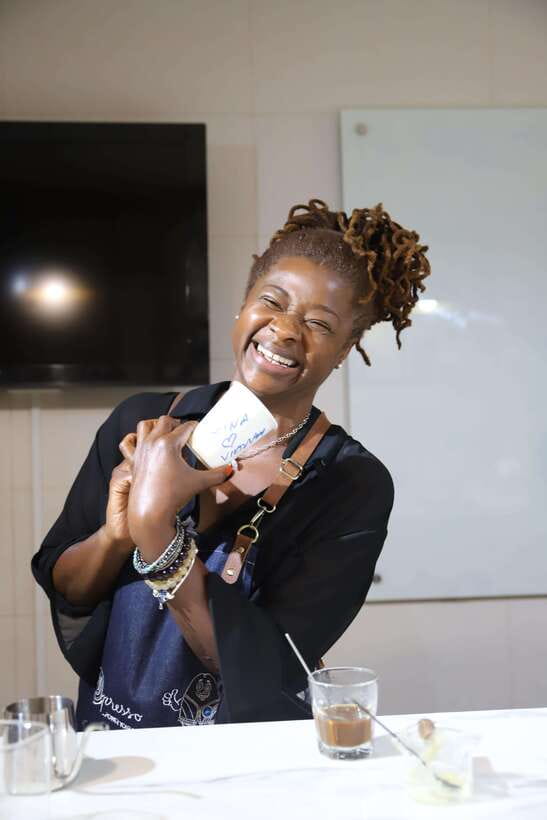
Your meeting point is iO Coffee Phu My Hung, A 205, M7 Midtow. Plan to arrive a few minutes early so you can settle in and get oriented before the class starts. This is the kind of activity where being on time helps you jump into the first beverage smoothly.
Inside, the vibe is part of the experience. The staff running the class are young baristas who seem genuinely excited to share coffee, and you can feel that energy in how they explain things. You are not just waiting for instructions; you are invited to understand what you are making.
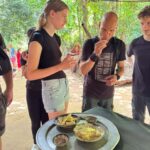
Because the group is limited to 10 participants, the room works like a small workshop. That matters in a coffee class, where questions come fast: why this grind matters, what changes the flavor, and why Vietnamese filter coffee has a distinct taste. If you prefer learning with eye contact and quick replies, this setup is a good fit.
You will spend the session moving from explanation to brewing, so think of this as a hands-on tastings class with structure. It is not a long tour across town; it is one place, one time block, and a full focus on coffee.
You can also read our reviews of more city tours in Ho Chi Minh City

Your welcome drink sets the pace
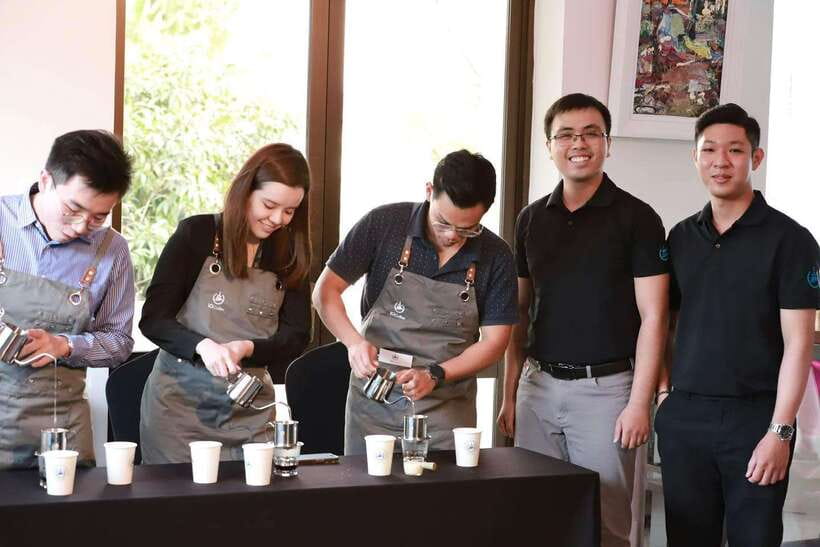
The class begins with a welcome drink from the shop menu. That is a good way to start because you taste before you learn. You get an immediate sense of what the kitchen and baristas consider “good,” then the rest of the lesson has context.
After that, you get guided brewing for Vietnamese filter coffee using the phin. The phin is a big part of the Vietnamese coffee identity, and the lesson helps you understand why it’s not just a gimmick. It slows the process, concentrates the coffee, and lets you appreciate flavor without rushing.
In a workshop like this, I like the order: start with drinking, then build the mechanics. You get to compare what you taste with what you later make. It also helps you relax. You are not thrown into gear right away with no idea what the final goal should taste like.
If you are the type who learns by doing, you are in luck. The class doesn’t stop at explanation. You will later brew your own cup of phin coffee and then move into coconut coffee hands-on steps.
Brewing Vietnamese phin coffee like you mean it
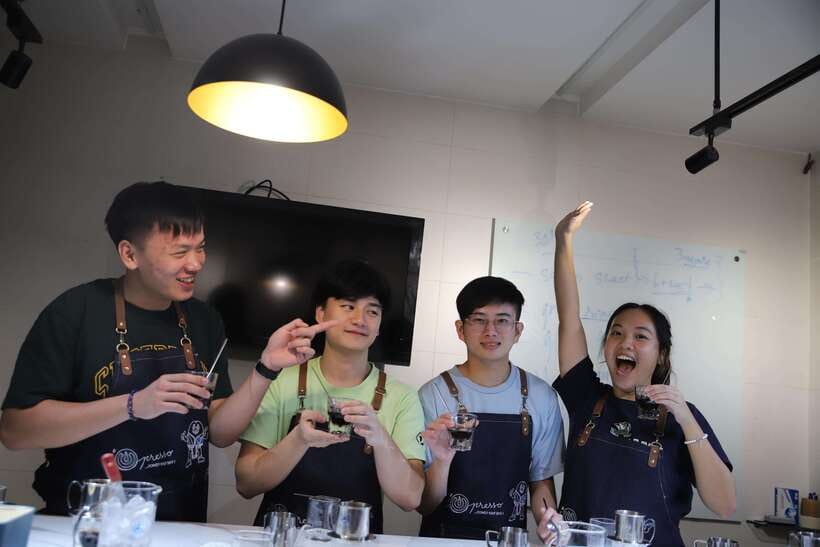
Once the welcome drink is underway, the baristas walk you through how to brew coffee with a phin. You are learning a method that is deeply tied to daily life in Vietnam, not just fancy café culture. That practical angle is a big part of the value here.
In plain terms, the phin process forces patience. Coffee drips in a controlled way, so timing and setup matter. You’ll be guided through the basics of getting the brew right, and you’ll hear the lesson as a mix of technique and flavor goals.
What I find useful is how the instructions connect to taste. Instead of treating the coffee as a mystery box, you learn what the method is doing. That makes your finished cup feel like a result, not a random outcome.
You will also have the chance to brew yourself later, which is where the class turns from “interesting” to “useful.” You can take that phin method home and recreate a similar style with the same core tools.
Fine Robusta and the specialty coffee story (the useful kind)
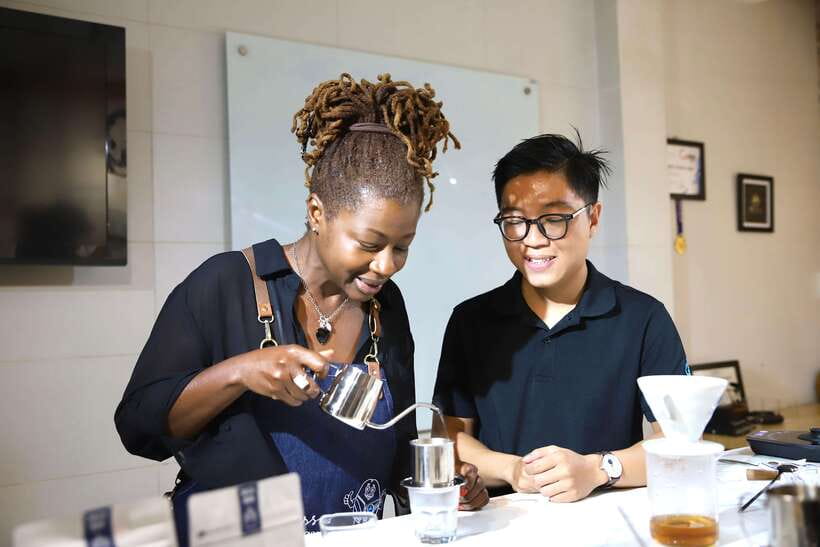
Vietnamese coffee isn’t one flavor. It’s a whole system, and this class gives you a snapshot of how specialty coffee fits into it. You’ll explore the history of coffee in Vietnam, then shift into why “specialty” matters.
A major focus here is Fine Robusta. Robusta often gets a bad rap abroad, but Vietnam’s specialty scene treats it like a feature, not a flaw. In this class, you learn how to think about flavor quality and how Vietnamese filter coffee highlights those characteristics.
This isn’t just “beans are good.” The lesson helps you connect the dots between:
- what kind of coffee you’re using,
- how you brew it,
- and how that affects the cup you drink.
You will also hear about the art of crafting genuine Vietnamese filter coffee, with flavors that reflect the fine details of the beans. That’s the kind of education that sticks, even if you are not memorizing tasting notes.
And it’s not a lecture-only session. The class keeps moving, so the learning stays attached to something physical you can do. That’s why I call it useful coffee education, not trivia.
The coconut coffee session: fresh ingredients and real technique
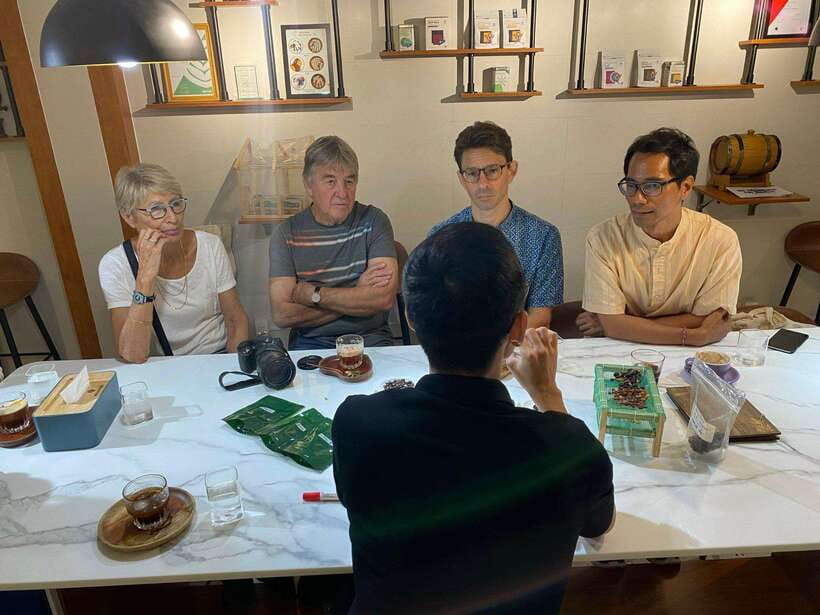
Now for the fun part: coconut coffee. Coconut coffee is a beloved drink in tropical regions, and this class treats it as a serious beverage rather than a novelty. The big promise is that you’ll craft a high-quality coconut coffee infused with Vietnamese specialty coffee.
You’ll learn about coconut benefits and various coconut processing methods. You also prepare ingredients made from 100% fresh coconut. That matters. Fresh coconut changes the texture and aroma in a way packaged coconut products can’t always match.
Then comes the brewing and recipe process. The baristas guide you through how to brew a perfect cup of coffee and how the coconut component fits into the overall taste. In other words, it is not just “add coconut.” It’s about combining flavor profiles so the drink stays balanced, not sweet and heavy.
When you make coconut coffee yourself, you get a practical baseline you can repeat later. If you travel and want to keep learning back home, this is exactly the sort of skill that travels with you.
Also, the class includes guided steps for crafting coconut coffees exclusively available at iO Coffee, plus you’ll receive gifts. That detail matters for value: you aren’t only doing a generic workshop; you are making something tied to that shop’s recipe and style.
You can also read our reviews of more tours and experiences in Ho Chi Minh City


Saigon coffee culture, but explained for regular humans
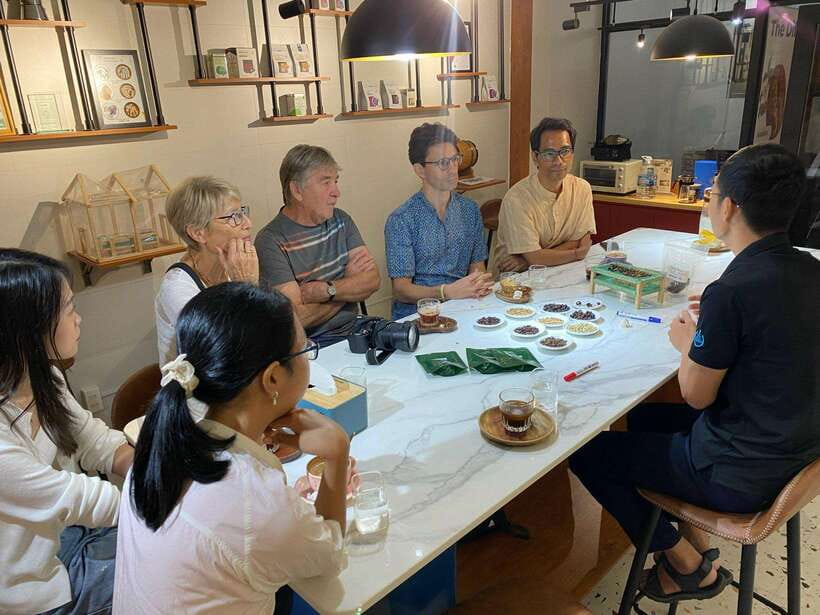
One of the underrated strengths of this experience is how it frames Saigon coffee culture. You’ll explore the fusion of Saigon coffee styles while learning how specialty beans and traditional brewing overlap.
This helps you see beyond the café selfie. Vietnam’s coffee culture is not just about drinking; it’s about method, pace, and how flavors are built. The phin method, the bean choice, and the way coconut interacts with coffee all become parts of the same story.
I also like that the class has both technique and context. If you’ve visited Vietnam before, you’ll recognize the coffee rhythm. If it’s your first time, you’ll get a fast starter map for what makes Vietnamese coffee feel so different.
The baristas are working in English and Vietnamese, so you can follow the ideas without feeling dumb. That dual-language support is a quiet win in a class like this where people learn at different speeds.
Price and time: what $20 buys you in the real world
For $20 per person, you are getting a lot packed into a short time window: a welcome drink, guided phin brewing, and the chance to craft coconut coffee yourself. It’s 2 hours, and the class includes specialty coffee focus plus gifts.
Here’s the value angle I’d use to decide:
- You get multiple drinks, not one tasting cup.
- You learn a repeatable method, not just how to sip.
- You get a specialty coffee angle with Fine Robusta as a theme.
- You get hands-on time with small group attention.
If you compare that to paying for coffees in cafés without learning anything, the price starts to make sense quickly. You’re effectively paying for instruction and the experience of building your own cups.
The 2-hour duration is another value point. You do not need half a day, and you still get enough time to taste, brew, and ask questions. If your Ho Chi Minh City schedule is already packed, this is a manageable block.
The only caution is the small group format. It keeps quality high, but it can also mean you should book ahead if your trip dates are tight.
Who should book this class (and who might skip it)
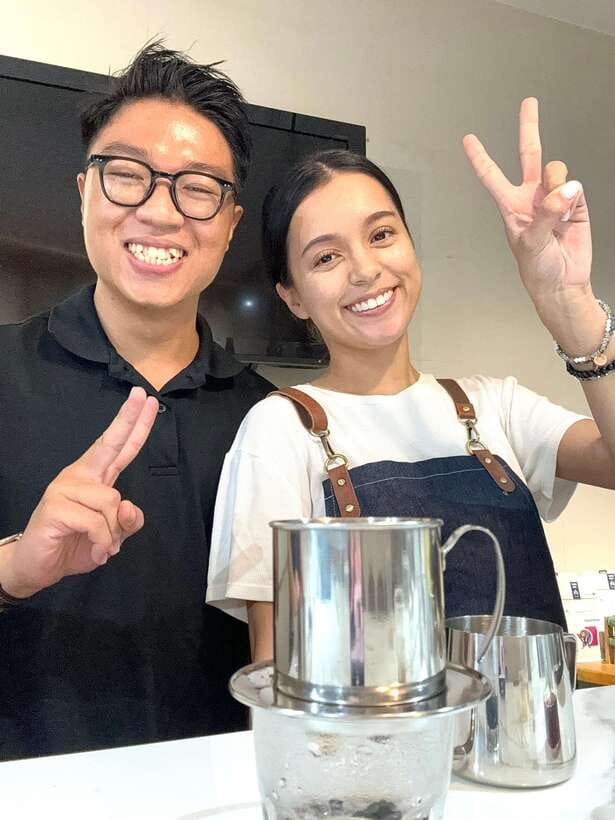
This is a great choice if you like coffee, want a hands-on lesson, and enjoy flavors that feel distinctly Vietnamese. It also works well if you are traveling with a friend and want a shared activity that creates something you can taste and talk about right away.
It’s especially good for people curious about specialty coffee and Fine Robusta specifically. If you only know coffee as black or sweet, you’ll leave with a clearer sense of how brewing changes the outcome.
I would skip it if you do not drink coffee at all, or if coconut drinks are not your style. Since the class centers on phin coffee and coconut coffee, you’ll miss most of the payoff.
Also, if you want a long sightseeing day, this won’t scratch that itch. This is an eat-and-learn experience in one place, focused on beverage craft.
Small group matters more than you think
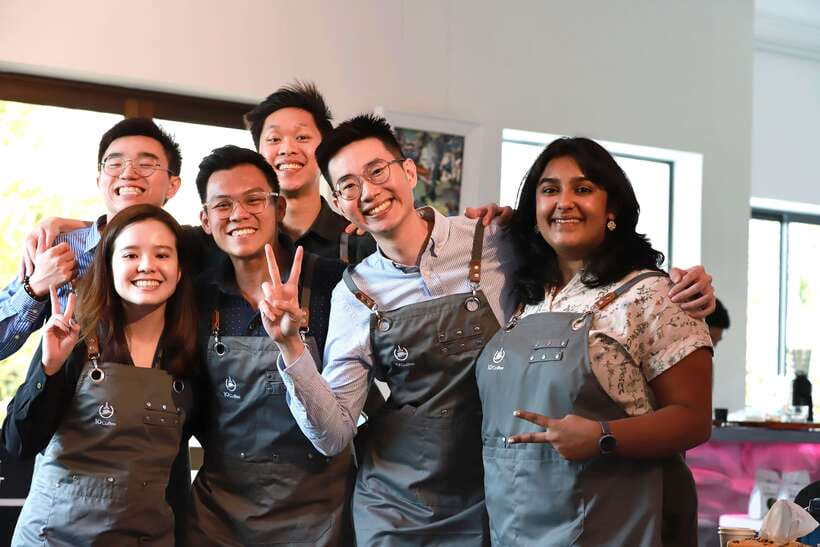
A group capped at 10 participants changes the class feel. You get faster help when you set up the phin. You can ask questions without waiting for a pause in the lesson. And you get more attention when you’re building coconut coffee steps.
This is one of those experiences where the instructor’s pace matters. The English/Vietnamese baristas run it in a way that feels organized, and that helps you follow along even if you are not a coffee expert.
The relaxed atmosphere also helps. People describe the environment as comfortable and calming, which makes sense. You’re learning a craft, and you’re not being rushed through it like a factory line.
I’d treat it as a friendly workshop. Come with curiosity, not pressure. The goal is that you can make these drinks again later, and the small group format gives you that chance.
Should you book the Ho Chi Minh City coconut and phin class?
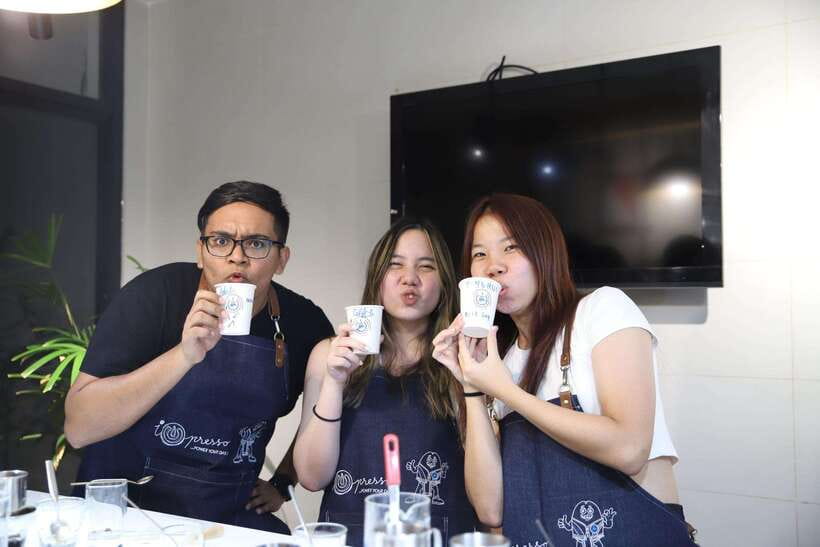
Yes, if you want a practical coffee skill plus a distinctly local flavor. This is not just tasting. You’ll brew phin coffee and craft coconut coffee yourself, with specialty coffee learning centered on Fine Robusta. The $20 price feels reasonable because you get drinks, instruction, and a repeatable method in a tight 2-hour window.
Book it if you like hands-on experiences, enjoy Vietnamese coffee culture, or want something different from the usual city walk. Also book it if you enjoy learning directly from baristas who actually care about sharing what they do.
I’d hesitate only if coffee or coconut drinks are not your thing, or if you’re seeking a big sightseeing day. In that case, you’ll get less enjoyment from a focused workshop.
If you’re on the fence, do this: check your calendar for 2 hours and commit. Then show up hungry for questions and ready to taste your way through a Saigon coffee lesson.
FAQ
How long is the Coconut/Eggs Coffee Making Class?
It lasts 2 hours.
What is the price per person?
The price is $20 per person.
What beverages do I get during the class?
You’re welcomed with a drink from the menu, then you get to make and enjoy Vietnamese phin coffee and coconut coffee.
Will I brew coffee myself?
Yes. You’ll have the opportunity to brew a cup of phin coffee and also make coconut coffee yourself with guidance.
Is this a small group activity?
Yes. The class is limited to a small group of 10 participants.
What languages are offered?
The instructor speaks English and Vietnamese.
Where do I meet the group?
Meet at iO Coffee Phu My Hung, A 205, M7 Midtow.
Is free cancellation available?
Yes. You can cancel up to 24 hours in advance for a full refund.
Can I reserve now and pay later?
Yes. You can book your spot and pay nothing today.