REVIEW · HO CHI MINH CITY
Cu Chi Tunnels tour In The Morning by DGT
Book on Viator →Operated by A Travel Mate And Trading Company Limited · Bookable on Viator
Crawling into the tunnels makes history feel real. This Cu Chi Tunnels morning outing mixes underground life with practical on-the-ground context, starting with pickup in central Ho Chi Minh City and a guide who ties the Viet Cong tunnel system to how the war was fought. On many departures, guides such as Toan, Sonny, Vu, Thanh, and Foo are praised for keeping the pace friendly and the explanations clear.
Two things I like a lot are the hotel pickup and drop-off from District 1 and 3 (so you skip the scramble), and the small-group size (up to 12) that makes it easier to hear your guide and move at a human pace around tight areas. One thing to consider up front: the story is told from a Vietnamese perspective, and you should expect some messaging that can feel like propaganda rather than a neutral textbook.
In This Review
- Key points before you go
- Morning logistics: pickup in Districts 1 and 3
- Ben Dinh Tunnels: the warm-up that makes Cu Chi click
- Heading to Cu Chi: what the drive is really for
- Inside the Cu Chi tunnel system: cramped passages and real tactics
- Booby traps and the “don’t touch” mindset
- How the guide shapes the day (humor, English, and message)
- Heat, humidity, and walking: the practical comfort checklist
- The shooting range stop: optional, loud, and not everyone’s thing
- Price and value: what $31 buys you (and what it doesn’t)
- Who this tour suits best
- Should you book? My take
- FAQ
- How long is the Cu Chi Tunnels tour in the morning?
- What does the price include?
- Is lunch included?
- Does the tour offer hotel pickup?
- What time does the tour start?
- What’s the group size limit?
- Is a ticket included?
- Is there a documentary or pre-brief before tunnel visits?
- What if weather is bad?
- Where does it start and where does it end?
Key points before you go
- Small-group size (max 12): easier listening and less crowd crush at the tunnel sites
- Pickup in District 1/3: you start near the action, with less hassle
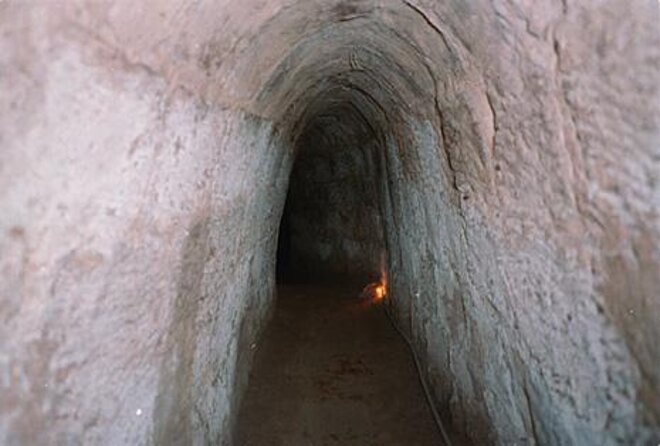
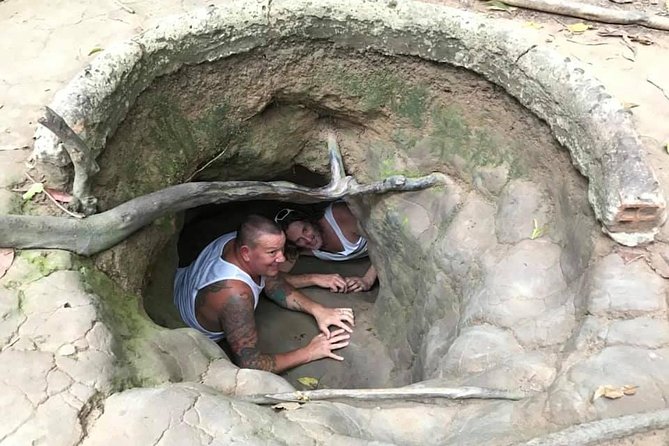
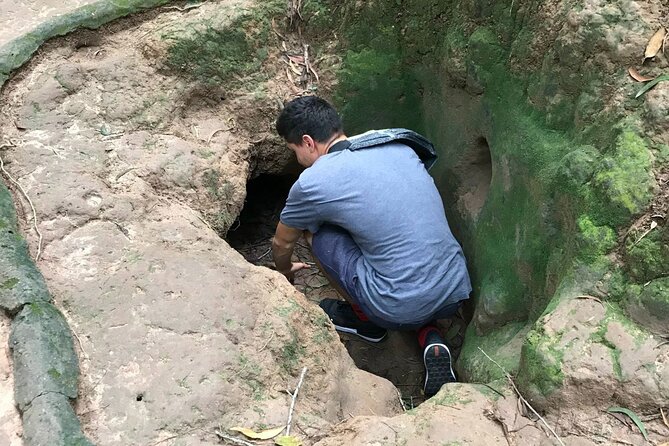
- Tunnel crawl experience: you’ll get the shock of how small openings and cramped passageways really are
- Ben Dinh stop adds context: documentary, command center, and practical underground setup info before Cu Chi
- Heat and humidity are real: plan for sweat, and bring a plan for walking in it
- Political framing is expected: the guide’s tone and emphasis may follow the Vietnamese wartime narrative
Morning logistics: pickup in Districts 1 and 3
The best part of this tour is that it runs like a well-oiled morning errand: you’re collected from your hotel in District 1 or District 3 and dropped back afterward. The meeting point is listed at 210 Lê Thánh Tôn (near Ben Thanh), with a start time of 8:00am. If you’re staying in the central core, that alone can save you time you’d otherwise spend hunting for transport.
Because the group is capped at 12 travelers, the van or bus tends to feel more manageable than the giant-seat cattle-car style. Still, based on what I’ve seen on similar Cu Chi routes, comfort can vary: longer rides plus road bumps can make some people feel a bit queasy, so it’s smart to sit where you feel steadier and bring motion-sickness meds if you’re prone to that.
You can also read our reviews of more tours and experiences in Ho Chi Minh City
Ben Dinh Tunnels: the warm-up that makes Cu Chi click
This morning program doesn’t jump straight to Cu Chi without context. You begin with a city-related segment, then move into Ben Dinh Tunnels, where the schedule starts with a documentary film before you head out. That film time matters because it primes your brain for what you’ll see underground later: not just “cool tunnels,” but how war conditions shaped daily routines and escape tactics.
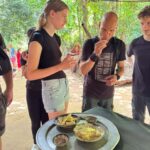
At Ben Dinh, you’ll get hands-on stops like a command center visit and exploration of fighting bunkers and booby traps. There’s also a local-food moment: steamed tapioca and hot tea. You’ll also hear about the Hoang Cam smoke-less stove, which is a very “real life” detail. It’s the kind of thing that helps you understand the tunnel system as an operating environment, not just a hiding place.
A small heads-up: the food is not lunch. It’s more like an included snack break. If you’re the type who needs a real meal to stay comfortable, you’ll want to plan a lunch afterward on your own. Some people love the tapioca; others feel it’s a quick stop. Either way, keep your expectations realistic: this is fuel, not a feast.
Heading to Cu Chi: what the drive is really for
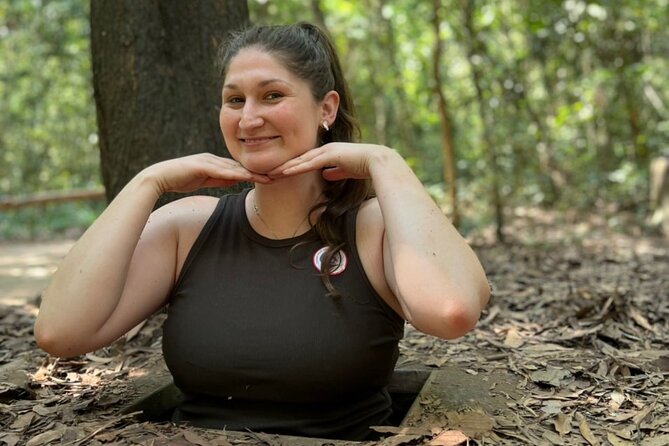
Cu Chi is outside central Ho Chi Minh City, so you’re in transit for a while. The timing is laid out to keep the day moving smoothly, and that matters because the tunnel complex is not “browse at leisure” territory. You’re going to be walking in humidity, waiting your turn at narrow spots, and squeezing time for tunnels, surface areas, and photos.
This is also where your guide’s pacing becomes important. On better days, you get a clear rhythm: explanation, move, stop, crawl/observe, repeat. On tighter days, you may feel the time pressure building—especially if your group is in a crowded departure window. Either way, it’s worth going in with the mindset that Cu Chi rewards attention more than wandering.
Inside the Cu Chi tunnel system: cramped passages and real tactics
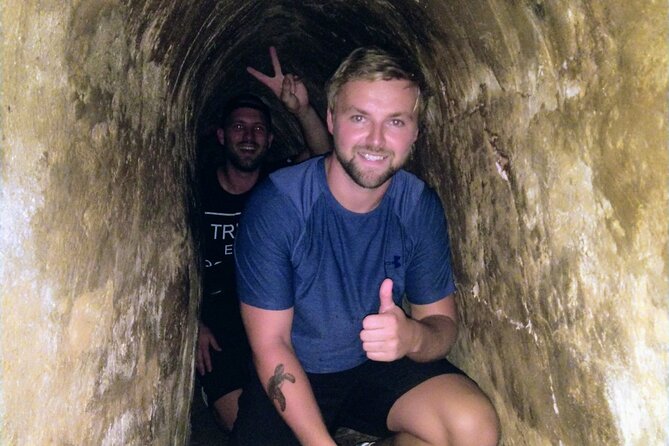
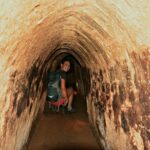
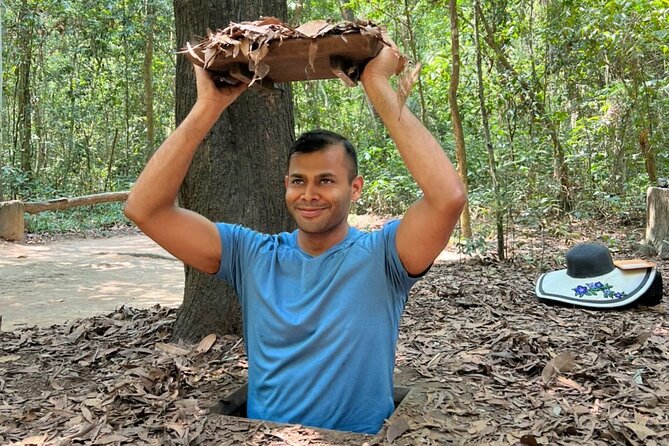
Cu Chi is the headline. And the moment that lands hardest is usually the crawl. You’ll face very small openings—so small that one reported highlight was an opening about 2 feet across. That size isn’t just “for drama.” It forces you to experience the logic of the tunnels: controlling movement, limiting how easily an enemy can advance, and making escape and survival possible in harsh conditions.
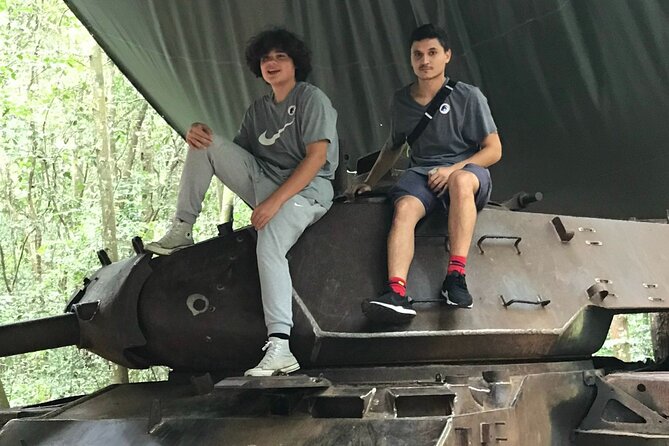
What you’ll learn goes beyond the tunnel walls. The story centers on how Vietnamese fighters used tunnels as living quarters, meeting spaces, kitchens, weapons and supplies storage, all stretched out across an underground network. When your guide connects those functions—where people slept, where they worked, how they planned movement—you start seeing the tunnel system as infrastructure.
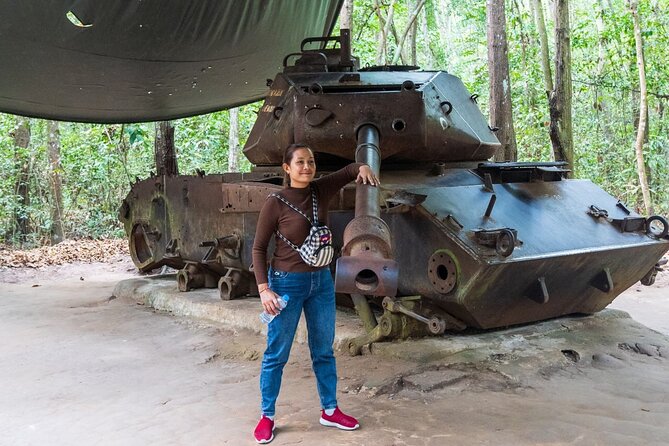
You may also notice surface evidence at the complex, like bomb-affected areas. People often describe Cu Chi as more than “crawling into a hole.” It becomes about the overall impact of war and the determination required to keep operating under constant threat.
Booby traps and the “don’t touch” mindset
Booby traps and danger points are part of the tour experience. You’ll hear about them and see examples from a guided standpoint. Keep your hands to yourself unless your guide explicitly tells you otherwise. The point here is understanding, not testing.



How the guide shapes the day (humor, English, and message)
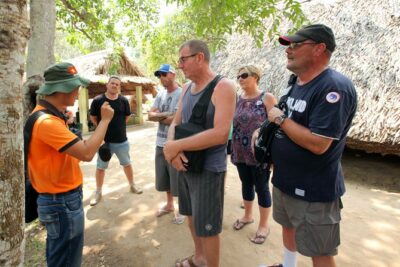
Your guide can make or break how this tour feels. In the best cases, you get a balance: the seriousness of the subject stays intact, but you don’t feel lectured nonstop. Some guides are known for mixing humor with gravity—people have singled out guides like Thanh for that approach, and others have praised Sonny and Toan for making the information easier to follow.
That said, English can be variable. A few guides have a strong accent, and sometimes non-native English speakers struggle. If you’re the one in your group who asks the most questions, it’s worth going in ready with patience. If you can’t catch everything, focus on the visuals and the guide’s body language—it still teaches you the structure of the story.
One more note: because the tour is framed from the Vietnamese side, some people interpret the tone as propaganda. You might feel that more when the guide uses strong language about the war’s “good guys and bad guys” framing. If you want a perfectly balanced, multi-perspective presentation, this tour may not be your ideal fit. But if you’re open to learning how the war was explained and remembered locally, it can be deeply meaningful.
Heat, humidity, and walking: the practical comfort checklist
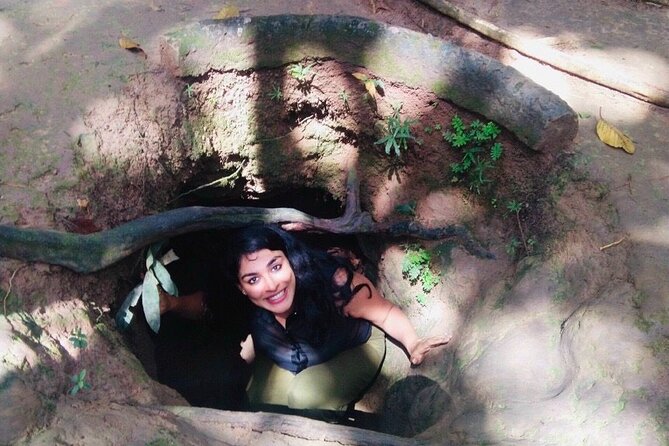
Cu Chi is outdoors around tunnel entrances and paths, then inside tight spaces. That combination is tough in hot, humid jungle conditions. One of the most repeated practical warnings is that you do need to walk a moderate distance in the heat.
Here’s how to set yourself up:
- Wear breathable clothes you don’t mind sweating in.
- Bring a small towel or wipes, even if you expect included refreshments.
- If you have a sensitive stomach, consider motion-sickness precautions for the van/bus ride.
Some departures include drink and water, but timing can be inconsistent. In one experience, included items arrived later than expected, and a wet-towel moment didn’t happen as promised. So don’t count on luxury comfort arriving right when you want it. Plan as if you’ll need to manage the heat yourself.
The shooting range stop: optional, loud, and not everyone’s thing
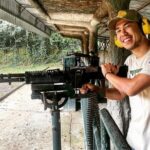
Some tours to the Cu Chi area include a nearby shooting range as a stop. It’s not clearly presented as a core must-do in the basic inclusions, so think of it as something that could be added as an option during the day.
If you’re considering it, know that it can be very noisy. One common complaint is that the range is close to where you pause for refreshments, so the sound can affect the whole group’s comfort. If quiet matters to you, you can skip it and wait while the others finish.
Also, this is your cue to decide what kind of experience you want. Cu Chi as a site can already feel intense. If you’d rather keep the tone focused on history and survival tactics, pass on the range.
Price and value: what $31 buys you (and what it doesn’t)
At about $31 for roughly 5 hours, the value is strong if you want guided access plus included entry. The tour includes:
- Cu Chi entrance fee
- English-speaking guide
- Pickup and drop-off in District 1/3
- A drink (choices listed include Vietnamese coffee, fresh coconut, juice, smoothie, beer, or soft drink)
- Tapioca and tea
- A small-group cap
What’s not included is also clear: lunch and tips. That’s important for budgeting. If you get hungry after the morning snacks, you’ll need to plan for lunch on your own. If you’re the type who eats early, consider buying a simple meal before the tour starts or grabbing something right after you’re back.
There’s also one subtle value point: paying for a guide here often helps you understand what you’re seeing. Cu Chi can look like a set of tunnels until someone explains the how and why—then it clicks into the broader war story.
Who this tour suits best
This Cu Chi morning tour is a good match if:
- You want central pickup with less planning stress.
- You’re comfortable with tight spaces and the reality of cramped tunnels.
- You like historical context that’s explained in a local narrative style.
- You enjoy a group that stays relatively small, so the guide can actually manage movement and questions.
It may be less ideal if:
- You want a super neutral, multi-sided debate format.
- You’re very sensitive to heat and long outdoor walking.
- You dislike any political framing in historical sites.
Should you book? My take
Book it if you want a practical, guided morning to one of Vietnam’s most talked-about wartime sites—especially because the pickup and small group size cut the hassle. I also think the included drinks and snack keep the experience from feeling purely “tickets and suffering,” even though it’s not a full meal.
Skip it only if you’re expecting a balanced, debate-style history tour and you’re sensitive to political messaging. Otherwise, go in with the right expectations: Cu Chi isn’t just about photos. It’s about scale, tightness, and the way people survived and fought under extreme conditions. If that sounds like your kind of learning, this one is worth your time.
FAQ
How long is the Cu Chi Tunnels tour in the morning?
It runs for about 5 hours (approx.).
What does the price include?
The tour includes English-speaking guide, hotel pickup and drop-off (Districts 1 and 3), a drink, tapioca and tea, and the Cu Chi tunnels entrance fee.
Is lunch included?
No, lunch is not included.
Does the tour offer hotel pickup?
Yes. Pickup and drop-off are included for hotels in District 1 and District 3.
What time does the tour start?
The listed start time is 8:00am.
What’s the group size limit?
This tour has a maximum of 12 travelers.
Is a ticket included?
Yes. The Cu Chi tunnels entrance fee is included, and the tour also mentions mobile ticket.
Is there a documentary or pre-brief before tunnel visits?
At Ben Dinh Tunnels, the program includes a documentary film before the journey start.
What if weather is bad?
This experience requires good weather. If it’s canceled due to poor weather, you’ll be offered a different date or a full refund.
Where does it start and where does it end?
It starts at 210 Lê Thánh Tôn, Phường Bến Thành, Quận 1, Thành phố Hồ Chí Minh, Vietnam, and it ends back at the meeting point.