REVIEW · HO CHI MINH CITY
Afternoon Saigon Unseen Adventure by Scooter |Opt: Ao Dai Riders
Book on Viator →Operated by Saigon On Motorbike · Bookable on Viator
Saigon on a motorbike feels like a shortcut to real life. This private afternoon circuit mixes big history with small street moments: you’ll learn why Thich Quang Duc is still remembered, snack through local markets, and ride through places most visitors miss. Ho Chi Minh City shows up in full color, not brochure style.
I especially like the structure of the ride: clear stops, steady timing, and an English-speaking guide who explains what you’re seeing as you go. I also like the food plan built into the route, including bun bo hue, grilled oysters, fresh coconut, and Vietnamese coffee, so you’re not hunting between sights.
One thing to consider: you’ll be on a scooter for a few hours in real traffic, so if you’re sensitive to road noise or movement, choose your comfort level—and keep an extra eye on your rain poncho option if the skies look moody.
In This Review
- Key things that make this tour worth your afternoon
- Why Saigon by scooter feels smart in the afternoon
- Thich Quang Duc Memorial: a 1963 protest you can’t forget
- Ho Thi Ky Flower Market and grilled oysters: smelling Vietnam, one bite at a time
- Thien Hau Pagoda in District 5: Mother of the Sea, built in 1760
- District 4 and the floating market: how commerce works when boats are the street
- 287/70 Nguyễn Đình Chiểu: the secret basement and war memory
- Food, coconut, and those small alley turns that make it feel local
- Ao Dai rider option: how to plan if you want the photo look
- Price and value: $25 for food, transport, and insurance adds up
- Who this scooter adventure suits best
- Should you book the Afternoon Saigon Unseen Adventure?
- FAQ
- How long is the Afternoon Saigon adventure?
- Do you get pickup and drop-off?
- Is the tour private?
- Do you provide helmets?
- What are the main stops during the tour?
- Are entrance fees included?
- What food and drinks are included?
- Is there a vegetarian option?
- What if it rains?
- Can I cancel and get a full refund?
- How does the Ao Dai rider option work?
Key things that make this tour worth your afternoon
- Private motorbike format: just your group, with a guide steering the story.
- Hotel pickup and drop-off: fewer logistics, more time watching Saigon unfold.
- History you can point to: Thich Quang Duc’s memorial and a secret basement tied to the war.
- Market stops with real taste: flower market time plus local snacks and drinks.
- Culture beyond the obvious: Thien Hau Pagoda and a floating market in District 4.
- Optional Ao Dai photo moment: but timing matters if you want a female rider.
Why Saigon by scooter feels smart in the afternoon
The big win here is speed plus context. In about four hours, you cover multiple districts and eras without losing half your day to traffic puzzles or transit planning.
Hotel pickup (to many Saigon hotels) also changes the vibe. You show up, get fitted with an open-faced helmet, and roll—no awkward “where do we meet?” stress.
The scooter itself is not just transportation. It’s the way locals move through tight streets, and that means you’ll see the city’s rhythm up close—especially on the “secret alleyways” parts that don’t show up on many walk routes.
One practical note: it’s an afternoon ride, so you’ll likely get softer light than midday. That matters for photos at the pagoda and memorial sites, where you want your camera to catch details instead of fighting harsh glare.
You can also read our reviews of more tours and experiences in Ho Chi Minh City



Thich Quang Duc Memorial: a 1963 protest you can’t forget
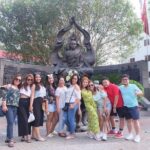
Your first stop is the Thich Quang Duc Monument in District 3. This is the place tied to monk Thich Quang Duc’s self-immolation in 1963, a protest rooted in the persecution of Buddhism at the time.
Even if you only know the name, the guide framing makes the site land. You’ll understand why the story matters in Vietnam’s modern memory, not just as a sad headline from the past.
It’s also a good early stop because the timing works. You spend about 40 minutes there, which is enough to absorb the symbolism and listen without rushing.
If you prefer history to be quiet and reflective, this is the part that gives you that. Dress respectfully and keep your voice low—this isn’t a quick photo sprint type of location.
Ho Thi Ky Flower Market and grilled oysters: smelling Vietnam, one bite at a time

After the solemn start, you shift gears at the Ho Thi Ky Flower Market. Flowers here come from across Vietnam, so you’re not just seeing a few stalls—you’re walking into a whole system that keeps ceremonies, homes, and businesses supplied.
You’ll also get time to slow down and look closely. The colors hit first, then the fragrance, then you start noticing how everything is arranged for sale and transport.
And then: food. You’ll try local specialties as part of the stop, including grilled oysters mentioned in the experience details.
This stop is a great reminder that “market” isn’t only about shopping. It’s about daily life. Watch how people talk, move, and negotiate, and let your guide explain what you’re seeing so it doesn’t turn into sensory overload.
Thien Hau Pagoda in District 5: Mother of the Sea, built in 1760
Next comes Thien Hau Pagoda, also known as the Mother of Sea. It was built by Chinese communities in 1760, so this stop adds a different layer to Saigon’s cultural mix.
You get about 40 minutes here, and the best approach is simple: look up, notice materials and carvings, and observe how the space is used. Pagodas often feel like “set pieces” if you rush, but if you slow down even for a few minutes, the details start telling their own story.
Because it’s an active religious site, follow your guide’s lead on where to stand and how to behave. It’s also a good pause from the road, with a calmer pace to reset your senses.
The guide’s job here is key. They connect the architecture and name to local beliefs—so you’re not just touring a pretty building, you’re learning why people treat the place with respect.
District 4 and the floating market: how commerce works when boats are the street
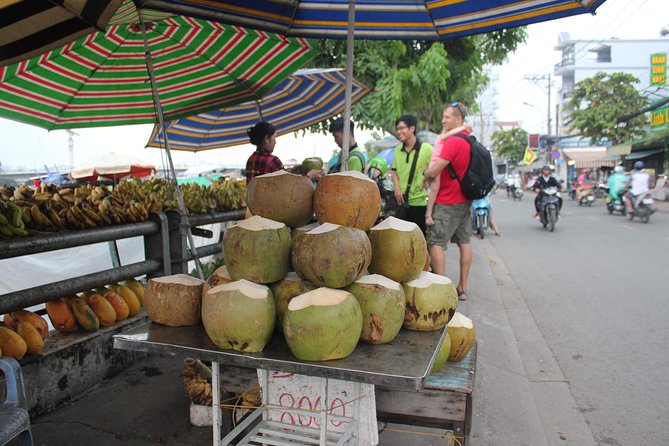
From pagoda peace, you head to District 4, where the experience centers on a floating market. This is where people live and work on their boats and trade goods as part of everyday life.
That changes your perspective fast. In a city like Saigon, it’s easy to think all commerce happens on land. Here, the “roads” are waterways, and the rhythm is tuned to tides and routine.
You’ll have about 40 minutes for this stop. It’s enough time to see the main action without feeling trapped on a single view.
One consideration: this kind of stop can feel crowded or photo-heavy for some people. If you like a calm, spaced-out tour pace, focus on watching first, then grab photos when the movement slows.
Your guide helps tie what you see to context, including how trade and daily life mesh in a place like this. That’s the difference between a sightseeing snapshot and understanding how the market actually functions.



287/70 Nguyễn Đình Chiểu: the secret basement and war memory
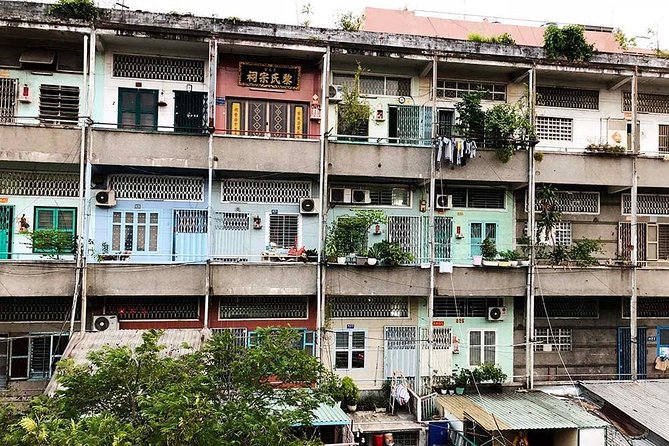
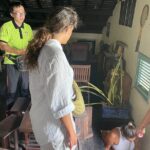
The final “wow” moment is the stop at 287/70 Nguyễn Đình Chiểu in District 3, where there’s a secret basement beneath a house. This is described as a hidden place that once stored more than 2 tons of weapons for the Saigon Rangers during the war.
It’s eerie in the best way—because you realize how much history can sit right under ordinary streets. You spend about 40 minutes here, which is the right amount of time to let the guide explain the setting without turning it into a lecture.
This is also a stop where your guide’s storytelling style really matters. In the experience details, you’re led to understand why people hid supplies, how secrecy shaped daily choices, and why the location matters today.
If you’re the type who likes “where exactly did that happen,” this is your kind of moment. You can point to the location and connect it to a specific wartime role.
Food, coconut, and those small alley turns that make it feel local
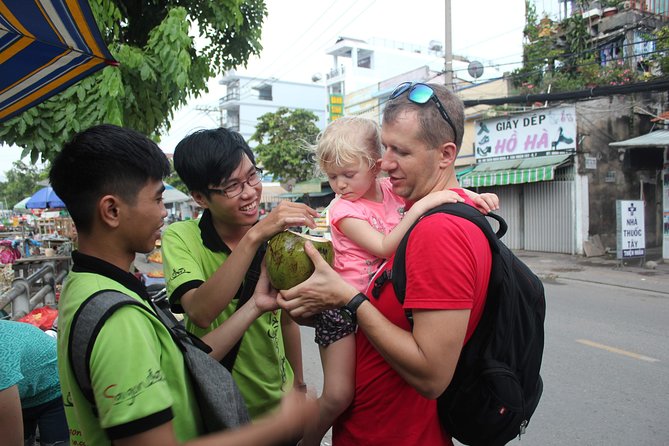
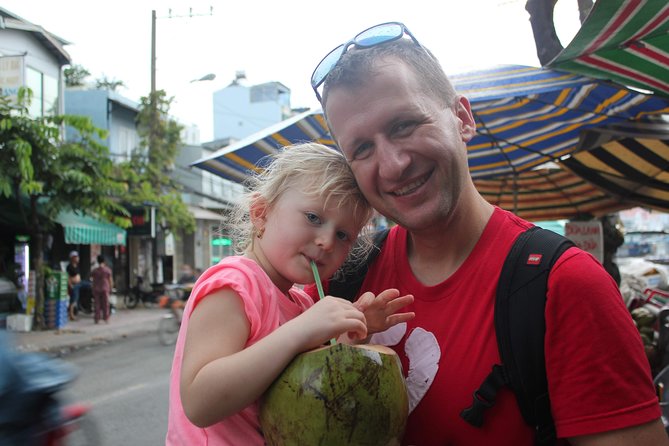
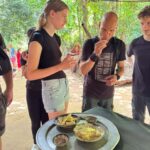
This tour is built around a simple idea: the best way to learn a city is to taste it while you ride through it. Along the route, you’ll get bun bo hue (a traditional soup dish), plus stops that add grilled oysters, fresh coconut, and Vietnamese coffee.
What makes this work is the order. You’re not eating one thing, then commuting for an hour with nothing but traffic. Food and sightseeing alternate, which keeps your energy steady and your attention fresh.
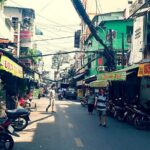
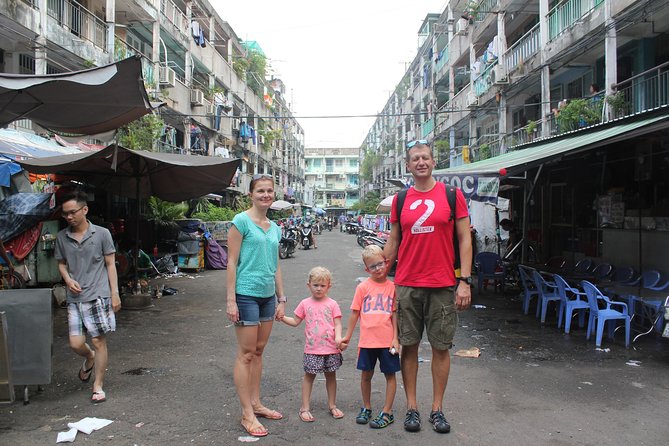
You’ll also weave through narrow streets and quieter lanes, including the “secret alleyways” part of the route. Even if you don’t speak Vietnamese, you’ll feel the city’s texture here—motorbikes threading past storefronts, small side trades, and daily routines that don’t show up in a quick bus loop.
District 7 is part of the contrast too. It’s a more ritzy area, so the tour gives you a before-and-after look at how the city changes block by block.
For me, the value is that you don’t just check boxes. You leave with a sense of how Saigon holds history, worship, markets, and everyday life in the same streets.
Ao Dai rider option: how to plan if you want the photo look
The tour includes an option for Ao Dai Riders (traditional dress). Here’s the practical detail that affects your planning: female Ao Dai riders require 6 hours in advance.
If you book closer to the day—or if it’s crowded—the rider gender can be random. So if Ao Dai photos are part of your goal for the afternoon, don’t leave it to luck.
Also, even without Ao Dai, you’ll still be in the practical sightseeing mode: open-faced helmets, motorbike seating, and quick transitions between stops.
This option is best for people who want a visual souvenir without turning the afternoon into a separate photo shoot. If you’re coming mainly for history and food, you can still enjoy the tour fully even if you don’t get the Ao Dai styling you hoped for.
Price and value: $25 for food, transport, and insurance adds up
At $25 per person for about four hours, the math makes sense—because the tour includes more than sightseeing.
You’re not paying extra for the guide, the motorbike, or fuel. You’re also getting all food and drinks plus an accident insurance inclusion, which is one of those details you’re glad exists once you’re on the road.
The helmet and rain poncho (if needed) are also part of the package, and those small items can matter more than you’d think in a tropical city where weather can shift quickly.
Then there’s the hotel pickup and drop-off for many hotels. That’s a real value add because it protects your time. Four hours is not a lot, so saving transit planning helps you see more.
This tour feels especially good if it’s your first time in Saigon and you want to learn the city’s “why” instead of just wandering. It’s also a solid choice if you like guided structure but don’t want to be stuck inside one neighborhood all day.
Who this scooter adventure suits best
You’ll likely enjoy this most if you:
- Want a half-day plan that packs history and food into one route
- Like the idea of seeing Saigon from a motorbike rather than only on foot
- Prefer private guiding for a more relaxed pace with an English-speaking guide
It might not be the best fit if:
- You’re very uncomfortable with traffic noise and motion
- You want long, slow walking time at each site
- You prefer self-guided travel with no set route
Also, if you’re traveling for religious or historical meaning, you’ll get a lot from the guided context at the memorial and hidden-bunker stop. Those aren’t just scenic stops; they’re story stops.
In the guide department, the experience details and past guide names you may encounter include people like Katie, Hailey, Emma, and Corn—and the common theme is that they explain what you’re seeing in plain language so it sticks.
Should you book the Afternoon Saigon Unseen Adventure?
Book it if you want a smart afternoon plan that covers real Saigon: memorial history, temple culture, markets, and food—while riding through streets you’d struggle to navigate alone.
I’d skip it if you hate scooter traffic or want only walking and quiet stops. Comfort matters more than “worth it,” and this is still a motorbike-based experience.
If you’re on the fence, think about your goal. If your goal is to understand Saigon quickly and taste it while you learn, this tour is one of the easiest ways to do it in a few hours.
FAQ
How long is the Afternoon Saigon adventure?
It runs for about 4 hours.
Do you get pickup and drop-off?
Yes. The tour offers transfers to and from many Saigon hotels.
Is the tour private?
Yes. It’s a private tour/activity, so only your group participates.
Do you provide helmets?
Yes. The tour includes high-quality open-faced helmets.
What are the main stops during the tour?
You’ll visit the Thich Quang Duc Monument, Ho Thi Ky Flower Market, Thien Hau Pagoda, a floating market in District 4, and the secret basement at 287/70 Nguyễn Đình Chiểu.
Are entrance fees included?
Admission is included for the Thich Quang Duc Monument. Other listed stops (including the flower market, pagoda, floating market, and the 287/70 Nguyễn Đình Chiểu stop) are noted as free.
What food and drinks are included?
All food and drinks are included. The experience details mention bun bo hue, grilled oysters, fresh coconut, and Vietnamese coffee.
Is there a vegetarian option?
Yes. A vegetarian option is available.
What if it rains?
A rain poncho is included if needed.
Can I cancel and get a full refund?
Yes. You can cancel for a full refund up to 24 hours in advance of the experience start time.
How does the Ao Dai rider option work?
If you want a female Ao Dai rider, you need to request it at least 6 hours in advance. For later or crowded days, rider gender can be random.