REVIEW · HO CHI MINH CITY
Private Cu Chi & Mekong Delta Tour: History Meets Nature
Book on GetYourGuide →Operated by MILLENIUM TRAVEL CO.,LTD · Bookable on GetYourGuide
Two Vietnams in one day: Cu Chi and the Mekong. This short Ho Chi Minh City escape packs Cu Chi Tunnels war history into the morning, then shifts to My Tho’s river life by afternoon. I like how you get more than scenery—you see how the guerrillas lived and worked underground, then you switch gears to pagoda architecture, a river cruise, and a wooden sampan ride through coconut canals. One drawback to consider: the tunnels can feel tight and uneven, and the optional real-weapon shooting experience may not be for everyone.
The drive is straightforward: you’re picked up from central areas, then head out about 1.5 hours. I also like that the tour leans practical and human, not just dates and facts—my favorite detail is the cassava and tea tasting that connects the tunnel story to daily survival. A guest review highlighted the English-speaking guide Abe for being kind and well-prepared, with lots of useful Vietnam context, and she also called out the lunch as a real highlight.
In This Review
- Key things to know before you go
- Getting out of Ho Chi Minh City: pickup, timing, and pace
- Cu Chi Tunnels: how underground survival actually worked
- The guerrilla-food stop: cassava and tea with meaning
- Optional real-weapon shooting: when to say yes or no
- Moving to the Mekong Delta: lunch and the transition to “river Vietnam”
- Vinh Trang Pagoda in My Tho: architecture and calm space
- Tien River cruise: a relaxing middle of the day
- Coconut candy mill and canal sampans: craft plus scenery
- Folk music, honey tea, and seasonal fruit tasting
- Price and value: $140 for a private day that includes a lot
- Who this tour suits best (and who should skip it)
- Should you book this Cu Chi and Mekong Delta private tour?
- FAQ
- How long is the drive from Ho Chi Minh City to Cu Chi?
- Is the shooting range experience included?
- What stops are included on the Mekong Delta side?
- What time do you return to Ho Chi Minh City?
- What’s included in the price?
- Are large bags or pets allowed?
Key things to know before you go
- Private tour for up to 2: you move as a pair, with a dedicated English-speaking guide.
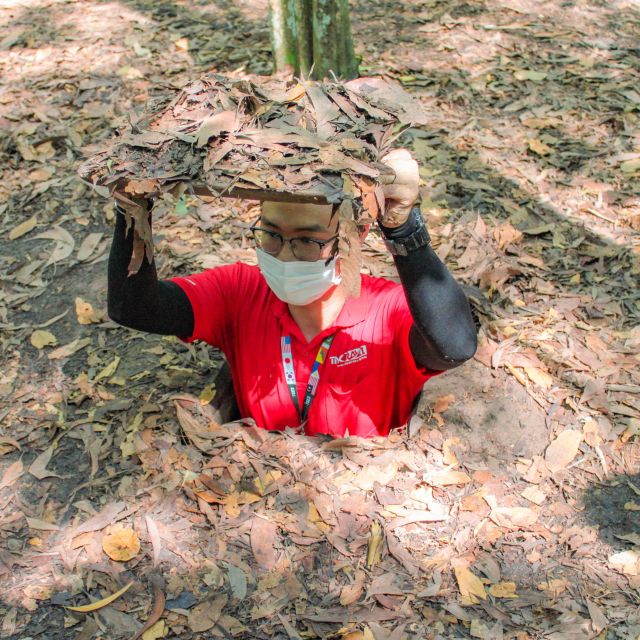
- Cu Chi living areas you can actually see: kitchens and bedrooms side by side, plus martial facilities like factories, storage, command centers, and field hospitals.
- Traps and hidden doors explained: you’ll hear how the maze protected the guerrillas.
- Optional shooting range with real weapons: if you’re curious, this is your chance to choose it on the day.
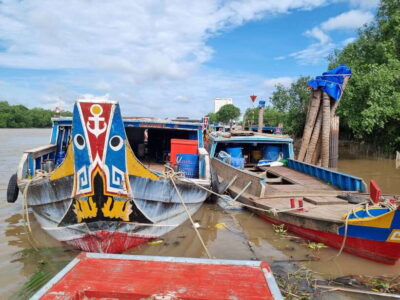
- Tien River cruise + wooden sampan canals: two different boat moments, both set in coconut waterways.
- Honey tea, seasonal fruit, and folk music: the Mekong side isn’t just sightseeing—it’s tastes and sound.
Getting out of Ho Chi Minh City: pickup, timing, and pace
This is designed for people who don’t want to burn a whole trip on logistics. You’ll be collected from centrally located hotel areas (Cau Ong Lanh Ward, Ben Thanh Ward, Saigon Ward), then transfer by private car or van to the Cu Chi area. The ride takes about 1.5 hours from downtown, so you’re out into the countryside fast and back in time for dinner.
The pace is a classic one-day combo: you’ll start early enough to handle the tunnel portion, then transition south to My Tho for the Mekong Delta segment. You return to Ho Chi Minh City between 7:00 PM and 7:30 PM, depending on traffic. Translation: you’ll get a full day’s worth of stops, and you should plan to keep your evening open.
A practical tip: wear comfortable shoes. Between walking at Cu Chi and stepping around during the river day, you’ll be glad you didn’t choose slick sandals. Bring a hat and sunglasses too—both areas can be bright, and the day includes outdoor time.
You can also read our reviews of more private tours in Ho Chi Minh City
Cu Chi Tunnels: how underground survival actually worked
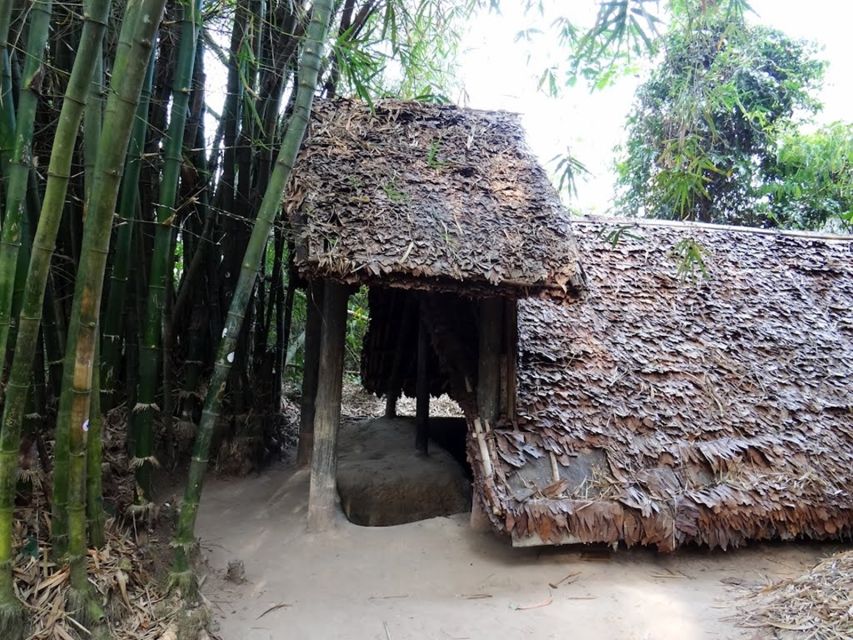
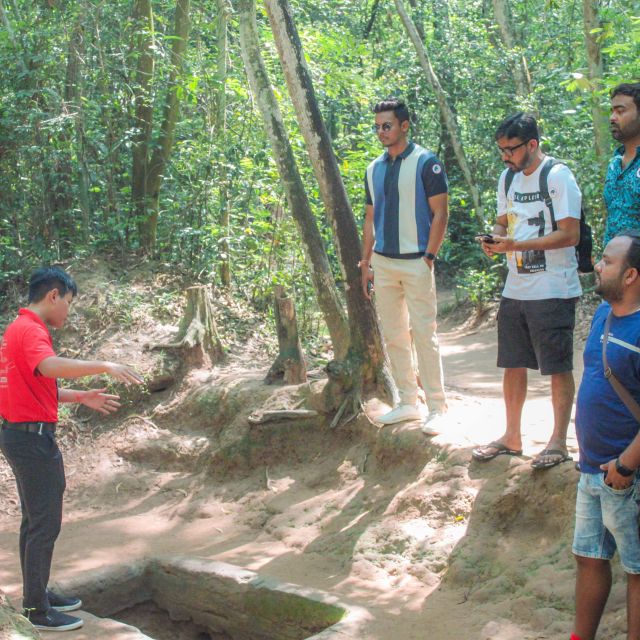
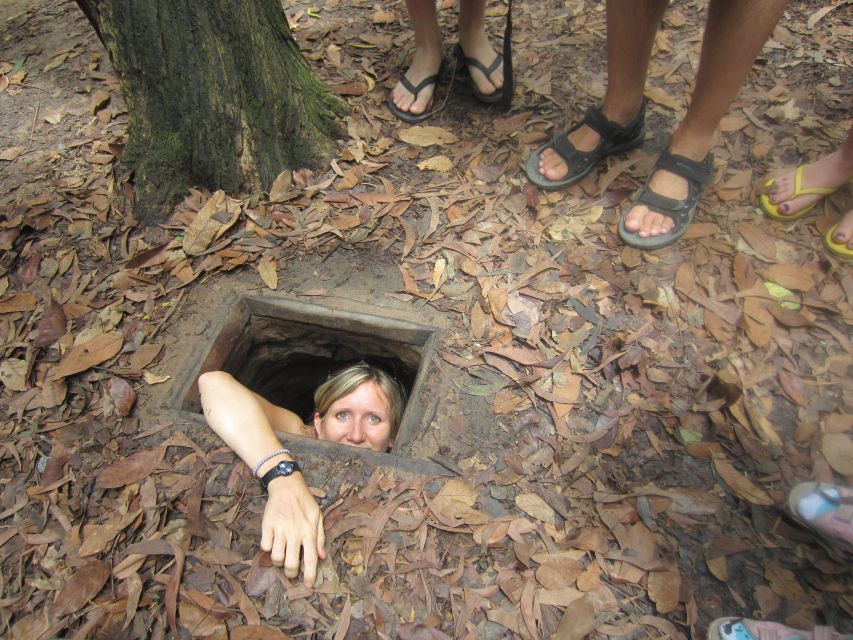
Cu Chi Tunnels are the main event, and the tour focuses on understanding the system, not just looking at tunnels. Once you arrive, you’ll learn how the tunnels were built during the war and how the remaining area connects to parts of the network that included special living spaces.
The tour takes you to areas showing how daily life and security were intertwined. You’ll see sections that include living quarters where kitchens and bedrooms sit side by side, plus martial and support functions. The wording matters because it’s not random room-hopping. You’ll be guided to areas tied to things like weapon factories, storage, command centers, and field hospitals—so the place makes sense as an operation, not just a hole in the ground.
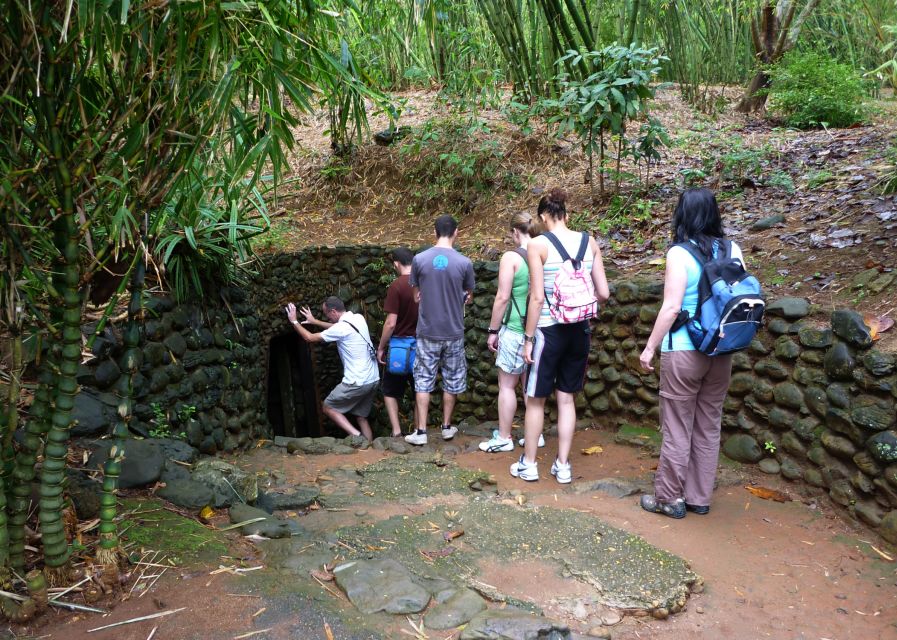
Then you move from “what was there” to “how it stayed hidden.” Expect explanations about dangerous traps and hidden trap doors inside the maze-like tunnels. That’s one of the most valuable parts for first-timers. It’s the kind of detail that turns a site from dramatic to understandable: you start to see why the tunnels were designed to confuse, slow, and protect.
The guerrilla-food stop: cassava and tea with meaning
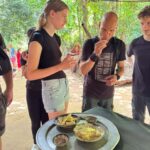
The most memorable “culture through food” moment comes right after the tunnel walk. You’ll taste a special tea and cassava, tied to the everyday diet of former Vietnamese guerrillas. This is more than a snack. It’s a way to connect the underground story to the human reality of what sustained people when conditions were harsh.
Cassava shows up in many Southeast Asian food traditions, but here it’s presented with a specific wartime role—as something practical, repeatable, and available. Pair that with tea, and suddenly the tour isn’t only about survival architecture. It’s also about daily routines, what people could find, and what kept them going.
If you’re the type of traveler who likes your history to have texture, this tasting is a smart payoff. You’ll leave the tunnel portion with a “taste memory,” not just photos.
Optional real-weapon shooting: when to say yes or no
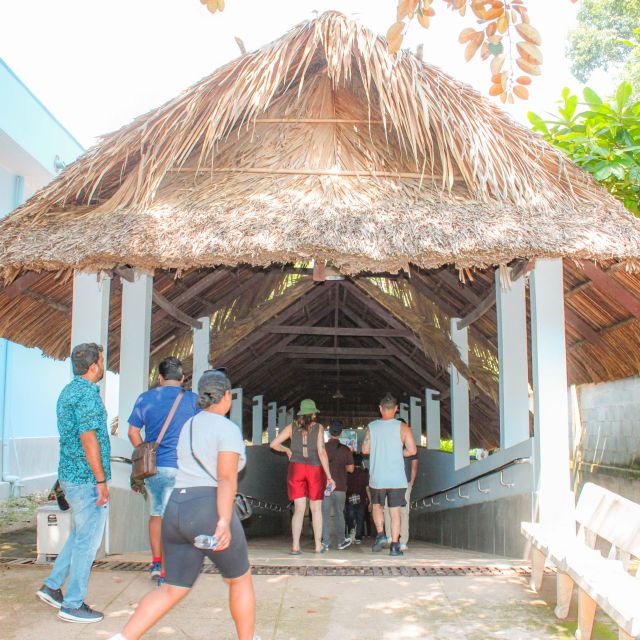
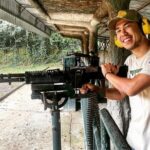
After Cu Chi, you can relax, and the tour offers an optional shooting range experience with real weapons. This can be exciting if you’re curious, and it can also be a deal-breaker if you’d rather keep the day non-violent.
Because this is optional, you should decide based on your own comfort level. If you choose to do it, go with the mindset that it’s not a casual add-on—it’s a real activity involving weapons. If you’d rather focus on the history and river culture, you can skip it and use the time to rest before the Mekong leg.
Also, be realistic about the physical demand. Even without shooting, you’ll still spend the morning in and around tunnel areas. The tour is not suitable for people with heart problems, and it’s not intended for wheelchair users or travelers who need accessibility support.
Moving to the Mekong Delta: lunch and the transition to “river Vietnam”
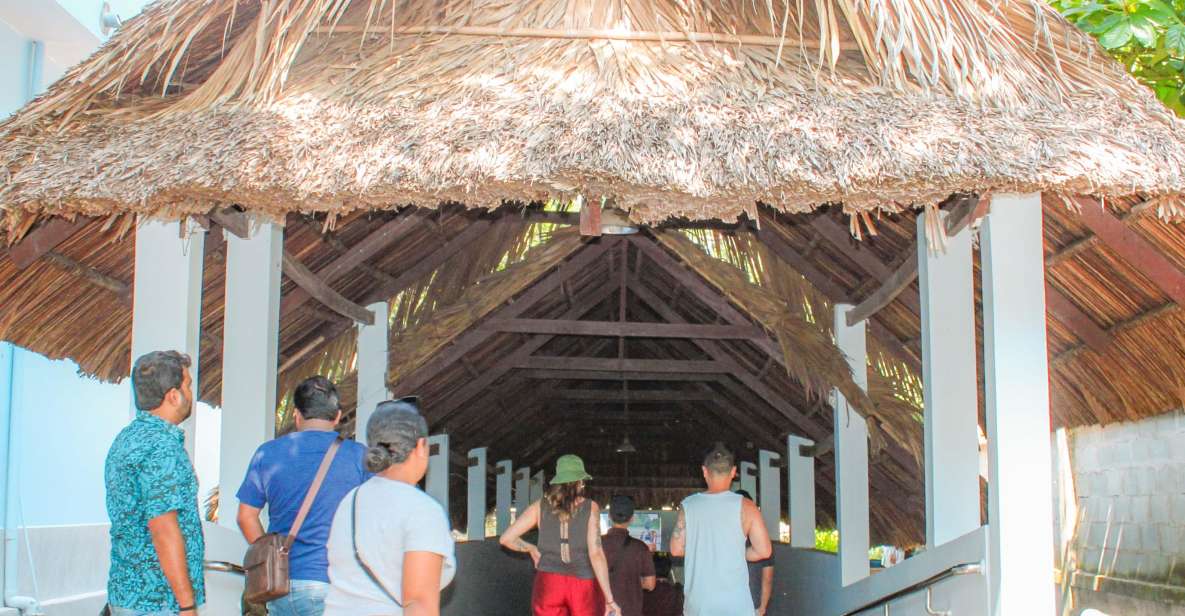
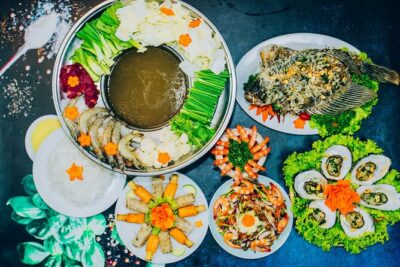
Once the Cu Chi portion is done, the day shifts south. You’ll head toward the Mekong Delta, with a stop for lunch along the way. Lunch is included, and a past guest specifically praised it as rich and well done, which is a good sign that the meal isn’t just a hurried roadside checkbox.
Then you continue onward to My Tho Province for the calmer, slower part of the day. This is where the tour changes its tone. Cu Chi is tight, underground, and security-focused. My Tho is open air and water-based living, with a strong emphasis on local crafts and food.
I like this switch because it keeps the day from becoming one long museum-like experience. You’re going from underground survival logic to a region where livelihoods revolve around canals, coconut palms, and daily market rhythms.
You can also read our reviews of more historical tours in Ho Chi Minh City


Vinh Trang Pagoda in My Tho: architecture and calm space
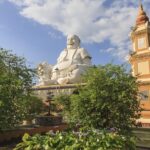
In My Tho, you’ll visit Vinh Trang Pagoda, known for its architecture and solemn atmosphere. The tour treats it as both a sight and a pause. It’s a temple visit, so expect a respectful setting and time to take in the details at a human pace, not a fast photo sprint.
For many visitors, this is the emotional reset between the morning tunnels and the afternoon water activities. The pagoda gives you a different side of Southern Vietnam—spiritual life, craftsmanship, and a place designed for reflection.
If you like architecture, this stop is worth slowing down for. If you’re not into temples, you can still use it as a break from heat and walking, then re-energize for the river cruise.
Tien River cruise: a relaxing middle of the day
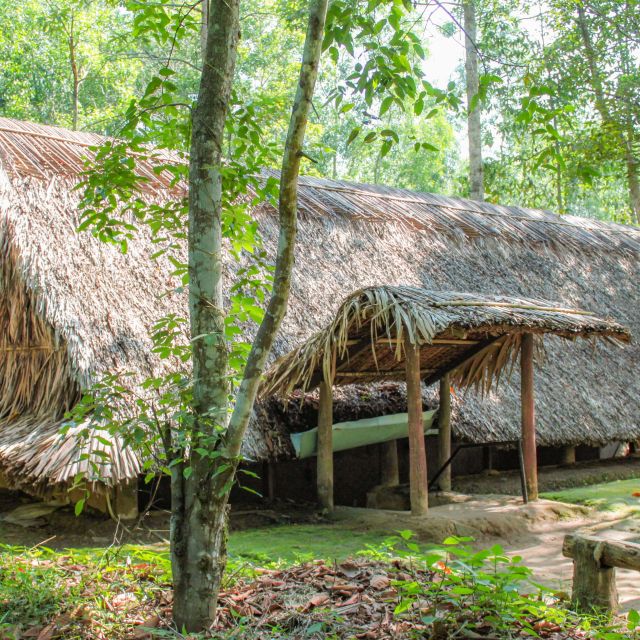
After the pagoda, the tour includes a scenic cruise along the Tien River. This boat time matters because it gives you back a little comfort and breathing room. You’ve done guided walking and explanations earlier, and now you can watch the river pass by without the pressure of another immediate stop.
A cruise also changes your view of the Mekong region. You start noticing how the water shapes daily movement—what’s built near the canals, how communities function around river transport, and why the sampan rides later feel so natural.
If you’re prone to motion sensitivity, keep it in mind. The itinerary doesn’t mention rough-water conditions, but any river cruise can vary depending on the day.
Coconut candy mill and canal sampans: craft plus scenery
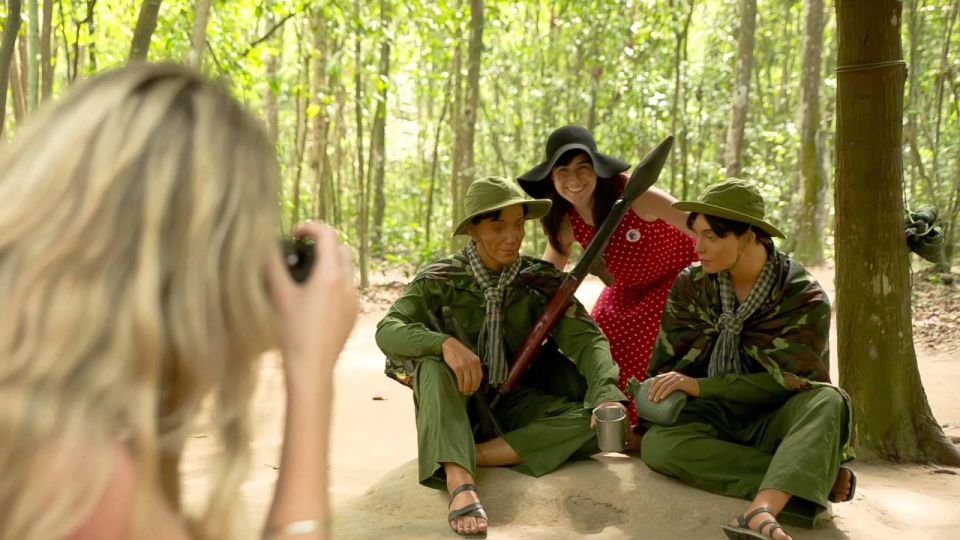
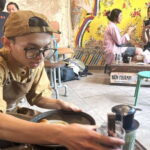
The tour then steps into two very hands-on experiences. First, you’ll visit a coconut candy mill, described as a family business. This kind of stop is valuable because it isn’t only about buying souvenirs. You get a look at local production tied to a regional ingredient that shows up everywhere in the Mekong.
Next comes the signature river ride: you’ll travel down small canals by wooden sampans under the shadow of coconut trees. The tour frames it as a leisurely ride through coconut palm waterways, which is exactly the point. This is the moment where you feel the rhythm of canal life instead of just seeing it from land.
These canal sections also work well as a camera moment. You’ll often find the most interesting angles when you’re low and close to the water, drifting through narrow channels rather than looking down from a dock.
Folk music, honey tea, and seasonal fruit tasting
The Mekong Delta portion ends in a very Southern style: taste, listen, and relax. You’ll sip honey tea, try seasonal fruits, and get a sense of Southern Vietnamese folk music performed by locals.
This is a great combination because each element covers a different part of the culture:
- Fruit gives you local flavors and what’s in season.
- Honey tea ties into the sweet, comforting drink culture of the region.
- Folk music adds atmosphere and context, so the day feels lived-in rather than staged.
If you’re a “food-first” traveler, this is where your senses get the most attention after the history-focused morning.
Price and value: $140 for a private day that includes a lot
At $140 per group up to 2, this tour can be good value if you care about private transportation and a packed day without having to plan each leg yourself. You’re not just paying for a driver. Inclusions include:
- Private car or van
- English-speaking guide
- Entrance fees
- Lunch at a local restaurant
- Boat trips in the Mekong Delta
- Fruit and honey tea
- Mineral water
- Pickup and drop-off from central hotel areas
For two people, that set of inclusions is what makes the price feel reasonable. If you tried to piece together the Cu Chi visit, Mekong transport, and both boat experiences on your own, the planning time alone would cost you. You’re essentially buying a smooth route with someone handling timing, entrances, and the flow of stops.
Who this tour suits best (and who should skip it)
This private Cu Chi and Mekong Delta tour fits best if you:
- Have limited time in Ho Chi Minh City and want one day that hits both war history and river culture
- Enjoy guided explanations and want context around what you’re seeing
- Like a mix of activities: tunnels, a pagoda, a cruise, canal rides, and food tastings
It’s not suitable if you have heart problems, are pregnant, or need wheelchair-friendly access. It also isn’t meant for people with luggage or large bags, and pets aren’t allowed.
One more consideration: Cu Chi includes a war-related narrative and a tunnel environment. If you prefer your vacations to be only light and carefree, you may want to choose a different day trip.
Should you book this Cu Chi and Mekong Delta private tour?
If you want a day that feels efficient without feeling rushed, I’d say yes—especially for couples or two friends. The blend of underground details at Cu Chi, a real-food tasting (cassava and tea), then the Mekong’s cruise, sampan canal ride, and honey tea + fruit makes the day more memorable than a checklist of stops.
Book it if you like your experiences guided and structured. Skip it if the tunnel environment or the optional shooting experience is not your style, or if you fall into any of the stated health and accessibility limits.
If you do book, pack for comfort: good shoes, sun protection, and a camera. This is one of those days where you’ll be glad you came ready to walk and watch.
FAQ
How long is the drive from Ho Chi Minh City to Cu Chi?
The journey from downtown takes about 1.5 hours.
Is the shooting range experience included?
It’s optional. The tour offers time to relax or try shooting a real gun after the Cu Chi tunnel portion.
What stops are included on the Mekong Delta side?
You’ll visit Vinh Trang Pagoda, take a cruise along the Tien River, stop at a coconut candy mill, ride wooden sampans through small canals, and enjoy seasonal fruit, honey tea, and local folk music.
What time do you return to Ho Chi Minh City?
You return between 7:00 PM and 7:30 PM, depending on traffic.
What’s included in the price?
Included items are private car or van, an English-speaking guide, entrance fees, lunch, boat trips, fruit and honey tea, mineral water, plus pickup and drop-off at centrally located hotels.
Are large bags or pets allowed?
No. Pets are not allowed, and you shouldn’t bring luggage or large bags.