REVIEW · HO CHI MINH CITY
Ho Chi Minh City: Top Sightseeing Saigon Trip & History Tour
Book on GetYourGuide →Operated by LavylaGroup Travel · Bookable on GetYourGuide
Saigon’s past is loud and personal, with major landmarks packed into one day. I especially like the War Remnants Museum stop and the way the Reunification Palace explains what that building meant in 1975. Even if you know Vietnam’s history only in broad strokes, these two stops turn dates into real scenes.
You’ll also get a change of pace with market time—Ben Thanh Market plus a cyclo ride that threads through chaotic traffic. One possible drawback: the quality of the guidance can vary a lot. If your guide is more hands-off at certain stops, you might feel more like you bought transport than a deep explanation—so it helps to ask questions early and steer the day.
In This Review
- Key things I’d circle on this Saigon day
- How This Saigon History and Markets Tour Fits Together
- Pickup at 08:00 and the Pace of a 7-Hour Day
- Reunification Palace: What to Look For When the Guide Points Things Out
- Notre Dame Cathedral and the Old Central Post Office: French-Era Stops That Act Like Benchmarks
- War Remnants Museum: The Stop That Sets the Tone
- Cyclo Ride to Ben Thanh Market: Shopping With Context (and Some Real Skills)
- Lunch at a Local Restaurant: A Break That Keeps the Day on Track
- Chinatown Stops: Thien Hau, Cha Tam Church, and Drug Street
- Binh Tay Market at the End: More Vendors, Less Pressure
- Price and Value: What You’re Really Paying For
- Who This Tour Suits (and Who Might Want a Different Style)
- Should You Book This Saigon History and Markets Tour?
- FAQ
- What time does the tour pick me up?
- How long is the tour?
- Where are hotel pickups included?
- What does the tour cost?
- Is the tour conducted in English?
- What major sights are included?
- Is lunch included?
- Are entrance fees included?
- What about transportation and comfort items?
- What can I cancel for a refund?
Key things I’d circle on this Saigon day
- War Remnants Museum: powerful exhibits about the American-Vietnamese war, with context that matters.
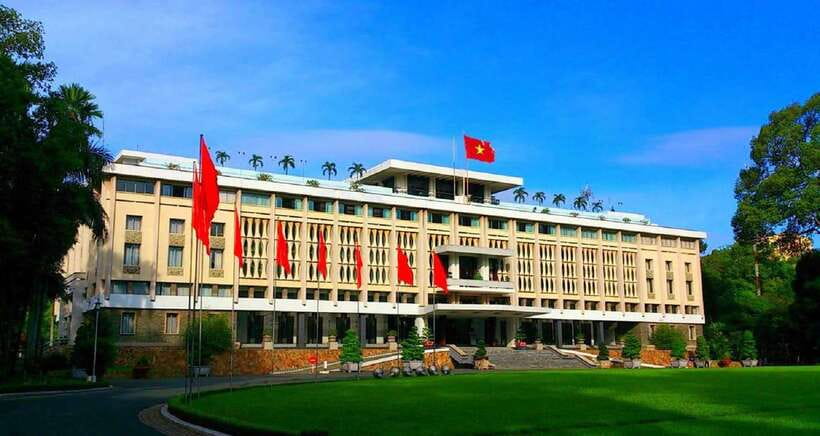
- Reunification Palace: a clear, structured look at the former South Vietnamese presidential residence.
- Cyclo ride + Ben Thanh: a practical way to experience market life and shop for textiles and crafts.
- French colonial icons: Notre Dame Cathedral and the Old Central Post Office as fast, photo-friendly benchmarks.
- Chinatown stops: Thien Hau plus cultural stops near Cha Tam Church and Drug Street.
- Binh Tay Market: more vendor-walkway energy before you’re taken back to your hotel.
How This Saigon History and Markets Tour Fits Together
This is a day built like a mini-course in Ho Chi Minh City. You get the big political landmarks, then you trade speed for street detail in markets and Chinatown. It’s the kind of itinerary that works well when you want both meaning and momentum, without bouncing around on your own.
I like the mix because each part does a job. The museums and major buildings give you the historical spine; the markets and temple area give you the human texture. And you’re not stuck with only one “type” of sightseeing. You’ll do architecture, walking, shopping time, and a cyclo ride—so the day doesn’t feel flat.
Do note one thing: the itinerary covers a lot of ground, so your best experience will come from going in with a flexible mindset. If you’re hoping for long stays in just one place, you might have to compromise a bit—though many people find the guide can slow down when the group is small.
You can also read our reviews of more city tours in Ho Chi Minh City

Pickup at 08:00 and the Pace of a 7-Hour Day
The tour starts with hotel pickup around 7:45 AM to 8:00 AM, depending on traffic, weather, and other guests. You’ll ride in a luxury air-conditioned vehicle, and the program is designed as a smooth “move-and-stop” route, not a slow wander.
Because the timing depends on the day, don’t plan anything right after your pickup window. Late-morning and afternoon delays happen in Saigon, and the operator says the schedule can shift so you can still visit everything listed.
You’re also mostly anchored in District 1 for pickup and drop-off, with service included there and in District 3 and 4. If you’re outside those areas, there’s a $5 per person surcharge collected by the guide. That matters for value: if you’re farther out, the final price feels higher than the headline rate.
The tour typically ends around 5:30 PM with a return to your hotel. In other words: it’s a full day, even if it’s labeled shorter on some schedules.
Reunification Palace: What to Look For When the Guide Points Things Out

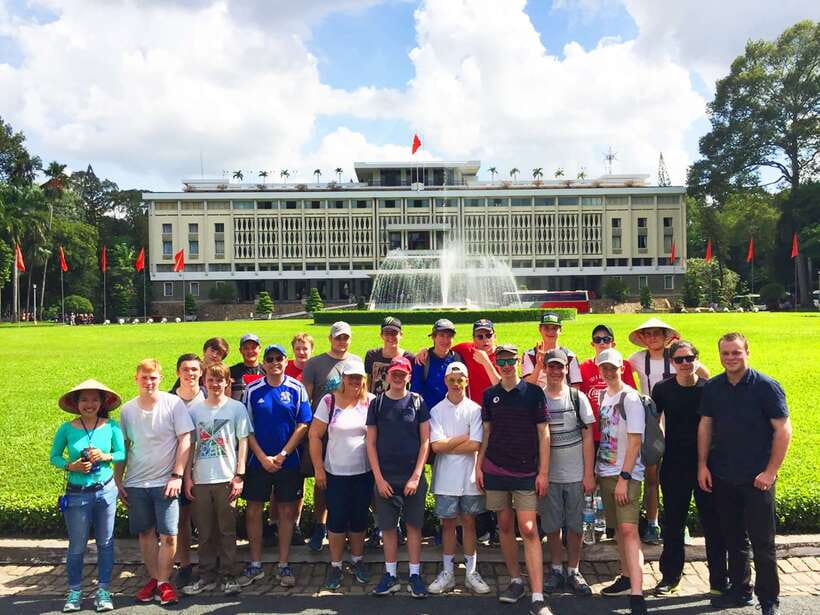
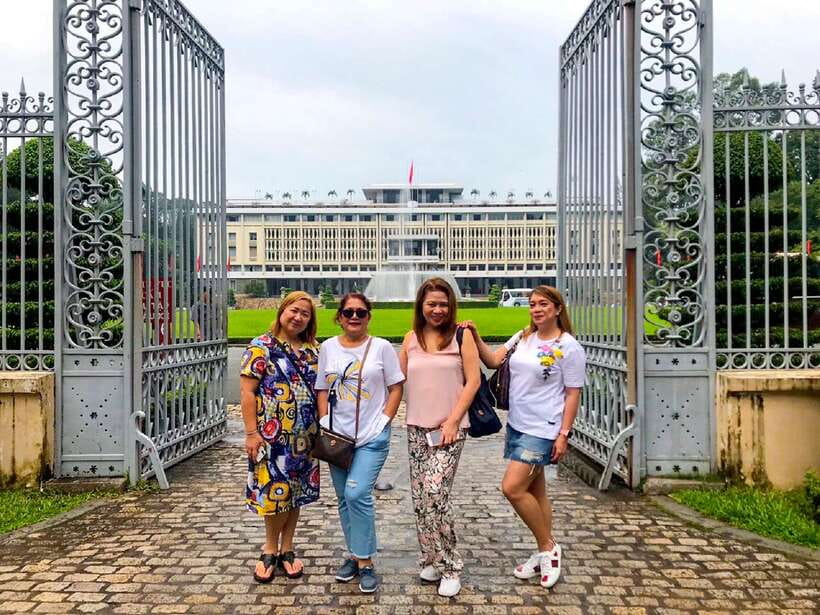
Reunification Palace is the first major “wow” stop on this route. You’ll be able to listen to the guide’s historical explanation about the building’s role as the former South Vietnamese president’s residence before the end of the war in 1975.
What makes this stop work in a guided format is that the building is more than a pretty exterior. It’s full of spatial clues—rooms, layouts, and how spaces were designed to function. A good guide helps you understand why certain areas mattered and how the place fits into the timeline you’re learning.
The practical advantage: you get an organized walkthrough rather than staring at rooms and guessing at meaning. You’ll know where to look for the big story beats, and you’ll waste less time trying to piece it together on your own.
If you’re the type who likes asking questions, this is a good place to do it. Ask about what you’re seeing, not just what year something happened. That way, your brain stays engaged instead of letting the day slide into “checklist mode.”
Notre Dame Cathedral and the Old Central Post Office: French-Era Stops That Act Like Benchmarks

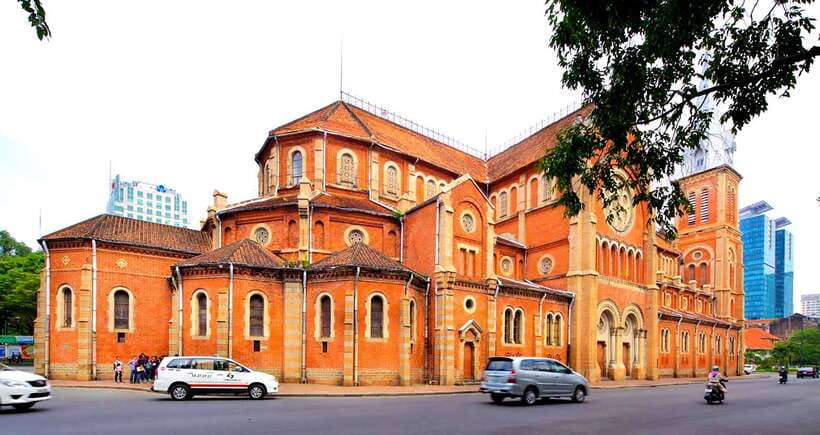
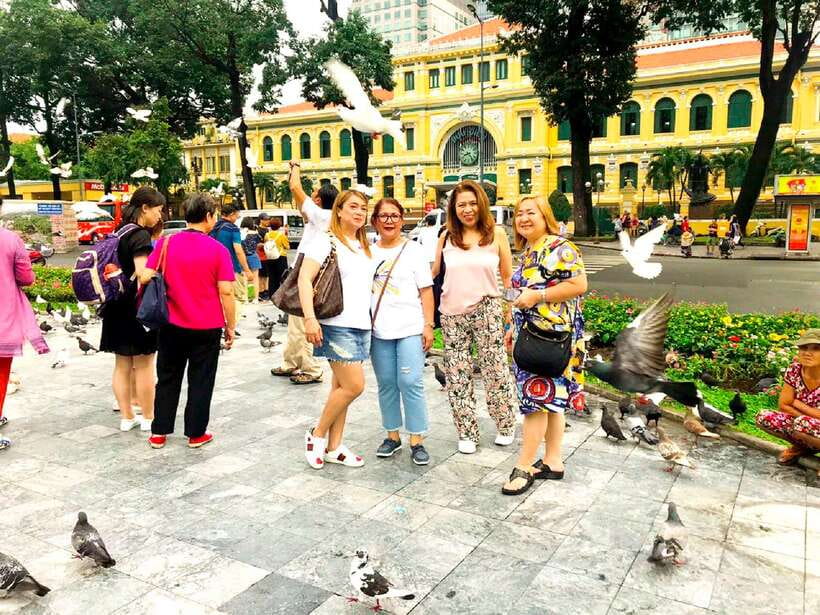
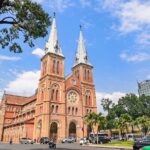
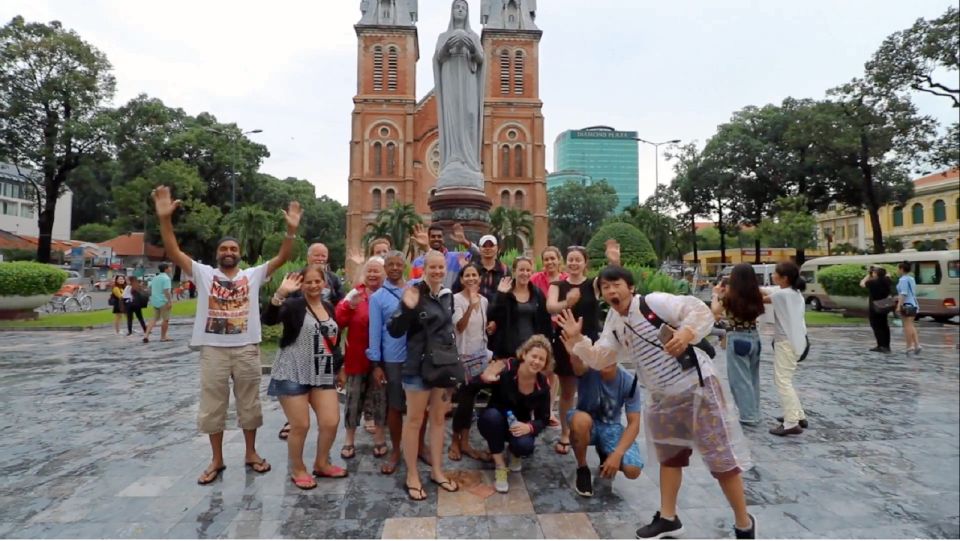
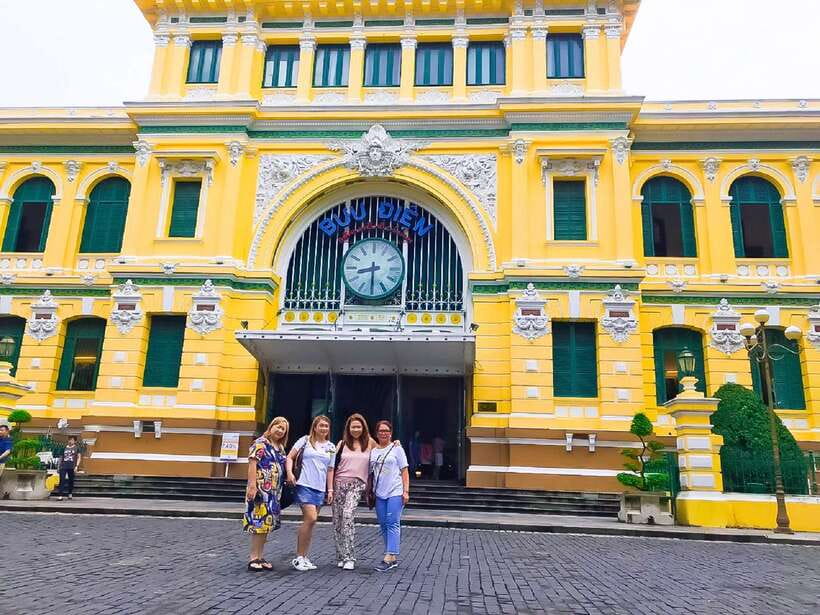
After the palace, you’ll see French influence through Notre Dame Cathedral and the Old Central Post Office. These stops are fast, but they act like useful benchmarks. They show another layer of Saigon’s past—one that’s different from wartime narratives.
From a visitor standpoint, this is ideal if you like architecture but don’t want a separate half-day just to admire facades. You’ll get photo angles, street context, and a sense of where French colonial design sits within the modern city.
What to watch for: the contrast between the formal European-style structures and the surrounding chaos of Saigon street life. Even without a long lecture, the visual contrast helps your brain file things away: different eras, different priorities, different design languages.
If your guide has limited time, these stops can still be worthwhile because they’re straightforward and easy to “read.” You can look, listen, and take a few photos without needing deep background knowledge.
War Remnants Museum: The Stop That Sets the Tone
The War Remnants Museum is the emotional core of the tour. You’ll see extensive exhibits about the American-Vietnamese war, and it’s framed as an important and painful chapter of Vietnam’s contemporary history.
This is not a “light” stop. If you’re sensitive to conflict imagery, go slowly and take breaks when you need them. Don’t feel pressured to rush through everything just to keep up with the group.
Here’s the value of doing this with a guide: the museum can be overwhelming if you’re trying to read everything solo. A guide can point you toward key themes and help you understand what the exhibits are trying to communicate, not just what they depict.
One more practical tip: bring water and pace your eyes. Your brain soaks in more when you don’t force it to absorb everything in one frantic pass. This tour is packed, so the museum is where you’ll want to control your own tempo.
You can also read our reviews of more historical tours in Ho Chi Minh City



Cyclo Ride to Ben Thanh Market: Shopping With Context (and Some Real Skills)
Next comes a cyclo ride to Ben Thanh Market. The point isn’t only the ride—it’s what the ride teaches you about the city. Saigon traffic can feel unreal. You’ll see how cyclo drivers maneuver around it with focus and confidence.
Once you arrive, you’ll wander vendor-lined walkways in one of the city’s oldest surviving market areas. This is where the tour shifts into daily life and shopping.
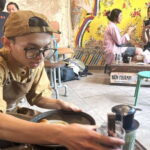
You’ll also get a chance to learn about the art of making embroidered crafts in Vietnam and then shop for items like local crafts, textiles, and other souvenirs. That matters because buying souvenirs is easier when you understand what you’re looking for. You’re not just picking a random trinket—you’re seeing a craft tradition and making a more informed choice.
What to expect as a buyer: you’ll likely spot multiple quality levels. If you care about textiles, take time to compare. If you want a quick win, pick a small, gift-size item first so you can judge quality without committing to a bigger spend.
Lunch at a Local Restaurant: A Break That Keeps the Day on Track

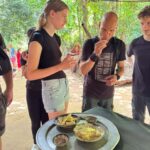
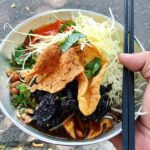
Midday, you’ll stop at a popular local restaurant for an authentic Vietnamese meal with your guide. This is included as part of the program, and it’s a smart move because it prevents the common “hangry chaos” that can derail market days.
I like this setup because it’s not just food—it’s also pacing. After temples and museums, food gives you a reset, and you can regroup before heading into Chinatown.
Since beverages and other meals not listed aren’t included, plan around that. If you want specific drinks, budget for it. But the main meal is handled, which usually saves time and reduces decision stress.
Also, the guide presence can help you navigate what to order if you’re not sure. Even if you prefer familiar options, your guide can help you pick something that fits the menu and the day’s schedule.
Chinatown Stops: Thien Hau, Cha Tam Church, and Drug Street
In the afternoon, the tour heads toward Chinatown. You’ll see the intricate architecture and learn about the spiritual significance of Thien Hau. This is one of the stops where the guide can make a big difference: temple design often carries meaning in the details, and it’s easy to miss if you’re only scanning for photos.
You might also catch religious activity depending on timing. In at least one case, visitors reported monks chanting before a meal, which made the moment feel unexpectedly surreal and real.
The route also includes Cha Tam Church and Drug Street, where you learn about traditional drugs made by Chinese and Saigonese communities. This is a unique combination because it puts different cultural threads in one pocket of the city—religion on one side, trade and traditional medicine on the other.
What I’d do as a visitor: slow down for the architectural details at Thien Hau, then treat Drug Street as a browsing experience. You’ll likely see shops and signs tied to traditional practices. Don’t rush. If you like learning about everyday history, this part of the day rewards patience.
Binh Tay Market at the End: More Vendors, Less Pressure
You’ll finish with a visit to Binh Tay Market, wandering through more vendor-lined walkways before being taken back to your hotel. This late stop is smart because it gives you a final chance to shop while most of the heavy historical work is already done.
By this point, your brain has moved from big-photo landmarks into human-scale details: prices, fabrics, packaged goods, and the sheer momentum of a working market. If you’re shopping for gifts, Binh Tay can help you compare options from earlier in the day.
The main drawback of ending with a market is energy. It’s easy to become “shopping numb” after hours of walking. Bring a realistic list. If you want souvenirs, choose a few categories and stick to them.
Also, remember you’ll return to your hotel around 5:30 PM. Keep purchases manageable so you’re not juggling bags when you should be heading back.
Price and Value: What You’re Really Paying For
At $75 per person, the value depends on what you care about. This day isn’t just one attraction. You’re paying for a full route with hotel pickup and drop-off in District 1/3/4, an English-speaking guide, entrance fees, meals as listed, and basic comfort items like cool towels and mineral water (2 bottles per person).
That’s why this feels fair even though Saigon has plenty of budget options. Without a guide and planned timing, you’d spend more time figuring routes, entry tickets, and “where do I go next?” decisions.
The only caution is guide quality consistency. One participant felt the guide didn’t add much information at a couple sites and basically acted like transport. That’s not the norm you want, but it’s a real possibility with any tour.
If you do book, reduce that risk:
- ask your guide what you should focus on at each stop
- ask for one local detail per location (not just general history)
- be specific about what you want from the museum and palace
For the traveler who wants an organized day with history and shopping without the planning headache, this price can make sense.
Who This Tour Suits (and Who Might Want a Different Style)
This tour fits best if you want a balanced mix: major historical sites plus real market time. It’s a good choice for first-timers who want structure, and it also helps return visitors who want a focused route instead of free roaming.
You’ll likely enjoy it if you:
- like museum-based learning but still want street-level scenes
- plan to shop for textiles, crafts, and souvenirs
- prefer hotel pickup so you can save time and stay on schedule
You might think twice if you:
- hate crowded, packed schedules and want long, slow stays
- need a highly detailed, interpretive guide at every stop
- are very sensitive to war imagery and want a lighter cultural day
Since this is a private group, the experience should be more personal than a large group day—but private doesn’t automatically guarantee depth at every moment. Your best defense is asking questions and setting your priorities early.
Should You Book This Saigon History and Markets Tour?
I’d book it if you want one day that connects Saigon’s wartime story to its everyday life. The War Remnants Museum and Reunification Palace give the history anchor, and the markets plus Chinatown stops make it feel like a real city visit, not a museum-only day.
I’d hesitate if you’re expecting a guide who will consistently “teach nonstop.” There’s enough coverage here that some sites may feel time-driven rather than fully conversational, especially if your guide is less talkative on the day.
If you’re flexible and you like mixing meaning with shopping, this is a solid, well-paced way to see key parts of Ho Chi Minh City in about a half-day’s worth of travel time spread across the day.
You’ll leave with more than photos—you’ll have a clearer sense of how different eras overlap in the same streets.
FAQ
What time does the tour pick me up?
Pickup is usually around 7:45 AM to 8:00 AM, depending on traffic, weather, and other group members.
How long is the tour?
It’s listed as 7 hours, and the overall program is described as about an 8-hour guided tour depending on timing.
Where are hotel pickups included?
Pick-up and drop-off are included for hotels in District 1, 3, and 4. If you’re outside District 1, 3, or 4, there’s a $5 per person surcharge collected by the guide.
What does the tour cost?
The price is $75 per person.
Is the tour conducted in English?
Yes, the guide is English-speaking.
What major sights are included?
You’ll visit Reunification Palace, Notre Dame Cathedral, the Old Central Post Office, War Remnants Museum, Ben Thanh Market, Thien Hau, and Binh Tay Market. The highlights also include Cha Tam Church and Drug Street.
Is lunch included?
Yes. You stop at a local restaurant for an authentic Vietnamese meal, as mentioned in the itinerary.
Are entrance fees included?
Yes, all entrance fees are included.
What about transportation and comfort items?
You travel by modern luxury air-conditioned vehicle with hotel pick-up/drop-off, and you’ll have a cycle ride as part of the day. Cool towels and mineral water (2 bottles per person) are included.
What can I cancel for a refund?
You can cancel up to 24 hours in advance for a full refund.