REVIEW · HO CHI MINH CITY
Ho Chi Minh City: Half-day History And Culture Tour
Book on GetYourGuide →Operated by Hoi An Express · Bookable on GetYourGuide
Four hours, and you get the storyline. This half-day Ho Chi Minh City route is a fast way to connect the dots between colonial-era landmarks, major political sites, and the emotional weight of the War Remnants Museum. I also like that the tour ends with a hands-on look at traditional lacquerware making, so the city doesn’t just stay in the past.
There’s a lot packed into a short window, so the pacing can feel brisk—especially around the museum and the walking stretches between stops. If you like lingering and going at your own speed, you may find the 4-hour timing a little tight.
In This Review
- Key highlights you shouldn’t skip
- Why this half-day Ho Chi Minh City route is such good value
- Thien Hau Temple in Cho Lon: Chinatown’s first breath of calm
- Independence Palace: preserved rooms that help history feel real
- Saigon Central Post Office and Notre-Dame Cathedral: two landmarks, one photo sprint
- War Remnants Museum: the emotional center of the tour
- Watching lacquerware come to life at Sơn Mài Phương Nam
- Price, timing, and what to bring for a smoother day
- Should you book this half-day history and culture tour?
- FAQ
- How long is the Ho Chi Minh City Half-day History and Culture Tour?
- Is there a live guide, and what language do they speak?
- Where does hotel pickup and drop-off happen?
- What is included in the tour price?
- What sites are visited during the tour?
- Can I cancel for a full refund?
- Are unaccompanied minors allowed?
Key highlights you shouldn’t skip
- War Remnants Museum exhibits that explain the human cost of war in a clear, organized way
- Thien Hau Pagoda in Chinatown for a calmer, Chinese-style start to the day
- Independence Palace and its preserved rooms that help you picture political life in the 1960s–70s
- Saigon Central Post Office and Notre-Dame Cathedral as close, photo-friendly landmarks with big historical flavor
- Sơn Mài Phương Nam lacquerware workshop where you can watch craft work up close
- Hotel pickup in District 1, 3, 5, 10, and Phu Nhuận so you spend less time figuring out logistics
Why this half-day Ho Chi Minh City route is such good value
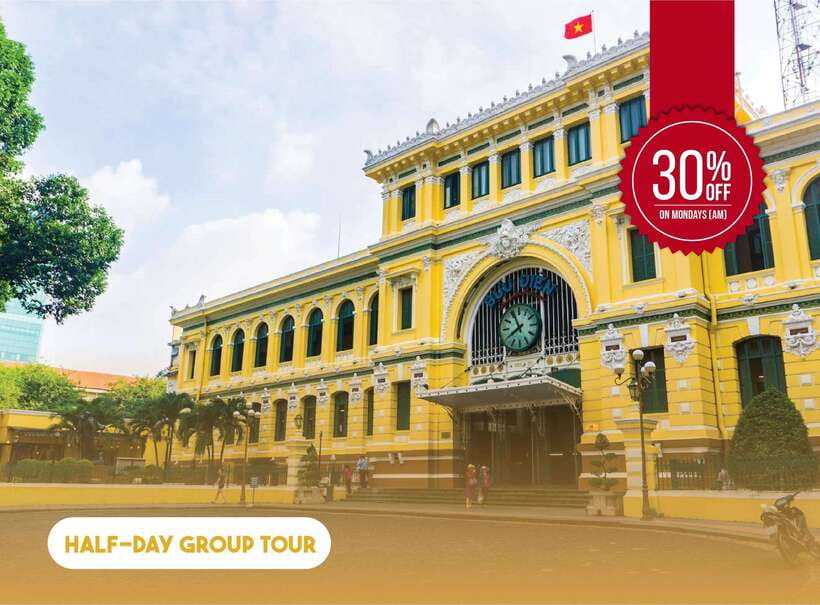
At $36 per person for a four-hour guided loop, this tour works best as your city “orientation session.” You’re not just ticking boxes—you’re seeing key places that tell you how Ho Chi Minh City got from a colonial crossroads to a modern megacity shaped by conflict, culture, and craft.
I like the balance here: there’s heavy context at the museum, but you also get architectural stops and a visit to a lacquerware producer. And since transfer, entrance fees, bottled water, and travel insurance are included, you avoid the common add-on surprises that can quietly push your day over budget.
The biggest practical win is the guided structure. The order of stops helps you understand what you’re looking at—religious Chinatown culture first, then political history, then the war-era story, and finally the craft tradition.
You can also read our reviews of more city tours in Ho Chi Minh City


Thien Hau Temple in Cho Lon: Chinatown’s first breath of calm
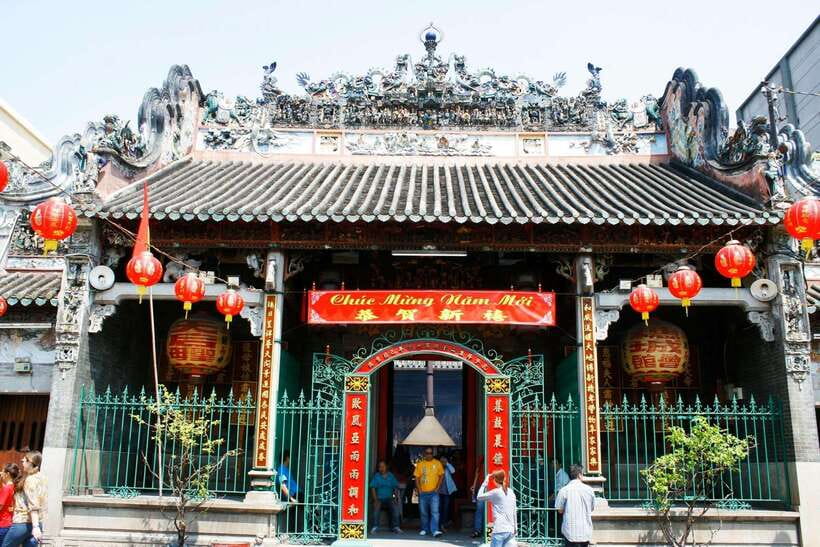
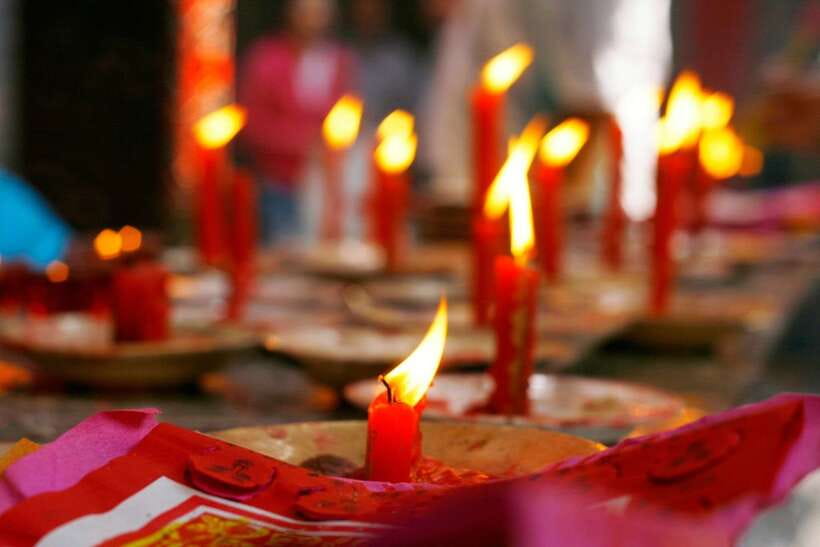
Your day begins with a pickup in central districts, then you head to Thien Hau Temple in Cho Lon (District 5). This is one of the quick, 15-minute walks where your senses change right away—Chinese-style temple details, incense atmosphere, and a sense of local rhythm you won’t get from a drive-by.
Thien Hau is dedicated to the Lady of the Sea, also called Mazu. That detail matters because it turns the pagoda from “just another pretty stop” into a living cultural landmark tied to how communities pray, protect, and travel through water.
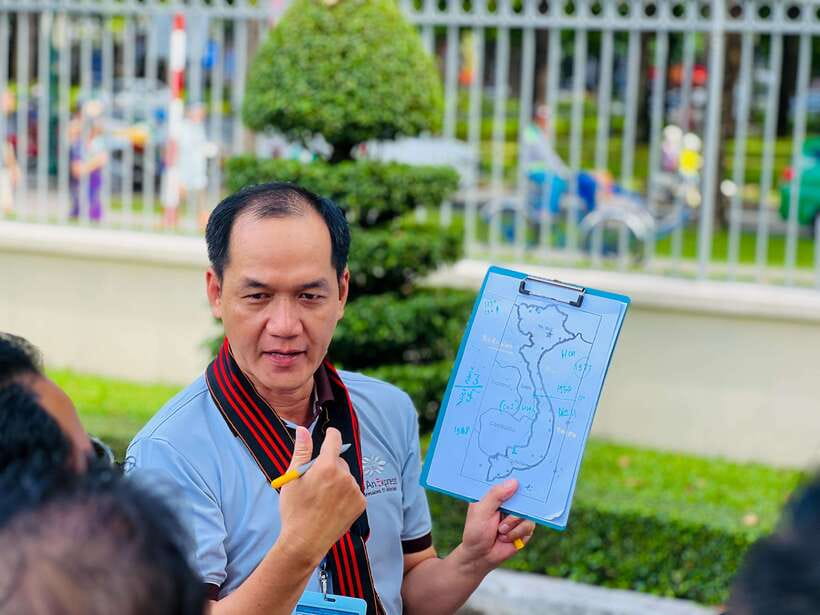
The guide adds context as you walk through, so you’re not left guessing what you’re seeing. If you’re sensitive to busy crowds, this is also a nice early point in the schedule—before the day gets heavier.
A small consideration: this isn’t a long temple visit. It’s designed as a short, guided intro before the bigger history stops. If you want deep temple time, plan to return on your own later.
Independence Palace: preserved rooms that help history feel real
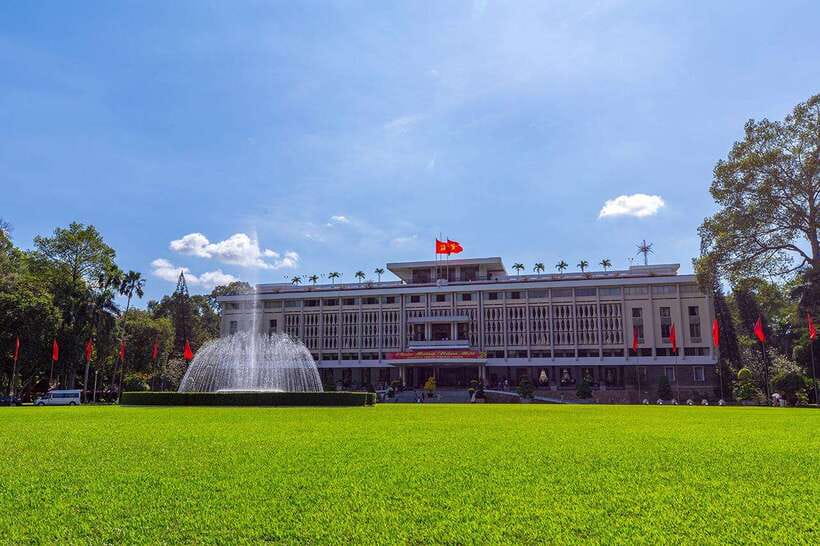
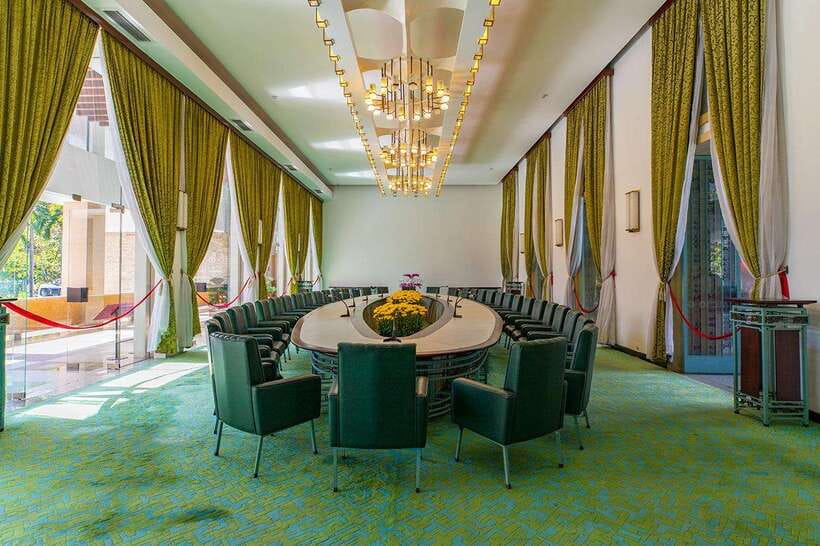
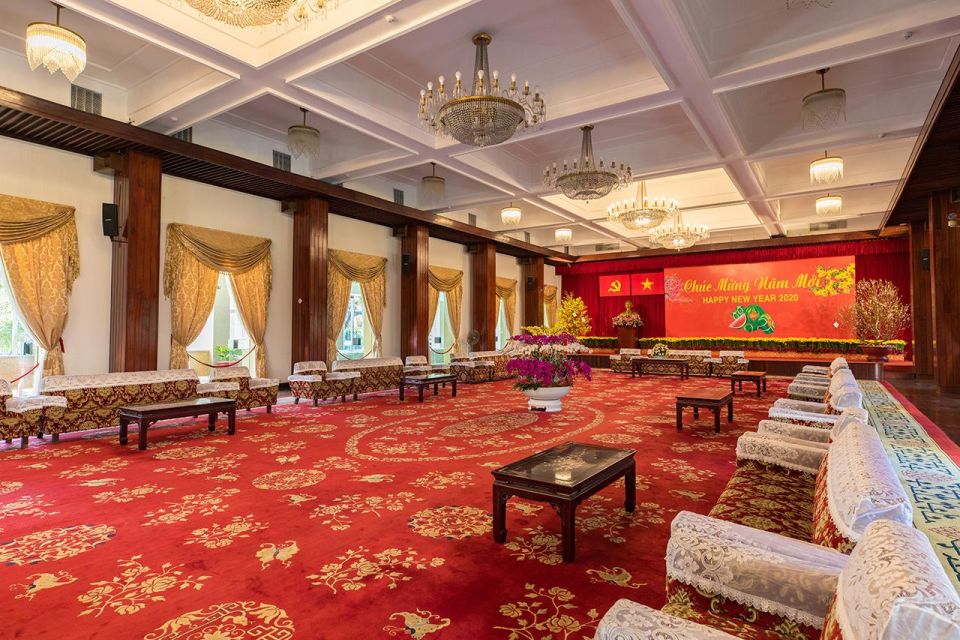
Next comes Independence Palace, with about an hour on site. This is the stop where the tour shifts from “culture highlights” into political history you can physically walk through.
Independence Palace was the residence of the President of the Republic of Vietnam during the 1960s and 1970s. That timeline turns the building into more than architecture—it’s a snapshot of an era of decision-making, tension, and national change.
I love the way this kind of stop teaches you to look. Instead of treating it like a museum room-by-room, you get a guided explanation that gives the layout meaning: where leaders worked, how spaces functioned, and why the preservation is so valuable. It’s also a strong contrast after Chinatown, so your brain can reset and then focus.
One drawback of the one-hour format: if you’re very detail-driven, you might want extra time in certain rooms. But for most people, this length is right because it keeps the day balanced and prevents museum fatigue.
Saigon Central Post Office and Notre-Dame Cathedral: two landmarks, one photo sprint
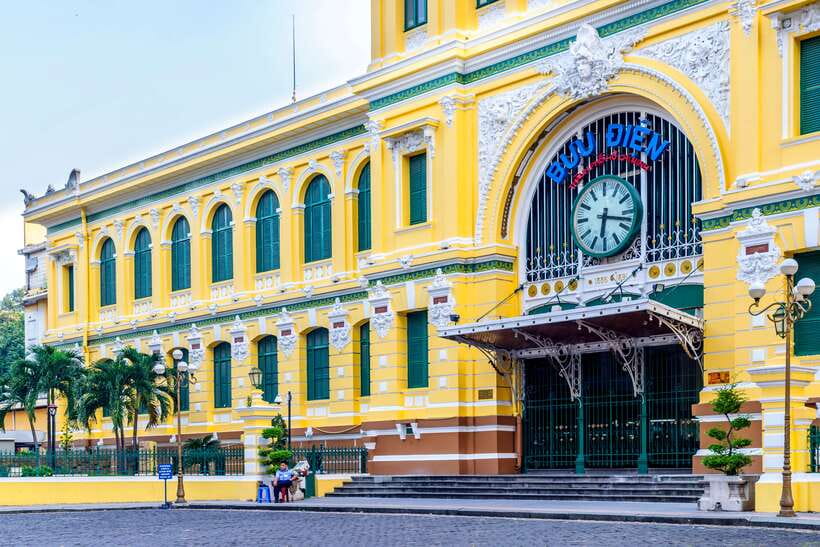
After Independence Palace, the tour moves to two close-in colonial-era icons.
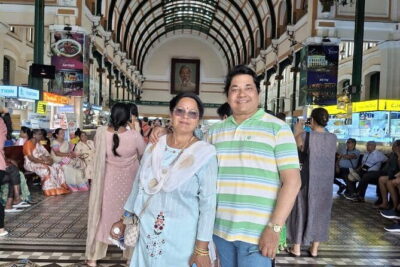
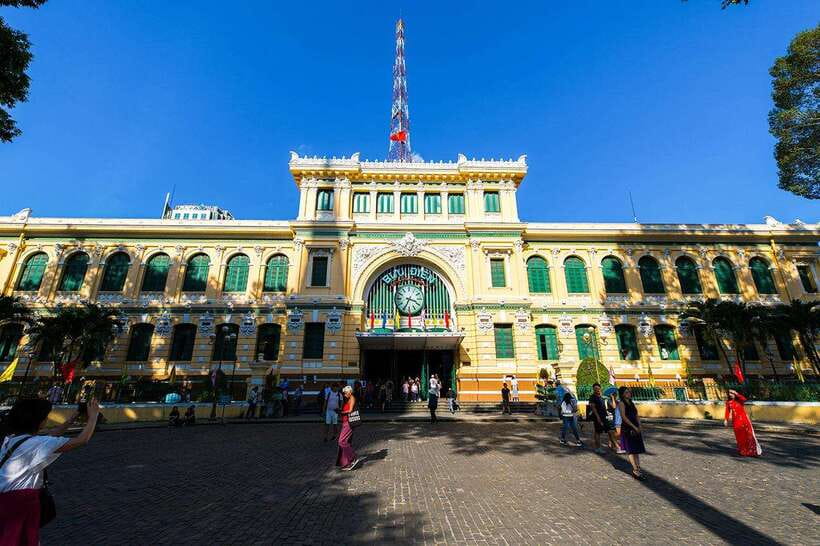
The Saigon Central Post Office gets about 10 minutes. It’s a quick guided pass, but you still get the core idea: this building was part of the city’s older infrastructure story, when communication and transportation networks mattered for administration and trade.
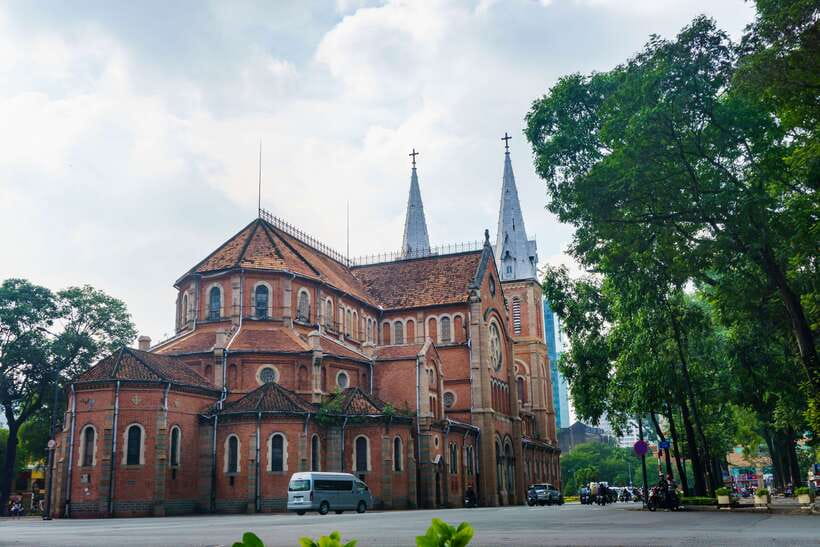
Then you head to Notre-Dame Cathedral, with around 15 minutes. Built in 1880, it’s the kind of landmark where you immediately recognize the style and start forming questions—about influence, timelines, and how the city layered different eras on top of each other.
For me, the value here is not the speed—it’s the pairing. You see two major structures from the same broad historical period without wasting time commuting between them.
Just keep your expectations realistic: these are stops you skim with the guide’s help, not long interiors. If you want to go inside and wander slowly, you’ll likely want a separate self-guided visit later.
War Remnants Museum: the emotional center of the tour
The War Remnants Museum is the big one, with about an hour. If you’re coming to Ho Chi Minh City for history that hits you in the chest, this is the place that sets the tone.
The tour frames it as a vivid portrayal of the futility of war. Even when you know the headlines, the museum format puts stories into exhibits and helps you understand how war affects people, not just maps and dates.
This is also where the guide quality really matters. In past runs, guides such as Boa have stood out for explaining the whole history clearly, with English that made the context easier to follow. Others—like Hành and Quy—were praised for detailed explanations and warm hospitality. That kind of guidance matters a lot here because the subject needs care, not rushed reading.
Practical note: plan to absorb, not speed. If you’re the type who wants to take notes, take a moment to pace yourself. The museum is powerful, and you’ll get more from it when you’re not constantly trying to keep up with time.
You can also read our reviews of more historical tours in Ho Chi Minh City





Watching lacquerware come to life at Sơn Mài Phương Nam
The final cultural stop is Sơn Mài Phương Nam, where you spend about 25 minutes at a Vietnamese lacquerware factory. This is the craft stop on the itinerary, and it changes the feel of the day in a good way.
Lacquerware isn’t just a souvenir category—it’s a process. Watching the work helps you understand why these items take time and why the craft has staying power. The tour frames it as the intricate process of creating traditional Vietnamese products, and that’s exactly the point: you get to see the steps rather than buying something made somewhere else and brought in.
I love how the craft stop gives you a different kind of memory than photos. Museum visits mostly live in your head; craft visits stick in your eyes. And if you’re curious about traditional materials, this is one of the best ways to learn without needing a class.
A consideration: factory visits can vary in how much you’re allowed to handle or how hands-on they get. The tour length suggests it’s mainly observational, so keep the focus on watching and asking questions rather than expecting a workshop experience.
Price, timing, and what to bring for a smoother day
This tour is priced at $36 per person and runs for about four hours. That’s a decent deal for an itinerary with hotel pickup in central districts plus entrance fees for major stops. In other words, you’re paying for someone to set the route, translate the context, and handle the transitions.
Since bottled water is included, you won’t worry about that small cost during the day. Still, I’d bring your own extras like sunscreen and a hat because you’ll do short walks between landmarks and the museum stop can be tiring if you don’t pace.
Timing-wise, the day is built around shorter guided walks (like 10–15 minutes at the post office and cathedral, and 15 minutes at Thien Hau) plus the longer anchor points (about an hour at Independence Palace and an hour at the War Remnants Museum). If you’re visiting during hot weather, that structure helps—you get breaks in between, but you should stay hydrated.
Gratuities are optional and not included, so you can tip based on your guide and how helpful they were.
If you’re traveling as a couple or solo, this is also a smart option because it gives you an efficient “greatest hits with context” overview without forcing you to build your own plan from scratch.
Should you book this half-day history and culture tour?
I’d book it if you want a guided snapshot of Ho Chi Minh City that covers both the emotional history and the cultural texture—without burning half your day on transit or indecision. It’s especially worth it if you’re short on time and want someone to explain what matters at each stop.
Skip it (or plan a more flexible follow-up) if you hate tight schedules or you prefer long, unstructured wandering. The itinerary is designed for balance, not for deep, slow exploration of any one site.
If you do book, I suggest you treat it like the day where your guide helps you build a mental map. Then, return on your own to linger where you felt the most connection—whether that’s the museum, the cathedral area, or the lacquer workshop’s craft details.
FAQ
How long is the Ho Chi Minh City Half-day History and Culture Tour?
The tour lasts 4 hours.
Is there a live guide, and what language do they speak?
Yes, there is a live tour guide and the tour is in English.
Where does hotel pickup and drop-off happen?
Hotel pickup and drop-off are included for Ho Chi Minh City Center areas in District 1, 3, 5, 10, and Phu Nhuan.
What is included in the tour price?
The tour includes transfer and transportation as per the itinerary, entrance fees, bottled drinking water, travel insurance, and hotel pickup and drop-off in the listed central districts.
What sites are visited during the tour?
The tour visits Thien Hau Temple, Independence Palace, Saigon Central Post Office, Saigon Notre-Dame Cathedral, War Remnants Museum, and a Vietnamese lacquerware factory (Sơn Mài Phương Nam).
Can I cancel for a full refund?
Yes. Free cancellation is available up to 24 hours in advance for a full refund.
Are unaccompanied minors allowed?
No, unaccompanied minors are not allowed. Every child must be accompanied by an adult, and the child pricing applies for up to 1 child per 1 adult; a second child pays the adult price.