REVIEW · HO CHI MINH CITY
From Ho Chi Minh: Mekong Delta 3-Day Tour with Tra Su Forest
Book on GetYourGuide →Operated by Duy Amma · Bookable on GetYourGuide
Rivers, temples, and palms in one loop. What makes this 3-day Mekong Delta trip interesting is the mix of classic waterways and special stops like the Tra Su Cajuput Forest boat ride and the Trúc Lâm Zen Monastery. You also get the Southern Vietnam rhythm of floating-market life, fruit-and-honey farm time, and temple stops in two different provinces. One possible drawback: the itinerary can lean a bit more tourist-style in parts, and the onboard dinner experience (music and repetitive fish dishes) may not match your tastes.
This is a structured, full-value tour with pickup in Ho Chi Minh City at 7:00 am, English-speaking guidance, and most meals handled for you (3 breakfasts, 3 lunches, and 1 dinner). You’ll sleep two nights in 3-star hotels while moving between Mỹ Tho, Châu Đốc, Cần Thơ, and back to Ho Chi Minh City around 6:00 pm on day 3.
In This Review
- Key highlights worth your attention
- Three days in the southern Mekong: what this route really delivers
- Day 1 in Mỹ Tho and Ben Tre: pagodas, pomelos, bee farms, and coconut canals
- Vĩnh Tràng pagoda in Mỹ Tho
- Motorized boat on the Tien River to Unicorn Island
- Ben Tre: coconut candy factory and the rowing-boat canal
- Overnight in Châu Đốc: what to know
- Day 2 in Châu Đốc and Trà Sư: Sam Mountain temples and a slow boat through cajuput forest
- Lady Temple of Sam Mountain, Thoại Ngọc Hầu’s Tomb, Tây An Temple
- Vĩnh Tế canal: Khmer pagodas and named mountains
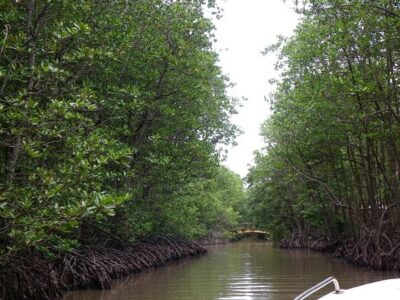
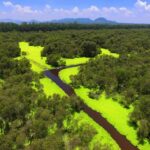
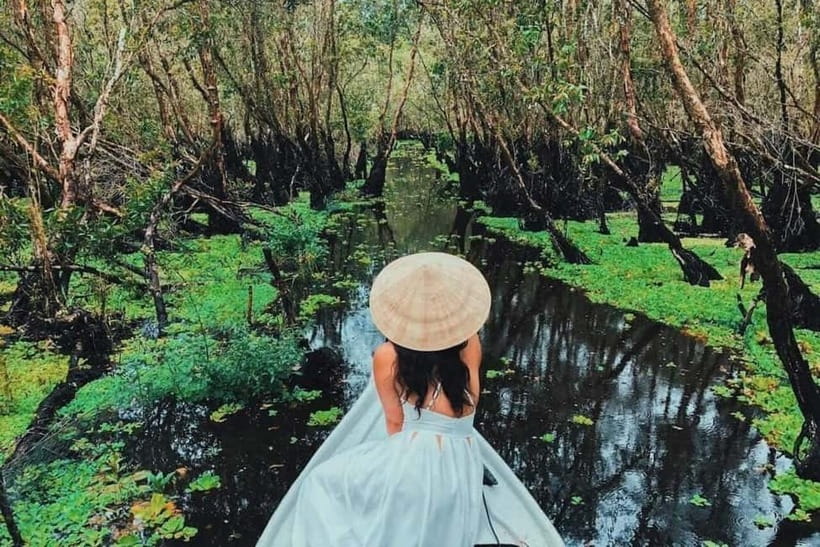
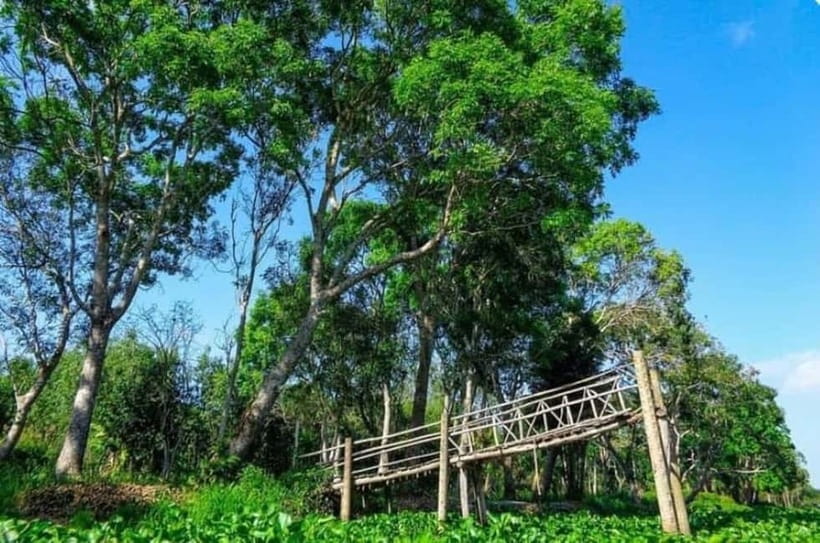
- Trà Sư Mangrove Forest / cajuput forest by small canal motorboat
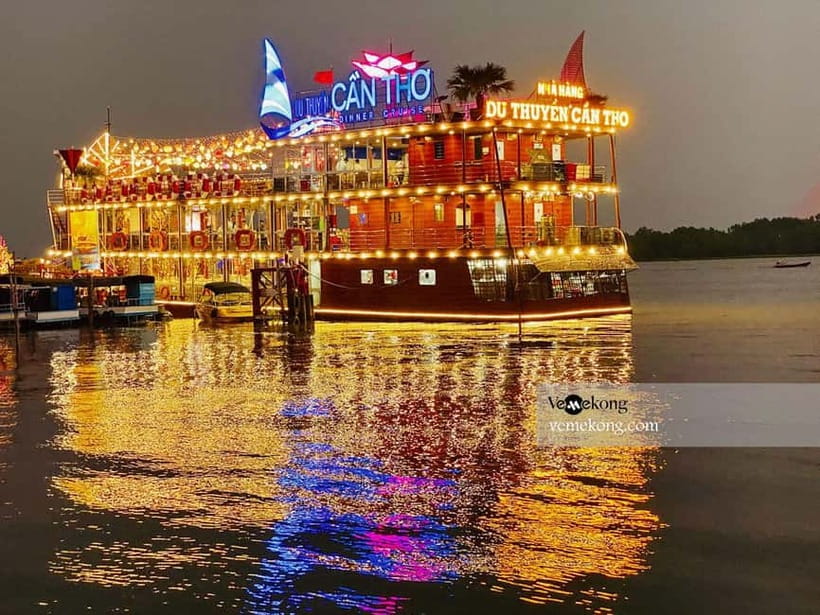
- Cần Thơ at night: 5-star cruise dinner and free time
- Day 3 in Cần Thơ and back to Ho Chi Minh City: floating market, Trúc Lâm Zen, Mỹ Khánh, and Purple House
- Cái Răng floating market: what you’ll actually notice
- Mỹ Khánh Tourist Village: free time and lunch
- Purple House: the café stop with one clear theme
- Back to Ho Chi Minh City around 6:00 pm
- Food on this Mekong Delta tour: what’s included and where you should set expectations
- Price and value: is $171 per person a fair deal for this itinerary?
- Logistics reality check: long days, boats, and communication
- Should you book this Mekong Delta 3-Day Tour with Trà Sư Forest?
- FAQ
- What cities and areas are included in this 3-day Mekong Delta tour?
- What time does the tour start on the first day?
- How long are the hotel stays?
- Are meals included in the tour price?
- What boat rides are part of the itinerary?
- Is there an entrance fee included?
- Is the tour guide English-speaking?
- What isn’t included in the price?
- Will I be back in Ho Chi Minh City on day 3?
Key highlights worth your attention
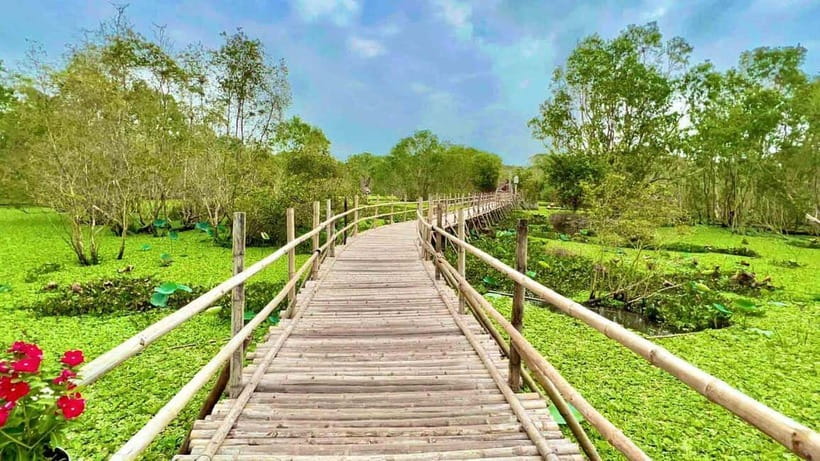
- Tra Su Forest motorboat ride through small canals in the cajuput ecosystem
- Trúc Lâm Zen Monastery in Cần Thơ, framed as the biggest monastery in the Mekong Delta
- Mỹ Tho to Unicorn Island with pomelo farm + bee farm stops, plus honey tea and royal jelly
- Coconut canoe moment in Ben Tre with water coconuts along both sides of the canal
- Cái Răng floating market and the river-life view from the boat
- Purple House café stop with everything decorated in purple
Three days in the southern Mekong: what this route really delivers
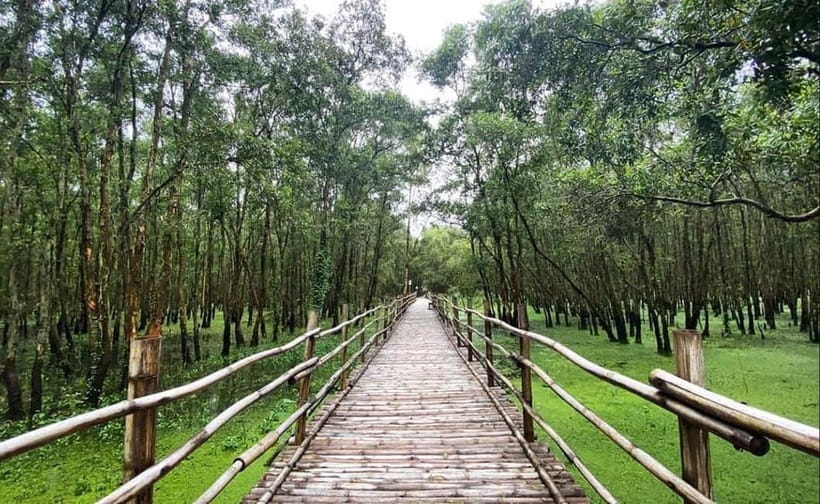
This tour is designed like a greatest-hits loop of the Mekong Delta’s most photogenic (and culturally distinctive) places, especially the southern side where boats, fruit orchards, and temple complexes feel like part of daily life. The big strength here is pacing: you’re not just driving through—you’re getting multiple water-based segments, plus a couple of monastery and pagoda visits that anchor the trip in the region’s spirituality.
For you, that means less guesswork. Your mornings and early afternoons are already mapped out, including time for boat rides, farms, and food stops. If you like seeing how people actually move through the delta—by river, not highway—this is the kind of trip that can make the area “click” fast.
You also get a nice blend of “nature + people + culture.” Tra Su gives you calm canal scenes. Cái Răng gives you market life. Temples and pagodas (Vĩnh Tràng, Trúc Lâm, Sam Mountain’s Lady Temple area) give you context for why so many visitors come to southern Vietnam beyond just eating fruit and taking photos.
You can also read our reviews of more tours and experiences in Ho Chi Minh City
Day 1 in Mỹ Tho and Ben Tre: pagodas, pomelos, bee farms, and coconut canals
Day 1 starts early: hotel pickup at 7:00 am, then about 1.5 hours by bus past green rice fields toward Mỹ Tho. Along the way, there’s a short break stop at the Mekong Reststop (about 15 minutes). This matters because it keeps the day from feeling like a nonstop grind—though you’ll still be on the move for most of the time.
Vĩnh Tràng pagoda in Mỹ Tho
Your first major stop is Vĩnh Trang pagoda, described as one of the oldest ancient pagodas in Southern Vietnam, and noted for being the largest pagoda in the Mekong Delta with special architecture. Even if you’re not a hardcore temple person, it’s a good way to “set the mood.” In the delta, religious sites often feel less like isolated monuments and more like a lived-in landmark for the surrounding community.
Motorized boat on the Tien River to Unicorn Island
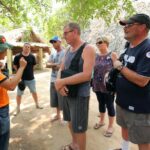
Next comes one of the core Mekong experiences: a motorized boat trip on the Tien River to Unicorn Island. On the island, you visit a pomelo farm and a bee farm in the same stop. This combo is practical because it turns a scenic stop into something interactive: you get to connect fruit growing with the pollination and honey side of local agriculture.
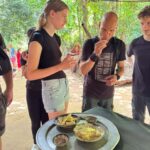
You’re served tastings from the farms, including honey tea and royal jelly. If you enjoy farm-to-table style experiences, this part is often the easiest to remember later. If you dislike sweetness or strong tasting foods, it’s still a nice cultural stop, but you may want to pace your sampling.
Ben Tre: coconut candy factory and the rowing-boat canal
After the island time, the route heads to Ben Tre, described as the hometown of coconut in Vietnam. You visit a coconut candy factory, which fits the area’s identity. It’s not just a “look and leave” stop—the candy-making link helps explain why coconut is everywhere here.
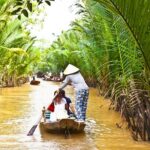
Then comes a calm, iconic water moment: a rowing boat ride through a canal covered with water coconuts, with local rowers steering you along. Visually, it’s exactly what you hope for in this region: narrow waterway, shaded sides, and the sense you’re moving through a working landscape rather than a staged photo set.
Lunch is scheduled around this area, so you’re not forced to wander looking for food between segments. After lunch, you get back onto the boat for more river viewing and can review the islands again on the way.

Overnight in Châu Đốc: what to know
You’ll finish day 1 in Châu Đốc City, where you stay 1 night at a 3-star hotel. That overnight matters because it separates the temples-and-river day from the Trà Sư and Cần Thơ segments on day 2. It also gives you one break from constant transfers, which helps if you’re sensitive to travel fatigue.
Day 2 in Châu Đốc and Trà Sư: Sam Mountain temples and a slow boat through cajuput forest
Day 2 begins with breakfast at your hotel, then a temple-heavy stretch. If you want Mekong Delta culture in one concentrated block, this is it.
Lady Temple of Sam Mountain, Thoại Ngọc Hầu’s Tomb, Tây An Temple
You visit several important sites: Lady Temple of Sam Mountain, Thọại Ngọc Hầu’s Tomb, and Tây An Temple, among others. These stops are valuable because they show the local spiritual landscape isn’t only about what’s on the water—people also anchor meaning in mountain-adjacent temple complexes and tomb spaces.
Vĩnh Tế canal: Khmer pagodas and named mountains
Then you head along the Vĩnh Tế canal, and on the way you can see famous features like Cấm Mountain and Két Mountain, plus some Khmer pagodas with beautiful buildings. This is one of the tour’s smartest choices: it connects the delta’s Vietnamese cultural story with the Khmer presence in the region, without turning it into a lecture. If you pay attention, you’ll start noticing architectural changes when communities overlap.
Trà Sư Mangrove Forest / cajuput forest by small canal motorboat
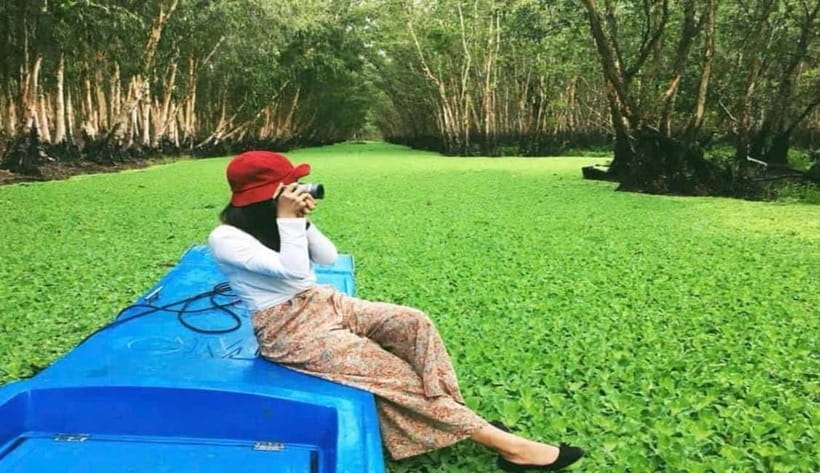
After arriving at Trà Sư Mangrove Forest, you take a motorboat (about 10 minutes) through a smaller canal. This leads into the defining experience of the day: the tranquil cajuput forest scenes. Even though the ride is short, it’s long enough to give you that slow, shaded “river hush” feeling that makes Trà Sư so famous.
Practical tip: bring something for sun and humidity. Even with shade from the forest, you’re still out on the water and on boats.
Cần Thơ at night: 5-star cruise dinner and free time
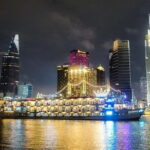
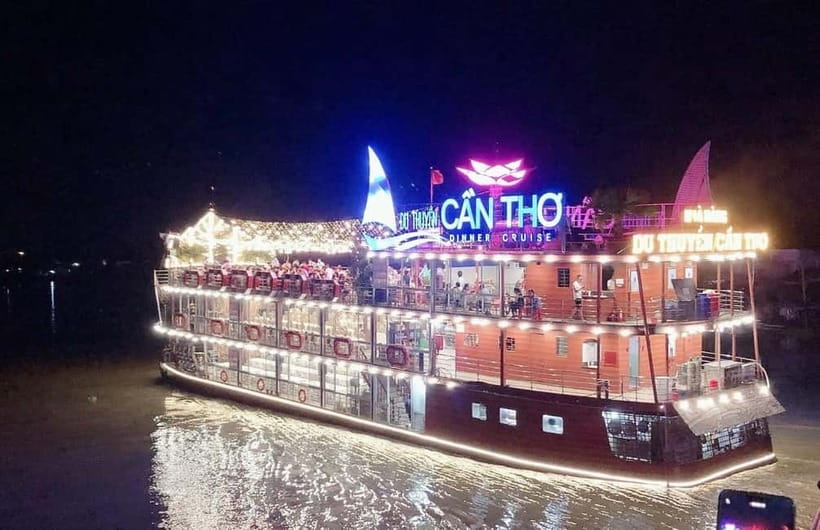
You then travel to Cần Thơ, where you stay the second night. Dinner is served on a 5-star cruise, and after dinner you have free time to explore the city at night—walking around Ninh Kiều night market or the walking street area.
Now, a reality check for value-minded travelers: an onboard cruise dinner can be fun, but it can also be loud and visually chaotic. One person’s takeaway from this kind of setup was that the music volume made the experience less enjoyable, and the fish-heavy dinner became a sticking point. You don’t need to avoid the cruise entirely, but if you’re sensitive to noise or you don’t eat fish, plan your strategy early (ask about meal options or time your bites so you’re not stuck with just one kind of dish).
Day 3 in Cần Thơ and back to Ho Chi Minh City: floating market, Trúc Lâm Zen, Mỹ Khánh, and Purple House
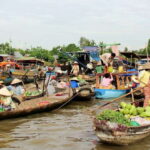
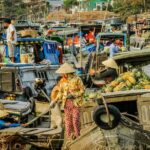
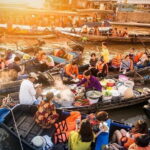
After breakfast, the tour centers on one big “river life” stop: Cái Răng floating market. This is the moment where the Mekong Delta stops feeling like a travel brochure and starts feeling like how the place actually works. You’ll see how people sell items on boats and how daily activities happen on the water.
Cái Răng floating market: what you’ll actually notice
During the boat trip, you can observe Vietnamese life on the river—how sellers operate, how goods move, and how routines connect to the water. The practical value here is perspective. Once you see the market setup, the earlier days’ canals, islands, and rowing rides make more sense. It’s not just scenery; it’s infrastructure.
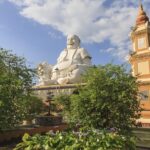
From there, you leave the floating market and head to Trúc Lâm Zen Monastery, described as the biggest monastery in the Mekong Delta. The monastery stop is a good counterbalance after the market, because it’s calmer and more contemplative.
Mỹ Khánh Tourist Village: free time and lunch
Next is Mỹ Khánh Tourist Village, with free time and lunch there. Free time is helpful here because you can decide whether you want souvenirs, rest, or just a slower pace before the last travel push.
Purple House: the café stop with one clear theme
After lunch, you visit the Purple House, a café decorated entirely in purple. It’s playful and easy to enjoy in the afternoon light. This isn’t the kind of stop that changes your understanding of the Mekong Delta—but it’s a low-effort, high-personality photo and refreshment break before heading back.
Back to Ho Chi Minh City around 6:00 pm
You return to Ho Chi Minh City, arriving around 6:00 pm. That end time is important for planning your evening—so you don’t book a late show or a far-away dinner reservation.
Food on this Mekong Delta tour: what’s included and where you should set expectations
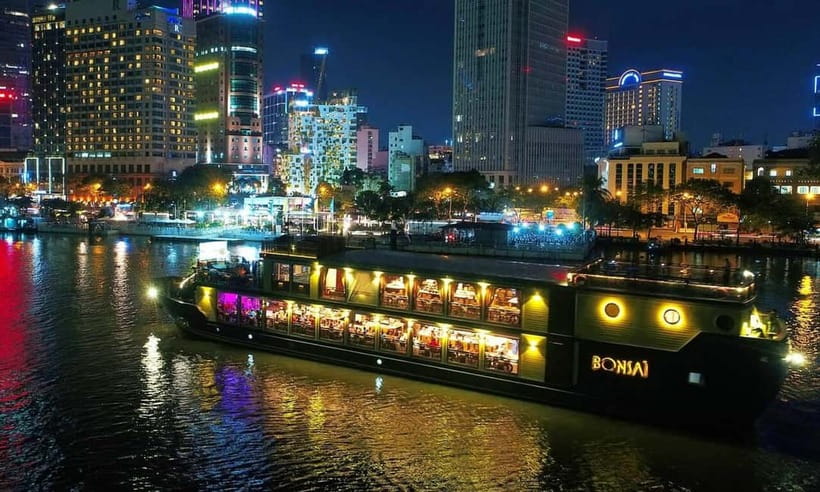
This tour includes meals: breakfast and lunch every day, plus one dinner on the cruise. The itinerary also specifically flags a regional specialty: fried elephant ear fish.
That’s great if you like trying local specialties. In southern Vietnam, fish dishes often show up as the default. One person’s complaint from a similar cruise-style dinner experience was that fish appeared repeatedly, turning a regional specialty into a monotony problem. You don’t need to fear fish here, but if you don’t eat fish—or you’re tired of it quickly—you should plan ahead.
Practical move: before the cruise dinner, ask the guide what’s on the menu for that night. Even if you can’t change the full meal plan, you’ll at least reduce the chance of getting stuck with foods you dislike.
Also remember: all lunches and breakfasts are handled by the tour schedule, so you won’t have the usual freedom to hunt for alternatives at each stop. If you have picky-eater rules, now is the time to be clear early.
Price and value: is $171 per person a fair deal for this itinerary?
At $171 per person, the value depends on how you weigh “included” versus “left to chance.”
Included in the price are:
- transportation for the route
- an English-speaking tour guide
- entrance fees
- 2 nights in 3-star hotels
- 3 breakfasts, 3 lunches, and 1 dinner
Not included:
- single room surcharge if you travel solo
- possible extra cost for dinner on the cruise (it’s noted as optional)
- surcharge for holidays in Vietnam
So what are you really buying? You’re buying two nights of lodging, the bus transfers between provinces, multiple scheduled boat activities, and a guide who keeps everything moving. If you’d otherwise pay for separate tickets for boat rides, pagoda fees, and a multi-day guide/driver setup, $171 starts to feel reasonable.
Where value can drop is if the stops don’t match your tastes. One criticism of this kind of Mekong itinerary was that some parts felt tailored more to local or tourist preferences than to international interests. If you know you dislike theme-park-style stops or noisy cruise meals, then you may feel like you paid for time you would have preferred to spend differently.
Logistics reality check: long days, boats, and communication
This tour is run as a fixed schedule, and day 1 and day 2 can feel full. You start at 7:00 am, you switch locations across provinces, and you spend a lot of time in transit. That’s not bad—it’s the deal you make for a 3-day “big highlights” loop.
One more note: even with an English-speaking guide, communication in Vietnam can still be mostly Vietnamese inside group settings, especially during quick explanations or meal moments. Don’t stress about it, but do bring a practical mindset: ask questions when you’re not sure, and keep your priorities clear (food preferences, photo stops, and which segments you care most about).
Also, group logistics can change as the days progress. I’d recommend you double-check your exact bus details after each major transition, so you’re not surprised by a different vehicle at the next leg.
Should you book this Mekong Delta 3-Day Tour with Trà Sư Forest?
Book it if:
- you want a high-structure Mekong Delta experience without planning boats, tickets, and transfers
- you love river moments: Cái Răng floating market, the Trà Sư canal ride, and the Ben Tre coconut canal rowing
- you’re happy with farm visits and tastings like honey tea and royal jelly
Skip it or choose another option if:
- you dislike fish-based meals or you know you don’t do well with repetitive dinner menus
- you hate loud cruise settings and would rather have a quieter, more flexible meal
- you want more offbeat stops and less “organized tourist flow”
If you do book, I’d go in with two strategies: ask about dinner choices before the cruise, and decide in advance which stop matters most to you (for most people it’s Trà Sư or Cái Răng). That way, even if some parts feel more tourist-forward than you expected, you’ll still come away with the river scenes that make the Mekong Delta worth the trip.
FAQ
What cities and areas are included in this 3-day Mekong Delta tour?
You visit Mỹ Tho and Ben Tre on day 1, sleep in Châu Đốc for one night, and then visit Châu Đốc sights and Trà Sư on day 2 before going to Cần Thơ. On day 3 you see Cái Răng floating market, go to Trúc Lâm Zen Monastery and Mỹ Khánh Tourist Village, visit Purple House, and return to Ho Chi Minh City around 6:00 pm.
What time does the tour start on the first day?
The group pickup in Ho Chi Minh City is at 7:00 am.
How long are the hotel stays?
There are 2 nights in total: 1 night in a 3-star hotel in Châu Đốc and 1 night in a 3-star hotel in Cần Thơ.
Are meals included in the tour price?
Yes. The tour includes 3 breakfasts, 3 lunches, and 1 dinner.
What boat rides are part of the itinerary?
You take a motorized boat on the Tien River to Unicorn Island, you do a rowing boat ride through a canal covered with water coconuts in Ben Tre, you ride a motorboat about 10 minutes through the small canal in Trà Sư, and you do a boat trip at Cái Răng floating market.
Is there an entrance fee included?
Yes. Entrance fees are included.
Is the tour guide English-speaking?
Yes, the tour includes a guide speaking English.
What isn’t included in the price?
Not included are the single room surcharge (if you travel alone), any surcharge for holiday periods in Vietnam, and the dinner on the cruise is noted as optional.
Will I be back in Ho Chi Minh City on day 3?
Yes. The itinerary says you arrive in Ho Chi Minh City at around 6:00 pm on the third day.