REVIEW · HO CHI MINH CITY
3 DAYS MEKONG DELTA
Book on GetYourGuide →Operated by An Travel · Bookable on GetYourGuide
Paper boats, big pagodas, and real river life—3 days in motion. This Mekong Delta route keeps you on the water and on land, mixing floating markets, temple stops, and countryside lunch breaks so you don’t feel stuck in one kind of sightseeing.
Two things I like a lot are the architectural wow-factor at Vinh Trang Pagoda in Mỹ Tho and the hands-on farm-and-river flavor of the Unicorn Island boat/farm visit and rowing time in Ben Tre. You’ll also get at least one full day centered on the river economy, including Cái Răng Floating Market and local river delicacies.
One consideration: the tour is marketed as English-led, but groups can be mixed. In at least one recent experience, the group leaned Vietnamese, so English had to be handled through translation early on—and the food choice was very local.
In This Review
- Key highlights to know before you go
- Why this 3-day Mekong Delta route feels different
- Mỹ Tho and Vinh Trang Pagoda: the big opening act
- Unicorn Island: pomelos, bees, and honey tea
- Ben Tre Coconut Candy Factory and rowing boat time
- Cần Thơ and Cái Răng Floating Market: river commerce you can feel
- The temple mornings near Châu Đốc: Sam Mountain and beyond
- Trà Sư Mangrove Forest: a break from the crowd
- Day 3 in Cần Thơ: Zen monastery, Mỹ Khánh village, and the Purple House café
- Ca Mau instead of Châu Đốc: the coast-and-mangrove ending
- Food on this tour: local, included, and not for every palate
- English guide and group mix: the reality check
- The value question: is $181 a fair deal?
- Who this Mekong Delta tour suits best
- Quick practical tips that help on Day 1 through Day 3
- Should you book?
- FAQ
- What places does this Mekong Delta tour include?
- How long is the tour?
- What’s included in the price?
- Is pickup from my hotel included?
- Is the tour guided in English?
- What meal times are included?
- Do I go to Châu Đốc or Ca Mau?
- Is there a single supplement?
Key highlights to know before you go
- Vinh Trang Pagoda (Mỹ Tho): a major Southern Vietnam landmark with standout architecture.
- Unicorn Island farm tours: pomelo farm and bee farm visits, plus honey tea and royal jelly.
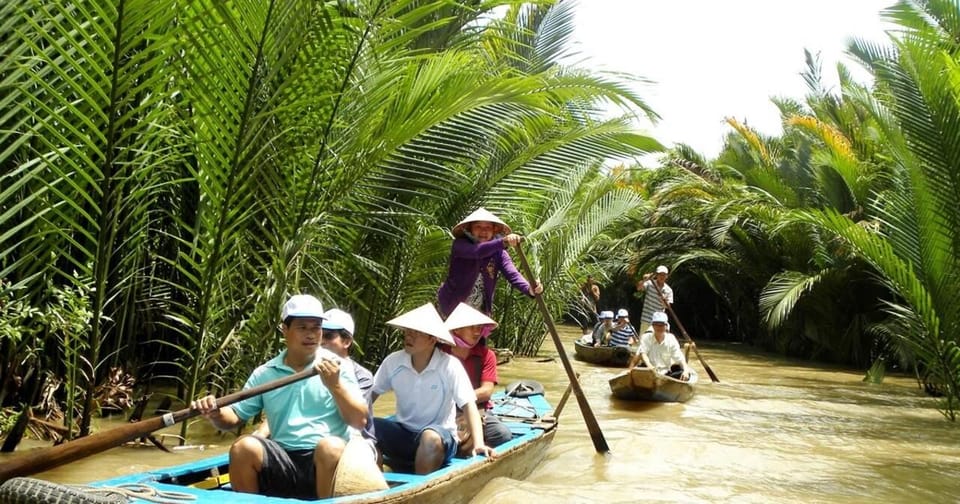
- Ben Tre Coconut Candy Factory: coconut sweets, rowing boat time, and a village-style lunch.
- Cái Răng Floating Market: a focused look at river selling, plus sampling river foods.
- Trà Sư Mangrove Forest (route-dependent): mangrove ecosystem time after the temple morning.
- Ca Mau or Châu Đốc: two different “end chapters” depending on the day’s program.
Why this 3-day Mekong Delta route feels different
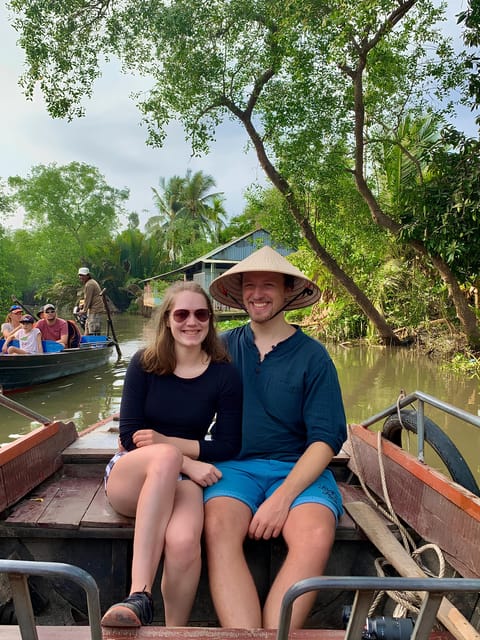
Mekong Delta day trips can be a fast hit of boats and photos. This one is longer, and that changes the vibe. You get to move from Mỹ Tho to Ben Tre to Cần Thơ, then finish with either Châu Đốc or Ca Mau, depending on the day. That extra time helps each place feel like part of the same story: religion, farming, river commerce, and then a coastline/mangrove or a border-mountain area.
I also like that the plan isn’t only about scenery. You’re scheduled for specific “river-life” moments: a boat ride on the Tien River to Unicorn Island, rowing boats in Ben Tre, and an actual visit to the Cái Răng Floating Market. Even if you’re not a big “market person,” it’s the closest thing on this route to seeing how the region’s economy works day-to-day.
The tradeoff is pacing. You’ll be in a bus at least part of every day, and you’ll have timed stops. If you hate schedule pressure, you might feel it.
You can also read our reviews of more tours and experiences in Ho Chi Minh City
Mỹ Tho and Vinh Trang Pagoda: the big opening act
Mỹ Tho is where this tour gives you a strong start. After an early bus ride (one route lists a smooth one-and-a-half-hour transfer passing green rice fields), you arrive in the Mỹ Tho area and head straight to Vinh Trang Pagoda.
Why it works: Vinh Trang isn’t treated like a quick photo stop. It’s described as one of Southern Vietnam’s oldest ancient pagodas, known as the largest pagoda in the region with special architecture. So even if you’ve seen pagodas before, this is positioned as a “this one matters” stop, and that helps you slow down for a bit.
Practical tip: go in with a simple game plan. Look for the big architectural features first, then do a second pass for details. You’ll have less time for drifting later, because the itinerary shifts to boats and farms right after.
Unicorn Island: pomelos, bees, and honey tea
From Mỹ Tho, you’re taken by motorized boat on the Tien River to Unicorn Island. This is where the itinerary starts feeling very “local trade meets tourism.” You’ll visit a pomelo farm and a bee farm, and the tour includes tasting items from the farm: honey tea and royal jelly.
What I like about this stop is how it’s built around process, not just a “buy a postcard” moment. Seeing pomelo and bees in the same visit gives you a clearer picture of how different types of farming can coexist on Mekong Delta islands.
What to watch: it’s still an activity-based stop with scheduled timing. If you’re sensitive to strong smells (flowers, honey, farm areas), keep that in mind. Also, if you’re very picky about tastings, you’ll still get value from the setting and the farm explanations even if you skip specific items.
Ben Tre Coconut Candy Factory and rowing boat time
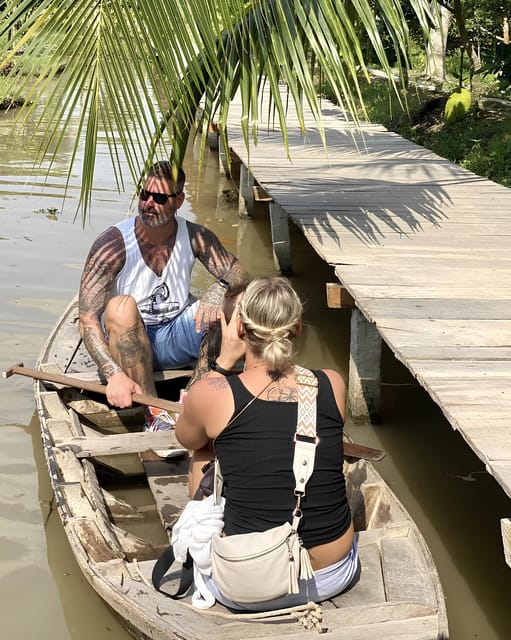
Next up is Ben Tre, famous for coconut production, and the tour hits it with a direct stop at a Coconut Candy Factory. This is one of those experiences that’s easy to underestimate until you see how the process connects to the landscape you’re traveling through.
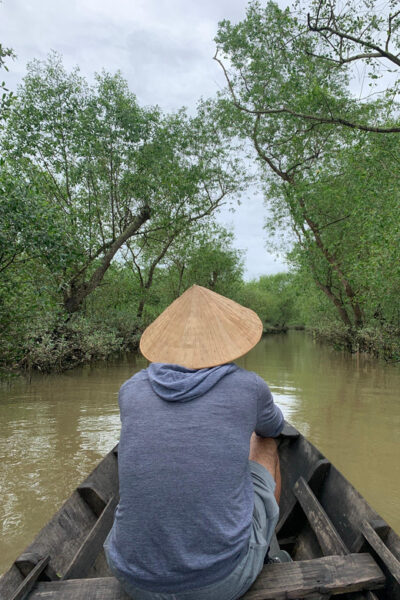
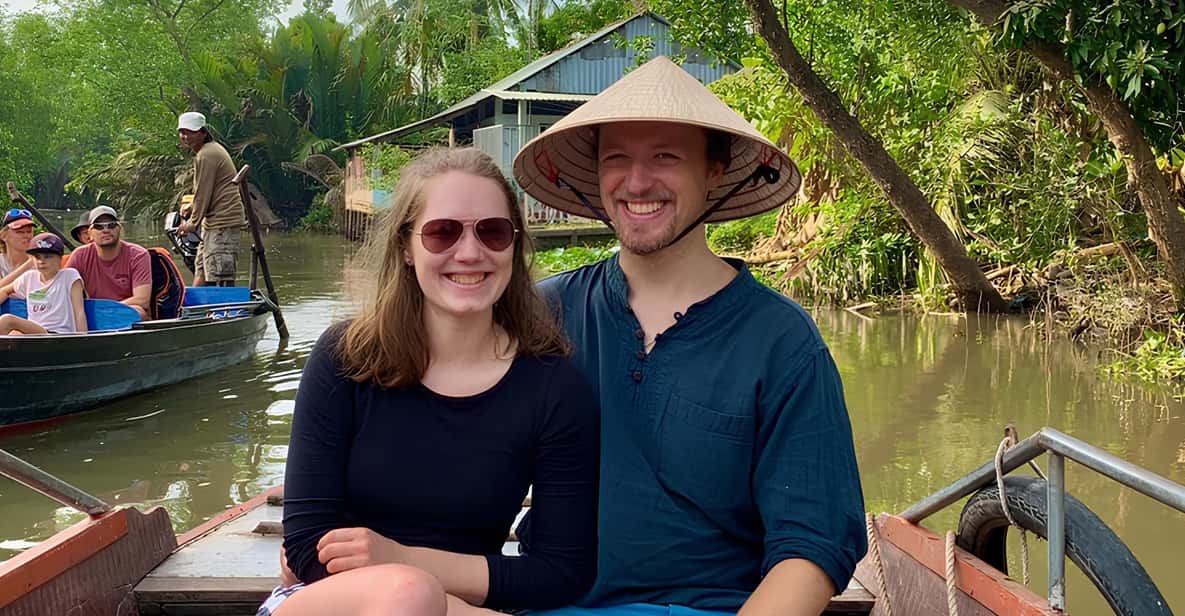
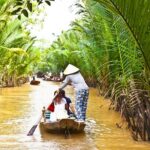
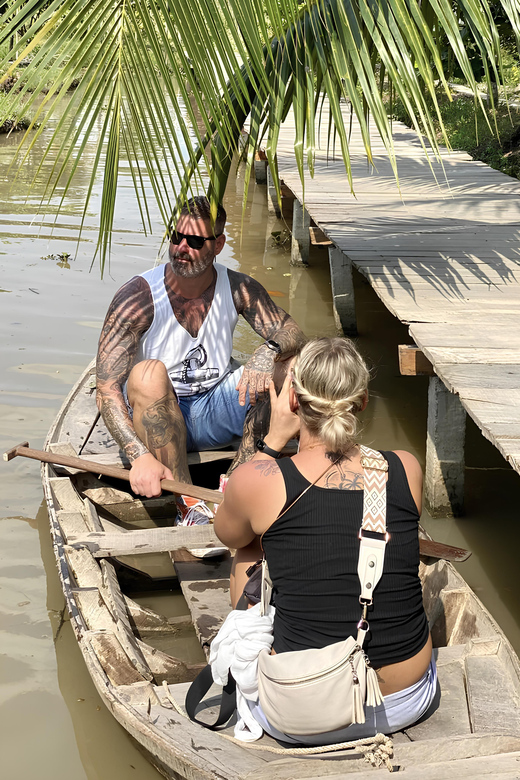
After the factory visit, the day includes a rowing boat excursion, plus lunch and village exploration. The point here is that Mekong Delta life isn’t only about fast-moving boats in a market. You also get a slower, smaller-waterway rhythm—hands-on boat time, then a meal and village atmosphere that feels more grounded.
Why this matters for your trip: when you only visit floating markets, you can end up thinking the region is only about selling on the water. Ben Tre adds another layer: production and processing (coconut candy), then the daily transportation and movement around waterways (rowing).
If you’re bringing a camera, this is a good day for photos that show the “in-between.” Not every shot will be a dramatic skyline. Some will be people at work and close-up textures of food and boat life.
Cần Thơ and Cái Răng Floating Market: river commerce you can feel
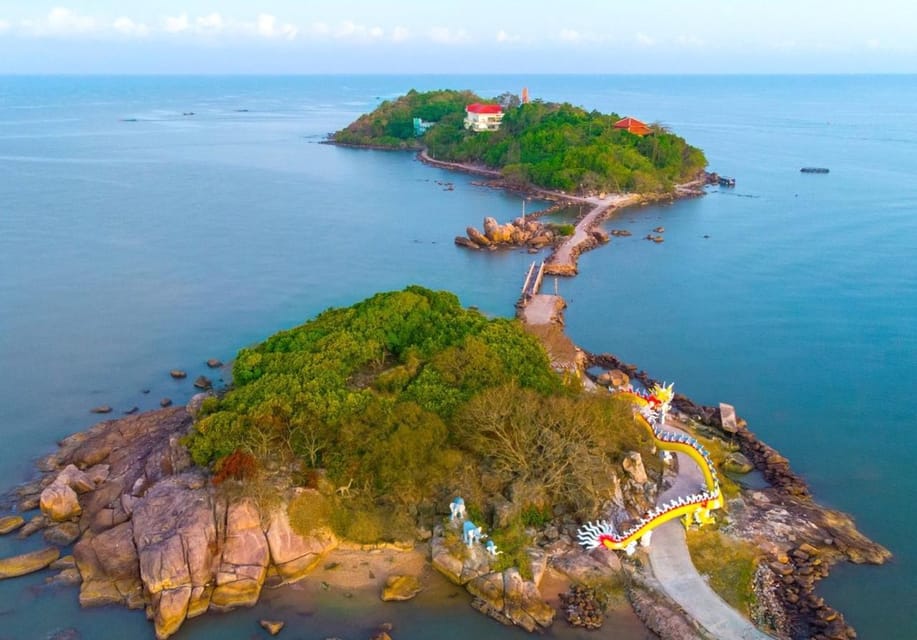
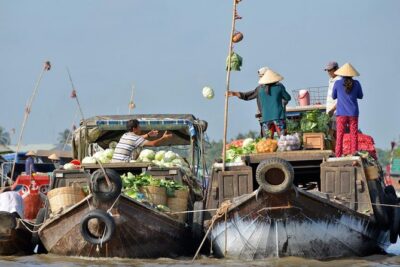
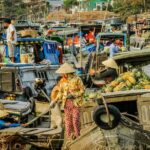
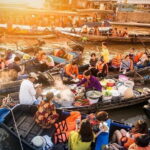
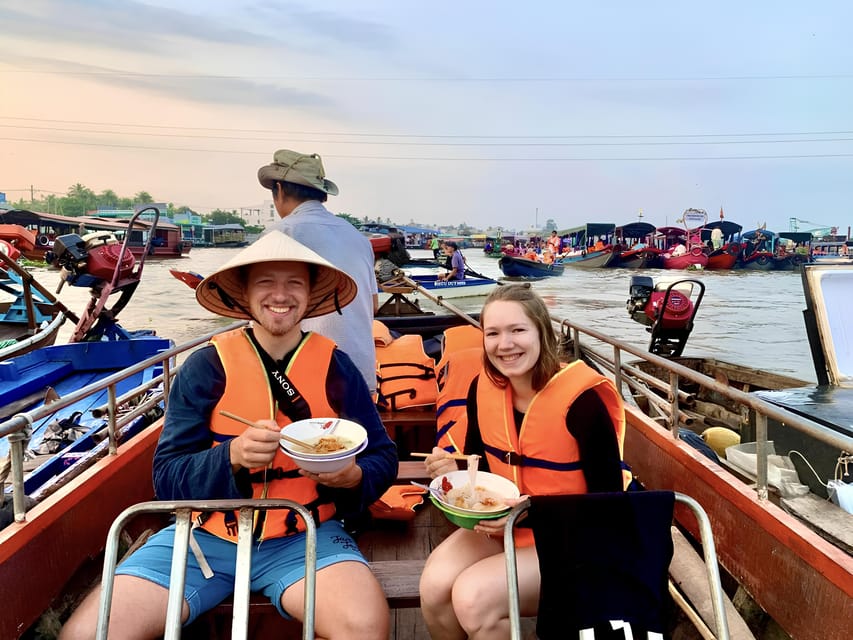
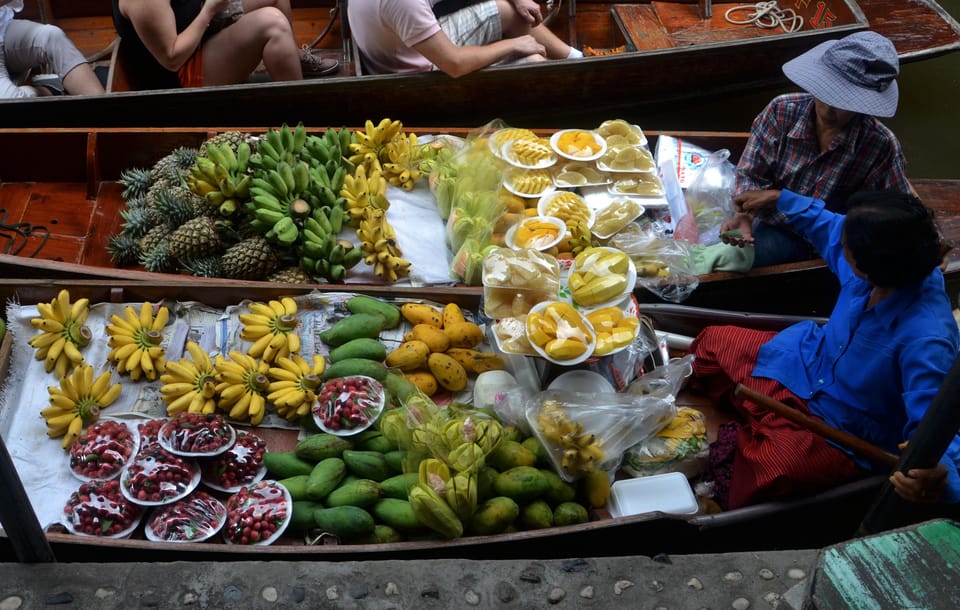
Cái Răng is the centerpiece river market stop on this route. You visit it in the morning as part of the Cần Thơ segment, and the schedule is designed so you’re not just looking from one place. You get a boat trip that helps you see how people live and work on the river, including normal selling activities that are different from selling on land.
The itinerary also specifically mentions tasting river delicacies during the Cái Răng time. That’s valuable because it turns the market from a spectacle into an experience of what people actually eat and sell.
What to expect: this is where your senses get busy—smells of food, the sound of boats, and lots of movement. It’s also where you’ll understand why people say the Mekong Delta is a different world from city Vietnam.
Simple strategy: don’t try to see everything. Pick a couple of boats to watch closely, eat one thing you’re curious about, then move. You’ll enjoy it more than if you rush from one stall to another.

The temple mornings near Châu Đốc: Sam Mountain and beyond
If your day’s program includes Châu Đốc, you’ll get a different flavor than the Ca Mau route. The plan starts with an evening in Châu Đốc City (dinner and an overnight stay), then on Day 2 you’re busy from morning.
The stops listed are:
- Lady Temple of Sam Mountain
- Thoại Ngọc Hầu’s Tomb
- Tây An Temple
Why this is worth your time: these aren’t random temple names dropped into a schedule. The itinerary stacks them so you experience a larger area as a religious landscape rather than scattered points. The pacing also gives you a break from boat-heavy sightseeing, even if you’re still traveling between sites.
Then you shift again to nature: Trà Sư Mangrove Forest is on the afternoon schedule. So your Day 2 becomes a mix of spiritual architecture and a living ecosystem.
Practical tip: temple mornings often mean sun, steps, and heat. If you’re visiting in warmer months, bring water and wear light layers. Your hat will earn its keep.
Trà Sư Mangrove Forest: a break from the crowd
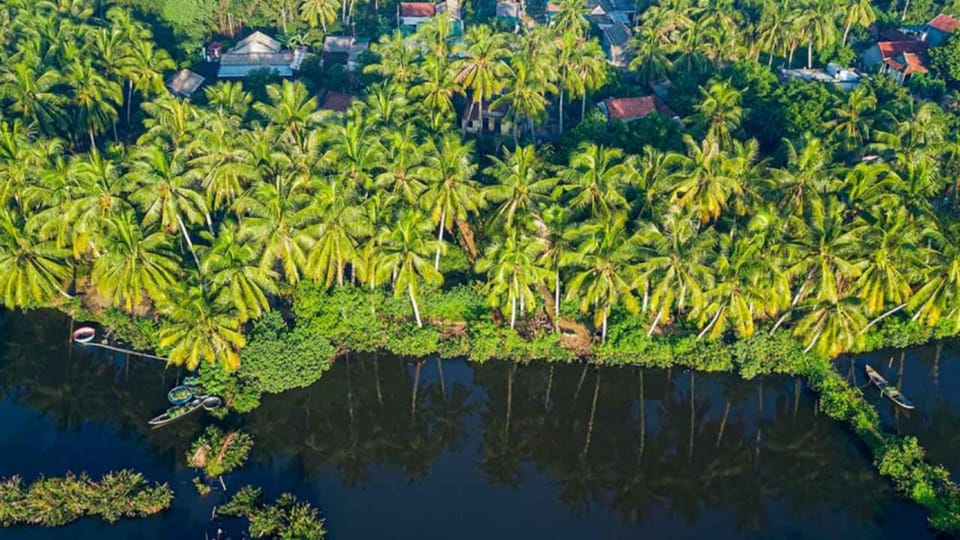
Trà Sư Mangrove Forest is one of those stops that feels like it resets the trip. Instead of temple walls or market boats, you’re dealing with an ecosystem scene: mangrove greenery and the shape of water channels.
The itinerary has you scheduled for lunch and then head toward Cần Thơ for the night. That works well because you don’t feel like you’ve “finished Mekong Delta” right after a market. Mangroves add texture and a calmer pace before you get to the floating market day.
I’d call this a “buy the ticket to slow down” moment. Even if you love action, you need one or two quieter stops in a multi-day route.
Day 3 in Cần Thơ: Zen monastery, Mỹ Khánh village, and the Purple House café
On the route that matches your Day 3 schedule (linked with the Châu Đốc finish option), you start with Cái Răng Floating Market again in the morning, then move to a set of cultural and scenic stops.
The Day 3 list includes:
- Trúc Lâm Zen Monastery
- Mỹ Khánh Tourist Village
- Purple House café
This sequence is designed to give you variety on the final day. By the time you reach Cái Răng again, you’re building on what you saw earlier: you’ve already heard how river selling works and tasted river food, so you’re more likely to notice details the second time around. Then the monastery and village are a different kind of “look and learn,” with calmer vibes than the floating market.
Why this helps your trip: a multi-day tour can feel like a blur. Ending with a monastery and a recognizable café spot is a softer landing before you return to HCMC.
Ca Mau instead of Châu Đốc: the coast-and-mangrove ending
If your tour program includes Ca Mau, the itinerary takes a longer, more coastal and mangrove-oriented path.
Day 1 direction (one route variant):
- Ho Chi Minh City → Mỹ Tho → Cần Thơ → Ben Tre
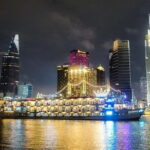
You arrive in Cần Thơ by around 6 p.m. and dinner is on a 5-star cruise, followed by free time to explore at night. The plan specifically mentions a walking street and Ninh Kiều night market as options.
Day 2 direction:
- Cái Răng Floating Market (morning)
- then Sóc Trăng Province: Somrong Pagoda, known for its long sleeping Buddha statue and Khmer-style architecture
- continue to Bạc Liêu Province: Tắc Sậy Church and the tomb of Bíshop Trương Bửu Diệp
- lunch at Ánh Nguyệt restaurant
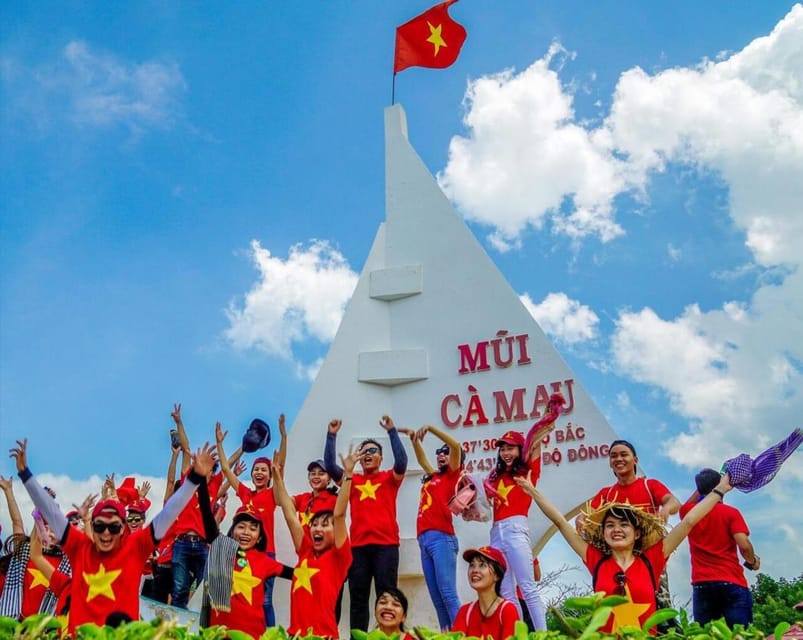
- travel toward Mũi Cà Mau, including going through the mangrove forest, then dinner at a local restaurant
Day 3 direction:
- Ca Mau → Bạc Liêu → Ho Chi Minh City
The plan includes visiting the richest man’s house in the Mekong Delta in the 20th century, then lunch and the return.
If you want a trip that leans more toward coastline, ecosystems, and regional history sites, the Ca Mau program is the more dramatic ending. If you prefer mountain-border-city temple atmosphere, choose the Châu Đốc version.
Food on this tour: local, included, and not for every palate
This package includes 3 breakfasts, 3 lunches, and 2 dinners, plus entrance fees, but it does not promise international menus. That’s the part to pay attention to.
One clear note from a recent experience: the food was very local and not for the group they traveled with. So if you’re the type who needs familiar flavors, you’ll want to mentally prepare for curries, rice-based meals, seafood, and regional spices that may feel stronger than what you’re used to.
My practical advice: bring a “flexible” mindset, and plan how you’ll handle disappointment. If there’s an option to request something simpler, it helps to do it politely and early with your guide. And if you have dietary restrictions, confirm them directly before you go—this kind of included-meal structure can limit choices.
English guide and group mix: the reality check
The tour offers an English-speaking tour guide, and pickup/drop-off is included for hotels in central areas. Also, ticket lines are listed as skipped.
But there’s a real-world nuance: if your group is heavily local-language, English may come through as translation rather than full, continuous conversation. In one recent case, a guide primarily used Vietnamese for most of Day 1 and translation support didn’t become smooth until later days.
What you can do: when booking, check for group size and composition if that info is available. Once you’re on the bus, it helps to keep expectations clear: you’re there for the itinerary and experiences, not for a private lecture.
The value question: is $181 a fair deal?
At $181 per person for 3 days / 2 nights, this tour can represent good value because it bundles the big cost drivers: bus transportation, a live English guide, entrance fees, and most meals (breakfasts, lunches, and dinners). You’re not only paying for movement—you’re also paying for access and guided time at named stops.
Where the value gets less comfortable is when language support doesn’t match what you expected, or when meal style doesn’t fit you. If you’re confident you’ll enjoy local food and you’re okay with English being handled in a group setting, you’ll likely feel the cost is reasonable for what you cover.
If you’re traveling for very specific photo moments or you strongly prefer a higher “comfort level” in dining, you might compare with a more tailored tour. But if you want a structured, included-meal, sights-and-water combo, this price can work.
Who this Mekong Delta tour suits best
I think this tour fits best if:
- You like mixed sightseeing: temples + farms + markets + mangroves
- You’re curious about how river life works, especially at Cái Răng
- You don’t mind local food as the default setting
It may not fit as well if:
- You require consistently smooth English conversation all day
- You strongly dislike very local meals
- You prefer more free time and fewer scheduled segments
Quick practical tips that help on Day 1 through Day 3
- Bring sunscreen and a hat. The itinerary mixes outdoor boat and walking areas.
- Wear slip-on shoes or sandals you can trust around boats and temple grounds.
- If you’re sensitive to sun or heat, carry a light layer. You’ll likely be outside in key stops.
- Plan a little snack buffer. Included meals don’t mean you won’t want something extra at the market.
Should you book?
I’d book this if you want a 3-day overview that connects the dots: pagodas at Mỹ Tho, farm-and-craft time in Ben Tre, and one of the Delta’s most recognizable river scenes at Cái Răng. The route also gives you a meaningful “ending choice” between Châu Đốc (Sam Mountain temples + Trà Sư mangroves) and Ca Mau (mangroves, coastal travel, and Bạc Liêu/Sóc Trăng religious stops).
I’d hesitate if your top priority is excellent, continuous English and international-style food. This tour can be a strong experience when you go in expecting local rhythms.
FAQ
What places does this Mekong Delta tour include?
It includes stops around Mỹ Tho, Ben Tre, Cần Thơ, and Cái Răng Floating Market. The route finishes with either Châu Đốc City or Ca Mau, depending on the program on the day.
How long is the tour?
The tour is 3 days (2 nights).
What’s included in the price?
The package includes bus transportation, an English-speaking tour guide, 3 breakfasts, 3 lunches, 2 dinners, 2 nights at a 3-star hotel, and entrance fees.
Is pickup from my hotel included?
Yes. Pickup and drop-off are included for hotels in central areas.
Is the tour guided in English?
Yes, it lists a live English-speaking tour guide.
What meal times are included?
You get 3 breakfasts, 3 lunches, and 2 dinners as part of the itinerary.
Do I go to Châu Đốc or Ca Mau?
The plan says Ca Mau or Châu Đốc up to the day, depending on the program.
Is there a single supplement?
Yes. A single supplement surcharge is listed at +$55.