REVIEW · HO CHI MINH CITY
Remembering Long Tan- Nui Dat Battle : A Tour of Historic Sites
Book on Viator →Operated by Viet Kolors Tour · Bookable on Viator
Long Tan teaches geography fast. This day trip strings together the key ground around Nui Dat, from the 161 Kiwi artillery to the Luscombe sites, then finishes with the Long Phuoc Tunnels used for ammunition storage. I especially like how the route links place names to the way the battle unfolded, and how the guide keeps the story clear instead of turning it into a blur of dates.
The biggest thing to consider is the early start. Pickup is around 7:30 AM, and you’re in the car for a good chunk of the day, so plan for a long but meaningful ride out to Ba Ria-Vung Tau province.
In This Review
- Key Highlights You’ll Feel Right Away
- Price and Logistics: What $107 Really Buys
- The 7:30 AM Start from Ho Chi Minh City
- Nui Dat Battle Sites: Why This Route Works
- 161 Kiwi Artillery, Kangaroo Pad, and SAS Hill
- Luscombe Airfield and the Luscombe Bow Story
- 6 RAR Flagpole and Horseshoe Hill: Memorial Ground
- Long Phuoc Tunnels: Ammunition Storage You Can Actually Imagine
- Comfort, Lunch, and the Small Things That Make the Day Work
- Who Should Book This Nui Dat and Long Tan Tour?
- Should You Book It?
- FAQ
- What time does the tour start?
- How long is the tour?
- How much does the tour cost?
- Does the price include pickup and drop-off?
- Is lunch included?
- Is there bottled water on the tour?
- What sites will we visit during the day?
- Are admission tickets included?
- Is the guide English-speaking?
- Is this tour private?
- Can I cancel for a full refund?
Key Highlights You’ll Feel Right Away
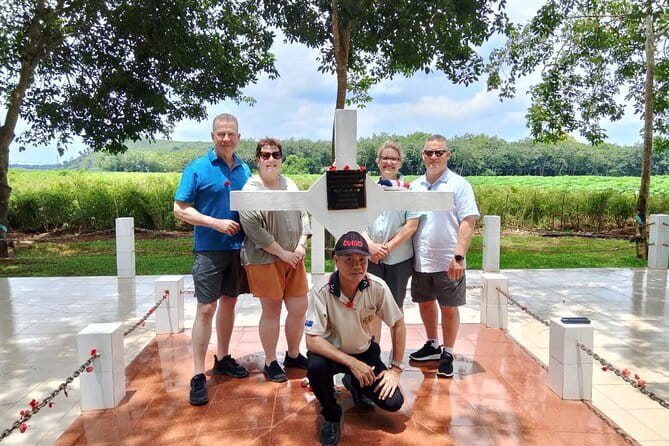
- Nui Dat mapping on the ground: you’ll follow the route tied to the military maps, not just hear theory
- 161 Kiwi artillery + key features: the Kangaroo Pad, SAS hill, and Luscombe sites give you real spatial context
- Memorial stops with explanation: you’ll visit the 6 RAR flagpole and a second memorial site
- Long Phuoc Tunnels: a focused hour in the ammunition storage tunnels that shaped logistics
- Guide energy: English explanations are strong, with humour and sharp details from Dingo Chien
Price and Logistics: What $107 Really Buys
At $107.10 per person for about 7 hours, this tour isn’t trying to sell you a bus ride with a few photos. You’re paying for transportation, an English-speaking guide, admission where it applies, and a full meal. That matters on this kind of day trip because the sites are spread out and not something you’ll casually piece together on your own without a plan.
You also get the comfort basics handled: an air-conditioned vehicle, bottled water, and hotel pickup and drop-off. Lunch is included, so you’re not left hunting for food at an awkward time when you’re running late between memorial stops.
One small note: tipping isn’t included, and it’s optional. For tours that cover sensitive sites, I find it helps to keep a little cash aside for your guide if you feel it was worth it.
You can also read our reviews of more historical tours in Ho Chi Minh City


The 7:30 AM Start from Ho Chi Minh City
Pickup is around 7:30 AM in Ho Chi Minh City. After you collect everyone, the group drives toward Ba Ria-Vung Tau province. You’ll stop at the Ba Ria rest stop for a break along the way, with a ticket-free stop listed for that segment.
This timing works best if you like structure. You won’t be thinking about logistics while you’re learning; the schedule keeps the day from stretching into an exhausting mess. If you’re the type who needs coffee before your brain starts filing facts, grab it before pickup or at the rest stop.
Also, this is a private tour/activity, meaning only your group participates. That generally makes the pace feel smoother, and it gives you a better chance to ask questions without competing for the guide’s attention.
Nui Dat Battle Sites: Why This Route Works
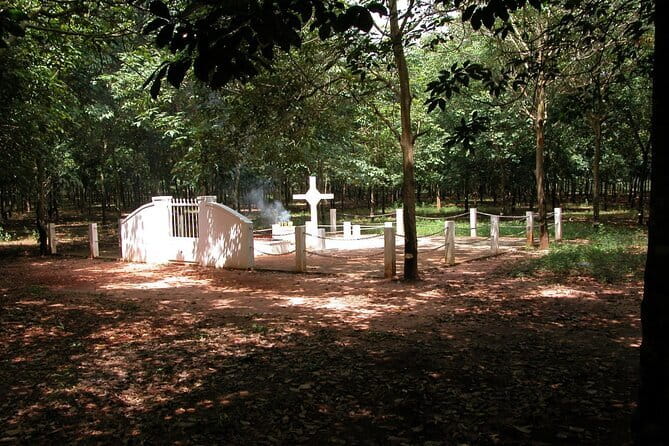
The heart of the day is a guided walk-through of the Nui Dat area, visiting a set of landmarks tied directly to the Battle of Long Tan. What I like about this style of tour is that you’re not just collecting names—you’re learning how the terrain functions.
Instead of treating the sites like distant history, you get a feel for the vantage points and locations where movement and firing mattered. The tour even references the Nui Dat military maps, so you get the sense that you’re moving along a planned interpretation of the battlefield, not wandering.
You’ll spend time at:
- the 161 Kiwi artillery
- the Kangaroo Pad
- SAS hill
- Luscombe airfield
- the Luscombe bow
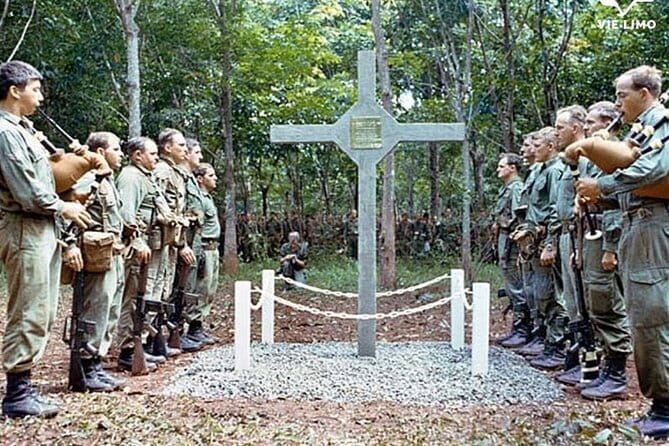
- the 6 RAR flagpole and a second memorial site
- Horseshoe Hill, another base where the Diggers were stationed
That combination is important. It gives you both the battlefield infrastructure (artillery positions, airfield) and the human markers (memorials, flagpole).
161 Kiwi Artillery, Kangaroo Pad, and SAS Hill
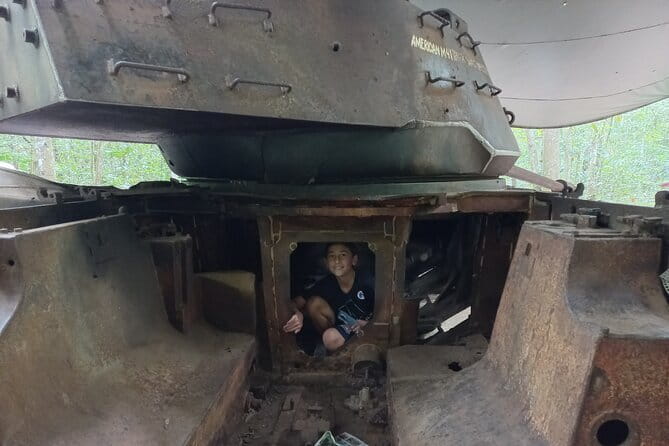
These are the places where the battle starts to feel like a system instead of a single dramatic moment.
At the 161 Kiwi artillery, the point isn’t only that it existed—it’s what that kind of fire support means in real terrain. The guide’s job here is to connect the dots: why certain positions were used, how the battlefield’s layout influences decision-making, and what it would have meant to be moving or taking cover in those locations.
The Kangaroo Pad helps you understand movement and readiness. Even without getting lost in technical jargon, the label alone pushes you to think in terms of logistics—where teams could stage, where aircraft or support could operate, and how quickly things could shift.
Then comes SAS hill, another anchor point for understanding how higher ground changes the story. You’ll typically walk away feeling like you can picture the area in your mind, even after the tour ends—because the stops are arranged to build that map layer by layer.
If you care about clarity, this is where your guide really matters. In this case, Dingo Chien comes through strongly in English, and his explanations include both sides of the conflict plus details tied to 6 RAR key personnel, weapons, and tactics. That’s the kind of specificity that makes the names click.
Luscombe Airfield and the Luscombe Bow Story
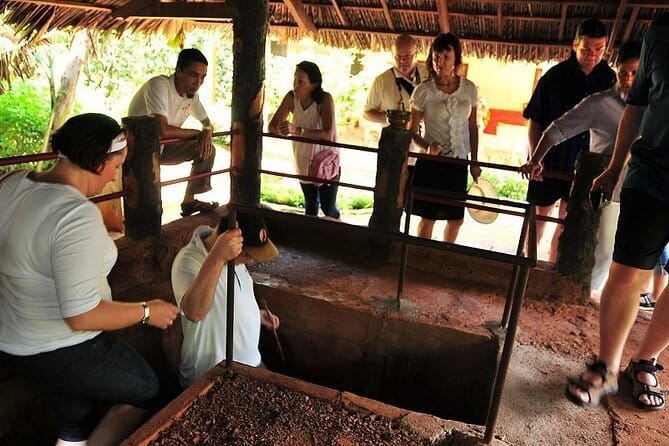
This is one of the most striking segments because it mixes battlefield purpose with a human detail that you can actually hold onto.
At the Luscombe airfield, you’re looking at the kind of location that supports operations—think aircraft activity and the broader movement network around the fight. The airfield stop helps you understand that battles aren’t only about one unit’s decisions; they rely on air access and coordination.
Then you reach the Luscombe bow, tied to a memorable moment during the Battle of Long Tan: the spot where little Dottie and Col Joy performed a concert. Even if you’ve read about the battle, this kind of detail gives you a different emotional angle—how life, morale, and humanity showed up even during intense danger.
The balance here is important. A good guide doesn’t turn the story into sentimentality. Instead, you get the context for why the concert mattered and how it fit into the reality of the battlefield.





6 RAR Flagpole and Horseshoe Hill: Memorial Ground

After the main landmark stops, the tour shifts to memorial focus. You’ll visit the 6 RAR flagpole and a second memorial site. This part changes the tone, and that’s not a bad thing. It helps you process what you just learned through the physical markers that honor those connected to the fight.
From there, you continue on to Horseshoe Hill, another base where the Diggers were stationed. This stop matters because it rounds out the picture. You’re not only seeing the most famous points—you’re also connecting the battle to staging areas and the broader base landscape that shaped what troops could do.
In practice, this is often the segment where I’d recommend slowing down and listening closely. The guide’s humour and pace can drop away here for a reason: the site asks for attention.
Long Phuoc Tunnels: Ammunition Storage You Can Actually Imagine
Next is Long Phuoc Tunnels for about an hour. The key detail you should walk in with is this: the tunnels were used as storage for ammunition.
That simple purpose changes how you interpret the space. You’re not looking at a tourist cave—you’re thinking about how people protected supplies and planned for endurance under pressure. When you’re in these tunnels, the idea of logistics becomes concrete. It’s one thing to say ammunition needs storing; it’s another thing to stand somewhere built for that job.
The hour is a good length for most people. It’s long enough to feel the scale and take in the guided explanation, but it won’t drag into an all-day underground slog.
Comfort, Lunch, and the Small Things That Make the Day Work

This tour covers the essentials that make a long day feel manageable.
Included basics:
- an air-conditioned vehicle
- bottled water
- lunch
- all fees and taxes
- an English-speaking guide
- convenient pickup and drop-off at your hotel
There’s also flowers included. In memorial-style tours, that detail is more than a prop. You’ll feel like you’re stepping into a respectful, planned experience rather than a quick sightseeing loop.
The tour stays structured with time blocks listed for each segment. You’ll be out of Ho Chi Minh City early and then back later, with the final driving return segment listed as about 2 hours, plus the time you spend during the actual site visits.
Who Should Book This Nui Dat and Long Tan Tour?
I think this tour is a strong match if you:
- want a guided, organized way to learn the Battle of Long Tan across multiple sites
- enjoy historical detail tied to specific places, not just a general overview
- appreciate a guide who can explain clearly in English and keep the tone appropriate for memorial sites
It’s also a good choice if you’d rather spend your energy listening and looking rather than figuring out transport on your own.
If you’re the kind of traveler who wants zero structure and maximum wandering, you might find the itinerary a bit fixed. But for most people, that structure is the whole point.
Should You Book It?
Yes, if your goal is to understand the Long Tan story through the locations that shaped it. The value here isn’t only the price; it’s the combination of transportation, lunch, and a guide-led route that hits key Nui Dat features plus the Long Phuoc Tunnels.
Book it especially if you care about getting the names right and understanding why each stop matters. Guides like Dingo Chien—highly regarded for English quality, strong detail on 6 RAR, and a humour that doesn’t erase the seriousness—make the difference between reading facts and actually grasping the terrain and the sequence.
If you hate early starts or you know long driving days wear you out, consider whether a 7-hour day trip works for your energy level. But if you can handle the morning pickup, this is the kind of tour that leaves you with a real mental map, not just a pile of photos.
FAQ
What time does the tour start?
Pickup is scheduled for around 7:30 AM.
How long is the tour?
The duration is about 7 hours.
How much does the tour cost?
It’s listed at $107.10 per person.
Does the price include pickup and drop-off?
Yes. Pickup and drop-off at your hotel are included.
Is lunch included?
Yes, lunch is included.
Is there bottled water on the tour?
Yes, bottled water is included.
What sites will we visit during the day?
You’ll visit the Nui Dat area battle landmarks (including 161 Kiwi artillery, Kangaroo Pad, SAS hill, Luscombe airfield, Luscombe bow, and the 6 RAR flagpole), Horseshoe Hill, and the Long Phuoc Tunnels.
Are admission tickets included?
Admission is included for the Battle of Long Tan stop and for Long Phuoc Tunnels. Other stops shown include free admission tickets.
Is the guide English-speaking?
Yes, an English-speaking guide is included.
Is this tour private?
Yes. It’s private, and only your group participates.
Can I cancel for a full refund?
Yes. You can cancel up to 24 hours in advance for a full refund. If you cancel less than 24 hours before the start time, the amount paid isn’t refunded.