REVIEW · HO CHI MINH CITY
Mastering Egg Coffee-Course on 4 traditional types of Viet coffee
Book on Viator →Operated by The Provincial Table Cooking Class · Bookable on Viator
Coffee skills, not just tasting. In Ho Chi Minh City, this hands-on course turns Vietnamese coffee into something you can actually repeat, with step-by-step help on traditional drip brewing. I like that you make four different cups during the session, and I also like the emphasis on technique plus presentation, not just flavor.
One thing to consider: it is a caffeine-forward experience. If you’re the type who feels it fast, I’d steer clear of an afternoon slot.
The class runs about 2 hours, capped at 15 people, and it’s easy to fit into a day because it starts and ends near the same spot in Quận 1. You’ll also get a mobile ticket, the full set of brewing accoutrements, and a special gift at the end.
In This Review
- Key things to know before you go
- Why egg coffee and drip technique change the way you taste Vietnam
- Inside the 2-hour flow: what happens from start to finish
- Four Viet coffee styles: the cups you’ll make in class
- Egg Coffee (Cà Phê Trứng Lòng Đỏ)
- Dark Roast Condensed Milk Coffee (Cà Phê Sữa Đá)
- Sea Salt Coffee (Cà Phê Muối Biển)
- Coconut Milk Coffee (Cà Phê Cốt Dừa)
- The real lesson: steeping and brewing steps you can copy later
- Why the presentation focus is worth your time
- Caffeine timing: plan your Ho Chi Minh City session smart
- Price and value: $25 for four cups plus technique
- Who this course fits best (and who should think twice)
- Quick decision guide: should you book Mastering Egg Coffee
- FAQ
- Where does the coffee course start?
- How long is the class?
- How much does it cost?
- How many coffee drinks will I make?
- What brewing method will I learn?
- Who teaches the workshop?
- Do I get anything besides coffee?
- Is there a group size limit?
- Is there a confirmation or ticket setup?
- What is the cancellation refund window?
Key things to know before you go
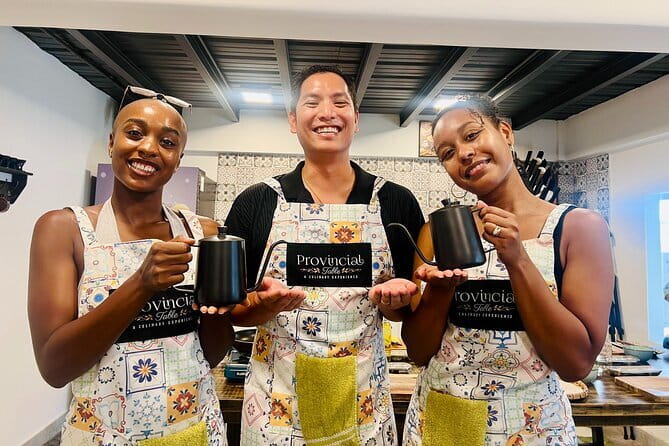
- Four classic Vietnamese coffee styles in one class: egg coffee, condensed milk coffee, sea salt coffee, and coconut milk coffee
- Head barista-led instruction focused on steeping and brewing steps
- Layering and visual presentation practice so the drinks look as good as they taste
- Small group size (max 15), which makes Q&A feel more personal
- You leave with tools and a gift, not just memories
Why egg coffee and drip technique change the way you taste Vietnam
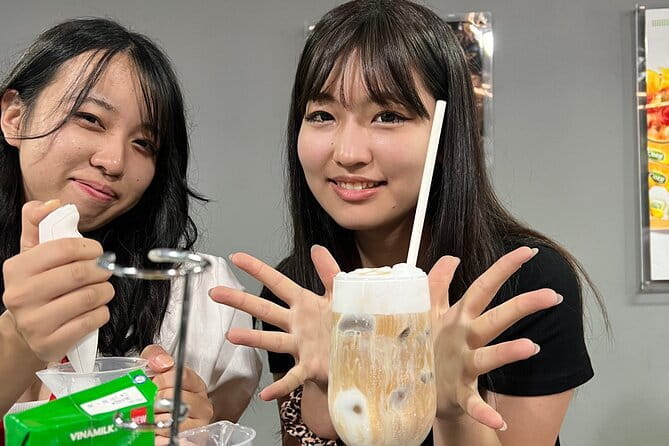
Vietnamese coffee is not just about caffeine. It’s about control: how long you steep, how you brew, and how you build a cup that has both bite and balance. This course helps you understand the logic behind that control.
I like that the focus stays practical. You don’t sit and watch quietly. You learn the meticulous steps of steeping and brewing, then apply them as you create each drink. And you’re not only tasting—you’re paying attention to how bitterness meets sweetness, how flavors show up at different temperatures, and how texture changes from cup to cup. That kind of awareness is what makes future café orders in Vietnam feel less like a gamble.
Also, the setting is in Ho Chi Minh City, where coffee culture is part habit, part street ritual, and part everyday comfort. A structured class like this gives you a quick way to read the city’s coffee scene without needing a deep background first.
You can also read our reviews of more tours and experiences in Ho Chi Minh City.

Inside the 2-hour flow: what happens from start to finish
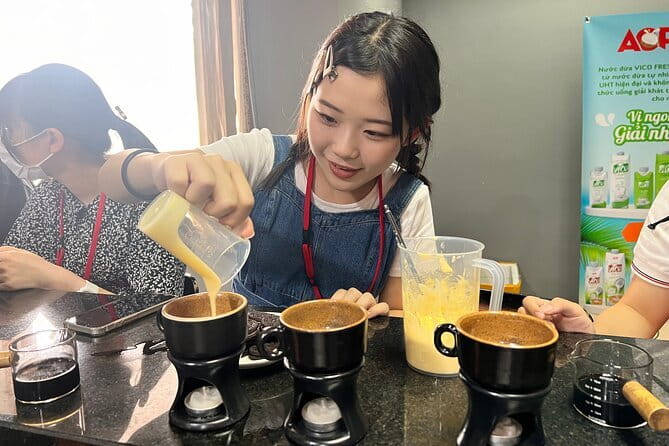
The experience is designed to move at a steady pace. You meet at 131/3 Nguyễn Thị Minh Khai, Phường Phạm Ngũ Lão, Quận 1, and the activity ends back at the meeting point.
From the moment you arrive, you’ll get guided instruction from the Head Barista. The session starts with an overview of Vietnamese coffee’s cultural significance, including how coffee has been shaped by influences and how it became part of daily life. Then you shift from story to hands-on brewing.
The bulk of the time is spent making drinks one by one. You’ll practice steeping and brewing using traditional drip methods and learn how to get cups that are both flavorful and visually layered. The class wraps with a Q&A and a short discussion about how coffee culture in Vietnam continues to evolve.
Because the group stays small (up to 15), it’s easier to ask questions while you’re in the middle of brewing, not after it’s all done. That matters. Coffee technique is the kind of thing you improve instantly once someone corrects your timing or approach.
Four Viet coffee styles: the cups you’ll make in class
This course is built around four specific drinks. You’ll make all four, and that’s a big part of the value.
Egg Coffee (Cà Phê Trứng Lòng Đỏ)
Egg coffee is one of Vietnam’s most recognizable styles, and it’s the one many people think they already know. The class helps you taste it with a different lens: not just how it tastes, but how the bitterness-sweetness balance and the temperature shifts affect the experience. You also learn how presentation comes into play, since the course emphasizes layered, eye-catching cups.
Dark Roast Condensed Milk Coffee (Cà Phê Sữa Đá)
This is your sweet-and-strong option. The name tells you what to expect, but the lesson is about technique: how to brew so the dark coffee character stays bold while the sweetness doesn’t flatten the cup. If you like your coffee with a dessert-like edge, this one tends to be a crowd favorite.


Sea Salt Coffee (Cà Phê Muối Biển)
Sea salt coffee is where coffee tastes more complex than you might expect. Instead of adding sweetness, salt can sharpen the edges and make the sweetness feel more intentional. In this class, you’ll focus on the way flavors land together—especially the push-pull between bitter notes and sweet notes—plus how the texture changes as the cup is built.
Coconut Milk Coffee (Cà Phê Cốt Dừa)
Coconut milk coffee shifts the texture and mouthfeel of the drink. In the class, you’ll learn to notice how the added ingredient changes the balance of flavor and how temperature affects what you taste. It’s a useful contrast to the other cups because it shows how a single change in creaminess can reshape the whole drinking experience.
The real lesson: steeping and brewing steps you can copy later
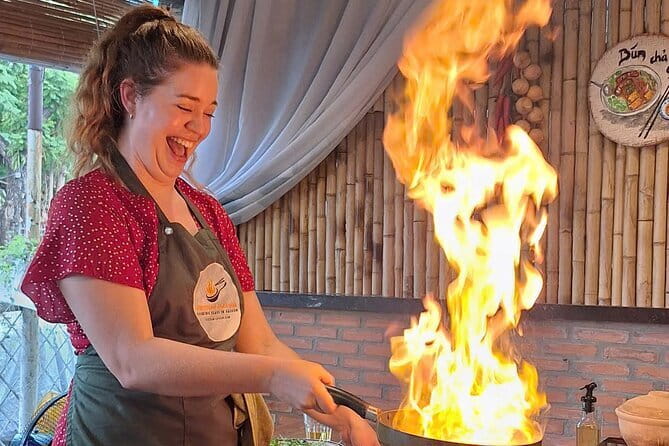
A lot of coffee classes stop at tasting. This one keeps going into method.
You’ll learn the meticulous steps of steeping and brewing the perfect cup using traditional drip methods. That sounds technical, but the goal is simple: help you understand what to do, in what order, and how to adjust attention as you brew.
Here’s what that training gives you as a future coffee shopper:
- Better ordering confidence: when you see egg coffee or sea salt coffee on a menu, you’ll know what to expect from the balance of bitterness and sweetness.
- More consistent results at home: even if you don’t have the exact same gear, you’ll understand timing, steeping mindset, and how presentation affects enjoyment.
- A clearer palate: instead of only tasting sweetness, you’ll notice when bitterness shows up and how temperature changes the way flavors read.
The course also emphasizes presentation, and that matters more than it sounds. Layering isn’t just for photos. It helps you experience the cup as a sequence, where aroma and texture shift from first sip to last.
Why the presentation focus is worth your time
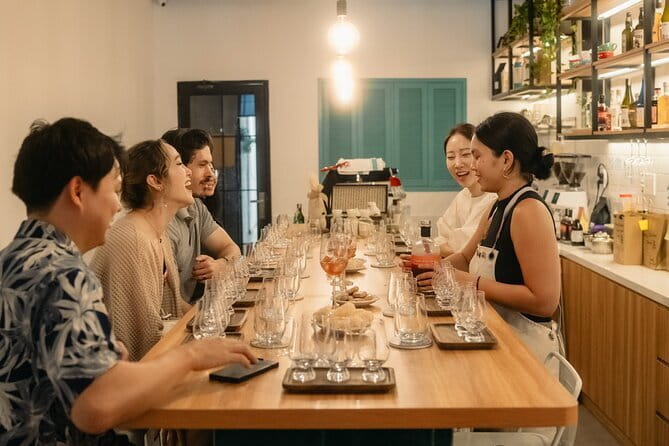
The class doesn’t treat visuals as decoration. It teaches you to create cups that are layered and visually appealing, which forces you to slow down and pay attention.
When you build a drink with the right layers, the first sip often feels different from the middle and end. That ties directly into what the course is teaching: the interplay of textures, temperatures, and flavors.
And yes, that makes the cups fun to drink. But the bigger payoff is learning how technique impacts the end result. If you can see where your brewing choices affect the layers, you can adjust faster next time.
In short: you’re not just learning how to make coffee. You’re learning how to control an experience.
Caffeine timing: plan your Ho Chi Minh City session smart
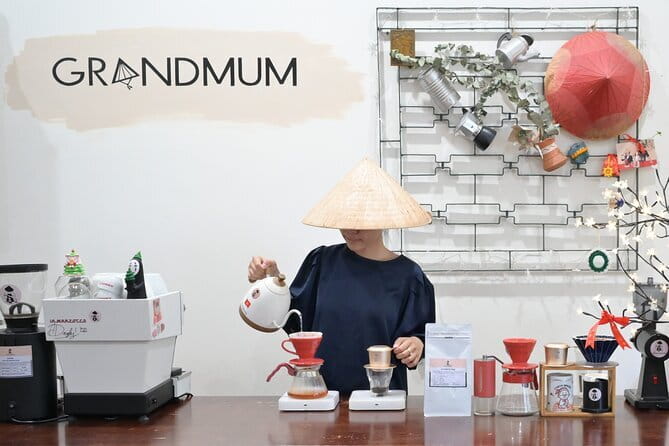
This class is about making and tasting multiple coffees. That means you’ll likely get more caffeine than you expect from a single coffee stop.
If you’re sensitive, consider morning timing. One simple tweak can make the difference between enjoying the workshop and feeling too wired to enjoy the rest of your day. If mornings are packed for you, at least plan something calmer right after the class.
Also, since you’re in Quận 1, it’s easy to pair the 2-hour session with nearby walking and casual sightseeing. Just don’t schedule something that needs perfect calm focus immediately after your last cup.
Price and value: $25 for four cups plus technique
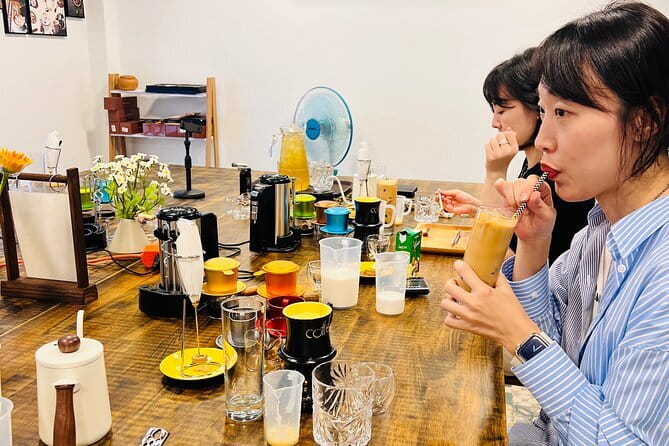
At $25 per person for about 2 hours, the value comes from three things you can’t fake:
- You make four distinct coffees, not just one sample.
- You get guided instruction on the brewing steps, not only tasting.
- Everything needed for the class is provided, and you also receive special gifts.
If you’ve ever ordered Vietnamese coffee in Vietnam and wondered why one place tastes right and another feels flat, you already know what you’re paying for here: skill transfer. This isn’t just a tasting flight. It’s a chance to learn the mechanism behind the flavors.
Small group size helps too. With a maximum of 15 people, you’re less likely to get lost in the crowd. You can ask questions while your hands are still involved, which is when feedback matters most.
Who this course fits best (and who should think twice)
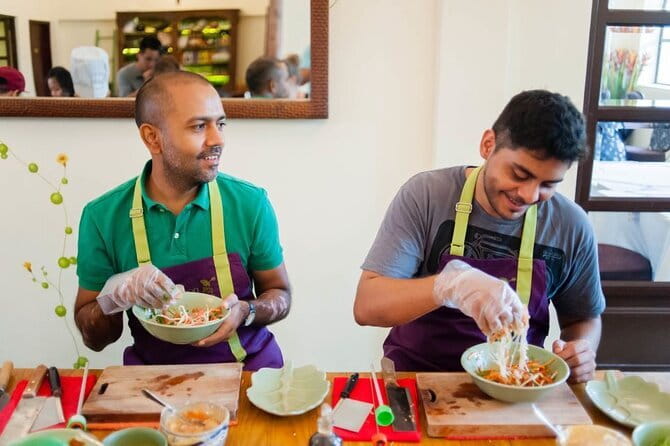
This class is ideal if you:
- Like coffee and want something more hands-on than a standard café meal
- Want a structured way to learn Vietnamese coffee culture in a couple of hours
- Enjoy sweet, salty, creamy, or layered drinks and want to understand why each works
- Appreciate learning from a head barista with real technique emphasis
It might be less ideal if you:
- Have a low caffeine tolerance and can’t adjust your day for it
- Prefer purely sightseeing experiences and don’t want time spent actively brewing
The sweet spot is travelers who enjoy doing something practical and then having better conversations about it afterward—especially when you’re surrounded by coffee culture in Ho Chi Minh City.
Quick decision guide: should you book Mastering Egg Coffee
Book it if you want a real skill, not just a drink. The combination of four coffee styles, a step-by-step focus on traditional drip brewing, and the emphasis on layering and presentation makes this one of those short experiences that pays off later, every time you order coffee.
Skip or reconsider if caffeine is an issue for you or if you only want to sample one type of Vietnamese coffee. In that case, you might find a café visit easier. But if your goal is to understand what you’re tasting and to leave able to re-create the basics, this class is a strong choice.
FAQ
Where does the coffee course start?
The experience starts at 131/3 Nguyễn Thị Minh Khai, Phường Phạm Ngũ Lão, Quận 1, Thành phố Hồ Chí Minh 711106, Vietnam.
How long is the class?
It lasts about 2 hours.
How much does it cost?
The price is $25.00 per person.
How many coffee drinks will I make?
You will make four types of Vietnamese coffee: Egg Coffee, Dark Roast Condensed Milk Coffee, Sea Salt Coffee, and Coconut Milk Coffee.
What brewing method will I learn?
You’ll learn steeping and brewing steps using traditional drip methods.
Who teaches the workshop?
The workshop is guided by the Head Barista.
Do I get anything besides coffee?
Yes. Each participant receives the accoutrements to master the preparation, and special gifts are provided to all participants.
Is there a group size limit?
Yes. The maximum number of travelers is 15.
Is there a confirmation or ticket setup?
You’ll receive confirmation at the time of booking, and the workshop uses a mobile ticket.
What is the cancellation refund window?
You can cancel up to 24 hours in advance for a full refund. If you cancel less than 24 hours before the experience’s start time, the amount paid is not refunded.