REVIEW · HO CHI MINH CITY
Ho Chi Minh City: Saigon Morning Markets Tour by Motorbike
Book on GetYourGuide →Operated by CONNECT CULTURE CO.,LTD · Bookable on GetYourGuide
Saigon’s morning markets feel electric. This motorbike tour takes you past the usual sights and into the daily stalls locals actually use, so the city feels real from the first turn of the engine. Starting at 8:00 AM means you catch products at their freshest, and the energy is high in a practical, see-it-up-close way.
I like two things a lot here: the sheer market variety and how the visit stays flexible around what you want to see. You can move from food markets to flower stands, medicine-style vendors, and specialty areas tied to everyday life, like motorbike parts and electricity accessories. You also get a real chance to buy local specialties at prices that feel grounded in the local rhythm.
One heads-up: the tour is active and takes you through busy, sometimes tough-looking corners, and it has a simple footwear rule—sports shoes aren’t allowed. Also, 2–4 hours goes fast, so if you love markets, you may wish it ran longer.
In This Review
- Key points you’ll care about most
- Saigon’s Morning Markets by Motorbike: What makes it different at 8 AM
- Which markets you’ll actually see (fish, flowers, lanterns, and more)
- The ride-and-walk plan: how the 2–4 hours fits together
- Guides set the tone: flexible, fun, and safety-minded
- Shopping smart in local markets without turning it stressful
- Safety, comfort, and what to wear for motorbike mornings
- Price and value: why $16 can work (if you like markets)
- Extra options if you want to switch the style
- Who this Saigon morning market tour is best for
- Should you book this tour?
- FAQ
- What does the tour cost?
- How long is the Saigon morning markets tour?
- What time does pickup happen?
- Where do you offer free hotel pickup?
- What’s the meeting point if I’m not in the free pickup districts?
- Is the tour guide English-speaking?
- What’s included in the price?
- Are there any clothing or footwear rules?
- Can I upgrade the tour with a car or Ao Dai rider?
- Can I get a refund if plans change?
Key points you’ll care about most
- More than Ben Thanh: You’ll see multiple market types, including fish, flower, animal, lantern, medicine, and Chinese and Cambodian markets.
- On foot plus motorbike: You’ll walk in the market maze and ride between areas to keep your morning moving.
- Local guidance in English: Guides help you understand what you’re looking at and keep the tour friendly and adaptable.
- Buying power at local prices: You’re shopping in the flow of daily business, which makes fair pricing easier to spot.
- Safety gear included: Motorbikes, helmets, and ponchos are provided for the ride-heavy format.
Saigon’s Morning Markets by Motorbike: What makes it different at 8 AM
If you’ve only seen Ho Chi Minh City through a late-morning lens, this tour changes the picture quickly. Markets in Saigon shift hour by hour, and the morning is when you’ll see the most colorful goods and the most urgent pace. You start with pickup at 8:00 AM, and you’re encouraged to be at the lobby about 5 minutes before, so the day doesn’t slip away before you even hit the first stalls.
The format matters. You’re not just walking around a single famous market. You’re moving across parts of the city where people shop for everyday needs, and you’re doing it with motorbikes so you can cover more ground in a short window. That means your eyes get a broader sample of what Saigon trades, fixes, grows, cooks, and sells—without turning the trip into a long day.
I also like the tone this tour sets. Guides steer you through the market culture without making it feel like a museum stop. You’re meant to take in the daily activities, learn how different markets work, and notice the everyday details that don’t usually make it into postcard photos.
You can also read our reviews of more city tours in Ho Chi Minh City


Which markets you’ll actually see (fish, flowers, lanterns, and more)
This tour leans hard into variety. You start with the idea that Ho Chi Minh City has more markets than the single central name most people know, and then you work through different types of places that serve different purposes.
Here’s what you should expect to run into over the morning:
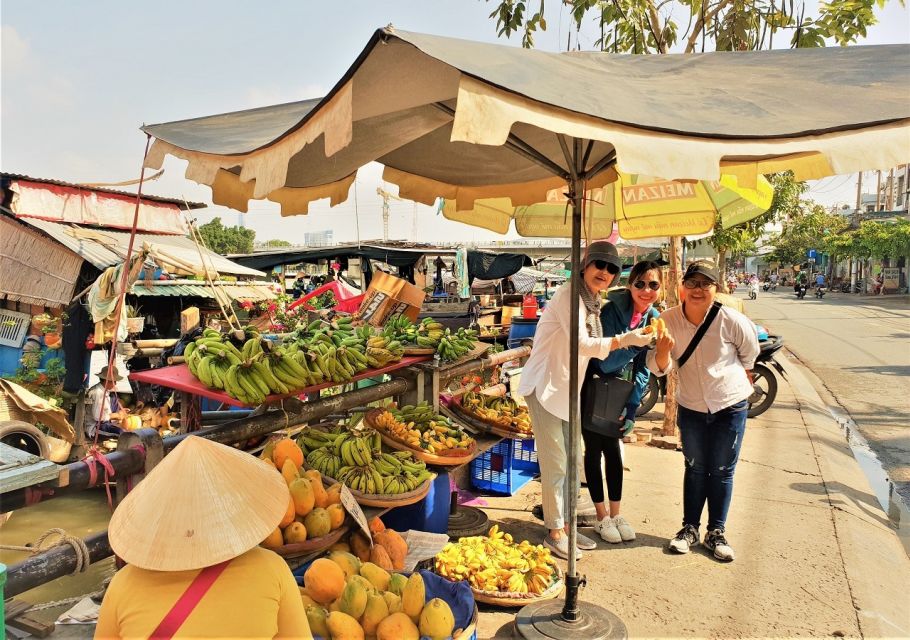
- Food markets, including fish
- Animal markets
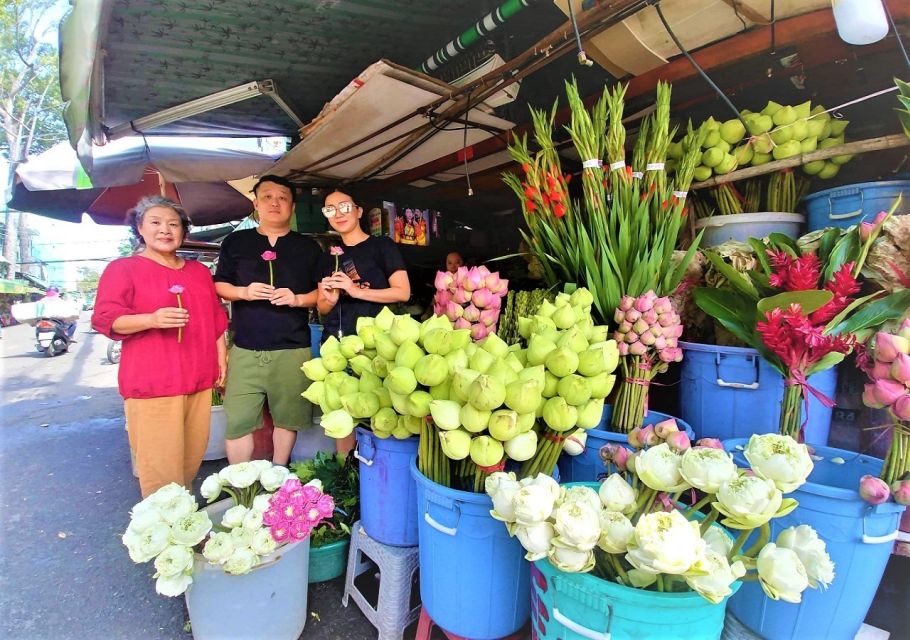
- Flower markets
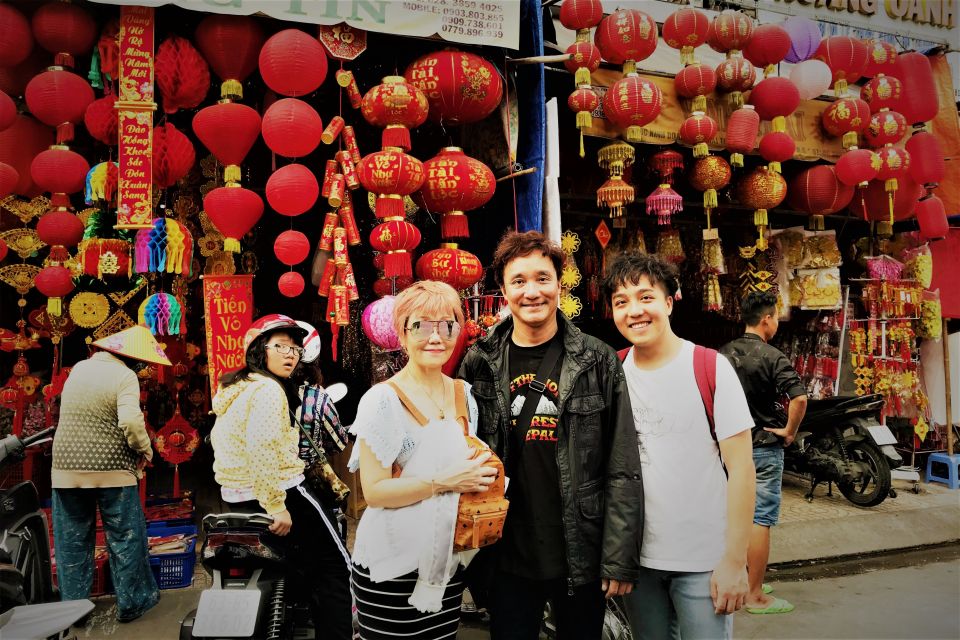
- Lantern markets
- Medicine-related markets
- Motorbike spare parts markets
- Electricity accessory markets
- Chinese and Cambodian market areas
- A Floating Market stop is also part of the mix
Each category tells you something different about daily life. Fish and food stalls show the front end of what gets cooked that day. Flower and lantern sellers connect to household needs and public rituals. Medicine-style markets reflect how people handle wellness and remedies through local trade. And the motorbike and electricity-related markets are a very Saigon kind of education: you see how the city keeps things running, from transportation to power-adjacent supplies.
Even if you don’t plan to buy much, the viewing is useful. You get to understand what each market is built for—how vendors group products, how customers move through space, and how the same neighborhood might feel completely different once you’re inside the market walls.
Also, the tour intentionally includes areas that can feel poorer. That’s part of the value, not because it’s pleasant, but because it’s honest. You get to see the full picture of the city and meet friendly, lively people who are doing what they do every day.
The ride-and-walk plan: how the 2–4 hours fits together
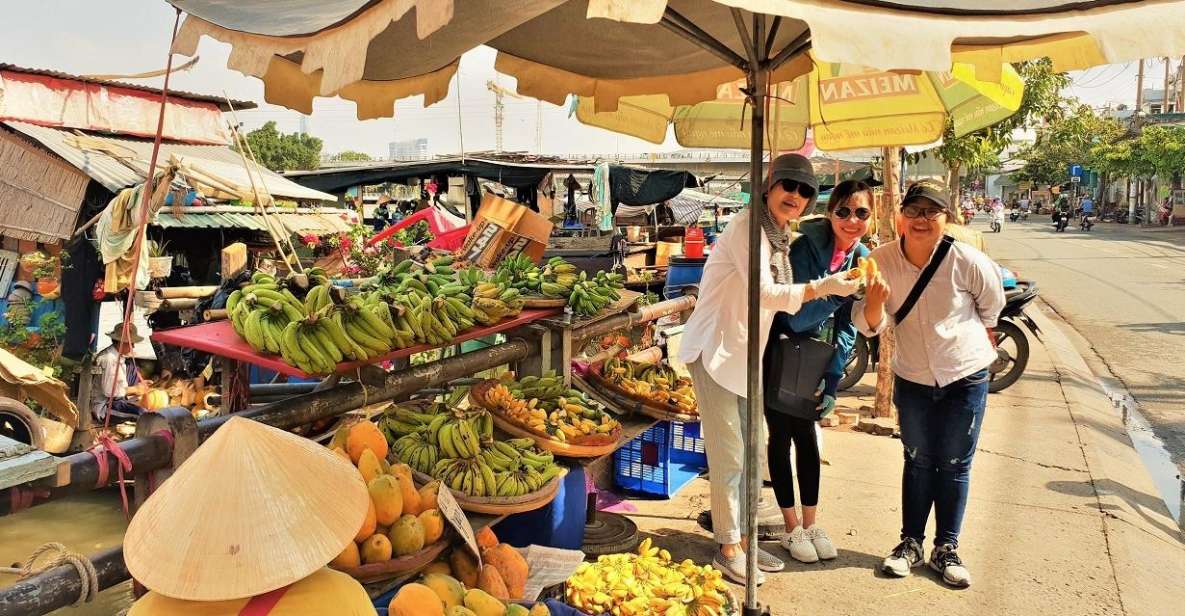
This is a short morning tour, and that makes pacing important. You’ll start in the morning with pickup, then spend the time moving between market areas by motorbike and exploring inside on foot.
The motorbike portion is a big part of why the tour stays within 2–4 hours. It also changes your perspective. You get brief stretches of fresh air on the back of the bike, and you’re not stuck in one pocket of the city. That helps you see the transition from more tourist-centered areas to places where shopping looks more local and less staged.
Once you’re on foot inside markets, the experience becomes more sensory and more interactive. This is where you’ll spot the special products that can be hard to identify from photos. It’s also where guides earn their keep, because they help you understand what you’re seeing and how the market operates as a system—who sells what, how items are grouped, and why certain goods appear where they do.
A practical note: sports shoes aren’t allowed. If you’re planning to do lots of walking in Vietnam, bring a non-sport option that’s comfortable enough for market floors. The ponchos are provided, and helmets are included, so you can focus on footwear and normal morning comfort.
Guides set the tone: flexible, fun, and safety-minded
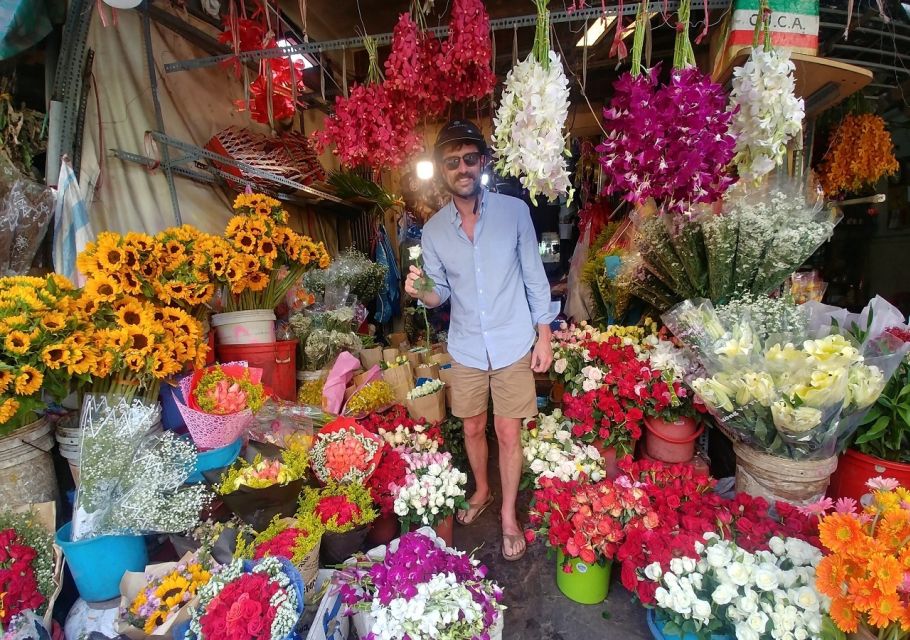
What makes this tour work best is the human factor. The guides are the bridge between your normal tourist pace and the market pace locals know.
Two guide names stand out in the experience you can expect from this operator: Vincent and Anh. Vincent’s style is upbeat and playful, and there’s a clear focus on safe driving through chaotic traffic. Anh’s approach feels personal and story-driven, with energy that makes the morning feel more like an adventure with a friend than a checklist.
One thing you’ll be glad for: the tour doesn’t lock you into a rigid script. Guides can adjust the route based on what you want, which means you can lean more into food, more into flowers, or more into electronics-type markets if that’s what catches your eye. That flexibility is especially valuable in a market setting, where weather, crowds, and what’s available can change quickly.
You’ll also get chances to meet locals in a natural way. It’s not staged. You’re simply in the flow where people are buying and selling, and the guide helps you get context so interactions feel respectful rather than awkward.
And if you’re nervous about motorbikes, the included helmets and ponchos help. The real confidence builder is how the guide drives—this tour is designed around doing it safely and staying aware of traffic patterns, not treating the bikes like a thrill ride.
Shopping smart in local markets without turning it stressful
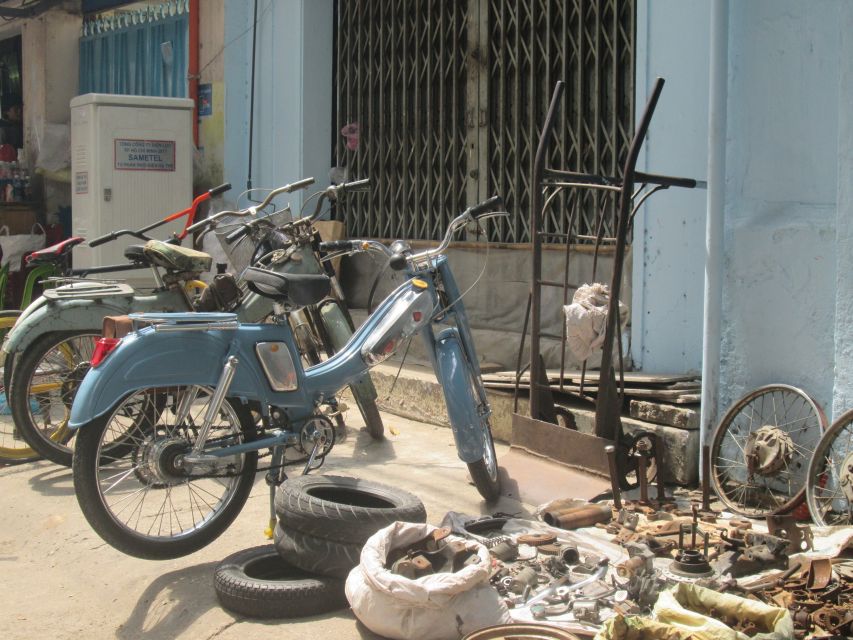
This tour is one of the easier ways to shop in Saigon because you’re not guessing where things come from. The guide-led flow helps you understand which stall type matches your curiosity—food goods versus household offerings versus specialty hardware—and you see the local logic for how items are sold.
You also get a rare advantage: the chance to buy at local prices. That doesn’t mean every vendor magically sells at the lowest possible number, but it does mean you’re shopping where locals shop, at hours when supply and demand feel normal, not inflated for tourists.
My advice: shop with a light hand the first time you see a new market category. Take 10 minutes to watch how people choose, how vendors describe items, and where customers gather. Then decide if you want to buy.
A small win: the tour includes a drink—coconut, coffee, or a local drink. It’s a simple touch, but it helps you slow down mid-morning without breaking the rhythm of the markets.
If you want souvenirs, focus on items that make sense as travel goods: practical edible items, small household products, or locally made goods that don’t require special packing. For bigger purchases, consider whether you can comfortably transport them back to your base.
You can also read our reviews of more tours and experiences in Ho Chi Minh City




Safety, comfort, and what to wear for motorbike mornings
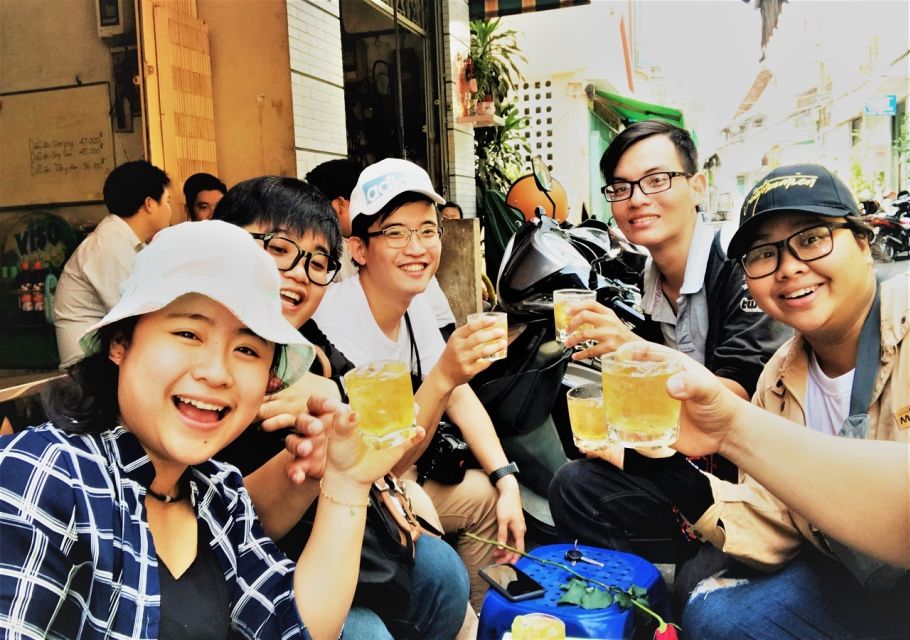
Motorbike tours can either feel smooth or stressful. This one is set up to reduce the hassle. You get the key safety gear: helmets and ponchos. That helps with both comfort and weather readiness, since mornings can still bring mist or sudden rain.
You should still plan for the realities of Saigon streets. Even in a morning tour format, traffic can be intense. This is why the guide’s driving style matters so much. When the guide treats the road seriously, the whole experience feels calmer, and you can focus on the markets instead of worrying about the ride.
Wear rule-wise, remember the operator doesn’t allow sports shoes. Choose something practical for walking and flexible enough for short stops. Also, bring a mindset that this is an active morning—knees and ankles get a workout when you’re weaving through market lanes.
If you get motion sick easily, consider taking it steady: sit stable, keep your gaze forward, and avoid staring down at your phone during the ride segments.
Price and value: why $16 can work (if you like markets)
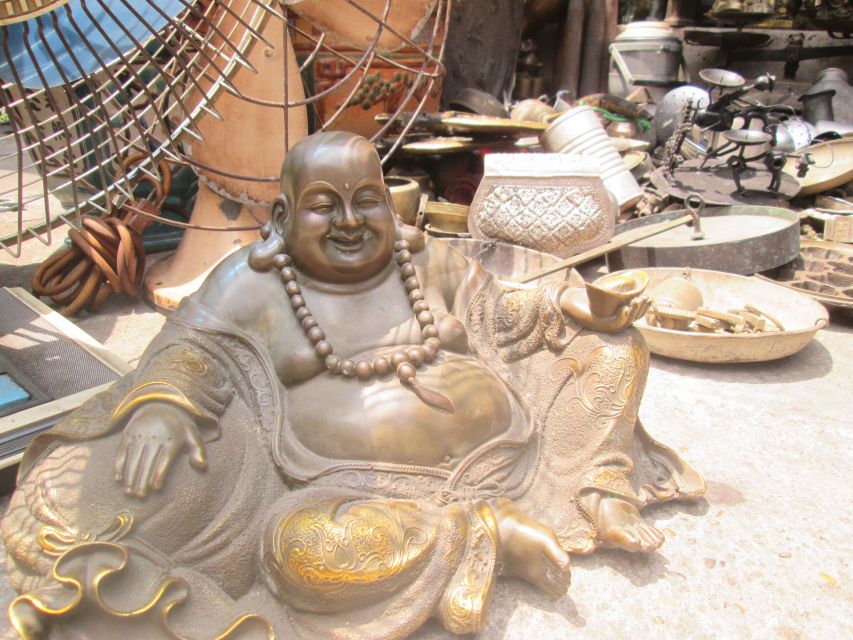
At $16 per person, this tour prices itself for people who want a lot of market time without a big budget. The value isn’t just the sightseeing. It’s what’s included and what it replaces.
Your ticket covers:
- Hotel pickup and drop-off within Districts 1, 3, and 4
- A local guide in English
- Motorbikes, helmets, and ponchos
- Photos
- Travel insurance
- A small gift
- One drink (coconut, coffee, or a local drink)
That bundle is what makes the price feel fair. You’re getting transport support, safety gear, and guided context, plus the small extras that keep your morning comfortable.
If you’re thinking, is it worth it compared to a DIY walk? My take: it’s worth it if you want variety and efficiency. Markets are not always obvious to navigate, and the motorbike legs help you sample multiple market categories in a short morning window.
If you’re the kind of person who likes to linger in one place for hours and hates crowds, you might find this format a bit too structured. But for most market lovers, the mix of walking and riding is the sweet spot.
Extra options if you want to switch the style
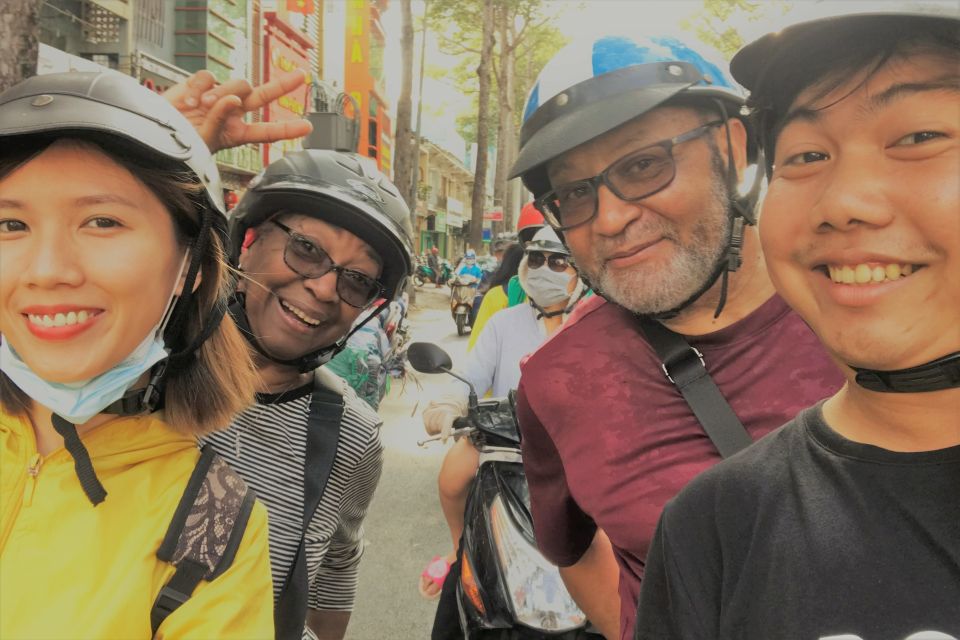
If you’re traveling in a group or prefer a different mode of transport, there are options.
You can upgrade for a Female Ao Dai Rider experience for an extra $10 per person. There’s also the chance to use a car instead of motorbikes, with two vehicle options listed:
- A 7-seat car surcharge of $50
- A 16-seat van surcharge of $70
These upgrades should be booked ahead (the operator notes the car/van option should be booked before 24 hours). On public holidays in Vietnam, surcharges can apply, so it’s worth checking your date if you’re traveling around major festival periods.
Also, pickup free service is tied to Districts 1, 3, and 4 or a meeting point. If your hotel is outside those areas, expect an extra charge on the day. If you want to avoid surprises, line up your pickup details early.
Who this Saigon morning market tour is best for
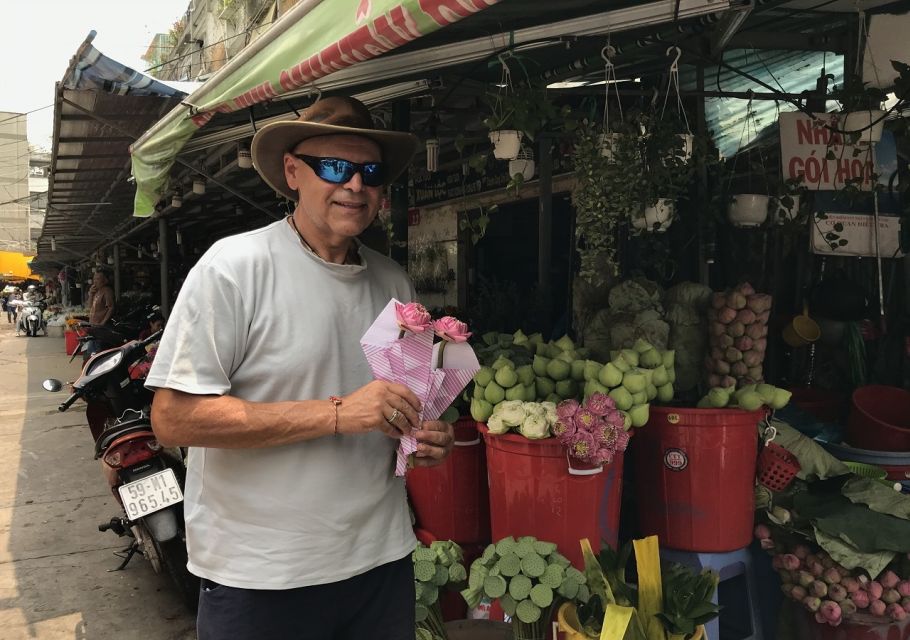
This tour fits best when you want more than one market stop and you’re curious about how different parts of Saigon shop and sell. It’s also great if you like street-level context: food supply, household goods, repair culture, and specialty trading.
You’ll enjoy it if:
- You like markets and want variety, including food, flowers, lanterns, and medicine-type stalls
- You’re comfortable riding a motorbike with safety gear
- You appreciate a guide who can adjust to your interests
- You want a short, well-paced morning activity that still feels like real life
You might want to skip or choose a different option if:
- You’re not comfortable around animal markets
- You have mobility issues for walking segments
- You strongly prefer staying in one calm area rather than moving across neighborhoods early in the morning
Should you book this tour?
Book it if you want a fast, guided way to understand Saigon beyond the iconic center. The big wins are the variety of markets, the chance to shop with a guide’s support, and the practical format that uses motorbikes to cover more ground in a short morning.
Skip it if you hate sensory intensity or you’d rather spend your time in a single market at a slower pace. And do check the sports shoes rule before you show up.
If your morning priority is seeing how Saigon really works—food, flowers, lanterns, and the city’s repair-and-supply culture—this is one of the most efficient ways to get that picture in 2–4 hours.
FAQ
What does the tour cost?
The tour price is $16 per person.
How long is the Saigon morning markets tour?
It lasts 2 to 4 hours.
What time does pickup happen?
Pickup is scheduled for 8:00 AM, and you should be at your hotel lobby about 5 minutes before the tour starts.
Where do you offer free hotel pickup?
Free hotel pickup is included for hotels in Districts 1, 3, and 4. If you’re outside those areas, you may need to use the meeting point or pay a surcharge.
What’s the meeting point if I’m not in the free pickup districts?
The meeting point listed is 212 Lê Lai, Phường Phạm Ngũ Lão, Quận 1, Hồ Chí Minh.
Is the tour guide English-speaking?
Yes, the tour has an English live tour guide.
What’s included in the price?
Inclusions include local guides, motorbikes, helmets, and ponchos, photos, travel insurance, a small gift, and one drink (coconut, coffee, or a local drink), plus free hotel pickup and drop-off within the included districts.
Are there any clothing or footwear rules?
Sports shoes are not allowed.
Can I upgrade the tour with a car or Ao Dai rider?
Yes. You can upgrade for a Female Ao Dai Rider for an extra $10 per person. The operator can also provide a car, with surcharges of $50 for a 7-seat car or $70 for a 16-seat van.
Can I get a refund if plans change?
Yes. The tour offers free cancellation up to 24 hours in advance for a full refund, and you can also choose reserve now & pay later.