REVIEW · HO CHI MINH CITY
Ho Chi Minh City: Fun and Easy Coffee Workshop for Beginners
Book on GetYourGuide →Operated by Lacàph Coffee Experiences · Bookable on GetYourGuide
Coffee lessons beat guessing every time.
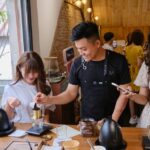
In Ho Chi Minh City, this 90-minute workshop is a simple, hands-on way to learn Vietnamese coffee with a real phin microfilter brewer. I like how the instructors (names you might see include Ny or Quan) guide you step by step in plain English, mixing brewing technique with the story behind what you’re making. You’re not just tasting. You’re learning the method.
Two things I really love: first, you make three distinct drinks, not one. You’ll go from milk coffee to salted coffee to a yogurt-and-honey style drink, so you leave with variety and confidence. Second, the class format is beginner-friendly, with clear instruction and time to ask questions, which makes the whole experience feel less intimidating.
One consideration: this is not dairy-light. If you have lactose intolerance (or you’re vegan), this one likely won’t work for you. It’s also not suitable for a long list of health or mobility needs, so double-check before you book.
In This Review
- Why This 90-Minute Coffee Workshop Works for Beginners
- Bạc Xỉu Basics: Brewing Milk-Coffee with a Phin Microfilter
- Cà Phê Muối Salted Coffee: The Sweet-Salty Caramel Lesson from Huế
- Phin Con Panna: Yogurt, Cream, and Coffee-Blossom Honey
- The Bánh Mì Pairing: How to Dip Bread into Coffee
- Group Size, Instructors, and What the Lesson Feels Like
- Logistics in District 1: Finding the Correct Lacàph Location
- Price and Value: What You Get for $23 (and What Might Not Fit)
- Should You Book This Vietnamese Coffee Workshop?
- FAQ
- How long is the Vietnamese coffee workshop in Ho Chi Minh City?
- How much does it cost?
- Where is the meeting point for this experience?
- What coffee types will I make during the lesson?
- What is included besides coffee?
- Are the instructors available in English?
- Is hotel transfer included?
- Is there free cancellation?
- Is there parking near the venue?
Why This 90-Minute Coffee Workshop Works for Beginners
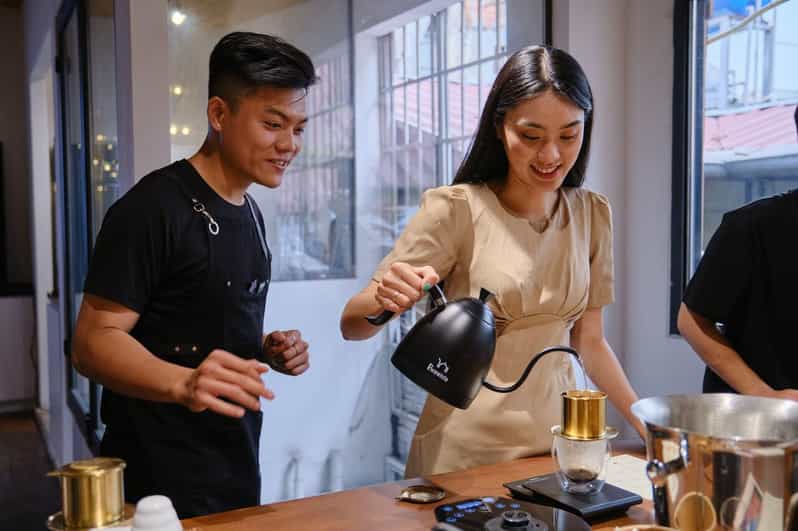
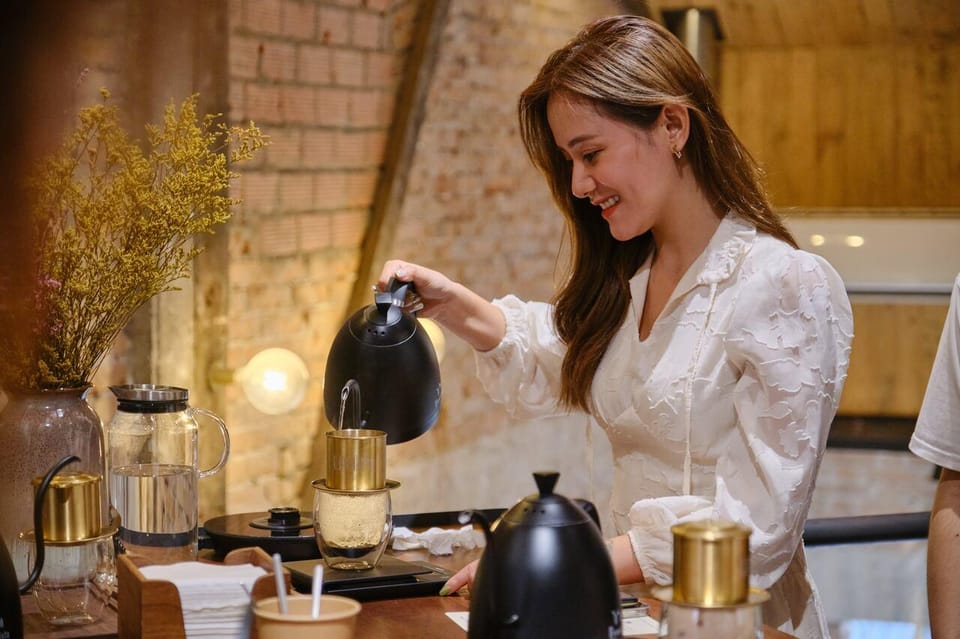
This workshop is designed for people who don’t want to feel lost at a café counter. You start with the basics of Vietnamese brewing using a phin microfilter. That matters, because Vietnamese coffee has a specific texture and strength that comes from slow drip extraction, not quick espresso-style pressure.
You’ll also be guided through the “why,” not just the “how.” The class explains what makes each drink different and where the flavors come from, including the famous salted coffee style linked to Huế. For me, that’s the difference between a good tasting and a useful lesson: you understand what you’re doing, so you can repeat it later.
Timing helps too. Ninety minutes is long enough to learn techniques and make three drinks, but short enough that you can fit it between city walks. There’s also no hotel transfer included, so it’s best if you enjoy navigating on your own or using a quick ride.
Bạc Xỉu Basics: Brewing Milk-Coffee with a Phin Microfilter

The workshop usually begins with Bạc Xỉu, a classic milk-and-coffee blend you’ll see all over Vietnam. Expect to smell freshly roasted beans first, then set up the phin microfilter and learn how the brewer affects flow and strength.
What you’re practicing here is control. Vietnamese coffee can taste either balanced or harsh depending on how the brewing is handled—water amount, timing, and how you let that slow drip work. Since this is aimed at beginners, you’re taught the steps in a straightforward way, with your instructor watching and helping you correct what matters most.
Bạc Xỉu is also a smart first drink for new coffee makers because milk smooths out edges. If you’re still learning, that makes it more forgiving. You get to focus on the brewing mechanics first, then enjoy the result as coffee mixed with milk.
And yes, it’s not only pouring. You learn a local method, using equipment you can later recognize and recreate.
You can also read our reviews of more city tours in Ho Chi Minh City

Cà Phê Muối Salted Coffee: The Sweet-Salty Caramel Lesson from Huế
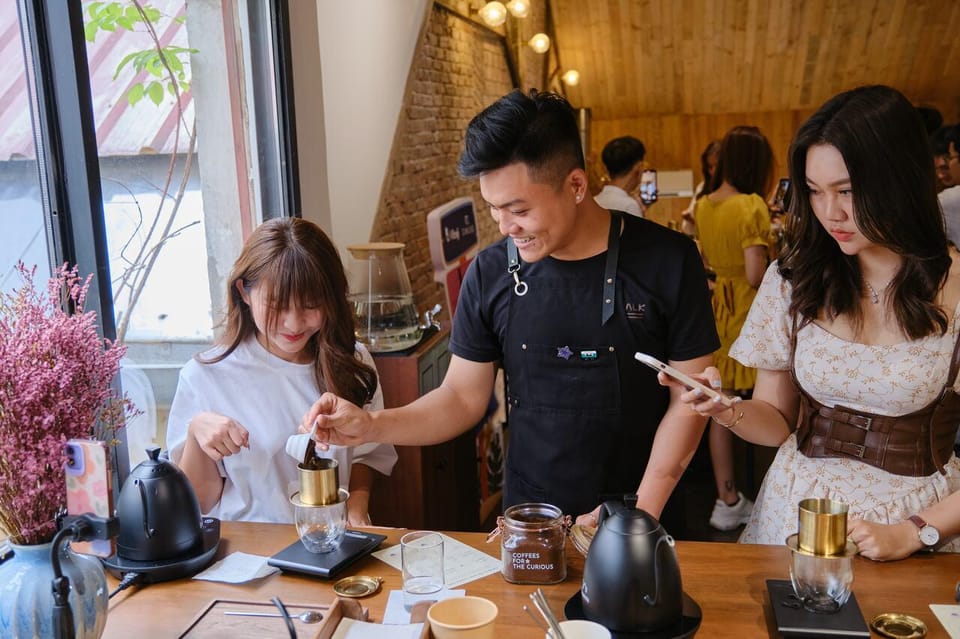
Next comes Cà Phê Muối, a salted coffee known for its caramel-leaning flavor profile. The salted element is the point of the lesson: it changes how the coffee tastes, often turning bitterness into something that feels deeper and more rounded.
From a beginner perspective, this is one of the most interesting steps. If you’ve only ever had coffee as straight black coffee, salt coffee can sound weird—then you try it and suddenly it makes sense. That’s exactly why it’s taught here: you learn the concept, then taste the difference immediately.
You also get the story component, including the connection to Huế. That context helps you remember what you’re making and why it exists, instead of treating it like a random novelty drink.
When the class is done well, salted coffee is the moment you realize Vietnamese coffee isn’t one style. It’s a whole set of approaches to flavor, and salt is one of the clever tools.
Phin Con Panna: Yogurt, Cream, and Coffee-Blossom Honey
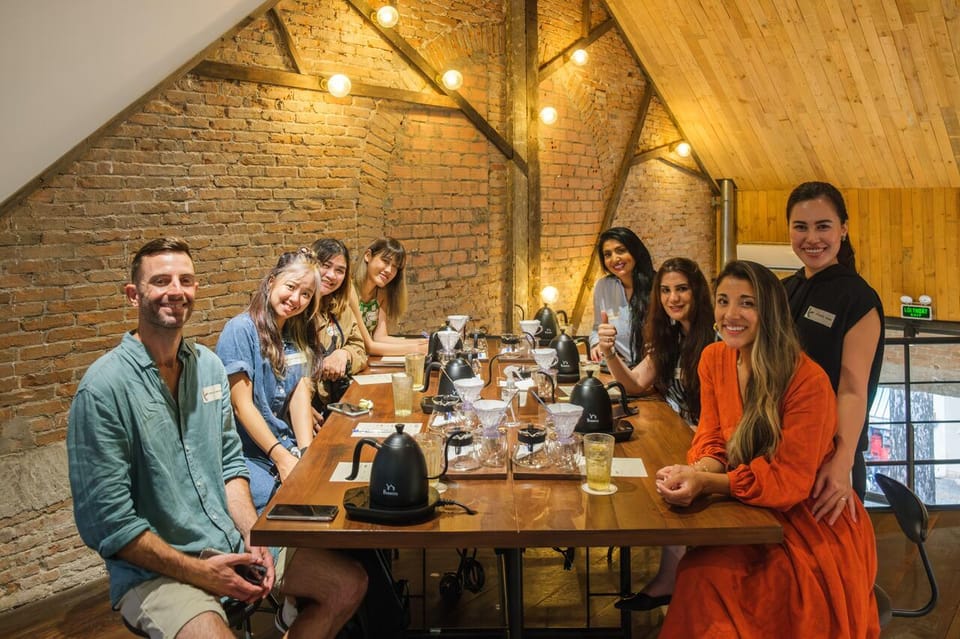
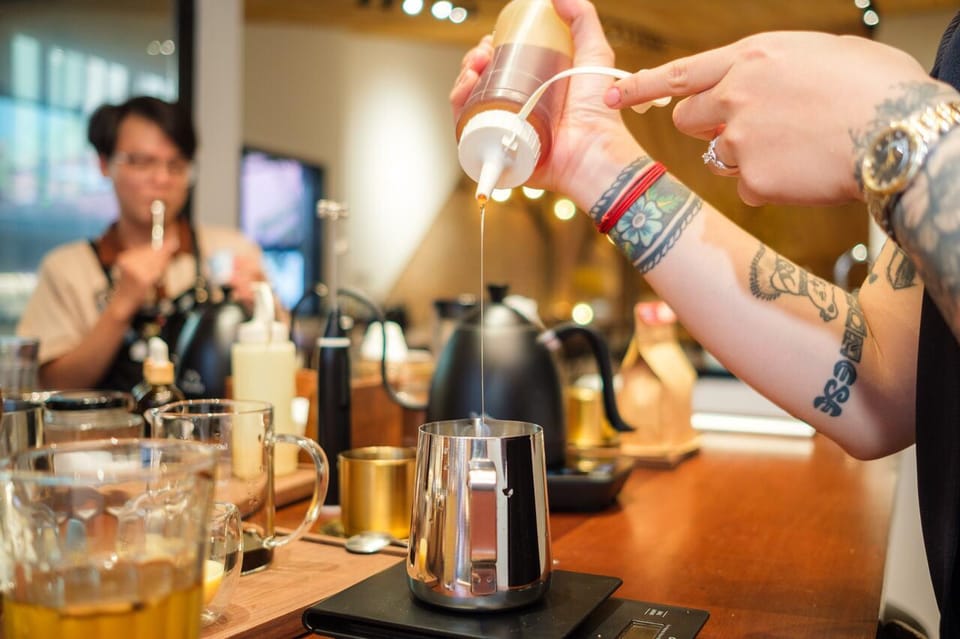
After the salted coffee, you shift to Phin Con Panna, a distinctive mix of yogurt, cream, and raw coffee blossom honey. This is where the workshop feels especially “Vietnam,” because the flavor isn’t just about roasting strength. It’s about balance—creamy texture, mild tang, and sweet aroma from the honey.
For beginners, this part helps you understand that Vietnamese coffee drinks aren’t always just “coffee + milk.” Sometimes the coffee is built into a dessert-like drink structure. You’ll follow the instructor’s steps and build the drink in the same way you’d order it, then learn how the ingredients interact.
You’ll also get practice with the overall workflow: set up, brew, combine, and taste. That repetition is why three drinks in 90 minutes is a good format. You don’t just collect three recipes. You build the habits that make recipes work.
If you like sweet-creamy drinks, this one is usually the crowd-pleaser.
The Bánh Mì Pairing: How to Dip Bread into Coffee
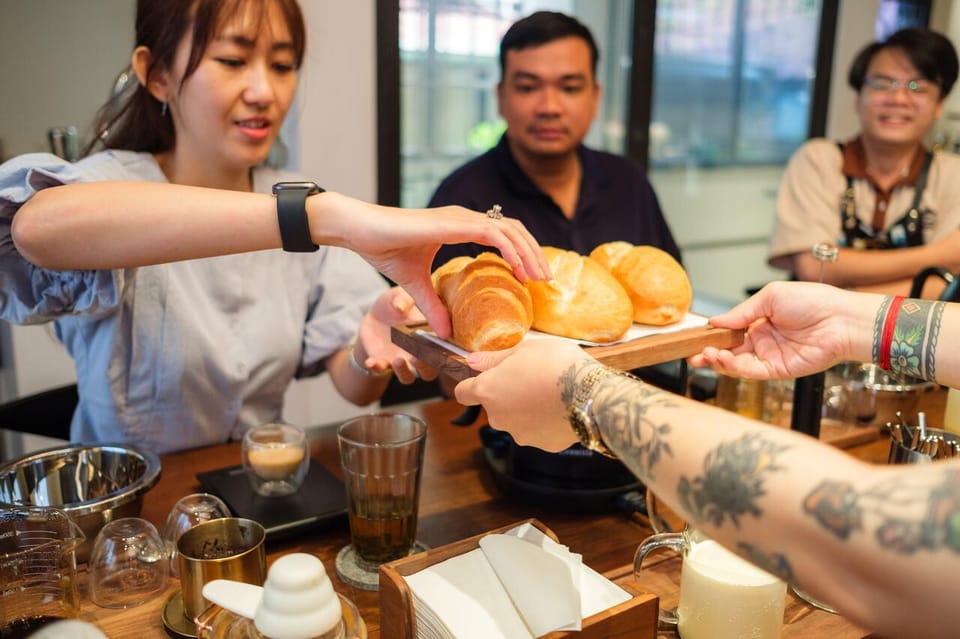
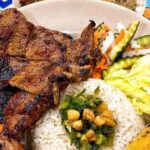
The finale blends coffee with a classic Vietnamese bite: Bánh Mì. Instead of treating food as an afterthought, the class ends with a pairing that makes sense locally—coffee is part of the snack rhythm, not separate from it.
You’ll use the dessert bread with the coffee, including honey and yogurt. The goal is simple: experience the contrast of warm, crusty bread with coffee flavors that move from creamy to salty-sweet depending on the drink you’re tasting.
This is a small detail, but it’s a practical one. If you’ve been eating around Ho Chi Minh City, you’ll recognize that local cafés often turn meals into experiences. This workshop ends in that same spirit: you leave with coffee knowledge and a food pairing you can repeat.
You’ll also likely find the venue sells coffee items you can take home, which makes this a good “learn now, buy later” stop.
Group Size, Instructors, and What the Lesson Feels Like
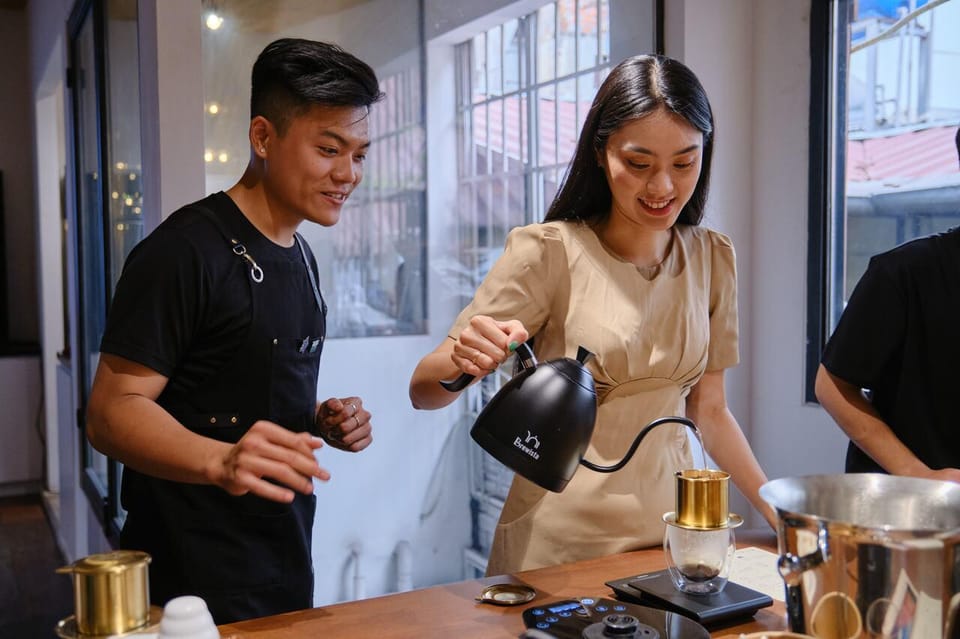
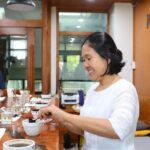
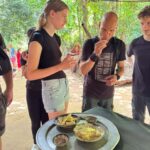
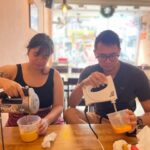
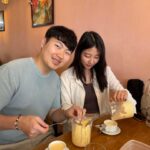
The best reviews point to a consistent theme: instruction that feels patient and personal. Many people highlight that groups are small enough to ask questions and get answers during the brewing process, not after the fact. That’s huge for beginners, because the most common mistake is messing up a step and then feeling stuck.
Instructors teach in English and Vietnamese, so you’re not relying on gestures alone. You may hear names like Ny, Quan, Joey, Sierra, Truc, or Vi tied to different sessions, and the key takeaway is the same: clear guidance plus room to ask why something tastes a certain way.
The teaching style also tends to use visual background (slides or images/videos) so you get the story without needing to read a book. For a short, hands-on class, that’s a smart way to keep things moving.
If you’re the kind of traveler who likes practical skills, this is the kind of workshop that actually gives you something to do again at home.
You can also read our reviews of more tours and experiences in Ho Chi Minh City

Logistics in District 1: Finding the Correct Lacàph Location
Lacàph has two locations in Ho Chi Minh City, so don’t assume you can show up anywhere. Your experience is held at the Lacàph Coffee Experience space at 220 Nguyễn Công Trứ, District 1.
There’s no hotel transfer included, so you’ll want to plan your own route. This is easy if you’re using Grab or walking part of the way, but do check traffic in the center of District 1.
Parking is the other practical detail. Motorbike parking is in the basement of building 57 Phó Đức Chính street. Car parking is available at 8 Tôn Thất Đạm street. The important note: these parking lots are not operated by Lacàph, so you’re using them as public access rather than a dedicated workshop lot.
Quick tip: arrive a few minutes early so you can get oriented, especially since there are two locations.
Price and Value: What You Get for $23 (and What Might Not Fit)
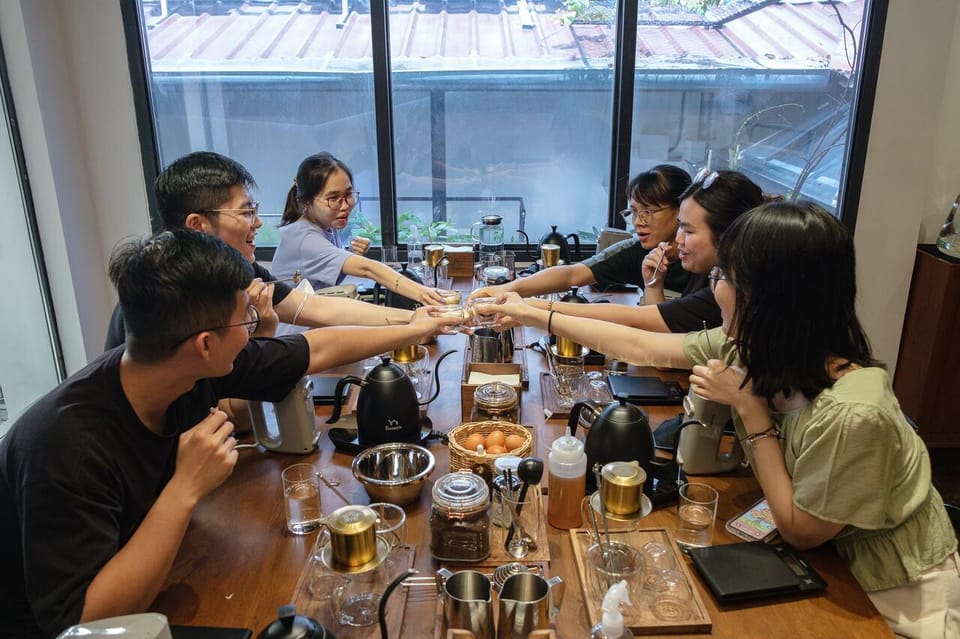
At $23 per person for a 90-minute session, you’re paying for more than a drink. You’re paying for instruction, brewing equipment guidance, and three coffee styles plus a Bánh Mì dessert. That adds up fast if you compare it to buying multiple café drinks over time and not learning the method behind them.
You also get something most food and drink experiences skip: technique practice. By making Bạc Xỉu, Cà Phê Muối, and Phin Con Panna, you end up with a mental map of how Vietnamese coffee shifts flavor using dairy, salt, and sweet aromatics.
Still, it’s not for everyone. This experience is not suitable for:
- Pregnant women
- People with heart problems or high blood pressure
- Wheelchair users
- Vegans and people with lactose intolerance
- People with gluten intolerance
- Children under 18
If any of those apply, skip it for health or dietary reasons.
Also, one small note: the class can feel more about learning and tasting than drinking a massive amount. If you want a coffee binge, you might find the portions modest—but you’ll leave with recipes you can recreate.
Should You Book This Vietnamese Coffee Workshop?
If you want a friendly, low-stress introduction to Vietnamese coffee, I’d book it. The 90-minute timing, three drink lineup, and step-by-step instruction make it feel doable even if you’re a first-time coffee person.
Skip it only if you’re dealing with lactose or gluten issues, vegan restrictions, or health limits listed by the operator. If you’re within the acceptable range, this is one of those Ho Chi Minh City activities that turns a basic café curiosity into a skill you can actually use later.
FAQ

How long is the Vietnamese coffee workshop in Ho Chi Minh City?
The workshop lasts 90 minutes.
How much does it cost?
It costs $23 per person.
Where is the meeting point for this experience?
It’s held at Lacàph Coffee Experiences Space, 220 Nguyễn Công Trứ, District 1.
What coffee types will I make during the lesson?
You’ll make three types of Vietnamese coffee: Bạc Xỉu, Cà Phê Muối, and Phin Con Panna.
What is included besides coffee?
You’ll also make and enjoy a Vietnamese twist with Bánh Mì as part of the experience.
Are the instructors available in English?
Yes, the instructor teaches in English and Vietnamese.
Is hotel transfer included?
No, hotel transfer is not included.
Is there free cancellation?
Yes. You can cancel up to 24 hours in advance for a full refund.
Is there parking near the venue?
Motorbike parking is in the basement of building 57 Phó Đức Chính street, and car parking is available at 8 Tôn Thất Đạm street. Parking lots are not operated by Lacàph.