REVIEW · HO CHI MINH CITY
Hands-on Discovery of Vietnamese Coffee & Culture
Book on GetYourGuide →Operated by Lacàph Coffee Experiences · Bookable on GetYourGuide
Coffee tells the story of Vietnam. This 150-minute Lacàph workshop in District 1 mixes hands-on brewing, a roasting demo, and short culture videos that explain why coffee matters here.
I especially like the fact that you brew two different Lacàph blends yourself, not just watch. You also get the sensory moment of a small-batch roast—crackles, aromas, and the step-by-step logic behind what ends up in your cup. One consideration: the location involves stairs, and it’s not suitable for wheelchair users.
In This Review
- Key things you’ll notice right away
- Finding Lacàph in District 1: the easy part is where to start
- What happens in 150 minutes: from first scent to two finished cups
- Brewing Vietnamese coffee the practical way: phin microfilter plus filter coffee
- Filter coffee: Lacàph Filter Blend + bánh đậu xanh
- Phin coffee: Lacàph Microfilter Phin Brewer + Lacàph Phin Blend
- Watching a small-batch roast: the crackle moment you’ll remember
- The Vietnamese coffee culture piece: stories from Hà Nội, Đà Lạt, and Chợ Lớn
- Coffee guides that make it click: Vi and Giao’s role in the experience
- Price and value: why $30 for 150 minutes can make sense
- Location and pacing tips: how to get the most out of the session
- Who should book this, and who might pass
- Should you book Lacàph Vietnamese Coffee & Culture?
- FAQ
- How long is the Vietnamese coffee workshop?
- How much does it cost?
- What’s included in the experience?
- What languages are available?
- Where is the meeting point?
- Is free cancellation available?
- Is it wheelchair accessible? Are pets allowed?
Key things you’ll notice right away
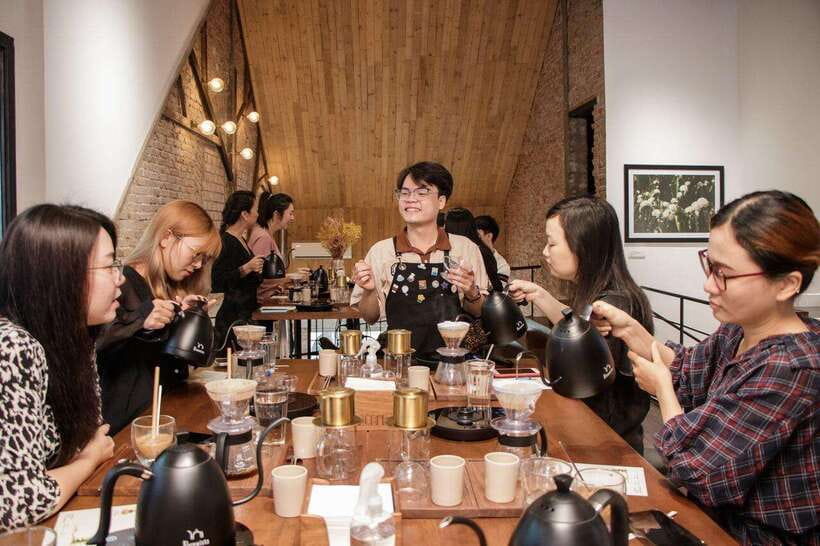
- Hands-on brewing of two Lacàph blends using simple methods you can repeat at home
- Roasting demo for the Lacàph Phin Blend, including the sound and smell of the process
- Two styles of coffee: filter coffee plus phin microfilter-style coffee
- Included Vietnamese sweets paired directly with what you’re drinking
- Culture mini-documentary format showing stories from Hà Nội, Đà Lạt, and Chợ Lớn
Finding Lacàph in District 1: the easy part is where to start

You’re meeting at Lacàph in an upper floor of an older building, tucked at 220 Nguyễn Công Trứ in District 1 (Nguyễn Thái Bình Ward). The entrance has a quirky detail: look for the small sign out front near a purple iron door.
Once you step in, you climb the stairs. When you reach the top, take a sharp left—that’s where the workshop space is. If you’re arriving early, don’t worry about “perfect timing”; just give yourself a few minutes to find the stairs and settle in before the first coffee steps start.
You can also read our reviews of more tours and experiences in Ho Chi Minh City
What happens in 150 minutes: from first scent to two finished cups
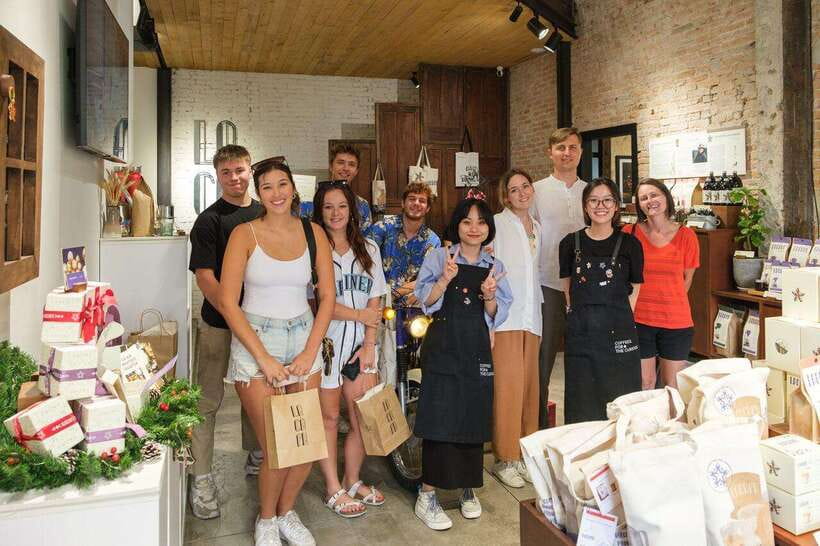
This is not a sit-and-listen session. The workshop moves in a tight flow over about 150 minutes, built around a multi-sensory start, then hands-on brewing, then roasting, then food and short documentary-style culture segments.
You begin with a guided experiment that focuses on how coffee changes depending on how you brew it. The point isn’t complicated theory—it’s teaching you what to pay attention to: smell, flow, strength, and how the same coffee world can taste different with small method changes.
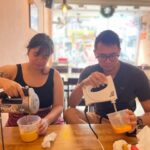
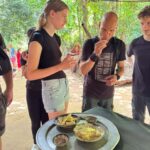
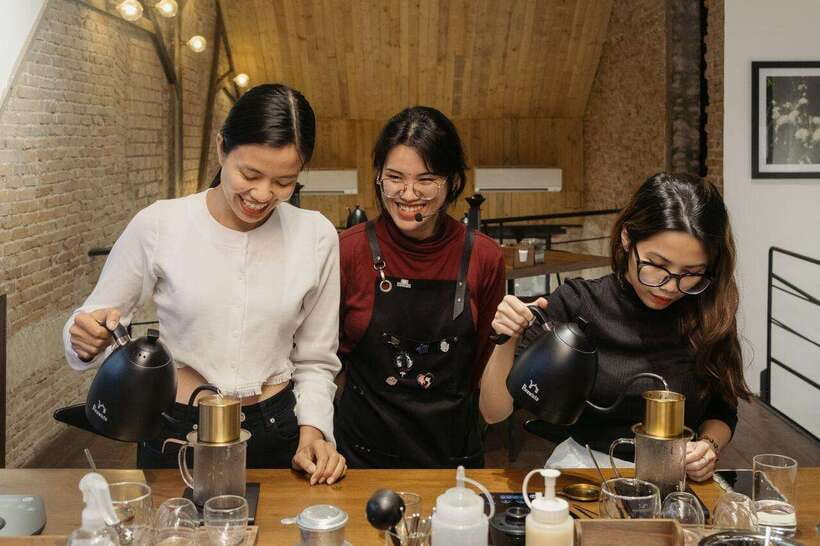
Then you get into the main activity: brewing two Lacàph blends. The guides walk you through the mechanics, and you’re not left guessing on the spot. Even if you’ve never brewed Vietnamese coffee before, the structure is designed to help you get it right without a steep learning curve.
Brewing Vietnamese coffee the practical way: phin microfilter plus filter coffee

The “core skill” here is how Vietnamese coffee can be made with straightforward tools, and how method changes the final cup. You’ll brew two styles using only Vietnamese coffee beans, and you’ll do it with equipment that’s meant to be replicable later at home.
Filter coffee: Lacàph Filter Blend + bánh đậu xanh
First up is filter coffee with the Lacàph Filter Blend, paired with a Vietnamese sweet called Bánh Đậu Xanh (mung bean cake). This pairing matters more than it sounds. Mung bean is softly sweet and nutty, which can make the coffee’s roast notes feel smoother and more rounded instead of harsh.
If you’re the type who wants to understand food pairing without getting lost in fancy language, this part is a good lesson. You taste a coffee style, then you taste a local sweet that makes sense with it.
Phin coffee: Lacàph Microfilter Phin Brewer + Lacàph Phin Blend
Next comes the signature tool: the Lacàph Microfilter Phin Brewer using the Lacàph Phin Blend. The phin approach is part of everyday life in Vietnam, and the workshop explains it in a way that helps you understand what’s happening as it drips and concentrates.
You’ll also get a contemporary pairing here: cocoa-coated cashews alongside the phin coffee. That snack choice is smart. Cocoa adds chocolate warmth and fat, which can handle the stronger body that phin coffee tends to bring.
You can also read our reviews of more tours and experiences in Ho Chi Minh City





Watching a small-batch roast: the crackle moment you’ll remember
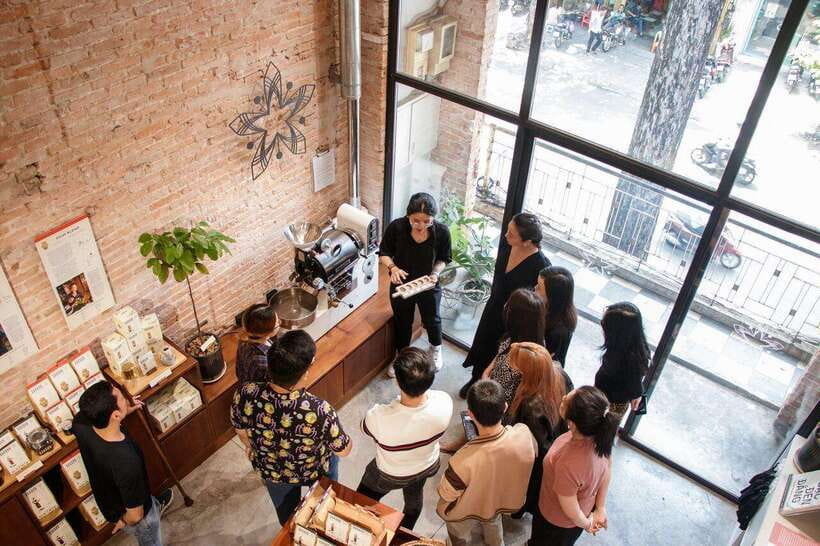
One of the most memorable parts is the roasting demo for Lacàph Phin Blend. You don’t just hear that roasting matters—you get the sound and the aroma cues that seasoned coffee people recognize right away.
Roasting is one of those topics where most tours give you vague answers. Here, the demo is built around the sensory side: listening for the crackling, smelling how roast profiles develop, and seeing that there’s a craft behind what ends up in the cup.
If you care about getting better coffee at home, this is where you start thinking in process, not just product. Even if you never roast beans yourself, you’ll understand why “freshness” and roast level aren’t marketing buzzwords.
The Vietnamese coffee culture piece: stories from Hà Nội, Đà Lạt, and Chợ Lớn
Coffee in Việt Nam is more than a drink. It’s tied to the people who grow it, the communities who roast and brew it, and the daily rhythms of streetside life.
The workshop uses an in-house mini-documentary series with videos that connect coffee to real human stories. The route goes from Hà Nội to Đà Lạt, then over to Chợ Lớn (in Sài Gòn). You get context for why Vietnamese coffee has its own character—shaped by local growing, local roasting habits, and local brewing culture.
This part also helps you make sense of what you’re tasting. When you understand a bit of the farmer and community story behind the beans, the coffee stops being just a flavor and becomes a route you can follow through the country.
Coffee guides that make it click: Vi and Giao’s role in the experience

The workshop runs on more than equipment. It runs on the way the Coffee Guides teach you to notice small details.
In particular, Vi is highlighted as a trainer who made the session feel hands-on and easy to follow. Giao is another name you’ll hear around the space, described as energetic and enthusiastic, which matters because it keeps the pace from feeling stiff.
If you’re worried about being a beginner, that’s usually the exact moment you need a guide who can explain clearly while still keeping you moving. This workshop is built for that.
Price and value: why $30 for 150 minutes can make sense
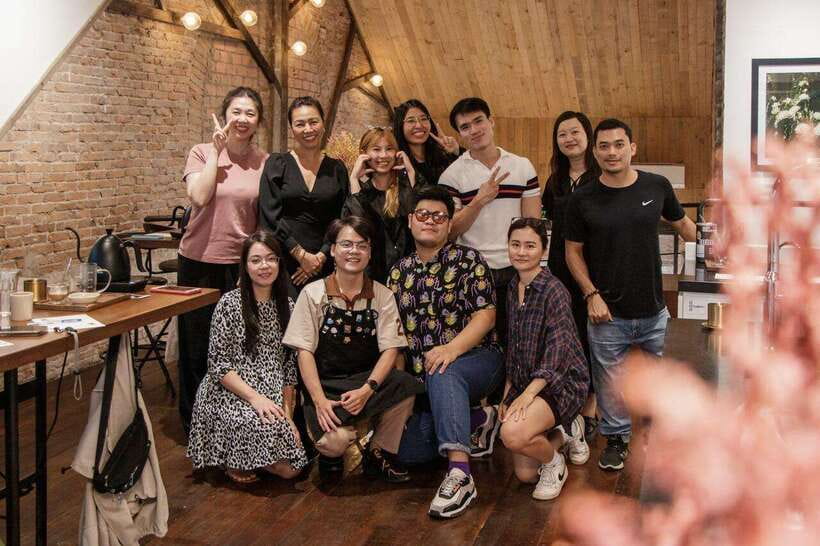
At $30 per person for about 150 minutes, this isn’t just a quick tasting stop. You’re paying for multiple included elements: two brewing sessions, coffee and sweet pairings, a small-batch roasting demo, plus the cultural video content that ties everything together.
The value is strongest if you want the “how,” not only the “taste.” Watching coffee get brewed is fine, but you’ll get more out of the experience if you care about repeating it later—especially since the brewing methods are described as simple enough to do at home.
If you only want a casual caffeine hit, you could find a cheaper coffee elsewhere. But if you want to learn a local brewing style and take the lessons home, the time and included items justify the cost.
Location and pacing tips: how to get the most out of the session
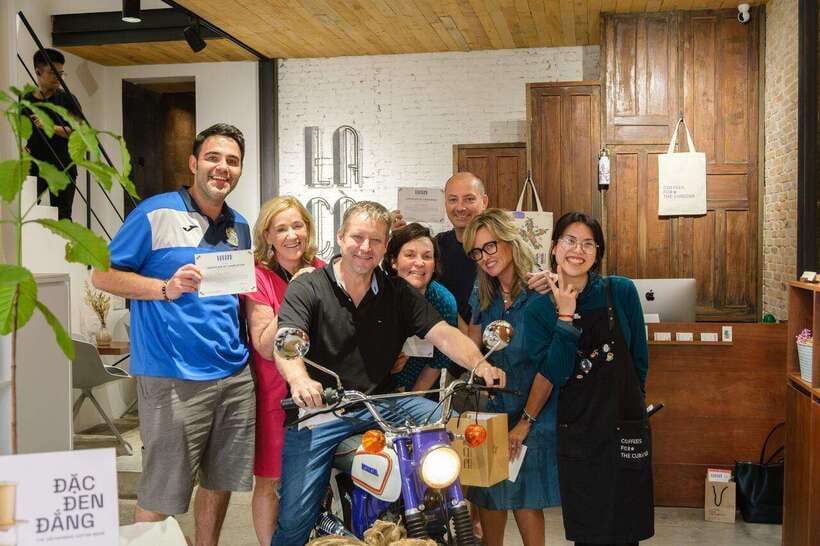
Because you’re working through steps—brewing, tasting, pairing, roasting visuals—show up ready to focus for a little over two hours. It helps to have a calm mindset about timing; the workshop is designed to feel scheduled without being rigid.
Also, since you’ll be tasting coffee and sweets, pace your sips. You’ll get better results when you pay attention to changes between filter coffee and phin coffee. This is where you learn what you actually like.
Finally, wear shoes that handle stairs. It’s not a long walk, but the access to the upper floor is part of the meeting point reality.
Who should book this, and who might pass
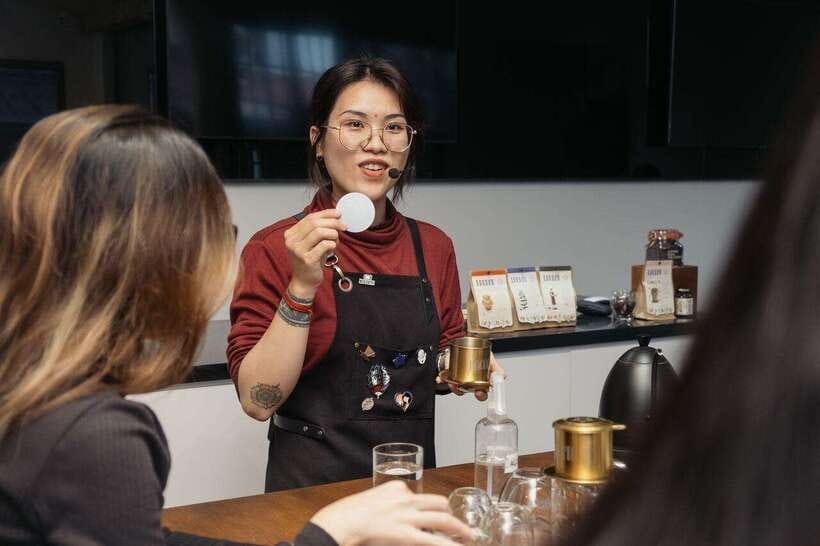
I think this workshop fits best if you fall into one of these buckets:
- You’re new to coffee and want a guided start without feeling overwhelmed
- You’re curious about Vietnamese everyday culture through something practical
- You want a souvenir you can make at home: two brew styles and pairing ideas
It may be less ideal if:
- You need wheelchair access, since it’s not suitable for wheelchair users
- You’re traveling with pets, since pets aren’t allowed
Should you book Lacàph Vietnamese Coffee & Culture?
If you’re in Ho Chi Minh City and you like hands-on learning that ends with something you can sip, I’d book it. The workshop gives you a full package: two blends, roasting sensory moments, included sweets, and the story threads that connect coffee to Vietnam.
Skip it only if you want something purely passive or very short. This is for people who enjoy doing, tasting, and walking away with a clearer idea of how Vietnamese coffee works—cup by cup.
FAQ
How long is the Vietnamese coffee workshop?
The duration is 150 minutes.
How much does it cost?
The price is $30 per person.
What’s included in the experience?
It includes filter coffee with Lacàph Filter Blend and Bánh Đậu Xanh, a small-batch roasting demo of Lacàph Phin Blend, and phin coffee made with the Lacàph Microfilter Phin Brewer, plus cocoa coated cashews.
What languages are available?
The instructor speaks English and Vietnamese.
Where is the meeting point?
You’ll meet at Lacàph at 220 Nguyễn Công Trứ, Nguyễn Thái Bình Ward, District 1. Look for the sign in front of a purple iron door, go up the stairs, then take a sharp left when you reach the top.
Is free cancellation available?
Yes. You can cancel up to 24 hours in advance for a full refund.
Is it wheelchair accessible? Are pets allowed?
It’s not suitable for wheelchair users, and pets are not allowed.
If you want, tell me your travel dates and whether you’re aiming for beginner-friendly coffee learning or more of a cultural storytelling session. I’ll help you decide what time slot makes the most sense.