REVIEW · HO CHI MINH CITY
Full Day Experience Cu Chi Tunnels By Bikes.
Book on Viator →Operated by Countryside Adventures · Bookable on Viator
Cycling to Cu Chi feels wonderfully off-script. This is a full-day ride out of Ho Chi Minh City that mixes flat, quiet rural lanes with rubber plantations before you explore the Cu Chi Tunnels and the war-era tunnel network. I love that the bike distance is adjustable to your comfort level, and I also like that lunch and tunnel admission are built in. The main consideration: it’s a long day for moderate fitness, and the tunnels are narrow, so you’ll want to be okay with crouching and squeezing.
You start early with hotel pickup and private transport, so the morning stays practical instead of stressful. You also get proper cycling support—Trek/Giant multi-gear bikes plus helmets, guided the whole way—so you’re free to focus on the ride, not logistics. And because it’s capped at a small group (up to 10), the day feels more personal than a cattle-call excursion.
If your ideal Vietnam day includes real daily life outside the center, this format works. You’ll pedal past village scenes, possible farm animals, and rice paper production stops when they fit the route, then finish with the tunnels. Just plan for heat, dust, and the fact that this is history you’ll physically experience underground, not just read about.
In This Review
- Key Highlights That Matter Before You Go
- A Full-Day Bike Ride Out of Ho Chi Minh City
- How the Morning Transfer and Bike Route Really Works
- Rubber Plantation Country: The Ride’s Visual Payoff
- Village Life Along the Countryside Lanes
- Lunch at a Local Restaurant (and Why the Timing Helps)
- Cu Chi Tunnels: What You’ll See in the Afternoon
- Bikes, Helmets, and the Guide’s Job Description
- Price and Value: Is $95 Fair for a Full-Day Bike + Tunnels?
- Who This Tour Fits Best (and Who Should Skip It)
- Tips to Make the Day Easier Without Overthinking It
- Should You Book This Cu Chi Tunnels by Bikes Tour?
- FAQ
- How long is the Cu Chi Tunnels bike day?
- What time does pickup happen in Ho Chi Minh City?
- Is lunch included?
- How far will I bike?
- Is the ride difficult?
- Are entrance fees to the Cu Chi Tunnels included?
- What kind of bikes do you use?
- What’s included vs not included?
- What if the tour doesn’t meet the minimum group size?
Key Highlights That Matter Before You Go
- You control the ride length: choose roughly 15–40 km (9–22 miles), guided so you’re not guessing.
- Countryside first, tunnels after: the morning is village life and plantations; the afternoon is underground history.
- Rubber plantation views are a signature: long rows of trees with harvest markings you can actually see as you ride.
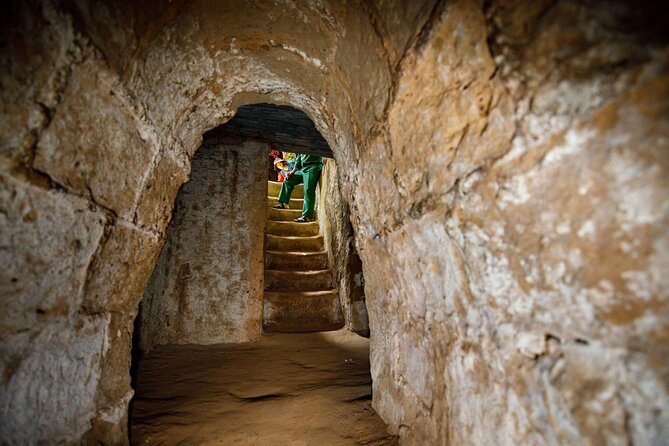
- Tunnels are realistic and tight: camouflaged trap-door entrances and narrow passages shape what you experience.
- Small group feel: maximum of 10 travelers, plus a guide who keeps things moving.
- Value is in the inclusions: bikes, helmets, admission, lunch, bottled water, and snacks are covered.
A Full-Day Bike Ride Out of Ho Chi Minh City
This is the kind of trip that turns Cu Chi into more than a single stop. You’re not just going from point A to point B and calling it done. You get a morning of cycling through countryside roads, then time to explore the tunnel network itself afterward.
The pacing is built around a morning ride you can scale. With guide assistance, you can aim for a shorter or longer route and still reach Cu Chi with time for lunch and tunnels in the afternoon. It’s a smart way to make the day feel active without turning it into a suffer-fest.
Also, the early hotel pickup matters. Starting around 7:00 am gives you a better shot at cooler conditions and less heat fatigue, which makes a huge difference on a long cycling day in Vietnam.
You can also read our reviews of more tours and experiences in Ho Chi Minh City

How the Morning Transfer and Bike Route Really Works
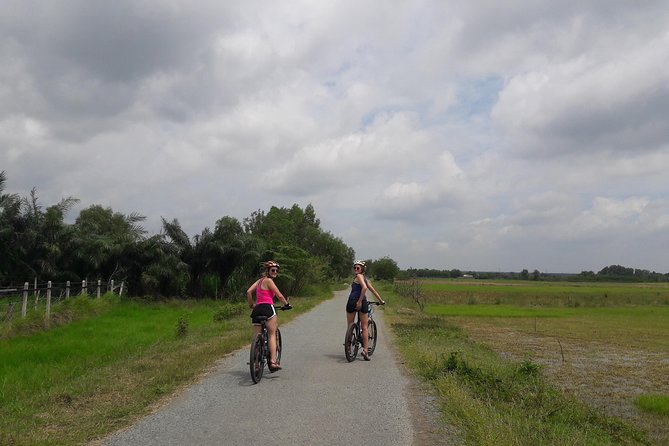
The day starts with pickup from your Ho Chi Minh City hotel and private minivan transport out to the Cu Chi area. Once you’re there, the cycling portion depends on what you want to challenge yourself with. Expect flat terrain, and expect the route distance to range from about 15 km to 40 km (9–22 miles).
In many plans, you’ll see a ride around the 20–30 km mark during the main cycling stretch. That’s long enough to feel like a real outing, but still manageable on mostly easy roads if you keep a steady pace.
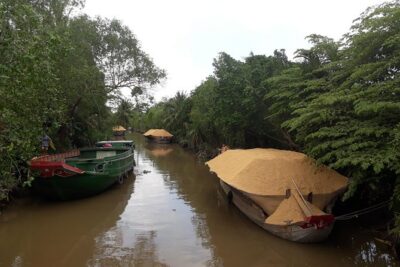
A good detail: the route uses quiet trails and lanes where you can see day-to-day countryside life. You might pass small animal farms or fish-raising areas, and you might stop briefly for drinks. You’re not just staring at scenery; you’re moving through working Vietnam.
Rubber Plantation Country: The Ride’s Visual Payoff
One of the best parts of this tour is the rubber plantation segment. As you cycle, you’ll ride through long lines of rubber trees, and you can spot the deep slashes made during repeated tapping/harvesting.
That matters because it makes the landscape understandable. Instead of rubber plantations being a blurry green background, you get a visual clue to how the area earns money—right there as you pedal.
This section also tends to feel like a “slow down” moment. You’re moving steadily, the roads are flat, and the scenery stays consistent enough that you can just enjoy the rhythm of the ride. For many people, that’s the sweet spot of the day: active enough to feel adventurous, calm enough to take it in.
Village Life Along the Countryside Lanes
The morning route is designed to show more than postcard farmland. You’ll cycle through rural lanes where villagers go about their routines, and you may have chances to spot farm animals like cows and pigs, plus fish farms along the way.
Sometimes the stop pattern includes small practical breaks—like grabbing mineral water or sugarcane juice at a local place when it fits the ride. Even though bottled water is included, the local drink stop is often where you can add something extra if you want it.
There’s also a human factor that shows up with the guide. On days like this, the guide’s job is to connect what you’re seeing with what it means—why this area looks the way it does, how people live here, and what you’re passing as you go. In past groups, guides like Bau, Uc, Lee, and Joe have been noted for friendly, funny, and knowledgeable storytelling, which is exactly what you want on a day that includes both cycling and history.
Lunch at a Local Restaurant (and Why the Timing Helps)
Lunch is included, and it’s planned right after the main morning cycling segment. That timing is more than convenient. It prevents the classic cycling problem: getting hungry, pushing too hard, then being cranky (or nauseous) when you need to focus later.
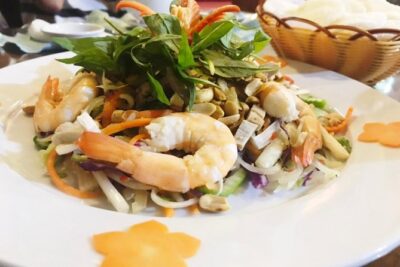
Expect a local restaurant meal—simple and filling—so you can refuel before the tunnels. If you have dietary needs, you should flag them when booking, since the tour asks for that information in advance.
One more practical note: drinks aren’t included. Bottled water is part of the package, and snacks are included too, but if you want additional beverages beyond what’s provided, you’ll pay extra.



Cu Chi Tunnels: What You’ll See in the Afternoon
Once lunch is done, you head into the Cu Chi tunnel network. This is where the day turns from scenery to story—real history from the Viet Cong base area during the 1968 Tet Offensive.
The tunnels aren’t treated like a museum diorama. They’re presented as a system built for survival. The entrances are often camouflaged trap doors, and the passages are narrow—just large enough for people to pass through.
That physical reality is the point, and it can be intense in a way that reading about the war can’t match. You’ll likely spend time exploring the tunnels and learning how soldiers survived underground. If you’re the kind of traveler who handles tight spaces okay, you’ll probably feel the impact quickly. If you’re claustrophobic, you may want to think carefully before committing—because the design is intentionally cramped.
Bikes, Helmets, and the Guide’s Job Description
You ride Trek or Giant multi-gear bikes with helmets provided. That combination matters because multi-gear bikes help you adjust effort on longer stretches, even when the roads are flat. It’s a small thing that makes the difference between a comfortable day and an exhausting one.
The guide is with you for the cycling portion, not just for the tunnels. Their role includes keeping the ride organized, suggesting routes based on your preference, and helping you make sense of what you’re passing.
If you’re traveling with family, this setup can also feel reassuring. The day isn’t “figure it out” biking. It’s guided cycling with support, which is particularly helpful for people who want countryside views but don’t want the burden of navigation.
Group size is also kept reasonable: up to 10 travelers. That tends to help with pacing. You spend more time riding and learning, and less time waiting for someone who got turned around.
Price and Value: Is $95 Fair for a Full-Day Bike + Tunnels?
At $95 per person, this tour stacks several value items into one price. You’re not only paying for admission to the tunnels. You’re also covering hotel pickup and private minivan transfer, a professional cycling guide, bike + helmet, lunch, and entrance fees.
You also get bottled water and snacks. That’s useful because it helps you stay fueled between ride segments and into the tunnel portion. And because the road is described as very flat, you’re not buying the tour to train for a mountain bike workout—you’re paying for access to Cu Chi plus a countryside ride.
What’s not included is mostly what you’d expect: drinks beyond what’s provided, personal expenses, and tipping. That keeps the core price straightforward. The one thing to watch for is the minimum group size—if the departure doesn’t meet the requirement, an extra fee may apply for smaller groups. That detail can affect your final cost if you’re booking as a very small group.
Overall, if you’d rather do this as a guided bike day instead of trying to piece it together yourself (transport, bikes, admission, route), the price feels reasonable for a full 8-hour outing.
Who This Tour Fits Best (and Who Should Skip It)
This tour is a strong match if you want a real countryside ride plus the Cu Chi Tunnels experience in one day, without relying on scooters or complicated planning.
It’s also a good fit for moderate-fit travelers who can handle 15–40 km of easy cycling. The flat roads make it more approachable than you might expect, but the distance still adds up over an 8-hour day. If you like active travel and want your sightseeing to have movement, this works well.
You should think twice if you:
- don’t handle narrow spaces well (tunnel passages can be tight),
- want a very short day (this is a full-day experience), or
- expect the tour to be purely about relaxing sightseeing. It’s cycling first, tunnels second.
For families, it can be appealing because it’s structured and guided, and you can choose a distance range that feels manageable. Children must be accompanied by an adult, as required by the tour.
Tips to Make the Day Easier Without Overthinking It
If you’re booking, here’s how to set yourself up for a smoother day using only common sense and the realities of this route.
- Start with comfort: you’ll be on a bike for hours. Dress for movement and expect road dust.
- Use the adjustable distance: if you’re unsure, pick a shorter end of the range and save energy for the tunnels.
- Hydrate smart: bottled water is included, and there may be local drink stops. Still, pace your water so you don’t “save it” until you feel drained.
- Bring basic tunnel readiness: the tunnels are narrow and access involves trap-door entrances, so plan for a physically cramped environment.
- Pay attention to the timing: the early 7:00 am start is there for a reason. Use it.
Also, if you have dietary requirements, tell the operator when booking. Lunch is included, and the tour asks for those details up front.
Should You Book This Cu Chi Tunnels by Bikes Tour?
I’d book it if you want Cu Chi to be more than a single historical visit. The bike ride adds a layer most people miss: the surrounding countryside—quiet lanes, daily life, and the industrial landscape of rubber plantations—sets the stage for what you’ll see underground later.
You might skip it if you prefer history in a slower, fully accessible way, or if cycling distances and cramped tunnels don’t sound fun. This is not a “sit back and watch” tour, and it’s not designed for people who want minimal physical discomfort.
But if you’re okay with moderate effort and you like your sightseeing active and grounded, this is a smart way to do Cu Chi. The combo of included lunch + admission, a small group limit, and guided cycling makes it a solid use of a full day in Ho Chi Minh City.
FAQ
How long is the Cu Chi Tunnels bike day?
The experience runs about 8 hours.
What time does pickup happen in Ho Chi Minh City?
Pickup starts around 7:00 am from your Ho Chi Minh City hotel.
Is lunch included?
Yes. Lunch at a local restaurant is included.
How far will I bike?
The cycling distance is based on your preference and ability. It can vary from about 15 km to 40 km (9 to 22 miles).
Is the ride difficult?
The roads are described as very flat, and the tour is aimed at travelers with moderate physical fitness.
Are entrance fees to the Cu Chi Tunnels included?
Yes. Admission tickets are included in the tour price.
What kind of bikes do you use?
You’ll ride Trek or Giant multi-gear bikes, and helmets are provided.
What’s included vs not included?
Included: bottled water, lunch, snacks, professional cycling guide, bike and helmet, and all fees and taxes. Not included: drinks, personal expenses, and tipping/gratitude.
What if the tour doesn’t meet the minimum group size?
The tour requires a minimum of 6 people per booking. If it can’t depart due to the minimum, you’ll be offered another date or a full refund. If there are fewer guests, an extra fee of 350,000 VND per person may apply.