REVIEW · HO CHI MINH CITY
1 hour Egg Coffee Cooking Class with Snack and Local Instructor
Book on Viator →Operated by Hoang's Kitchen Cooking Class · Bookable on Viator
Egg coffee sounds weird until you taste it. In this 1-hour Ho Chi Minh City class, you’ll learn the story and make the drink yourself in a small group setting at Hai’s Restaurant. I also love that you can dial in the sweetness so the final cup matches your taste, not someone else’s idea of dessert.
The main thing to think about first: this is still coffee. If you have trouble with caffeine, this may not be the best plan.
In This Review
- Key highlights before you go
- Egg Coffee in 60 Minutes: What You Actually Learn
- Finding Hai’s Restaurant and Getting Set Up Fast
- The Story Part: Why Egg Coffee Is a Vietnamese Coffee Tradition
- DIY Time: Making Egg Coffee Step by Step
- Sweetness Control and That Custard-Coffee Texture
- Spring Roll Snack and Buying Better Coffee After
- Price, Group Size, and When This Feels Like a Deal
- Who This Class Is Best For (and who should skip it)
- Final Call: Should You Book This Egg Coffee Class?
- FAQ
- How long is the egg coffee cooking class?
- What does the class cost?
- How many people are in the class?
- Where is the meeting point?
- Do I get to make the egg coffee myself?
- Is there a demonstration before I start?
- What’s included in the price?
- Is a snack included?
- Do I need to worry about caffeine?
- Is there free cancellation?
Key highlights before you go
- Hands-on DIY time, not just watching you make your own egg coffee with step-by-step support
- Sweetness control so you can aim it at your sweet level
- Small group cap of 15 for more direct attention from the instructor
- Story + Vietnamese coffee culture context so the drink makes sense beyond the flavor
- A demo with decoration so you get a clear visual target before you start
Egg Coffee in 60 Minutes: What You Actually Learn
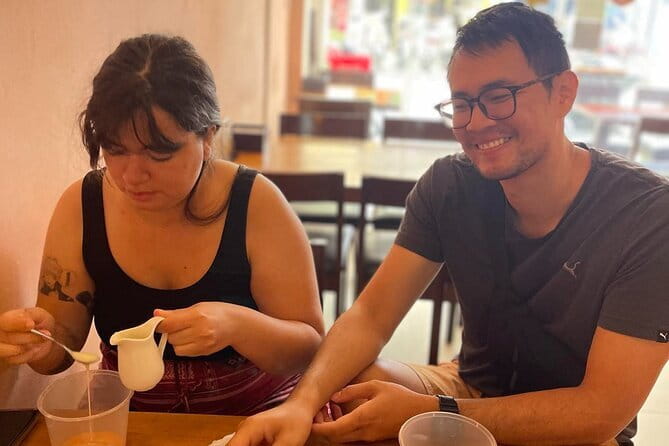
This class is built around a simple idea: egg coffee is part coffee, part custard dessert, and the fastest way to understand it is to make it yourself. You start with a guided explanation of egg coffee, then you move straight into technique—no long lecture marathon.
In practice, you get two big takeaways. First, you understand what egg coffee is and how Vietnamese coffee culture frames it. Second, you walk out with the confidence to recreate a basic version at home. That combination is why this feels fun even if you’re not sure about the concept going in.
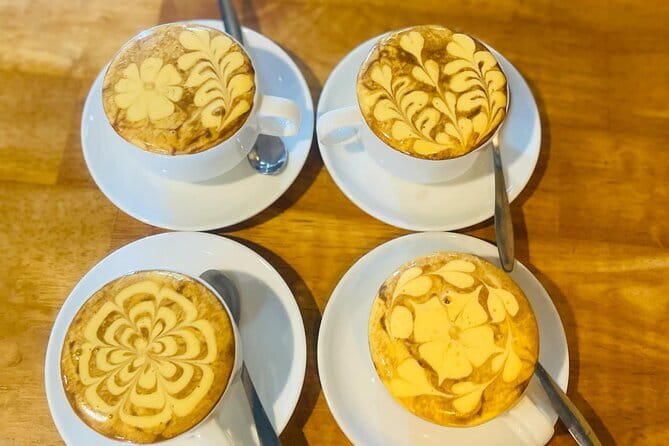
You’ll also get to see the drink plated/decorated once before you create your own cup. That matters more than people think. Egg coffee is visually part of the experience, and a quick demo helps you avoid the common mistake of copying the steps but missing the final look.
One more plus: the format supports conversation. Since it’s a small class, you’re not stuck in the back of the room asking questions after everyone else finishes eating.
You can also read our reviews of more cooking classes in Ho Chi Minh City



Finding Hai’s Restaurant and Getting Set Up Fast
You meet at Hai’s Restaurant, 257 Lý Tự Trọng, Phường Bến Thành, Quận 1. In a city like Ho Chi Minh City, having a clear meeting point inside District 1 is practical. It also keeps things calm—no scrambling across multiple stops.
The class uses a mobile ticket, which makes arrival easy. And because it’s near public transportation, you’re not forced into a complicated route if you’re already in the area.
Inside, the setting is described as cozy, which is exactly what you want for a hands-on cooking class. When the space feels comfortable, you can focus on the process instead of fighting noise, crowding, or awkward pacing. Also, small-group interaction is part of the experience. You’ll likely share the table and the moment with a handful of others, which makes it more social than a solo activity.
If you’re the type who likes to get oriented quickly, this class delivers. You’re not waiting for hours. You get instructions, you get moving, and you get your own drink on the other side of the hour.
The Story Part: Why Egg Coffee Is a Vietnamese Coffee Tradition
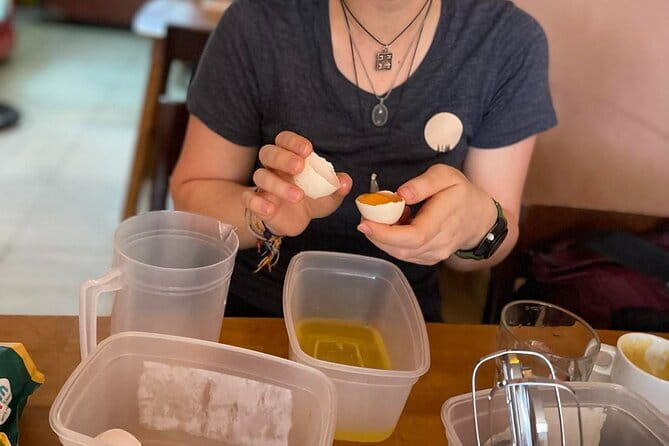
Before you touch anything, your instructor shares a story about egg coffee. This isn’t just trivia. It’s the context that helps the drink click in your head.
You’ll also get a quick look at coffee history and Vietnamese coffee culture. That’s valuable for two reasons. One, Vietnam has a real coffee identity—different beans, different preferences, different ways of serving. Two, egg coffee specifically doesn’t make sense as a random gimmick. When you learn the background, tasting it stops feeling like a dare and starts feeling like you’re sampling a local specialty with a reason.
One detail I like from the class descriptions is the way the instructor frames egg coffee. It’s often described as being more like a creme brulee or custard filling paired with coffee. That mental image helps a lot. If you go in expecting a sharp, purely bitter coffee drink, egg coffee will surprise you. If you go in expecting custard-like creaminess plus coffee underneath, it makes more sense from the first sip.
Pay attention during the story portion. Even if you think you already know egg coffee, this is where you pick up the “why” that makes the technique feel logical instead of random.
DIY Time: Making Egg Coffee Step by Step
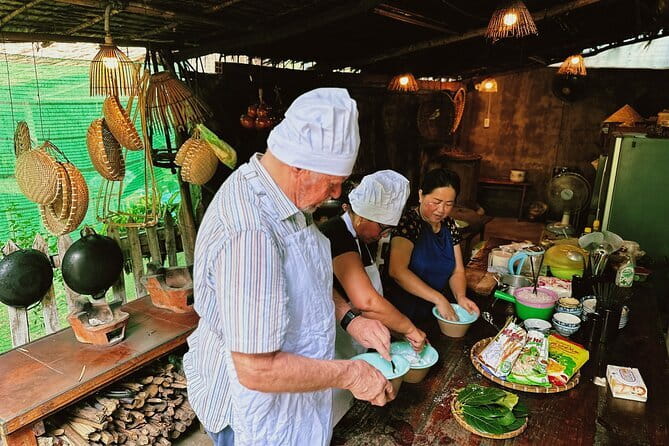
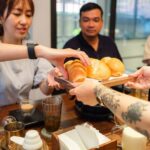
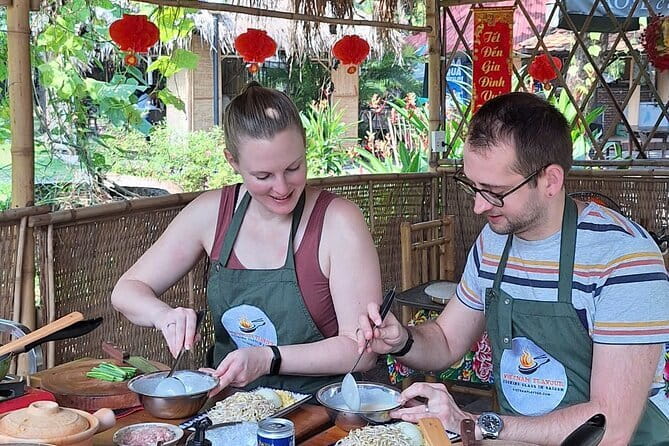
After the intro, the instructor guides you step by step. This is where the class earns its reputation: you don’t just watch a knowledgeable person do it. You follow along, you make it, and the instructor stays close enough to correct you as you go.
First, you’ll get a sample. The class includes a one-time demonstration with decoration. That demo is your roadmap. It’s also useful for learning how to finish the drink so it looks right, not just tastes fine.
Then comes your turn. You’ll create your own egg coffee while getting support. In other words, you’re not left alone with an unfamiliar dessert-coffee combo. If you’ve ever taken a cooking class and spent half the time guessing, you’ll appreciate this structure. The goal here is repeatable skill, not just a fun photo.
And the small-group size helps. With a maximum of 15 travelers, it’s easier to get attention quickly. If you book when the group is small, you can get a more individualized feel, too—one student specifically noted an instructor helping them 1:1 when they were the only booking.
You’ll leave with a cup you made yourself. That matters because egg coffee is easier to remember once you’ve handled it, measured your sweetness, and understood the texture.
Sweetness Control and That Custard-Coffee Texture
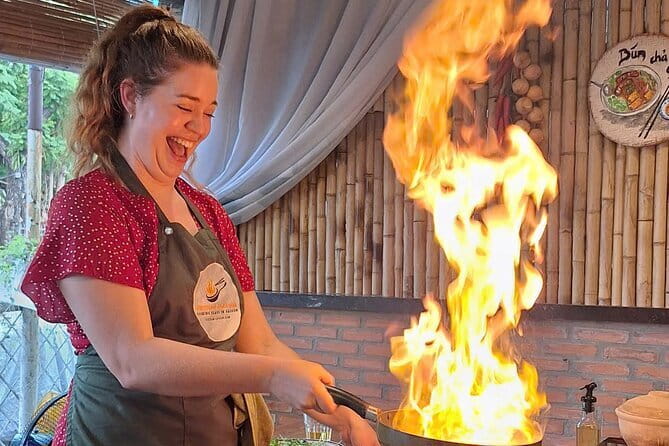
A big part of the experience is flavor control. You can adjust your own flavor and match the egg coffee to your sweet level. That’s not a tiny perk. It’s the difference between liking the final drink and wondering what went wrong.
Egg coffee’s vibe is partly sweetness and partly richness. If you’re the sort of person who likes coffee but dislikes dessert-sweet drinks, you’ll want the instructor’s guidance here. If you love sweet, you can push it in that direction. The class is set up so you’re steering, not just accepting.
This is also where that custard comparison becomes practical. When egg coffee feels like custard, you’re tasting a smooth, creamy structure rather than just a foam on top. That texture shift is what makes it feel different from basic coffee.
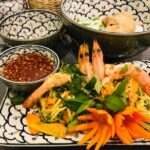
After you finish making your cup, you enjoy it with a snack: one piece of spring roll. That pairing keeps the experience from being one-note. You’re drinking something sweet-rich and then resetting your palate with something savory and crunchy.
If you’re watching how the instructor finishes the drink—especially the decorated demo—you’ll get a clearer idea of what “done” looks like. That makes it easier to reproduce at home because you know the visual goal, not just the flavor target.
You can also read our reviews of more tours and experiences in Ho Chi Minh City


Spring Roll Snack and Buying Better Coffee After

The snack included is simple but smart: 1 spring roll to eat after you make and enjoy your egg coffee. It gives your brain a break from dessert sweetness. It also keeps the class feeling complete without stretching the schedule.
What I’d take beyond the snack is the practical coffee culture part. During the session, you’ll learn about Vietnamese coffee culture and pick up recommendations for brands to buy home. That’s the kind of advice that saves you money later. Instead of guessing which coffee to bring back, you have a starting point from someone who understands local preferences.
Also, learning what egg coffee is helps you choose coffee at home with more intent. If you buy the wrong beans or use the wrong brewing expectation, egg coffee can feel flat. But if you know it’s meant to work with that custard-like richness, you can pick a style that balances coffee strength with creamy sweetness.
If your goal is souvenirs that aren’t just magnets, this class leans in that direction. You’ll leave with a clearer plan for what to purchase and how to think about Vietnamese coffee as a system, not a single drink.
Price, Group Size, and When This Feels Like a Deal
The price is $15 per person for about 1 hour. That’s not an outrageous number for a hands-on class, and the value is in what you’re getting bundled in.
Here’s the practical breakdown of value:
- You pay for the instructor/guide fee
- Ingredients for egg coffee are included
- You get coffee and/or tea
- You also get a spring roll snack
- You get the DIY experience, not just a show
If you’ve paid more for classes in other countries where you only watch, this one feels more fair because the time is concentrated. There’s no long waiting period, and with the class cap at 15 travelers, you’re more likely to stay engaged and get help when you need it.
Is it pricey compared to buying egg coffee off the street? Not really. But it’s different. Street egg coffee gives you taste. This class gives you technique, context, and repeatability.
Who This Class Is Best For (and who should skip it)

This class is a great fit if you:
- Want a hands-on experience in Ho Chi Minh City without committing to a half-day tour
- Like learning through doing, especially with food and drink
- Enjoy Vietnamese coffee culture and want a local explanation, not a generic one
- Want to control sweetness instead of accepting a fixed menu version
It’s also a good option if you’re curious about egg coffee but not sold on the idea. The class is described as fun even for people who don’t like the sound of egg coffee, because the experience turns the concept into a real taste and texture.
You should consider skipping if:
- You have a problem with caffeine
- You dislike coffee and don’t want coffee as part of the drink experience (even with tea options, the class is still centered on egg coffee)
If you’re traveling solo, you can still enjoy it. A small-group setup often means you’ll get attention. If you’re a pair, it’s also ideal: you can compare sweetness choices and help each other process what you’re learning.
Final Call: Should You Book This Egg Coffee Class?
I’d book it if you want something practical, short, and actually hands-on. The best reason is simple: you’re making the egg coffee yourself, not just learning about it. Add in the sweetness control, the custard-like texture understanding, and the story about Vietnamese coffee culture, and you end up with a souvenir that isn’t only edible—it’s usable.
Skip it only if caffeine is a dealbreaker for you. Otherwise, treat it like a friendly craft session with a local instructor, enjoy the spring roll snack, and leave with the confidence to make a cup at home.
FAQ
How long is the egg coffee cooking class?
The class lasts about 1 hour.
What does the class cost?
It costs $15.00 per person.
How many people are in the class?
The maximum is 15 travelers.
Where is the meeting point?
You meet at Hai’s Restaurant, 257 Lý Tự Trọng, Phường Bến Thành, Quận 1, Ho Chi Minh City, Vietnam.
Do I get to make the egg coffee myself?
Yes. It’s a hands-on class with step-by-step guidance, and you make your own egg coffee.
Is there a demonstration before I start?
Yes. The instructor shows a sample once, including decoration.
What’s included in the price?
Coffee and/or tea, all ingredients needed to make egg coffee, a snack (1 spring roll), and the instructor/guide fee.
Is a snack included?
Yes, you get 1 piece of spring roll after you finish making your egg coffee.
Do I need to worry about caffeine?
Yes, you should not book if you have a problem with caffeine.
Is there free cancellation?
Free cancellation is available. You can cancel up to 24 hours in advance for a full refund.