REVIEW · HO CHI MINH CITY
FULL Day – CAI RANG FLOATING MARKET, COOKING CLASS AND EXPLORE THE COUNTRYSIDE
Book on Viator →Operated by Winter Spring Homestay · Bookable on Viator
Mekong days start before your alarm. This full-day trip takes you from Ho Chi Minh City at 3:00 a.m. to the Cai Rang floating market, then adds a countryside home cooking class and fruit-and-rice field time. It’s the kind of day where you watch how food and daily life actually connect in the Mekong Delta.
What I really liked was the chance to eat breakfast out on the Mekong and see the rhythm of boats and markets up close. I also loved the hands-on part at a real family home, where you learn to make traditional foods like bánh xèo and spring rolls, then share lunch with the hosts.
One thing to consider: it’s a very early, long day. If you need lots of late-morning recovery or high-gloss, big-tour production, this more natural, family-run style may feel less polished.
In This Review
- Quick Highlights
- The 3:00 a.m. Start: Setting Expectations for the Mekong Delta Day
- Cai Rang Floating Market Morning: Seeing Boat Life Up Close
- Rice Noodles, Bakery Mills, and Small Canals: The Food-Making Detour You’ll Appreciate
- Muoi Cuong Cacao Farm: Getting the Story Behind Chocolate
- Traditional Market Shopping: Learning by Buying Ingredients
- Lunch at a Countryside Family Home: Bánh Xèo, Spring Rolls, and Real Table Talk
- Hammock Nap and Countryside Life: Fruit Gardens and Rice Fields
- Price and Logistics: Is $119 Worth a 10-Hour Mekong Day?
- Who Should Book This Mekong Day Trip (and Who Shouldn’t)
- Should You Book? My Take
- FAQ
- What time is pickup in Ho Chi Minh City?
- How long is the tour?
- What is the price?
- Where does the tour include stops?
- Is breakfast included?
- What happens during the cooking class?
- What dishes do you learn to make?
- Is there time to relax?
- How big is the group?
- What is the return time?
- What if weather is bad?
- Is free cancellation available?
Quick Highlights
- Cai Rang Floating Market morning with breakfast on the Mekong and a front-row view of river trade
- Rice noodle factory and bakery mill stop plus small canals for a look at how staples get made
- Muoi Cuong cacao farm visit so you connect the dots between a cacao tree and your chocolate craving
- Market shopping for the cooking class so you know what ends up in your meal
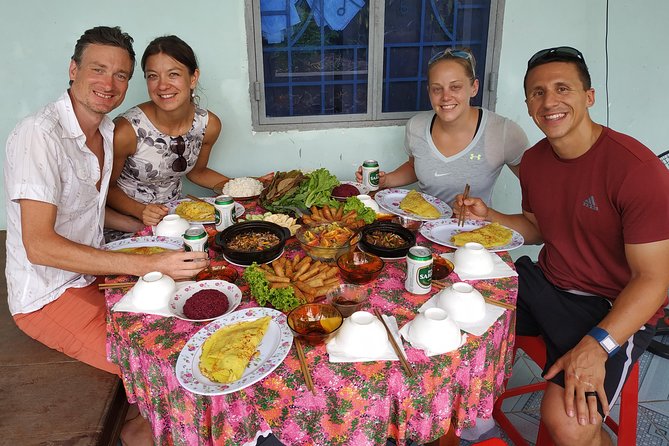
- Lunch at a countryside family home with hands-on cooking and time to relax
- Fruit gardens and rice field walking where you can pick seasonal produce and see farming firsthand
The 3:00 a.m. Start: Setting Expectations for the Mekong Delta Day
Let’s talk about the first curveball: this trip begins with pickup in Ho Chi Minh City at 3:00 a.m. That means you’ll be awake while the city is still dark, and you’ll stay on the move through the day.
The payoff is that you’ll reach the Mekong activities while things are still fresh and active. Cai Rang is much more enjoyable early, before the day gets hot and before crowds (if any) change the vibe. For most people, the best strategy is simple: treat this like a day-long excursion, not a casual outing. Pack energy like you’re going on a hiking day.
One more expectation tweak: this experience is intentionally not a big, corporate “tour show.” It’s run in a family style from a countryside home. That usually means it feels real and personal, with less scripted performance and more “come in, eat, learn, and talk.”
You can also read our reviews of more shopping tours in Ho Chi Minh City


Cai Rang Floating Market Morning: Seeing Boat Life Up Close
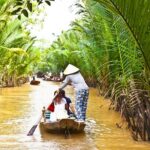
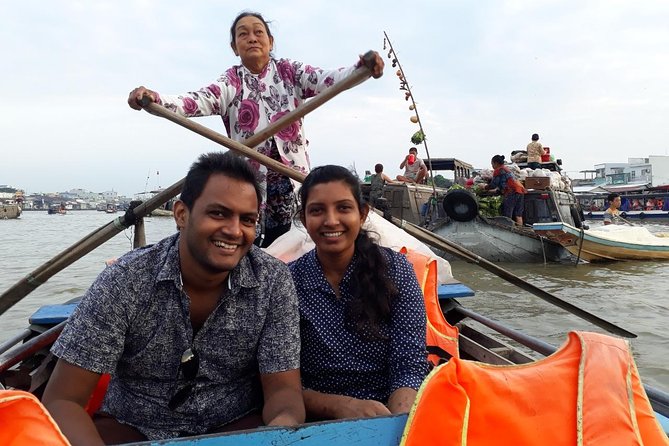
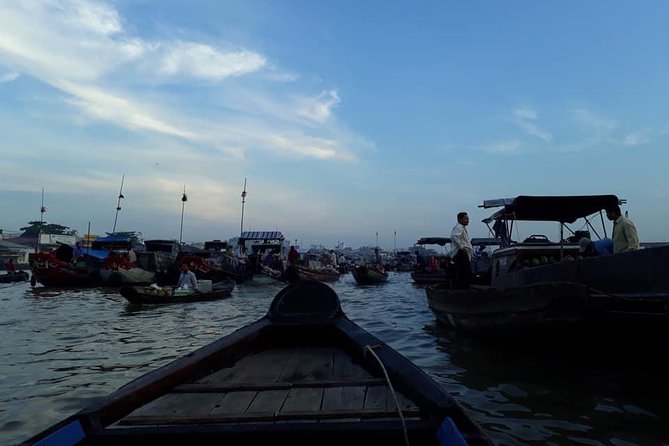
Cai Rang floating market is one of those places where your brain goes from city mode to river mode fast. You’re watching how people buy and sell from boats, how goods move along waterways, and how the market is structured around the flow of boats rather than around sidewalks.
What makes this stop work is the timing plus the way the day is paced around it. You’re not just passing through. You’re also getting breakfast in the Mekong, which changes how you experience the morning. Instead of seeing it as a quick photo stop, you can slow down just enough to notice patterns—where boats gather, how sellers communicate, and how visitors orient themselves.
A practical tip: bring a light layer. It can still feel cool early, especially on the water, even if the rest of the day will warm up.
Also, keep your expectations grounded. Floating markets are active workspaces, not open-air museums. If you’re patient and curious, you’ll enjoy the small details: how people handle deliveries and how the market stays functional even when you’re watching from a visitor perspective.
Rice Noodles, Bakery Mills, and Small Canals: The Food-Making Detour You’ll Appreciate
After the floating market, the day shifts from boats to food production. You’ll stop at a rice noodle factory/traditional bakery mill and also see small canals.
This section is easy to underestimate because it’s not as scenic as boats. But it’s valuable in a very real way: it explains how staples get made locally. In the Mekong, ingredients like rice become multiple products—noodles, baked goods, and more. Seeing the process helps your lunch and cooking class feel connected, not random.
Here’s what you’ll probably find most interesting: the workflow. Even without every step being spelled out for you, you can usually tell when something is hand-driven versus machine-driven, and you’ll notice how labor and timing matter. That’s the kind of knowledge you take home, even if you forget a few details.
Drawback to consider: this isn’t a slow museum tour. Expect to move with the group and keep moving. If you love unhurried wandering, you might feel like you’re in “production demo mode.” Still, it’s worth it if you enjoy food craftsmanship.
Muoi Cuong Cacao Farm: Getting the Story Behind Chocolate
Next up is Muoi Cuong cocoa farm, also described as a cacao orchard on the route. This is a great stop because it turns a common product into something you can picture in nature.
You’ll see cacao as a plant, learn the idea behind growing and harvesting, and connect the dots between what you eat and where it comes from. It’s one of the easiest parts of the day to remember later, especially if you’ve ever wondered why chocolate taste and sourcing can differ.
This also pairs well with the earlier food stops. You’ll have already seen rice products made, and now you shift to a different crop with a different production path. That contrast helps you understand that the Mekong Delta isn’t just boats and fruit—it’s a working agricultural system.
One practical note: farms are often dusty or muddy depending on conditions. Wear shoes you don’t mind getting a little scuffed.
Traditional Market Shopping: Learning by Buying Ingredients
Before the cooking class, you’ll go to a traditional market to buy materials for your class. This is a smart design choice because it makes the cooking part more than just recipes.
When you pick up ingredients at a market, you start noticing what matters in a local pantry: textures, fresh herbs, common staples, and the way sellers bundle and package goods. Even if you don’t speak the language fluently, you’ll pick up cues just from how people shop and how the host guides you.
This stage also helps you cook with more confidence later. It’s easier to understand a dish when you’ve seen the key ingredients in person and learned what they look like.
If you’re trying to travel with minimal waste, this is one of those moments where you might want to keep your bag simple and your hands free—some markets involve bags, containers, and quick transfers.
You can also read our reviews of more tours and experiences in Ho Chi Minh City



Lunch at a Countryside Family Home: Bánh Xèo, Spring Rolls, and Real Table Talk
This is the heart of the day. You’ll learn cooking and then eat lunch at a local family home in the countryside—described as the parents’ home, prepared with help from family members.
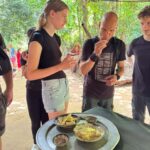
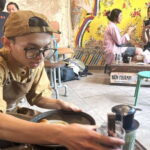
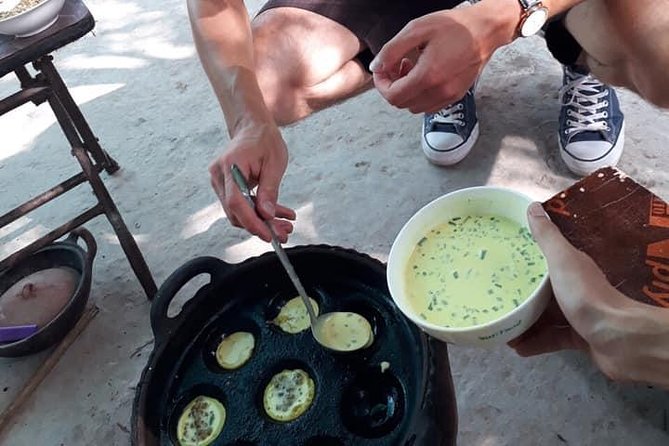
The cooking class is hands-on. From what’s shared in past experiences, you’ll cook traditional dishes such as bánh xèo and spring rolls. That means you’re not just tasting. You’re doing. You’ll likely spend time preparing ingredients and assembling the dishes in a way that mirrors how locals actually cook.
What I like about this setup is the atmosphere. A home lunch is never just a meal. You’ll get the human side of the Mekong Delta—how the family lives, what they consider normal, and how hospitality works day to day. One review included thanks to the guide Kieu Trinh, who clearly helped make the day feel informative and easy to follow. That matters because good guidance can turn a cooking session into a conversation rather than a checkbox.
A short heads-up: you’ll have limited time in the countryside, so the cooking part likely moves at a working pace. If you want slow, detailed knife skills or a full culinary school lesson, this isn’t that. But for learning a couple core dishes and connecting them to daily life, it’s a strong value.
After lunch, you’ll have that relaxing break with hammock time.
Hammock Nap and Countryside Life: Fruit Gardens and Rice Fields
After lunch, you get a chance to switch gears: you can take a nap with a hammock and relax at the countryside home. This is one of those details that sounds small until you realize what it does for the rest of the day. Without it, a long Mekong day can feel like constant motion fatigue.
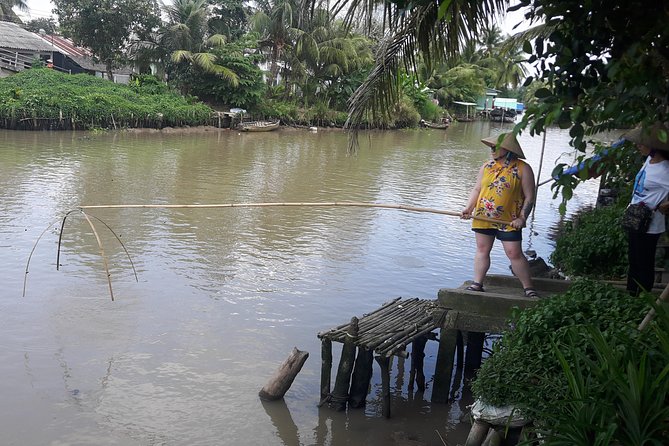
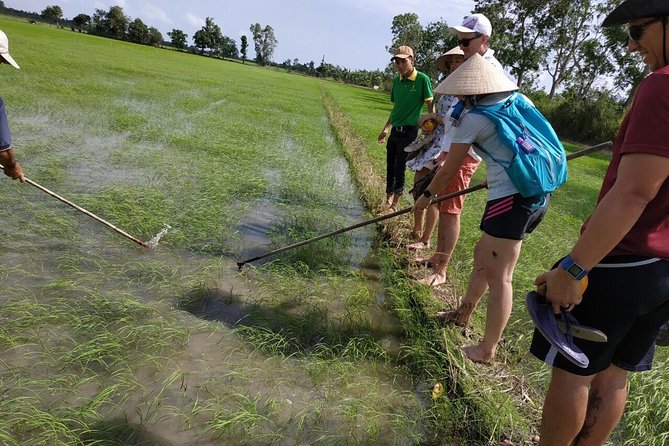
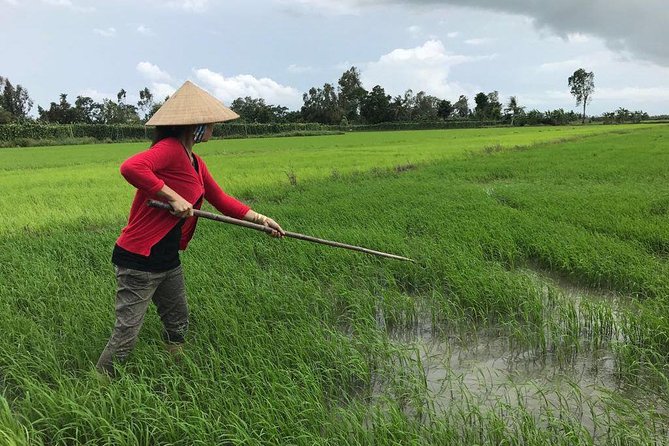
Then comes the outdoor life part. You’ll go around the countryside to experience daily rural rhythms, including seasonal fruit gardens and rice fields. In some versions of this countryside time, you can pick seasonal fruit yourself. Even if you don’t pick anything, the main win is seeing how farming and harvesting shape daily schedules.
Here’s how to make this section enjoyable: use it as your mental reset. Forget photos for a minute and focus on the feel—humidity, the spacing of fields, and the fact that rural life here is built around crop cycles.
Also remember that countryside routes may involve uneven ground. Comfortable shoes are your friend.
Price and Logistics: Is $119 Worth a 10-Hour Mekong Day?
At $119 per person for a roughly 10-hour day (with pickup at 3:00 a.m. and return around 3–4 p.m.), you’re paying for more than transportation. You’re paying for time, access, and the structure that strings together multiple Mekong Delta experiences.
Here’s the value math as I see it:
- Floating market access early in the day (so it’s not a rushed, midday squeeze)
- Additional stops that explain food production (rice noodles and traditional bakery mill)
- A cacao farm stop
- A cooking class that happens in a countryside home, not a commercial kitchen
- Included meals: breakfast in the Mekong and lunch with the family
- A relaxation break plus countryside walking time
Could you piece together parts of this on your own? Maybe. But coordinating early timing, market ingredients, and a home cooking experience usually costs you time and hassle. This tour packages those moving parts into one day.
Logistics-wise, the experience includes pickup and uses a mobile ticket. Group size is capped at 60 travelers, which is important. It won’t be a tiny private moment for everyone, but it also suggests you won’t feel like you’re in a school bus crowd.
The big “cost” is not money. It’s sleep. If you can handle the early start, the rest of the day is built to pay you back with variety.
Who Should Book This Mekong Day Trip (and Who Shouldn’t)
This trip is a great fit if you want an authentic Mekong Delta day that mixes food, farming, and real people. I’d especially recommend it if you:
- love markets and food culture more than just scenery
- want hands-on cooking rather than watching from the sidelines
- enjoy learning from local families and guides
- can handle a very early pickup and a full day schedule
It might be less ideal if:
- you need a late start or short excursions only
- you expect a highly polished, fully scripted experience at every step
- you dislike walking around outdoor areas like rice fields and fruit gardens
If you’re flexible, you’ll likely enjoy how naturally the day flows—from river market morning to production stops, then to countryside home life.
Should You Book? My Take
I’d book this if you’re the type of traveler who remembers food and daily life, not just landmarks. The combination of Cai Rang floating market, cacao and noodle production, and a cooking class with lunch at a family home is exactly the kind of “why this place works” experience you can’t get from a single-site tour.
The main reason to hesitate is the 3:00 a.m. pickup. If that sounds miserable, your enjoyment will suffer even if everything else is great. But if you can trade one early morning for a day that actually teaches you how the Mekong Delta feeds itself, this is a solid choice.
FAQ
What time is pickup in Ho Chi Minh City?
Pickup is scheduled at 3:00 a.m.
How long is the tour?
The duration is about 10 hours.
What is the price?
It costs $119.00 per person.
Where does the tour include stops?
It includes Ho Chi Minh City, Cai Rang Floating Market, and Muoi Cuong Cocoa Farm.
Is breakfast included?
Yes. You have breakfast in the Mekong.
What happens during the cooking class?
You go to a traditional market to buy materials for the class, then learn cooking and have lunch with a local family in the countryside.
What dishes do you learn to make?
Bánh xèo and spring rolls are mentioned as part of the cooking experience.
Is there time to relax?
Yes. You take a nap with a hammock and relax at the countryside home.
How big is the group?
The tour has a maximum of 60 travelers.
What is the return time?
You come back around 3–4 p.m.
What if weather is bad?
The experience requires good weather. If it’s canceled due to poor weather, you’ll be offered a different date or a full refund.
Is free cancellation available?
Yes. You can cancel up to 24 hours in advance for a full refund.