Saigon has a way of grabbing you fast. This scooter food tour is a hands-on way to feel the city, not just look at it. I like that you get 7/9/12 tastings with a real story behind each dish, and I also like how the ride puts you into hidden Chinatown alleys that you’d miss on foot or by bus.
One watch-out: if scooter traffic makes you nervous, or you’re not comfortable weaving through busy streets, this may feel like more intensity than you want.
I’ve also found that the guides can turn a quick snack stop into something memorable. On my read-through of guides like Corn and Vy, the common thread is clear directions, confident route choices, and dish-by-dish explanations that connect food to everyday life in Saigon.
Here’s the practical trade-off: you’re on two wheels for a big chunk of the evening, so expect a dynamic pace and some time standing near food stalls and markets.
In This Review
- Key highlights you’ll actually care about
- Scooter-first Saigon: why this format beats a normal food crawl
- Price and value: what $25 buys you in real terms
- Stop 1: Saigon Opera House as your warm start
- Stop 2: Nguyễn Thiện Thuật apartment buildings for everyday-life views
- Stop 3: Hồ Thị Kỷ Flower Market for color and the smell of Saigon
- Chợ Lớn Chinatown lanes: where the tastings connect to culture
- Why this matters more than it sounds
- District 10 and the hidden alley feel
- Phố Tàu Sài Gòn (Chợ Lớn Quận 5): the scooter-into-market moment
- District 3’s calmer ride and District 1 return
- Your guide: English, organization, and dish-by-dish storytelling
- Safety on a scooter in Ho Chi Minh City (and why the insurance detail helps)
- What to eat, how many tastings, and how hungry to arrive
- Weather and comfort: the small practical stuff
- Who should book this?
- Should you book this Saigon scooter street food tour?
- FAQ
- How long is the tour?
- How much does it cost?
- Does the tour include hotel pickup and drop-off?
- Are the food tastings included in the price?
- Does the tour include a scooter accident insurance policy?
- Is there an admission fee for the stops?
- Do I need to speak Vietnamese?
- Can I tell the guide about food allergies?
- What if the weather is bad?
Key highlights you’ll actually care about

- 7/9/12 tastings built around route stops, not just random food samples
- Scooter experience with a safety briefing and drivers described as conscientious
- Chinatown (Chợ Lớn) alley time with a focus on places cars can’t reach easily
- Hồ Thị Kỷ flower market as a sensory reset between meat-and-noodles moments
- Apartment-building stop where you see how Saigon families live, not just where they eat
- Insurance up to $5,000 for scooter accidents, plus hotel pickup and drop-off
Scooter-first Saigon: why this format beats a normal food crawl
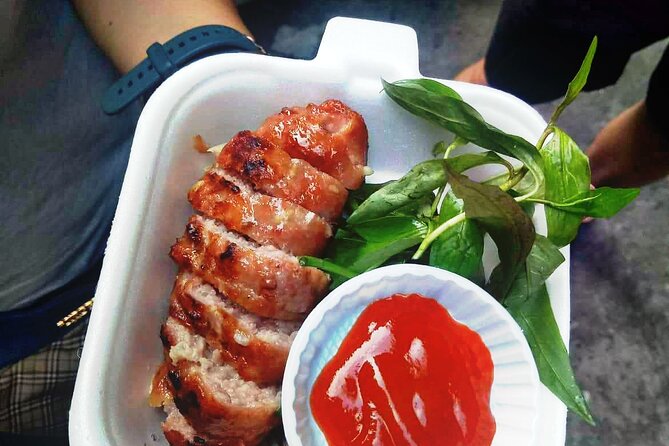
Saigon food is everywhere, but the hardest part is knowing where to go next. This tour uses scooters to solve that problem, keeping you moving through neighborhoods while your guide does the navigation. You also get that you-can-feel-the-city energy right from the start, because you’re seeing streets at riding speed, not on a slow walking loop.
I like this approach because it compresses a lot of geography into about four hours. Opera House to apartment blocks to a major flower market to Chinatown lanes to calmer French-era streets is a lot of variety, and scooters make it workable without turning the evening into a long trek.
You can also read our reviews of more food & drink experiences in Ho Chi Minh City

Price and value: what $25 buys you in real terms

The price is $25 per person, for roughly 4 hours on a scooter with hotel pickup and drop-off. That matters in Saigon, where traffic and distance can eat your time fast, especially if you’re trying to stitch together multiple food stops on your own.
What’s included is unusually specific for a street-food price point:
- All dishes mentioned (so you aren’t guessing how many tastings you’ll actually get)
- A personal English-speaking guide
- Scooter accident insurance up to $5,000
- No extra fee for group or private-style participation (the tour is listed as private for your group)
What isn’t included is what you’d expect: personal expenses and tips. If you want to drink something beyond what’s part of the tastings, plan to cover that separately.
Stop 1: Saigon Opera House as your warm start
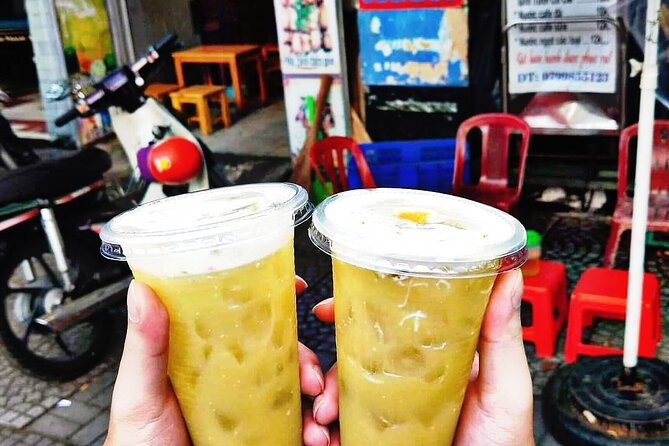
You begin with a pickup and a short safety briefing, then you roll over to the Saigon Opera House (also called Ho Chi Minh Municipal Theater). Even though the stop is brief, it’s a smart kickoff. It gives you an easy landmark to anchor your orientation before traffic and alleyways take over.
Admission for this stop is listed as free, so the time isn’t built around paying for entry. It’s more like a gentle gear shift: you get comfortable on the scooter and get your first look at a major, iconic building in the city’s center.
Stop 2: Nguyễn Thiện Thuật apartment buildings for everyday-life views
Next comes a local living block from the 1960s, the Nguyễn Thiện Thuật Apartment Buildings. The key point here isn’t Instagram photos, it’s scale and texture. You’ll see how people actually live in Saigon outside the usual visitor lanes.
You also get an up-close perspective by climbing up for views and observing daily routines. The tour also includes classic Vietnamese snacks served by long-time vendors in the area, which helps connect the apartment setting directly to food rather than turning it into a separate cultural stop.
If you don’t like stairs or tight indoor movement, this is the part where you might want to check your comfort level before booking.
Stop 3: Hồ Thị Kỷ Flower Market for color and the smell of Saigon
Then you shift to Hồ Thị Kỷ Flower Market, one of Saigon’s best-known local markets for flowers. This stop is a sensory reset. You go from snack-level intensity to an atmosphere that’s driven by color, scent, and constant activity.
This market is also where the tour blends in food from the streets nearby. That’s the nice rhythm: you don’t just look at flowers, you stay in the food theme while the market energy changes the pace of your tasting.
The listing notes Cambodian street-food stalls appear here too, which is a hint that this isn’t just a Vietnamese-only experience. Expect a mixed set of aromas and a visual feast before you head deeper into Chinatown.
You can also read our reviews of more tours and experiences in Ho Chi Minh City

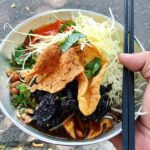

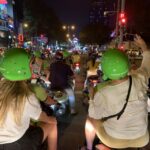
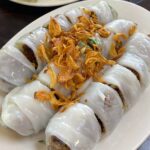
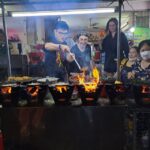
Chợ Lớn Chinatown lanes: where the tastings connect to culture
The heart of the evening is Chinatown (Chợ Lòn) territory, split into a few focused segments. This is where you taste authentic street-food dishes prepared by third-generation local chefs, and where the guide’s job becomes more than explaining ingredients.
The stop structure is built to help you understand the neighborhood through movement:
- You eat in the center of the action, then
- you ride onward into narrower areas so you can feel how the community works, and
- you taste again so you keep tying culture to food instead of just walking through it.
Why this matters more than it sounds
Street food tours can turn into a check-list: you get a bite, move on, forget what you tasted. This one tries to avoid that by pairing each tasting with local context. When your guide connects a dish to the neighborhood’s history and traditions, you’re more likely to remember the flavors because they have a story attached.
In guides named in the feedback, like Jason and Levi, the common theme is that they didn’t just point out places. They explained why each stop mattered and helped people understand the different areas you were riding through.
District 10 and the hidden alley feel
Between the main Chinatown food segment and the larger “Chinatown into alleyways” ride, you get time in District 10. This is where the tour’s hidden-alley focus becomes more literal. Narrow lanes, local rhythms, and neighborhood details show up fast once you’re not anchored to big streets.
The value of this stop is that it changes how you perceive Chinatown. Instead of thinking of it as one dense area, you start seeing patterns: where everyday life happens, how people move through tight spaces, and where food shows up as part of routine.
If you’re hoping for a lot of sitting-down meals, this isn’t that kind of tour. You’re active, and the food is closely tied to where people actually stand and eat.
Phố Tàu Sài Gòn (Chợ Lớn Quận 5): the scooter-into-market moment
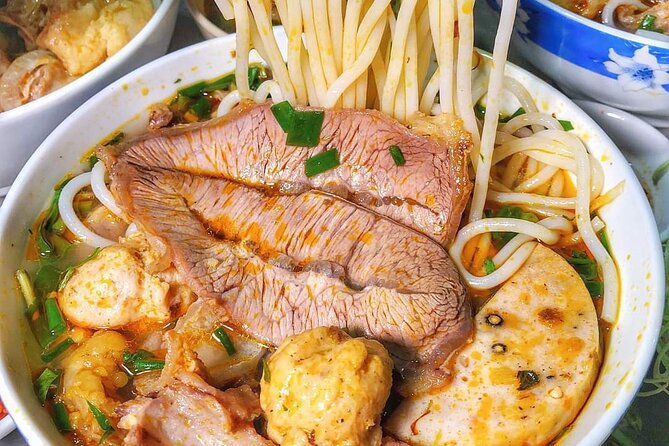
Next you enter Phố Tàu Sài Gòn in Quận 5, described as the biggest cultural enclave in the area. This is a bigger Chinatown slice than a single alley. You ride through heavier traffic energy, then transition into bustling market lanes and hidden alleys.
The listing emphasizes entering the neighborhood’s “hidden alleys and bustling local markets,” and that’s exactly the point: you get the contrast between big-road motion and the smaller-world feel once you’re inside. The tastings here are your chance to reconnect the movement to flavors.
If crowds make you uncomfortable, give yourself a little mental buffer for this part. It’s lively by design.
District 3’s calmer ride and District 1 return
After eating, the tour shifts gears with a more relaxed scooter segment through District 3. This area is known for tree-lined boulevards and peaceful neighborhoods, plus French-era villas. It’s a good way to cool down after concentrated food stops.
Then you ride back toward District 1 to finish, with your guide safely returning you to your hotel or starting point. The last stretch matters because you’re not left stranded after dinner-time chaos. You also get photos along the way, without the pressure of hunting for scenic streets yourself.
Your guide: English, organization, and dish-by-dish storytelling
This tour leans hard on the guide. In the feedback, guides like Corn and Vy are praised for being organized and confident, and for explaining each dish clearly. Others named include Phi, Kevin, and Vy again, with consistent comments about friendliness and knowing their way around.
I’d treat this as a big plus for solo travelers and small groups. When the guide is good at pacing, it prevents the most common food-tour problem: rushing. The better guides keep you comfortable, keep you together, and help you understand what you’re tasting instead of just serving it.
One practical note: some guides are described as young students practicing tourism and English. That can be a lot of fun if you enjoy casual conversation, but it also means the experience depends on who you’re assigned. Most are clearly capable, but it’s still worth keeping expectations flexible.
Safety on a scooter in Ho Chi Minh City (and why the insurance detail helps)
You start with a safety briefing, and you’ll ride with drivers described as conscientious and friendly. That doesn’t mean traffic feels slow or quiet, but it does mean you’re not thrown into chaos without guidance.
The inclusion of scooter accident insurance up to $5,000 is a detail that gives peace of mind. It won’t remove the reality of riding in traffic, but it does show the operator is thinking about risk, not just marketing “street food.”
Still, be honest with yourself. If you have motion sickness, a fear of riding close to traffic, or difficulty balancing at stops, this is the tour format you’d want to reconsider.
What to eat, how many tastings, and how hungry to arrive
The tour offers 7/9/12 tastings, so you can match the night to your appetite. I’d plan to arrive hungry either way. Street-food pacing works best when your stomach is ready to accept one more bite, not when you’re already too full.
Because the tour includes all dishes mentioned, you don’t have to do math on the spot. The tastings also come at different stages of the route, so you’re not stuck eating only the same style of food for hours.
If you have allergies, the listing says to let them know. Do that early and clearly so the guide can adjust what’s served.
Weather and comfort: the small practical stuff
This is listed as requiring good weather, which makes sense because market and alley time are outdoors. If rain is expected, plan for possible changes.
Wear shoes you don’t mind getting a little dirty and bring light layers. Even with a scooter, evening air can change quickly near markets. Also bring water if you tend to get thirsty, since the tour doesn’t list drinks as included.
Who should book this?
You’ll likely love this tour if:
- you want street food plus neighborhood context, not just random bites
- you enjoy the scooter experience and can handle traffic energy
- you like markets and want a stop that includes flowers and everyday street life
- you prefer a guide-led route that saves time
It may not be the best fit if:
- scooter riding makes you very anxious
- stairs and climbing aren’t your thing (the apartment building stop involves climbing)
- you want a slow, walk-only dinner plan
Should you book this Saigon scooter street food tour?
I think it’s a solid choice if you’re the type who wants to understand a city through food and movement. The $25 price feels fair when you factor in pickup/drop-off, a personal guide, included tastings, and insurance coverage. The route also mixes iconic and local spaces, so you don’t just get Chinatown without variety.
If you’re comfortable on a scooter and open to lively street environments, book it. If you’re uncomfortable riding in traffic or you hate tight alley crowds, choose a different format.
FAQ
How long is the tour?
It runs for about 4 hours.
How much does it cost?
The price is listed as $25.00 per person.
Does the tour include hotel pickup and drop-off?
Yes. Pickup and drop-off are included at your center hotels.
Are the food tastings included in the price?
Yes. All dishes mentioned are included.
Does the tour include a scooter accident insurance policy?
Yes. Scooter accident insurance up to $5,000 is included.
Is there an admission fee for the stops?
The listing shows admission tickets as free for the stops mentioned.
Do I need to speak Vietnamese?
No. You’ll have a personal English-speaking guide.
Can I tell the guide about food allergies?
Yes. You should let them know your allergies.
What if the weather is bad?
The experience requires good weather. If it’s canceled due to poor weather, you’ll be offered a different date or a full refund.