REVIEW · HO CHI MINH CITY
From Ho Chi Minh: Cu Chi Tunnels – A Half-Day Trip
Book on GetYourGuide →Operated by Asia Tour · Bookable on GetYourGuide
Cu Chi Tunnels feel like time travel with dust. This half-day trip is packed with war-era footage and hands-on ways to understand how Vietnamese guerrillas survived underground. You’ll also get a taste of war-time food that locals ate when survival depended on clever cooking and camouflage.
What I like most is the mix of learning and doing. You’ll watch short documentaries with authentic war-recorded footage, then explore secret hideouts connected like a spider’s web of tunnels. Another strong point: the guide-led storytelling, with real Q&A energy from guides like Lian and Oliver (who kept everyone feeling safe), or Lam (who’s known for answering questions clearly).
One thing to consider: the tunnel experience is physically intense. If you’re claustrophobic or have mobility limits, the very narrow crawl-through part may be a deal-breaker, even with a guide there to help.
In This Review
- Key Highlights at a Glance
- From Saigon to the Underground City: How the Day Moves
- Getting There Comfortably: Pickup, Guide, and the Small Details That Matter
- Documentary War Footage: What You Learn Before You Crawl
- Secret Hideouts and the Spider-Web Tunnel Network
- Crawling Through the Very Narrow Tunnels: Expect Discomfort, Not a Theme Park
- Optional Shooting Range: Real Guns and Extra Fees You Must Budget For
- War-Time Tapioca on the Hoang Cam Stove: Food With Context
- Price and Value: Why $16 Can Make Sense (and When It Won’t)
- Language, Timing, and Group Feel: What to Expect in Real Life
- Who This Trip Fits Best (and Who Should Skip Parts)
- Should You Book Cu Chi Tunnels From Ho Chi Minh City?
- FAQ
- What is the duration of the Cu Chi Tunnels half-day trip?
- Where does pickup and drop-off happen?
- Is the tour guide English-speaking?
- Is the ticket included in the $16 price?
- Is the shooting range included?
- How much are the bullets if I want to shoot?
- Is there food included?
- Can I crawl through the tunnels?
- Is there a holiday surcharge?
- What is the cancellation policy?
Key Highlights at a Glance
- Documentary-style war footage that explains what life was like above and below ground
- Secret refuge hideouts that show how the tunnels functioned like a hidden city
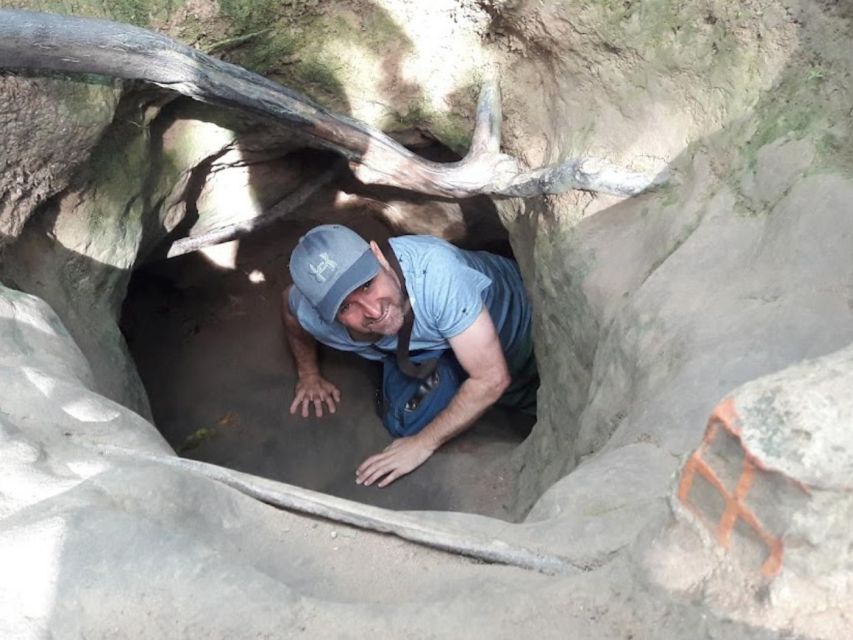
- Tunnel crawling that turns history into something physical (and surprisingly sobering)
- Optional shooting range with real guns, plus an extra bullet fee to budget for
- Hoang Cam stove tapioca and tea, with a smoke-hiding cooking method
From Saigon to the Underground City: How the Day Moves
This is a 6-hour half-day out of Ho Chi Minh City, which means you get the big Cu Chi Tunnels story without losing an entire day. The rhythm is simple: you start with pickup, then head out to the tunnels area, and you’ll come back the same day.
Your guide will pick you up in front of your hotel, then you’ll settle into an AC car transfer. That matters here because you’re not just doing a quick stop; you’ll spend meaningful time learning, walking, and then moving through extremely tight spaces. Having a comfortable ride helps you get to the tunnels focused and ready.
You can also read our reviews of more tours and experiences in Ho Chi Minh City
Getting There Comfortably: Pickup, Guide, and the Small Details That Matter
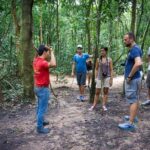
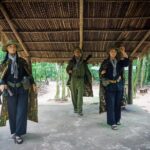
Included in the price is pickup and drop-off in the Saigon area, plus bottled water during the ride. It’s not a glamorous inclusion, but it keeps the day smooth. You’re also getting a professional, friendly guide, and the tour supports multiple languages.
One reason this trip scores well is the human factor. In one group I learned about, guides Lian and Oliver helped the group feel secure, and that calm tone matters when you’re learning about something this heavy. Another group had Lam, who was singled out for story-telling and for answering questions well—great if you want more than basic facts.
If your language is a concern, keep it in mind: one review flagged that it could be a bit hard to fully understand what the guide said at times, and there were delays on the way there and back. So if you’re sensitive to audio clarity or timing, arrive ready to be flexible.
Documentary War Footage: What You Learn Before You Crawl
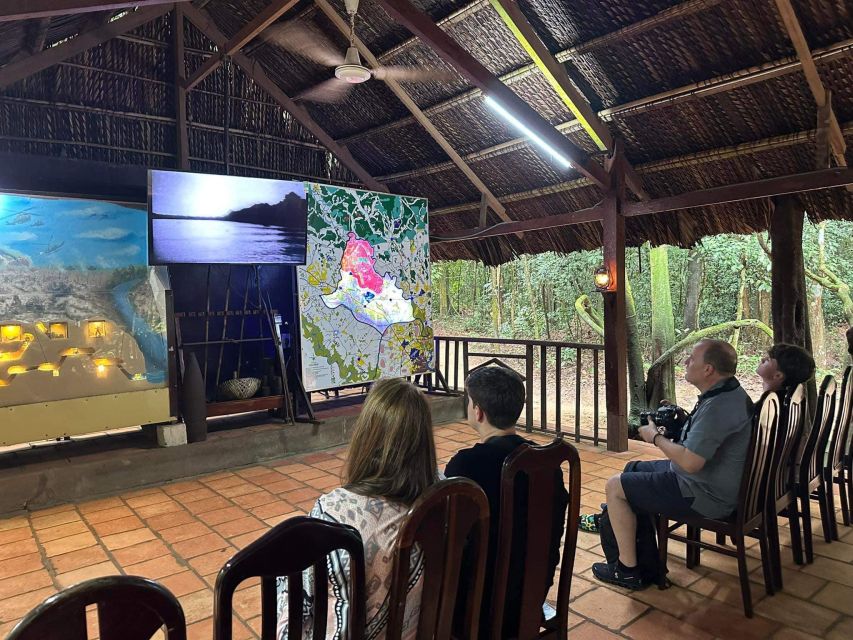
A big part of the experience is that you don’t jump straight into the tunnels with no context. You’ll watch short documentaries and authentic footage—recorded during the war—that helps explain how the tunnels were used for resistance and survival.
This staging is smart. You’re not just looking at old structures. You’re seeing how people lived, resisted, and fought while staying hidden from a battlefield that was, in reality, far larger and harsher than a visitor can imagine.
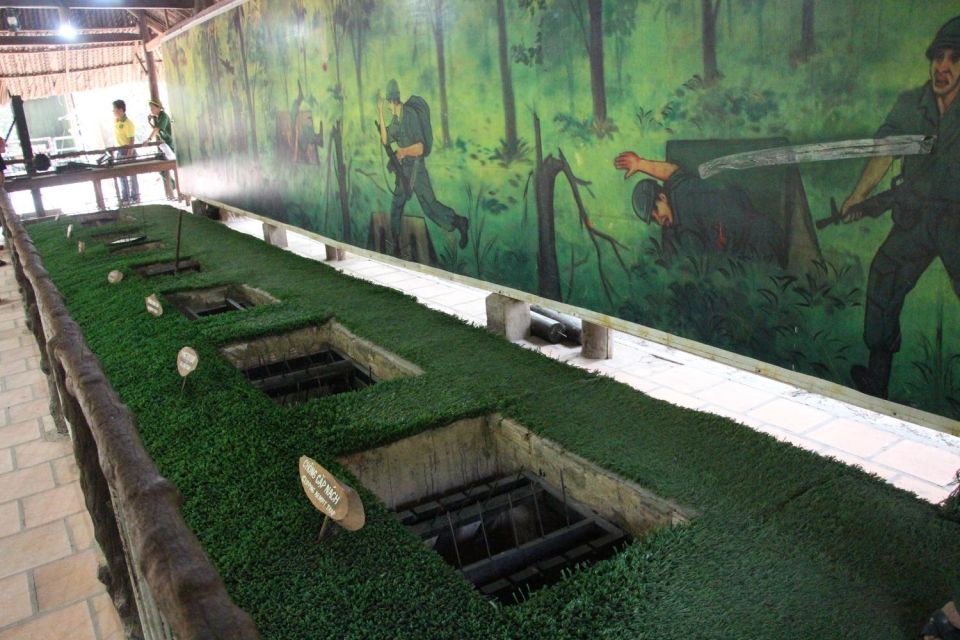
You’ll also learn specific survival tactics, including how guerrillas used leaves to camouflage themselves. Even though you’re a visitor, that detail makes the underground story feel less like a movie set and more like a real system built under pressure. It also helps you understand why the tunnels weren’t just for hiding—they were routes, connections, and refuge points.
Secret Hideouts and the Spider-Web Tunnel Network
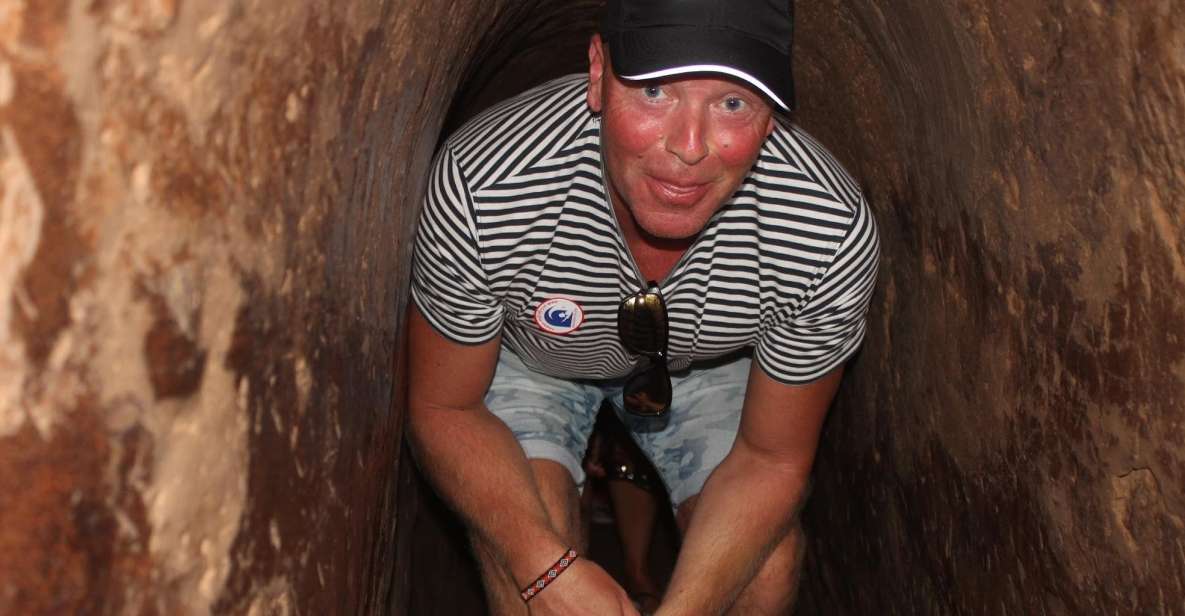
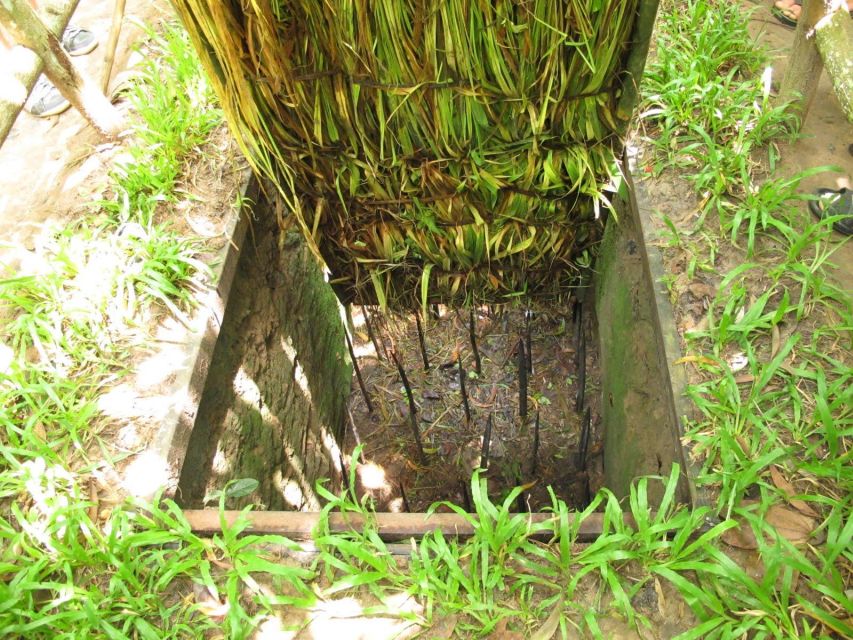
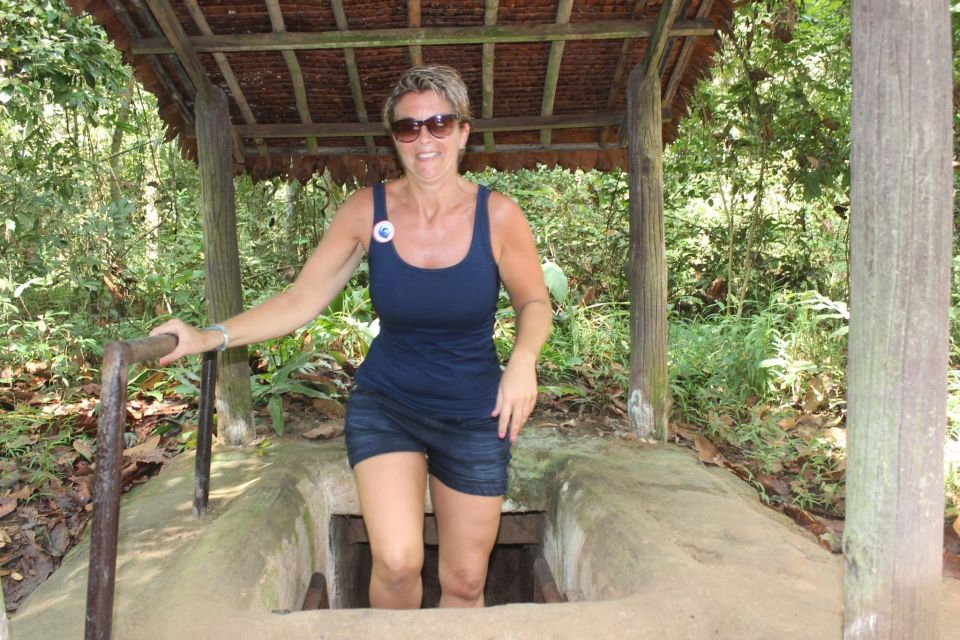
Once you’re inside the tunnels area, the tour leans hard into the layout. The tunnels are described as intricate, connected like a spider’s web, and you’ll explore hidden spaces and networks that were part of an underground city.
This is where the learning becomes visual. You can see how the tunnels supported a full underground life—refuge, movement, and cover. Instead of treating the tunnels as one room, the tour frames them as a living infrastructure.
You’ll also get a sense of secrecy: how the guerrillas created refuge and how the tunnels helped them stay alive even when the battlefield was close. It’s the kind of stop that changes how you think about geography. A tunnel system isn’t just about going under ground. It’s about controlling what the enemy can see and where people can go safely.
Crawling Through the Very Narrow Tunnels: Expect Discomfort, Not a Theme Park
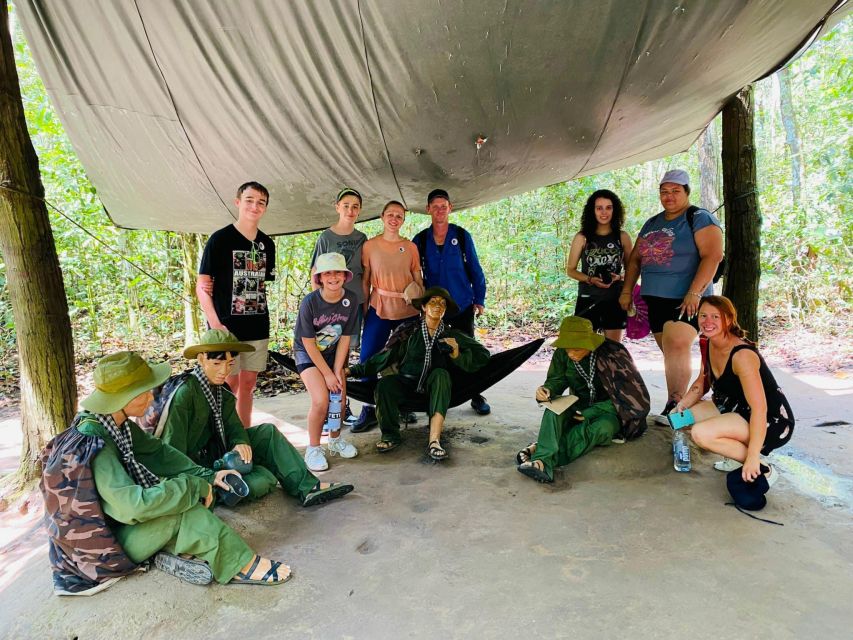
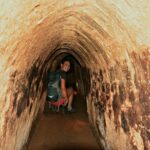
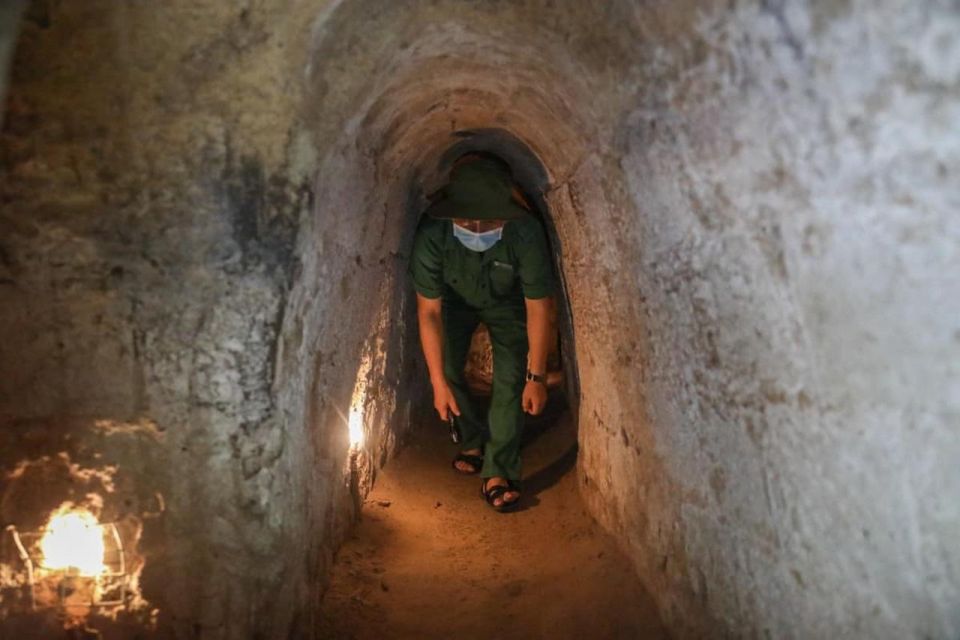
This is the part most people remember. You’ll have the opportunity to go inside very narrow tunnels, which is the closest you can get to the lived experience without being there historically.
Here’s the honest angle: this isn’t built for comfort. You’ll be squeezing, moving in tight space, and feeling the constraints of the underground environment. The tour gives you a real sense of how claustrophobic conditions were, and that’s exactly why this stop is valuable.
So who should take a serious look at this section? If you hate tight spaces, if you struggle with mobility, or if you have concerns about passing through narrow openings, you should plan carefully. The guide will be there, but you can’t turn this part into a gentle stroll.
On the positive side, past groups have reported feeling safe with their guide, including Lian and Oliver. Safety here likely comes from staying with the group and following the guide’s direction while moving through the tunnel sections.
You can also read our reviews of more tours and experiences in Ho Chi Minh City





Optional Shooting Range: Real Guns and Extra Fees You Must Budget For
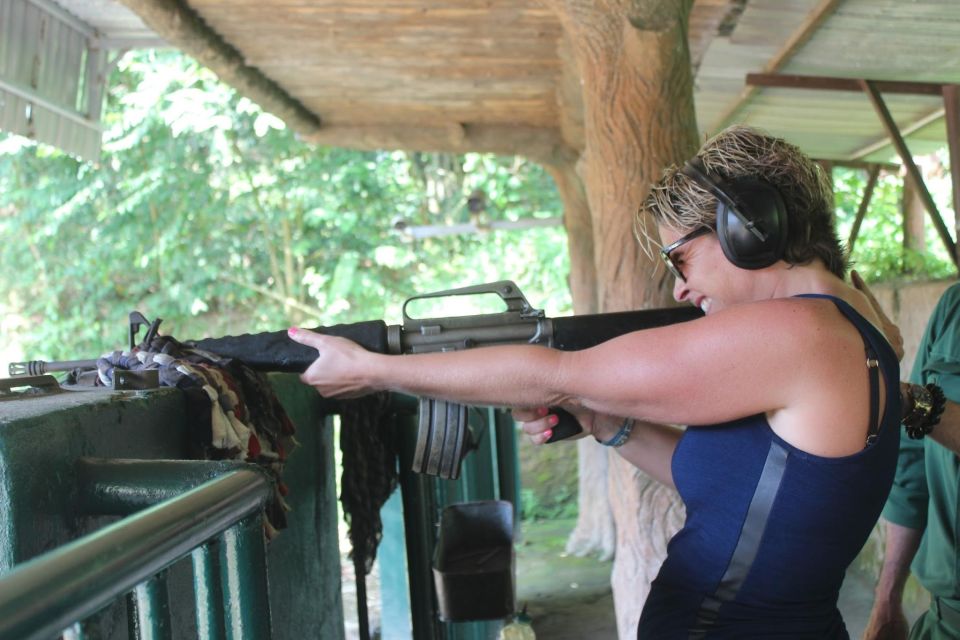
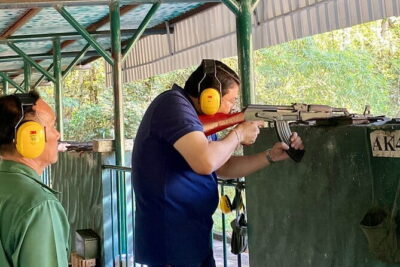
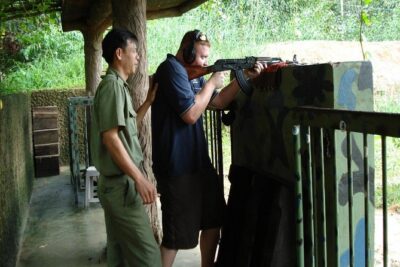
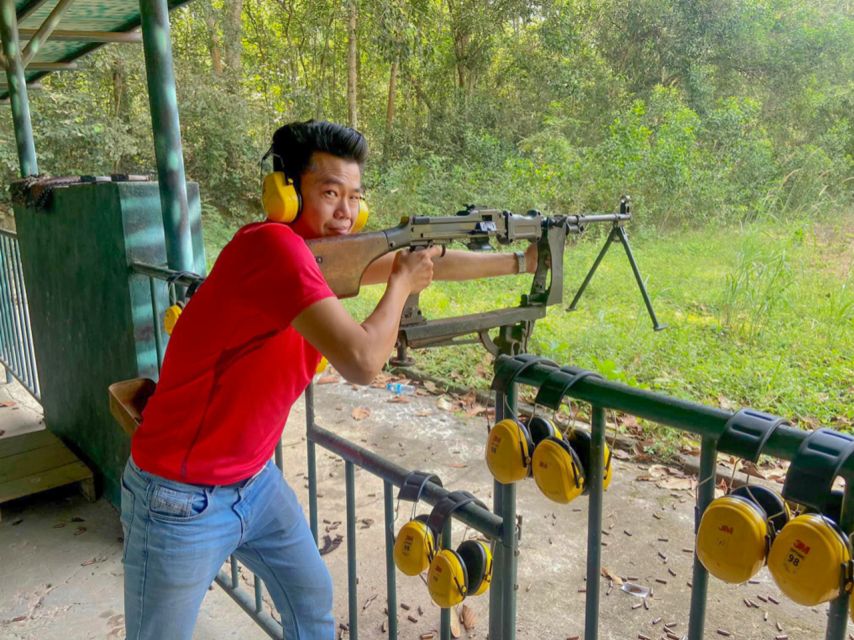
Another experience element is the chance to shoot with real bullets and real guns like AK-47 and M-60. That’s a big draw for some visitors because it feels more direct than just watching footage.
But it comes with a catch: the bullet fee is not included. The additional cost is roughly 600,000 VND for a pack of 10 bullets. Since the tour ticket is also not included, this is one of those days where you’ll want to think about your total spend, not just the headline price.
If you’re interested in shooting, plan for the fee. If you’re not, you can still enjoy the rest of the day without needing to do it.
War-Time Tapioca on the Hoang Cam Stove: Food With Context
One of the more memorable cultural details is the snack stop at the Cu Chi Tunnels. You’ll taste tapioca and tea, cooked on something called the Hoang Cam stove, described as a special stove that can hide smoke.
This matters because it connects food to survival. In the tunnels’ context, cooking wasn’t just about taste—it was about not giving away locations. When you understand why a stove matters, the snack becomes more than a quick bite.
In a review summary, the food choices were also highlighted as wonderful, which backs up that this isn’t treated like a low-effort add-on. You’ll also get light snack inclusion as part of the tour, so you’re not scrambling for meals mid-experience.
Price and Value: Why $16 Can Make Sense (and When It Won’t)
The listed price is $16 per person for a 6-hour experience, which is relatively low considering what’s included: pickup/drop-off in Saigon, an AC car transfer, bottled water, a guide, and a light snack (tapioca and tea).
That said, two costs can change the final number:
- Ticket is not included, so you’ll need to add that on your side.
- If you shoot, bullet fee is roughly 600,000 VND per pack of 10 bullets.
There’s also a 30% surcharge on holidays in Vietnam. If your dates fall on a holiday period, your real total may be higher than you expect.
So is it good value? For most visitors, yes, because you’re paying for transport, a guide, context, and multiple experience stops in one half-day. It becomes less good value only if you end up adding several extras you don’t care about (like shooting) or if you’re hit by holiday surcharges.
Language, Timing, and Group Feel: What to Expect in Real Life
This tour runs with a live guide and supports several languages: English, Chinese, French, Japanese, Italian, Spanish, Korean, Russian, and German. English is described as the base with other languages available (including a surcharge for other languages).
From reviews, guide skill is a major factor in satisfaction. People specifically praised Lam for story-telling and Q&A, and Kieu for speaking excellent Spanish and making the activity very interesting. Kieu was also described as adjusting the day to help with a Vietnamese coffee recommendation—something you might get when your guide is proactive and local.
Timing can be a variable point. One review mentioned delays heading to and from the tunnels. That’s not surprising in a city with traffic, but it’s still worth remembering if you have strict plans afterward.
Who This Trip Fits Best (and Who Should Skip Parts)
This is a strong choice if you want history that feels concrete. You’ll learn how underground guerrilla life worked, see the camouflage approach using leaves, and explore the interconnected tunnel system before you physically move through narrow tunnels.
It’s also a good fit if you like guided explanation. The tour format leans on documentary footage plus a guide’s narration, and that combo worked well in groups with guides such as Lian, Oliver, Lam, and Kieu.
You might want to think twice about the tunnel crawl if:
- you’re claustrophobic
- you have mobility challenges
- you want a more comfortable experience where the walking and squeezing is minimal
If you’re mainly interested in shooting with AK-47 or M-60, you’ll likely want to budget for the bullet fee. If you’re not into shooting, treat it as an optional bonus rather than the core of the day.
Should You Book Cu Chi Tunnels From Ho Chi Minh City?
Book it if you want a half-day that blends documentary context, guided exploration of underground life, and a physical tunnel experience. The structure makes sense: footage first, then the network, then the tunnel crawl, and finally a snack that ties food to survival.
Skip or reconsider if you know you can’t handle very narrow spaces. Also factor in that ticket and (if you choose it) shooting bullets cost extra, so your final expense may be higher than $16.
If you’re flexible with timing and you want to learn Vietnam from a perspective that’s not just surface-level, this tour is an efficient way to do it in about six hours.
FAQ
What is the duration of the Cu Chi Tunnels half-day trip?
The trip is about 6 hours.
Where does pickup and drop-off happen?
Pickup and drop-off are included for the Saigon area, and the guide will pick you up in front of your hotel.
Is the tour guide English-speaking?
A live guide is provided. English is available, and other languages are also offered with a surcharge for non-English options.
Is the ticket included in the $16 price?
No. The ticket is not included.
Is the shooting range included?
The option to shoot is part of the experience, but the bullet fee is not included.
How much are the bullets if I want to shoot?
The bullet fee is roughly 600,000 VND for a pack of 10 bullets.
Is there food included?
Yes. There is a light snack with tapioca and tea at Cu Chi Tunnels.
Can I crawl through the tunnels?
Yes. You’ll have the opportunity to go inside the very narrow tunnels.
Is there a holiday surcharge?
Yes. There is a 30% surcharge on holidays in Vietnam.
What is the cancellation policy?
Free cancellation is available up to 24 hours in advance for a full refund.