REVIEW · HO CHI MINH CITY
Make 3 Regions Iconic Vietnamese coffees: Brown, Salted, Egg
Book on GetYourGuide →Operated by Vietnam Coffee Journey - Day · Bookable on GetYourGuide
Vietnam tastes different when you brew it yourself. This 90-minute hands-on coffee session connects the drink to the region where it comes from, so you learn why Vietnam’s coffee culture looks so different from south to north. You’ll also be in the heart of the city, in a small group, with an English host who keeps things practical and fun.
What I like most is the mix of making and learning: you don’t just watch, you make your own using the traditional phin dripper and you get clear brewing tips along the way. The other big win is the way Quynh links each cup to Vietnam’s regional culture, so even the three iconic styles—Brown (South), Salted Cream (Central), and Egg Coffee (North)—feel like a story, not a gimmick.
One consideration: the class is basically a caffeine event. They recommend skipping coffee for the two hours before your start time, and if you’re sensitive, you’ll want to plan your day around that.
In This Review
- Key things that make this workshop worth your time
- A 90-minute coffee story from South to North
- Meet Quynh and set expectations for what you’ll learn
- Phin dripper practice: the skill behind the signature drinks
- Brown coffee of the South: strong, direct, and built for fans
- Salted cream coffee of Central Vietnam: sweet-salty balance
- Egg coffee of the North: the creamy foam you learn to control
- Tastings and practical tips: what “four tastings” means for you
- The snack break: plain bánh mì with condensed milk
- Price and value: why $22 feels fair for what you get
- Timing and logistics: plan your caffeine and your day
- Who should book, and who should skip
- Should you book Vietnam Coffee Journey Day?
- FAQ
- How long is the experience?
- How many people are in the group?
- What coffee drinks will I make?
- What’s included besides coffee?
- Can I join if I have dietary restrictions?
- Is it wheelchair accessible?
Key things that make this workshop worth your time
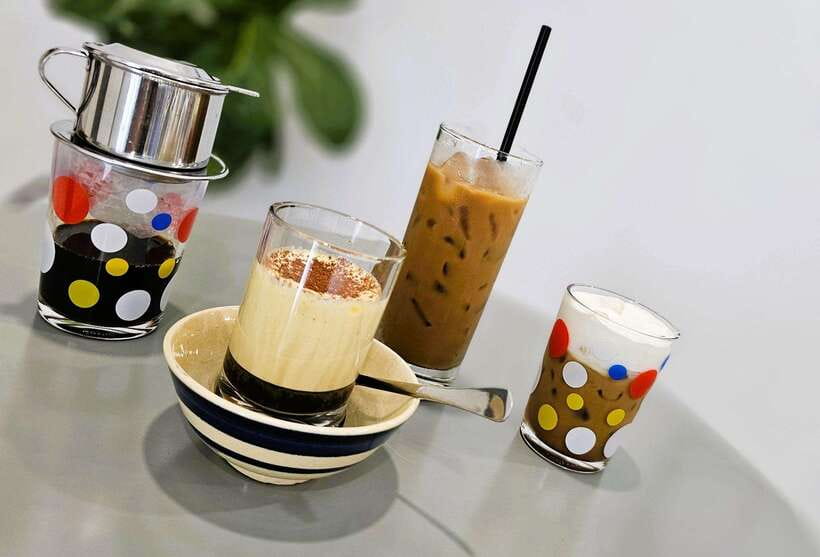
- Three iconic coffees, one phin skill: you learn how to use the phin and apply it to each regional drink.
- Region-by-region flavor logic: South, Central, and North are explained through what’s in the cup and how it’s brewed.
- Hands-on for everyone: the session isn’t a lecture; it’s structured around you actively preparing drinks.
- Quynh’s teaching style: English delivery, patience, humor, and lots of room for questions.
- Small group comfort: limited to 6 participants, with air-conditioned seating.
- Snack included plus diet options: you get a simple bánh mì with condensed milk, and vegan/celiac/lactose alternatives if you request when booking.
A 90-minute coffee story from South to North

This is the kind of experience you can finish feeling smarter, not just caffeinated. In about 90 minutes, you cover a short Vietnamese coffee history and how coffee became part of everyday life, then you translate that context into three drinks you actually make.
The big idea is simple: Vietnam’s regional differences show up in the coffee. That’s why the class is built around three styles from three parts of the country—Brown coffee from the South, Salted cream coffee from the Central region, and Egg coffee from the North—rather than focusing on one “standard” recipe.
The pace stays tight. With a small group and a hands-on format, there’s little downtime, and you can move at your own comfort level while still getting your hands on the phin dripper.
You can also read our reviews of more tours and experiences in Ho Chi Minh City.

Meet Quynh and set expectations for what you’ll learn
The host, Quynh, runs the session in English and brings more than 16 years of experience in food and beverage. In plain terms, that shows in how the class flows: you get structure, clear instructions, and time to catch up when you’re learning a technique.
From what you’ll do in the room, you can expect two tracks running together. First, you’ll hear the background for each coffee style—where it fits in Vietnam’s story and how regional culture shaped the flavors. Second, you’ll practice brewing so you understand what changes in the cup when you change the drink.
That combination matters because Vietnamese coffee isn’t just about tasting. It’s also about method. If you’ve had Vietnamese coffee before and found it surprising—too strong, too different, too creamy—this explains the why and gives you tools for making sense of it.
Phin dripper practice: the skill behind the signature drinks

Vietnamese coffee often comes with a piece of equipment that looks simple but acts like the engine of the flavor. In this class, you’ll get recommendations for how to use the traditional phin dripper correctly.
You’ll see that technique affects extraction and timing, which then influences how bold the coffee tastes and how well the drink holds together with added ingredients. The class doesn’t treat the phin as an afterthought. It’s the practical backbone that lets Brown coffee, Salted cream coffee, and Egg coffee taste like they belong to their region.
If you’ve never used a phin before, you’re not alone. This workshop is designed for real learners, not experts. You’ll also get brewing tips as you go, so you’re not left guessing why one version works and another one doesn’t.
Brown coffee of the South: strong, direct, and built for fans
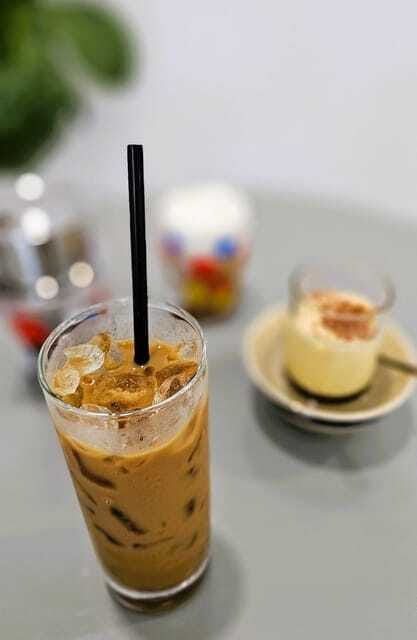
The Southern style is represented by Brown coffee. The lesson here is about staying grounded: this drink is a straightforward gateway into Vietnamese coffee’s strength and character, rather than leaning heavily on added richness.
When you make it, you’ll learn how the base coffee performs through the phin method, and how that base supports the final flavor. You’ll taste it in a way that connects method to outcome: what you did with the dripper leads to what you notice in the cup.
If you like coffee that tastes like coffee—noticeable bitterness, deep body, and that classic Vietnamese intensity—you’ll probably gravitate to this one. And even if you don’t drink coffee often, this is a useful starting point because it helps you identify what’s “coffee” versus what’s “cream/sweet topping.”
Salted cream coffee of Central Vietnam: sweet-salty balance
Central Vietnam’s signature in this class is Salted cream coffee. This is where the workshop expands from technique into texture and balance.
Instead of focusing only on the coffee itself, you’ll understand how a salty-sweet approach changes the experience. The result is a drink that feels more complex than plain black coffee, but still unmistakably Vietnamese in its coffee backbone.
You’ll also learn the background story of why this kind of flavor shows up in Central Vietnam. It’s not just about taste preferences; it’s about how regional culture shapes what people want their coffee to do—comfort, contrast, and that slow-sipped satisfaction.


Egg coffee of the North: the creamy foam you learn to control
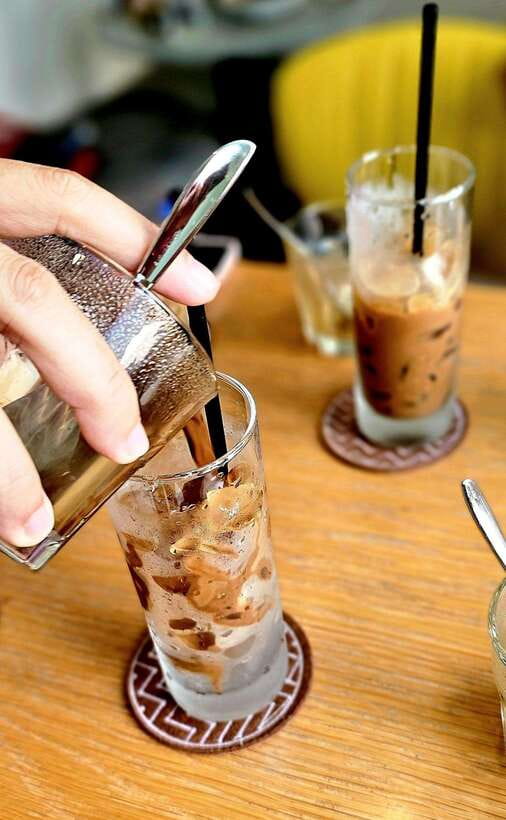
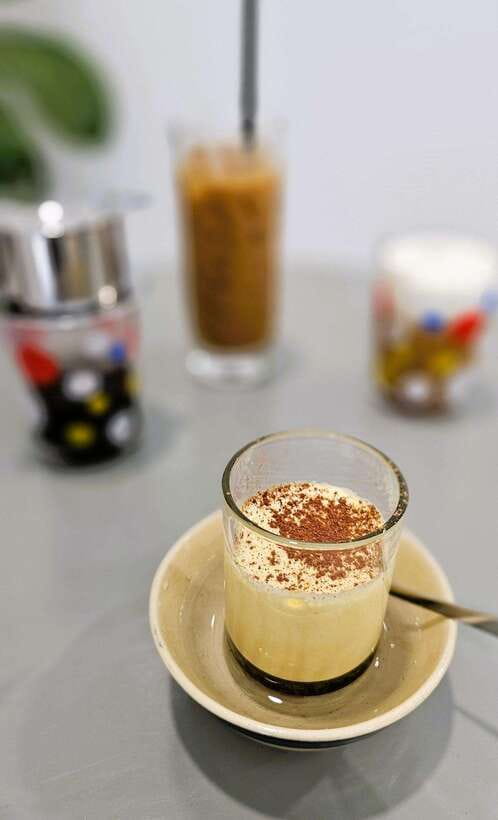
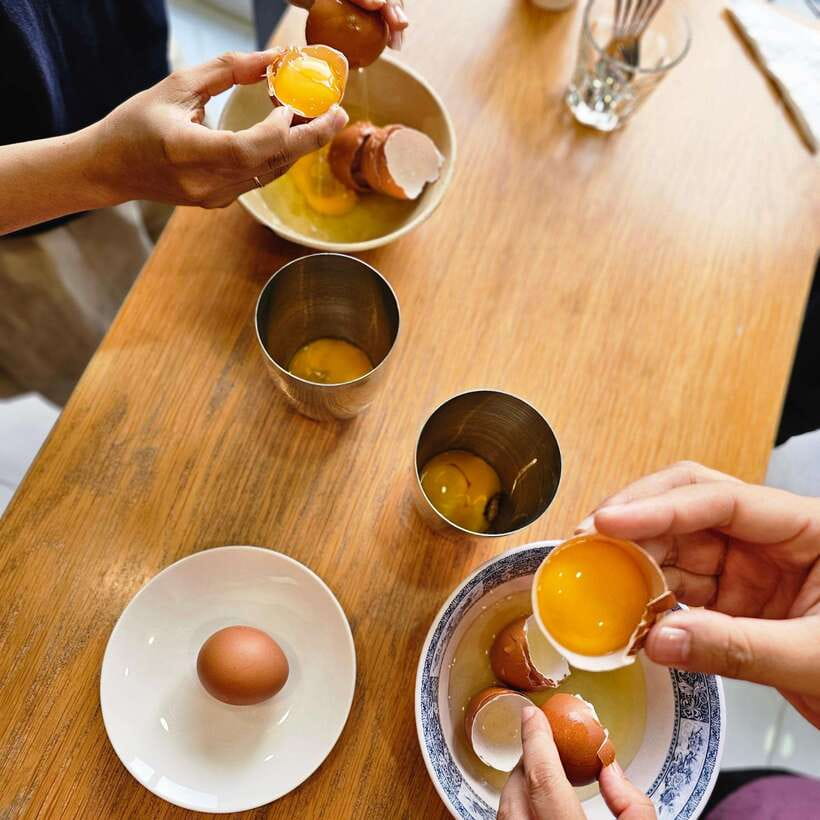
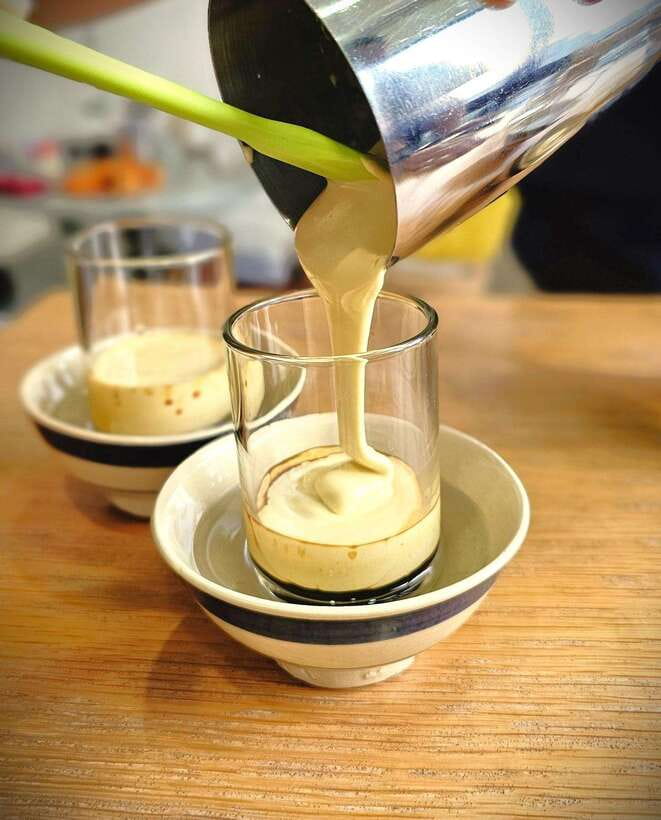
For the North, you make Egg coffee, famous for its creamy, custard-like foam. This is the drink that tends to make people pay attention, even if they weren’t planning to geek out about coffee.
The class approach is helpful here: you’re not just told that egg coffee is special. You’re guided through how it should come together, and you get tips that help you understand the texture you’re aiming for.
What I like about including Egg coffee is that it shows Vietnamese coffee culture as something creative, not only traditional. Egg coffee makes a strong case that regional Vietnam isn’t one uniform style—it’s multiple identities expressed through the same coffee tradition.
Tastings and practical tips: what “four tastings” means for you

You get four coffee tastings and instruction on how to make the coffees. That structure matters because it gives you more than one reference point while you’re learning.
Rather than having one outcome and hoping you can replicate it, tastings let you compare. You can notice differences in strength, creaminess, and how the flavors land. Then, when you make your own versions, you’re making with feedback in mind.
You’ll also get tips when brewing, which helps you avoid the common beginner trap: copying a drink without understanding what to watch for. The class keeps things approachable, but it still treats the technique with respect.
The snack break: plain bánh mì with condensed milk
Coffee classes in Vietnam can sometimes feel like you’re just waiting for your next sip. Here, you get a simple local snack: plain bánh mì with condensed milk.
It’s a fun pairing because it reinforces the overall sweet-and-strong flavor world of Vietnamese coffee. Also, it gives you a chance to slow down for a moment and reset your taste buds while the coffee keeps coming.
If you’re sensitive to dairy, you’ll want to follow the diet notes at booking. The experience lists alternatives for vegan, celiac, and lactose intolerance guests when you book.
Price and value: why $22 feels fair for what you get
At $22 per person for 90 minutes, this class lands in the “worth it” category because the inclusions are the real value drivers. You’re not only drinking; you’re tasting multiple coffees and making the iconic styles with guidance.
You also get:
- four tasting experiences
- instruction on how to make the coffees
- a snack (bánh mì with condensed milk)
- air-conditioned, comfortable seating
- no other charges
For many visitors, this is one of the simplest ways to get quality food-and-drink instruction without paying extra for add-ons. The small group size also helps; when there are only up to six participants, it’s easier to get attention when you’re learning the phin.
Timing and logistics: plan your caffeine and your day
This experience runs 90 minutes. Start times vary by availability, but the format is built to fit into a city day rather than eating up your whole afternoon.
The big timing tip is the caffeine warning. They recommend no coffee within two hours before your start time, because you’ll be drinking multiple coffees during the session. If you’re also having espresso, energy drinks, or lots of tea earlier that day, I’d treat this class like a main caffeine event.
Also note the booking options: free cancellation up to 24 hours in advance and reserve now, pay later. That gives you flexibility if your plans shift.
Who should book, and who should skip
This workshop is designed for people aged 14 and up. It isn’t suitable for children under 14, and it also has an upper age limit of 95.
If you want a fun, effective class where you learn the “why” behind Vietnamese coffee styles while still getting to make them yourself, this fits well. It’s especially good for curious food people who like hands-on lessons and don’t mind being in the A/C for a short, focused session.
One more practical note: wheelchair information is mixed. The details say wheelchair accessible, but it also states it’s not suitable for wheelchair users. If this matters for you, check directly before booking so you don’t get surprised on the day.
Should you book Vietnam Coffee Journey Day?
Book it if you want a compact, high-impact way to understand Vietnamese coffee beyond the basics. You’ll leave with three iconic drinks under your belt—Brown (South), Salted cream (Central), and Egg (North)—plus a clearer sense of how regions shape flavor and coffee culture.
Skip it if caffeine is a big problem for you, or if you’re looking for a low-stimulation activity. This is social and active, and the session is designed around tasting and brewing, not quiet sightseeing.
If you’re on the fence because you think you’re not a coffee person, give it a chance anyway. The format is built to be enjoyable even when coffee isn’t your daily obsession, because the learning is tied to culture, technique, and making something with your own hands.
FAQ
How long is the experience?
The session lasts 90 minutes.
How many people are in the group?
It’s a small group limited to 6 participants.
What coffee drinks will I make?
You’ll make three iconic Vietnamese coffees that represent regions: Brown coffee (South), Salted cream coffee (Central), and Egg coffee (North). The experience also includes four coffee tastings.
What’s included besides coffee?
You’ll get a simple local snack: plain bánh mì with condensed milk. Air-conditioned and comfortable seating is also included, and it’s listed as all-inclusive with no other charges.
Can I join if I have dietary restrictions?
The experience notes alternatives for vegan, celiac, and lactose intolerance guests. You should indicate your needs when you book.
Is it wheelchair accessible?
The details include wheelchair accessibility, but they also state it’s not suitable for wheelchair users. If you need wheelchair access, contact the provider before booking to confirm what will work for your situation.