REVIEW · HO CHI MINH CITY
Discover Saigon’s Local Sites and Culture by Motorbike
Book on GetYourGuide →Operated by CONNECT CULTURE CO.,LTD · Bookable on GetYourGuide
Motorbikes turn Saigon into a living map. In just 2–210 minutes, you ride with an English-speaking guide through real neighborhoods, from Thich Quang Duc to Chinatown markets and a floating-market stop.
I love the mix of daily-life stops plus big-city landmarks, especially the quiet feel of an old apartment in District 3 and the sensory overload of District 5 specialty markets. I also like the included pauses for Vietnamese coffee/coconut and a special dish, so the tour doesn’t feel like nonstop sightseeing.
One consideration: you’re on a motorbike in active traffic for part of the experience, so it’s not ideal if you don’t feel comfortable riding or if you fall into the tour’s listed limits (pregnancy, wheelchair users, or age over 80).
Key moments worth your time
- Thich Quang Duc Monument first: you start with a serious site before the city gets chaotic.
- District 3 old apartment life: you see how Saigoners live, work, and move through the day.
- Big flower market in the route: perfect for photos, colors, and local pace.
- District 5 Chinatown markets: from motorbike and pet markets to Chinese medicine.
- Floating-market-style stop: a Mekong Delta vibe without leaving the city.
- Saigon River Tunnel + District 1 views: modern Saigon right after the older neighborhoods.
In This Review
- Why This Saigon Motorbike Tour Works Better Than a Usual Bus Ride
- Starting at Thich Quang Duc Monument: A Serious Opening
- District 3 Old Apartments: Where the City Breathes
- Coffee Breaks in Vietnam: More Than a Beverage Stop
- Saigon’s Biggest Flower Market: Color, Smell, and Motion
- Chinatown and District 5 Markets: The City’s Busy Specialties
- A Chinese Temple Stop: Finding Meaning Between Markets
- The Floating Market Feel: Mekong Delta Vibes Without Leaving Saigon
- District 4 and 7: Slum Areas and the Story Behind the Streets
- Food and Local Drink: Why the Meal Is Part of the Tour, Not an Add-On
- Saigon River Tunnel to District 2 and Views Toward District 1
- Safety, Gear, and Comfort on the Back of a Scooter
- Price and Value: What You Get for Around $16
- Should You Book This Saigon Motorbike Culture Tour?
- FAQ
- What’s the duration of the Saigon motorbike culture tour?
- What’s included in the price?
- Where is free pick-up offered?
- Is the tour only available with a motorbike?
- What should I bring?
- Is alcohol allowed during the tour?
Why This Saigon Motorbike Tour Works Better Than a Usual Bus Ride
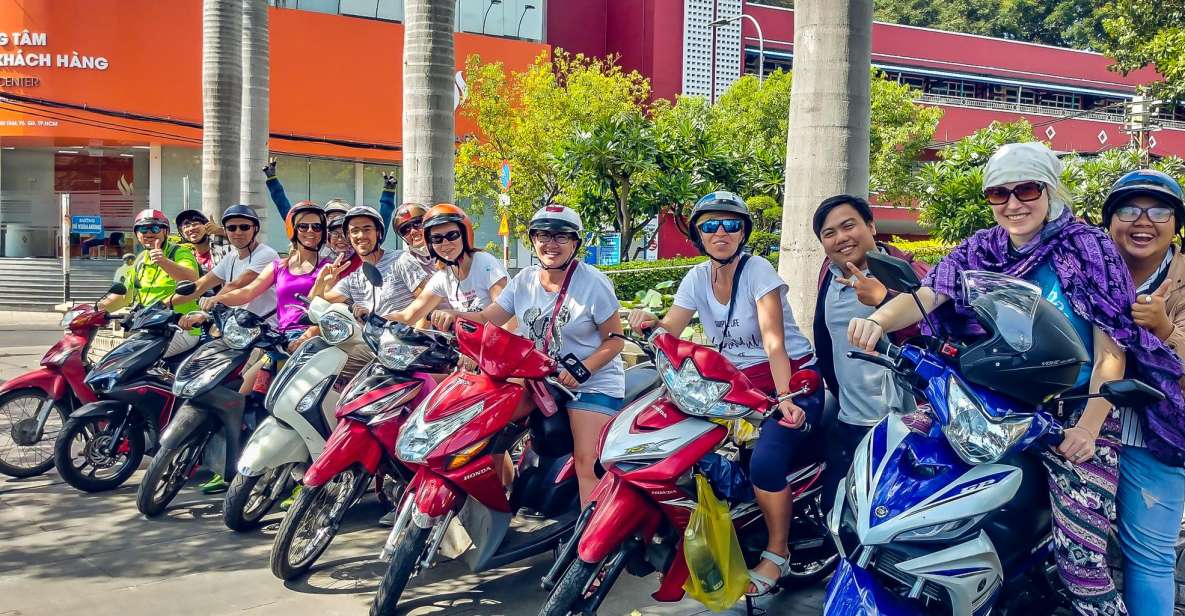
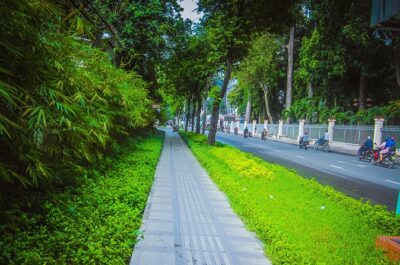
If you want Saigon fast, a motorbike gives you something buses can’t: tight turns, short alley cuts, and the ability to see daily life at street level. You’re not just looking at famous spots. You’re getting a feel for how the city actually moves.
This tour is built around contrasts. You’ll begin with a landmark tied to Vietnamese life and history, then shift into residential District 3 rhythms. After that, the route swings into District 5’s markets and Chinatown areas, before ending with newer urban scenery around District 2 and the views toward District 1.
I’d call it a strong “first bearings” option. It’s long enough to make sense of the city, but short enough that you can still explore on your own after.
Starting at Thich Quang Duc Monument: A Serious Opening
The tour kicks off at Thich Quang Duc Monument, and that choice matters. It sets a reflective tone early, before you hop into busier districts. Even if you don’t know the details yet, the monument gives context for how Vietnamese people remember their past.
Practically, it also helps you settle in. You’ll meet your guide, get briefed, and get comfortable with the pace of motorbike travel. From there, the city shifts from “important site” mode into “local neighborhood” mode.
If you’re hoping for a purely light-and-fun ride from minute one, this first stop may feel a bit heavier than expected. But I think it’s the right balance for understanding Saigon, not just photographing it.
You can also read our reviews of more tours and experiences in Ho Chi Minh City.

District 3 Old Apartments: Where the City Breathes
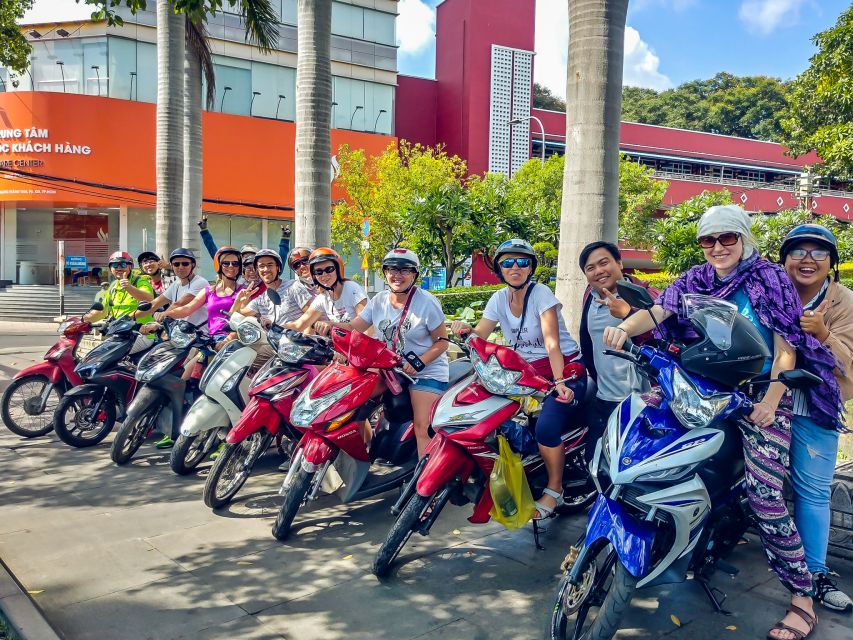
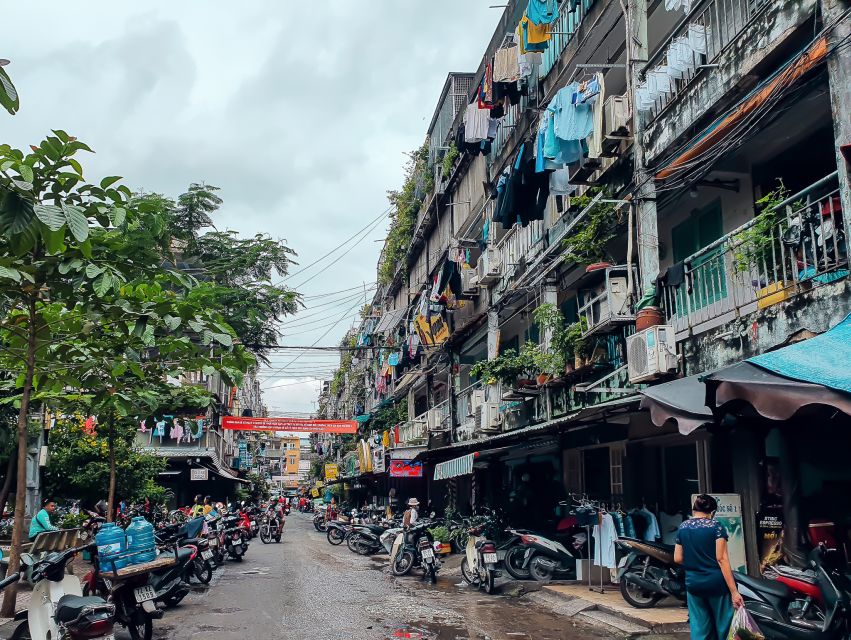
Next comes District 3, described as the oldest district of Saigon, and the stop in an old apartment is the real eye-opener. Instead of walking through polished streets, you get a glimpse of day-to-day living—how people manage chores, daily routines, and community life.
This is one of those experiences where the value isn’t a single photo. It’s the way the space tells a story. You’ll notice how ordinary buildings hold layers of history and how neighbors share the same tight urban fabric.
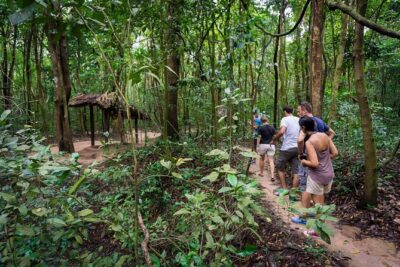
A nice bonus: you won’t be stuck only on the back of a bike. The program includes getting off for small walks, which makes it easier to take in what’s around you and not just pass by at speed.
Coffee Breaks in Vietnam: More Than a Beverage Stop
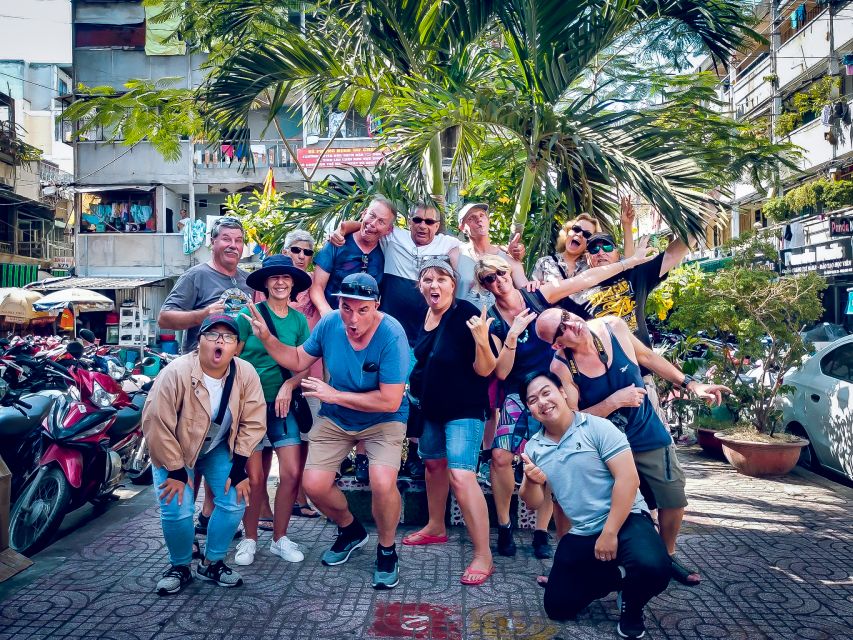
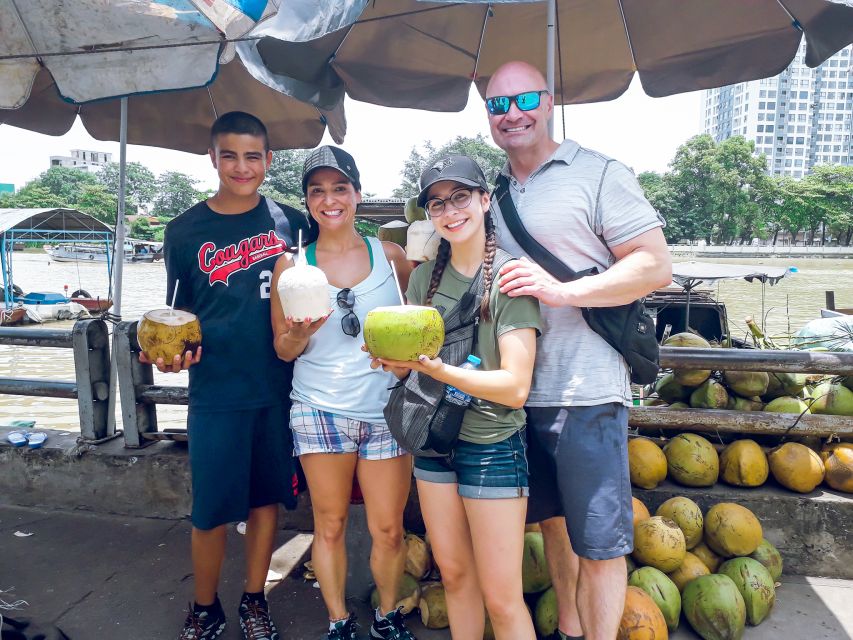
You’ll pause at a local coffee shop for a typical Vietnamese drink—often Vietnamese coffee or coconut. This is a good moment to slow down, breathe, and ask questions without shouting over engine noise.
Coffee in Vietnam isn’t just caffeine. It’s part of social rhythm. In the middle of a motorbike tour, it also helps you reset your senses. Markets can be intense; coffee gives you a clean break.
Tip: bring small bills. The tour provides food and drink on the program, but having cash makes it easier to handle little extras that pop up during stops—like snacks or souvenirs you might want while you’re there.
Saigon’s Biggest Flower Market: Color, Smell, and Motion
From District 3, the route leads toward the biggest flower market in Saigon. This is one of those places where the city’s economy shows in real time. You get color, fragrance, and the kind of daily labor that’s hard to understand from guidebooks.
What I like about this stop is that it’s visual and sensory without needing a long attention span. Even if you’re tired, the flower market is “easy to experience.” It’s also excellent for photos, because everything looks like it’s meant for close-up viewing.
If you’re a slow walker, this is a manageable stop. If you love moving quickly, it’s also fine—there’s plenty to see from different angles while your guide keeps the flow going.
Chinatown and District 5 Markets: The City’s Busy Specialties
The route then heads into China Town in District 5, and this is where the tour really starts to feel like a local scavenger hunt. You’ll weave around areas tied to everyday commerce: a motorbike market, a pet market, an electronics market, and a Chinese medicine market.
You’ll also pass places described as ghost buildings, which can be unsettling in the way abandoned or half-abandoned structures often are. But in this context, it’s not horror-film stuff. It’s about showing how neighborhoods evolve and how some structures get left behind while commerce continues nearby.
The best part is that you don’t just see “markets.” You’re getting guided context for what these places do for people—who visits, why these goods matter, and how the city’s needs shape what you find on the streets.
If you’re easily overwhelmed by noise or crowds, take a breath before you go full camera mode. District 5 can feel like everything happens at once. Your guide’s job is to keep you moving safely and help you understand what you’re seeing as you go.


A Chinese Temple Stop: Finding Meaning Between Markets
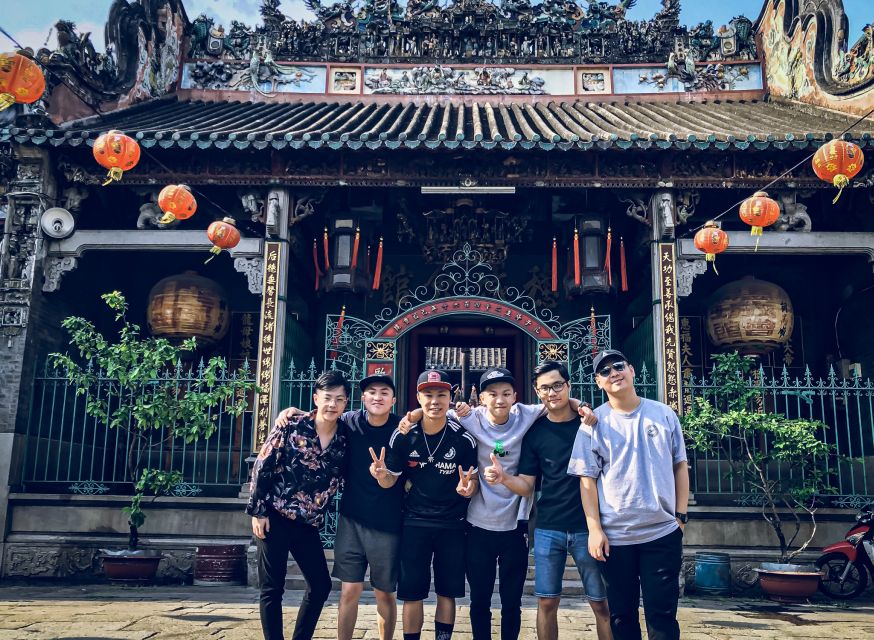
After the market areas, the program includes a typical Chinese temple. This stop helps balance the sensory overload that comes before it. It also gives you a different kind of “local life” moment—less about trading and more about belief, routine, and community presence.
This is also a great place for quiet reflection during an otherwise busy route. Even if you’re not religious, you can usually tell how important these spaces are to the people using them every day.
The Floating Market Feel: Mekong Delta Vibes Without Leaving Saigon
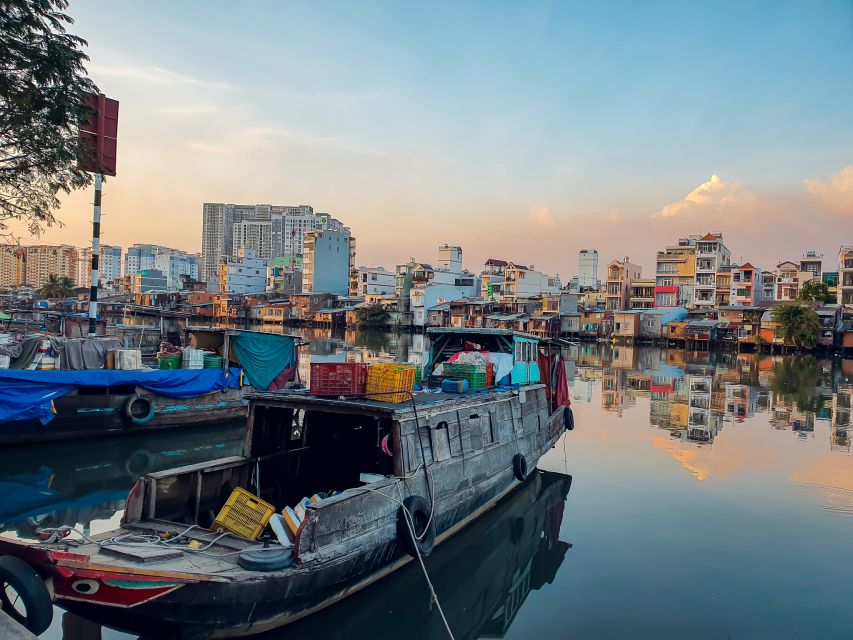
Then you’ll ride to a floating market—described as a small version of the Mekong Delta in Saigon. The setting adds a change of pace: less land-based street bustle, more water-based activity.
This stop works well because it links Saigon to Vietnam’s wider geography. It’s not just a random market stop; it’s a chance to feel how southern river culture shows up even when you’re still in the city.
If you’re short on time and can’t plan a full Mekong day trip, this is a practical way to get the vibe. It won’t replace a full river excursion, but it gives you a taste.
District 4 and 7: Slum Areas and the Story Behind the Streets
One of the most meaningful parts of this experience is how the tour handles the less shiny parts of the city. You’ll see slum areas and an old mafia area around District 4 and District 7.
This isn’t just sightseeing from a distance. It’s framed as context—how economic realities shape neighborhoods, and how the city’s past shows up in modern streets. If you’re the kind of traveler who likes understanding why things look the way they do, you’ll appreciate this portion.
Emotional note: this part can feel heavy. Keep your expectations realistic. This is still a short tour, but it gives you a direct look at the inequality that exists alongside Saigon’s growth.
Food and Local Drink: Why the Meal Is Part of the Tour, Not an Add-On
To keep you going, the tour includes a special dish and local drink later on. The idea is smart: after hours of sights, markets, and street context, your brain needs a reset.
What you’ll likely enjoy here is not just taste, but the sense of being fed like a local during the day. The meal ends up tying the route together, because you’ve already seen how people live; now you experience what they eat in that same context.
One extra practical detail from real guides’ approaches: some guides will adjust meals for dietary needs when possible. If you have a vegan preference or other restrictions, it’s worth telling your guide beforehand so they can try to accommodate.
Saigon River Tunnel to District 2 and Views Toward District 1
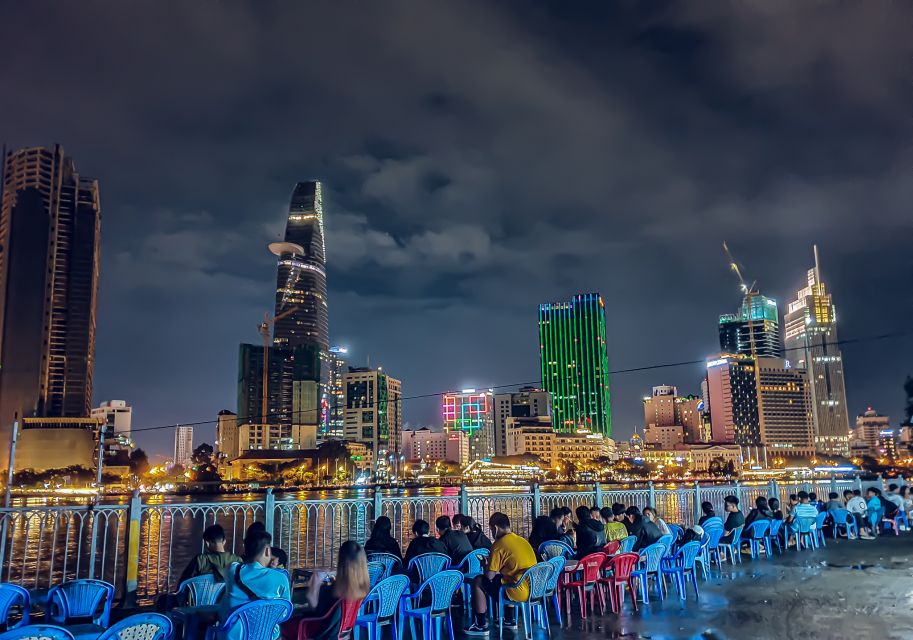
After you’ve seen older neighborhoods and market life, the route shifts toward newer Saigon. You’ll drive through the Saigon River Tunnel in District 2, then get scenes toward District 1.
This part feels like a change in editing style. You go from close street life to bigger-city movement, and you get a clearer picture of how Saigon expands and redevelops.
For photos, this is a strong closer. You’ve earned it by then. Your eyes are more tuned in, so you’ll notice details you might miss earlier—lighting, skyline angles, and how traffic flows across different districts.
Safety, Gear, and Comfort on the Back of a Scooter
This is where you should pay attention, because motorbike travel can feel intense if you’ve never done it in Vietnam. The tour includes motorbikes, helmets, and ponchos, which already covers the big comfort bases.
From the way guides are described, the experience hinges on careful driving plus clear English explanations. Guides such as Lucy, Jay, Elisa, Hana, Vinh, and Vincent come up repeatedly as examples of strong English and calm handling in traffic—especially during rush-hour navigation.
Also note the pacing. You’re not trapped riding for the entire duration. The program includes stops where you get off for short walks, which keeps your legs from feeling stuck and gives your brain a break.
Bring comfortable shoes. You’ll be standing and walking at multiple stops. Also bring a camera and comfortable clothes, since you’ll be out moving.
Price and Value: What You Get for Around $16
At $16 per person, this tour is priced like a budget entry, but it includes a surprising number of essentials.
You get:
- Pickup and drop-off (free for hotels in Districts 1, 3, 4, or specific meeting locations)
- English-speaking guides
- Motorbikes, helmets, and ponchos
- Food and drink on the program
- Photos
That bundle matters. In Saigon, you can easily spend extra just on transport and food breaks if you’re trying to build a similar route yourself. Here, the tour does the routing across multiple districts in a way that’s hard to replicate casually, especially if you don’t know your way through smaller alley streets.
If your hotel is outside the free pickup areas, there’s a small surcharge mentioned by the operator. That’s normal in this kind of city tour, so I’d check your exact pickup point before you decide.
Should You Book This Saigon Motorbike Culture Tour?
I think you should book if you want a fast, street-level introduction to Ho Chi Minh City that goes beyond the usual landmark checklist. This is especially worth it for you if:
- you like markets and local neighborhoods as much as monuments
- you want a guided route that connects districts like District 3 to District 5 and beyond
- you’re excited by motorbike travel and want to see Saigon from the inside
Skip it if you don’t want any part of the experience to involve riding in heavy traffic, or if you’re in the tour’s listed limits (pregnancy, wheelchair users, or age over 80). In those cases, you’ll be happier with a car-based alternative if one is offered for your needs.
FAQ
What’s the duration of the Saigon motorbike culture tour?
It runs for 2 hours to 210 minutes. Starting times depend on availability.
What’s included in the price?
The price includes pick-up and drop-off, English-speaking guides, motorbikes, helmets, and ponchos, food and drink, and photos.
Where is free pick-up offered?
Free pick-up is offered for hotels in Districts 1, 3, and 4, or at the meeting point mentioned by the operator in Quận 1.
Is the tour only available with a motorbike?
The standard option uses motorbikes, but there are support options mentioned, including a car (7-seat) or a van (16-seat) for an added surcharge.
What should I bring?
Bring comfortable shoes, a camera, comfortable clothes, and cash.
Is alcohol allowed during the tour?
Alcohol and drugs are listed as not allowed.