REVIEW · HO CHI MINH CITY
Top Home Cooking Class with Stunning River View AC Kitchen
Book on GetYourGuide →Operated by Lua's Kitchen · Bookable on GetYourGuide
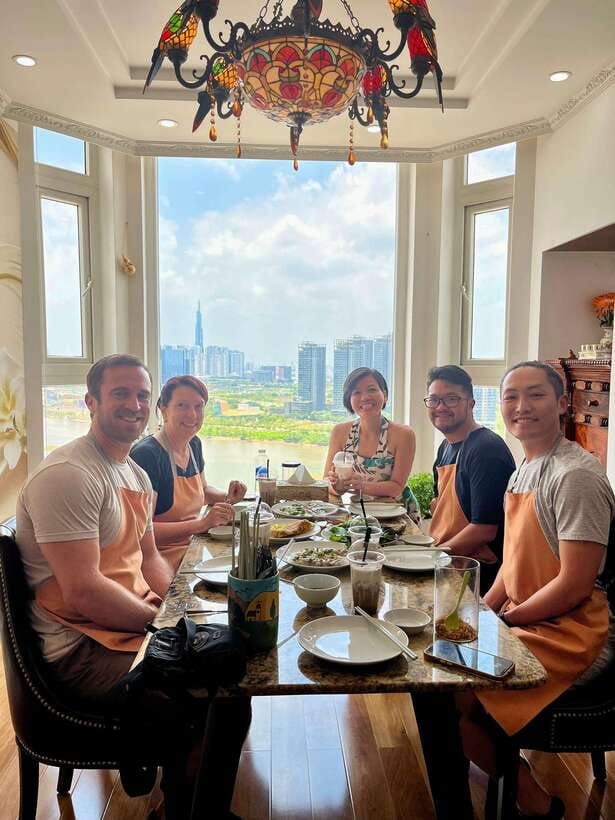
A high-rise kitchen with a river view. That is the first surprise, and then the food-work takes over. You’ll learn real Vietnamese home cooking in Lua’s apartment kitchen, with an air-conditioned setup on the 24th floor and a menu that can be tailored to your tastes.
What I like most is the small group feel inside a real home, not a production line. I also really appreciate the fresh, no-MSG ingredient focus, plus the fact that Lua can guide you through three dishes from scratch with clear English and helpful tips.
One thing to consider: there is no pickup service, so you’ll need to get yourself to Copac Square in District 4 (and the elevator into Block A is worth figuring out).
In This Review
- Key things that make this class worth your time
- A River-View Kitchen Above Ho Chi Minh City
- Small Group Cooking in a Real Home Setup
- Choosing Your Menu: From Noodles to Sandwiches to Pancakes
- Step-by-Step Guidance With Lua (and Helpful Extras)
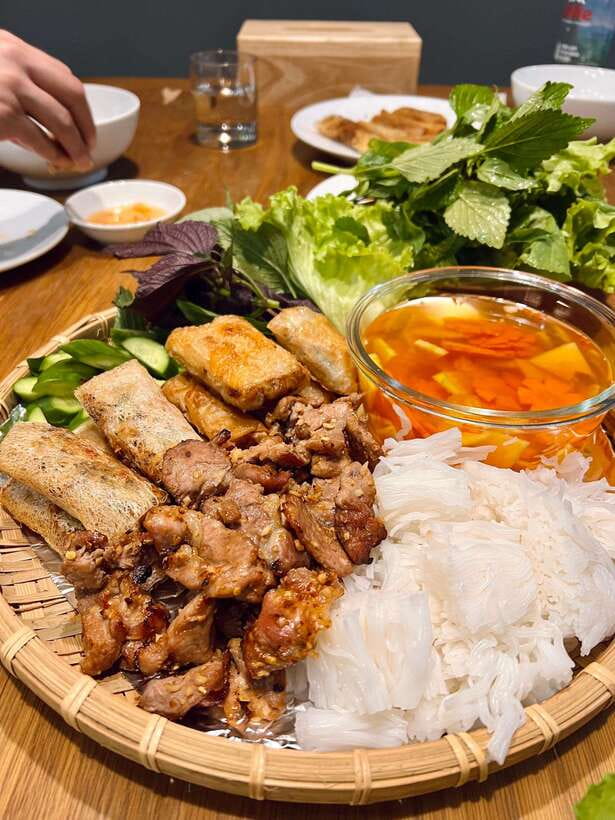
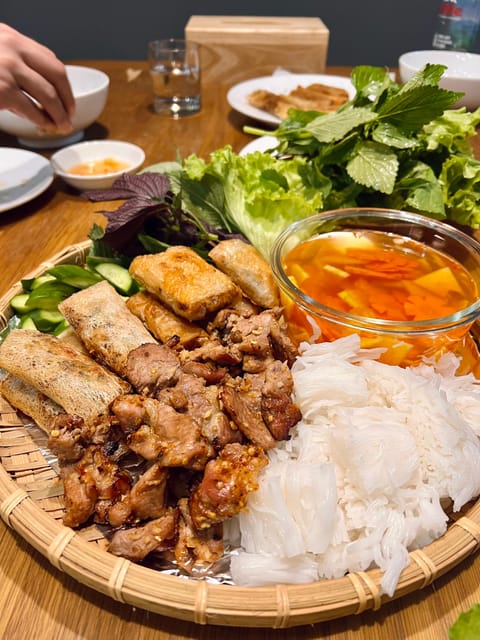
- What You’ll Eat: The Reward of Cooking 3 Dishes
- Price and Value: Why $38 Can Make Sense
- Getting There and Timing Your Day
- Who Should Book This Cooking Class
- Should You Book Lua’s Kitchen in Ho Chi Minh City?
- FAQ
- How many people are in the class?
- How long is the cooking class?
- Do I get picked up from my hotel?
- Where do we meet?
- Is the kitchen air-conditioned?
- Can the menu be adapted for dietary restrictions?
- Do you include ingredients and the meal?
- Is a market visit included?
Key things that make this class worth your time
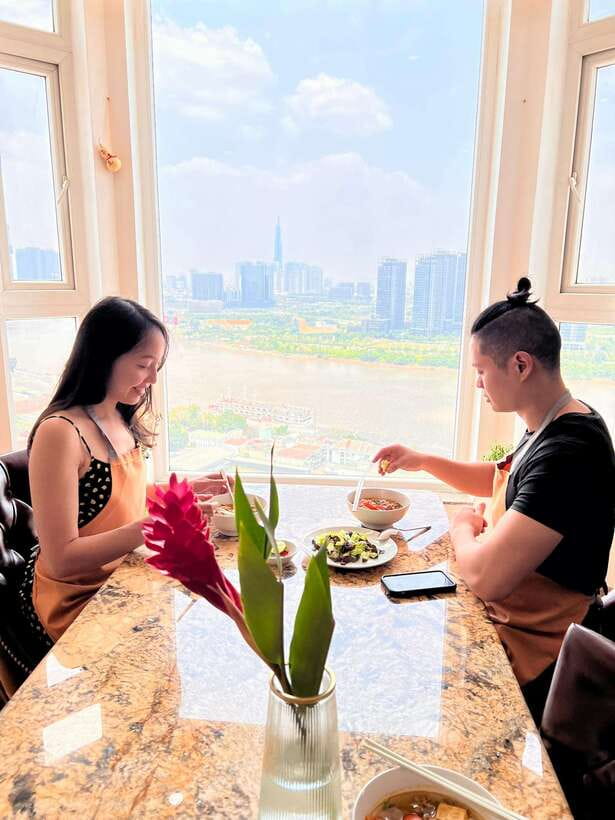
- River-view kitchen on the 24th floor, plus air-conditioning when the weather is hot.
- Small group up to 10, with a family-and-friends vibe rather than a classroom.
- Cook 3 dishes from scratch, not just watch or assemble.
- Fresh, high-quality ingredients with no MSG, and diet tailoring is available.
- English-friendly guidance from Lua, who has a decade of cooking experience.
- You leave with recipes (sent to you afterward), so you can repeat the dishes at home.
A River-View Kitchen Above Ho Chi Minh City
The meeting point is Lua’s apartment at Copac Square, Block A, 24th floor, Unit A8, in District 4. The address is easy to plug into maps, and the area is close enough to the city center that you can even walk along the riverside for a nice warm-up stroll.
Now for the big practical perk: you’re cooking in an air-conditioned kitchen on the 24th floor, which matters in Ho Chi Minh City. Heat and humidity can drain your energy fast, so walking into a cool, spotless space makes the whole 3 hours feel manageable.
Getting in is straightforward, but do it the smart way. When you arrive at the building entrance and look at the residential entrances on the left, ask the security guard to open the elevator to the 24th floor of Block A (Unit A8). It’s one of those small steps that saves time and stress.
And yes, the view is part of the experience. From the apartment, you get that river-side perspective on the city while you cook. It turns the class into something more memorable than just learning a recipe.
You can also read our reviews of more cooking classes in Ho Chi Minh City


Small Group Cooking in a Real Home Setup
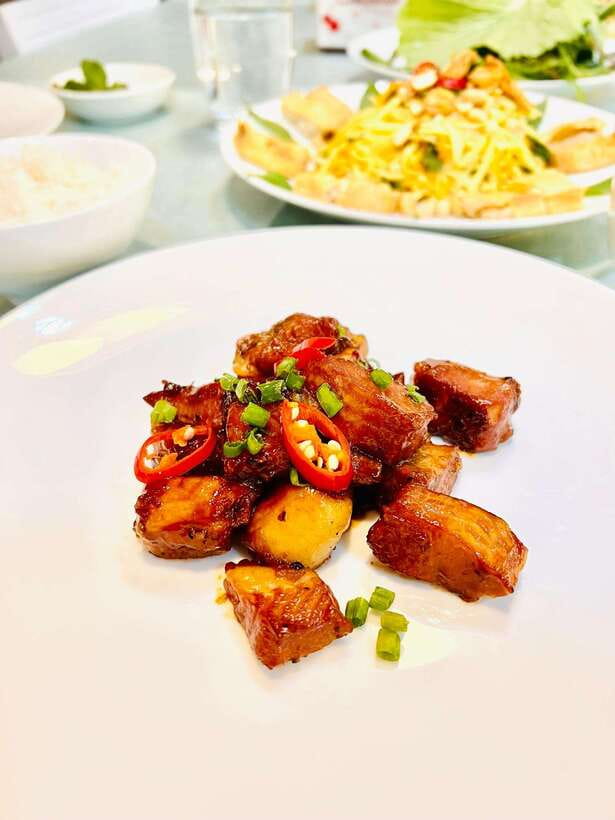
This isn’t a separate cooking-studio experience. You cook together, with everyone working in the same home kitchen flow. There isn’t a setup where each person gets a separate station. That’s great for teamwork, but it also changes the feel.
Because the group is limited to 10 participants, Lua can guide each person without turning it into chaos. You’ll likely be doing small, real tasks—mixing, chopping, assembling, tasting, and learning the why behind the steps—so you don’t spend the class parked on the sidelines.
A few reviews also mention how inclusive the setup feels, with everyone able to help in some way. That matches the home atmosphere: it’s not about perfection, it’s about getting comfortable with technique so you can recreate the dishes later.
If you’re the type who likes quiet, private instruction and a totally separate workspace, this might feel a little social and crowded. But if you want hands-on learning with a friendly tone, this shared home approach is the point.
Choosing Your Menu: From Noodles to Sandwiches to Pancakes
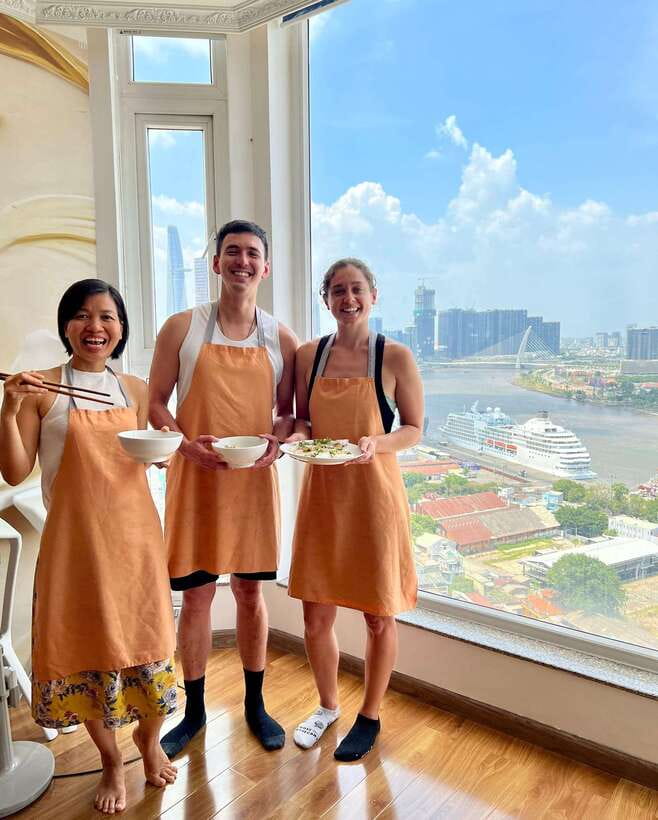
The class is built around cooking three dishes from scratch. Lua also keeps the menu flexible. You can request a specific dish when booking, and she customizes menus for different needs, including vegetarian/vegan and gluten-free or lactose-intolerant preferences.
Here are the menu options you might choose from (Lua can tailor based on what you ask for):
- Bún thịt nướng / Bún chả / Bún bò Nam Bộ (stir-fried beef or grilled options with noodles)
- Bánh mì (Vietnamese sandwich)
- Bánh xèo (Vietnamese savory pancake, with chicken/pork/prawn)
- Phở gà (chicken noodle soup)
- Chả giò (fried spring rolls)
- Bún cá (fish noodle soup)
- Mì xào bò (stir-fried noodles with beef)
- Bánh cuốn (rice crepe rolls)
- Gỏi (mango/papaya/pomelo/cabbage salads)
- Cơm tấm (grilled pork with broken rice)
- Cá kho (braised fish)
- Thịt kho (braised pork)
- Gà sả ớt (chicken with lemon grass and chili)
This is where the value really shows. You aren’t paying for a generic “Vietnamese cooking class.” You’re paying for the chance to focus on the dishes you actually want to eat again later. And since Lua has cooking experience across regions of Vietnam, the menu choices aren’t stuck in one narrow style.
One more detail that affects planning: a market visit can be offered if you request it, but it’s for an extra fee. The class itself includes ingredients, so you’re not expected to buy anything, but the market add-on is for people who want to understand what goes into the food and where it comes from.
Step-by-Step Guidance With Lua (and Helpful Extras)
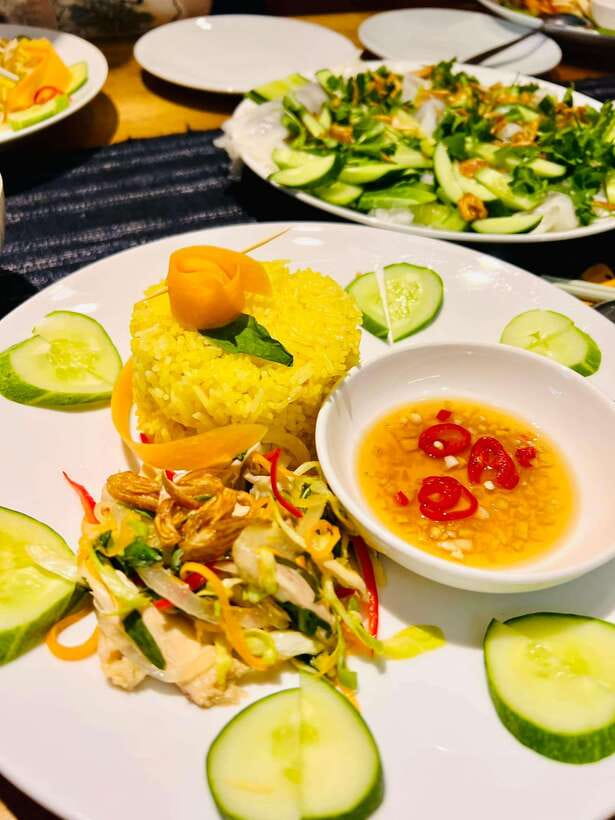
Lua is the owner, Le Thi Lua, and she cooks with the confidence of someone who has been doing it for a long time. The setup is designed for real learning: she guides you step by step through the cooking process so you can get the results right, not just copy a recipe.
Her English is listed as excellent, which matters. In cooking classes, the difference between “I kind of get it” and “I can actually repeat it” is usually communication. When instruction is clear, you’ll follow technique better—how to season, when to adjust heat, and what textures to look for.
Also, her background helps. She grew up in North Vietnam and has lived in the South for 28 years. That means she can explain why dishes vary across regions, and why certain flavor patterns make sense in context. If you’ve eaten Vietnamese food in different places and wondered why it tastes slightly different, this is the kind of class that helps you connect the dots.
In at least one account, Lua’s niece Huyen is mentioned as part of the experience. That kind of home-team energy often makes the class feel more comfortable, especially if you have questions.
And one more practical win: you should expect lots of cooking tips and stories. It’s not just technique; it’s the little habits—taste checks, prep order, ingredient swaps—that make home cooking work.
What You’ll Eat: The Reward of Cooking 3 Dishes

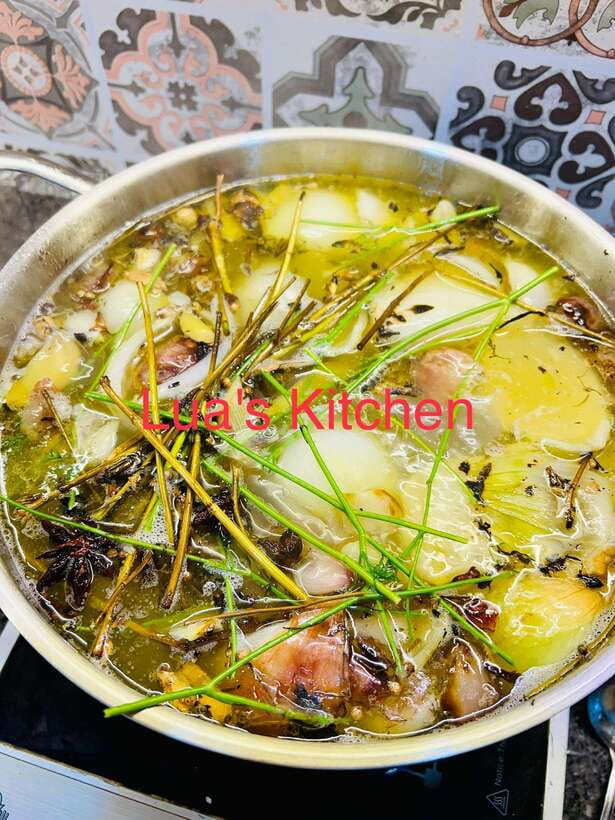
The goal isn’t just to learn techniques. It’s to sit down with what you made. The class includes a meal, and there’s drinking water provided.
A few reviews point out that the portions can be a lot—so bring a healthy appetite. When you cook three dishes, it’s easy to end up with more food than you expected, especially if you’re also trying street snacks earlier in the day.
While the exact menu depends on your choices, you can think of the meal as a mix of flavors and textures:
- something noodle-based (like bún or phở),
- something savory and hands-on (like bánh xèo or spring rolls),
- and something comforting or brothy (like braises or fish noodle soup).
If you’re a fan of Vietnamese salads, the gỏi options are a great contrast: crunchy, fresh, and usually built around fruit or vegetables with a bright dressing. And if you love the idea of cooking something that feels impressive but isn’t overly complicated, spring rolls and pancakes often deliver that effect.
You’ll also get the satisfaction of learning how to bring everything together, not just how to cook one item. That matters if you want to cook Vietnamese food for friends and not have everything taste like separate leftovers.
You can also read our reviews of more tours and experiences in Ho Chi Minh City


Price and Value: Why $38 Can Make Sense
At $38 per person for a 3-hour class, this is priced like a focused, small-group experience. The price isn’t just for entertainment. It covers:
- all ingredients
- the meal you eat
- drinking water
- and a small-group atmosphere with good company
Then there’s what you’re actually getting: three dishes from scratch, instruction in English, a kitchen with air-conditioning, and an emphasis on fresh ingredients with no MSG. For a lot of cooking classes, you pay more and get less food work. Here, you’re actively cooking.
The main value question is logistics, because pickup service is not offered. So your real cost depends on how you travel to District 4 and back. Still, because the apartment is close to the city center and you can walk parts of the riverside approach, you may be able to keep transport simple.
Also, for people with dietary needs, the customization is part of the value. Rather than finding a class that forces you to eat around the edges, Lua can tailor menus for vegetarian/vegan and common dietary restrictions.
Getting There and Timing Your Day
This runs for 3 hours, and start times depend on availability. Because you’re meeting at a specific apartment address, it’s smart to plan a little buffer. City traffic can shift quickly, and elevators take a minute even when everything’s smooth.
Use the meeting instructions:
- Meet at Unit 24-A8, 24th Floor, Block A, Copac Square, 12 Ton Dan St., Dist 4, HCMC.
- Ask the security guard to open the elevator to Block A, 24th floor (Unit A8).
Also, note what isn’t included: alcohol drinks are not included. Water is included, but if you want beer or anything stronger, you’ll need to plan accordingly.
If you’re building your day in Ho Chi Minh City, this class works well as an afternoon or early evening anchor. You’ll eat what you cook, so you don’t need a big dinner plan right after. And since you’re learning technique, you can map what you ate to what you see later in the city—spices, sauces, noodle types, and prep habits start making sense.
Who Should Book This Cooking Class
This class fits best if you:
- want hands-on Vietnamese cooking rather than watching,
- like a small group and a home-style atmosphere,
- care about ingredient quality and avoiding MSG,
- want a custom menu for dietary needs,
- and would enjoy learning with someone who can explain both North and South Vietnamese approaches.
It may be less ideal if you:
- need a private, silent workspace,
- strongly prefer a one-person, one-station setup,
- or rely on pickup because getting to District 4 is hard for you.
Should You Book Lua’s Kitchen in Ho Chi Minh City?
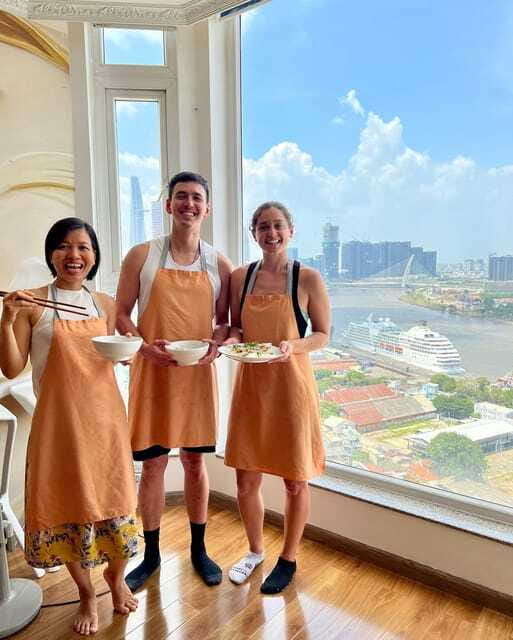
If you want a cooking class that feels like learning from a local who actually cooks at home, this one is worth serious consideration. The air-conditioned river-view kitchen, the small group, and the fact that you cook three dishes from scratch all line up well with the $38 price tag.
Book it if your goal is to leave with more than a souvenir—leave with recipes, technique, and the confidence to cook the same dishes again. And if you have dietary restrictions, message Lua in advance so she can tailor the menu before you arrive.
FAQ
How many people are in the class?
The class is a small group with a maximum of 10 participants.
How long is the cooking class?
It lasts 3 hours.
Do I get picked up from my hotel?
No. Pickup service is not offered.
Where do we meet?
You meet at Lua’s Kitchen in her apartment: Unit 24-A8, 24th Floor, Block A, Copac Square, 12 Ton Dan St., Dist 4, HCMC.
Is the kitchen air-conditioned?
Yes. The kitchen has air conditioning.
Can the menu be adapted for dietary restrictions?
Yes. Lua can tailor traditional menus for vegetarian/vegan, gluten-free, lactose-intolerant, and other special diets.
Do you include ingredients and the meal?
Yes. The class includes all ingredients, the meal, and drinking water.
Is a market visit included?
A market visit can be offered as requested, but it is not included and has an extra fee.