REVIEW · HO CHI MINH CITY
The 10 Tastings of Ho Chi Minh City With Locals: Private Street Food Tour
Book on Viator →Operated by Withlocals · Bookable on Viator
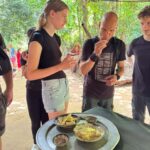
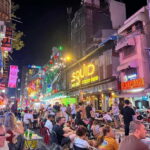
Saigon’s street food is a whole language. This private 3-hour tour strings together Ben Thanh Market bites, Saigon classics, and short landmark stops with a local guide who can steer you to what’s worth your time. I love that you get 10 tastings (not just samples), and I also like that you can tailor what you eat to your preferences as you go.
One consideration: you’ll walk. With market hopping and heat-friendly outdoor stops, you’ll want good shoes and a realistic expectation that it’s more stroll-and-snack than sit-and-learn.
In This Review
- What makes this Saigon street food tour work
- Private street food, but still practical
- Starting at Đường Lê Lai: where the tour actually begins
- Ben Thanh Market: your fast introduction to Saigon flavors
- Steamed rice-flour cakes with dried shrimp
- Hue-style snack: tapioca dumplings with nuoc mam pha
- How to order your attention
- Mariamman Hindu Temple: a calm break mid-snack
- Tao Dan Park and banh mi: French bread meets Vietnamese filling
- Near Independence Palace: sugar cane juice for real heat
- Turtle Lake: where young Saigonese snack and escape the heat
- Saigon Square 3 salad: sour-sweet-spicy with extra crunch
- Tan Dinh Market: banh xeo sizzle and a mini food party
- Bánh xèo: the sizzling pancake
- Saigon beer: traditional fermentation style
- Chè dessert: kidney beans, jelly, and coconut cream
- Tan Dinh Church: the pink-photo stop
- Pacing and the big “walking in the heat” reality check
- Food swaps, vegetarian options, and dietary limits
- How to get the most value from a 3-hour plan
- Should you book this private street food tour?
- FAQ
- How long is the 10 Tastings of Ho Chi Minh City tour?
- What is the price per person?
- Is the tour private?
- What’s included in the tour?
- Where do we meet for the tour?
- Is hotel pickup included?
- Are there morning and afternoon departures?
- Can I cancel and get a refund?
What makes this Saigon street food tour work
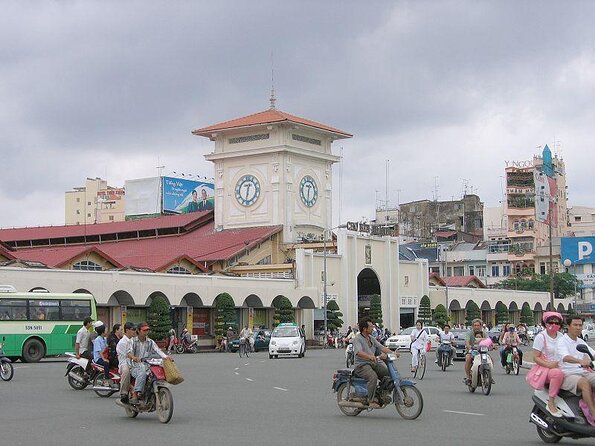
- 10 tastings across markets and landmarks so your meal plan feels like a tour, not a buffet
- A private guide (just you and them) for pacing, questions, and food swaps
- Ben Thanh Market classics like shrimp-and-dried-shrimp rice cakes and Hue-style dumplings
- Colonial and faith landmarks in the route (temple, parks, Independence Palace area) between bites
- Tan Dinh Market sweet and savory stop with banh xeo, beer, and chè
- Vegetarian alternatives available if you plan ahead for your needs
Private street food, but still practical
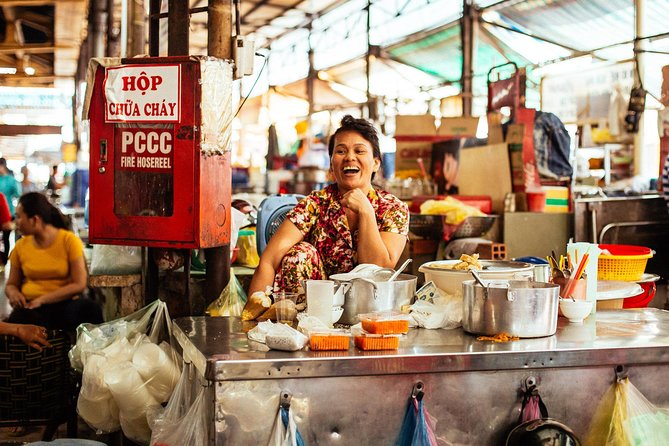
This is built as a true private experience. You’re not sharing your guide with a big group, so you can slow down when something looks better than the menu item you thought you’d try. It also means your guide can adjust the flow if you’re not feeling great, you want less spice, or you want more of a certain style of snack.
The tour is about 3 hours, and it’s priced per person (shown as $91.53). The value comes from the structure: 10 food and drink tastings plus a local guide who explains what you’re eating and why locals choose it. In other words, you’re paying for direction and variety, not only the food.
Departure options include both morning and afternoon. If you’re sensitive to heat, I’d lean toward the cooler part of the day and dress like you’re walking in a sauna with snacks.
You can also read our reviews of more food & drink experiences in Ho Chi Minh City


Starting at Đường Lê Lai: where the tour actually begins
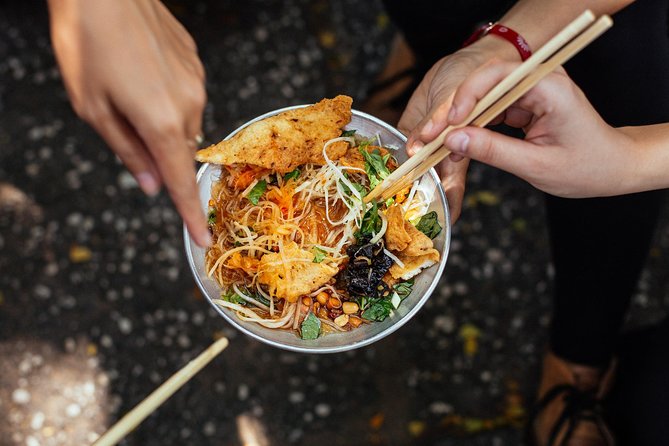
You meet at Đường Lê Lai (near Bến Thành, Quận 1), and the tour ends back at the same meeting point. There’s no hotel pickup, so come prepared to get yourself there by taxi or public transport. The upside is you’re not burning time waiting around.
It also helps to think of the meeting point as your “home base.” You’ll finish where you started, which makes it easier to plan your next stop after the tour—whether that’s a museum, a late lunch, or a cold drink that tastes suspiciously good.
The tour uses a mobile ticket, so keep your phone charged and ready.
Ben Thanh Market: your fast introduction to Saigon flavors
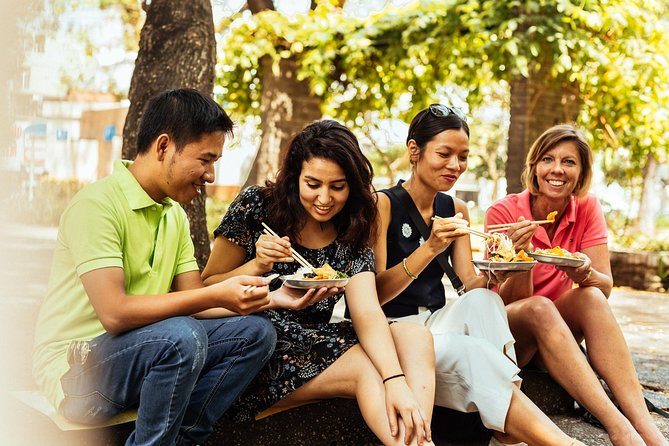
Ben Thanh Market is one of those places where you can get lost fast—so having a guide matters. The market has French-influenced roots, and that mix shows up in the way food culture adapted over time. You start here to get bearings and to hit a few iconic bites early, when you’re still fresh and curious.
Steamed rice-flour cakes with dried shrimp
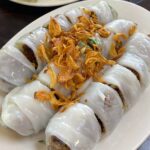
One of the first tastings is a steamed cake made from rice flour with dried shrimp. The English translation you’ll hear is water fern cakes. The best way to understand it is texture and aroma: soft steamed chew, savory shrimp depth, and a light saltiness that keeps you wanting another bite.
If you don’t know where to start in a market this big, this is a smart opener. It’s flavorful without being intimidating.
Hue-style snack: tapioca dumplings with nuoc mam pha
Next comes a typical Hue combination: shrimp and pork tapioca dumplings, dipped in nuoc mam pha—a fish-sauce blend with vinegar, shrimp stock, sugar, water, and fresh chilies. The sauce is the star. It’s tangy, salty, and gently sweet, with enough chili to wake your palate up instead of overpower it.
This is where I like a guide’s explanation. Nuoc mam pha isn’t just “fish sauce.” It’s a balanced dip that changes how the dumpling tastes, and you’ll learn why locals treat the sauce as part of the dish.
You can also read our reviews of more tours and experiences in Ho Chi Minh City

How to order your attention
When you’re at Ben Thanh, it’s easy to get distracted by the visual chaos. Your guide’s job is to point you toward the right counter at the right moment. Your job is simple: follow the pace, and don’t be shy about asking for the next bite to match what you like.
Mariamman Hindu Temple: a calm break mid-snack
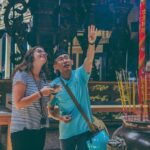
After the market, the tour shifts to the Mariamman Hindu Temple, built in the early 20th century by the Tamil community for the goddess Mariamman. This stop adds more than sightseeing. It gives you context for how Saigon’s neighborhoods layer faith, culture, and everyday life right next to food and trade.
The temple visit tends to be a shorter moment—just enough to reset your brain between tastings. And if you’ve ever wondered why some streets feel like they have history in the walls, this is a helpful reminder.
Tao Dan Park and banh mi: French bread meets Vietnamese filling
You’ll reach Tao Dan Park and stop for a banh mi. This isn’t the bland tourist version loaded with the same two toppings. You’re looking for that classic idea: a crunchy French baguette filled with pork and pate, plus vegetables. The exact lineup can vary, but the point stays the same.
This is the lunch-speed snack that works even if you’ve been eating all morning. It’s also one of the best “bridge foods” on a street tour because it explains the big story of Vietnam’s culinary evolution.
Practical tip: banh mi is easiest to eat standing up if you let it cool for a moment. Ask your guide when it’s best to take your first bite.
Near Independence Palace: sugar cane juice for real heat
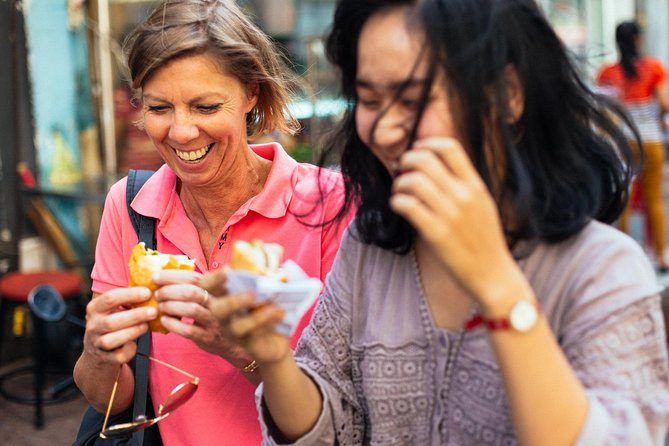
A stop near the Independence Palace area brings you to a street vendor for freshly-cooled sugar cane juice. In hot weather, this is the kind of drink that feels like a reset button. It’s sweet without being heavy, and it cuts through the salt-and-sauce flavors you’ve been collecting.
Independence Palace (often called the Reunification Palace area) adds another landmark layer to the route. You’re not rushing through monuments, but you are moving through the city with a reason. That’s what makes this type of tour feel more like a guided day than a snack run.
If you’re worried about spice or strong flavors, sugar cane juice is your easy buffer.
Turtle Lake: where young Saigonese snack and escape the heat
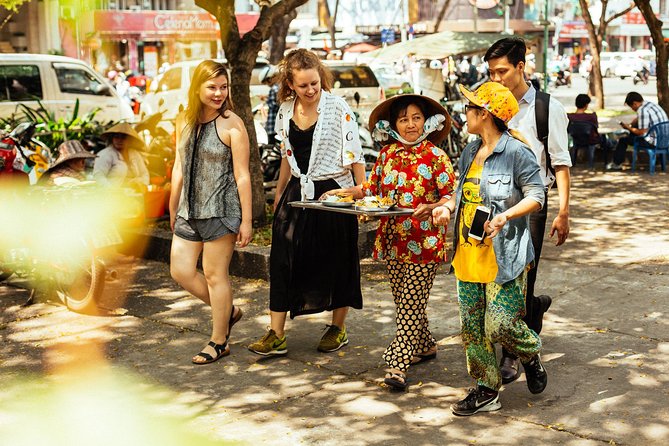
Next up is Turtle Lake, a historic spot that combines culture and local life. The vibe here is practical: it’s a place where you’ll see people hanging out and grabbing a snack, especially when they want a break from the sun.
I like stops like this because they show food isn’t only for tourists. It’s daily. That matters, because it’s the difference between trying dishes and understanding how people live with them.
If the day feels hot (and it often will), use Turtle Lake as your hydration-and-breathing pause.
Saigon Square 3 salad: sour-sweet-spicy with extra crunch
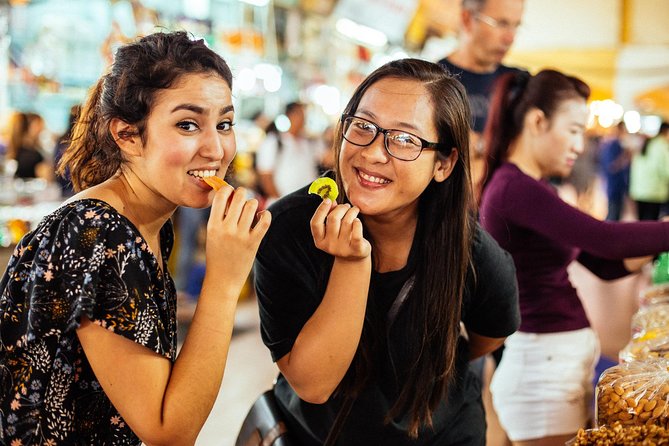
At Saigon Square 3, you’ll try a salad built on young papaya. The key is how it balances sweet and spicy with a sour hit in sour-sweet spicy sauce, then tops it with roasted peanut, Vietnamese basil, shrimp cracker, and beef jerky.
This is a great tasting if you think salads are “light.” This one isn’t. It’s loud—crunch, chew, and sharpness from the sauce—plus herbs that smell fresh right in your face.
If you’re sensitive to chili, you can ask your guide how spicy the version they’re serving is. You may not be able to fully control it, but you can at least plan your first bite.
Tan Dinh Market: banh xeo sizzle and a mini food party
The tour shifts to Tan Dinh Market (Chợ Tan Dịnh) for a longer stretch with several tastings. Tan Dinh tends to feel more local and less “performance” than the most famous markets, which is exactly what you want on a food tour.
Bánh xèo: the sizzling pancake
You’ll eat bánh xèo, a pancake named for the loud sizzling sound when batter hits a hot skillet. The whole idea is sensory: smell first, then crunch, then savory shrimp/meat flavors depending on the version you’re served.
This is one of those dishes where timing matters. If it cools, it’s still tasty, but the magic is in that first warm bite.
Saigon beer: traditional fermentation style
After your savory stop, you’ll get a local Saigon beer tasting. It’s described as brewed in Vietnam and produced through traditional fermentation methods. Again, the value here isn’t only the beer. It’s that you’re pairing a familiar mood (street snacks) with a drink that fits.
If you don’t drink alcohol, ask your guide about alternatives. The tour data says vegetarian alternatives are available and dietary restrictions can be accommodated, but it doesn’t spell out alcohol-free swaps, so check in during the tour or ahead of time.
Chè dessert: kidney beans, jelly, and coconut cream
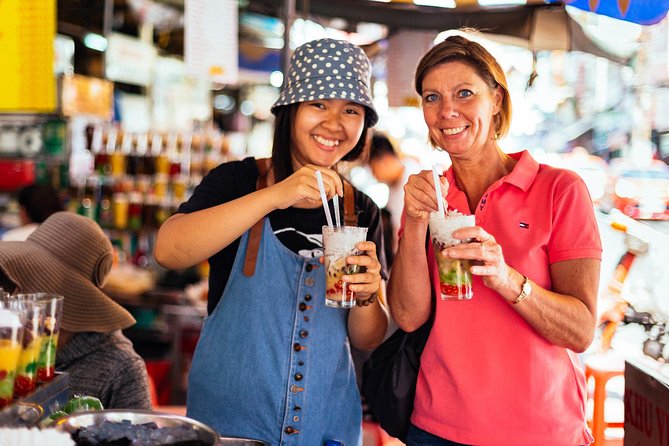
Then comes the sweet finish at Tan Dinh Market: chè, described as dessert made from kidney beans, jelly, and coconut cream. Think creamy, sweet, and spoonable, with textures that keep it from turning into “just sugar.”
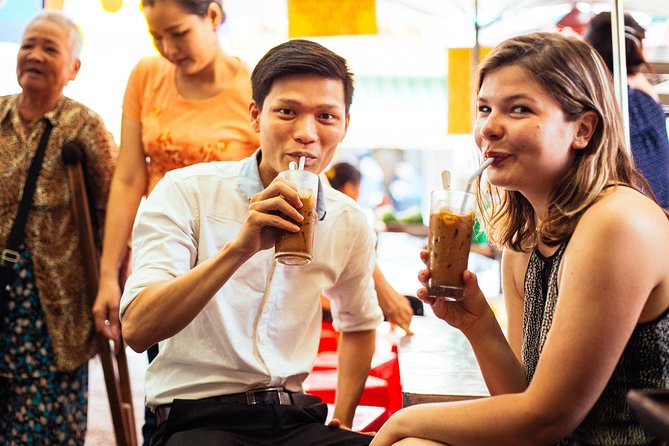
Many people find chè the perfect end to street-food day because it’s satisfying but not heavy like some Western desserts. You’ll also be offered the chance to grab Vietnamese coffee or tea as your guide gives more recommendations.
Tan Dinh Church: the pink-photo stop
Before you wrap up, you’ll visit Tan Dinh Church, famous for its pink look. This is one of the quick visual anchors on the route, and it gives you a clear sense of where you are in the city.
This stop is brief, so don’t expect a full sit-down church visit. Still, it’s a fun contrast to the noise of markets and the smells of street snacks.
Pacing and the big “walking in the heat” reality check
Here’s the honest tradeoff. The tour is packed with tastings and short landmark stops, so it’s not built for people who want to minimize movement. I’ve seen firsthand how easy it is for a 3-hour plan to feel longer when the sun is overhead.
My practical advice:
- Wear comfortable walking shoes with grip.
- Bring water and a hat, even if you plan to buy drinks.
- If you see shaded spots, ask your guide to pause there.
- Choose morning or the cooler afternoon if you have a choice.
A private guide helps here. You can’t eliminate walking, but you can influence pacing.
Food swaps, vegetarian options, and dietary limits
The tour includes vegetarian alternatives, and it also notes that alternatives are offered for those with dietary restrictions. That’s important on a street-food tour, because even a “simple” snack can include fish sauce, shrimp, or pork.
When you book, be clear about what you avoid. The more specific you are, the easier it is for your guide to steer you toward tastings you’ll actually enjoy.
How to get the most value from a 3-hour plan
You’ll get the best experience if you approach it like a conversation, not a checklist.
- Eat slowly through the early tastings. Save “serious hunger” for later.
- Ask what the sauce is and what you should taste first.
- Let your guide adjust your picks if you’re into savory vs. sweet.
- Treat the drink stops as flavor breaks, not just liquid filler.
At $91.53 per person, the value hinges on that 10-tasting structure. If you’re the type who likes variety and learning what makes each dish Vietnamese, you’ll feel the payoff. If you prefer long sit-down meals and minimal movement, it may feel a bit intense.
Should you book this private street food tour?
Book it if you want a focused Ho Chi Minh City street food experience with real local guidance. It’s especially good if you like market energy, want to try classics like banh mi, bánh xèo, sugar cane juice, and chè, and also care about context from short landmark stops like Mariamman Hindu Temple and the Independence Palace area.
Skip or adjust expectations if you hate walking in heat. You can’t turn this into a stroller tour, so plan clothing, shoes, and timing accordingly.
Also, consider timing and demand. This experience is often booked ahead (on average, about 57 days), so if you’re traveling during a popular window, lock it in early.
FAQ
How long is the 10 Tastings of Ho Chi Minh City tour?
The tour runs for about 3 hours.
What is the price per person?
The listed price is $91.53 per person.
Is the tour private?
Yes. It’s a private tour with only you and your local guide.
What’s included in the tour?
You get 10 food and drinks tastings, a local guide, and a private tour. Vegetarian alternatives are included.
Where do we meet for the tour?
The meeting point is at Đường Lê Lai (near Bến Thành, Quận 1, Hồ Chí Minh, Vietnam).
Is hotel pickup included?
No. Hotel pickup and drop-off are not included.
Are there morning and afternoon departures?
Yes, both morning and afternoon departures are available.
Can I cancel and get a refund?
Yes. You can cancel for free up to 24 hours in advance for a full refund.