REVIEW · HO CHI MINH CITY
Techniques & Secrets Behind the Famed Vietnamese Egg Coffee
Book on GetYourGuide →Operated by Lacàph Coffee Experiences · Bookable on GetYourGuide
A cup of egg coffee can taste like magic. In Hồ Chí Minh City, Lacàph turns it into a guided coffee lesson with phin brewing and a honey-sweetened egg cream.
What I like most is that you get both the how and the why: egg cream technique plus the stories behind Vietnamese coffee culture.
One thing to consider: this workshop is not suitable for wheelchair users, and you’ll want enough mobility to move around the space.
In This Review
- Quick reasons to try Lacàph’s egg coffee workshop
- Finding Lacàph in District 1: the setting matters more than you think
- The Vietnamese phin: a simple device with serious flavor control
- Egg coffee secrets: the egg cream technique you can actually repeat
- What you should watch for when you’re learning
- What’s included with your cup: cocoa-coated cashews
- Coffee culture stories in Sài Gòn: the part you’ll remember after the taste
- Price and time: does $20 buy real value?
- Timing, language, and small comfort tips
- Who should book Lacàph, and who might skip it
- Should you book this egg coffee workshop?
- FAQ
- How long is the Vietnamese egg coffee experience?
- How much does it cost?
- Where is the meeting point in Hồ Chí Minh City?
- What languages are used during the workshop?
- What’s included in the class?
- Is it suitable for wheelchair users?
- Are pets allowed?
- Can I cancel for a refund?
- Is there an option to reserve without paying right away?
Quick reasons to try Lacàph’s egg coffee workshop
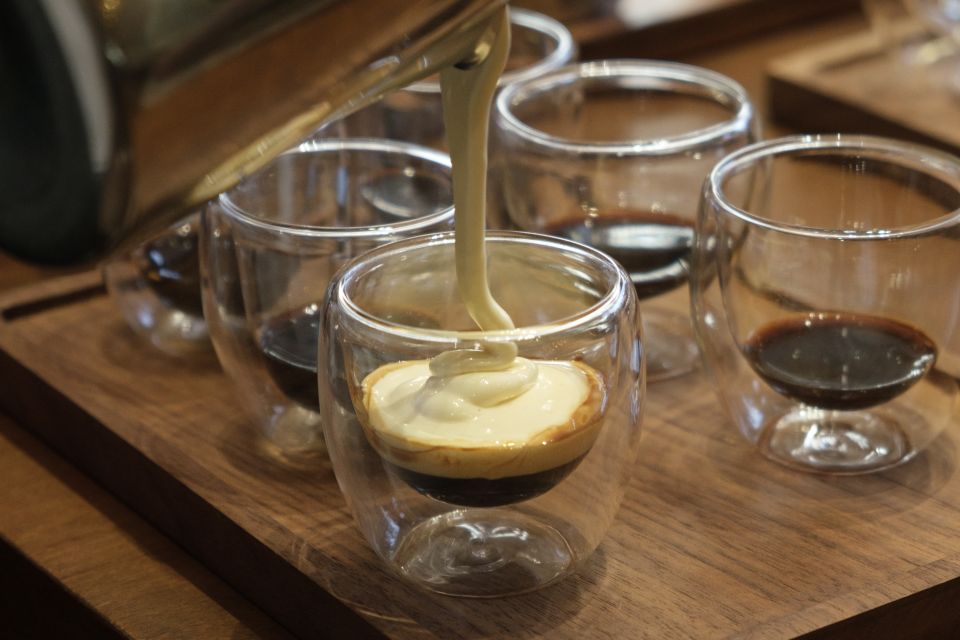
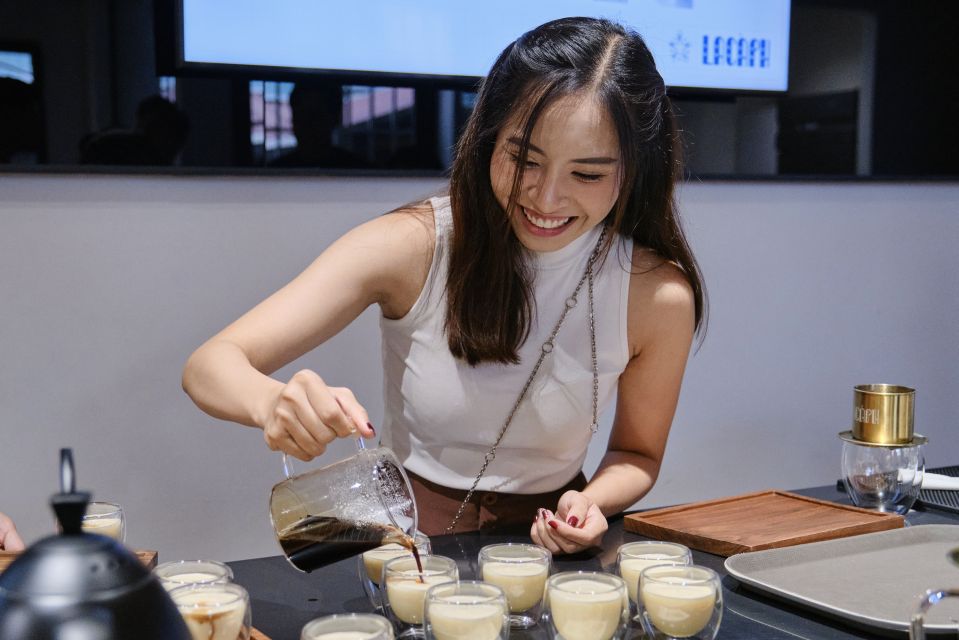
- Hands-on phin brewing with Lacàph’s Phin Blend and a microfilter brewer
- Egg cream made with coffee blossom honey, not syrupy shortcuts
- Step-by-step guidance from instructors like Jiao, Julia, Ng, Joey, and Ny
- A full flavor moment with cocoa-coated cashews alongside your cup
- Take-home touches like a polaroid and certificate mentioned by past participants
Finding Lacàph in District 1: the setting matters more than you think
Lacàph Coffee Experiences is tucked on the upper floor of a charming older building at 220 Nguyễn Công Trứ, Nguyễn Thái Bình Ward, District 1. The directions are part of the fun: look for the small sign in front of a purple iron door, go inside, climb the stairs, then turn left when you reach the top.
This matters because the class doesn’t feel like a “grab a drink and go.” The setup is meant for focused tasting and technique. Reviews also point out the venue feels modern and well thought through, which makes the workshop easier to enjoy even if you’re not a hardcore coffee person.
Plan to arrive a few minutes early. You’ll want time to get settled before the brewing starts, especially because the class runs about 90 minutes.
You can also read our reviews of more tours and experiences in Ho Chi Minh City.

The Vietnamese phin: a simple device with serious flavor control
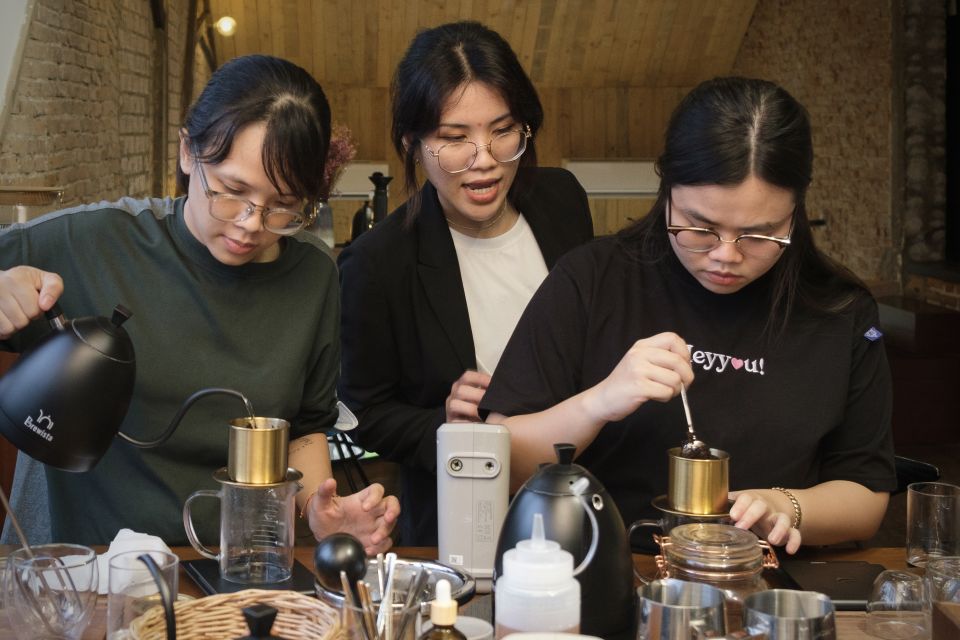
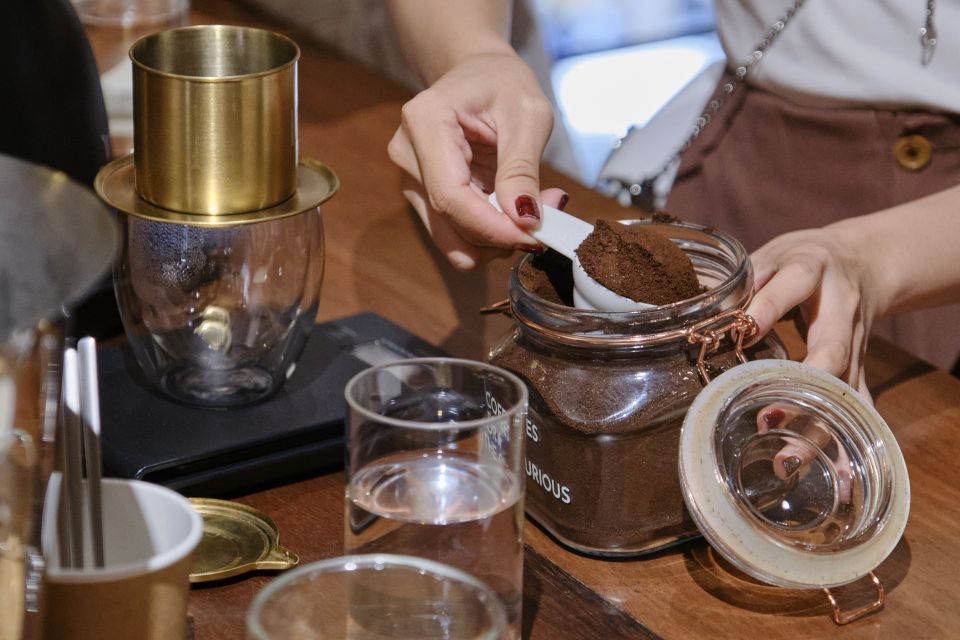
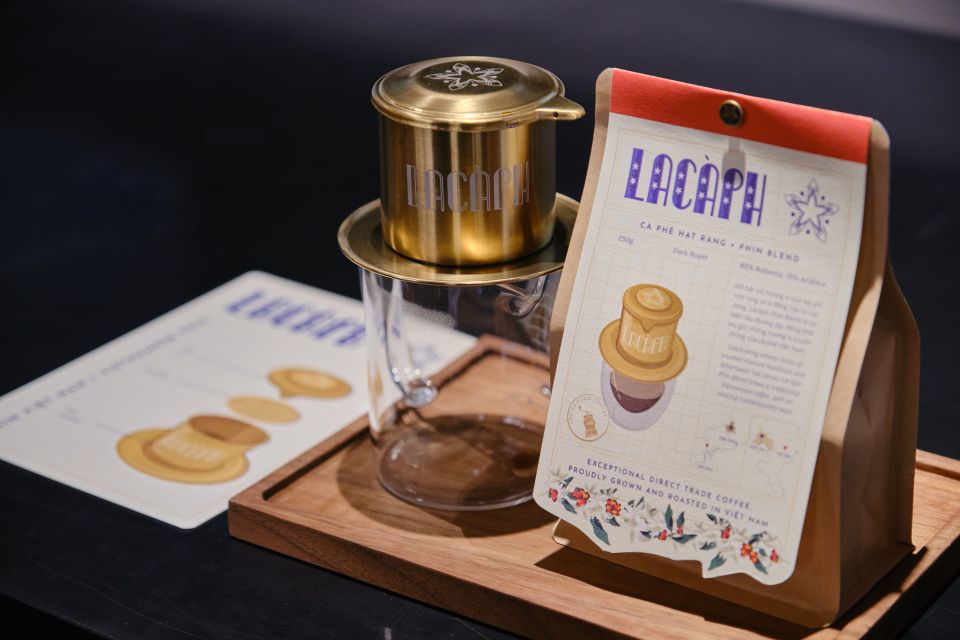
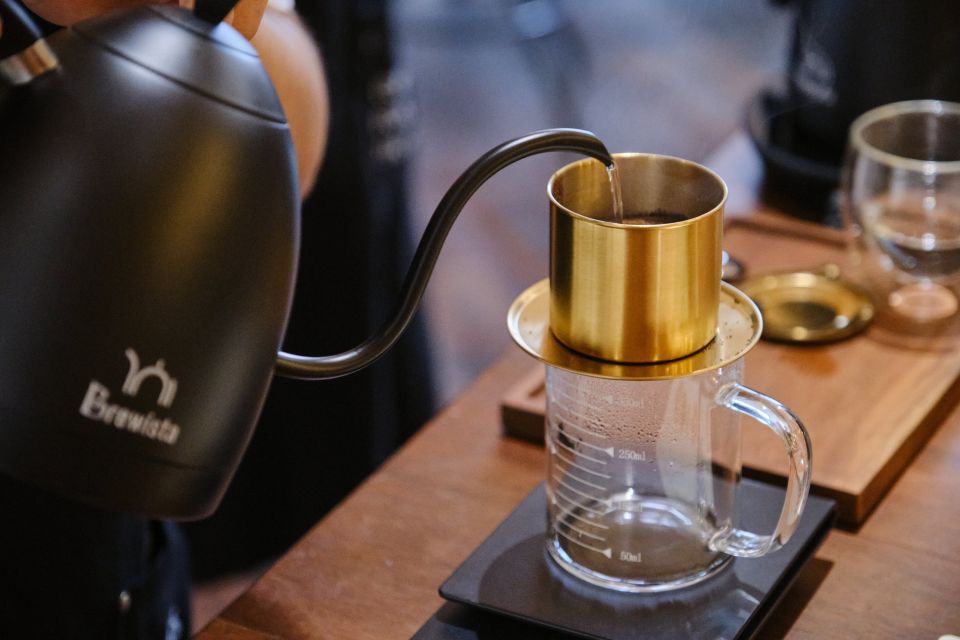
If you only know coffee from machines or drip makers, the phin is your eye-opener. In this class, you’ll learn to craft phin coffee using Lacàph’s own blend—called the Lacàph Phin Blend—with their microfilter phin brewer.
Here’s what makes this step worth your time: the phin brew process slows everything down. Instead of chasing speed, you’re paying attention to the flow and how the grounds settle. That translates directly to taste—stronger coffee character, a thicker feel, and that classic Vietnamese balance of bitter and sweet when paired with the egg cream.
You’ll also hear the cultural context as you learn. Coffee in Việt Nam isn’t just a drink; it’s part of daily rhythm—how people meet, talk, and take a break. That’s why the workshop includes history and stories, not only instructions.
Egg coffee secrets: the egg cream technique you can actually repeat
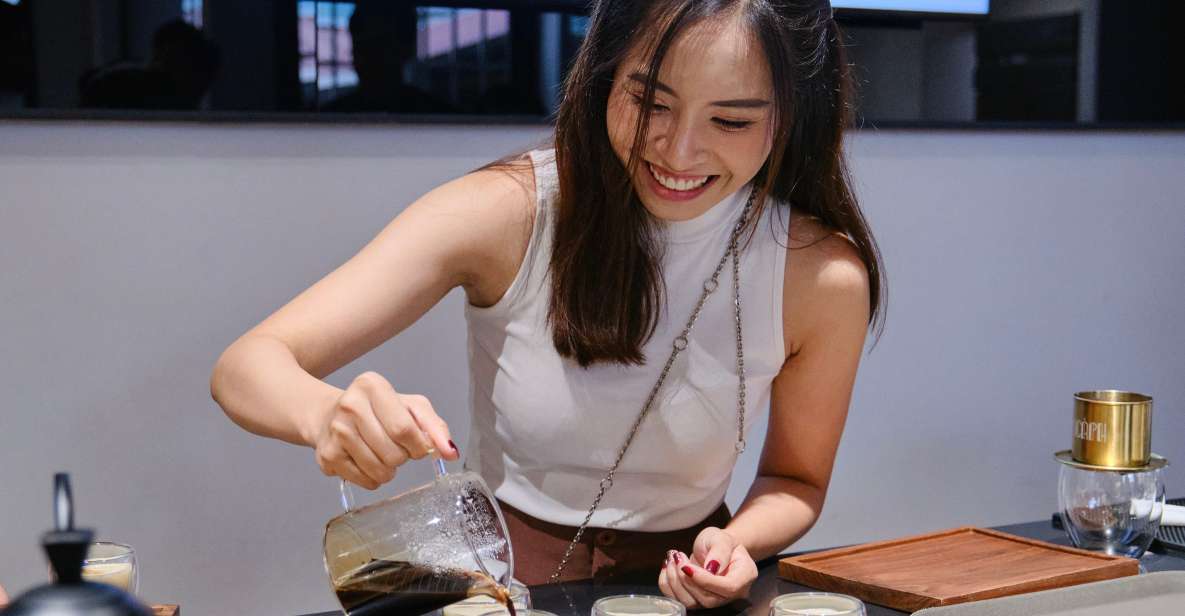
The big draw is the world-famous Vietnamese egg coffee, and Lacàph teaches you how the “egg cream” becomes the signature part of the cup.
Your egg coffee is topped with a fluffy egg custard-style cream sweetened using Lacàph Raw Coffee Blossom Honey. Even if you’ve tasted egg coffee before, the workshop helps you understand why this version works: the cream isn’t just sweetness—it’s texture and aroma working with the coffee’s bitterness.
Instructors like Jiao, Julia, Ng, and Joey come through in feedback for being patient and detailed with technique. One theme shows up again and again: the guides make it easy to follow the steps, even if you think you’ll mess it up. That’s a big deal here. Egg coffee has a reputation for sounding complicated, but in a structured class, it becomes practical.
What you should watch for when you’re learning
Even without a home-brewing background, you can pay attention to three things:
- Texture of the cream: you’re aiming for that light, airy top, not a runny layer.
- Sweetness level: blossom honey provides flavor and sweetness, so the coffee doesn’t get drowned.
- Coffee-to-cream balance: you’re learning the right proportion so it stays coffee-forward.
Also, one nice detail from class feedback: instructors may offer alternatives for ingredient preferences. One participant noted an egg cocoa option was made for someone who wasn’t a big coffee fan. That’s a good sign if your group has mixed tastes.
What’s included with your cup: cocoa-coated cashews
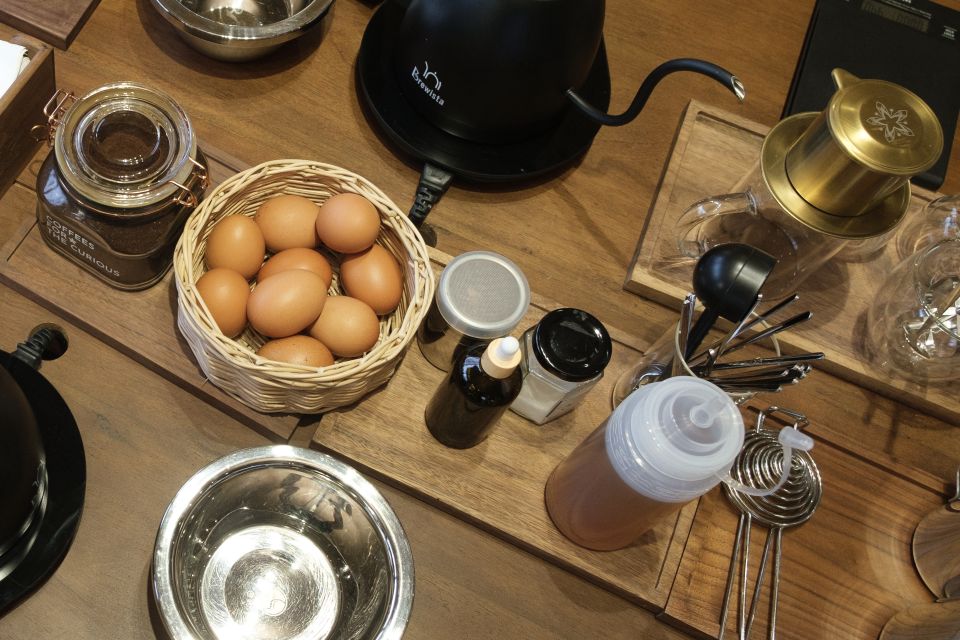
You’re not just tasting egg coffee in isolation. You also get cocoa-coated cashews with the experience.
Why this pairing works: cashews bring a creamy crunch, while the cocoa adds a chocolate note that plays well with both the coffee bitterness and the sweet egg cream. It’s a small add-on, but it makes the tasting more “complete” and helps you notice flavor changes as you sip.
If you’re the type who likes learning through contrast—sweet, bitter, creamy, roasted—this little pairing is more useful than it seems.


Coffee culture stories in Sài Gòn: the part you’ll remember after the taste
This workshop doesn’t stay stuck in the kitchen. You’ll also hear history and stories behind Vietnamese coffee, plus the significance of egg coffee within the local coffee scene.
That storytelling element is where guides like Ny (spelled as seen in feedback), Giao/Giao, and Abby get praised—people describe it as clear, engaging, and patient. Some sessions are led in English (and you may hear Vietnamese too), so you’re not left guessing what you’re doing or why it matters.
One standout “memory” detail: several participants mention thoughtful take-home touches like a polaroid and certificate. You don’t need those to enjoy the workshop, but they’re a nice reminder that this is designed as a real experience, not a quick photo stop.
And the overall pace seems intentional. People specifically comment on a calm, relaxed rhythm—enough structure to learn, not so rushed that you miss the flavor.
Price and time: does $20 buy real value?
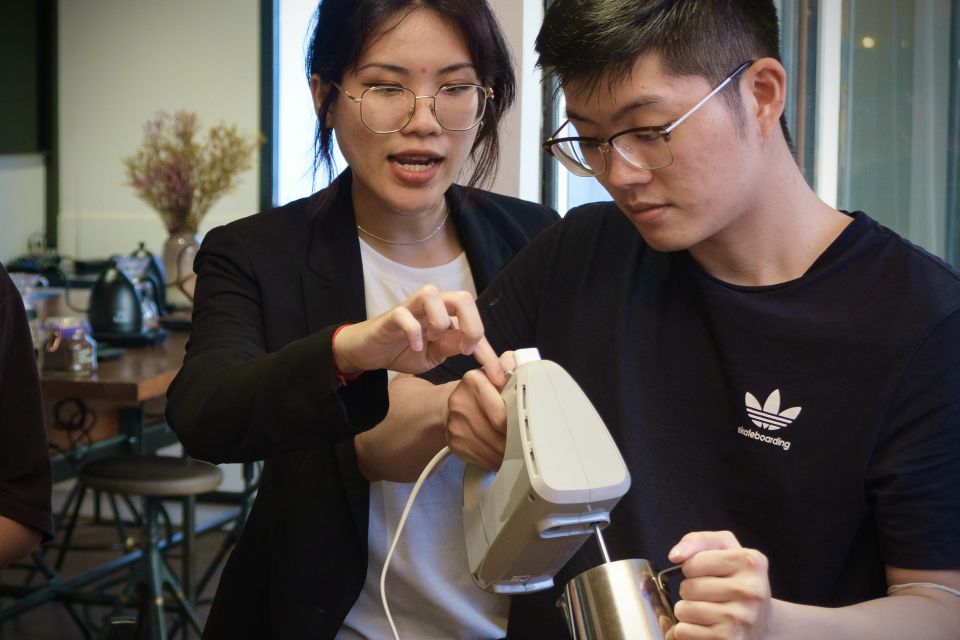
At $20 per person for about 90 minutes, you’re paying for more than a drink. You’re paying for:
- Brewing equipment and ingredients (including a branded phin blend)
- The signature egg cream setup, including coffee blossom honey
- Guided instruction in phin technique plus egg coffee assembly
- Extra tasting elements (the cocoa-coated cashews)
- Cultural context and take-home extras like a certificate and polaroid
Is it cheap? No. But the pricing makes sense if you treat this as a skills-and-tasting workshop. If your goal is simply to taste egg coffee once, you could probably find cheaper. If your goal is to learn how to make it and understand what you’re tasting, the value is much clearer.
The sweet spot is for people who want one memorable, practical food-and-coffee activity in Hồ Chí Minh City. At 90 minutes, it’s also the kind of plan you can fit without sacrificing a whole afternoon.
Timing, language, and small comfort tips
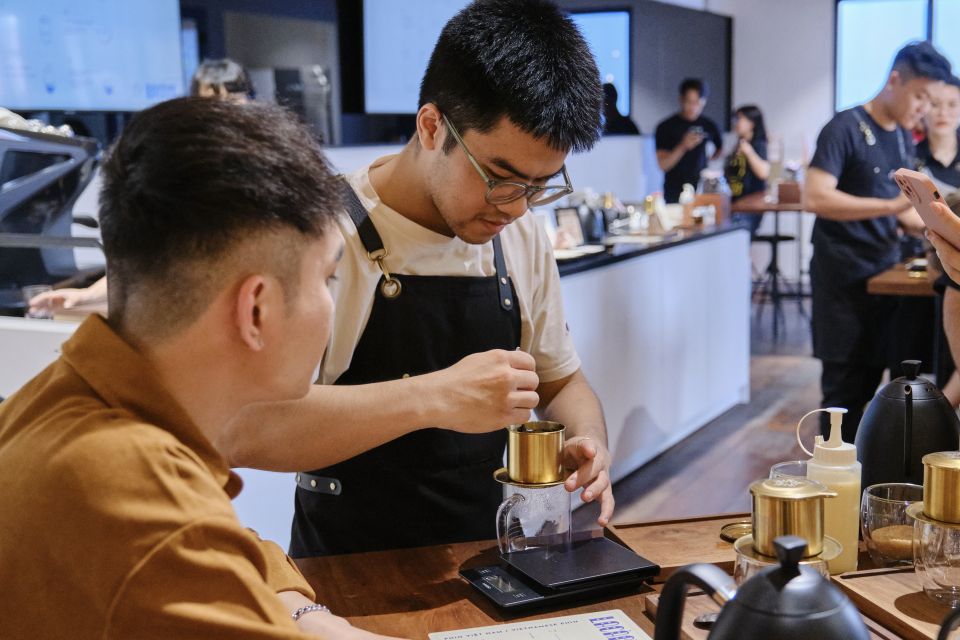
The class is 90 minutes, with starting times based on availability. Instruction is offered in English and Vietnamese, which helps if your group includes different comfort levels.
There’s one practical instruction that’s easy to overlook: pack light. The workshop basically asks that your main job is showing up uncaffeinated. That’s because you’ll be tasting multiple flavors and you’ll get more out of the lesson if your palate isn’t already overloaded.
Also note what isn’t allowed or suitable:
- Pets are not allowed
- Wheelchair users: not suitable
Who should book Lacàph, and who might skip it
Book this if:
- You want a fun, hands-on coffee workshop in Hồ Chí Minh City
- You’re curious about Vietnamese coffee culture, not just dessert-style sweetness
- You like structured teaching—step-by-step, with friendly guidance from instructors such as Jiao, Julia, Ng, Joey, Ny, and Abby (as named in feedback)
- You want a skill you can try again at home: making phin coffee and building egg coffee
Consider skipping if:
- You need wheelchair accessibility
- You only want a quick coffee tasting with no interest in learning the technique
Should you book this egg coffee workshop?
Yes, if you’re the kind of traveler who enjoys food when it comes with a method. The biggest win here is that you leave understanding phin brewing and egg cream basics, and you’re not just relying on taste alone—you’re learning what creates the texture and balance.
I’d pass if you’re purely hunting for the cheapest egg coffee you can find. But for $20, a guided, ingredients-included, culture-taught experience in 90 minutes is a pretty fair deal in Sài Gòn.
FAQ
How long is the Vietnamese egg coffee experience?
The experience lasts about 90 minutes.
How much does it cost?
It costs $20 per person.
Where is the meeting point in Hồ Chí Minh City?
Meet at 220 Nguyễn Công Trứ, Nguyễn Thái Bình Ward, District 1. It’s on the upper floor of an old building—look for a sign in front of a purple iron door.
What languages are used during the workshop?
The instructor supports English and Vietnamese.
What’s included in the class?
You’ll make and taste phin coffee and egg cream using Lacàph ingredients, and you’ll also be served cocoa-coated cashews.
Is it suitable for wheelchair users?
No, it is not suitable for wheelchair users.
Are pets allowed?
No, pets are not allowed.
Can I cancel for a refund?
Yes. You can cancel up to 24 hours in advance for a full refund.
Is there an option to reserve without paying right away?
Yes. You can reserve and pay later, paying nothing today.