REVIEW · HO CHI MINH CITY
Can Gio Mangrove Forest Island Private Tour From Ho Chi Minh City
Book on Viator →Operated by Saigon Foody Tour · Bookable on Viator
Mangroves, monkeys, and crocodiles—one wild day. This private Can Gio Mangrove Forest tour is interesting because it mixes nature walks with hands-on fishing and close-up wildlife on Monkey Island. I love the fact that you’re not just looking at scenery; you’re learning how this ecosystem was hit by war and then rebuilt by locals. I also like the way the day stays active, with crabbing and bird-watching built in, not just a slow stroll. One drawback to consider: the wildlife experience comes with real rules, and parts of the day are outdoors, so it’s less of a sit-and-relax tour.
You’ll start early and get out of the city fast—Vam Sat Eco Park is part of the flow, then it’s into the UNESCO biosphere reserve area. The English-speaking guides are a big part of why it works; I’m especially glad you’ll have someone who can answer questions and connect what you see to the bigger story.
As for expectations, this is a private group outing with pickup and drop-off and bottled water, which helps the logistics. Still, it’s a nature-focused day, so you should be ready for walking time, animals getting close, and the need to keep your distance.
In This Review
- Key points before you go
- Getting to Can Gio: ferry ride vibes and a full-day schedule
- Vam Sat Eco Park: the warm-up for mangrove life
- Can Gio Mangrove Biosphere Reserve: where biodiversity is the point
- Mangrove jungle walk(s): slow down and read the forest
- Crab fishing and bird-watching: the hands-on wildlife moment
- Crocodile fishing: what to expect from the challenge
- Monkey Island: the real test of your self-control (and rules)
- Lunch and the day’s rhythm: learning with downtime
- Price and value: is $150 fair for a private day?
- Who this tour suits best (and who should skip it)
- Should you book the Can Gio Mangrove Forest private tour?
- FAQ
- How long is the Can Gio Mangrove Forest Island Private Tour from Ho Chi Minh City?
- What time does the tour start?
- Where does the tour begin?
- Is the tour private or group-based?
- What’s included in the price?
- What activities are part of the day?
- Is a ticket provided?
- What should I know about Monkey Island interactions?
- Is tipping included?
- What is the cancellation policy?
Key points before you go
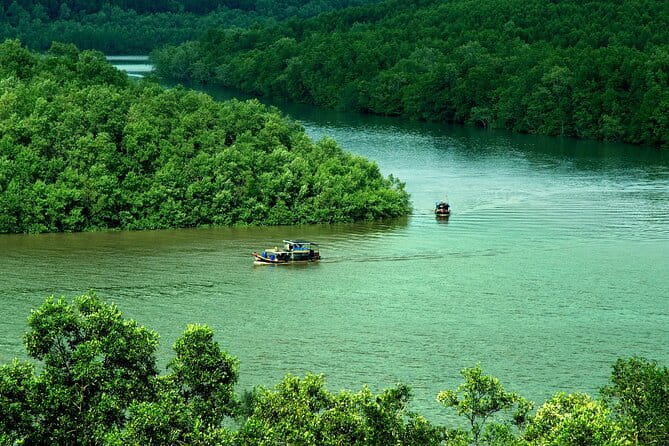
- UNESCO biosphere reserve close to Saigon: Can Gio is about 40 km from Ho Chi Minh City, so you’re escaping city life without losing the whole day to travel.
- High-biodiversity mangrove ecosystem: You’re in a habitat with more than 200 fauna species and 52 flora species.
- Multiple wildlife activities: crab fishing, bird-watching, and crocodile fishing are part of the plan, plus gibbons, monkeys, and crocodiles.
- Monkey Island is real animal energy: monkeys are everywhere and may run toward visitors, so you’ll need to follow the distance rules.
- War history connects to what you see today: you’ll learn how the recent wars devastated the ecosystem and how local people have worked to rehabilitate it.
- Guides can make or break the day: past guides such as Luc and Yen have been praised for being straightforward, enthusiastic, and good at answering questions.
Getting to Can Gio: ferry ride vibes and a full-day schedule
This tour is built around an all-day hit of nature, with a start time of 8:00 am and about 8 hours total. That timing matters because Can Gio wildlife tends to feel more active when you’re on-site earlier, and you avoid turning the day into a late-afternoon scramble.
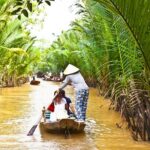
From Ho Chi Minh City, the transfer is done by private car with air-conditioning (so you’re not baking in traffic). After road driving, you switch to a ferry boat to reach the Can Gio area. I like this approach: it breaks the day into “city mode” and then “water/river mode,” so when you arrive you feel like you’ve actually changed environments, not just taken a long ride.
Pickup and drop-off are included at the center of the city. That’s a real value boost, especially for a day tour where small time losses add up. Also included: bottled water, entrance fees, and an English speaking tour guide—all the essentials you don’t want to chase around once you’re already in the field.
You can also read our reviews of more city tours in Ho Chi Minh City

Vam Sat Eco Park: the warm-up for mangrove life
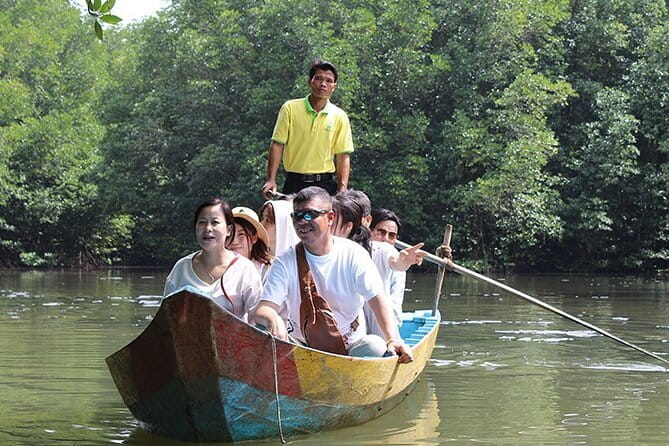
One of the first things you do when you arrive is take in the natural habitat around Vam Sat Eco Park. Think of it as a quick “set the scene” moment before you go deeper into the mangrove forest. This stop matters because you’re not thrown straight into walking with no context. You get a sense of how the area works as a living system.
Here’s where the day turns from sightseeing into participation. You’ll have time for crab fishing and bird-watching, including exotic local and migratory species. If you like travel days that give your brain a job—watching, listening, tracking—you’ll enjoy this part. It turns wildlife into something you pay attention to, instead of something you vaguely point at.
This is also a good place for patience. Bird-watching isn’t always instant payoff. Some sightings are quick, and some take waiting. The trade-off is worth it if you’re the type who likes observing behavior rather than forcing photos every minute.
Can Gio Mangrove Biosphere Reserve: where biodiversity is the point
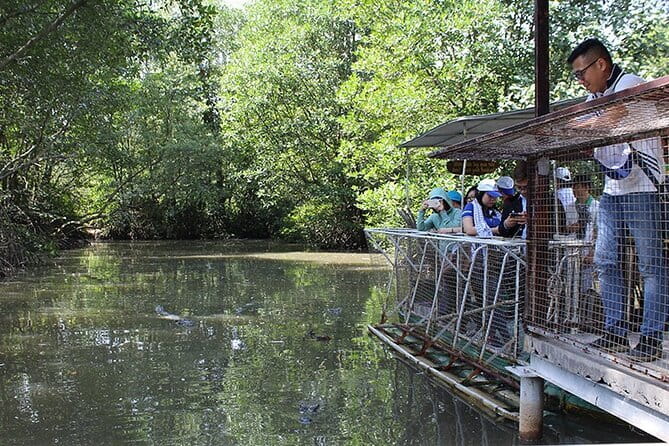
Now you get into the real focus: the Can Gio UNESCO Biosphere Reserve area. This is not marketed as a “one animal, one photo, done” kind of outing. The whole theme is biodiversity—how many different species can share one mangrove habitat and still make it work.
You’ll see or hear about animals that can include monkeys, gibbons, crocodiles, and countless birds. The mangroves here are described as having extremely high biodiversity: more than 200 species of fauna and 52 species of flora. That matters because it explains why guides push you to pay attention to details—mangroves aren’t just green walls. They’re complex, alive, and functional.
What I like most is the historical context. The ecosystem was devastated by the recent wars, and local people put in large efforts to rehabilitate the mangroves. You’ll feel the difference between this place and many “pretty nature” spots, because the story is about recovery and care, not just beauty.
Possible drawback: because this is a living habitat, you can’t “control” what you see. If your main goal is guaranteed, specific animal sightings at close range, you might find it less predictable. That said, the whole point of a reserve is that life happens on its own schedule.
Mangrove jungle walk(s): slow down and read the forest
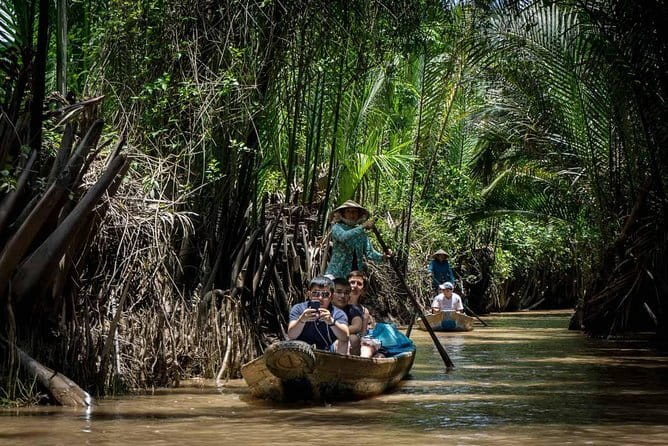
At least one mangrove jungle walk is part of the experience, and the day includes more than one walk segment. This is where your senses start doing real work: you’re listening for birds, scanning for movement, and noticing how the vegetation changes compared to “normal” forest.
Walking here also helps you understand why mangroves are so different from inland jungle. The environment is shaped by water, tides, and a habitat that many animals use as shelter and feeding ground. Even if you’re not a science person, it’s obvious that this isn’t a park built for crowds. It’s a functional ecosystem.
The practical value of the walks is that you’re not stuck on a single viewpoint. You get multiple angles and a better chance of seeing wildlife activity. The trade-off is that you should expect the day to keep moving. If you want a low-effort tour, this isn’t it.
Crab fishing and bird-watching: the hands-on wildlife moment
You’ll have time for crab fishing early on, alongside bird-watching. This is a nice mix because it gives you two different ways to engage.
Crab fishing is active and a little challenging—exactly because you’re doing it in a natural setting where the animals and the conditions aren’t staged for beginners. If you’re hoping for effortless “try it and it works every time” fun, you might feel the effort required. But that’s also why it feels more authentic: you’re participating in how locals interact with the environment.
Bird-watching pairs well with that activity. When fishing slows down, you can switch gears and watch. The guide helps by pointing you toward what to look for, and the setting is made for it: mangrove habitats concentrate bird life.
If you’re traveling with kids or people who love animal encounters, this stop can be a high-energy win—assuming everyone is game for hands-on activity and waiting for sightings.
You can also read our reviews of more private tours in Ho Chi Minh City


Crocodile fishing: what to expect from the challenge
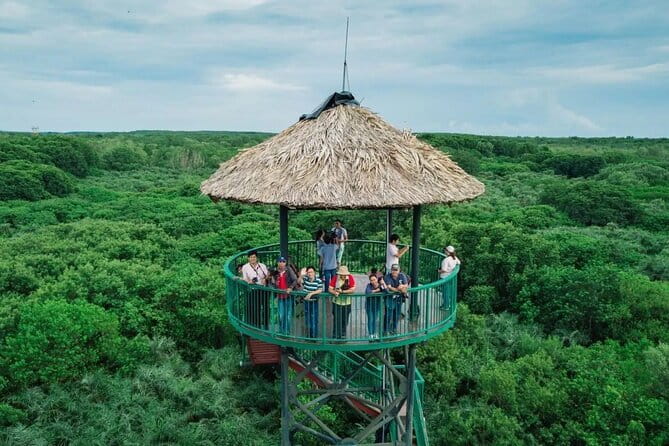
Crocodile fishing is part of the planned activities, described as something that can challenge your fishing skill. That phrasing is important. It signals that this isn’t a casual, fully managed classroom demonstration. You’ll be fishing in a wild-ish setting where patience and technique matter.
Also, crocodiles bring a safety mindset. The tour is built around wildlife observation and controlled interaction, not reckless closeness. Keep your attention on what the guide says and follow instructions without improvising.
Is it a must-do? If you love trying new things, yes. If you’re squeamish about aggressive animals or you prefer watching from a distance, you might find this part stressful. The upside is that it’s framed as a skill challenge, not a gimmick.
Monkey Island: the real test of your self-control (and rules)
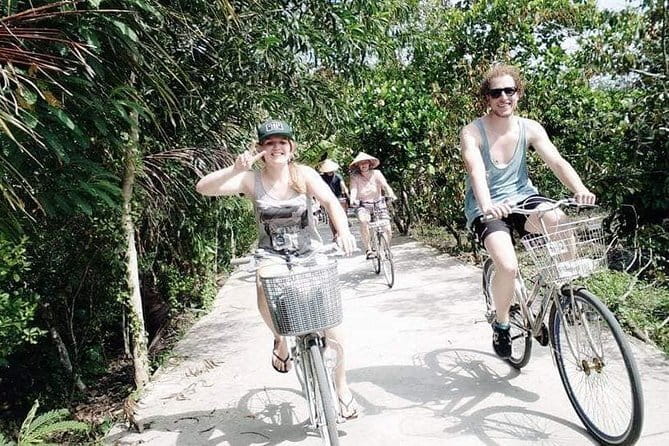
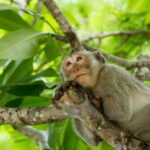
Then comes Monkey Island, and the tone changes. This is where you’ll realize monkeys are everywhere on the island. They move agilely on trees, run on the ground, and may move toward visitors with curious eyes.
Some monkeys are described as friendly and cute. Others are described as crazy. That’s why the rules matter. You should obey the guide’s instructions, stay within the certain distance they set, and don’t touch or feed the monkeys. (In wildlife encounters, small mistakes can create big problems quickly.)
This is also where you might see other animals—one experience highlight includes bats along with monkeys and crocodiles. It’s a reminder that the island’s ecosystem isn’t just one species show.
I like Monkey Island because it’s memorable, not sanitized. It feels like the animals are the main characters, not the backdrop for humans. The downside is that your patience and attention need to be on high alert. If you want a relaxed “petting zoo” vibe, this isn’t that.
Lunch and the day’s rhythm: learning with downtime
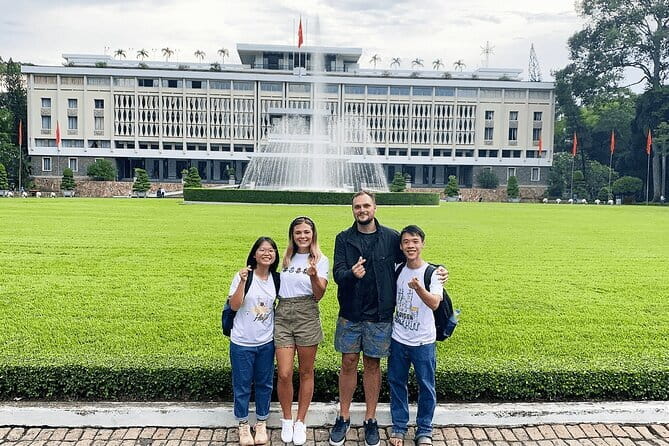
A calm moment matters on a long day tour. There’s typically a lunch stop during the outing, and it’s described as a nice break. Lunch also helps you absorb what you saw. After fishing, bird-watching, and monkey encounters, you’ll have more mental space to connect the wildlife with the war-and-rehabilitation story your guide shares.
This is also where guides often explain what you’re looking at in plain terms. One guide (Yen) was praised for covering war history alongside the wildlife day. That’s a strong combo because it prevents the day from becoming “wow animals” only. You leave with meaning attached to the visuals.
Price and value: is $150 fair for a private day?
At $150 per person, this private Can Gio tour isn’t a budget bus trip. You’re paying for private transport, an English-speaking guide, entrance fees, and pickup/drop-off from the city center. That bundling matters. It reduces hassle costs: fewer taxis, fewer ticket lines, and less time negotiating.
Value-wise, I see three things you’re getting that you’d struggle to assemble yourself:
- Concentrated wildlife programming (crab fishing, bird-watching, crocodile fishing, mangrove walk(s), Monkey Island) in one day.
- Interpretation from the guide, including the war impact and the mangrove recovery story.
- Comfort/logistics support with air-conditioned vehicle and bottled water.
Tipping is not included: plan for $5 USD for the driver and $10 USD for the tour guide. If you’re used to tipping casually, set that money aside in advance so it doesn’t turn into end-of-day stress.
Who is it best for? People who want one organized day that actually feels like you learned something. If you already have a deep mangrove obsession and prefer DIY, you could probably find cheaper ways to get there—but you’d be giving up the guided flow and the English support.
Who this tour suits best (and who should skip it)
This tour fits best if you:
- Want a nature day with real wildlife energy, not just views from a van.
- Enjoy activities like crab fishing and you’re curious about crocodile fishing as a skill challenge.
- Like animals, but also like context—war history and ecosystem rehabilitation are part of the experience.
- Prefer privacy and a guide who can handle questions in English.
You might want a different style of tour if you:
- Need very low activity and minimal walking.
- Don’t do well with unpredictable animal behavior or strict distance rules.
- Are uncomfortable with the idea of crocodiles being part of the day.
Should you book the Can Gio Mangrove Forest private tour?
If you’re craving an authentic wildlife day near Ho Chi Minh City, this one is a strong pick. The combination of mangrove biodiversity, hands-on fishing, bird-watching, and Monkey Island makes it more than a single-note tour. I also appreciate that the guide isn’t just naming animals; you’ll connect the ecosystem to the war impact and the local recovery efforts.
Book it if you like active, guided nature days and can follow wildlife rules without testing them. Skip it if you want a calm, controlled experience with no animal surprises. For the right traveler, this is the kind of day you’ll remember because it felt alive.
FAQ
How long is the Can Gio Mangrove Forest Island Private Tour from Ho Chi Minh City?
It runs for about 8 hours.
What time does the tour start?
The start time is 8:00 am.
Where does the tour begin?
Pickup is offered at the center of the city, and you arrive in the Can Gio area (with Vam Sat Eco Park mentioned as part of the experience).
Is the tour private or group-based?
It is a private tour/activity, with only your group participating.
What’s included in the price?
Included items are bottled water, entrance fees, an air-conditioned vehicle, an English speaking tour guide, and pickup & drop-off at the center of the city.
What activities are part of the day?
The experience includes a mangrove biosphere reserve visit, crab fishing, bird-watching, mangrove jungle walk(s), crocodile fishing, and Monkey Island.
Is a ticket provided?
Yes, an admission ticket is included, and the tour uses a mobile ticket.
What should I know about Monkey Island interactions?
You should stay within the distance rule set by your guide and don’t touch or feed the monkeys.
Is tipping included?
No. Tipping is not included, with suggested amounts of $5 USD for the driver and $10 USD for the tour guide.
What is the cancellation policy?
You get free cancellation. You can cancel up to 24 hours in advance for a full refund.