REVIEW · HO CHI MINH CITY
Saigon Slum Tour with Motorbike
Book on GetYourGuide →Operated by CONNECT CULTURE CO.,LTD · Bookable on GetYourGuide
Saigon’s contrast hits fast. This Ho Chi Minh City motorbike tour takes you from the shiny, high-end side of town straight into the slums inside the city. You’ll learn how people work, how families live, and what local support looks like on the ground, while moving through neighborhoods most visitors never see.
I love two things most: the way the route forces real perspective (center slums, older “mafia area” pockets, and river-side districts), and the chance to talk with a local guide who frames what you’re seeing without turning it into a sad spectacle. The only real drawback is that it’s still a scooter ride in heavy traffic—if you’re uncomfortable with motorcycles or tight alleys, you’ll want to mentally prepare and keep your focus.
In This Review
- Key highlights worth your time
- From District 1 luxury streets to inner-city slums
- Why riding pillion on a motorbike changes everything
- The slum stops: center areas, older neighborhood pockets, and river-side districts
- How the guide stories make the city make sense
- The charity food stall and the 2,000 VND rice meal
- Pickup, timing, and what to pack so you feel comfortable
- Price and value: what $16 actually buys you
- Who should book this (and who should think twice)
- Should you book this Saigon Slum Tour with Motorbike?
- FAQ
- How much does the Saigon Slum Tour with Motorbike cost?
- How long is the tour?
- What time does the tour start?
- Where is free pickup available?
- What’s included in the price?
- What should I bring?
- Is there food during the tour?
- What language is the tour guide?
- Are there extra costs or upgrades?
- Can I cancel for free?
Key highlights worth your time
- Motorbike-first sightseeing that feels like how locals move through Saigon
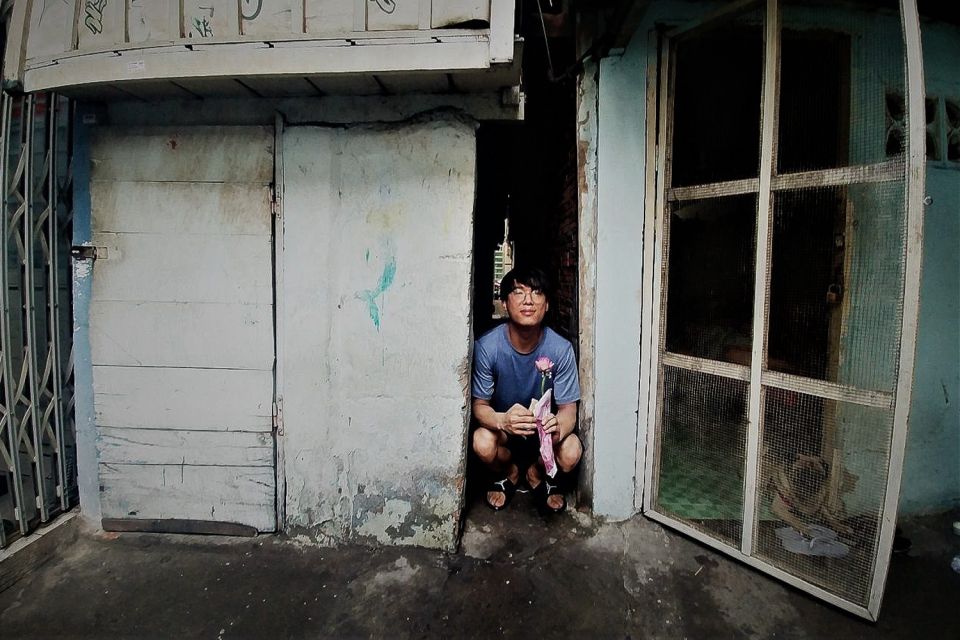
- Multiple slum zones, including the center, older neighborhood pockets, and river-side areas in Districts 5 to 7
- Redevelopment in progress, including areas being dismantled and rebuilt
- A stop at a charity food stall where you can buy a rice meal for 2,000 VND
- English-speaking local guides who help you understand daily life, not just scenery
From District 1 luxury streets to inner-city slums
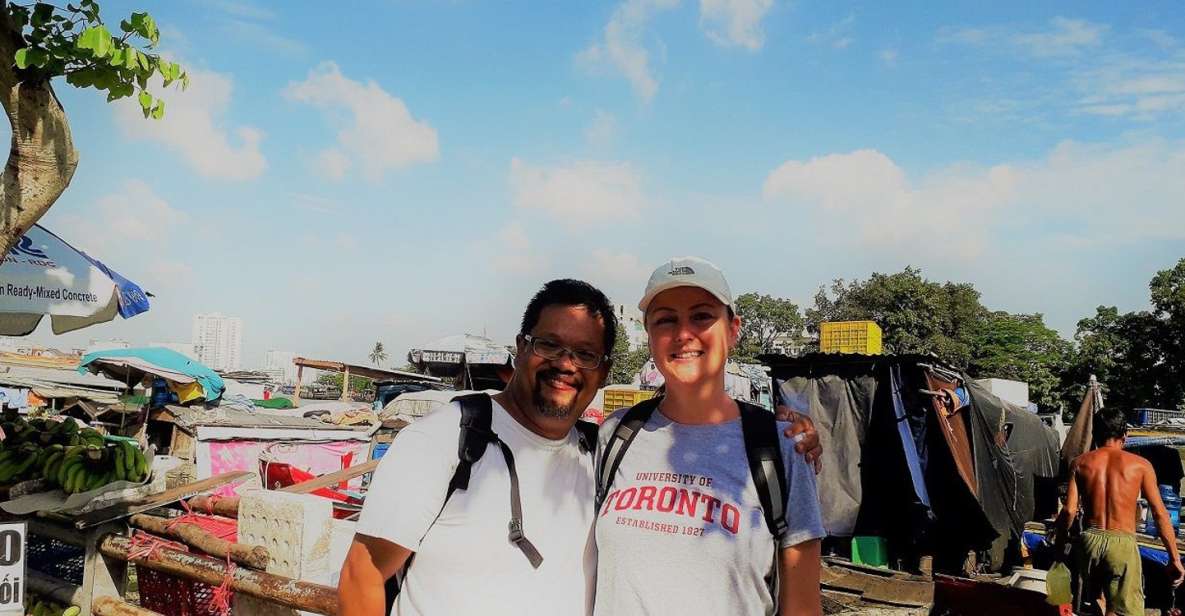
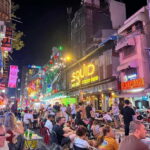
If you only see Saigon from the usual tourist checkpoints, you get a very filtered version of the city. This tour is different because it compares extremes in the same day, without asking you to do mental gymnastics. One moment you’re surrounded by the polished side of Ho Chi Minh City. The next, you’re rolling into neighborhoods where housing, income, and daily routine look radically different.
What I like is how the experience is built around contrast in a practical way: you don’t just read about inequality. You watch the city change block by block. The tour is designed to show you both the “inside the center” slum areas and those farther out, so you can see that poverty isn’t a single neat zone.
You’ll also get a sense of Saigon as a post-war city still reshaping itself. The tour includes stories about life after the war and how people make ends meet now. That matters, because it changes how you interpret what you see—less like a theme park, more like a living city with complicated layers.
You can also read our reviews of more tours and experiences in Ho Chi Minh City.



Why riding pillion on a motorbike changes everything
A walking tour can only take you so far, and a taxi tour loses the street-level detail. This is a motorbike format, and it’s the main reason the tour feels authentic.
Here’s what you can expect in plain terms:
- You ride on the back of a motorbike like locals do.
- You’ll get a helmet and poncho (handy if weather turns).
- You’ll pause often enough to look, talk, and take photos—so it’s not just nonstop “go-go-go” driving.
One small but important note: some people do find that time adds up quickly when you’re moving through traffic. That’s not a flaw in your guide—it’s Saigon. If you pick the shorter option (like the 2-hour version), you might spend a larger share of the tour on the road. Plan your expectations accordingly.
Safety is taken seriously. The included setup includes accident insurance, and guides are consistently praised for driving skill and keeping passengers comfortable. One rider even mentioned they were hands free by the end, which tells me the drivers usually go at a pace that builds confidence rather than stress.
The slum stops: center areas, older neighborhood pockets, and river-side districts
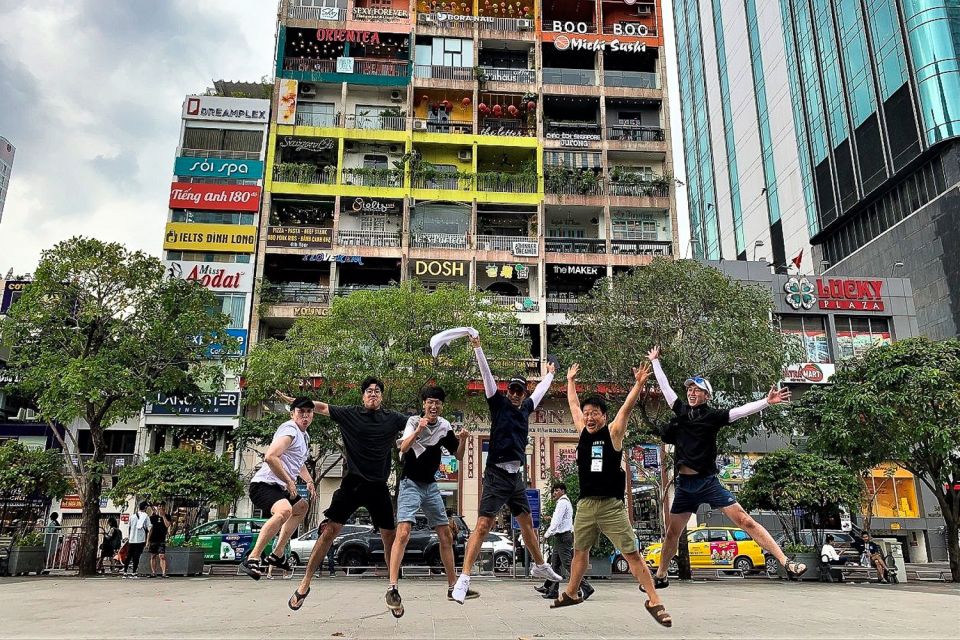
The itinerary is built to take you through different styles of slum life, not just one type. You’ll visit multiple slum areas, including ones in the city center and ones outside it, plus areas described as being in an old “mafia area” zone. That variety is useful, because living conditions, street access, and the way people earn money can differ a lot from district to district.
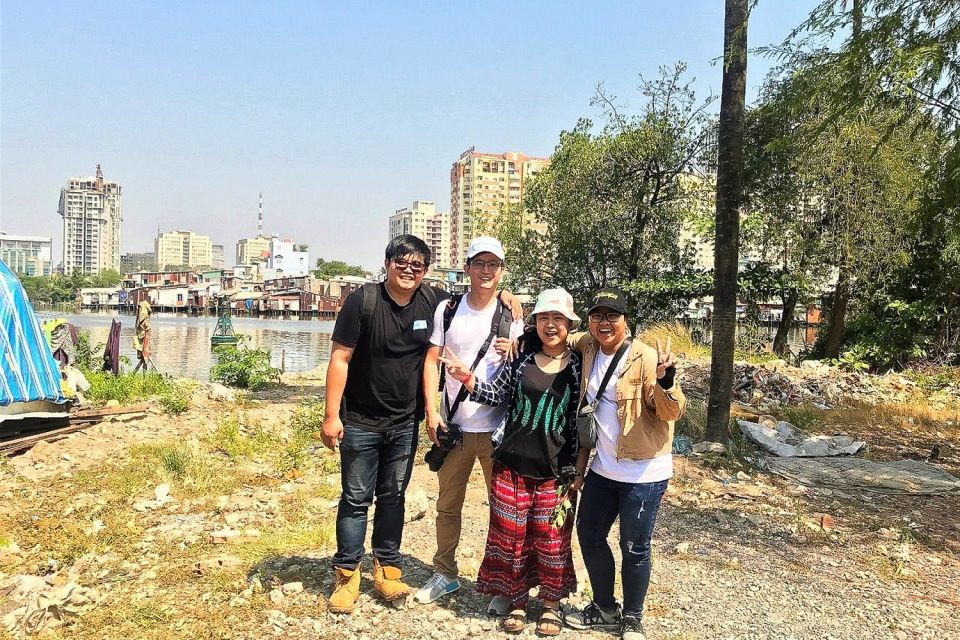
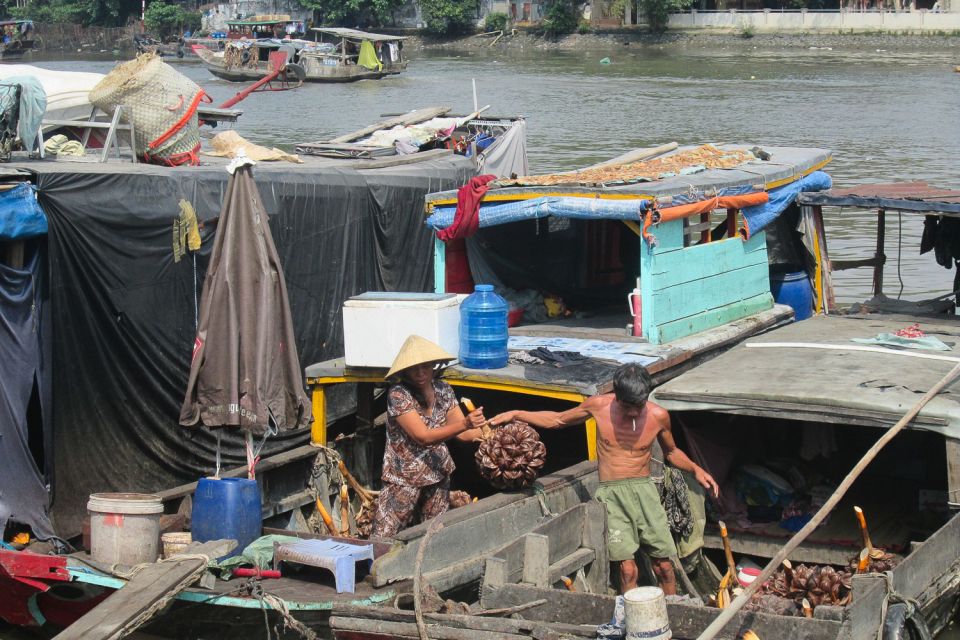
A highlight for many people is the stretch of time around the river-side neighborhoods—tied to Districts 5 to 7. River proximity shapes daily life: where people live, how they move, and the kinds of work that are possible. Even if you don’t fully understand it at first, your guide connects the dots with on-the-ground explanations.
You’ll also see slum areas where redevelopment is underway. Some parts are being dismantled and rebuilt, which can be unsettling to look at, but it’s also the honest reality of how cities change. Instead of pretending everything is stable, the tour points out the transition.
Two practical benefits for you:
- You’ll come away understanding that Saigon isn’t just “rich vs poor.” It’s rich areas rubbing up against housing that’s under pressure.
- You’ll hear how people themselves describe work and daily routine, which helps you avoid stereotypes.
This isn’t staged. You’ll be walking and photographing at stops, but the atmosphere is focused on understanding rather than performing.
How the guide stories make the city make sense
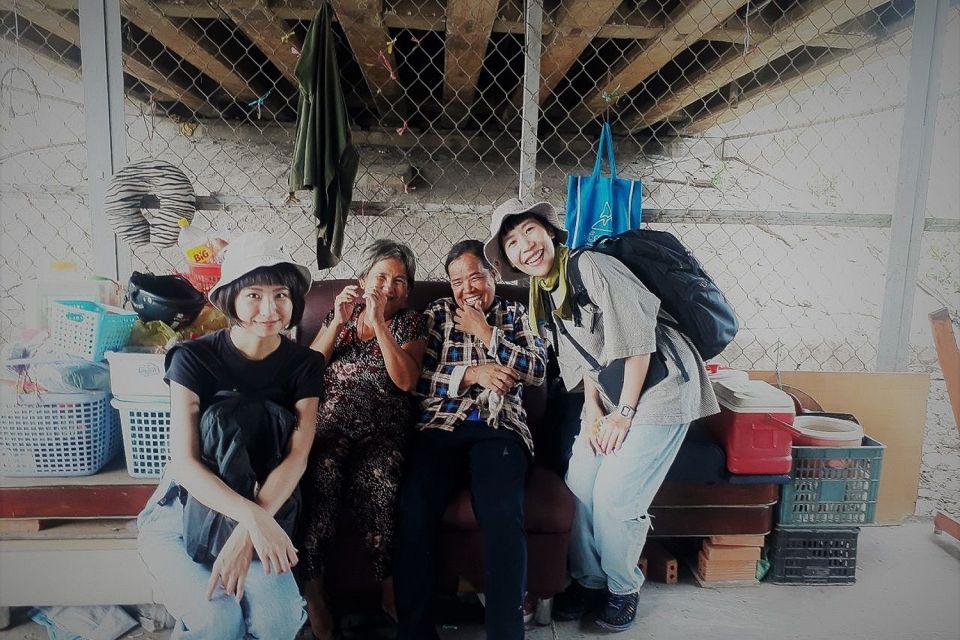
A good guide can turn photos into meaning. The best part of this tour is the human layer—especially the guide’s explanations of how government support works and how residents see their own situation.
This is where the English-speaking local guide matters. In past groups, guides such as Jay, Peter, Anna, Duy (Danny), Rosalyne/Rosalie, Hana, Flora, Che, Zack, and Wibu have been praised for combining safety with clear storytelling. People also mention a good sense of humor, which helps when the subject matter is heavy.
What you’ll learn is not only about poverty. You’ll learn about the economy of survival:
- the kind of work people do,
- how families manage housing and day-to-day spending,
- why some neighborhoods attract charity support,
- and what residents think about the future as redevelopment moves forward.
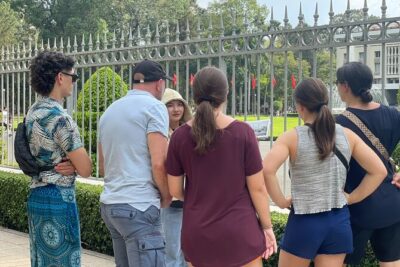
And yes, you’ll connect more with local people in a respectful way. One key takeaway from guides is simple: stay polite, keep a smile, and let conversations happen at the pace of the people you’re meeting. You don’t need to force emotion. Just stay open and curious.
The charity food stall and the 2,000 VND rice meal
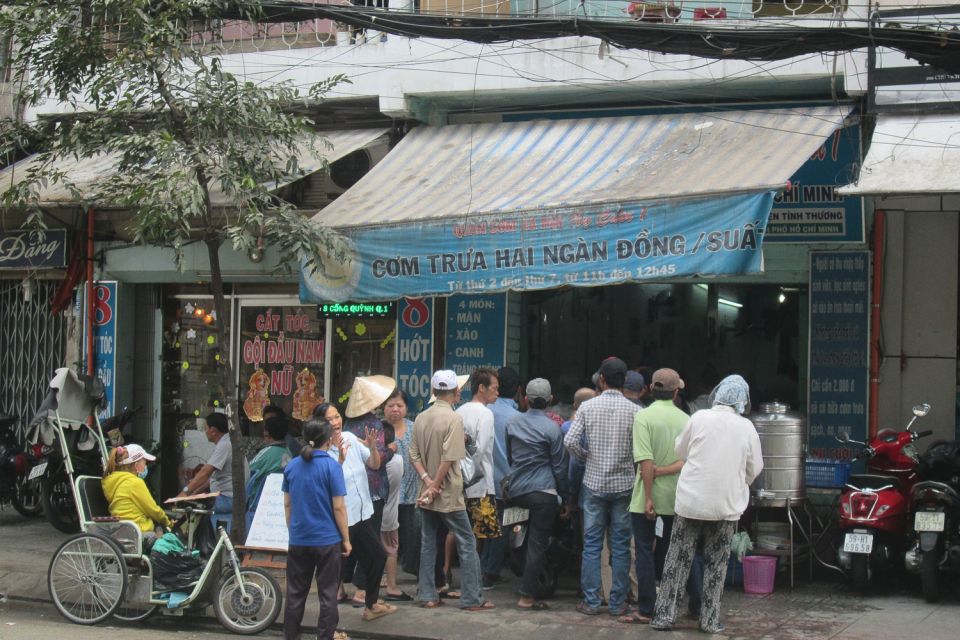
This tour includes a stop that’s small in time but big in meaning: a charity food stall where you can buy a meal with rice for 2,000 VND.
Why it matters:
- It turns the topic of support into something tangible you can see and experience.
- It’s not just talking about hardship. You see a system of everyday aid.
- You get a chance to take part in the meal, rather than only watching.
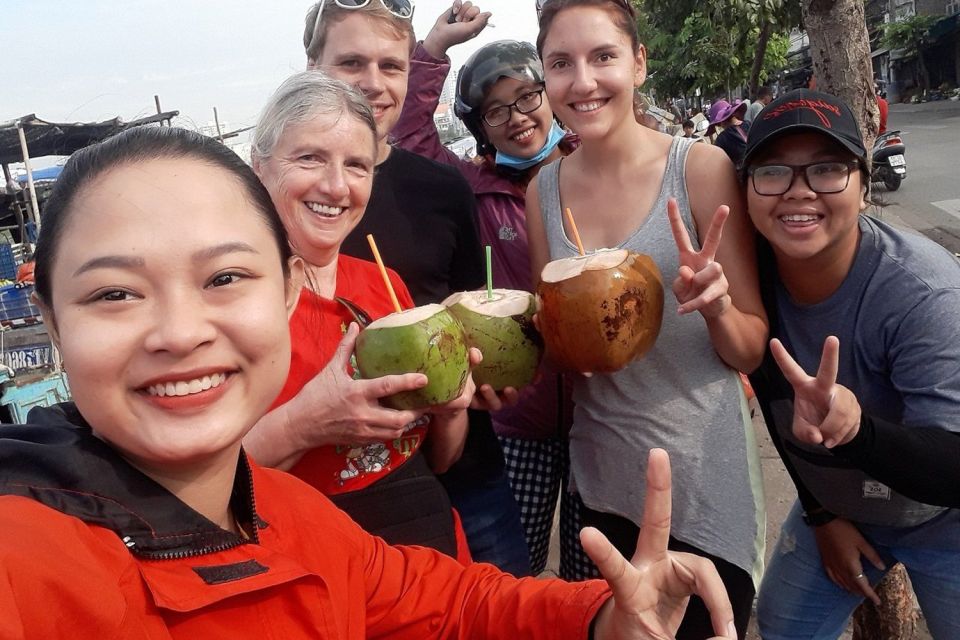
You’ll also receive one local drink included—choices listed as coconut, coffee, or another local drink. This is a nice break during the ride, and it gives you a moment to reset your brain after the more intense visuals.
Keep in mind: the tour lists the included drink, but any additional food or extra drinks are not included. If you’re hungry afterward, plan to grab something later from a normal restaurant.



Pickup, timing, and what to pack so you feel comfortable
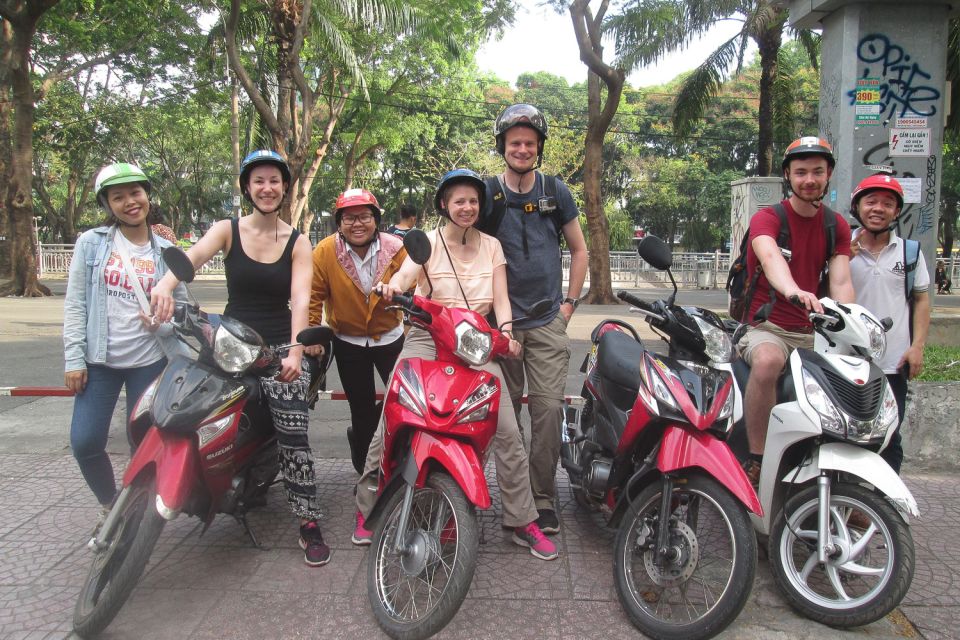
The standard start is early. The tour begins with hotel pickup at 8:00 AM. Duration is listed as 2–4 hours, depending on the starting option and how the route and stops flow.
Pickup is included only within certain areas:
- Free pickup is offered for hotels in District 1, District 3, and District 4.
- Or you can meet at 212 Lê Lai, Phường Phạm Ngũ Lão, Quận 1 (the meeting point is also referenced as Saigon Opera House).
If your hotel is outside those zones, plan for a 5 USD per person surcharge on the operator’s side.
What to bring is refreshingly simple: comfortable shoes. You’ll likely do some walking around stops, and you’ll want to be steady when moving through uneven areas.
Also, bring your own mindset:
- This is a contrast tour. It’s not meant to feel like a smooth museum visit.
- You’ll see real living spaces and the results of redevelopment efforts.
- Your job is to stay respectful and let your guide handle context.
Price and value: what $16 actually buys you
At $16 per person, this is one of those tours that feels underpriced for what you get. You’re not paying just for transport. You’re paying for:
- local guide interpretation in English,
- scooter logistics (motorbikes, helmets, and ponchos),
- photos,
- a local drink,
- and accident insurance.
You’re also getting access. That’s the real value. Most visitors don’t end up in multiple slum zones across the city center and river-side districts in the same morning. Doing that safely and in context usually takes a local guide.
A couple of costs to watch for:
- Private tour option: a 5 USD surcharge per person (stated as a private option surcharge).
- Car option: if you want a car instead of scooters, surcharges are listed as 50 USD for a 7-seat car and 70 USD for a 16-seat van. Booking should be done before 24 hours.
- Female Aodai Rider upgrade: 10 USD extra per person.
- Outside free pickup districts: 5 USD per person.
If you want the scooter experience but are worried about riding in traffic, the car upgrade might be worth it. If you do feel okay on a motorbike, the scooter format is the point—it’s the fastest way to cover zones and keep the city feeling close.
Who should book this (and who should think twice)
This tour is a strong fit if you want a real introduction to Ho Chi Minh City beyond the famous sights. It’s also ideal as a second-day plan after you’ve already gotten oriented with the main tourist areas. That way, you’ll better notice what’s different and why.
You’ll likely enjoy it if:
- you like street-level travel,
- you want to understand social contrasts,
- you’re comfortable with motorcycles or are willing to try with a skilled driver,
- you prefer conversations and context over just landmarks.
You might want to skip or choose the car option if:
- you’re not comfortable on scooters,
- you hate heavy traffic situations,
- you want a mostly comfortable, sitting-down sightseeing day.
This isn’t a “stroll and forget” tour. It asks you to look, listen, and be respectful.
Should you book this Saigon Slum Tour with Motorbike?
I’d book it if you’re the type of traveler who wants context, not just photos. For $16, you get a compact morning that compares luxury Saigon with inner-city slum realities, across multiple districts, with an English-speaking guide and a meaningful food stop.
The biggest reason to book is the structure. The motorbike format makes the contrast immediate. The guide layer turns what you see into something you can understand. And the charity food stall adds a grounded, human moment that doesn’t feel like empty sightseeing.
Just be honest with yourself about the scooter ride. If you’re new to motorbikes, go in expecting concentration. If you’d rather relax, consider the car option.
If your goal is to understand Ho Chi Minh City as a city of strong contrasts—then this tour is one of the most direct ways to do it.
FAQ
How much does the Saigon Slum Tour with Motorbike cost?
The price is listed as $16 per person.
How long is the tour?
The duration is listed as 2–4 hours.
What time does the tour start?
The tour begins with pickup from your hotel at 8:00 AM.
Where is free pickup available?
Free pickup is included for hotels in District 1, 3, and 4. If you are outside those areas, you can also use the meeting point at 212 Lê Lai, Phường Phạm Ngũ Lão, Quận 1, and the meeting point is also referenced as Saigon Opera House.
What’s included in the price?
Included are hotel pickup and drop-off (within the listed districts), local guides, motorbikes, helmets, ponchos, photos, one local drink (coconut, coffee, or a local drink), and accident insurance.
What should I bring?
Bring comfortable shoes.
Is there food during the tour?
Yes. There is a stop at a charity food stall where they sell a rice meal for 2,000 VND. Additional food and drinks are not included.
What language is the tour guide?
The tour is listed as English.
Are there extra costs or upgrades?
Yes. There is a 5 USD per person surcharge for the private tour option. Hotels outside District 1, 3, and 4 have a 5 USD per person surcharge. There is also an Ao Dai rider upgrade for 10 USD extra per person, and car options with surcharges of 50 USD (7-seat) or 70 USD (16-seat van).
Can I cancel for free?
Cancellation is listed as free up to 24 hours in advance for a full refund.