REVIEW · HO CHI MINH CITY
Vietnamese Homestyle Cooking Class in Ho Chi Minh City
Book on Viator →Operated by Hoa’s Kitchen-Vietnamese Homestyle Cooking Class · Bookable on Viator
A cooking class feels like visiting family. At Hoa’s Kitchen in Ho Chi Minh City, homestyle warmth and step-by-step coaching make Vietnamese food feel learnable, not mysterious. I loved the welcoming touch of ice-cold homemade lemongrass tea, and I liked that you cook together from scratch, then sit down to eat what you made.
One thing to note: there’s no pickup service, and the class uses a shared home-style setup with everyone cooking the same menu. If you want a private workstation, this isn’t that kind of experience.
In This Review
- Key highlights you’ll care about
- Hoa’s Kitchen in Ho Chi Minh City: small group, real homestyle energy
- Meeting point and getting there without the stress
- Binh Tay Market: practical ingredient context, not a shopping frenzy
- Cooking together in Hoa’s kitchen: 3 dishes, from scratch, with real guidance
- The flavors you learn to recreate: what makes this menu work at home
- The meal part: sit down, eat what you made, and compare notes
- What the best reviews reveal about Hoa’s teaching style
- Price and value: is $38.63 worth a 3-hour homestyle class?
- Who should book this class (and who might skip it)
- Quick practical notes before you go
- Should you book Hoa’s Vietnamese Homestyle Cooking Class?
- FAQ
- How long is the Vietnamese homestyle cooking class?
- What does the class include?
- Do I need my own transportation? Is pickup offered?
- Where is the meeting point?
- How many people are in the group?
- What will I cook during the class?
- Is there a market visit included?
- Is the cooking setup shared?
- What is the cancellation policy?
Key highlights you’ll care about
- Small group size (max 6) means you actually get hands-on help in English.
- Start near Binh Tay Market so you get an ingredient mindset before you cook.
- Cook 3 traditional dishes from scratch with guidance meant for real-home results.
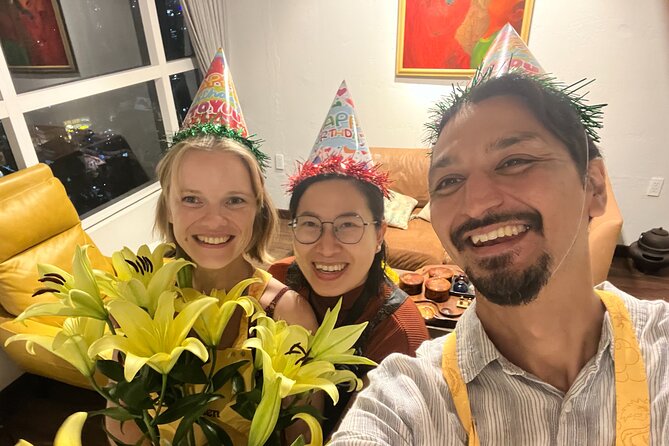
- Homemade lemongrass tea welcome sets the tone fast and helps you relax.
- One shared kitchen setup keeps it social and collaborative, not isolated.
- No MSG promise + daily fresh ingredients signals an emphasis on cleaner flavor.
Hoa’s Kitchen in Ho Chi Minh City: small group, real homestyle energy
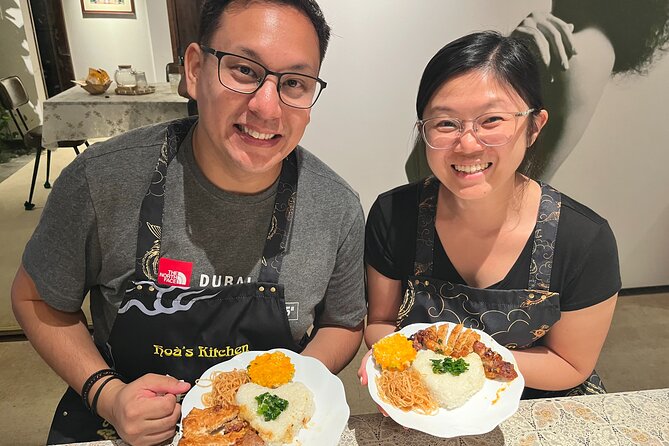
This is a homestyle cooking class, and that word matters. You’re not in a studio kitchen with strict lanes and separate stations. Instead, it’s set up to feel like you’ve been invited into a Vietnamese home to cook with someone who genuinely enjoys teaching.
The vibe is practical and calm. Expect a step-by-step flow where you start from scratch and work along with Hoa. English support is part of the package, and the small group size (up to 6) helps a lot. In a class like this, you want a teacher who can correct your technique before you’ve cooked yourself into trouble.
I also like the focus on dishes that are meant to be re-created at home. The menu is chosen to be easy-made, which is the difference between learning a fun showpiece and learning dinner you can actually cook later.
And yes, the first taste moment hits early. Reviews specifically call out ice-cold homemade lemongrass tea as a welcome. That small detail tells you what’s coming: warm hospitality, not just instruction.
You can also read our reviews of more city tours in Ho Chi Minh City


Meeting point and getting there without the stress
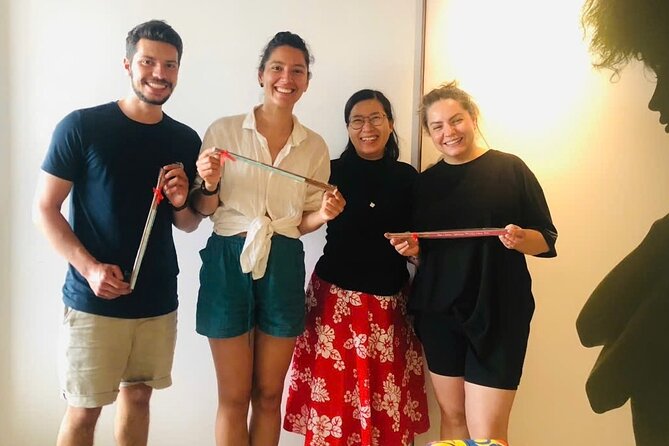
The meeting point is at Lucky Palace Wholesales Market and Luxury Apartment, 50 Đ. Phan Văn Khỏe, Phường 2, Quận 6, Ho Chi Minh City. The activity ends back at the same place.
There’s no pickup, so plan to arrive under your own steam. The good news: it’s listed as near public transportation. That matters because this class is only about 3 hours, and you don’t want to lose half of it to logistics.
If you’re staying in District 1 or nearby, you’ll likely use a ride-hail service or short transit hops. Build in a few extra minutes for locating the exact building entrance, especially if you arrive before traffic settles.
Binh Tay Market: practical ingredient context, not a shopping frenzy
Your experience includes a stop at Binh Tay Market. Even if you only spend a short time there, it helps you understand what you’re cooking with and why Vietnamese dishes rely on fresh aromatics and pantry staples.
Now, there’s one nuance worth knowing. The market visit is described as available as requested with an extra fee. That suggests you may have options depending on what time slot and format your booking uses. When you reserve, double-check whether your class time includes the standard market stop or whether you’re choosing an expanded market add-on.
Either way, the point is the same: you’re sharpening your ingredient radar before you cook. That becomes real value later, because you’ll know what to look for in a local grocery run back home.
Cooking together in Hoa’s kitchen: 3 dishes, from scratch, with real guidance
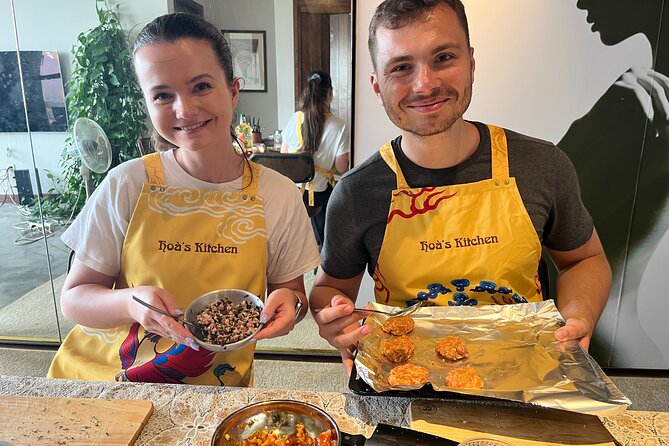
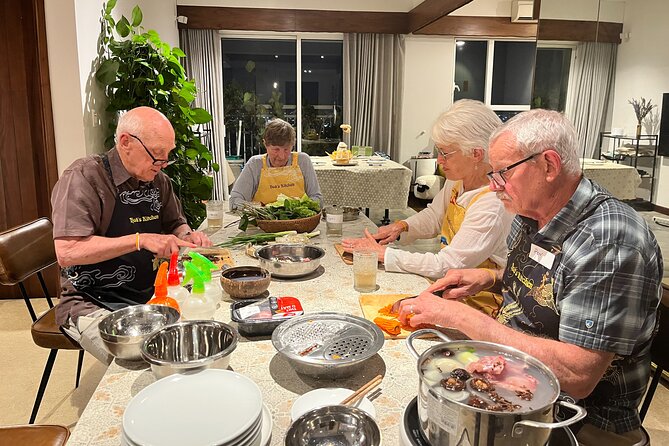
The heart of the class is hands-on cooking. You’ll prepare 3 traditional Vietnamese dishes from scratch together, with Hoa guiding you step-by-step.
A big detail here is how the class is organized:
- You cook as a group in a home-style setup.
- There’s no separate station for each guest.
- Everyone follows the same menu.
That can be a drawback if you prefer quieter, more individual cooking. But it also creates an easier rhythm. You’ll see how the pacing works, and you can ask questions as the group moves through each step.
Hoa also explains the “best way” to prep before you start cooking. That matters with Vietnamese food, where small prep choices can affect the final taste and texture. You’re not just learning what to add—you’re learning how to handle ingredients so flavors line up.
The class is described as no MSG and using daily fresh ingredients. Even if you don’t care about MSG personally, this usually translates into flavors that feel lighter and more ingredient-driven. It’s also a useful lesson if you want to cook Vietnamese food without relying on shortcuts later.
And because the dishes are selected to be easy to remake at home, Hoa’s guidance is aimed at practical results, not restaurant theatrics. If you’ve ever tried a recipe at home and felt like you were missing something, this is the kind of class that helps you connect technique to outcome.
The flavors you learn to recreate: what makes this menu work at home
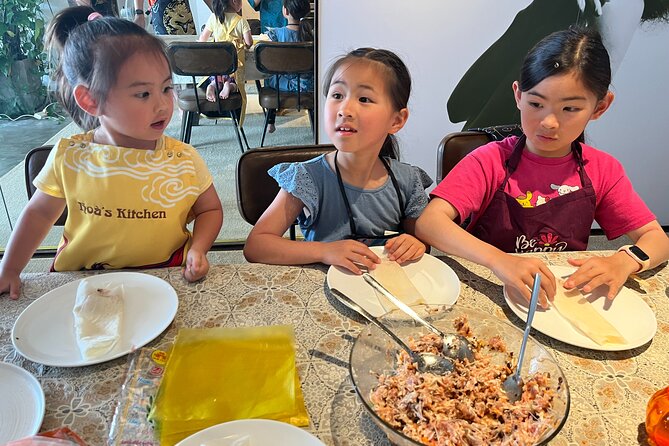
The overview is clear that the dishes are meant to be re-created at home. That’s a selling point because plenty of cooking classes teach skills you can’t actually apply unless you own specialized equipment or spend time hunting rare ingredients.
Here, the emphasis is on approachable Vietnamese cooking. You’ll learn dishes that are familiar, traditional, and built around everyday technique: prepping aromatics, balancing flavors, and getting the timing right.
Since the exact dish names aren’t listed in the details you shared, I won’t pretend otherwise. But I can tell you what to pay attention to while you cook:
- Notice the order of steps. Vietnamese cooking often relies on timing more than brute force.
- Watch how sauces and seasonings come together. You’re learning a flavor logic, not just a recipe list.
- Ask about adjustments. If something tastes too strong or not strong enough, Hoa can usually explain what to tweak and why.
This is where the “homestyle” promise comes alive. Cooking in a home environment usually means the teacher is thinking about what works on a normal day, not what impresses on camera.
You can also read our reviews of more cooking classes in Ho Chi Minh City





The meal part: sit down, eat what you made, and compare notes
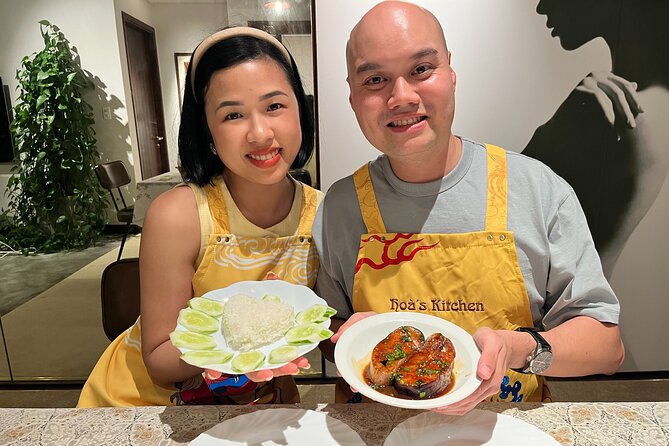
After you finish cooking, you sit down together and enjoy your home-cooked Vietnamese meal. This is more than a courtesy. It’s where you learn.
While you eat, you can connect taste to technique. You can also ask follow-up questions without the pressure of standing over a hot stove. And because you’re cooking the same menu together, there’s a built-in chance for conversation about how each dish should taste.
That shared meal is also where the class feels extra personal. Reviews highlight a friendly chat during the cooking process. If you enjoy learning by talking—asking why a step matters, how to handle ingredients—that kind of interaction is part of the experience, not an afterthought.
What the best reviews reveal about Hoa’s teaching style
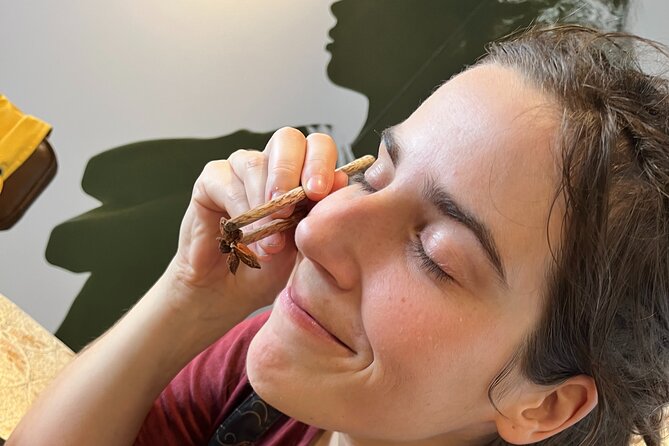
The standout praise is consistent: people describe it as a warm, patient teaching experience. One review captures it as like a Vietnamese aunt teaching cooking hacks and refined recipes. That’s exactly the mindset you want in a class.
Here are the highly praised elements you should expect to feel in the room:
- Warm welcome (lemongrass tea) that makes you comfortable right away.
- Patient guidance with explanations that go through each step clearly.
- Ease of learning, with tips that help you understand rather than memorize.
- Personal touches like gifts and extra attention such as taking videos/photos.
There’s also a family-friendly streak in the feedback. One family brought grandchildren aged 9 and 11 and found it fun and educational. I can’t guarantee every child will love chopping or stirring, but it suggests the pacing and teaching style can work beyond just adult foodies.
If you like learning in a human way—less performance, more coaching—this fits.
Price and value: is $38.63 worth a 3-hour homestyle class?
At $38.63 per person for about 3 hours, you’re paying for more than a recipe. You’re paying for:
- An English-speaking guide
- Hands-on cooking with 3 dishes from scratch
- Coffee and/or tea
- A small group setting (max 6), which typically means more attention from the instructor
- A homestyle experience designed around ingredients you can find and techniques you can repeat
Food classes can vary wildly in cost, and the cheaper ones sometimes end up being light on instruction. This one is positioned as an instructional cooking session with step-by-step guidance and a shared cooking experience in a home setting.
Value also comes from the “at home” intent. If you walk away with a clear method and a recipe you can actually reproduce, you’ve essentially bought a skill—one you can use multiple times after your trip.
The only cost wrinkle to watch is the optional market arrangement. If you want additional market time beyond the planned stop, there may be an extra fee. If you’re focused on cooking, you can still benefit even without expanding the market portion.
Who should book this class (and who might skip it)
This is a strong pick if you:
- Want a practical Vietnamese cooking lesson you can recreate later
- Like small groups and direct instruction
- Prefer a warm, personal teaching style over a formal, classroom feel
- Enjoy eating as part of the learning process
You might skip it if you:
- Need pickup service (since pickup is not offered)
- Want each person to have their own cooking station
- Are looking for a strict, ingredient-deep market tour as the main event
If you’re the type who learns best by doing, and you don’t mind cooking alongside others, you’ll likely enjoy the format.
Quick practical notes before you go
This class uses a mobile ticket, so keep it handy on your phone. Confirmation is received at booking time, so you’ll have your details set.
Also, the format is designed around everyone cooking the same menu. That means your experience won’t be individualized to dietary needs based on the information provided. If you have strong restrictions, it’s smart to ask before booking so the instructor can confirm what’s possible.
Should you book Hoa’s Vietnamese Homestyle Cooking Class?
Yes, if you want a hands-on, friendly way to learn Vietnamese cooking in Ho Chi Minh City. The biggest reasons to book are the small group limit, the step-by-step teaching style, and the homestyle approach that aims for dishes you can remake at home.
If you’re okay arriving on your own without pickup and you’re fine cooking at a shared home-style setup, this one has the right balance of hospitality and technique.
If you want a quiet solo cooking experience with a private setup, you may feel more comfortable choosing a different format. But for most people, the shared kitchen energy is part of the charm.
If you’re in town for a few days and you want one experience that turns into future dinners, this is a very solid choice.
FAQ
How long is the Vietnamese homestyle cooking class?
It runs for about 3 hours.
What does the class include?
You get coffee and/or tea, plus an English-speaking guide.
Do I need my own transportation? Is pickup offered?
No pickup service is offered. You’ll need to get to the meeting point yourself.
Where is the meeting point?
It’s at Lucky Palace Wholesales Market and Luxury Apartment, 50 Đ. Phan Văn Khỏe, Phường 2, Quận 6, Ho Chi Minh City, Vietnam.
How many people are in the group?
The class has a maximum of 6 travelers.
What will I cook during the class?
You’ll cook together and prepare 3 traditional Vietnamese dishes from scratch.
Is there a market visit included?
There is a stop at Binh Tay Market. A market tour is also described as available on request with an extra fee, so check what your booking includes.
Is the cooking setup shared?
Yes. You cook the same menu together with a home-setting, and there is no separate station for each guest.
What is the cancellation policy?
Free cancellation is offered up to 24 hours in advance for a full refund. If you cancel less than 24 hours before the start time, the amount paid is not refunded.